




In the modern cultural history of the Khanh Hoa region, there is a foreign name that locals always mention with the deepest attitude of respect, gratitude, and affection, as if he were a founding hero or a village guardian deity: Dr. Alexandre Yersin. This great French scientist of Swiss origin, an outstanding student of Louis Pasteur, chose to spend nearly his entire life in the land of Nha Trang — Khanh Hoa for over half a century, turning it into his second home and leaving behind great historical marks on medicine in Vietnam, in particular, and the world, in general.
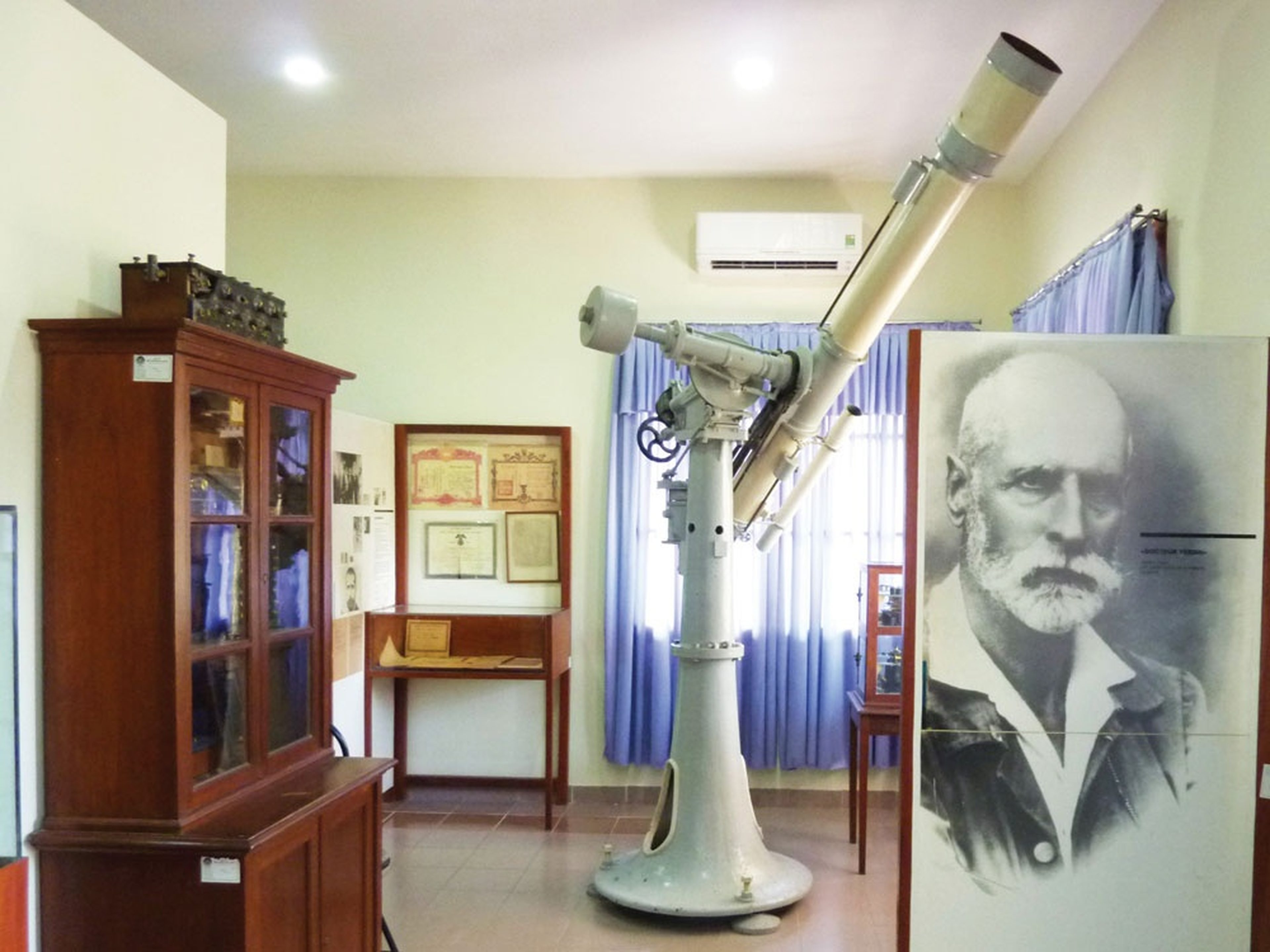
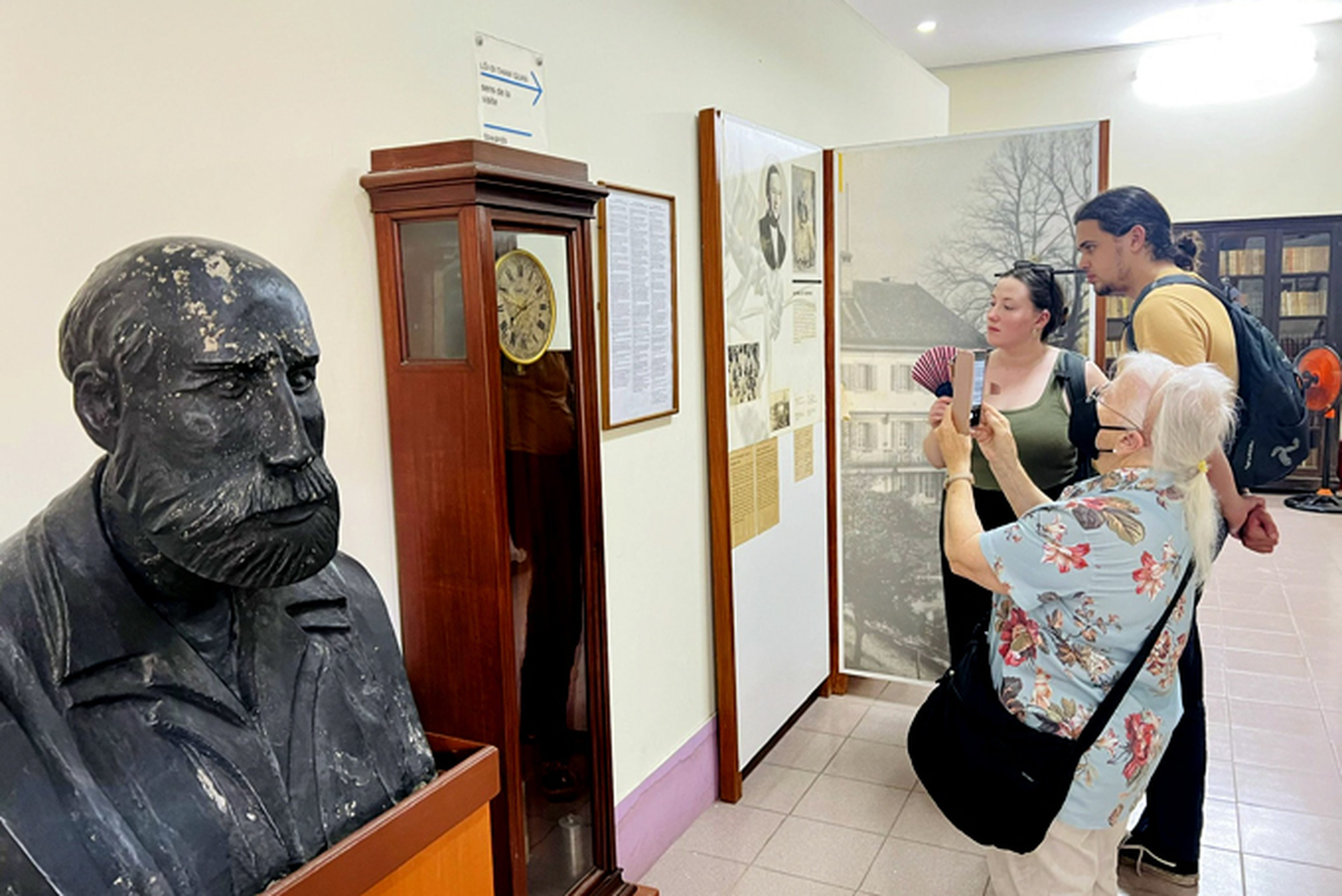
A journey following the historical footsteps of Dr. Yersin in Nha Trang often begins at the ancient building of the Pasteur Institute of Nha Trang, located right on the coastal Tran Phu street. Founded by him in 1895, this is where he conducted groundbreaking scientific research on the plague and produced the first serum that saved millions of lives worldwide. Inside the institute's grounds, the small Yersin Museum preserves almost intact all the personal artifacts from his daily life: from a brass microscope tarnished by time and a worn-out leather suitcase for his travels, to handwritten ink journals and the simple bed of the great doctor. Standing before these humble relics, the traveler will be moved by a great character — a world-class scientist who chose a modest life, dedicating himself entirely to humanity and the local poor.
From the house by the sea to the cloud-covered peak of Hon Ba
Beyond his links to medicine and the Nha Trang sea, Dr. Yersin was also a great enthusiast of nature exploration and geographical discovery (he was the one who discovered the Lam Vien plateau, where the city of Da Lat is located today). To find an ideal climate for transplanting cinchona trees (the raw material for producing malaria medication), he ventured deep into the forests and built an agricultural research station and a small wooden house right on the summit of Hon Ba, in Dien Khanh district, at an altitude of over 1,500m above sea level.
Stops bearing the Yersin mark in Khanh Hoa:
-
Pasteur Institute and Yersin Museum (Nha Trang): Where his top-tier scientific research works and daily artifacts are preserved.
-
Yersin Park: Located on the coast of Nha Trang with a white stone bust gazing out at the vast ocean.
-
Dr. Yersin's Grave in Suoi Dau (Cam Lam): A simple tomb situated on a small hill shaded by fruit trees, where he chose to rest forever with his motherland, Khanh Hoa.
The journey up to the peak of Hon Ba today is a spectacular mountain pass, winding through vast primeval forests with diverse flora and cool, fog-covered air all year round. Although his wooden house on the mountain peak has been restored, it still retains the exact original architectural form, providing visitors with a sense of peace and tranquility, as if stepping into the quiet living space of a great hermit amidst the clouds.
Lessons on compassion through a slow journey
Visiting historical sites associated with Dr. Alexandre Yersin is not purely a sightseeing trip for entertainment. It is a cultural journey with deep educational value for the soul. The people of old Nha Trang used to call him by the affectionate name "Ong Nam" (Mr. Five). To them, he was not a distant French official; he was a gentle doctor who rode his bicycle every day to provide free medical care to poor fishermen, the person who bought the first film projector to the village to show cartoons for children every weekend, and the person who bequeathed his entire estate to local charities when he passed away.
When visiting his grave in Suoi Dau, please walk softly and light an incense stick in memory of a great human being. The area around the tomb is always voluntarily cared for and kept clean and tidy by locals, filled with flowers and birdsong. Writing about the historical imprint of Dr. Yersin on a travel website is our way of offering readers a warm, humanistic perspective, helping them understand that the most sustainable value of a land does not only lie in the beauty bestowed by nature, but is also persistently warmed by the love and compassion of people throughout history.