


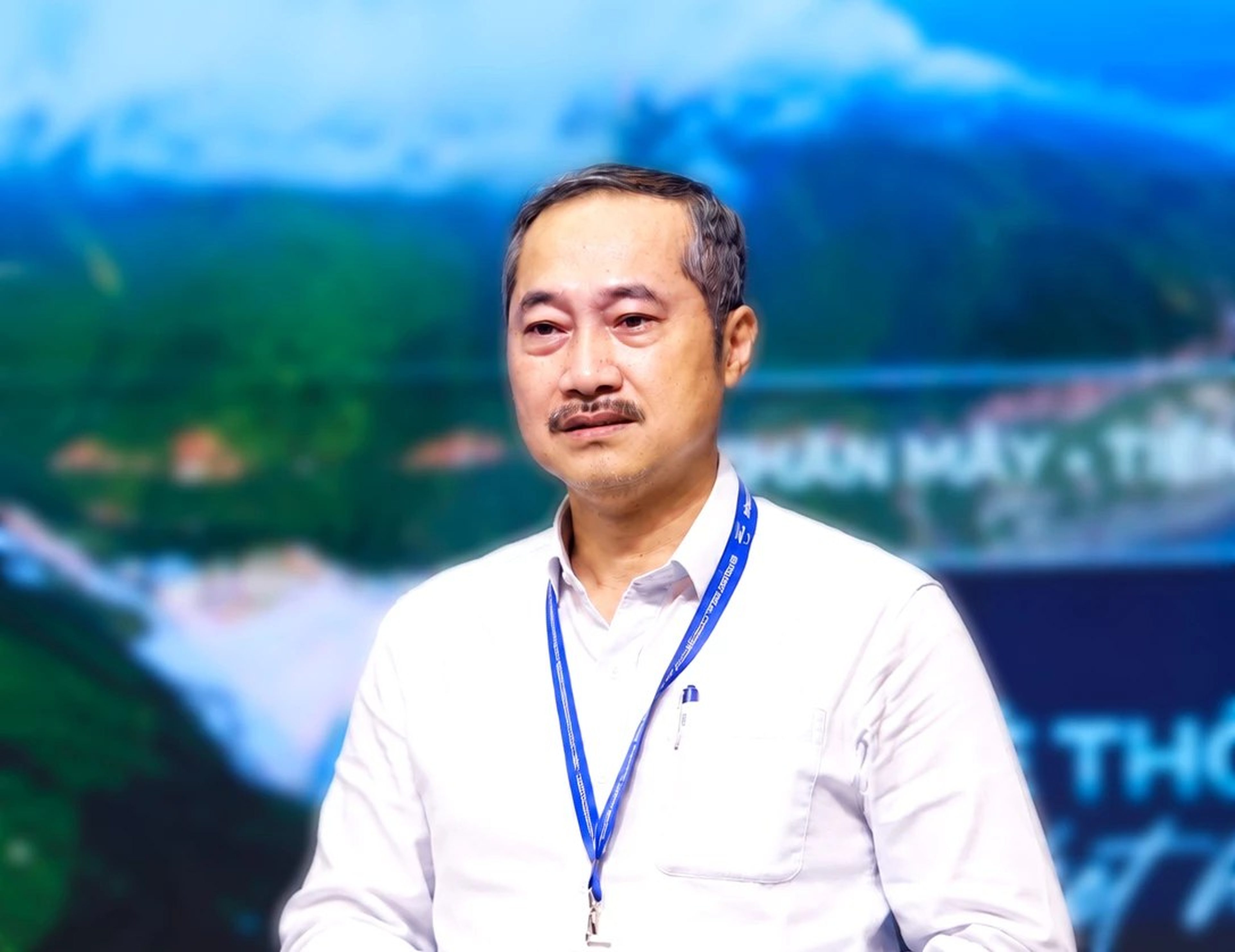

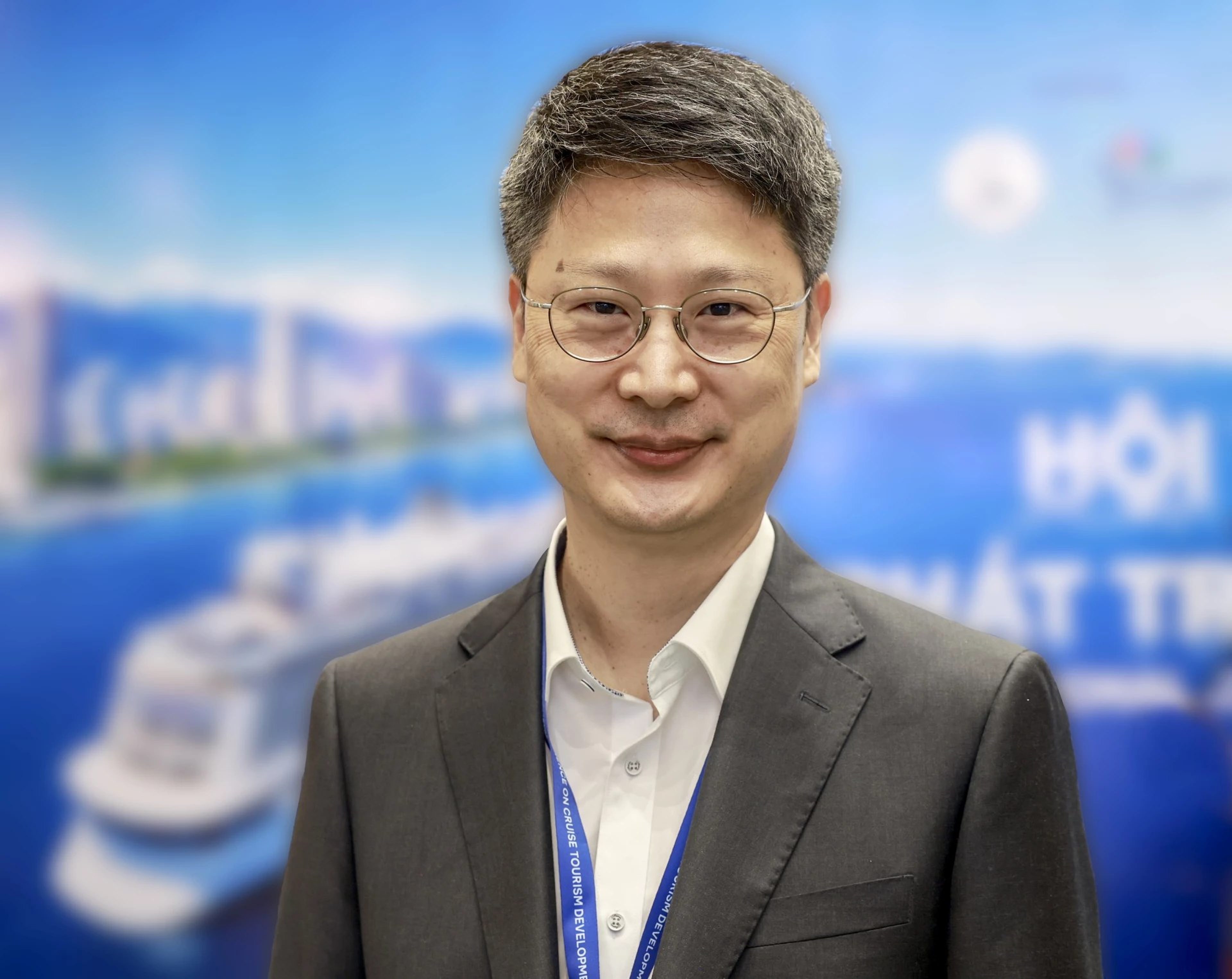
Despite boasting a deep-water seaport, an international airport, and a beautiful bay, Khanh Hoa remains primarily a secondary transit stop on the itineraries of international cruise lines. How can tourists be encouraged to stay longer, spend more, and want to return? At the International Workshop on Cruise Tourism Development in Khanh Hoa, organized by the Khanh Hoa Provincial People's Committee in collaboration with the Vietnam National Authority of Tourism on the morning of October 30, experts proposed numerous solutions ranging from markets and products to tourist experiences.
* Mr. Cao Tri Dung - Chairman of the Vietnam Travel Association: Diversifying tourism products
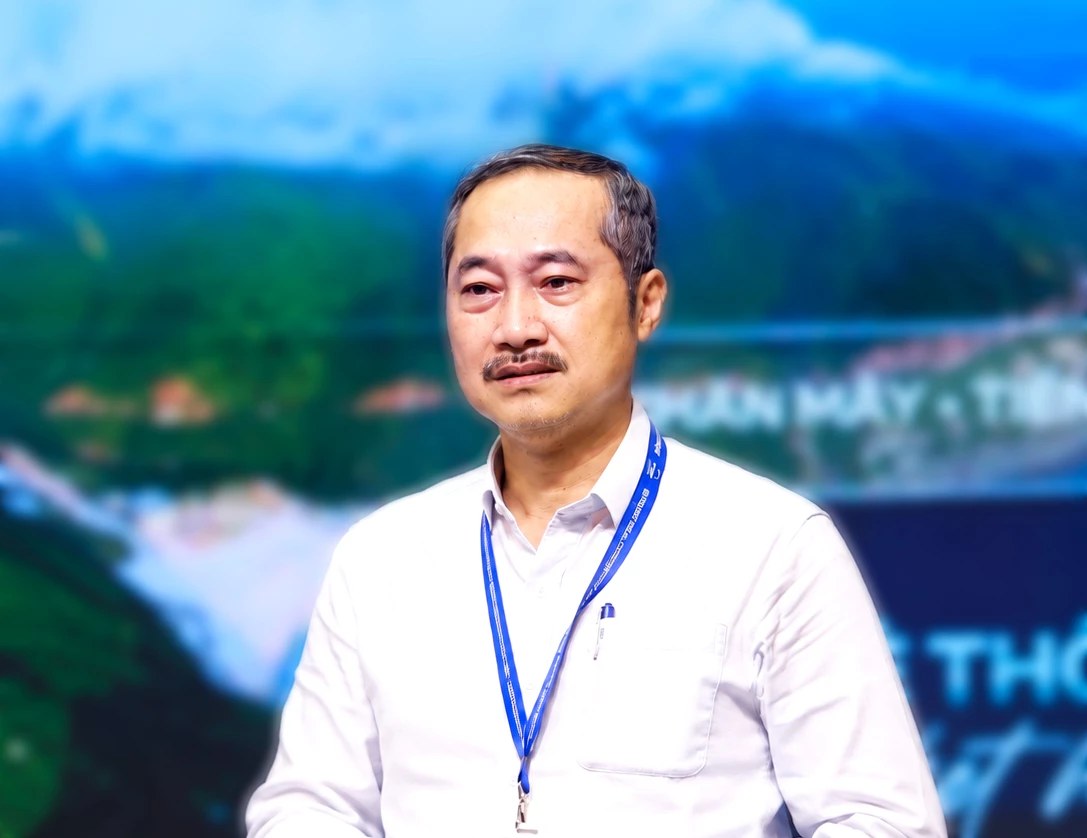 |
| Mr. Cao Tri Dung. |
The value of cruise tourism is not only measured by direct revenue on port call days, but also lies in destination branding and the ability to attract returning visitors in the future. The international cruise tourism market, especially source markets from China, Europe, and the Americas, is opening up massive opportunities for Vietnam's cruise tourism, including Khanh Hoa. Khanh Hoa needs to transition from merely a ship-receiving port of call into a cruise tourism gateway. To do so, the province must attract investors and entice domestic and international tourists to fly to Khanh Hoa to embark on cruise voyages, combined with a 2-3 night stay. To achieve that, it is necessary to proactively resolve institutional bottlenecks to open up all three market segments: inbound international travelers, outbound Vietnamese tourists, and domestic visitors, while simultaneously upgrading seaport infrastructure and diversifying cultural heritage, marine, and island tourism products.
* Ms. Doan Thi Thanh Tra - Deputy General Director of Saigontourist Travel Service Company Limited: Creating differentiation through indigenous culture
 |
| Ms. Doan Thi Thanh Tra. |
Khanh Hoa holds great potential for cruise tourism. However, to date, it remains merely a secondary stop on cruise itineraries. If it fails to tap into the depth of indigenous culture to attract tourists, Khanh Hoa will find it hard to compete with other destinations. Accordingly, the province needs a portfolio of signature products tailored for cruise passengers: cultural and heritage tours linked to the special national relic Po Nagar Cham Towers, Truong Son craft village, and Cham cultural spaces; wellness and retreat tours featuring mineral mud baths and spa services combined with private yacht cruises on Nha Trang Bay; eco and community-based tours experiencing riverside life along the Cai River, clean farming, and visits to ancient villages; and premium seafood culinary tours. The province should also consider establishing a duty-free shopping center featuring local specialties such as agarwood, bird's nest, and pearls. Regarding infrastructure, the province needs to study investing in at least one dedicated passenger cruise terminal in Nha Trang or Van Phong, capable of accommodating ships carrying 6,000 to 8,000 passengers. In the long term, North Van Phong could be planned as a transit and home port. The province should also implement policies to reduce channel and berthing fees for cruise lines that commit to including Nha Trang in their regular schedules.
* Dr. Christopher Han - Director of Innovation Strategy, Institute of Innovation, University of Economics Ho Chi Minh City: A compelling story about Khanh Hoa must be crafted for tourists to explore and experience
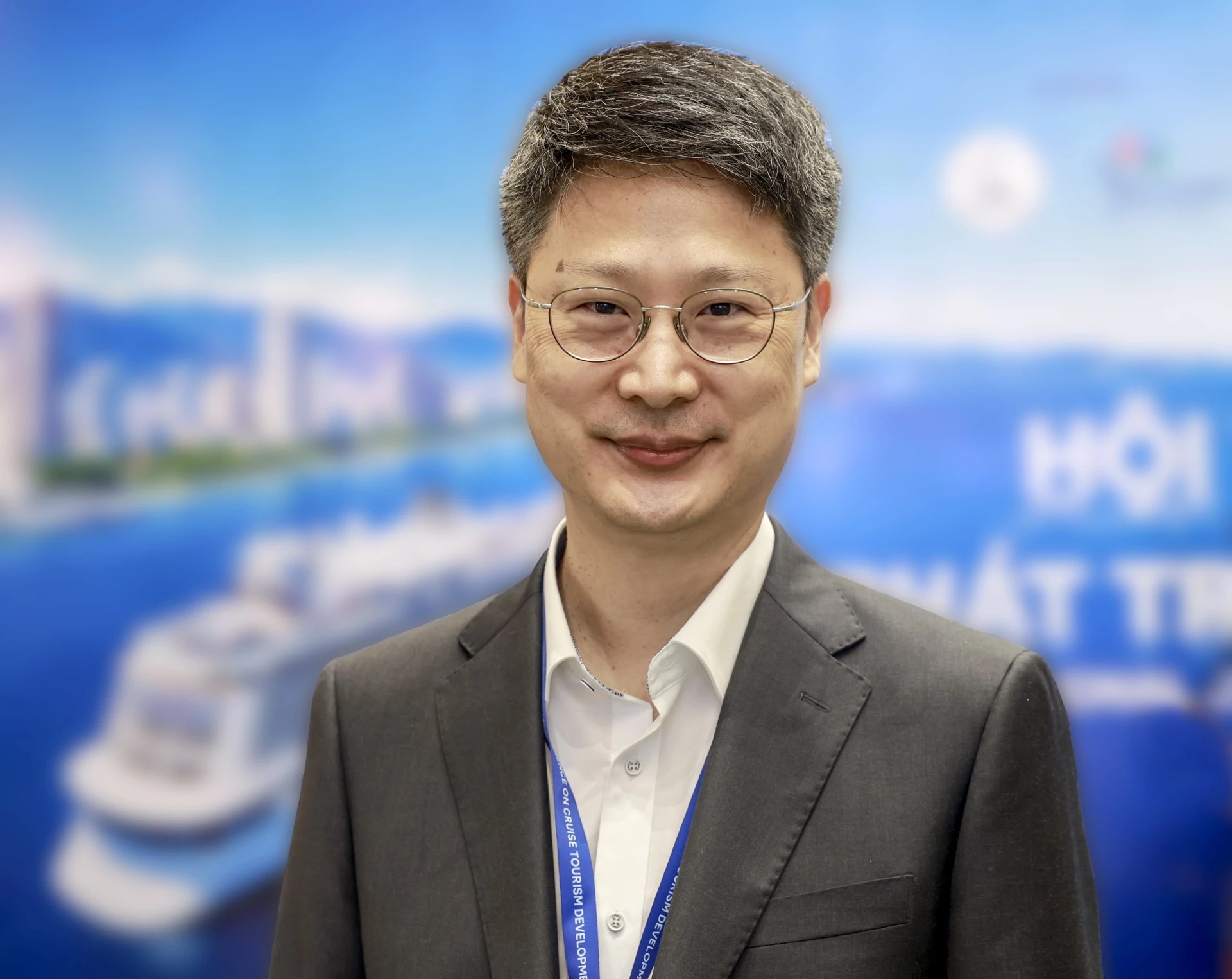 |
| Dr. Christopher Han. |
Cruise passengers typically disembark at 8:00 AM and must return before 4:00 PM. Their impression of a destination is shaped by five "crucial moments": before the trip, upon stepping onto the pier, at the port gate, while onshore, and when returning to the ship. A port may be clean, beautiful, and operate smoothly, but if visitors leave without taking any story with them, Khanh Hoa will remain just a replaceable name on an itinerary. Therefore, a people-centric approach is essential to attract visitors; a narrative about the land and people of Khanh Hoa must be created for tourists to discover and experience. Khanh Hoa's story resides in its craft villages, festivals, and the rhythm of life in fishing hamlets; in its traditional dishes, handicrafts, and the hospitality of the local people today. When visitors practice bamboo pole dancing (múa sạp), listen to artisans talk about their craft, or ride a cyclo to view the coastal city, they become part of the story, giving them a reason to return. It is neither outside experts nor pre-scripted narratives, but the very people living and preserving the local identity here who create authentic experiences reflecting the true spirit of this land.
THÀNH NGUYỄN (Recorded)

