



There are indigenous cultural topics that travel content creators should not approach with an enthusiastic, cheerful, or indiscriminately inviting tone. The Tomb Abandonment Ceremony (Kơja) of the Raglai people living in the mountainous Khanh Son district of Khanh Hoa province is a subject that demands the highest level of caution, seriousness, and restraint. This is a cultural heritage with profound historical and humanistic value, but it is also a ritual deeply intertwined with private family matters, loss, memories of the deceased, and the spiritual world beyond the veil of death. Therefore, when including this content in a travel website's editorial flow, the primary goal is not to generate curiosity, but to guide readers toward a responsible and respectful approach.
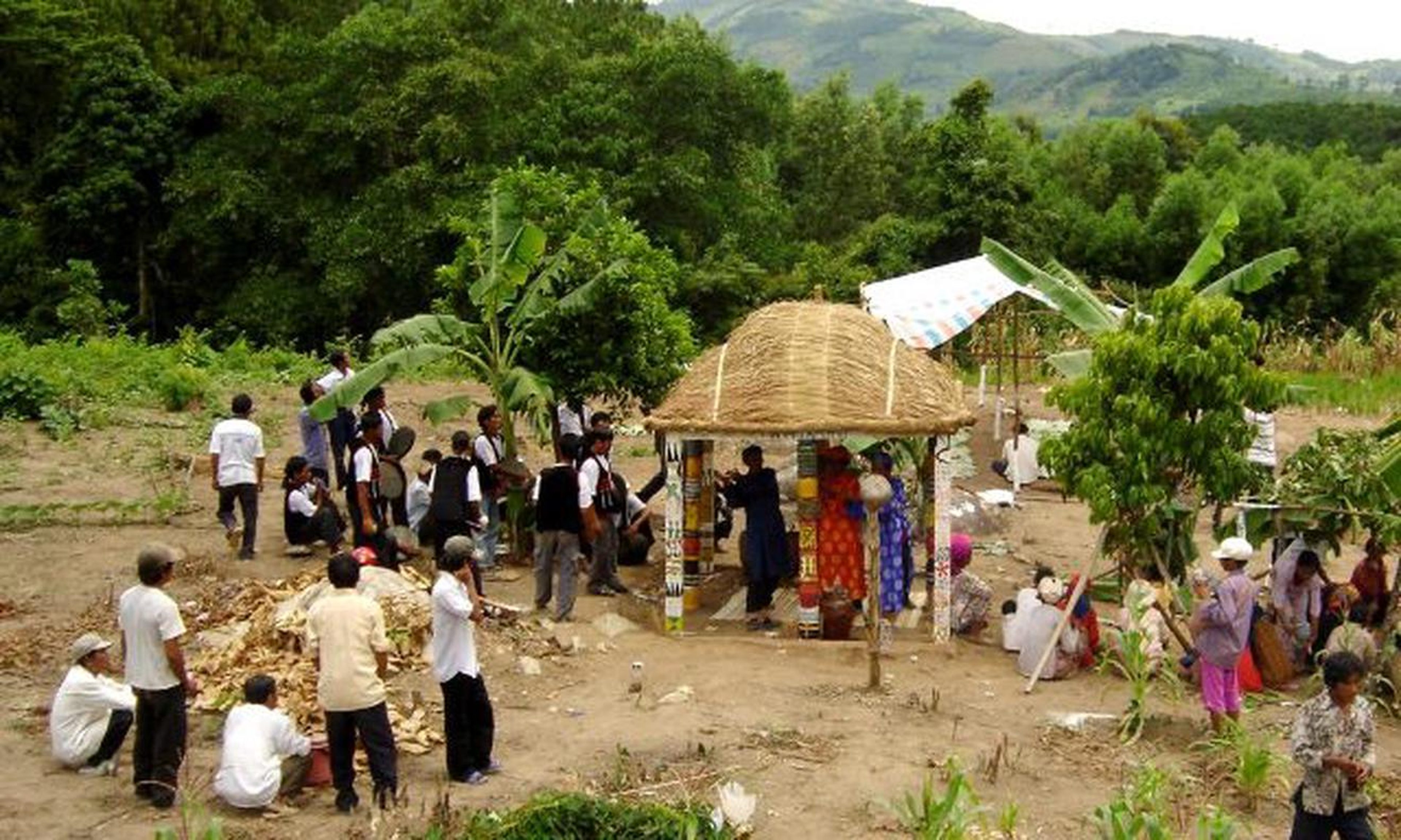
The Raglai Tomb Abandonment Ceremony in Khanh Son has been honored by the Ministry of Culture, Sports and Tourism by being included in the National List of Intangible Cultural Heritage. According to reputable anthropological and heritage studies, this is considered the largest and most important ritual in the Raglai life-cycle system. When a family organizes a Tomb Abandonment Ceremony, they prepare for months and invite all villagers—those who previously came to offer condolences at the funeral—to gather for the final farewell to the soul of the departed, and to express deep gratitude for the community's support. Viewed thoroughly, this is strictly a sacred internal activity of the village and should not be a "street festival" or a "cultural event" for casual tourists to observe out of mere curiosity.
The profound humanistic philosophy of the highlanders' farewell
In the worldview and spiritual beliefs of the Raglai, death is not a complete cessation of human existence, but rather a spatial transition from the world of the living (the earthly realm) to the world of the ancestors (the eternal realm). However, after the funeral concludes, the soul of the deceased is believed to still linger, remaining attached to the living and the old grave. Only when the family has sufficient economic conditions and careful preparation to organize the Tomb Abandonment Ceremony, perform sacrificial rites, reconstruct the new grave beautifully, and hold the farewell, is the bond between the living and the dead officially and completely severed. Only then can the soul of the departed truly find peace to enter the eternal world, and those who remain can find comfort in returning to their daily lives, closing a period of mourning and grief.
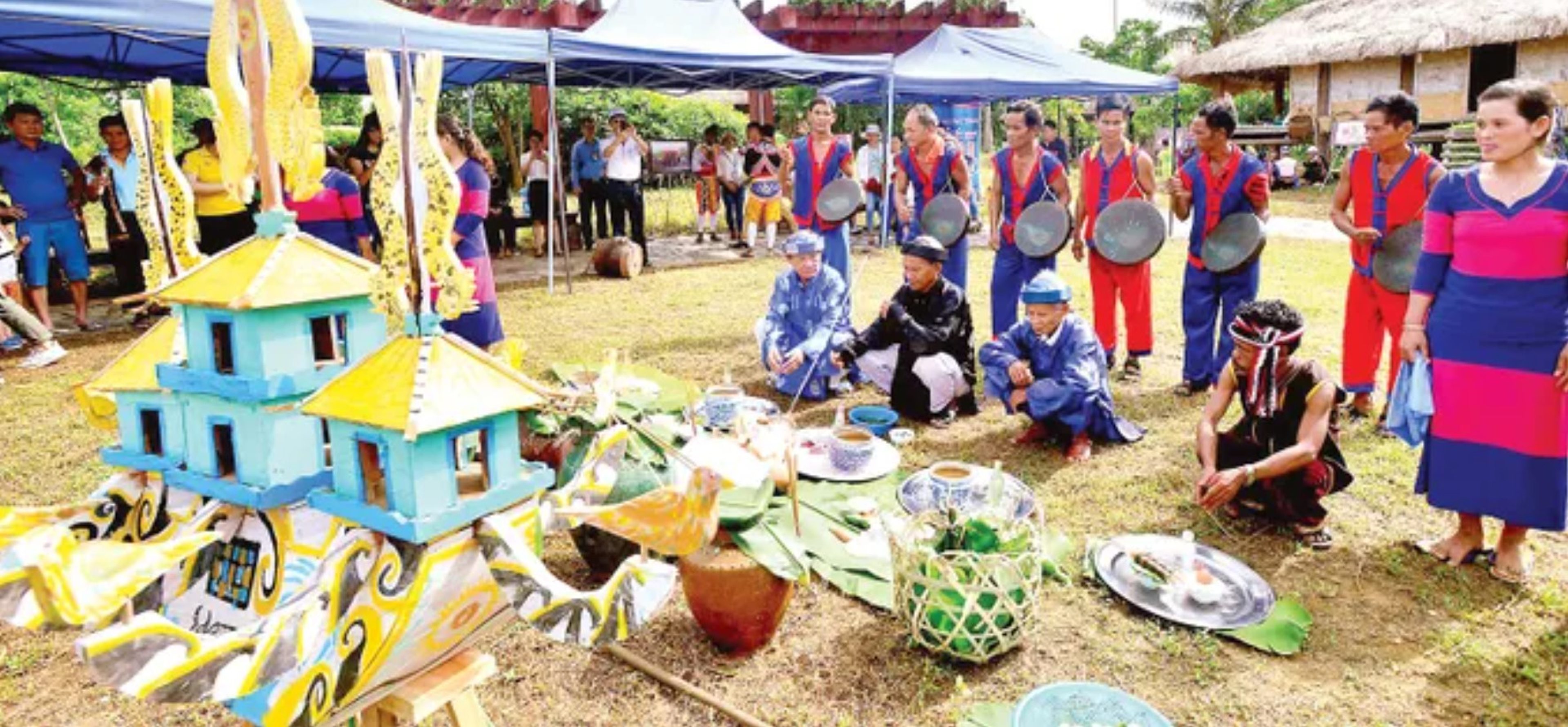
When approaching this topic, a travel writer with a strong cultural foundation will never focus on exploiting "strange" or "different" details just to bait clicks. What we need to highlight is the humanistic value and the high sense of community hidden behind the ritual: it is the image of an entire village coming together to head into the forest for firewood, assisting the host family in building the tomb house, or crafting artistic Kagor boat models; it is the sharing of misfortune and loss among people living under the shadow of the same mountains. Every architectural detail of the tomb house, every note of the Ma la (traditional bronze instrument), and every mournful prayer is aimed at a single purpose: creating a culturally ordered farewell filled with love and respect for the one who has departed.
The reason why travelers should not undertake spontaneous "ceremony hunting" trips
In the current trend of experiential tourism, there is a segment of travelers who enjoy seeking out and discovering hidden corners and rituals that are rare and lesser-known. However, regarding the Raglai Tomb Abandonment Ceremony, this "hunting" and spontaneous approach is entirely inappropriate, if not uncivilized. A group of strangers with cameras and camcorders rushing into a space where a family is performing a farewell ritual for their deceased, laughing, talking, or deliberately pushing to take portraits is a crude intrusion into their privacy and faith, easily causing deep emotional hurt and distorting the authentic nature of the heritage.
Suggestions for exploring Raglai culture in a civilized manner in Khanh Son:
-
Visit community tourism village models organized by the authorities (such as Hon Dung village).
-
Sign up to participate in cultural exchange sessions to hear artisans introduce and perform Ma la music and the Chapi lute.
-
Learn about the art of epic poetry and folklore through the stories of village elders within the space of a longhouse.
-
Enjoy traditional cuisine (bamboo-tube rice, grilled meat) at responsible homestays.
If, in a special case, you are personally invited by a Raglai native to attend a part of the Tomb Abandonment Ceremony as a guest of the family, always remember to maintain your position as a silent observer at the periphery of the space. Choose neutral, modest clothing, walk softly, speak quietly, and do not laugh, joke, or make comments comparing the customs to those of the lowlanders. Before raising your phone to photograph any detail, politely ask the guide or the family representative for permission. If you sense any confusion or discomfort from the surrounding villagers, put your camera down immediately. In sensitive spaces belonging to the spiritual world and family emotions, choosing not to capture images is the highest expression of decent and educated tourism behavior.