




From Xom Con, Po Nagar Cham Towers to Xom Bong Bridge..., images of the Khanh Hoa homeland have been preserved through postcards and stamps from various eras. Not only showcasing local landscapes, these documents also preserve imprints of architecture, culture, and daily life, contributing to recreating the visage of the land of agarwood and swiftlet seas across various stages of development.
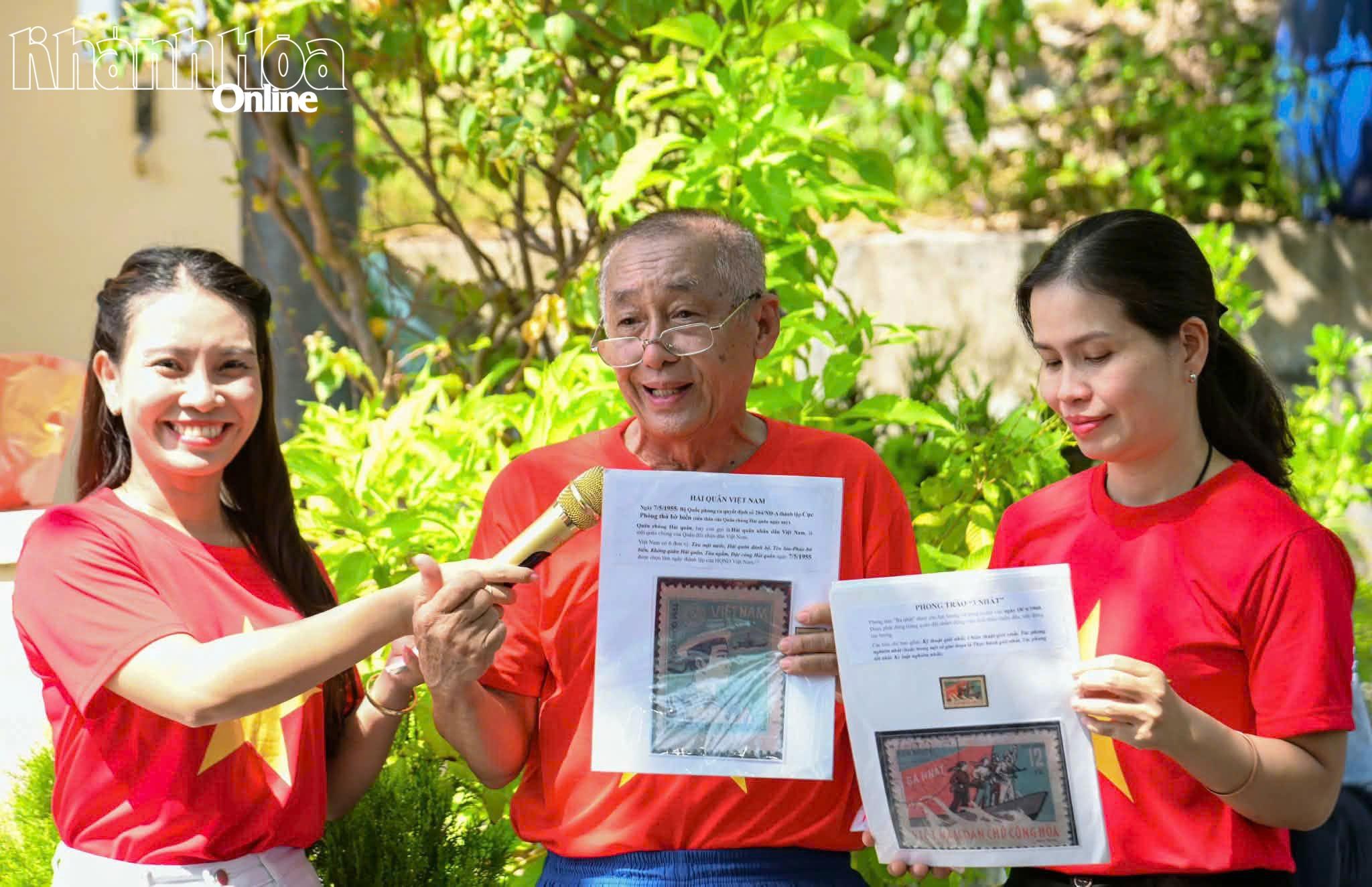 |
| Students can approach history in a vivid manner through stamp introduction activities. |
Images remaining from the past
In the postcard and stamp collection about Khanh Hoa by Mr. Nguy Nhu Anh - Vice President of the Khanh Hoa Provincial Philatelic Association, images of Nha Trang's scenic spots occupy a prominent place. Xom Con Nha Trang, associated with Dr. Alexandre Yersin (Ong Tu Yersin), Po Nagar Cham Towers, bearing the cultural imprints of the Cham people, or Xom Bong Bridge over the Cai River are landmarks showcased through numerous postcard and stamp designs.
Each image serves as a way of capturing the local landscape at a specific point in time. While stamps condense the scenery into a miniature design (ranging from 2 cm to 4 cm), postcards offer more concrete perspectives on space, architectural works, and daily life. Through these, viewers can recognize familiar features of Khanh Hoa while envisioning how the locality once appeared in the past.
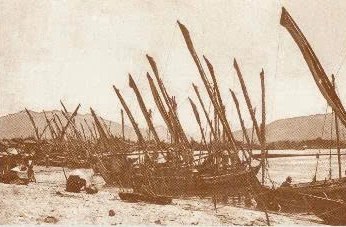 |
| Boat Quay - Old Xom Con, Nha Trang. |
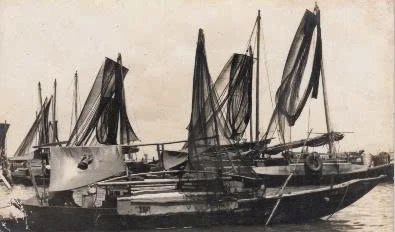 |
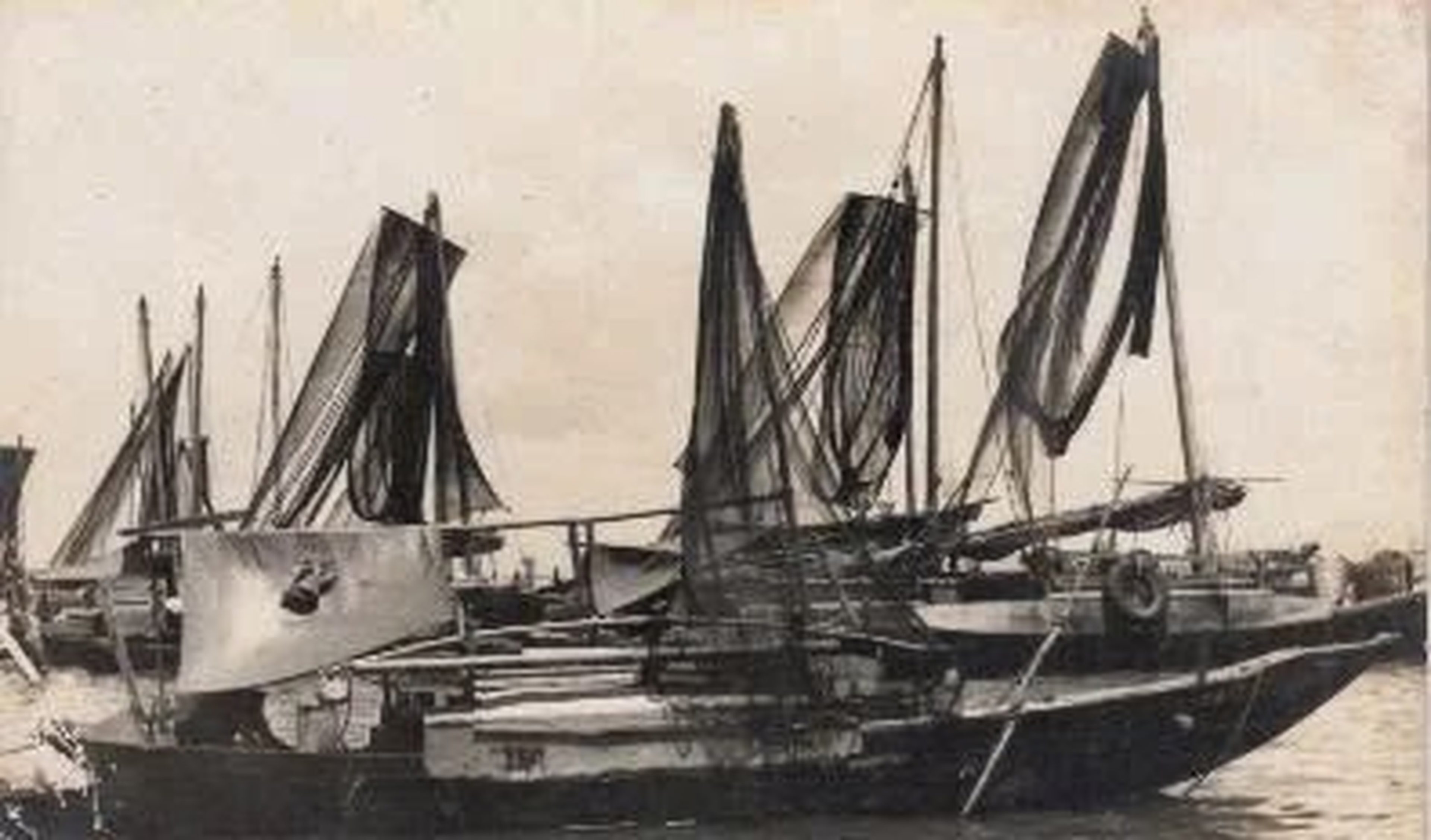
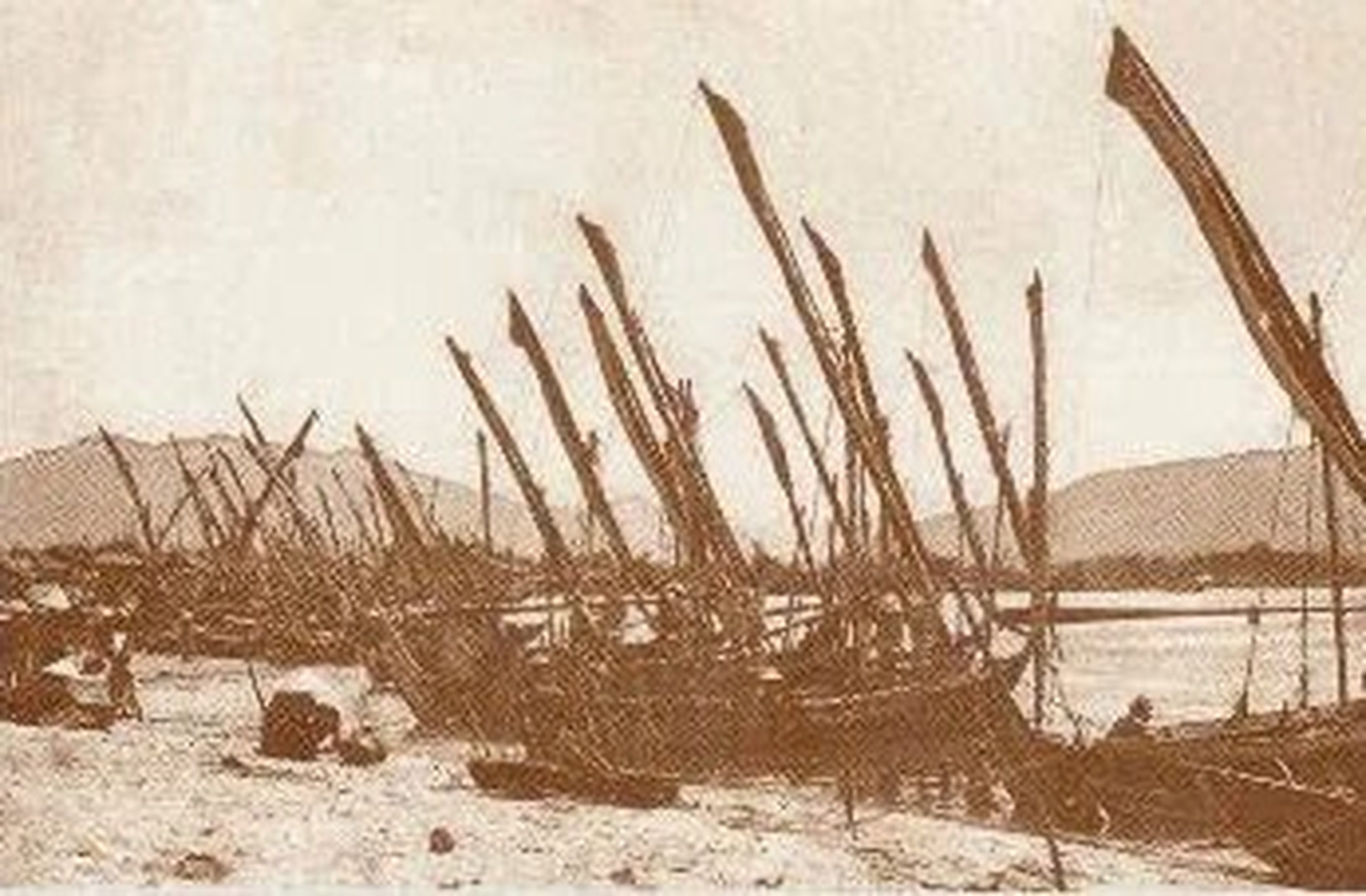
| Seafaring vessels of the residents of the old Fishing Hamlet. |
Notably, there are Indochina postcards of old Nha Trang. This is a collection of materials highly sought after by collectors due to its scarcity and the great difficulty in acquiring them. Mr. Nguy Nhu Anh, who has collected postcards for more than 40 years, currently holds over 10 postcards belonging to this group.
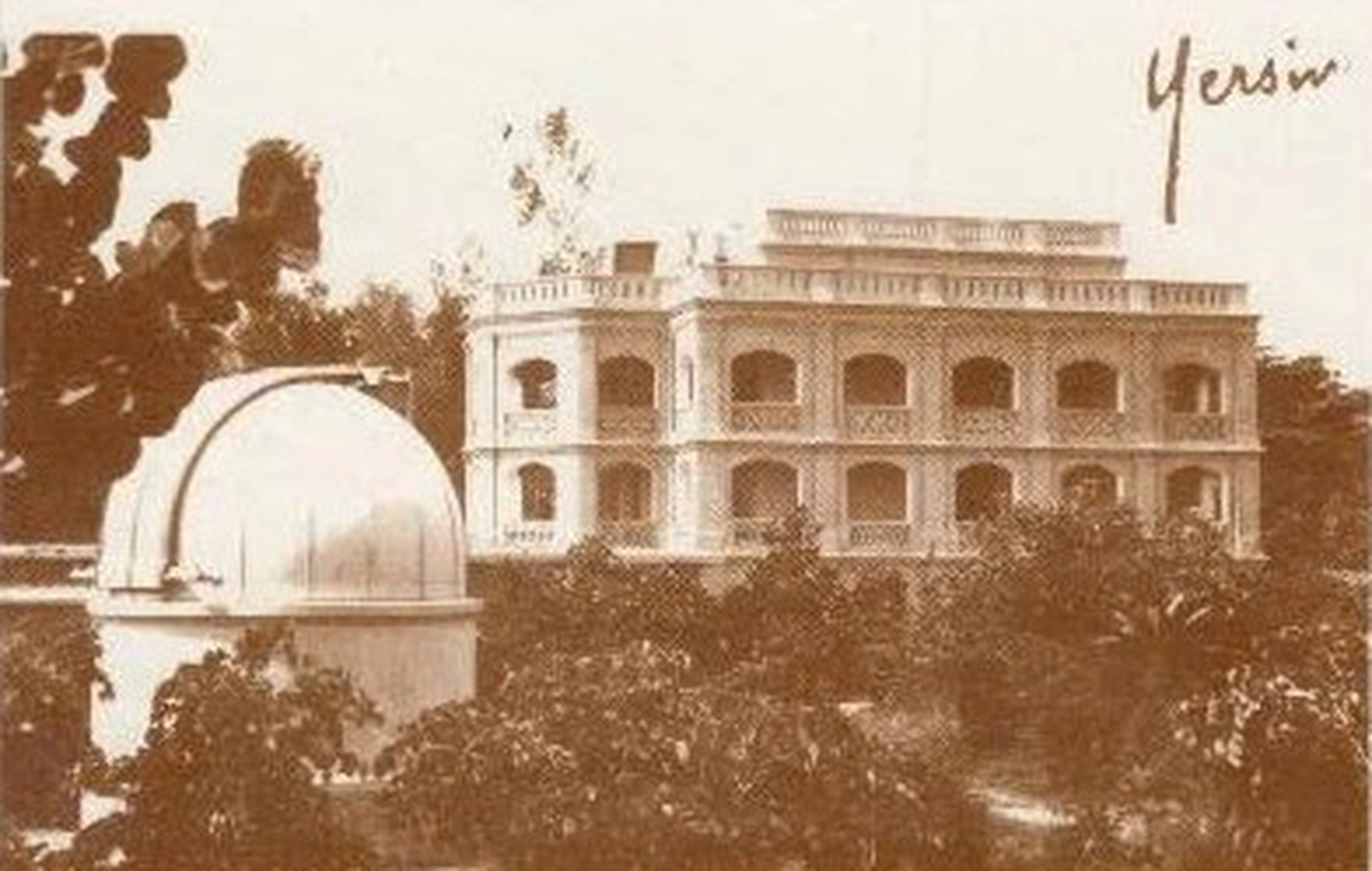
“The value of old postcards lies not only in their age, but also in the details recorded. Images of the seafaring vessels of Xom Con residents, the architecture of Lau Ong Tu (Dr. Yersin's residence), or the appearance of Dam Market..., provide visual insights into a Nha Trang that has undergone many transformations. Details that may rarely be mentioned in conventional records are visibly present in every frame,” Mr. Anh shared.
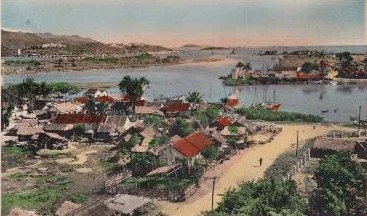 |
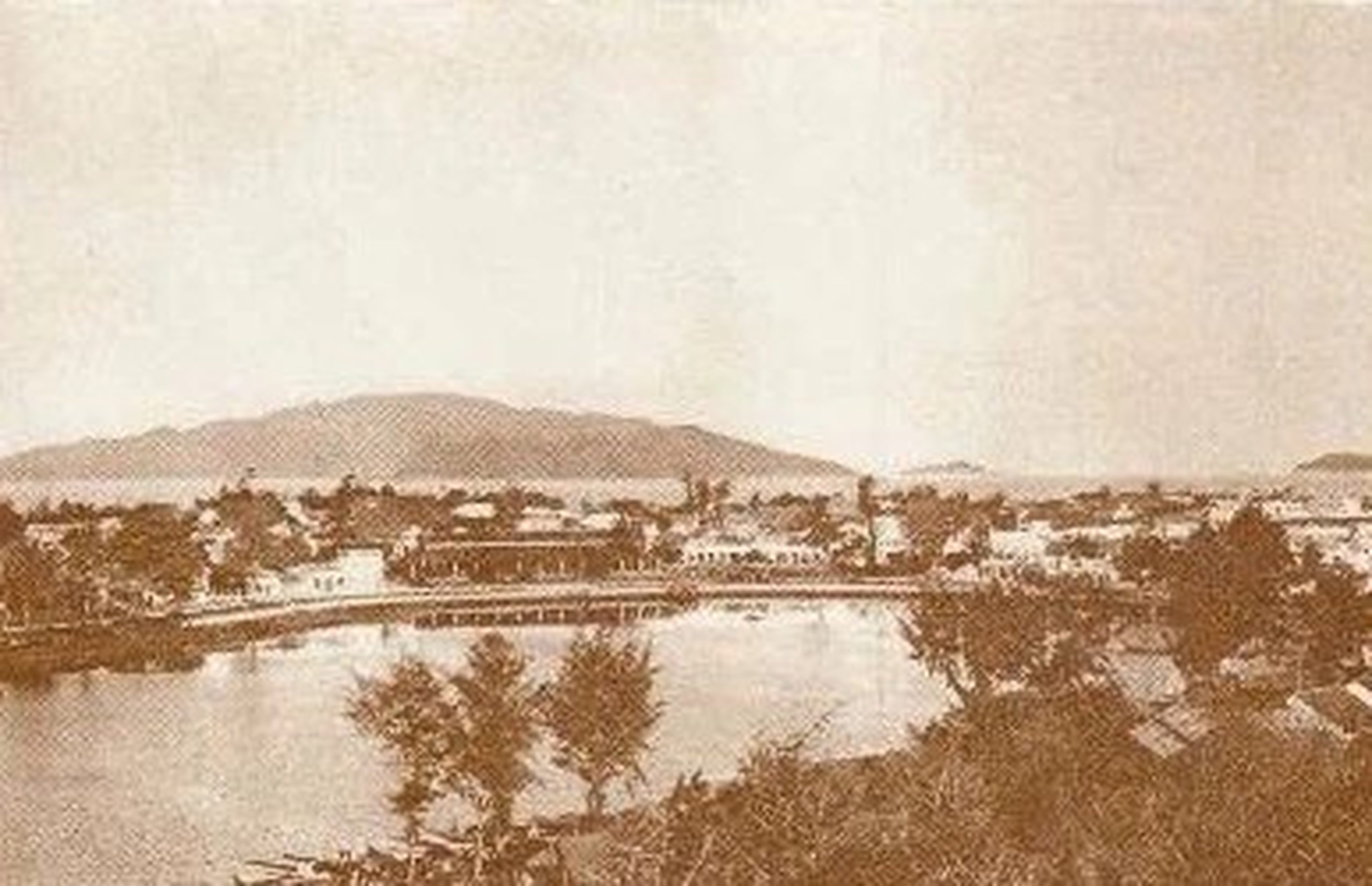
| An image of old Xom Bong. |
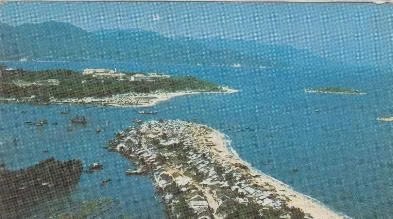 |
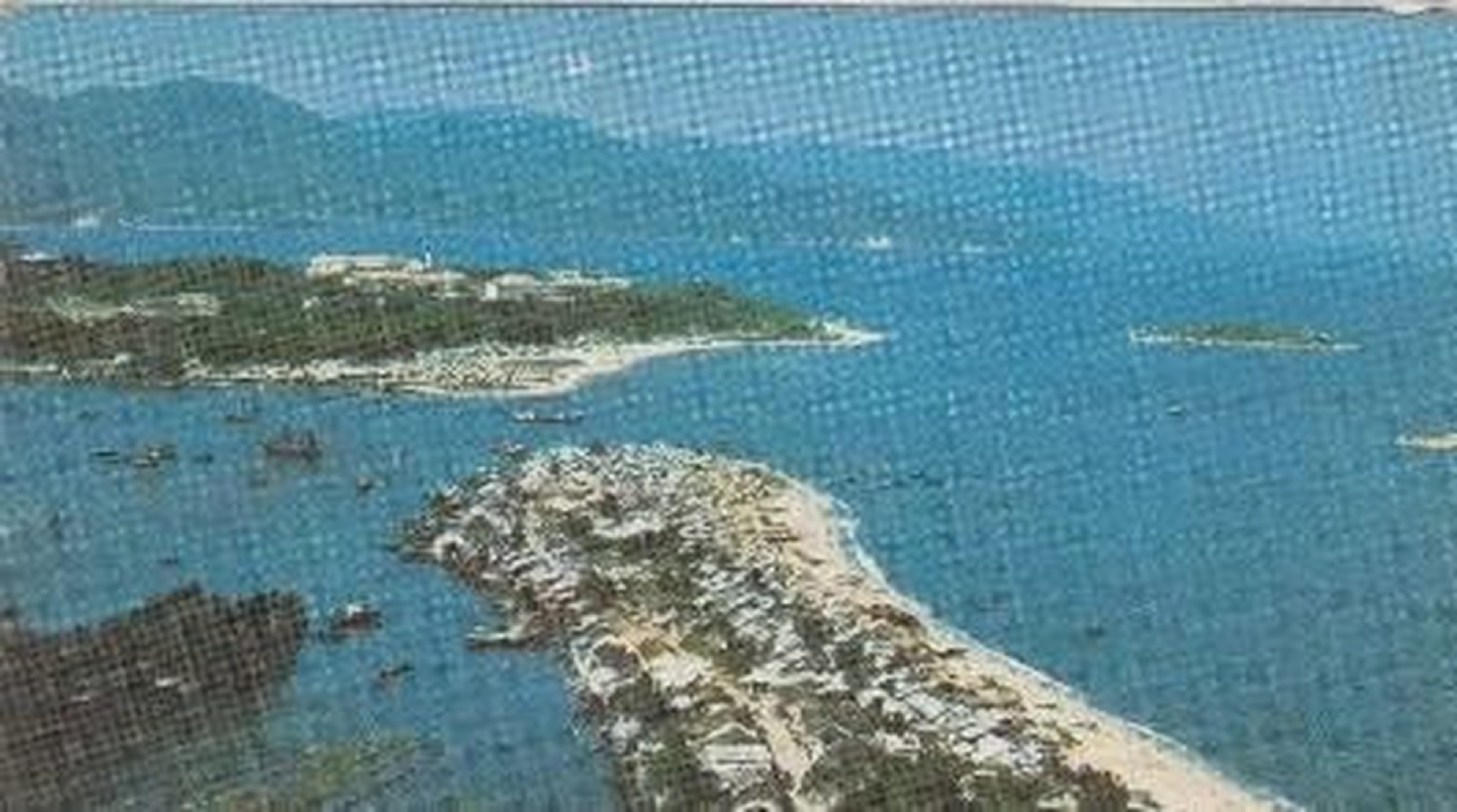
| Xom Con - Nha Trang (Postcard published in Hong Kong), between the two strips of land is the present-day Tran Phu Bridge. |
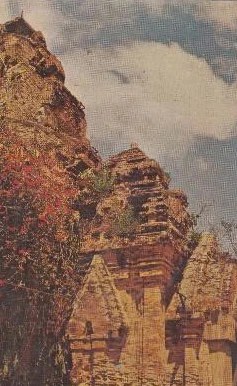 |
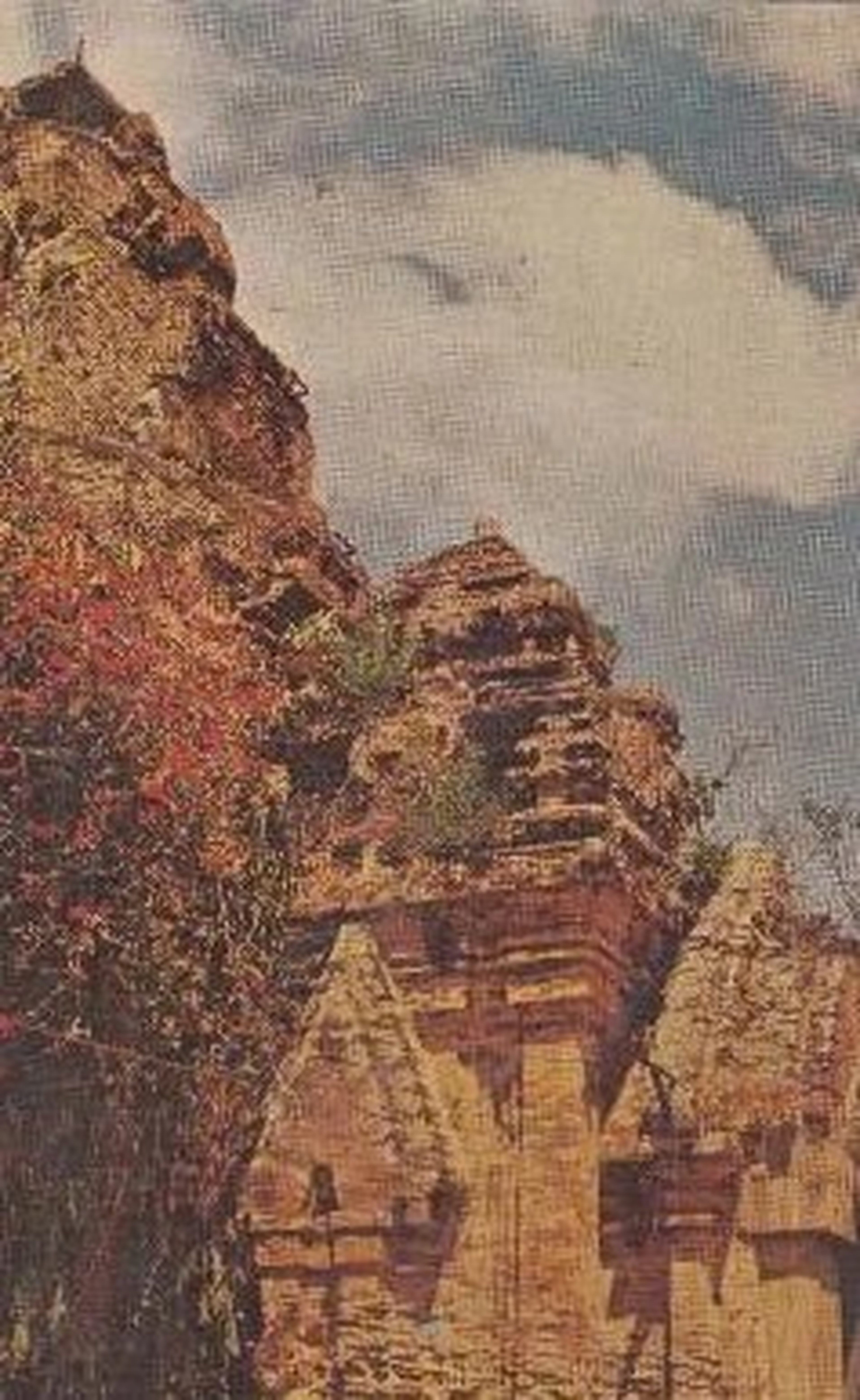
| Postcard of Po Nagar Cham Towers published by COLOURPICTURE BOSTON. |
According to Mr. Ánh, when placing old postcards next to current photos, the transformation of the coastal city becomes even more evident. Houses and structures have become increasingly modern; the urban landscape and space have also changed along with the development process. Meanwhile, architectural details and daily activities that were once part of everyday life may now only be found in old documents. It is this comparison that makes these postcards not only meaningful to collectors, but also useful for learning about local history.
From scenic images to historical documents
Besides postcards, stamps featuring Khánh Hòa also have their own value. Behind the small surface of each stamp is the process of selecting images, designing, and introducing a landmark or cultural imprint. The draft design of the Nha Trang Bay stamp set (only 2 designs) created by artist Đỗ Lệnh Tuấn and gifted to Mr. Ngụy Như Ánh is a precious document, helping viewers approach the scenic landmark's image from another perspective: The process of developing a stamp design before issuance.
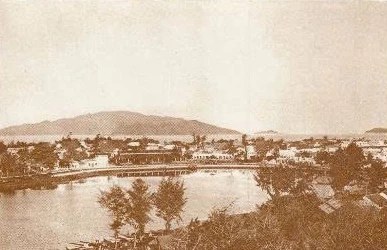 |
| Image of Đầm Én - Nha Trang in the past. |
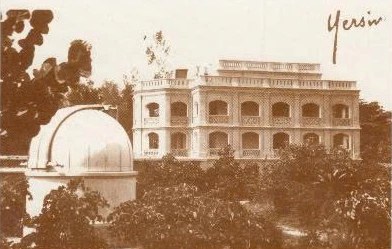 |
| Mr. Tư Yersin's residence through an old postcard. |
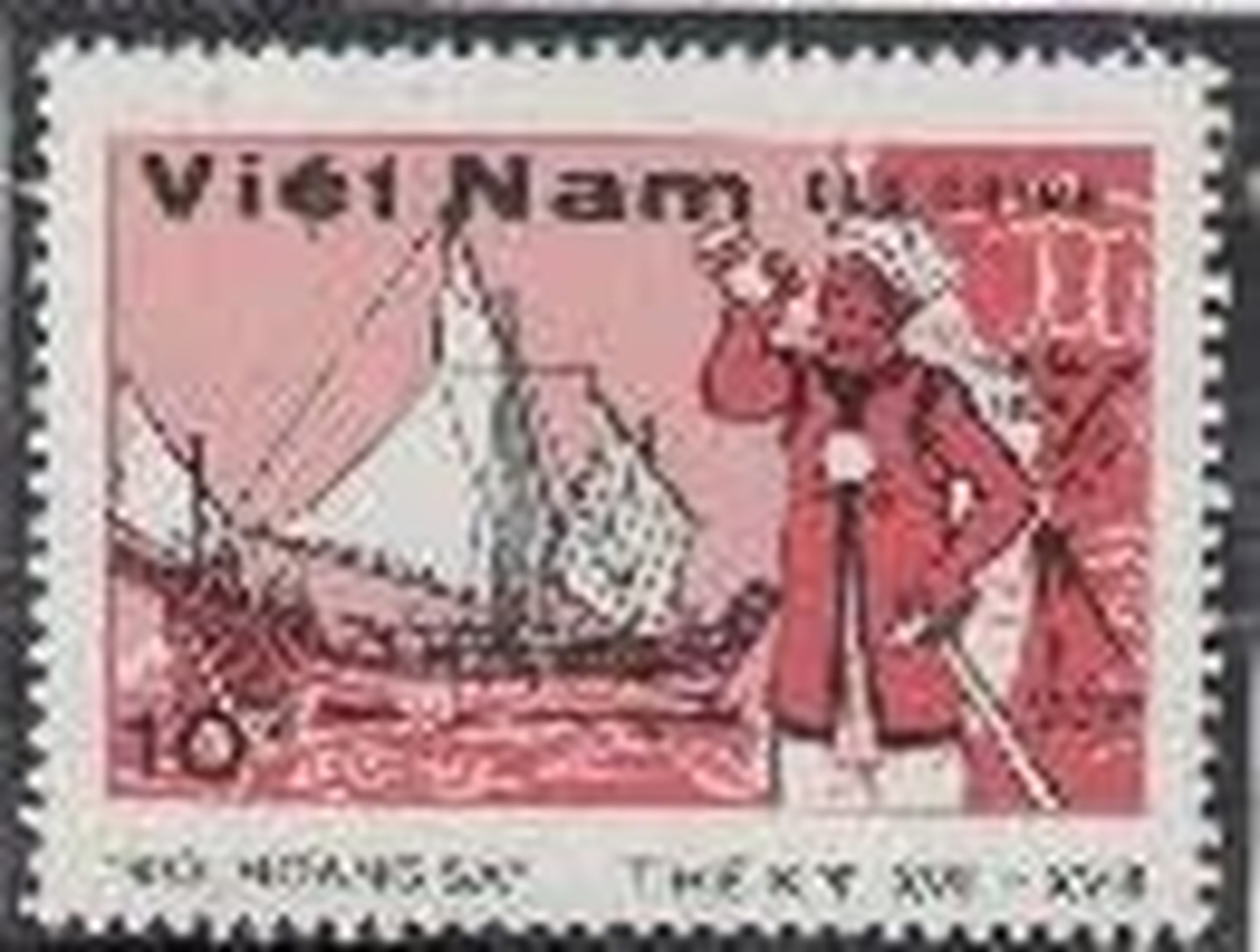
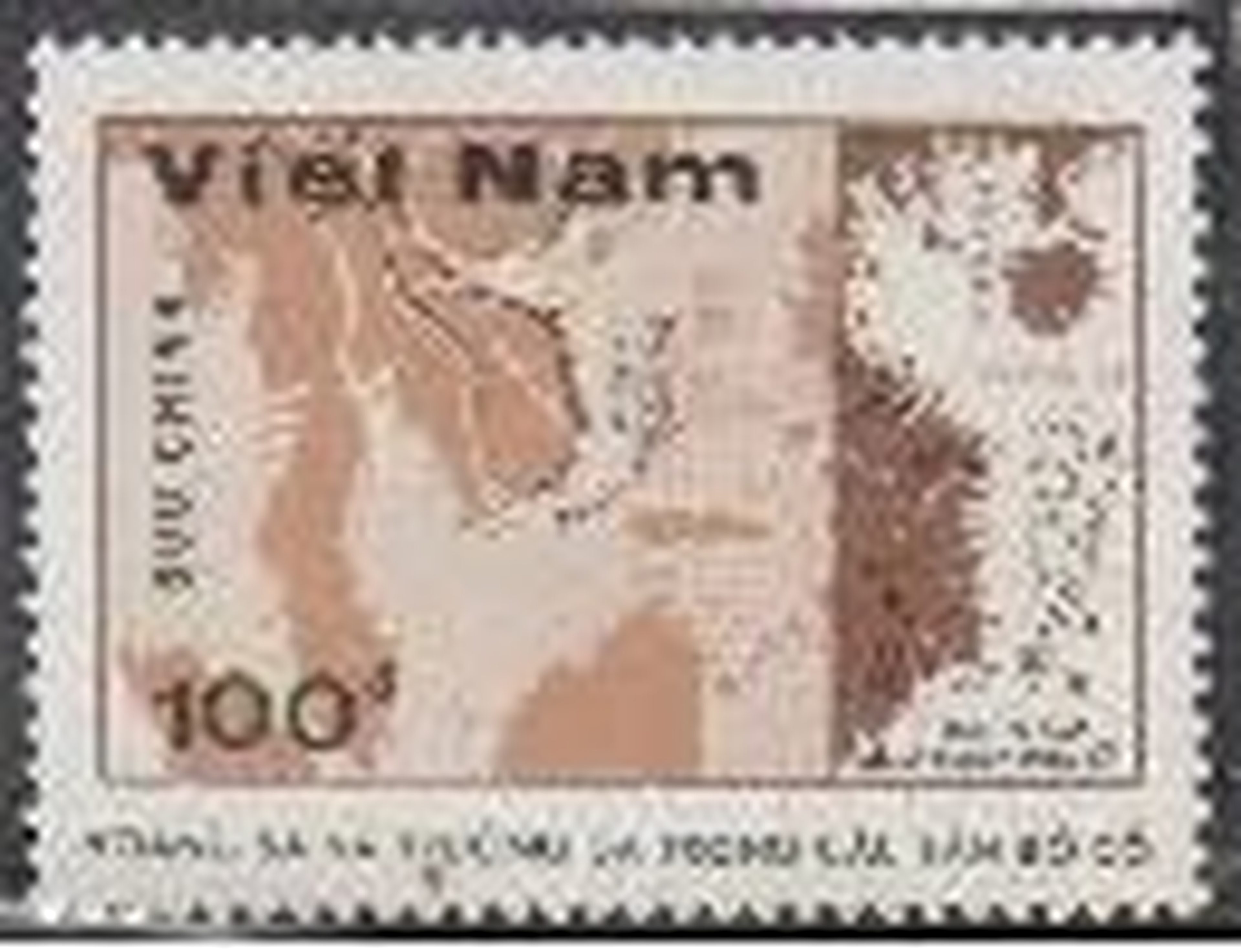
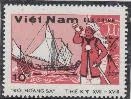
Beyond showcasing scenic beauty, postage stamps can also convey information about history and national sovereignty. In Mr. Ngụy Như Ánh's collection, there are documents related to the Hoàng Sa and Trường Sa stamps issued on January 19, 1988. According to information provided by Mr. Ánh, the stamp set consists of two designs created by artist Trần Lương, featuring the Hoàng Sa Flotilla in the 17th - 18th centuries (face value 10d) and an ancient map (face value 100d). In addition, he has collected 10 postcards of the Trường Sa Archipelago. These artifacts show that postage stamps not only serve postal operations but can also convey historical information and national sovereignty. Within the framework of the “Journey to Red Addresses” activity organized by the school, Lê Thiên Thanh (a student of class 7A1, Tây Nha Trang Secondary School) had the opportunity to learn about stamps of the homeland's seas and islands. “I feel proud, moved, and grateful to Uncle Hồ and the naval soldiers who protect the homeland's seas and islands day and night. The stamps help our younger generation better understand history and patriotic traditions, love our homeland more, and raise awareness of protecting Vietnam's sea and island sovereignty,” Thanh shared.
 |
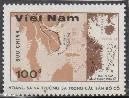 |
| The Hoàng Sa and Trường Sa archipelagos stamp set issued on January 19, 1988. |
From scenic spots and architectural works to images related to seas and islands, stamps and postcards reflect many facets of the land of Khánh Hòa. They can provide visual details for researching and teaching local history and culture, while helping the younger generation connect with the past through concrete images.
Mr. Nguy Nhu Anh once presented a collection of 16 pages on the scenic spots of old Nha Trang and 16 pages on the land and people of Khanh Hoa during the province's stamp exhibition activities. Bringing these materials closer to the public, especially students, provides an opportunity for viewers to connect with images of their homeland in a visual, vivid manner.
Mr. Dong Luong Son, Chairman of the Khanh Hoa Provincial Philatelic Association, shared: “From personal collections, the images on stamps and postcards can continue to be more widely introduced through exhibitions, digitization, and the development of explanatory documentation. Clearly identifying the issue date, designer, location, and historical context of each artifact will help viewers gain a deeper understanding of their value. As landscapes and life continue to change, these materials serve as a bridge for people today to look back at the Khanh Hoa of the past, better understand their homeland, and appreciate the values passed down through generations.”
TRAN HANG

