


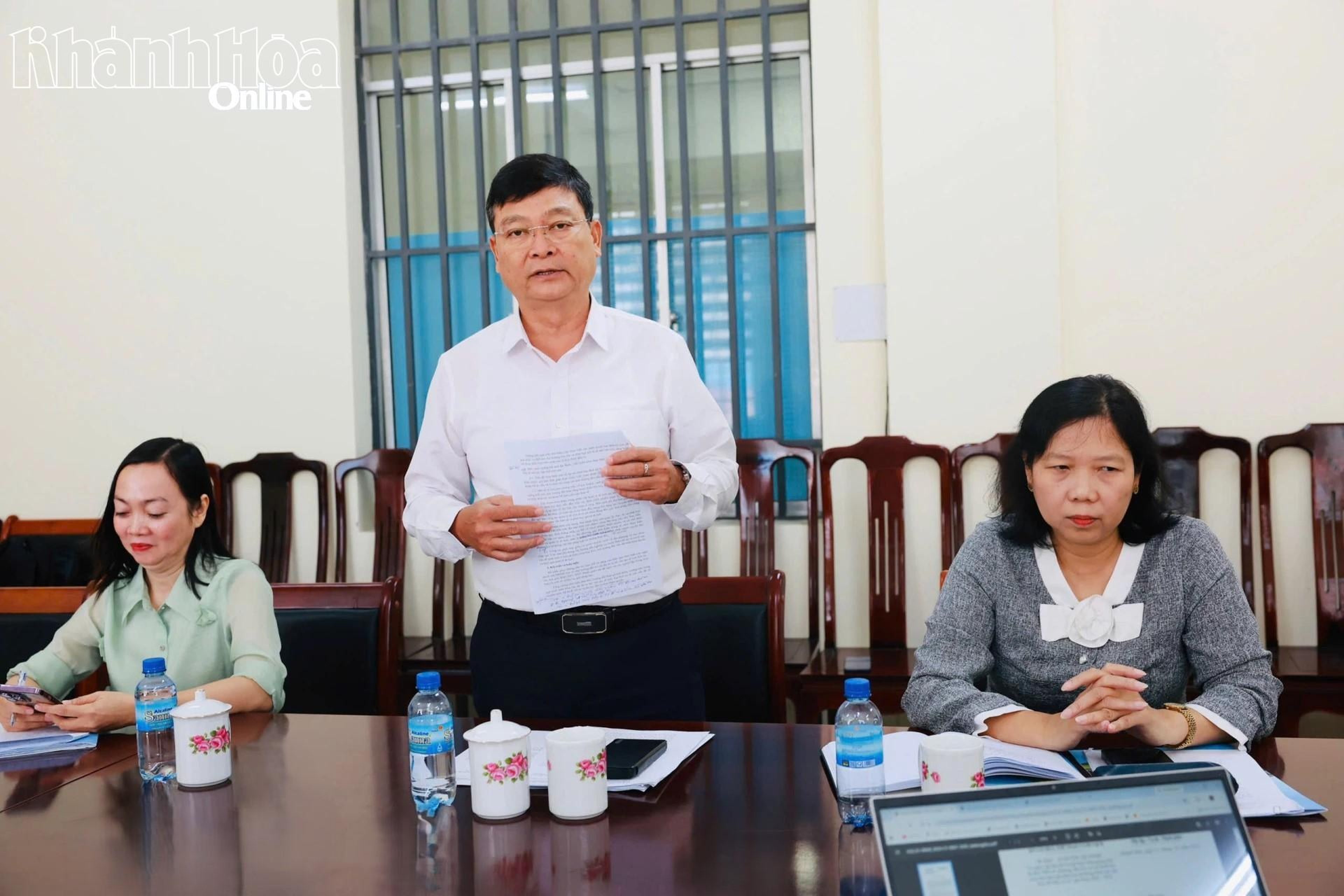
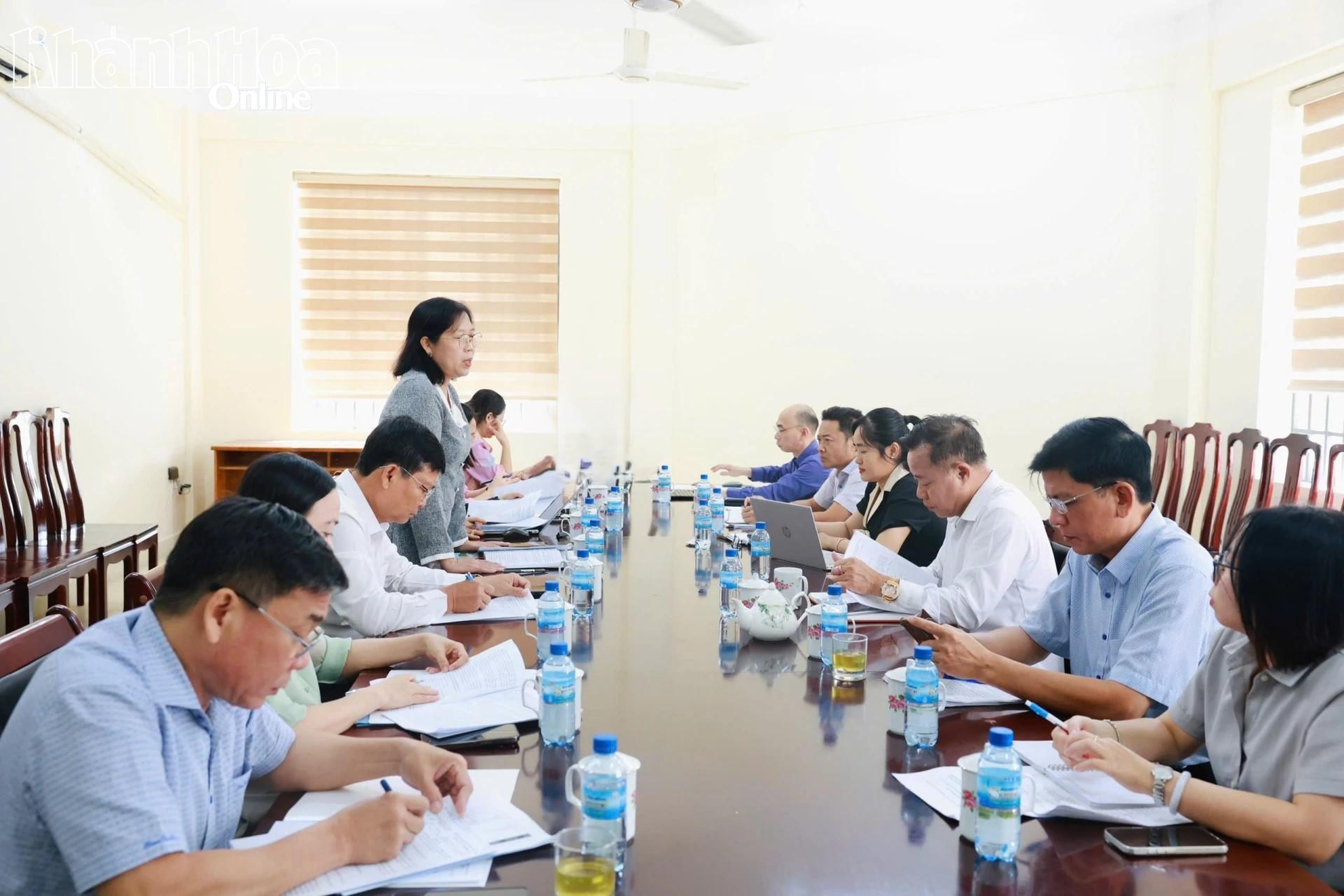
On the morning of October 28, a supervisory delegation from the Culture and Social Affairs Committee of the Khanh Hoa Provincial People's Council, led by Mr. Nguyen Quang Nhat, Head of the Culture and Social Affairs Committee of the Provincial People's Council, worked with the Department of Culture, Sports and Tourism regarding the implementation results of the Provincial People's Council's resolutions approving investment policies for projects to restore historical and cultural relics for the 2021–2025 period.
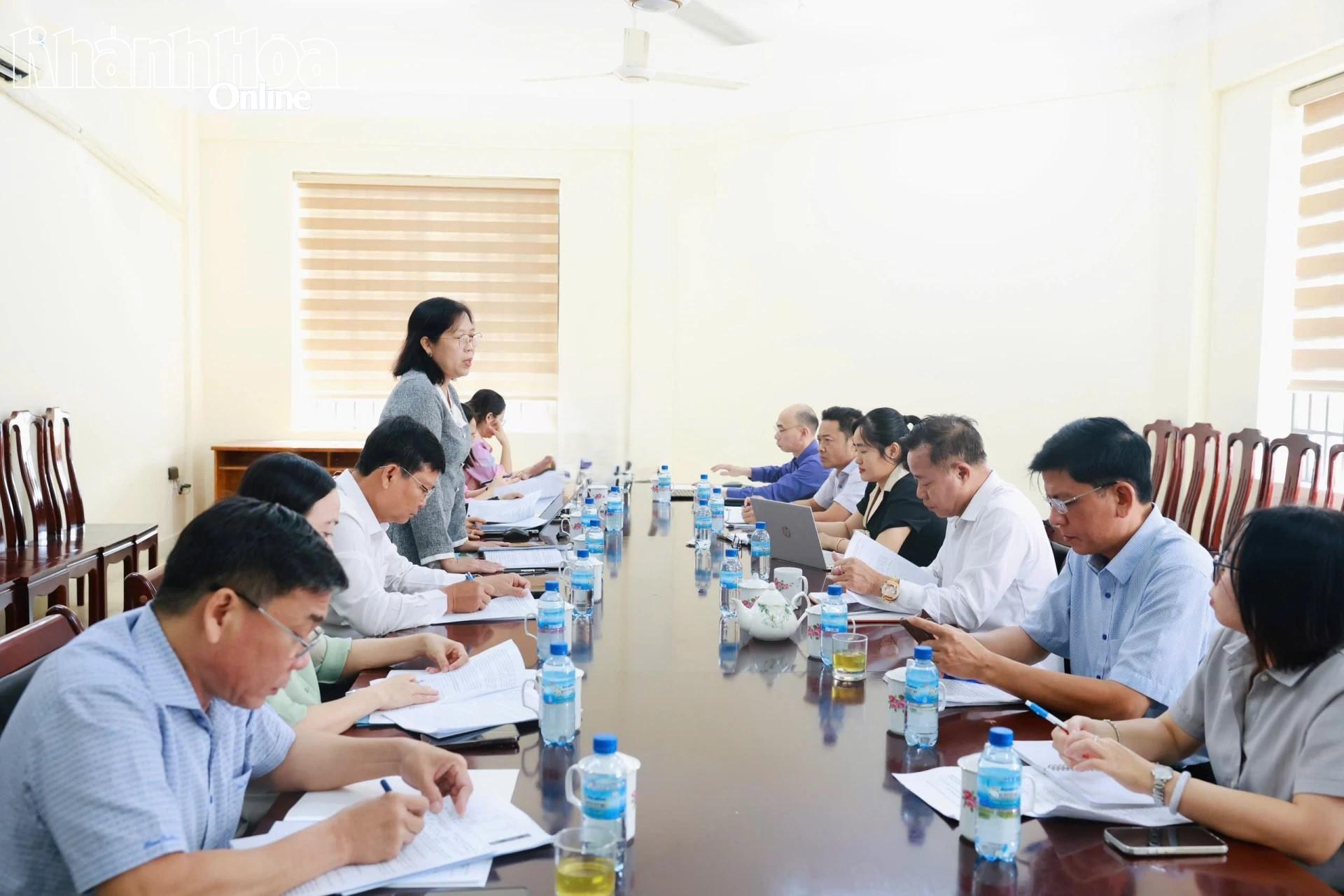 |
| The scene of the working session. |
During the 2021–2025 period, the Provincial People's Council approved the investment policies for 20 projects to restore and renovate relics with a total investment of nearly 74.2 billion VND, invested by the Department of Culture, Sports and Tourism. To date, 11 projects have been completed, 4 projects are underway, and 5 projects have not yet commenced construction. All completed restoration projects met technical and architectural aesthetic requirements. Following restoration, the relics thoroughly eliminated the risk of collapse and termite infestation, promptly reopened to welcome local people and tourists, restored traditional festivals in association with historical education, and applied digital technology such as 3D digitization and explanatory QR codes. Alongside the achieved results, the progress of some projects remains slower than planned; several relics face planning obstacles, preventing their implementation and submission for investment policy approval.
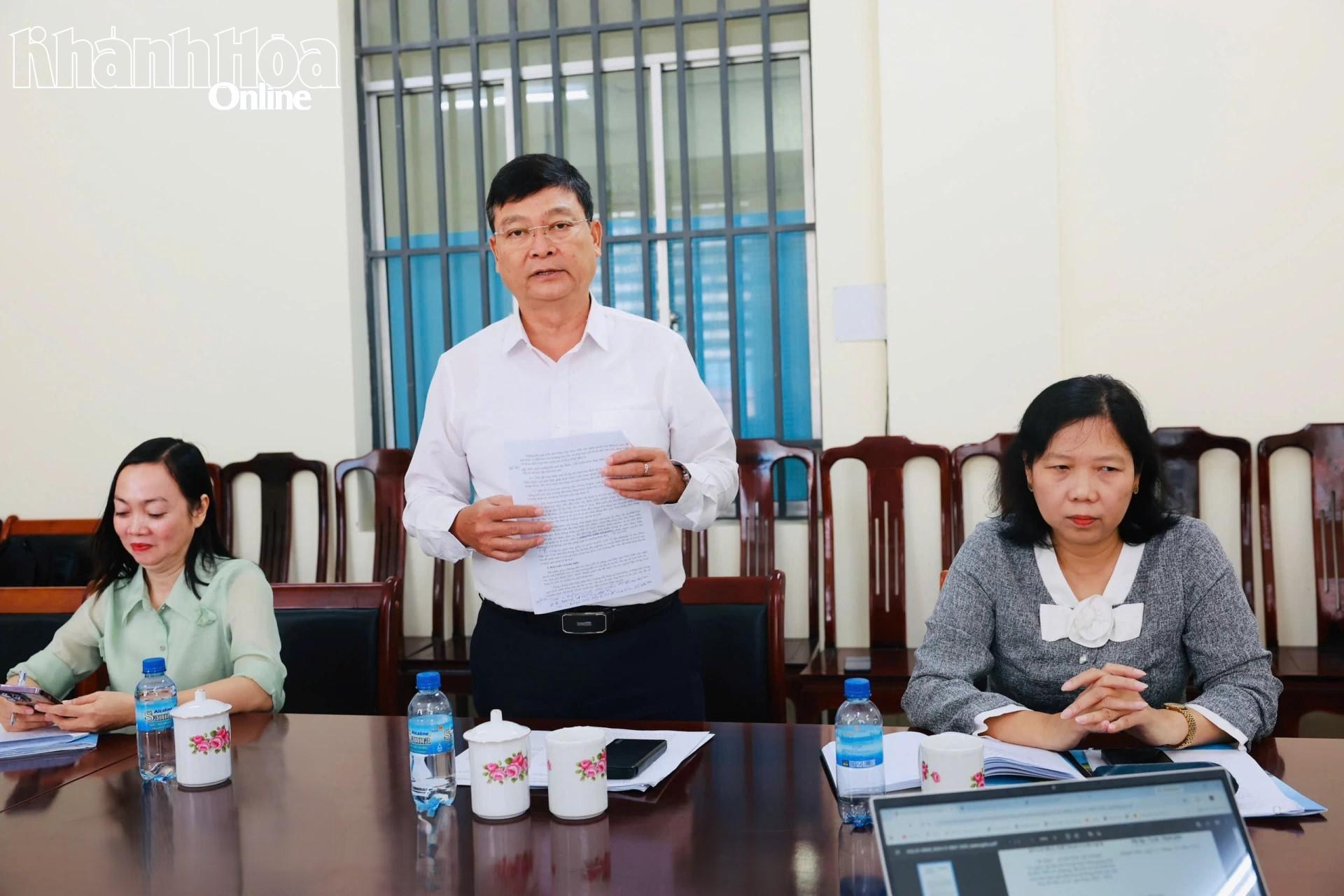 |
| Mr. Nguyen Quang Nhat delivers concluding remarks at the working session. |
Speaking at the working session, Mr. Nguyen Quang Nhat noted that the Provincial People's Council's resolutions approving investment policies for historical and cultural relic restoration projects in the province during the 2021–2025 period have received close attention and implementation from the Provincial People's Committee and relevant agencies and units. Investment procedures, project approvals, contractor selection, and capital allocation have been carried out in accordance with authorized jurisdiction. Survey work, dossier preparation, construction supervision, etc., have been conducted in compliance with regulations; many completed works have promoted their values effectively. However, implementation still faces certain shortcomings: The progress of several projects has not kept pace with the plan, requiring adjustments and extensions of execution time due to delays in finalizing dossiers and construction. A number of relics still encounter planning and land-related obstacles, failing to meet the conditions for project implementation. Advising on the issuance of regulations on the decentralization of relic management has not been timely, leading to confusion in determining management responsibilities in some localities. Coordination and information exchange between specialized agencies and localities have not been close or timely.
The monitoring delegation also requested the Department of Culture, Sports and Tourism to strengthen coordination, urge, and provide guidance on resolving difficulties and obstacles during the implementation of monument restoration and renovation projects, as well as to offer timely professional and technical support. The Department needs to coordinate with localities to review and address obstacles regarding planning, boundaries, and land records of monuments to facilitate the implementation of restoration and renovation projects; and enhance professional training and guidance to assist localities in finalizing project implementation dossiers. At the same time, it should promptly advise the Provincial People's Committee to issue regulations on managing, protecting, and promoting the value of monuments in the province, clearly decentralizing management authority for each category of monument and specifically defining the responsibilities of each agency, unit, and locality.
XUAN THANH

