With skillful hands and experience passed down through generations, Cham artisans in Bau Truc pottery village (Ninh Phuoc commune) continue day by day to shape the clay, creating unique traditional pottery products. Each stage, from kneading clay and shaping to firing pottery, embodies folk knowledge and the cultural imprint of the community.
In 2022, the pottery art of the Cham people was inscribed by UNESCO on the List of Intangible Cultural Heritage in Need of Urgent Safeguarding, affirming the unique value of the traditional craft and highlighting the responsibility to preserve and pass on the heritage to future generations. Amid modern life, preserving the craft also opens up livelihood development opportunities for local people. This is also a practical direction to preserve and promote traditional cultural values in the spirit of Resolution No. 80-NQ/TW of the Politburo on the development of Vietnamese culture.
|
| The entrance gate to Bau Truc pottery village, where the traditional pottery craft of the Cham people is preserved. |
|
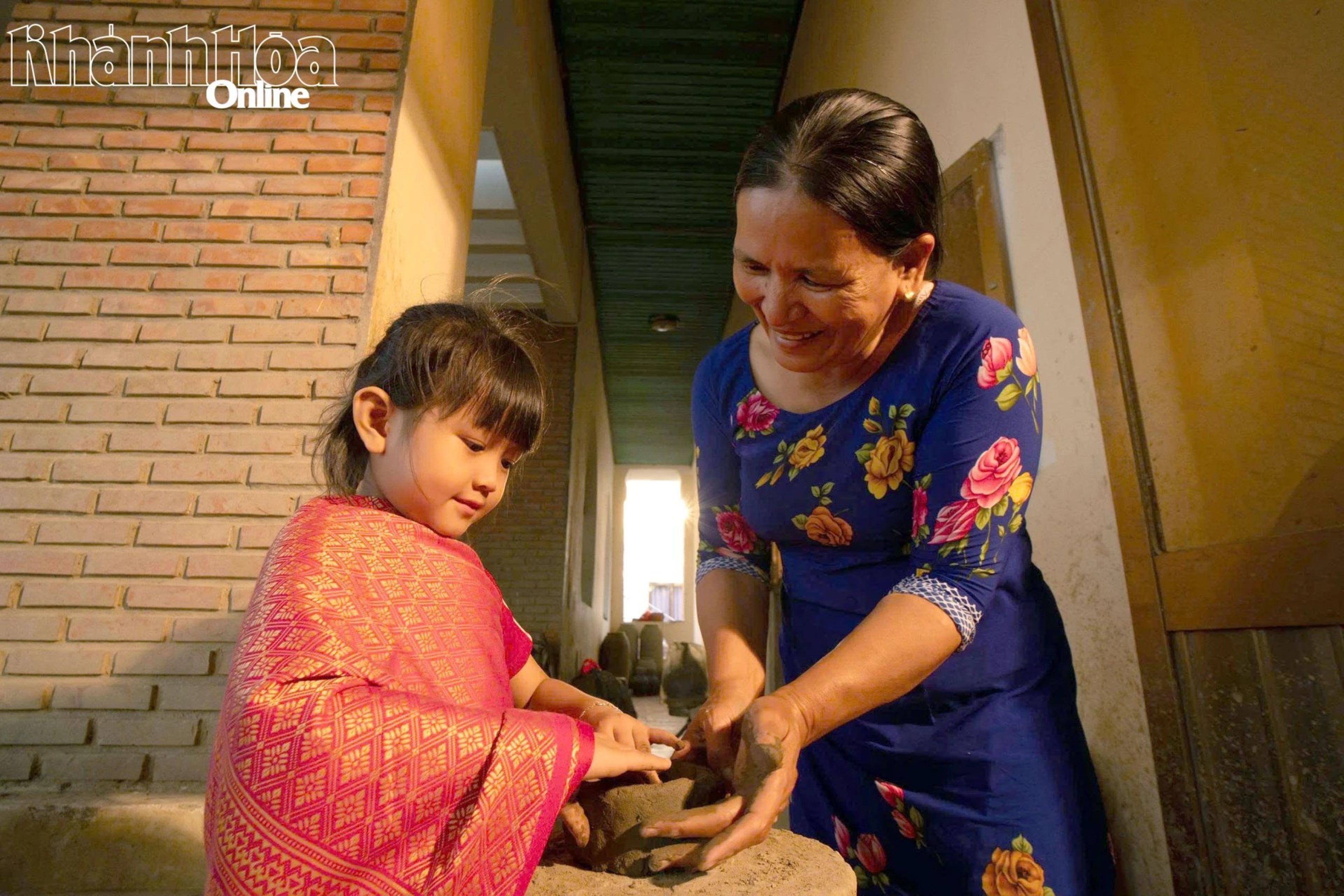
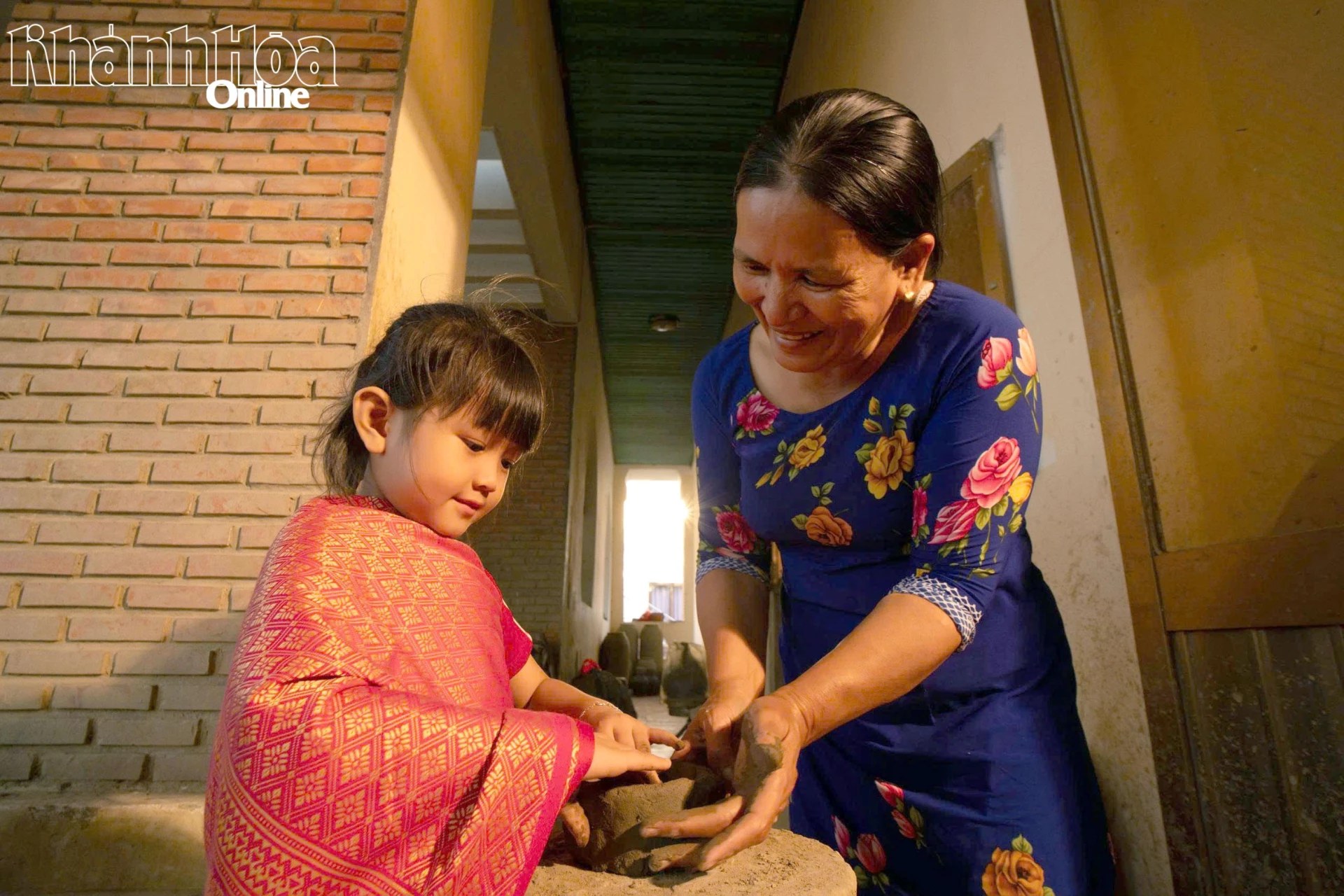
| From a young age, Cham ethnic children are introduced to clay, learning how to mold and shape each pottery piece under the guidance of adults. |
|
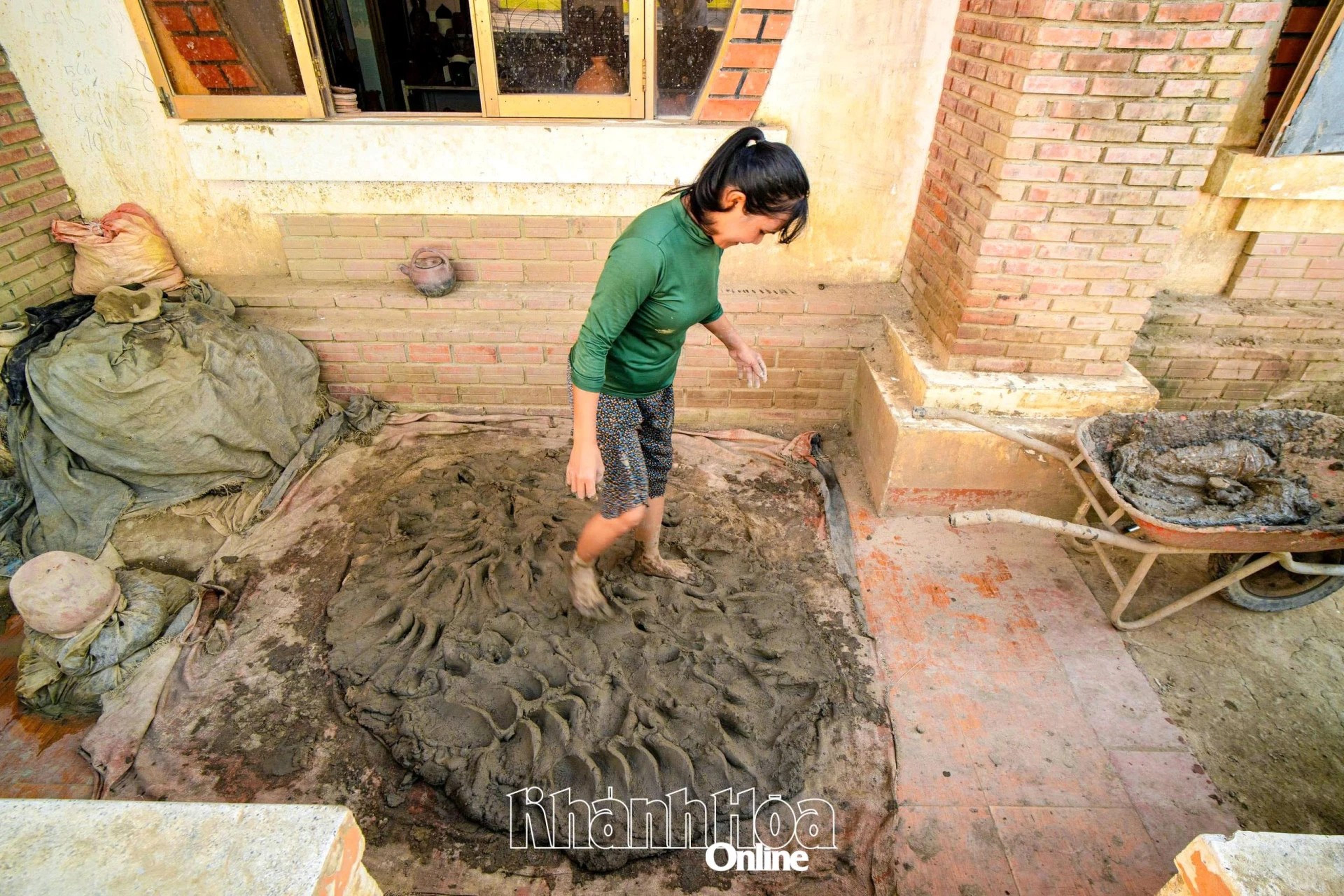
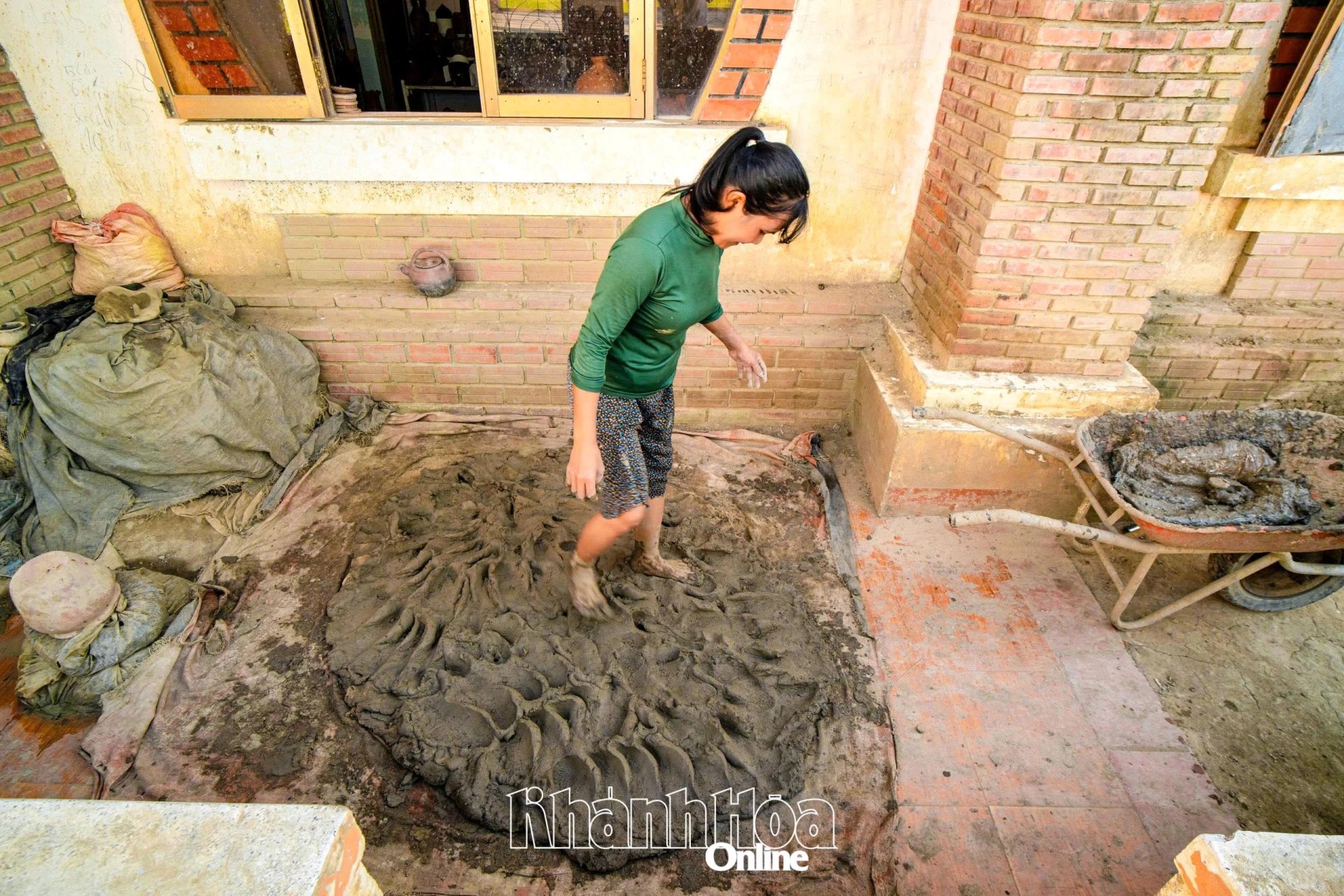
| After being processed, clay is mixed with sand and water, then kneaded thoroughly to achieve suitable plasticity. This is the first step, requiring meticulousness, as the quality of the raw materials determines the durability and shape of the pottery products. |
|
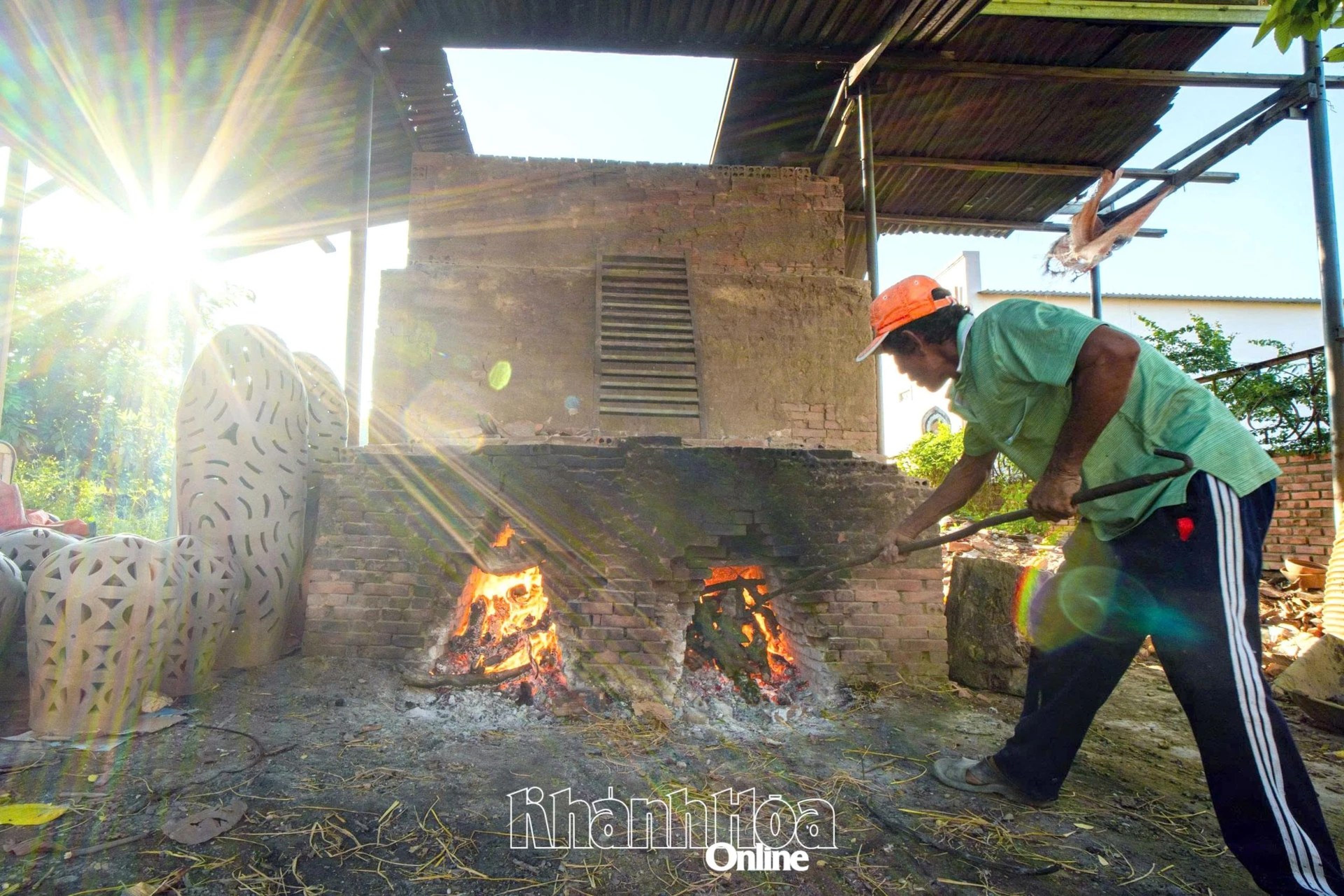
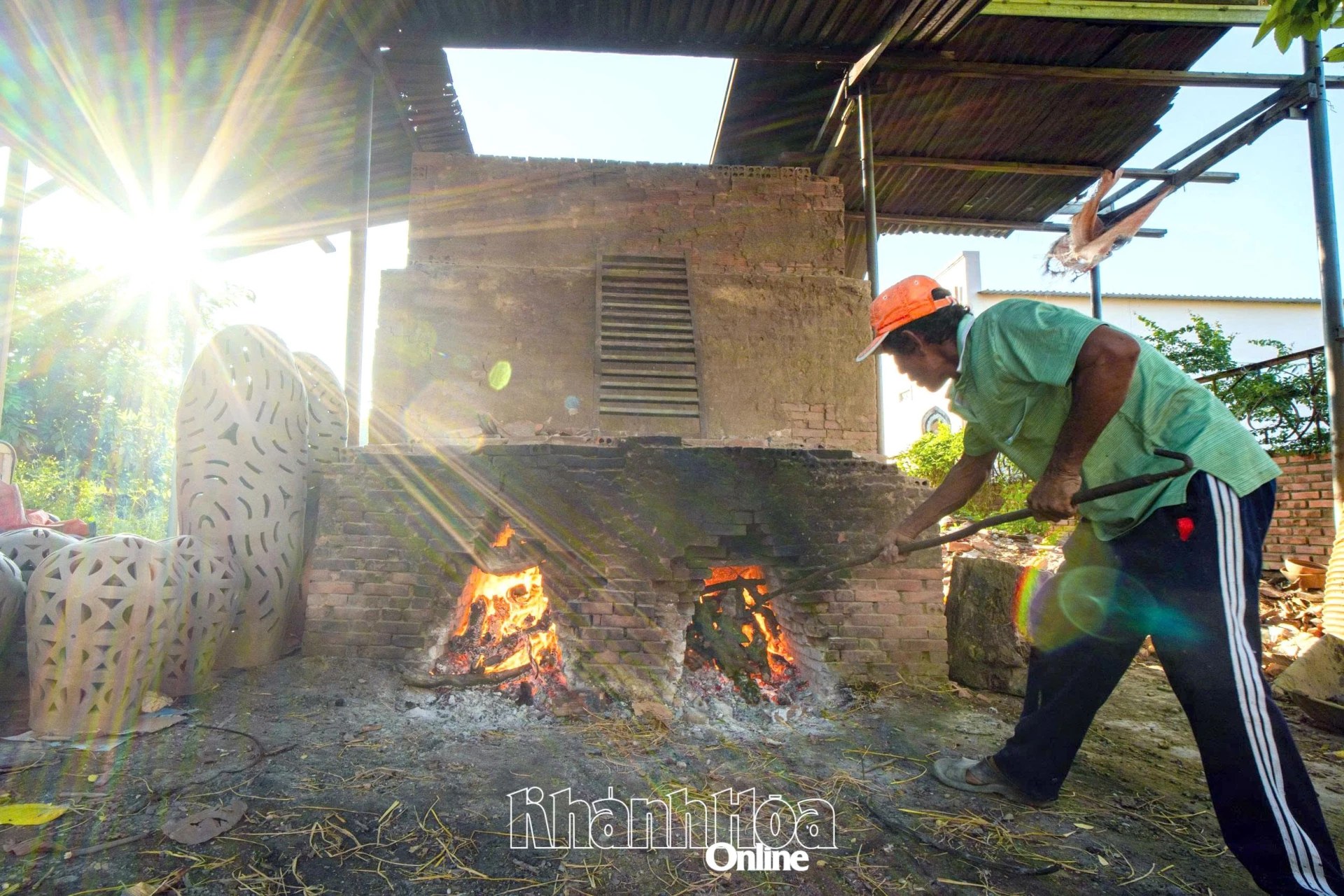
| After being shaped, decorated, and dried, the products enter the firing stage. Fire and temperature contribute to creating the pottery's hardness and distinctive colors, requiring craftsmen to have the experience to monitor and adjust throughout the firing process. |
|
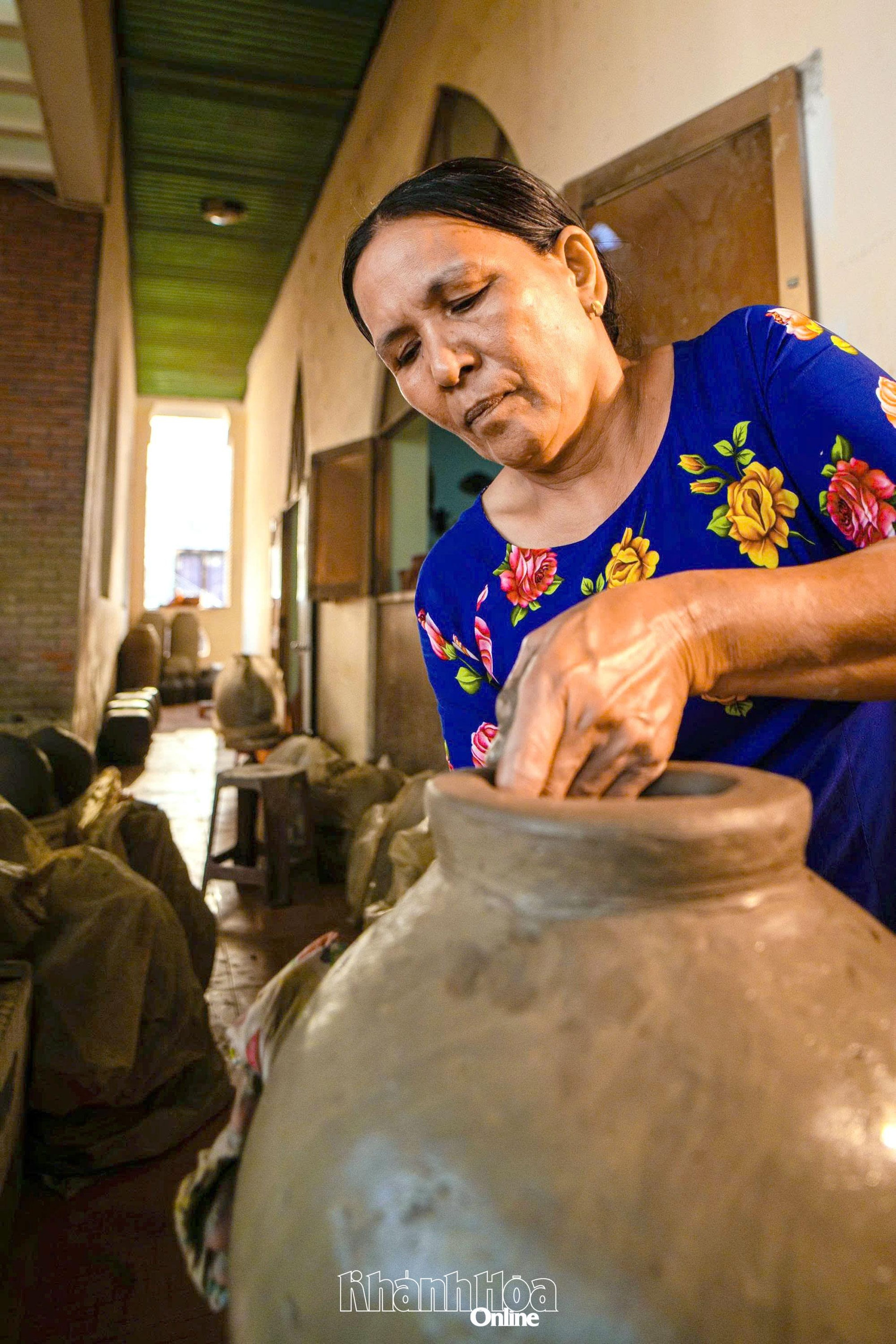
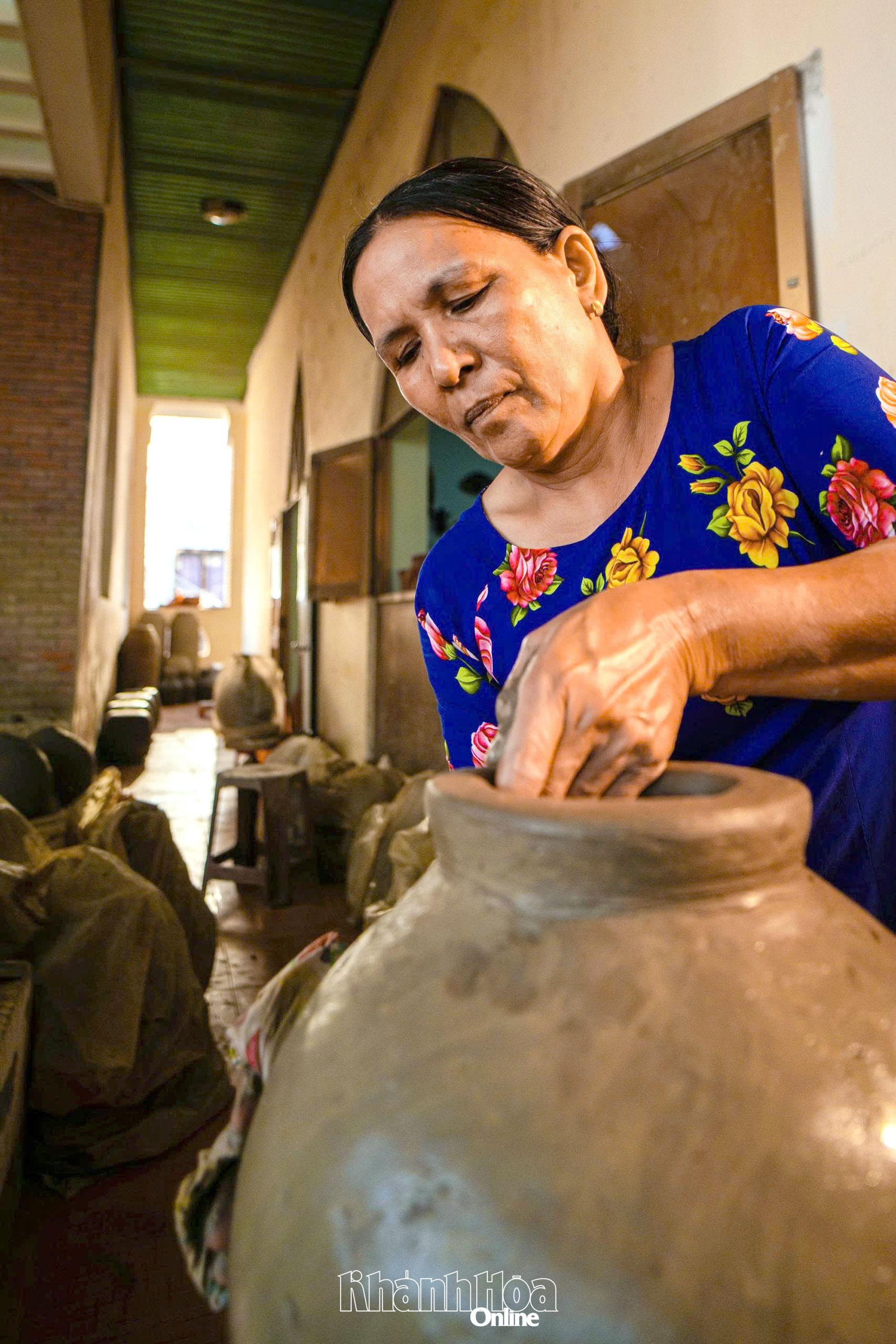
| Without using a potter's wheel, Cham artisans move around the lump of clay, using their skillful hands to smooth and mold the product into shape. This unique technique has been preserved through generations, becoming a distinctive feature of Bau Truc pottery. |
|
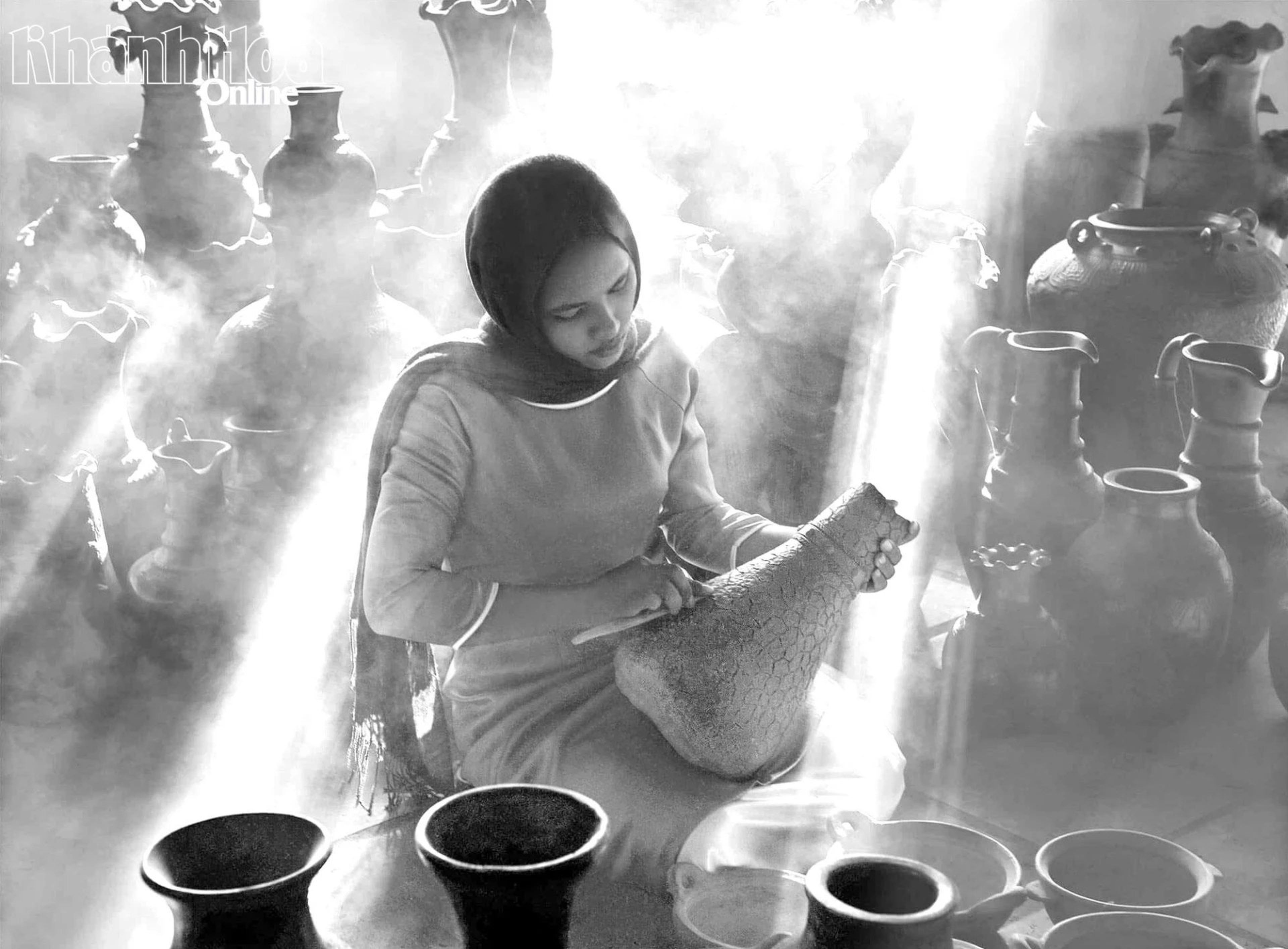
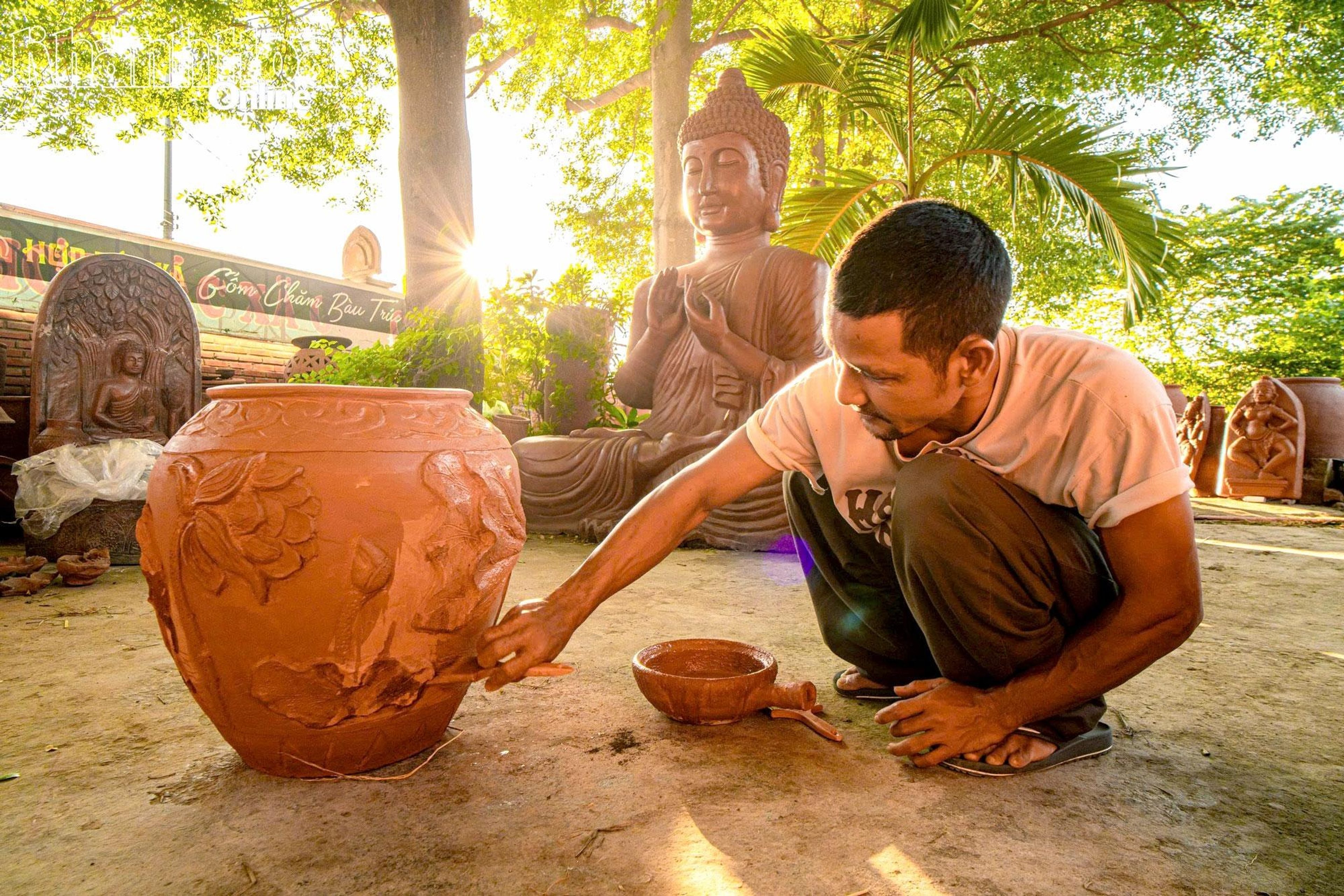
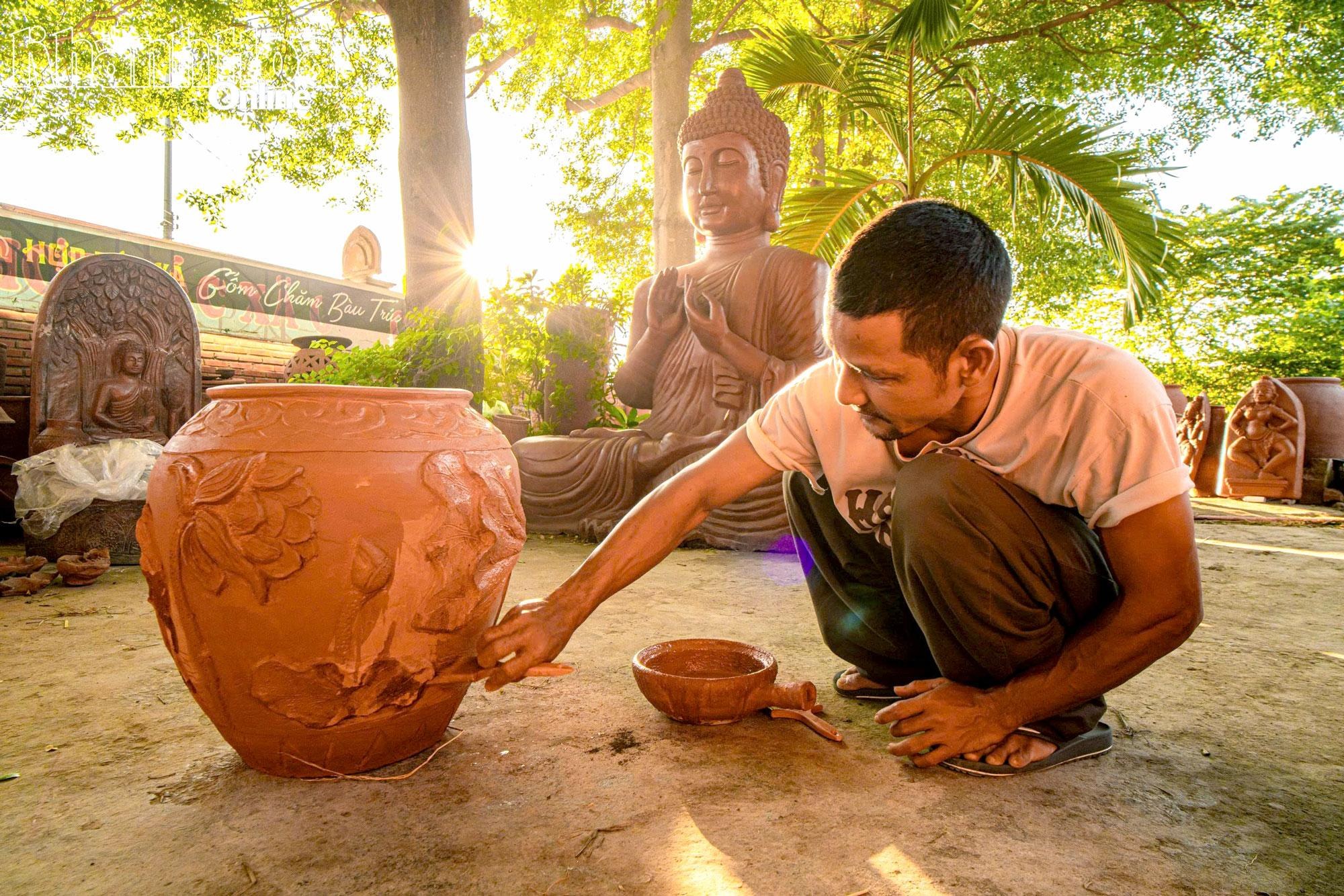
| After the shaping stage, craftsmen continue to refine, carve, and decorate patterns. Motifs inspired by the life and culture of the Cham ethnic group contribute to creating the unique beauty of each product. |
|
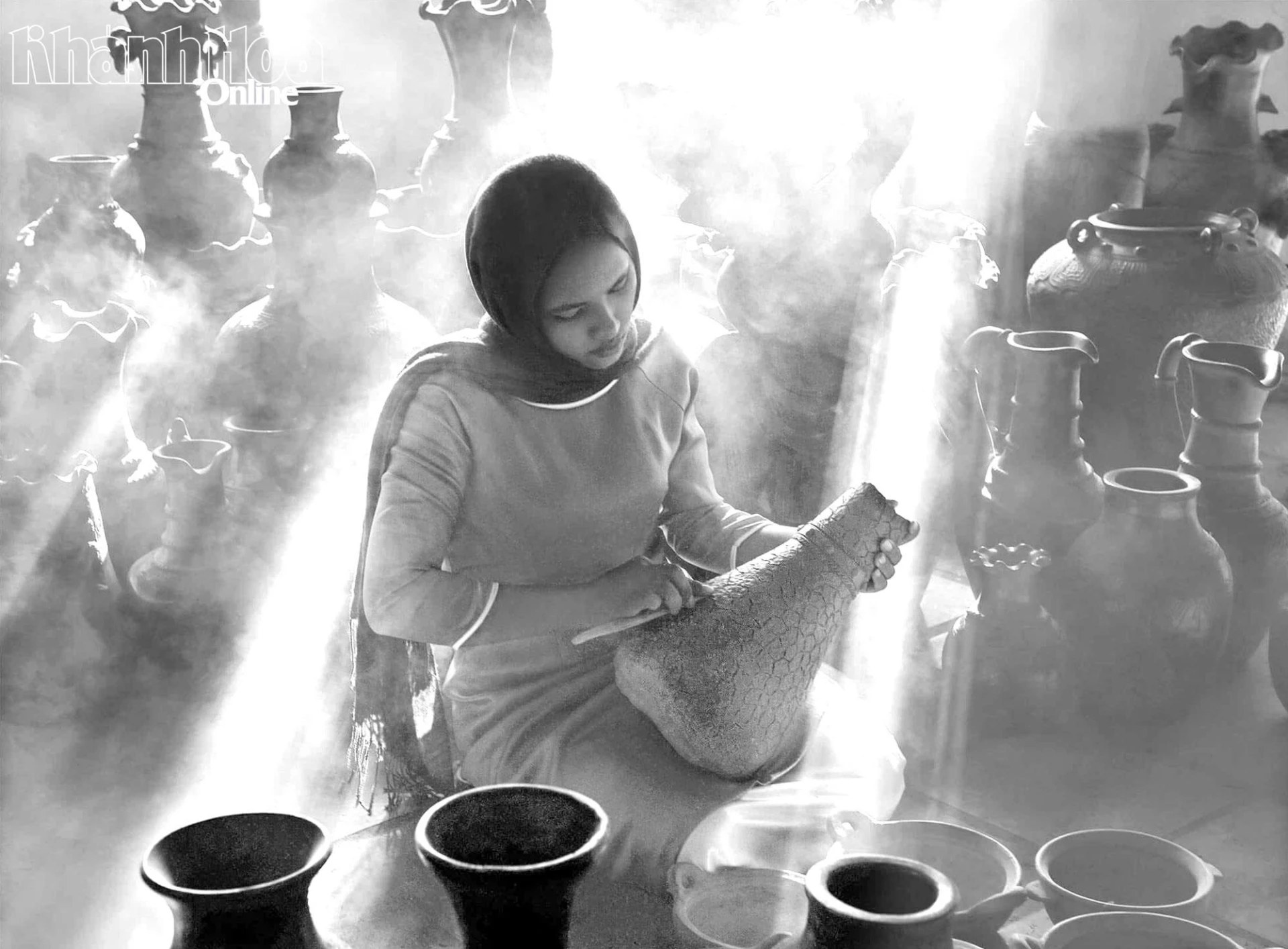
| Amid the changes of life, the image of diligent Cham women beside their pottery products serves as a reminder of the enduring vitality of the craft village. The pottery craft is preserved not only through technique, but also through love and pride in the heritage of their ancestors. |
|
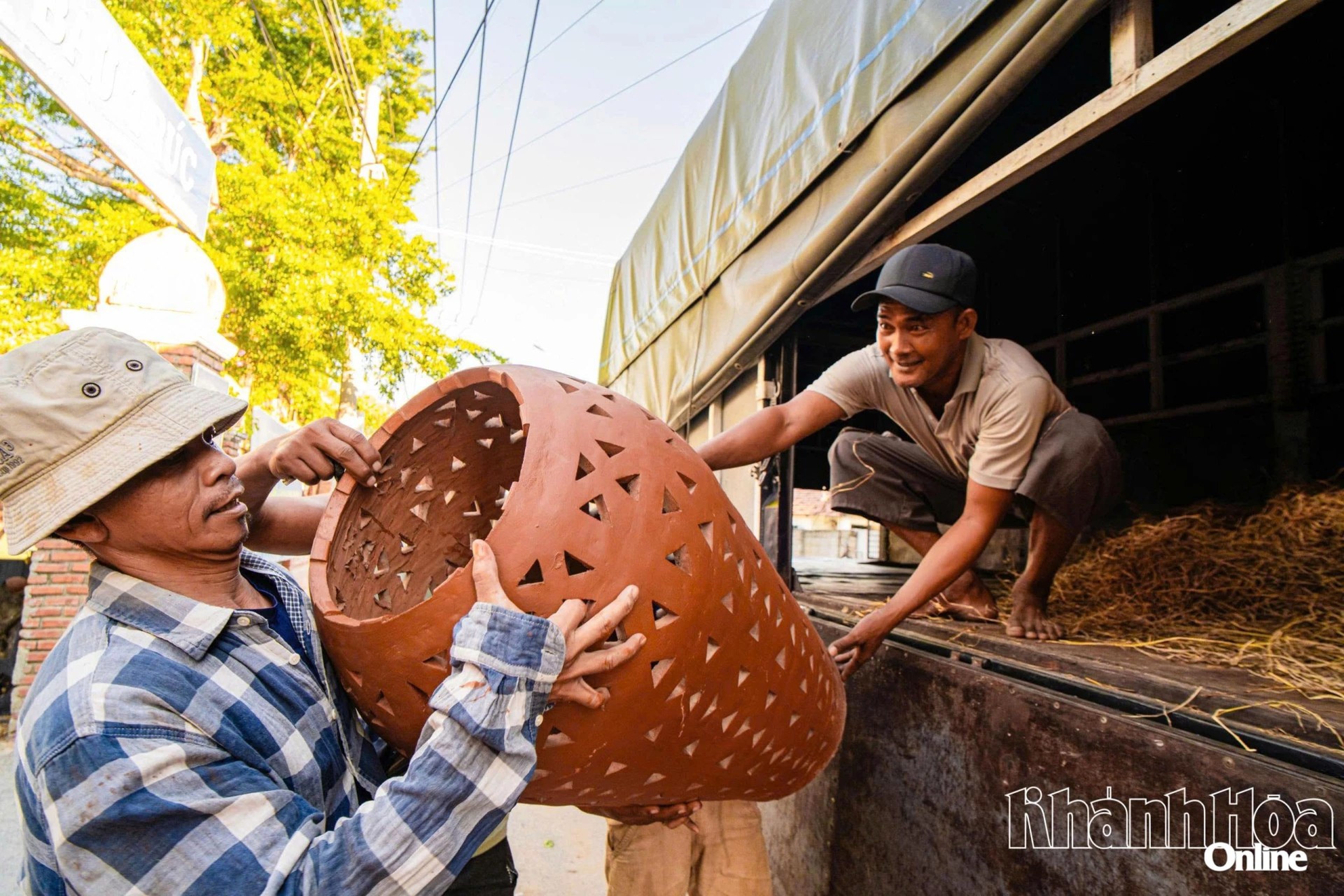
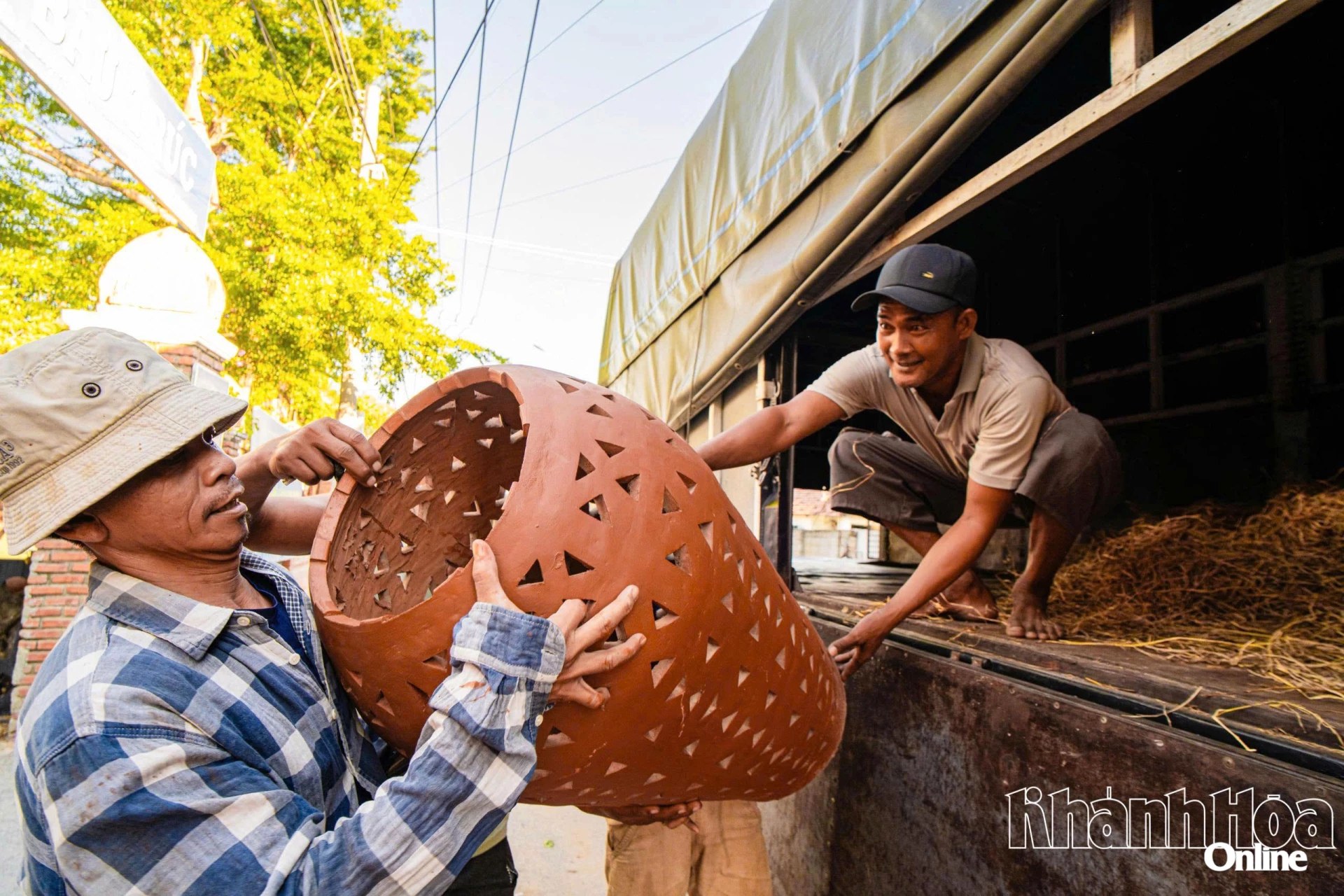
| Once finished, the pottery products are transported to display and retail venues. Alongside familiar household items, the artisans of Bau Truc pottery village also create numerous decorative and fine-art ceramic designs, meeting the market's increasingly diverse demands. |
|
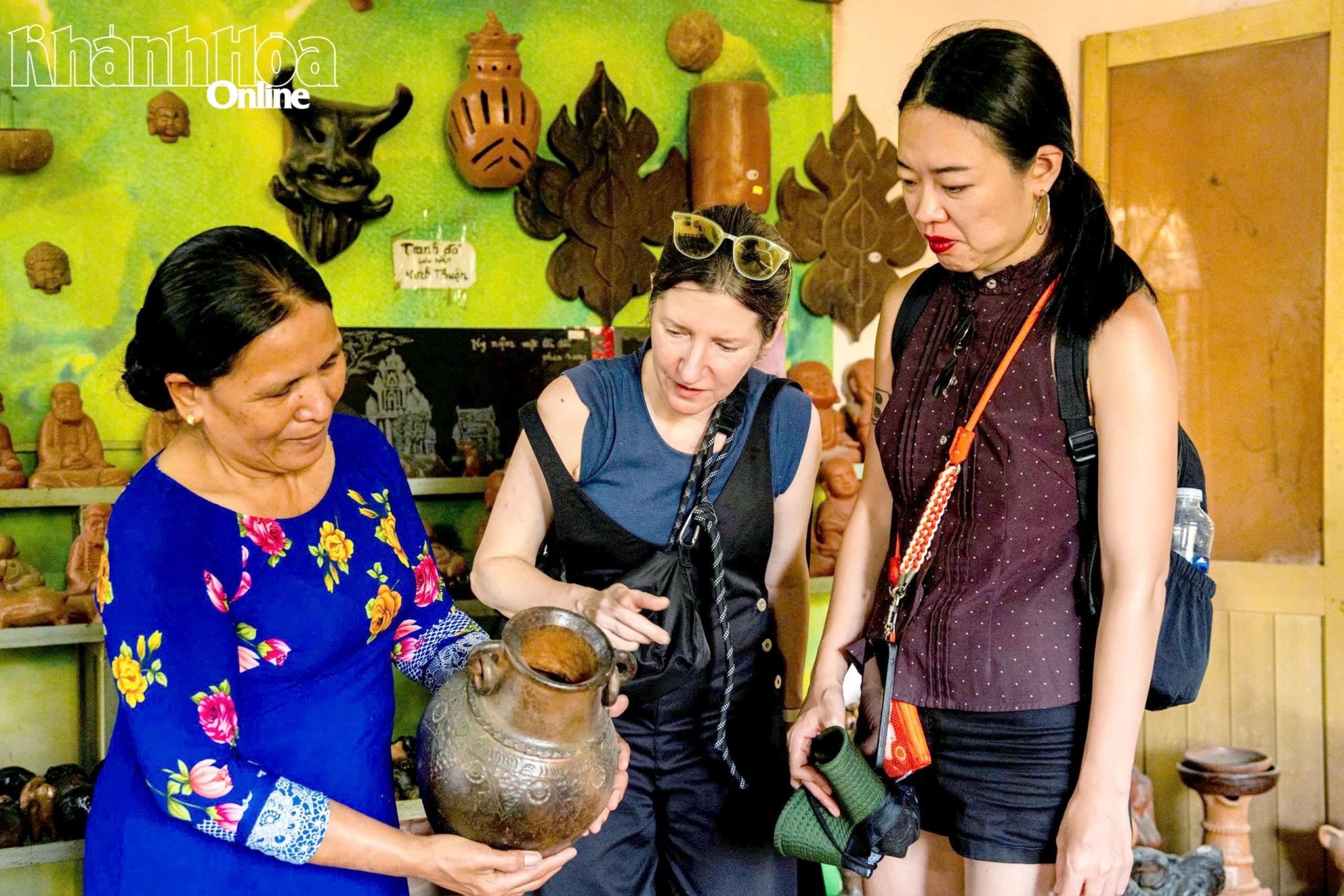
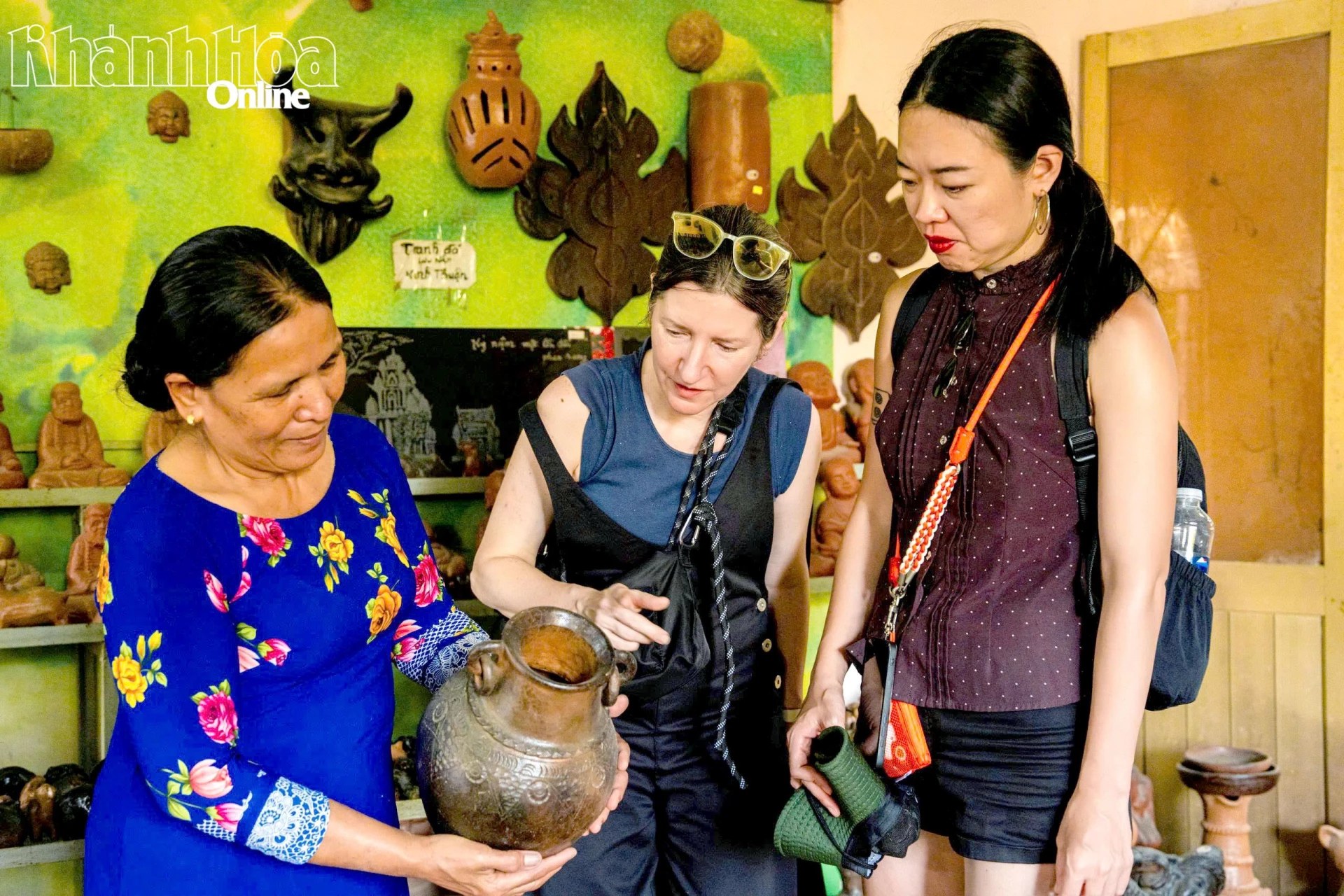
| Bau Truc pottery is not only present in everyday life but has also become a signature cultural and tourism product. Promotional and hands-on pottery-making activities help visitors better understand the traditional craft and contribute to expanding its consumer market. |
|
| Bau Truc pottery village remains peaceful amidst the changing rhythm of life. Under these roofs, the traditional pottery craft is still preserved, passed down, and continues to thrive. Preserving the craft is also preserving the culture of the Cham people for today and future generations. |
HAN DA NGUYET