

Po Rome Tower
The final hallmark of Cham tower art
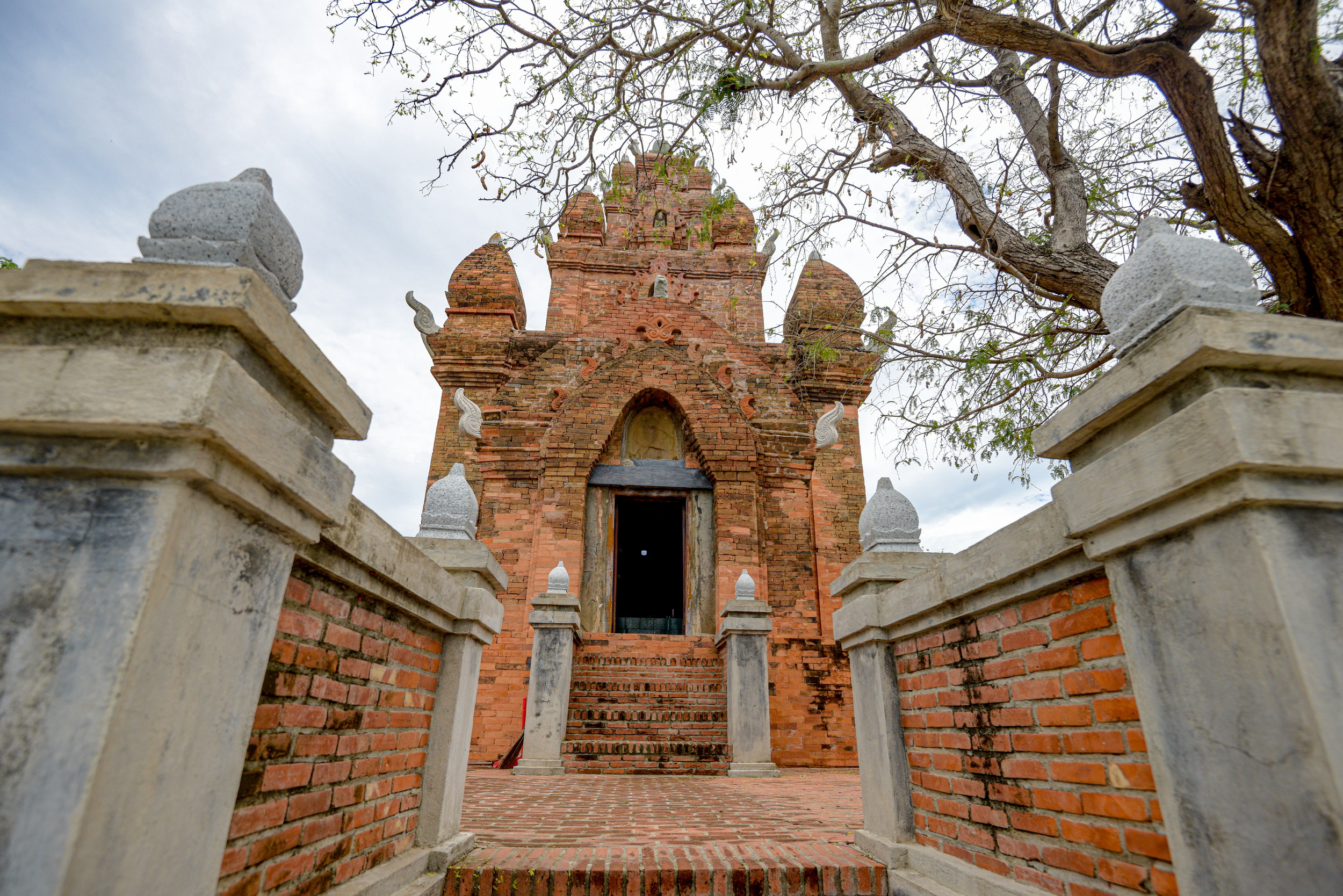
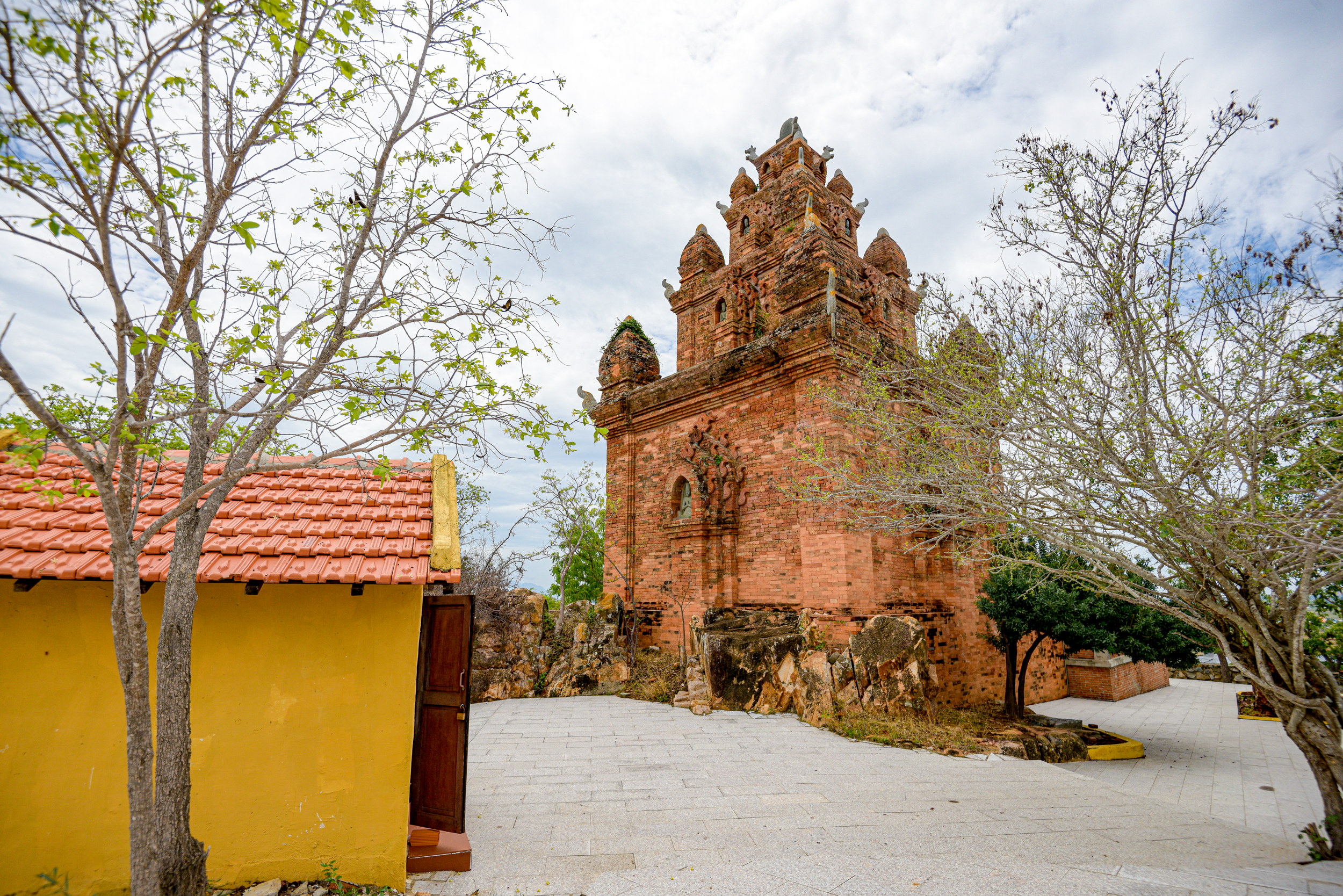
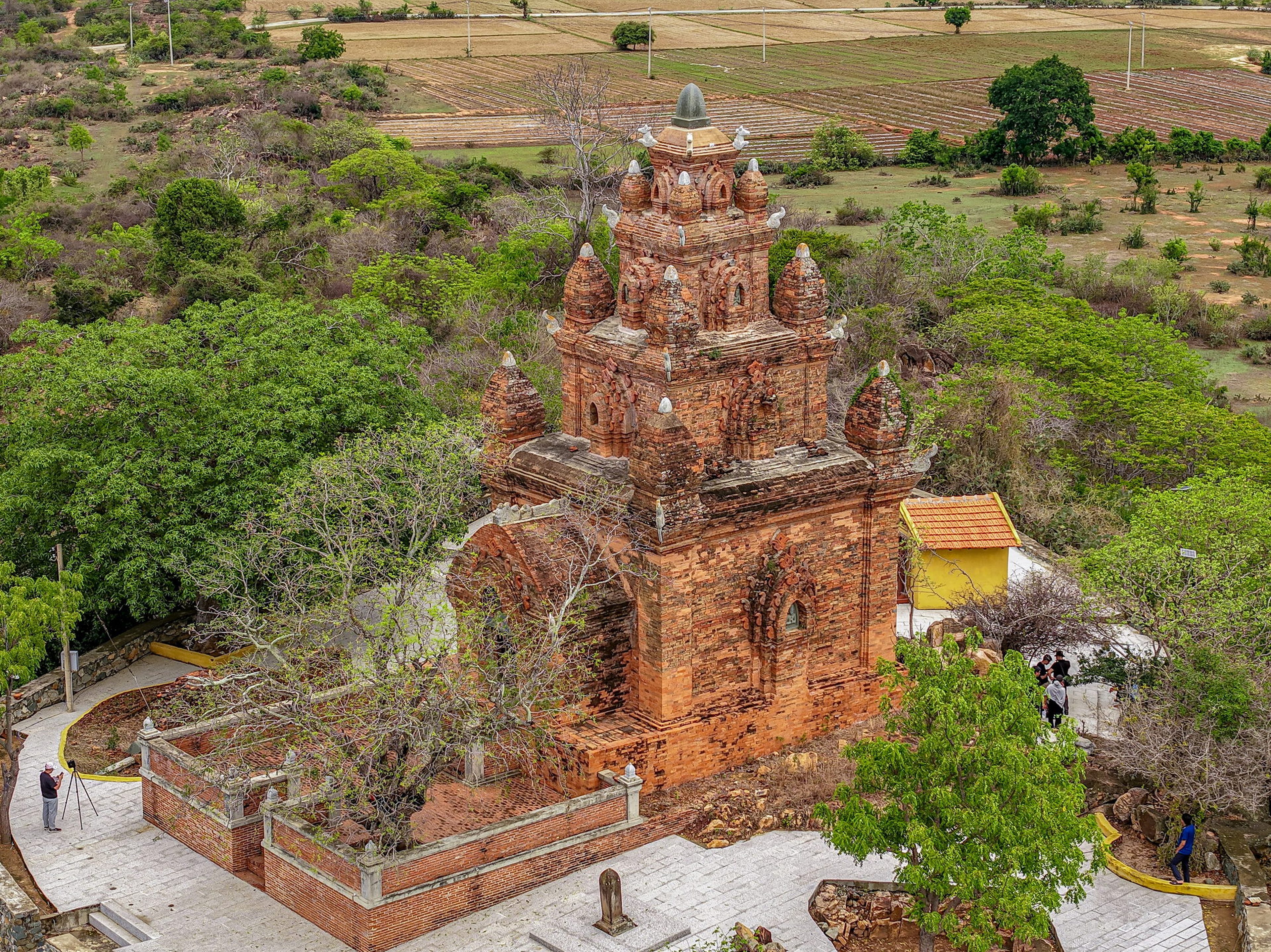
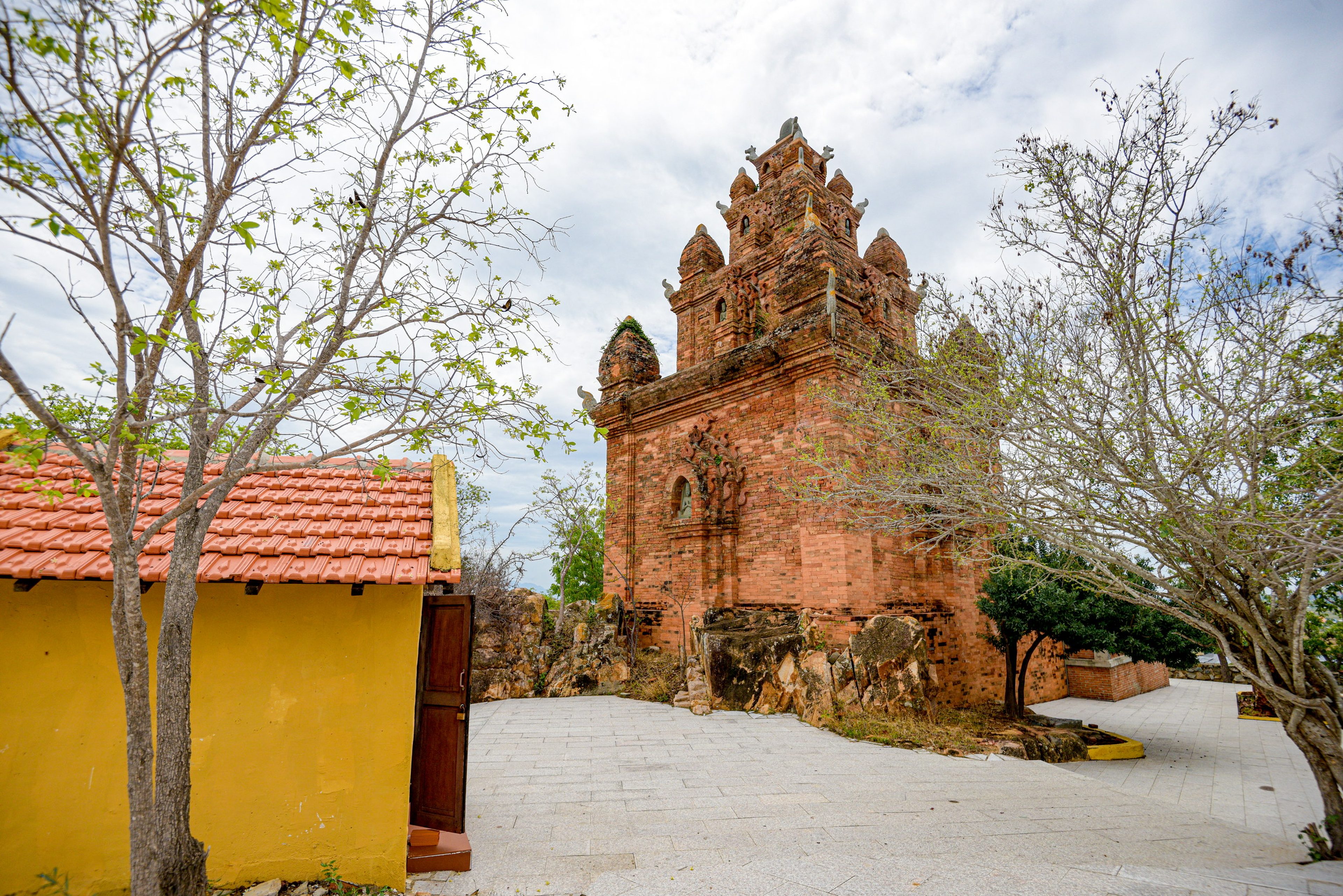
Po Rome Tower was built in the Hau Sanh region to worship King Po Rome - a monarch remembered by the Cham community for his contributions to harmonizing religious relations, caring for irrigation, and protecting the lives of the residents. It is considered one of the latest towers in the architectural history of Cham temples in Vietnam.
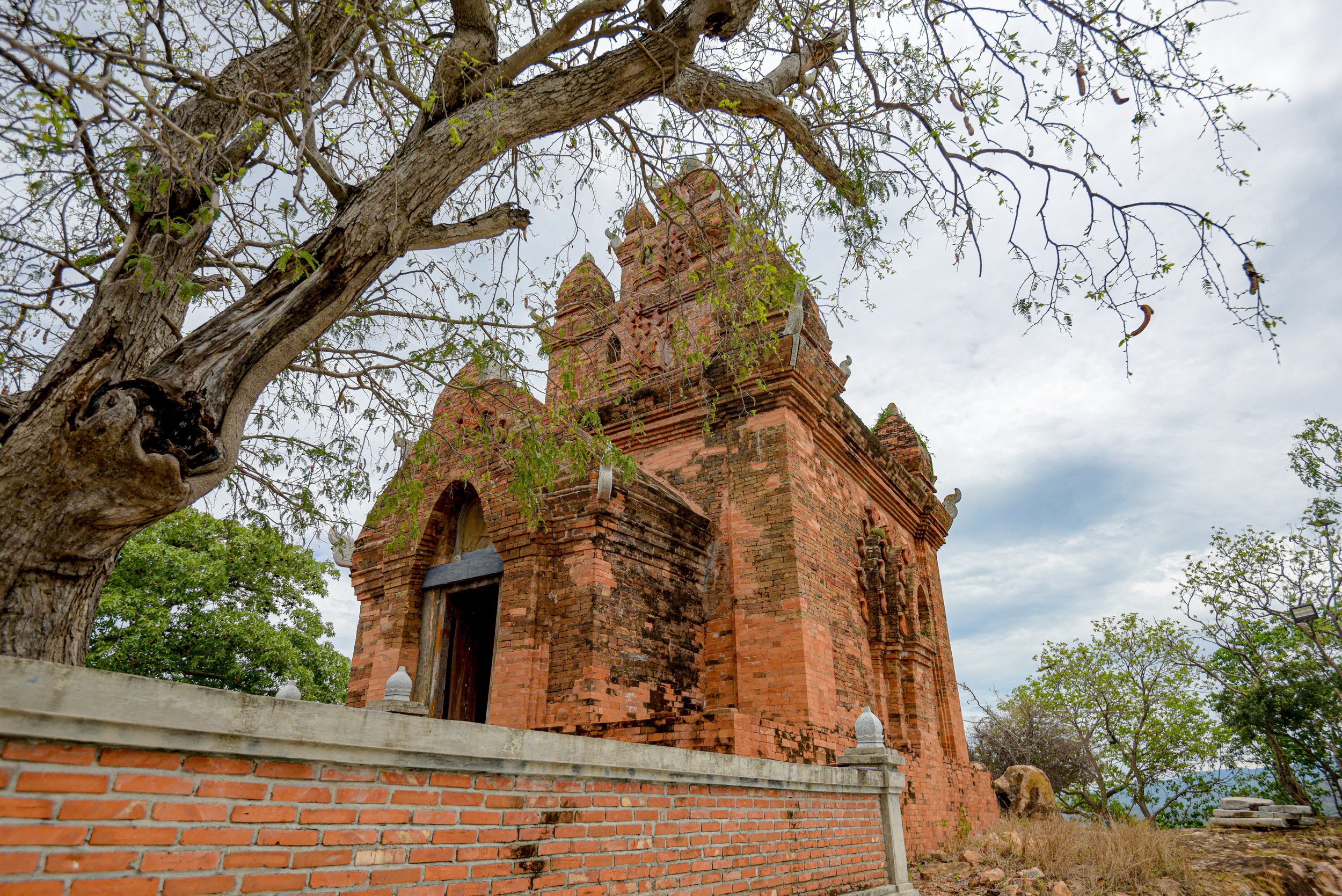
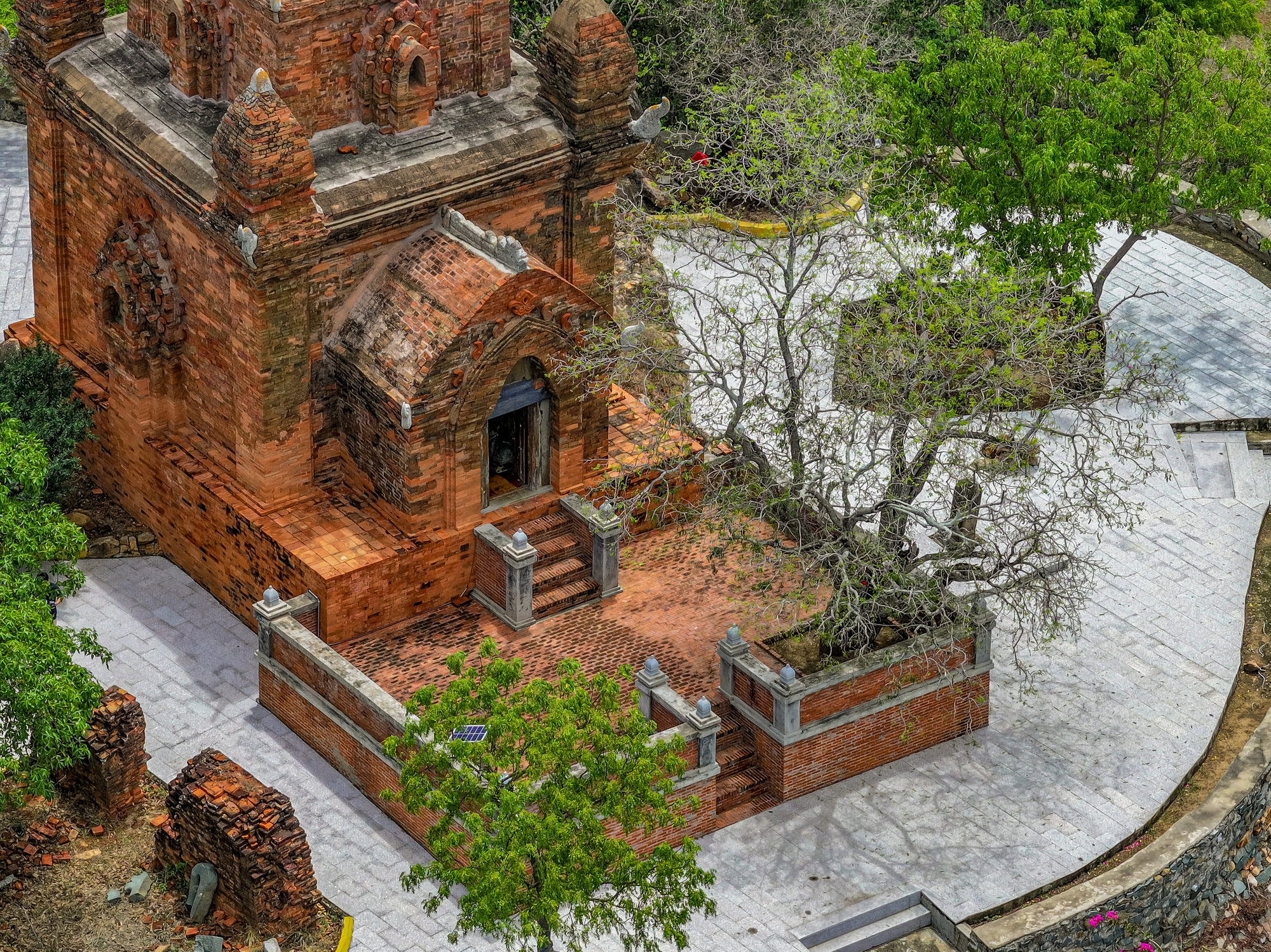
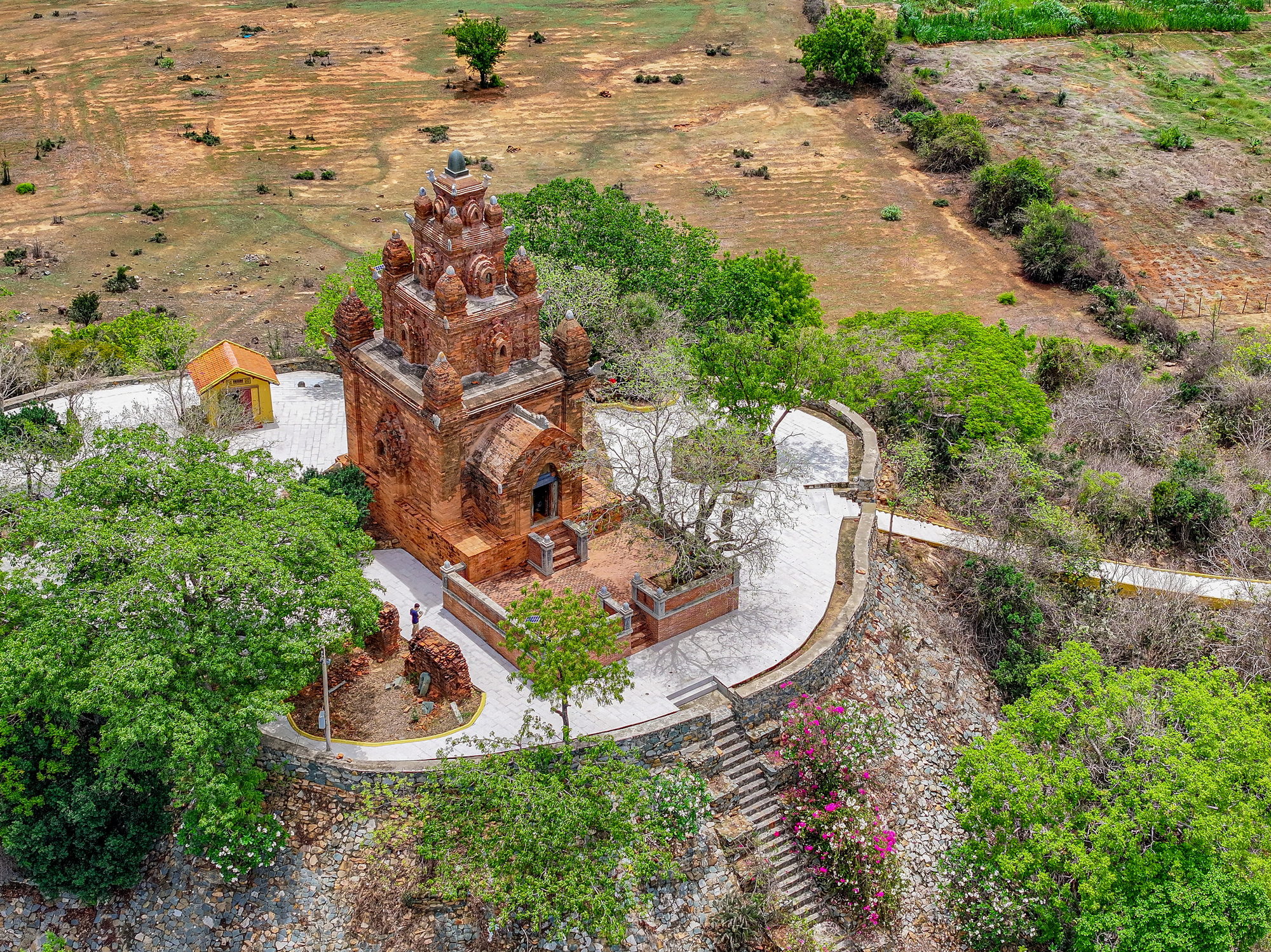
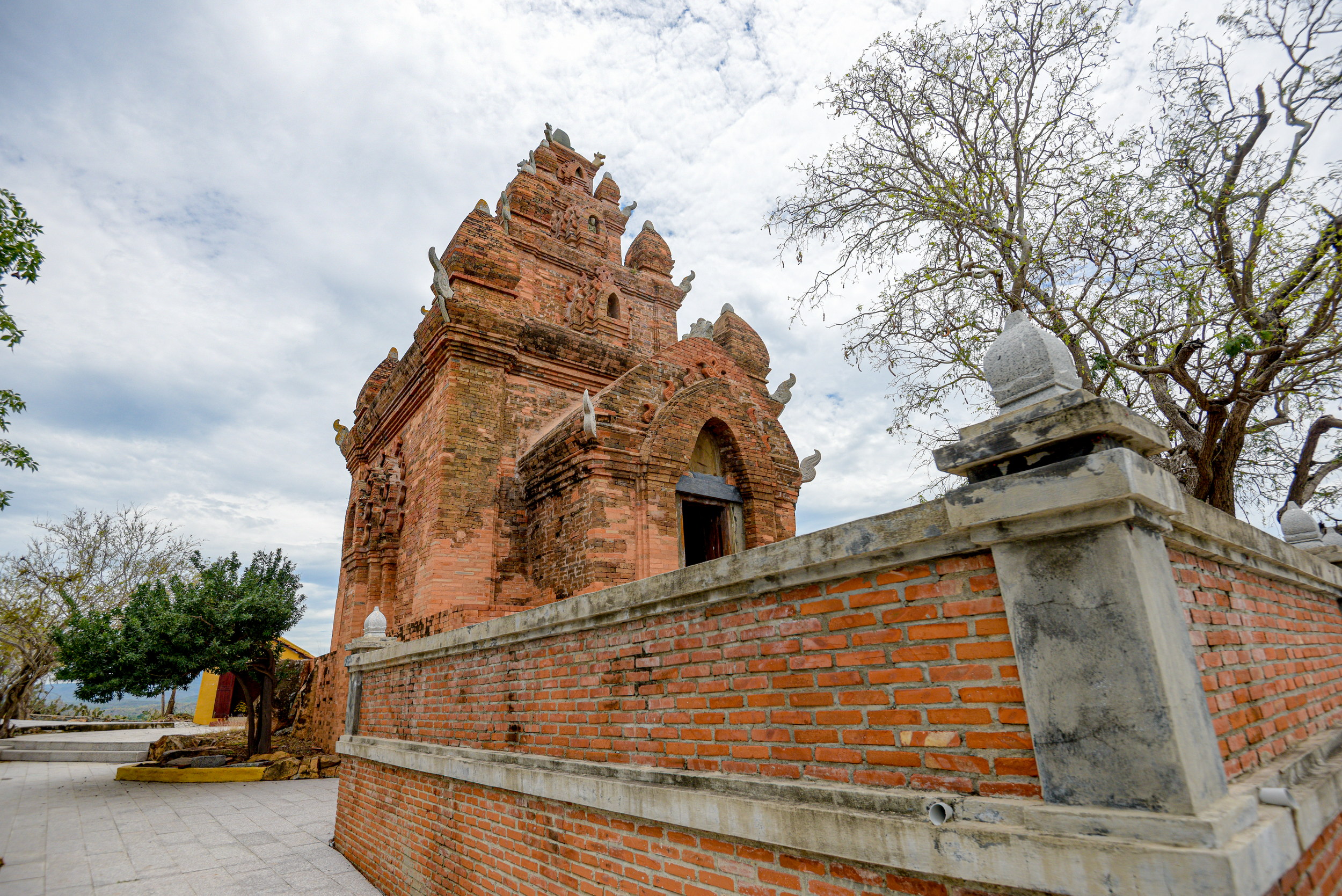
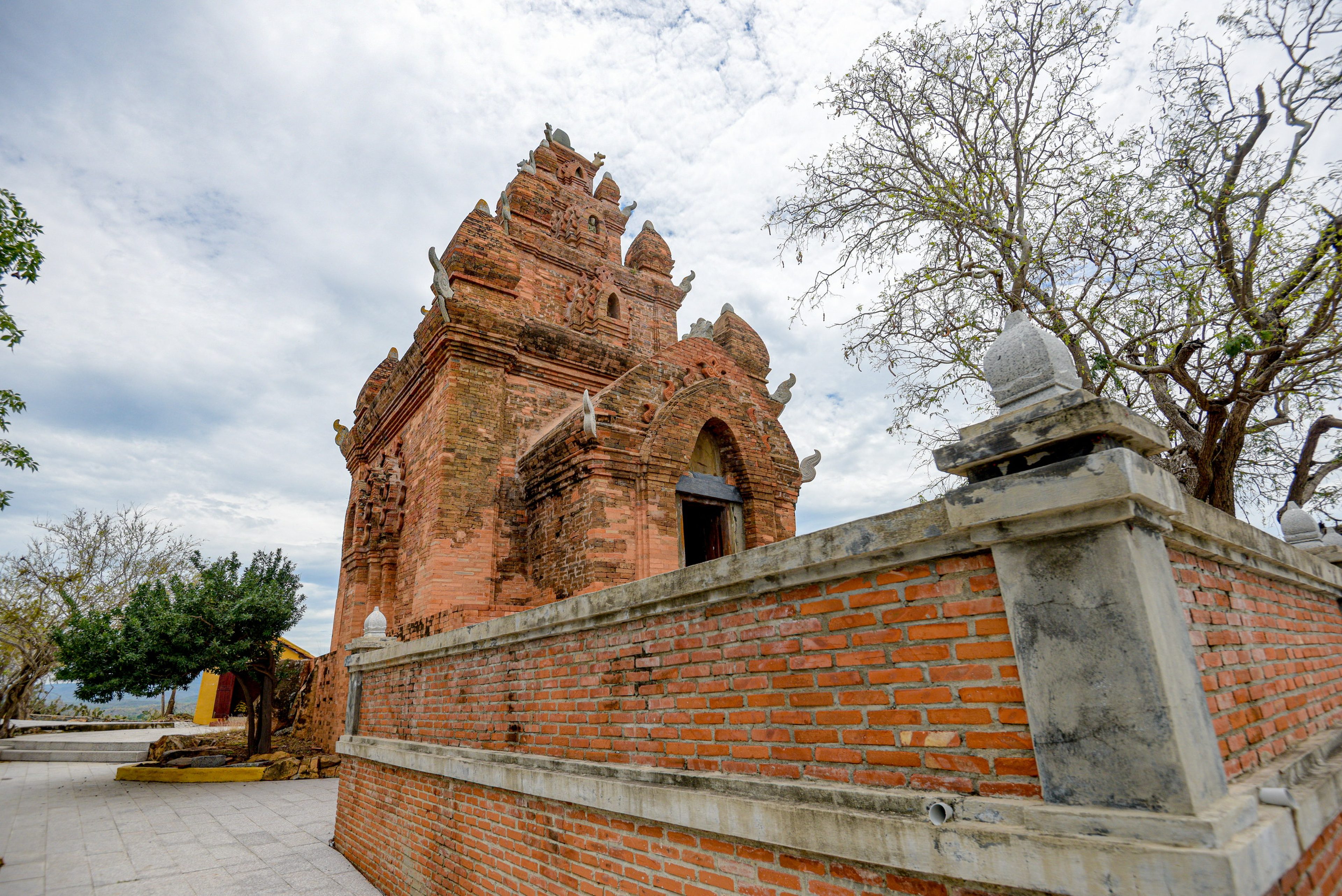
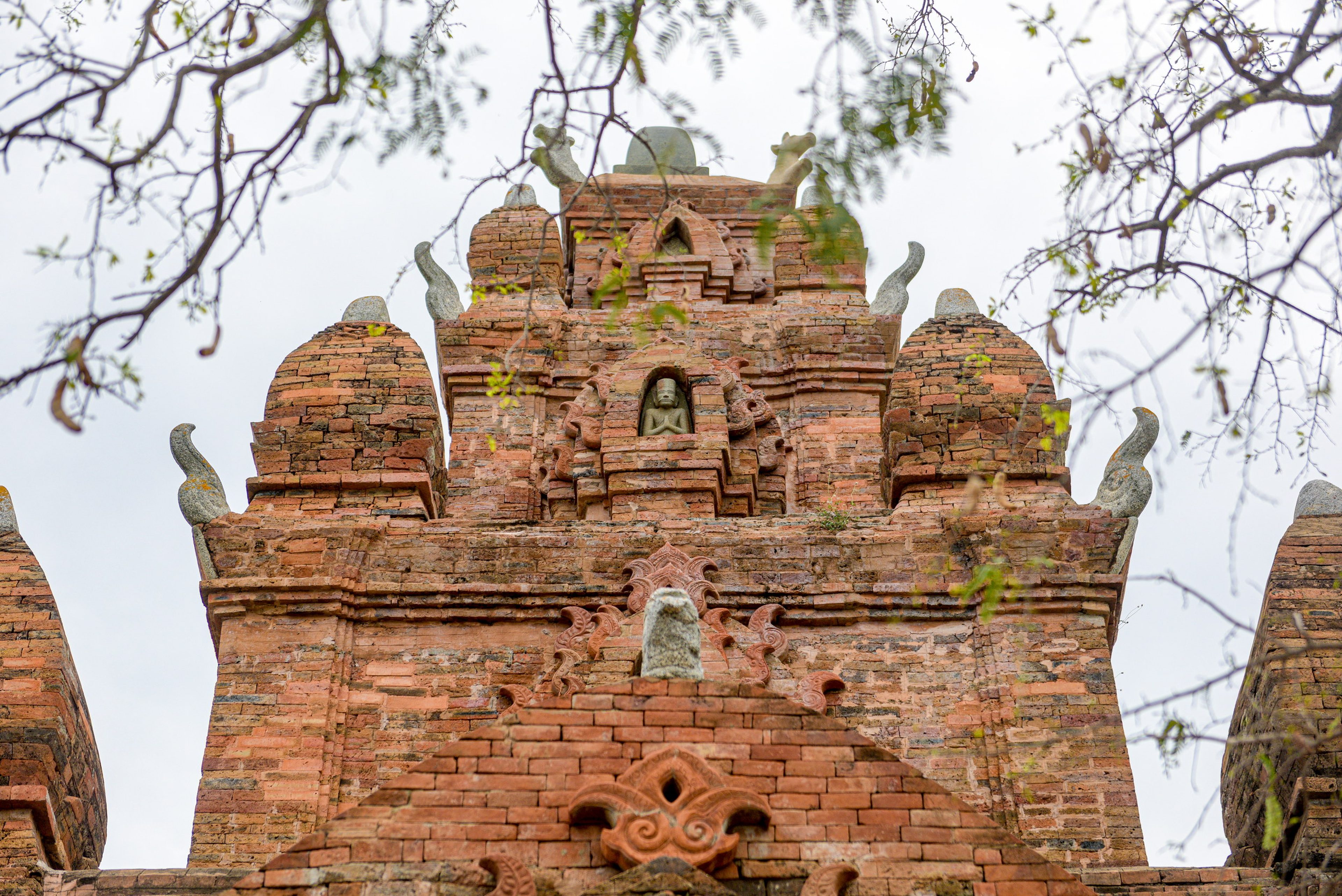
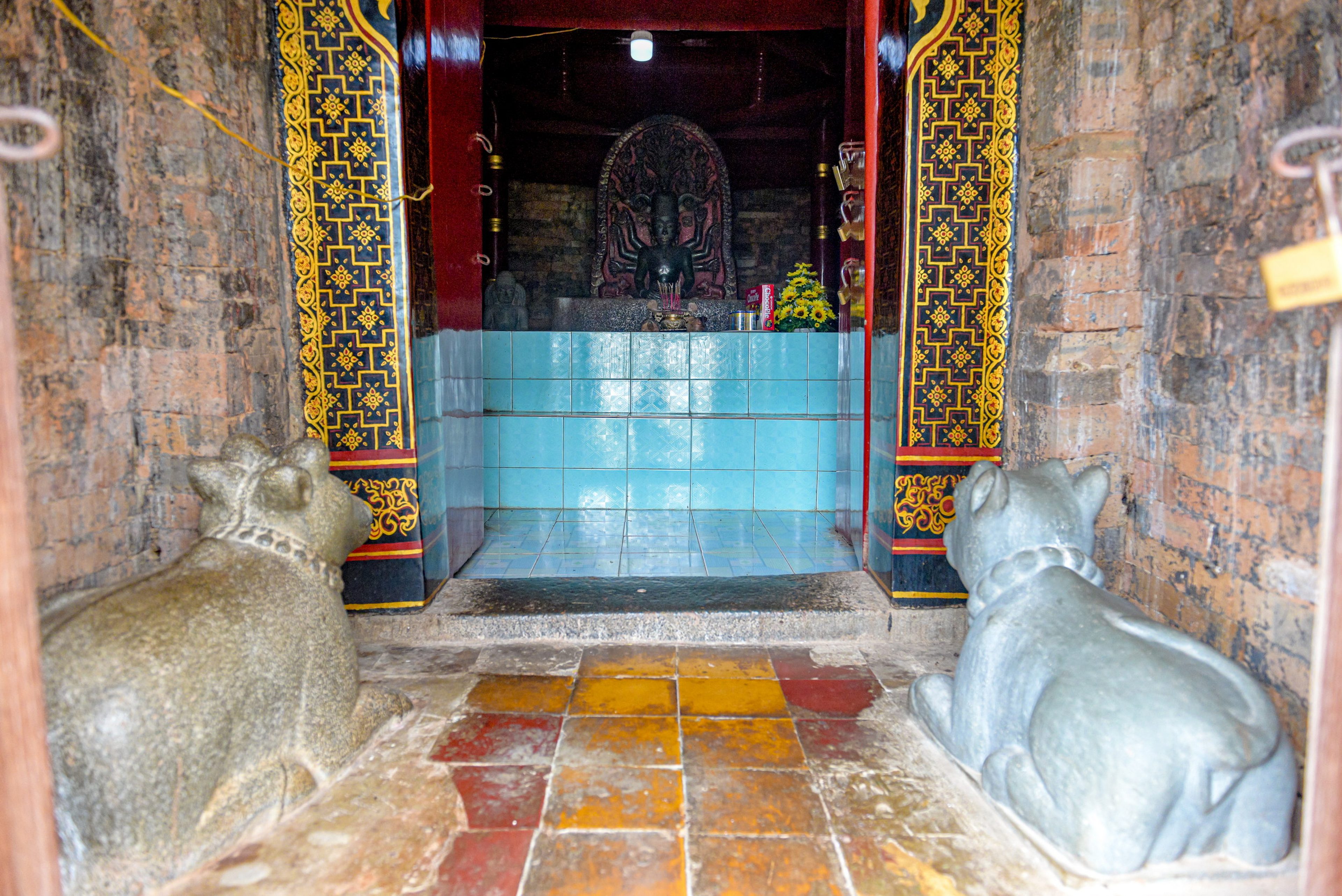
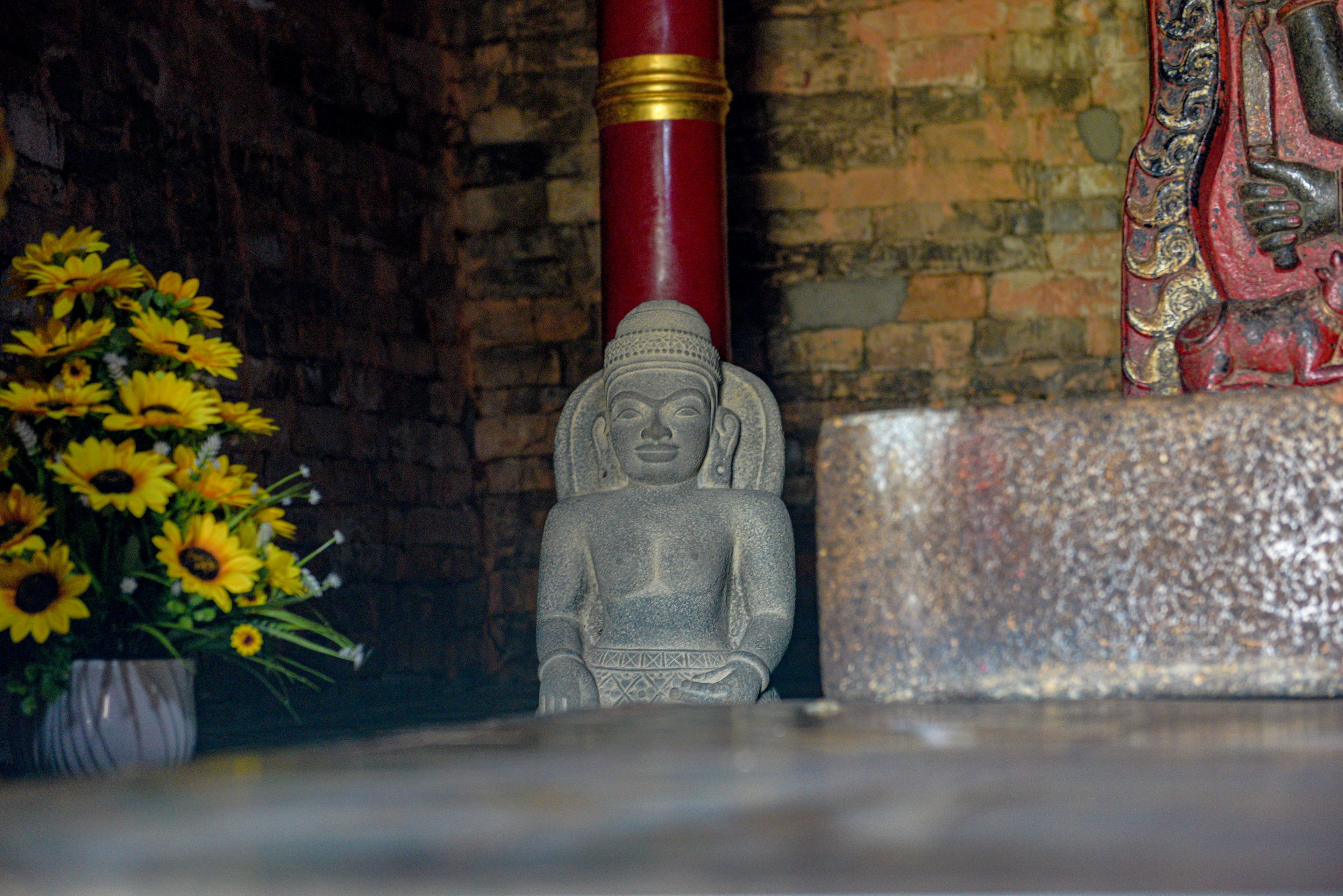
Not as imposing as Po Klong Garai Tower, Po Rome Tower possesses a more somber and approachable appearance. It is precisely this simplicity that highlights the spiritual depth of the site: a space dedicated to worshipping the king, honoring the memory of the dynasty, and serving as a repository for many rare stone artifacts right within the tower.
From a large complex to the remaining tower
The remaining legacy of the Po Rome tower complex
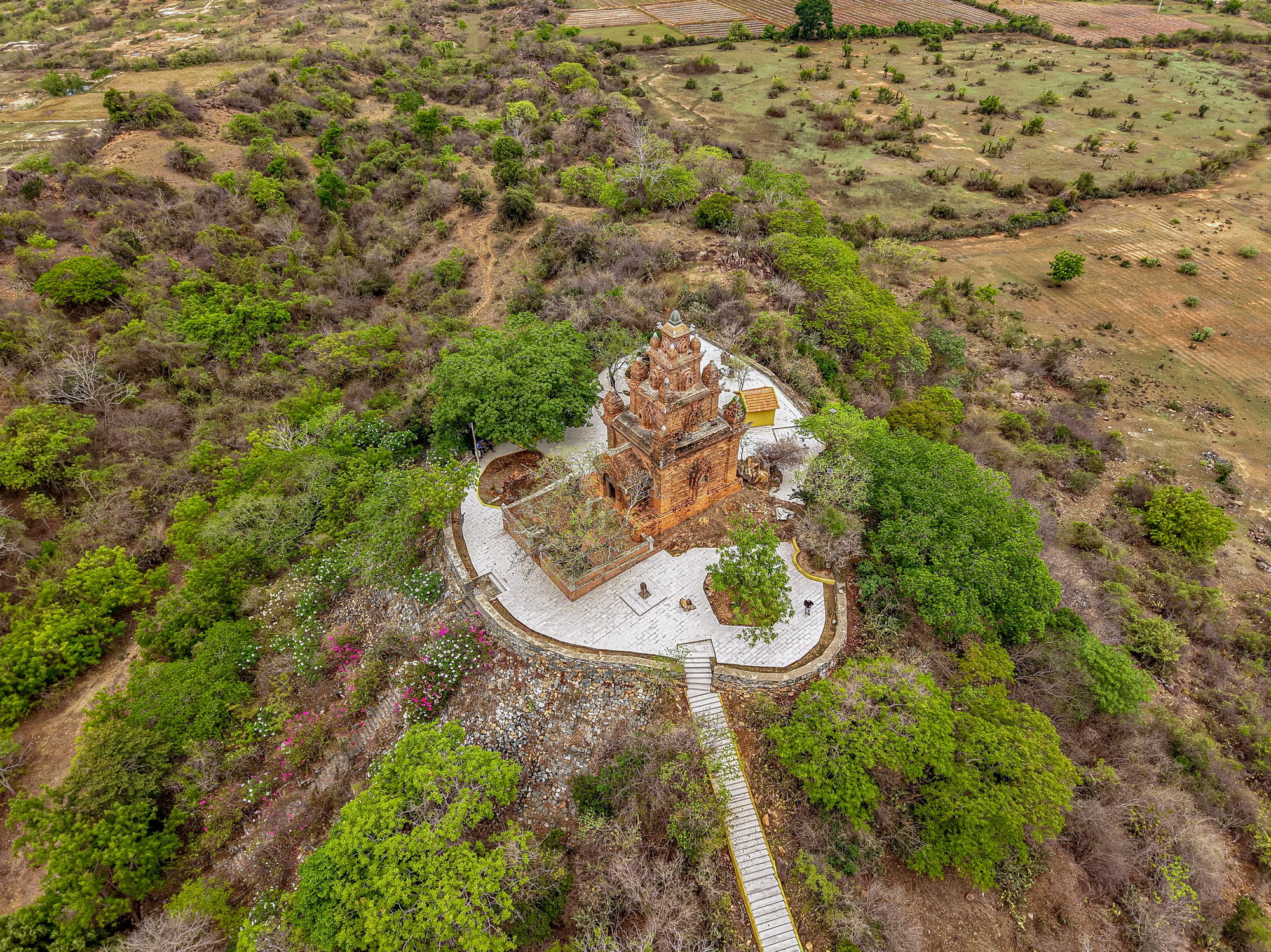
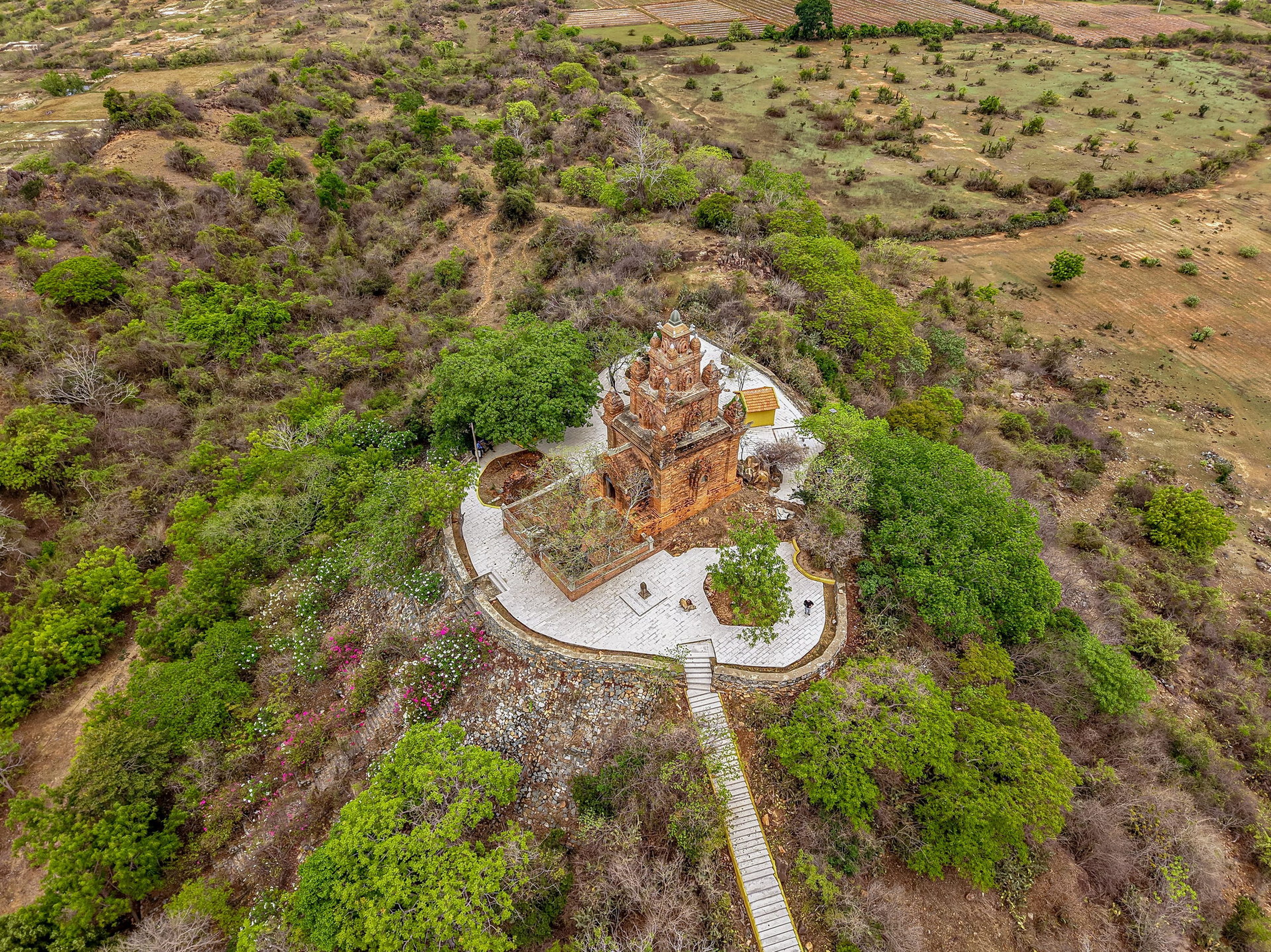
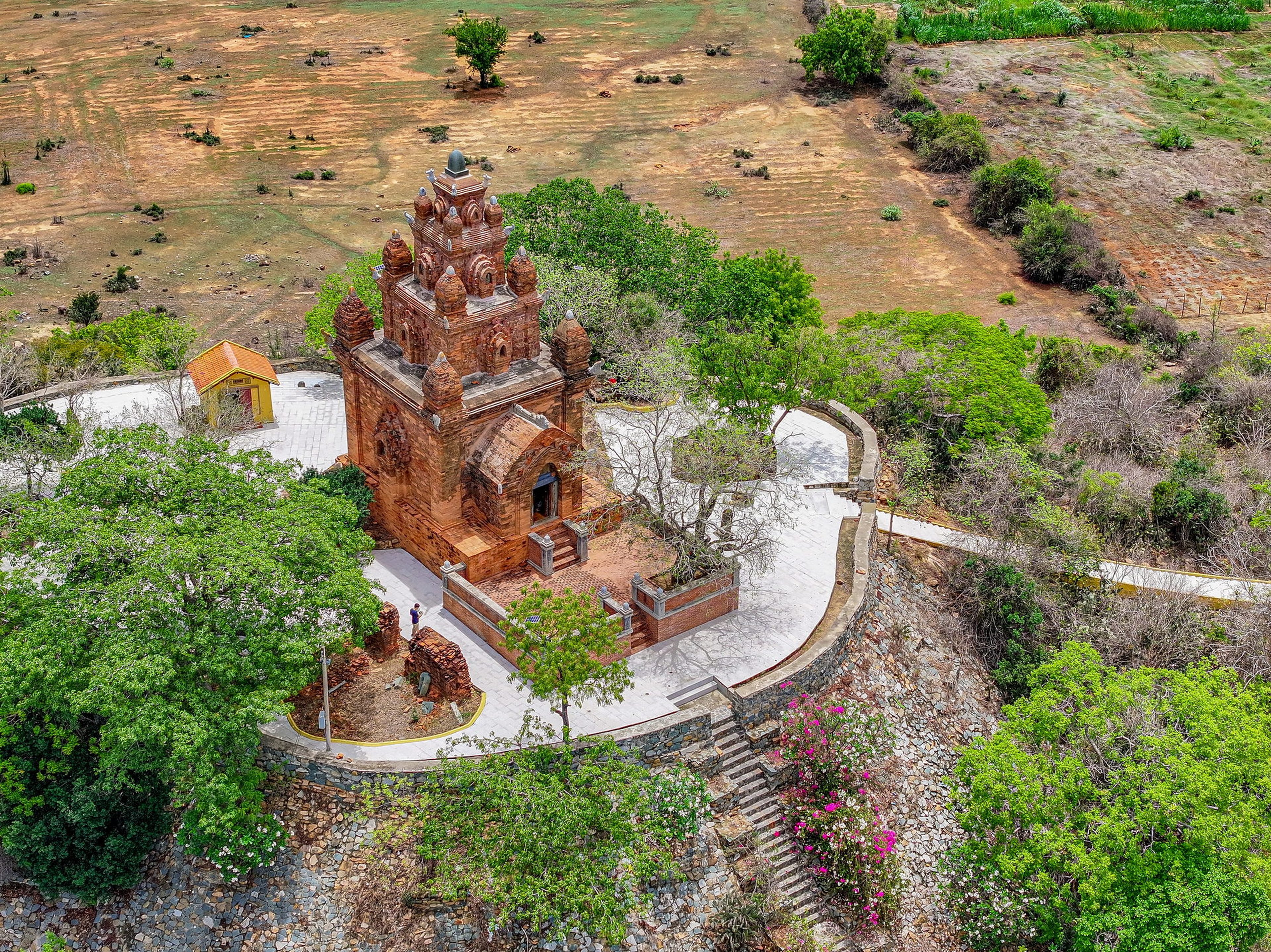
According to surveys from the early 20th century, Po Rome Tower was once the center of a complex consisting of a main tower, a gate tower, and a fire tower. Over time, the two secondary structures collapsed, leaving only the main tower as a condensed testament to the ancient complex.
This very reduction makes the experience of visiting Po Rome Tower quite unique: there are fewer layers of structures, yet every remaining trace carries a deeper sense of nostalgia and awareness of conservation. Visitors standing before the tower do not only see what remains but also feel the presence of what has been lost.
The Main Tower - a sacred space for worship
A late-period tower, more compact yet highly condensed
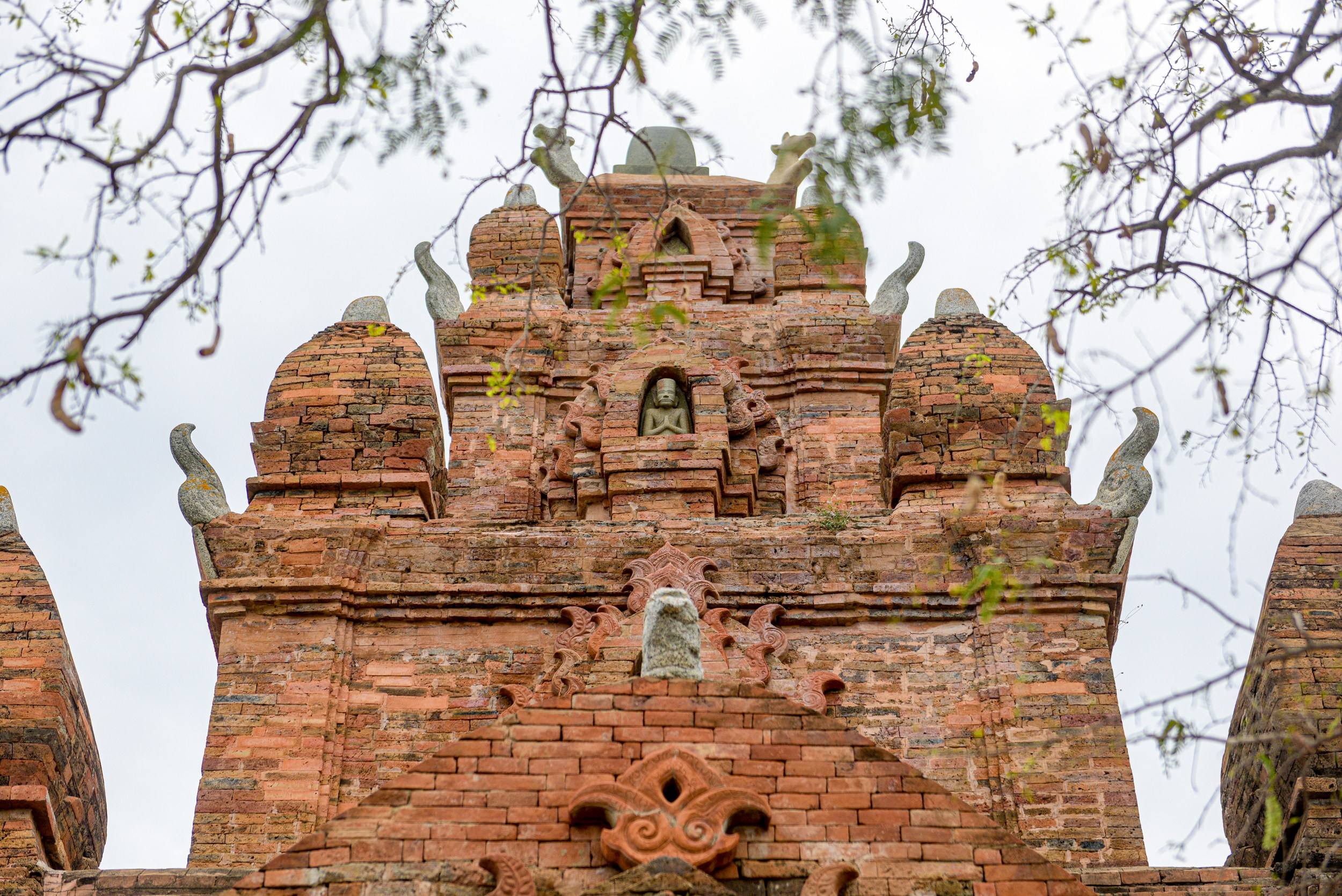
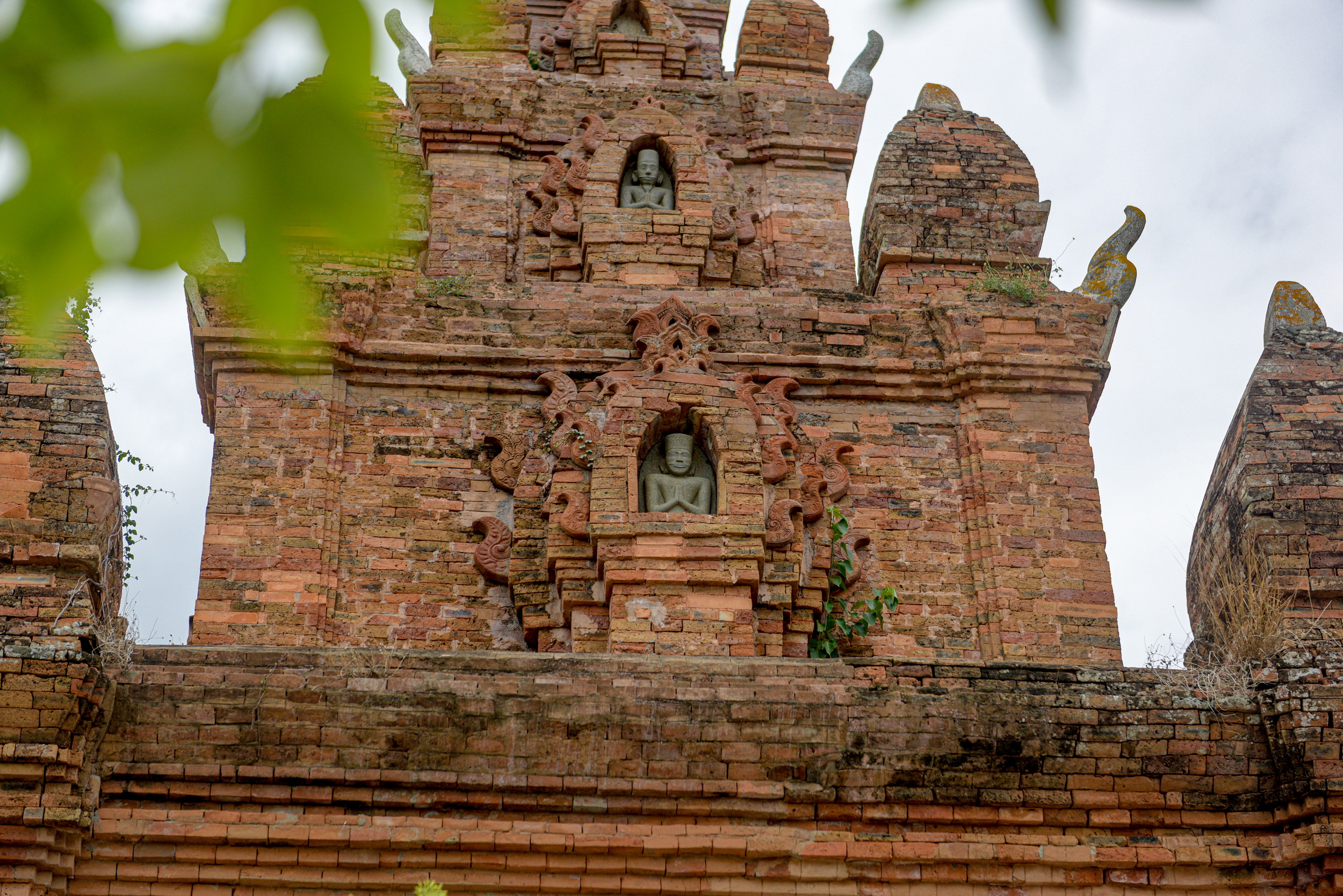
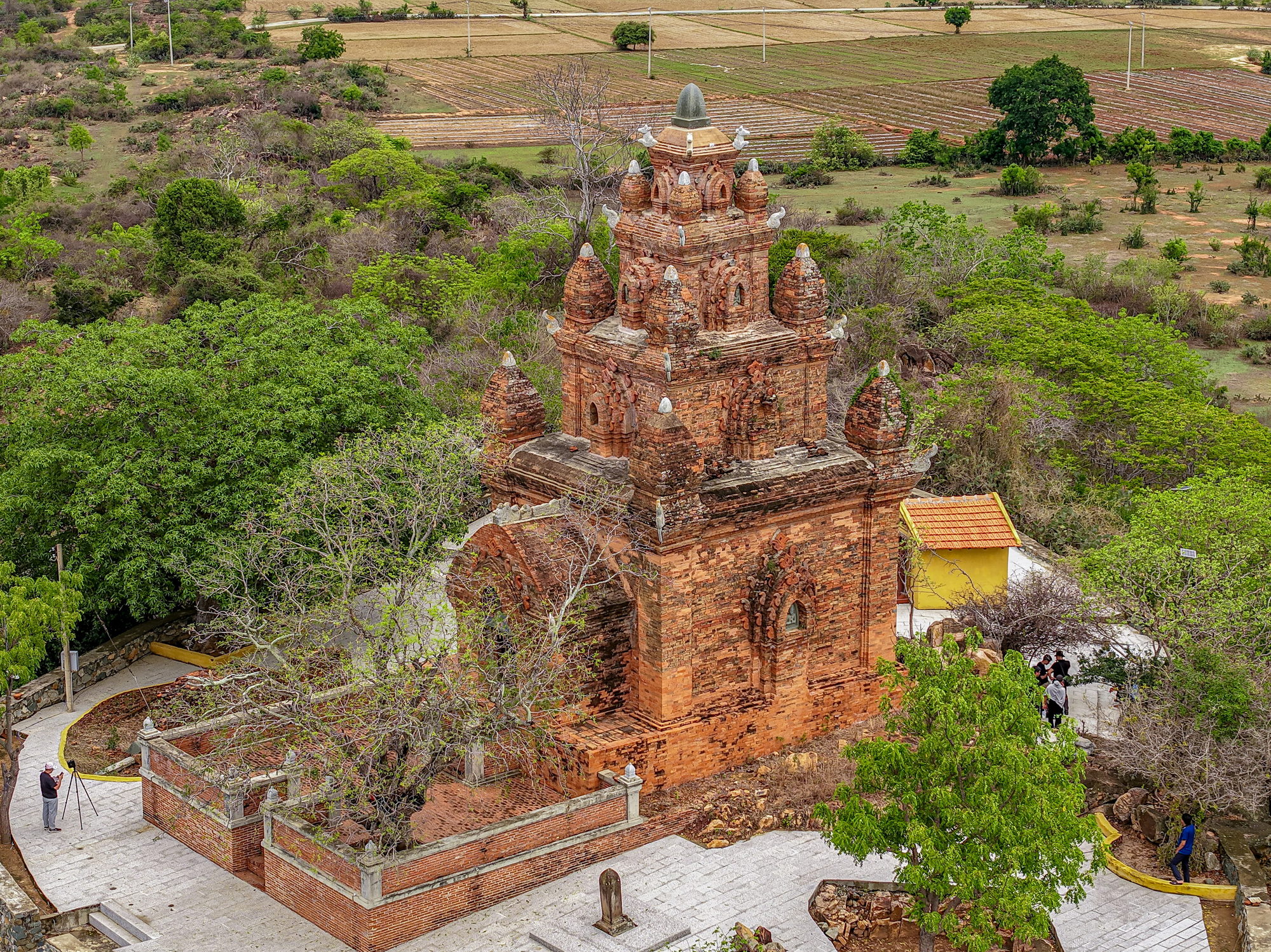
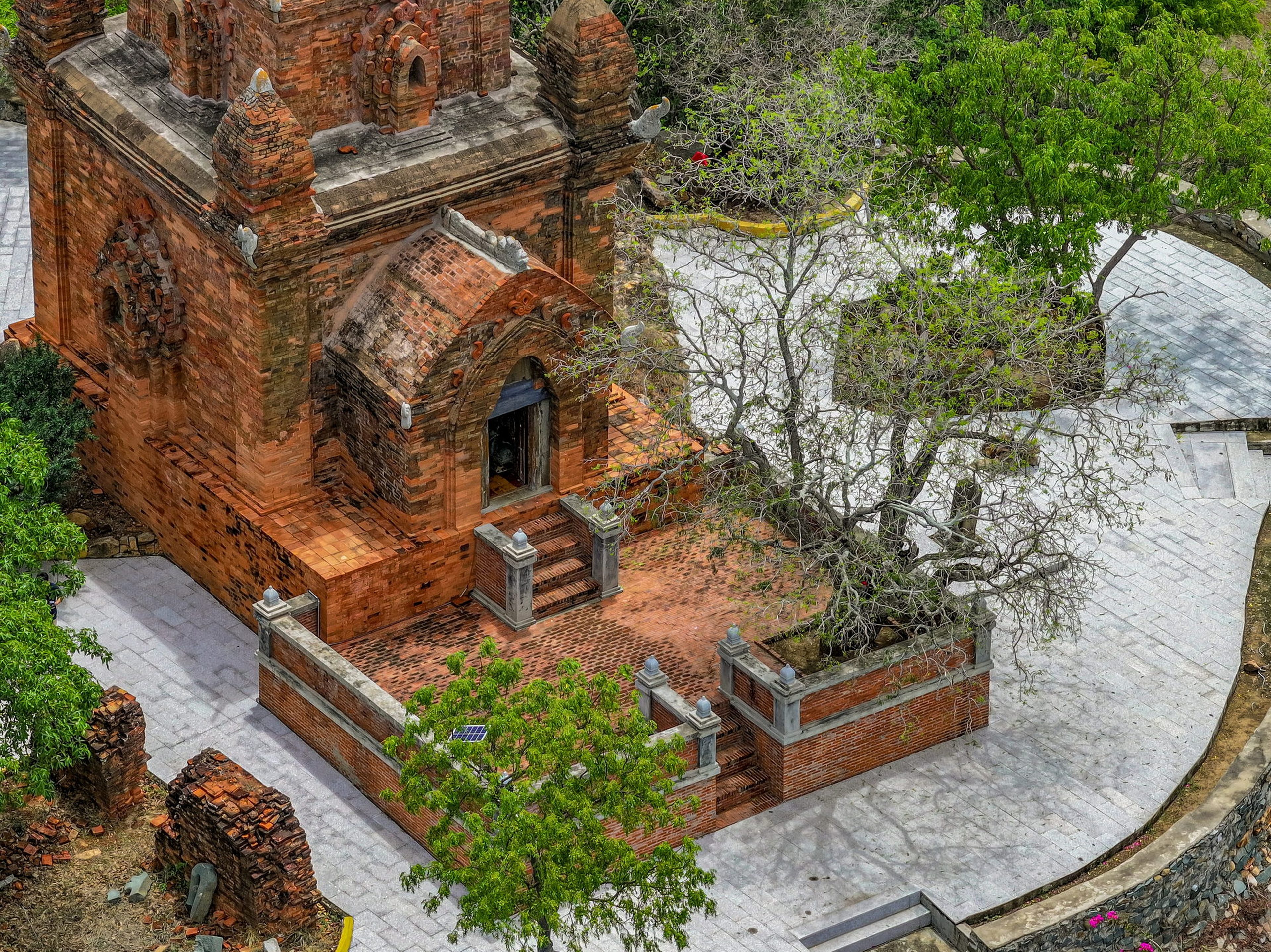
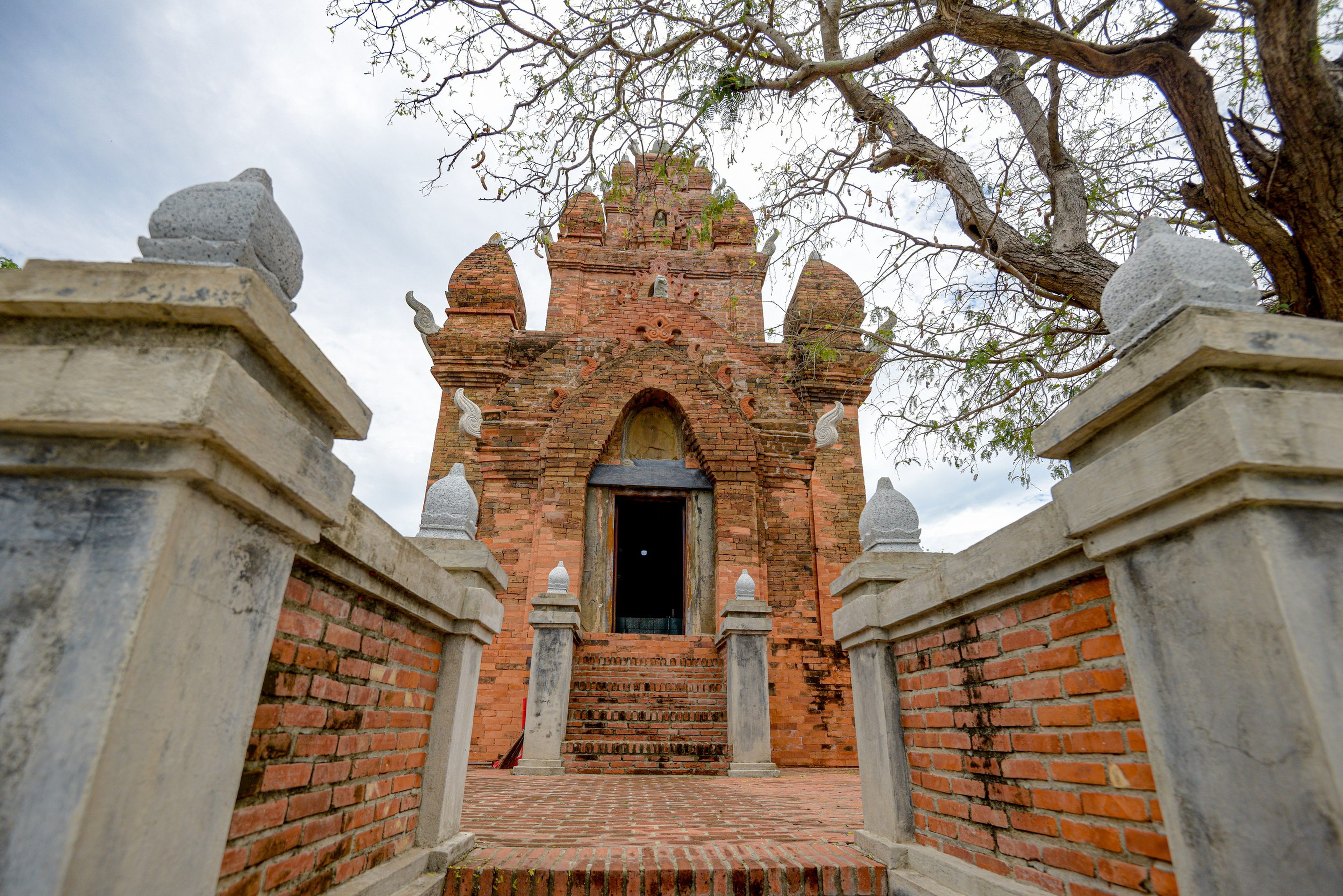
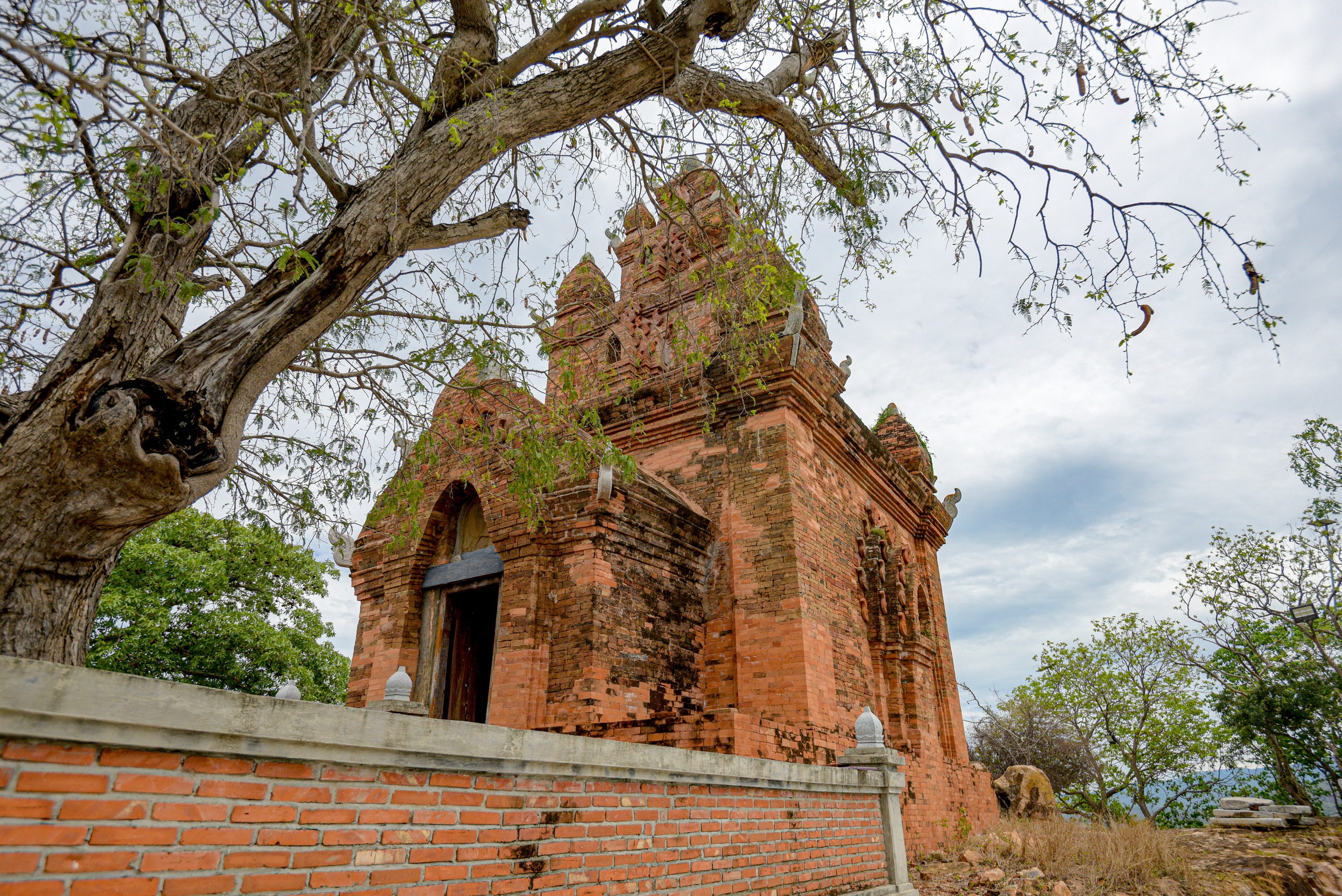
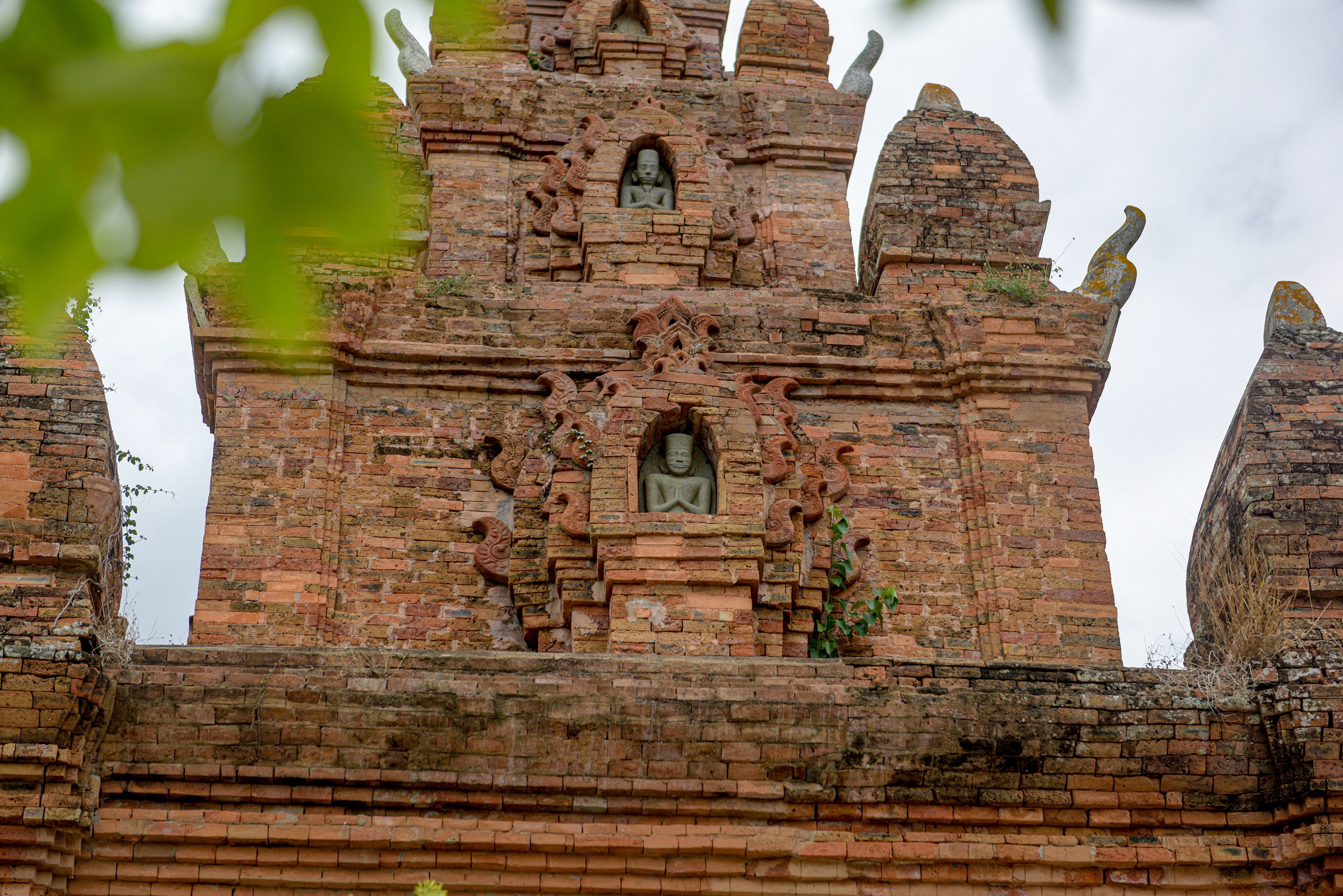
The Main Tower of Po Rome has a base of approximately 7.04 x 7.04 meters and stands about 16.5 meters tall. Although not massive, the structure remains impressive due to its sturdy brickwork, distinct vertical rhythm, and the solemn atmosphere of the worship space inside.
For today's visitors, this is the most suitable place to recognize the late style of Cham tower architecture: compact proportions and more condensed forms, yet the layers of religious meaning are very profound thanks to the system of statues and artifacts preserved within the tower.
Statue of King Po Rome
Treasures within the tower
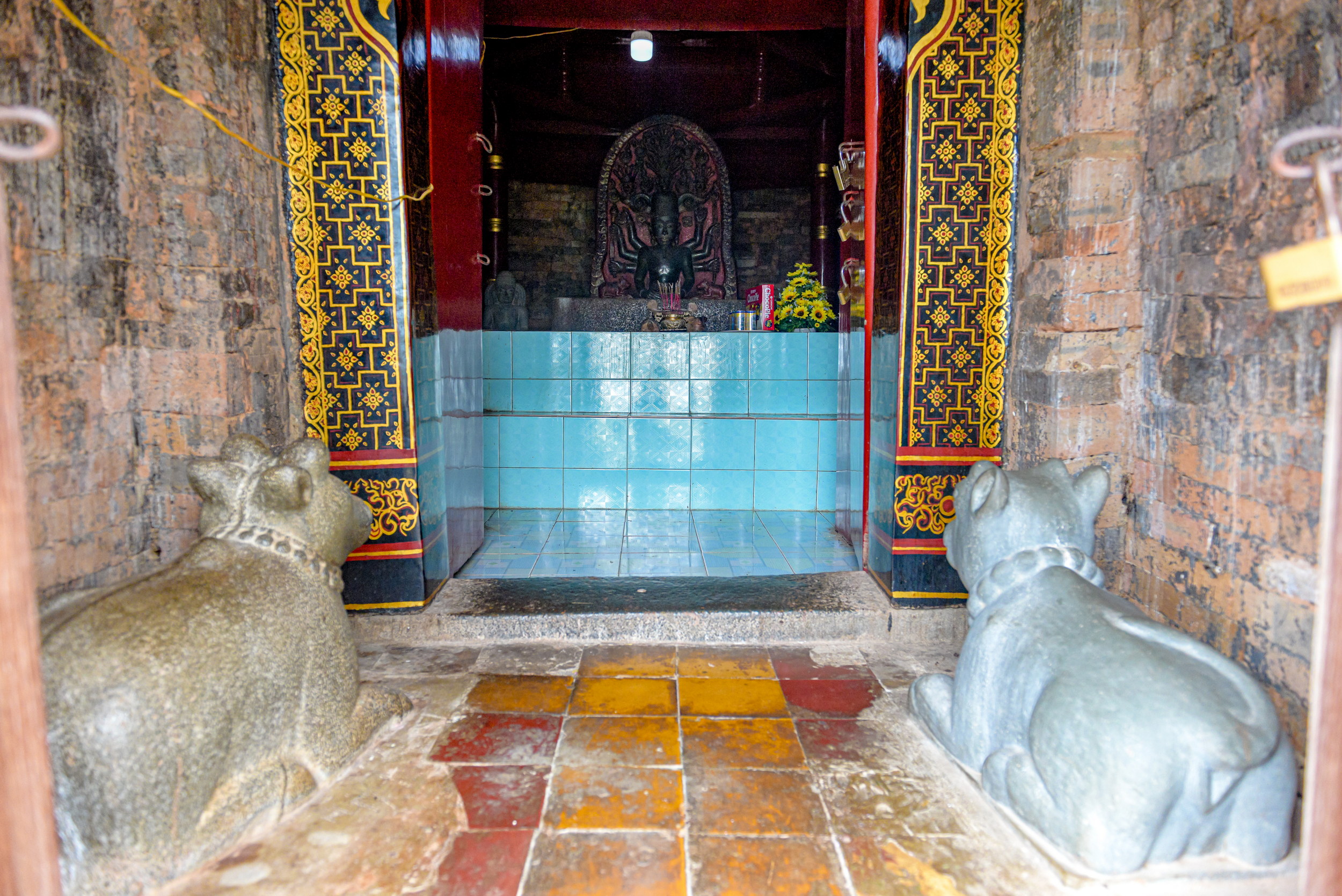
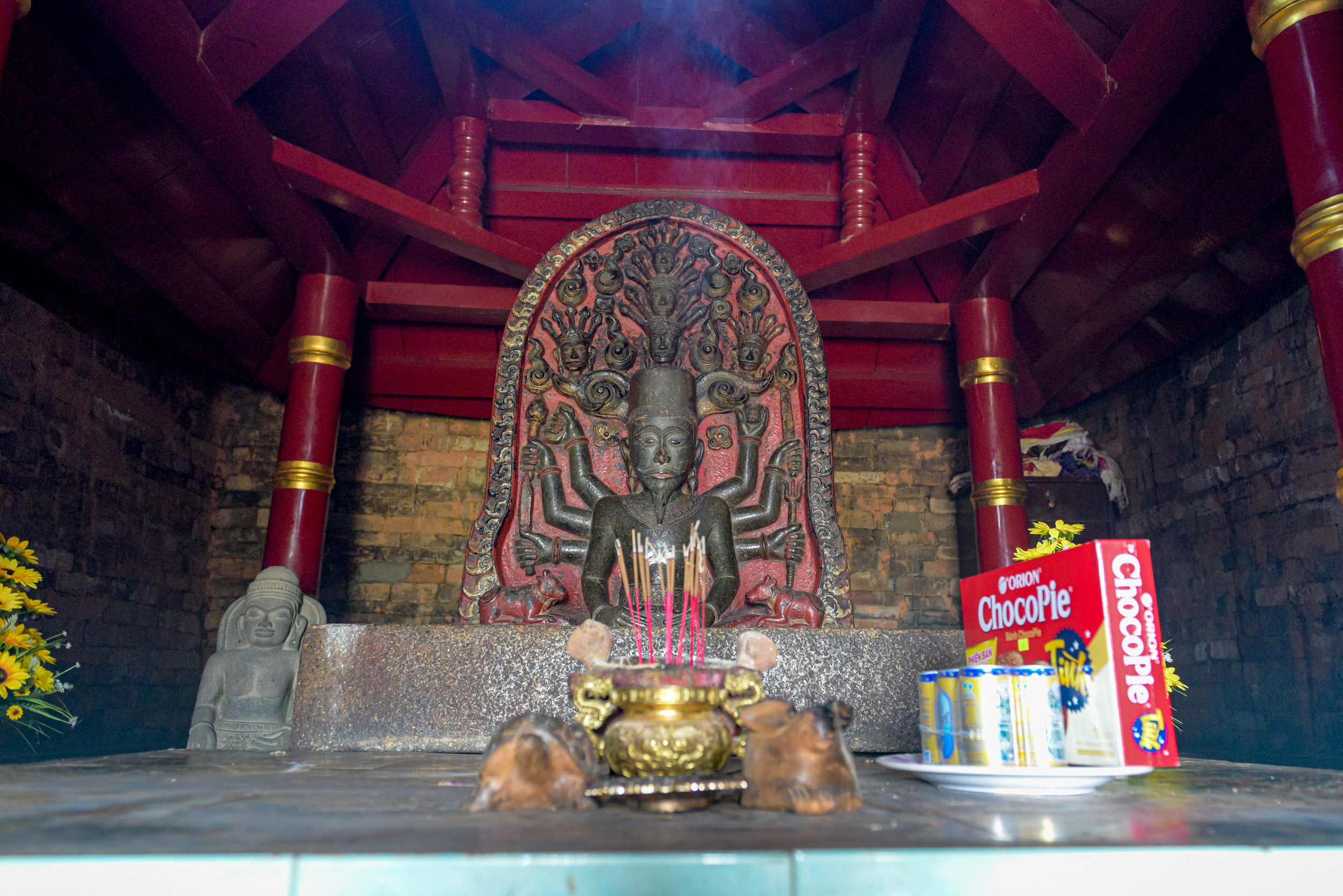
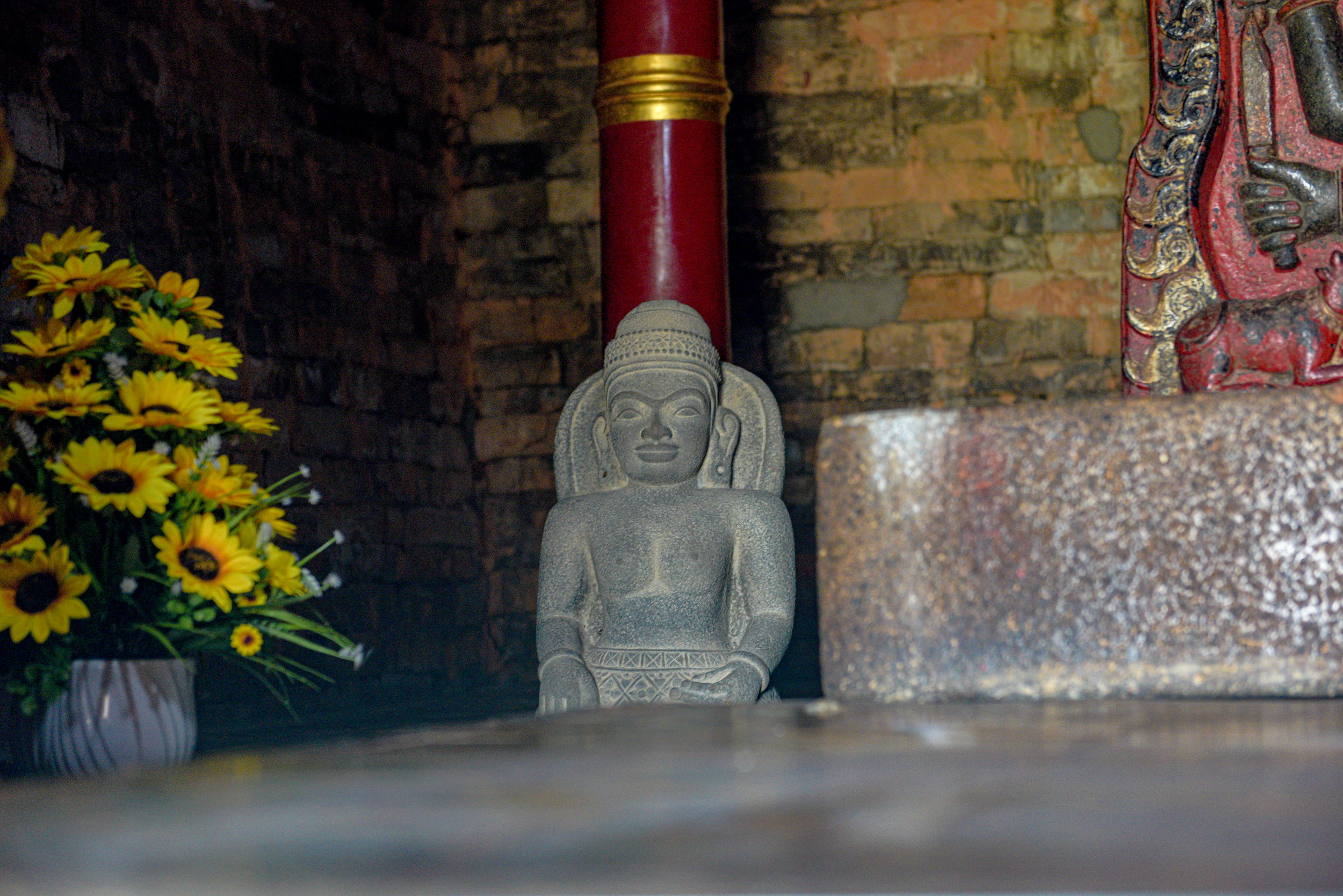
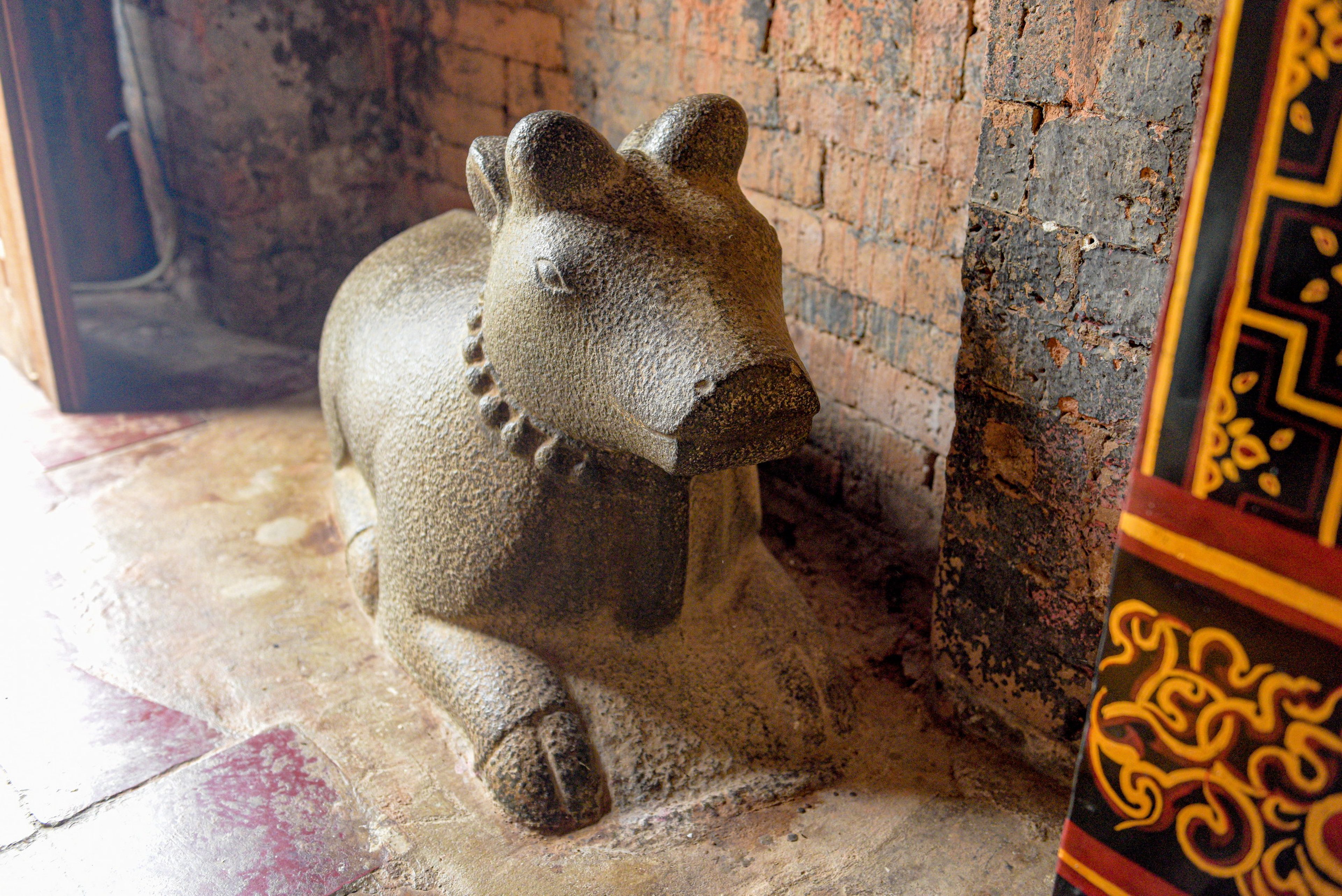
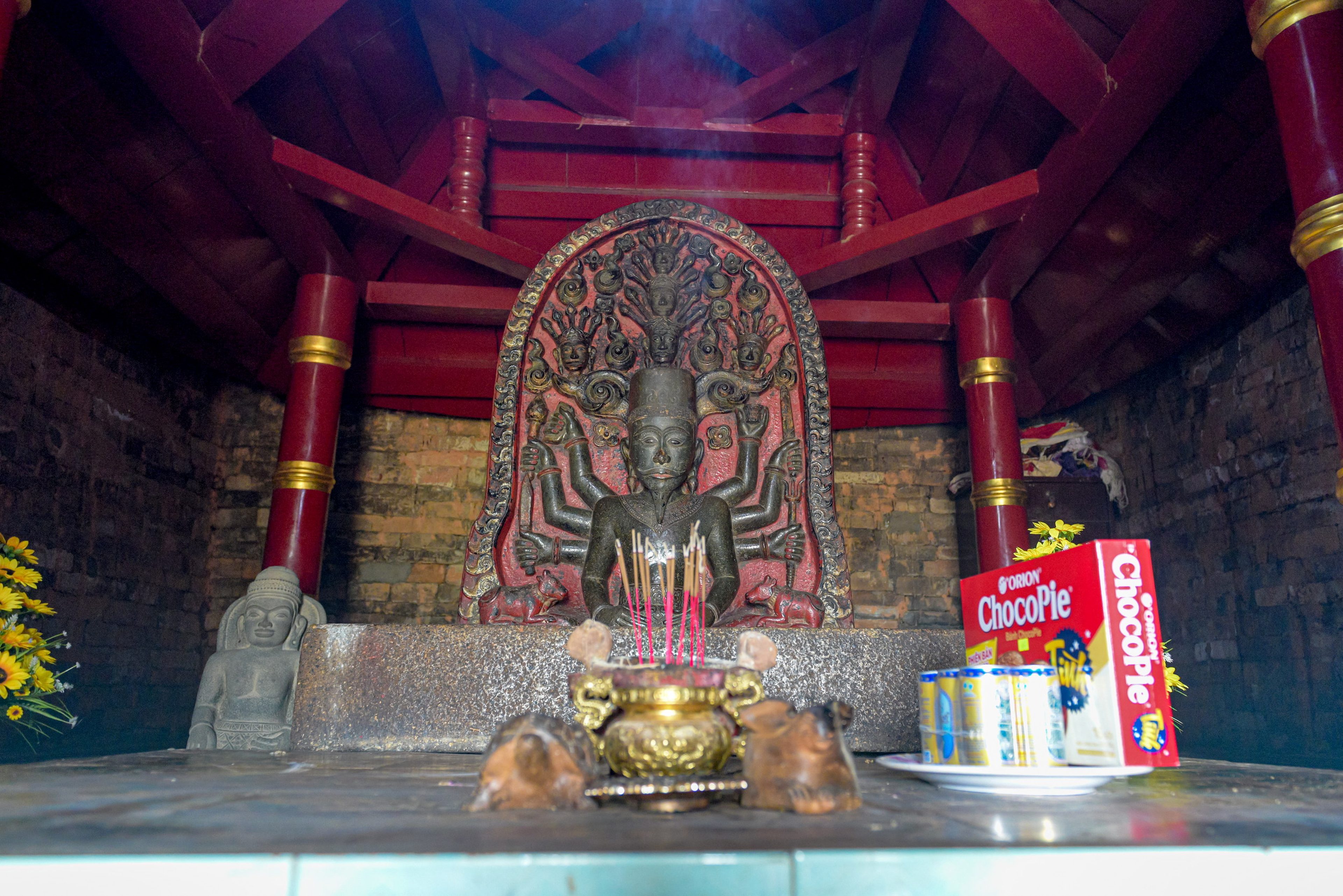
Inside the main tower, a stone statue of Po Rome, approximately 1.2 meters tall, is worshipped. It is carved as a high relief on a pointed, arch-shaped stone stele. The king's statue, in the form of a Mukhalinga, is placed on a large sandstone Yoni, demonstrating the synthesis between deity worship and the image of the revered king.
In front of the statue, there is also a small hole for inserting torches or candles during rituals. In 2020, the Po Rome King relief was recognized as a National Treasure, affirming the special value of the artifact within the Cham heritage treasury.
Linga, stone Kut, and the Cham spiritual world
Distinctive symbols of Cham beliefs
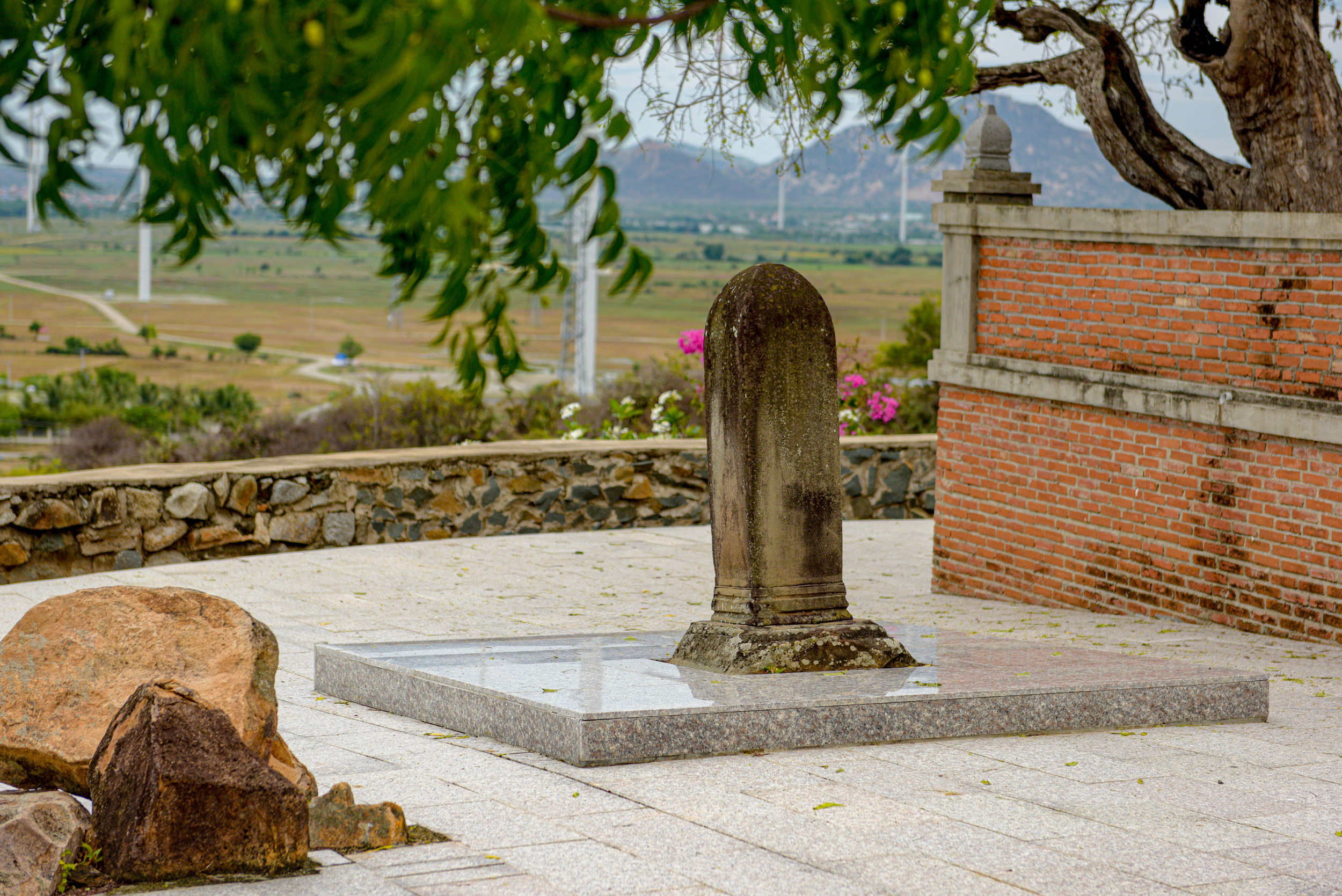
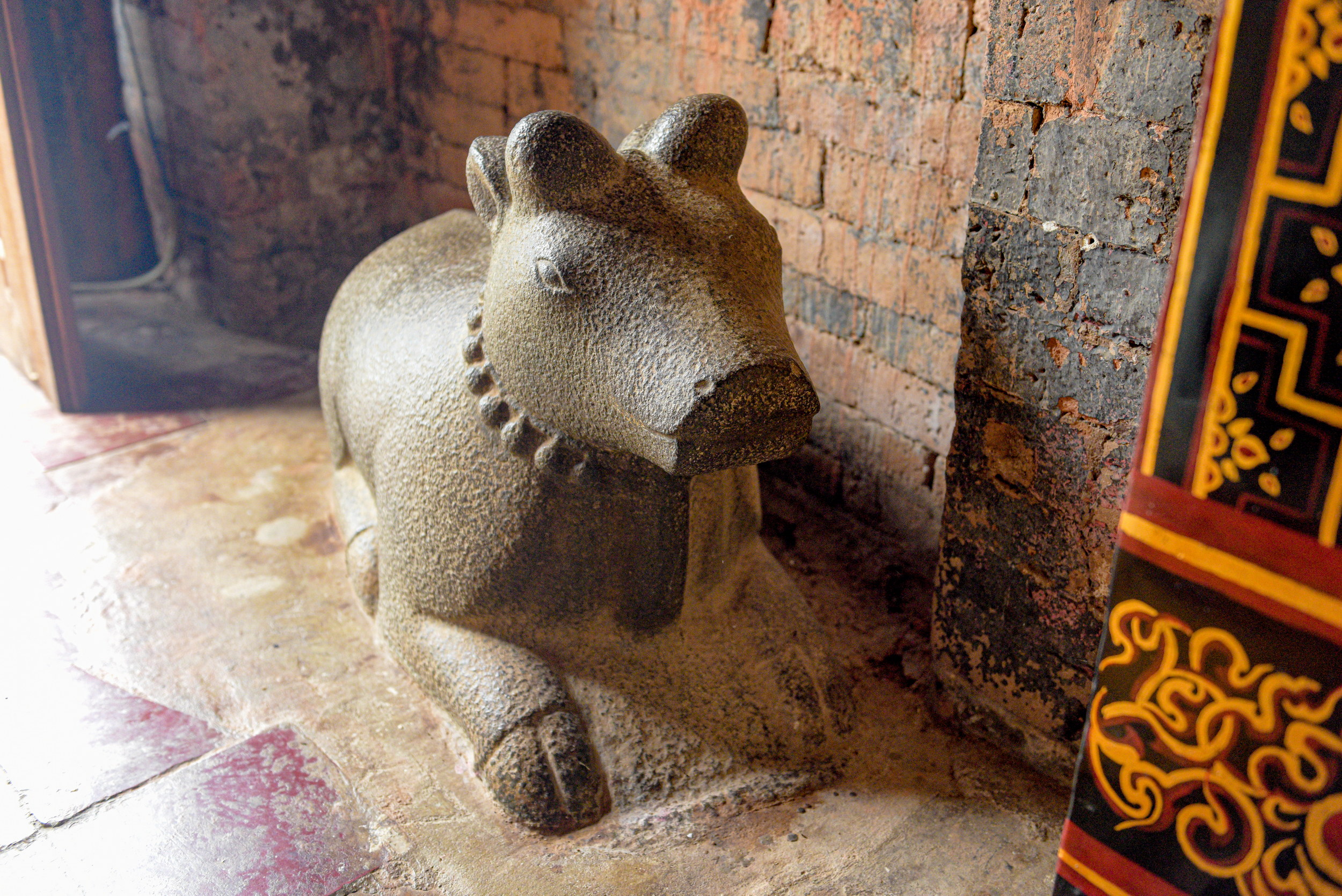
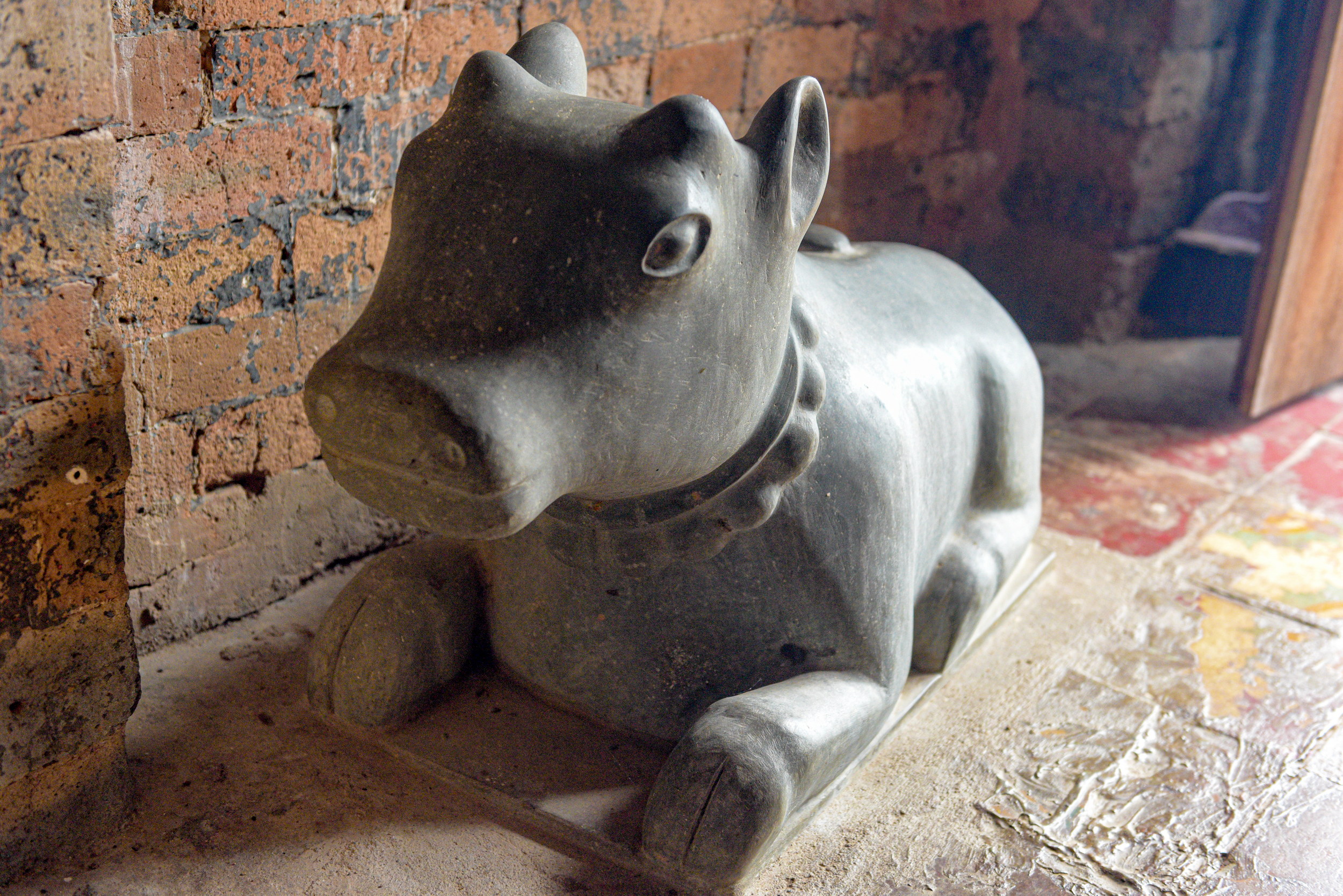
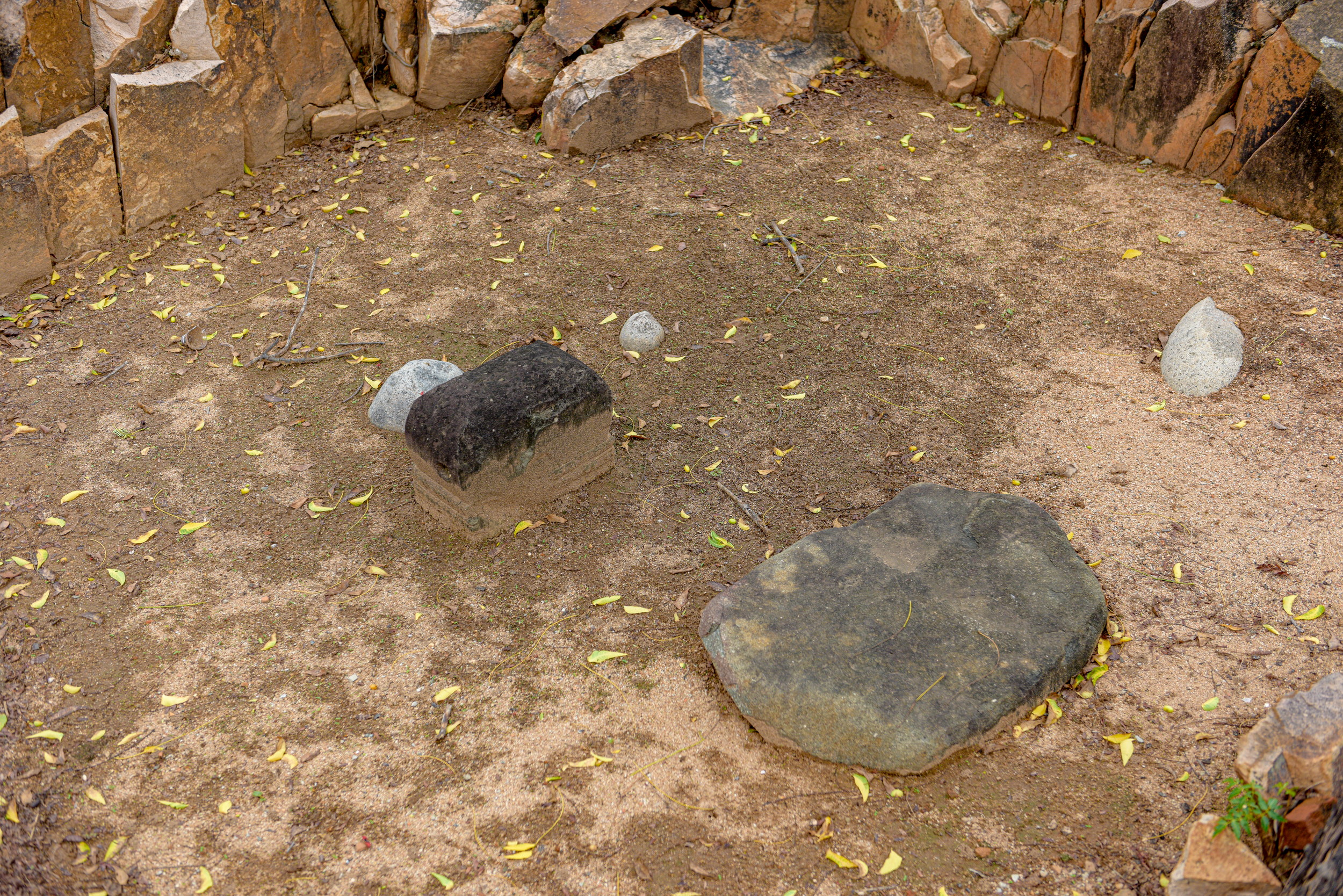
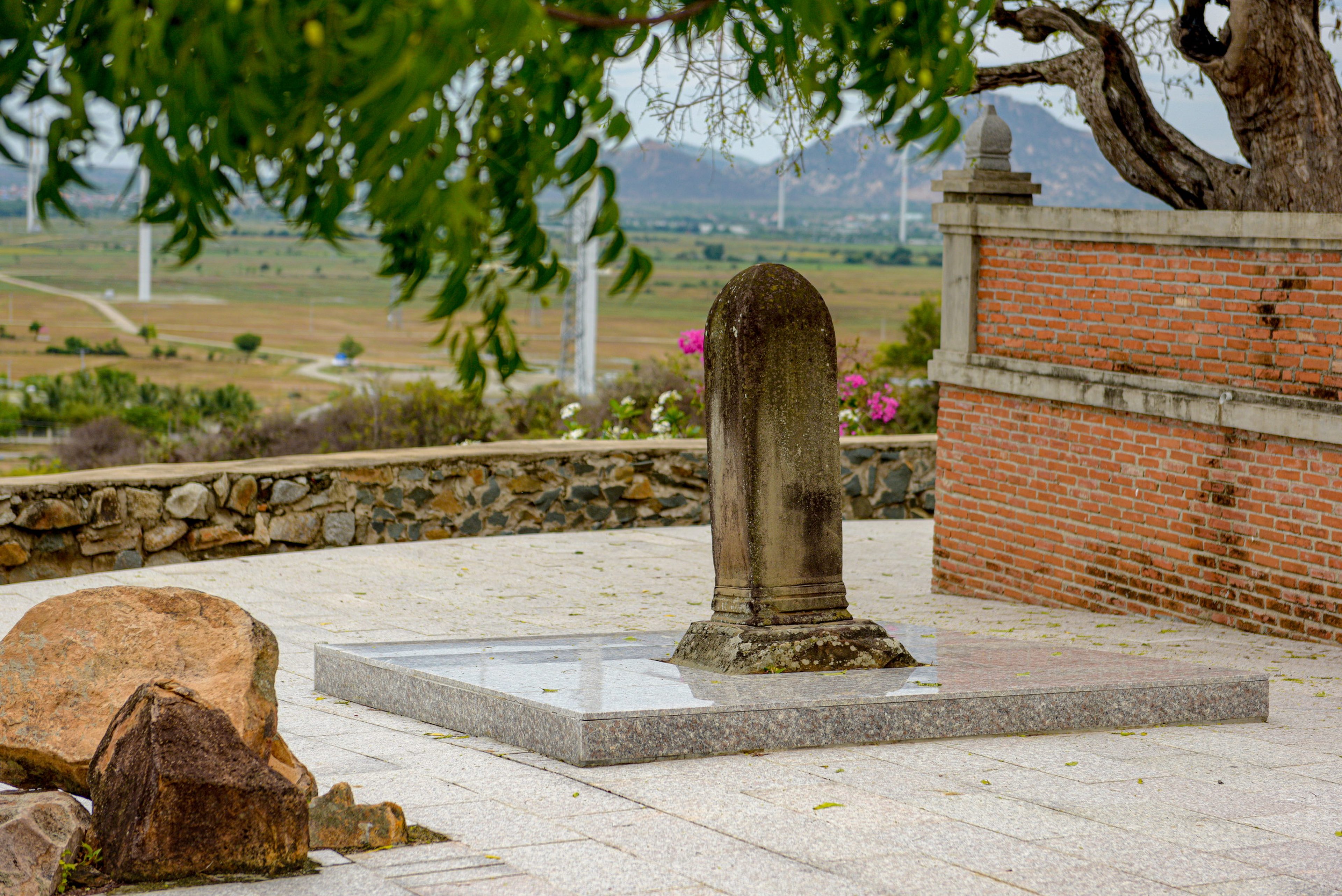
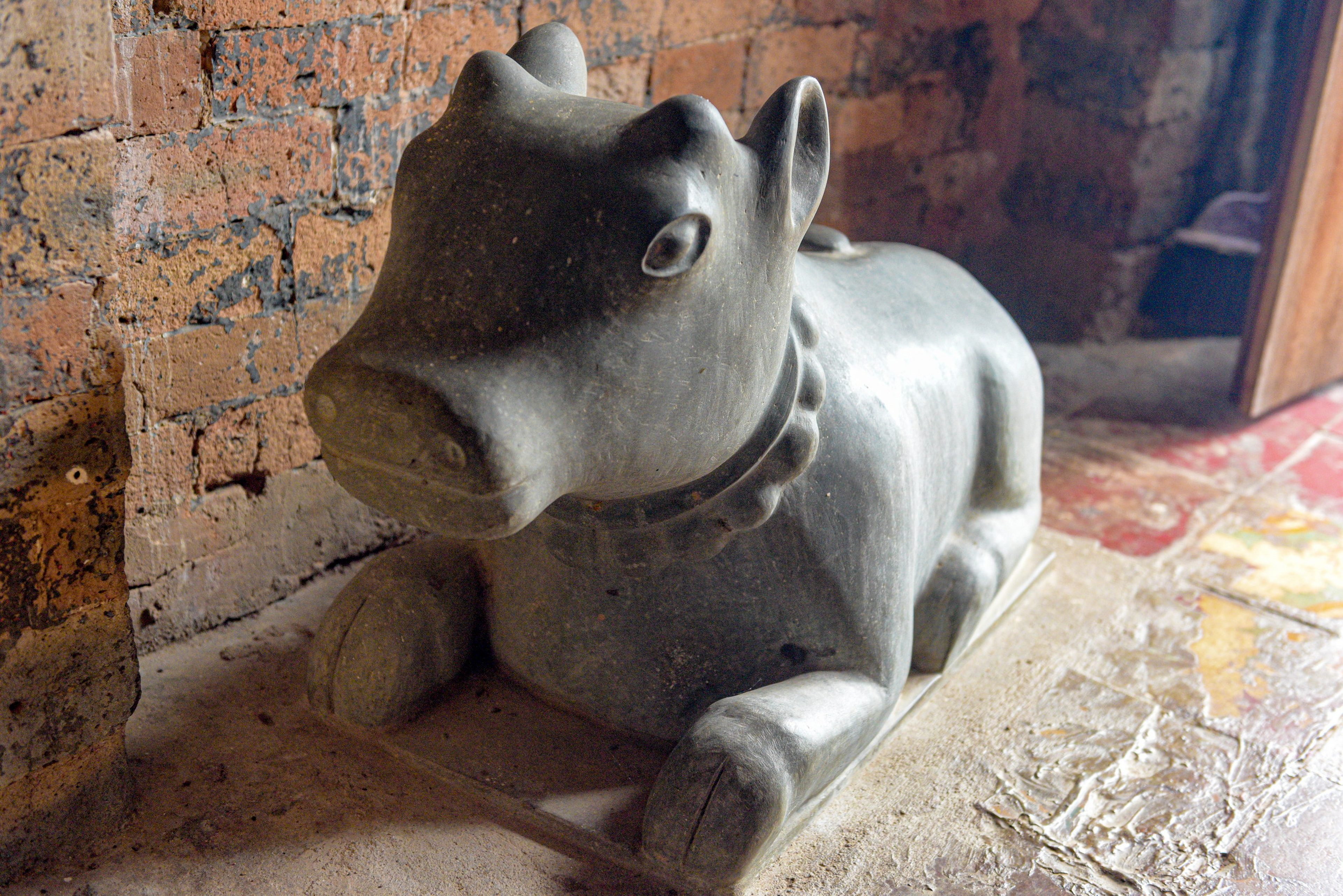
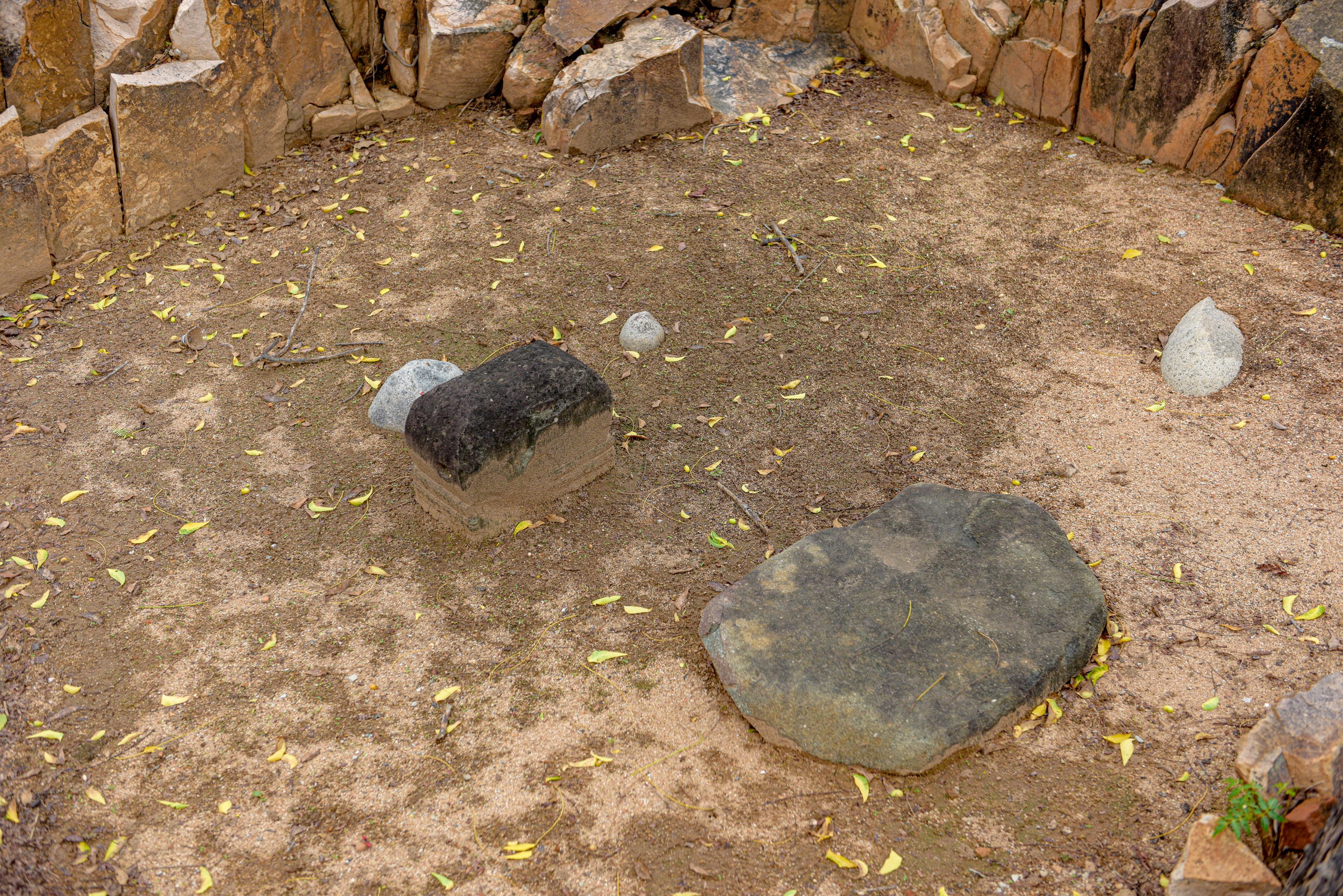
Outside the tower, there is also a Linga column about 1.3 meters tall and two stone Kuts with different patterns: one light gray Kut decorated with winding floral motifs, and another Kut featuring flame patterns and four-petaled flowers. These are important traces reflecting the rich spiritual life of the Cham people.
Each artifact at Po Rome Tower carries a layer of meaning. These are not merely stone, brick, or ancient statues, but symbols associated with faith, protection, gratitude, and the way the Cham community connects with the sacred world.
Kate and rituals at Po Rome Tower
Experiencing the atmosphere of traditional Cham festivals
At Po Rome Tower, many rituals take place annually, such as the Tower Opening Ceremony (Peh Bimbeng Yang ceremony), the Rain Praying Ceremony (Yuer Yang ceremony), the Kate Festival, and the ceremony for the Goddess Po Inu Nugar (Cambur ceremony).
Most notable is the Kate Festival, where the community remembers the gods, sacred kings, and ancestors, gives thanks to heaven and earth, and prays for favorable weather. The festival takes place during the waxing moon, beginning on the 1st day of the 7th month of the Cham calendar and lasting for the entire month, which is why it is also called Bilan Kate.