

Po Klong Garai Temple
A Sacred Mark on Trau Hill
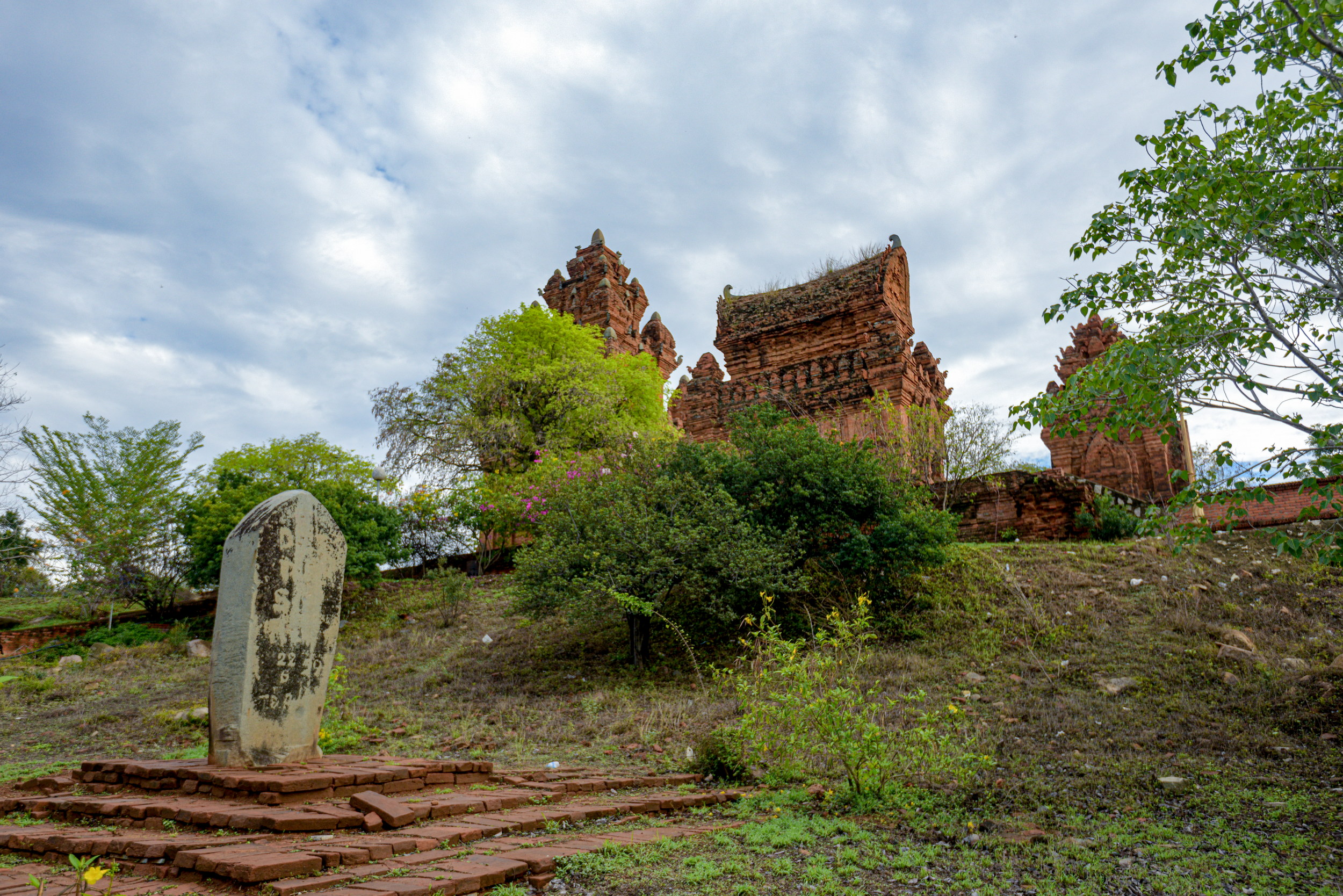
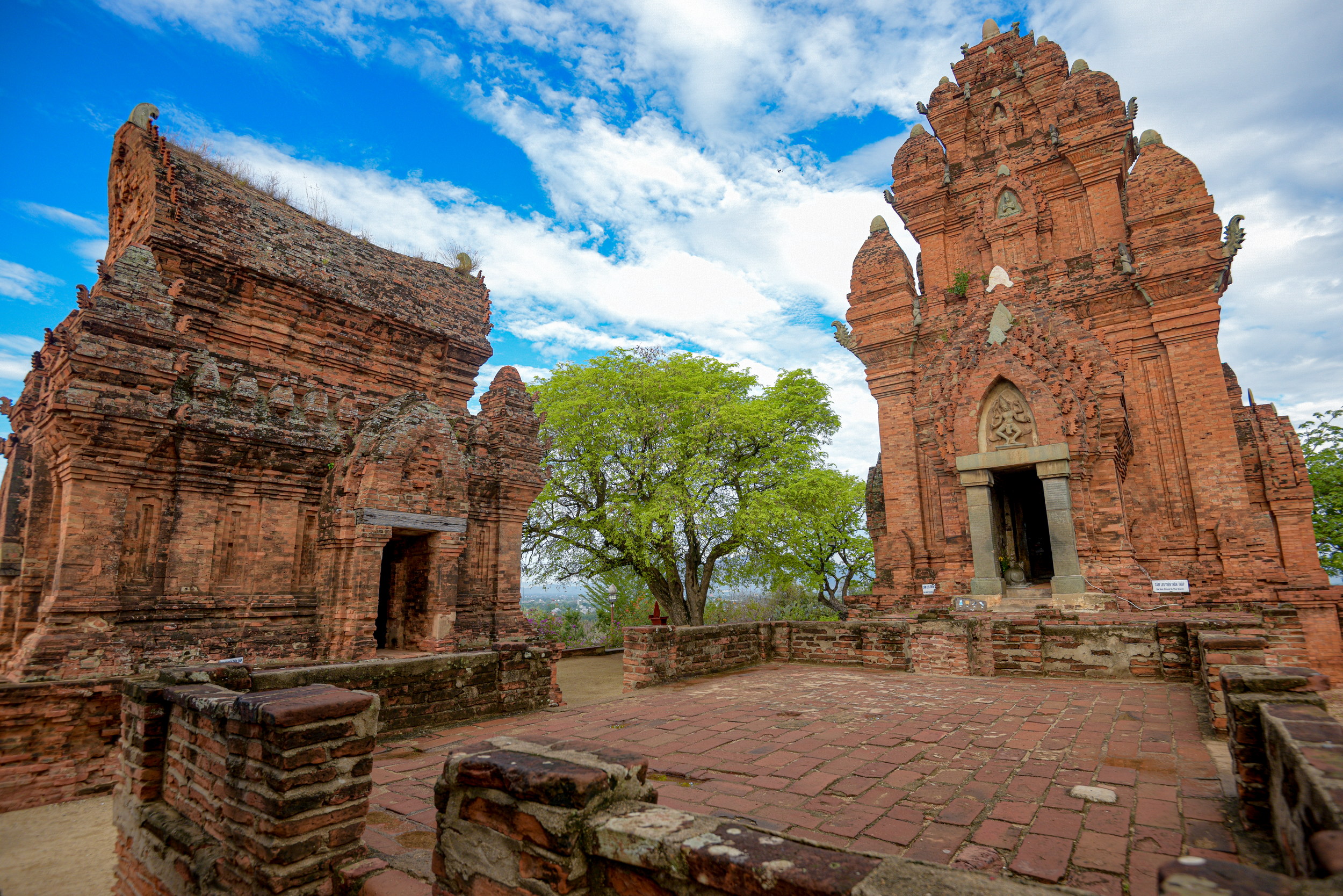
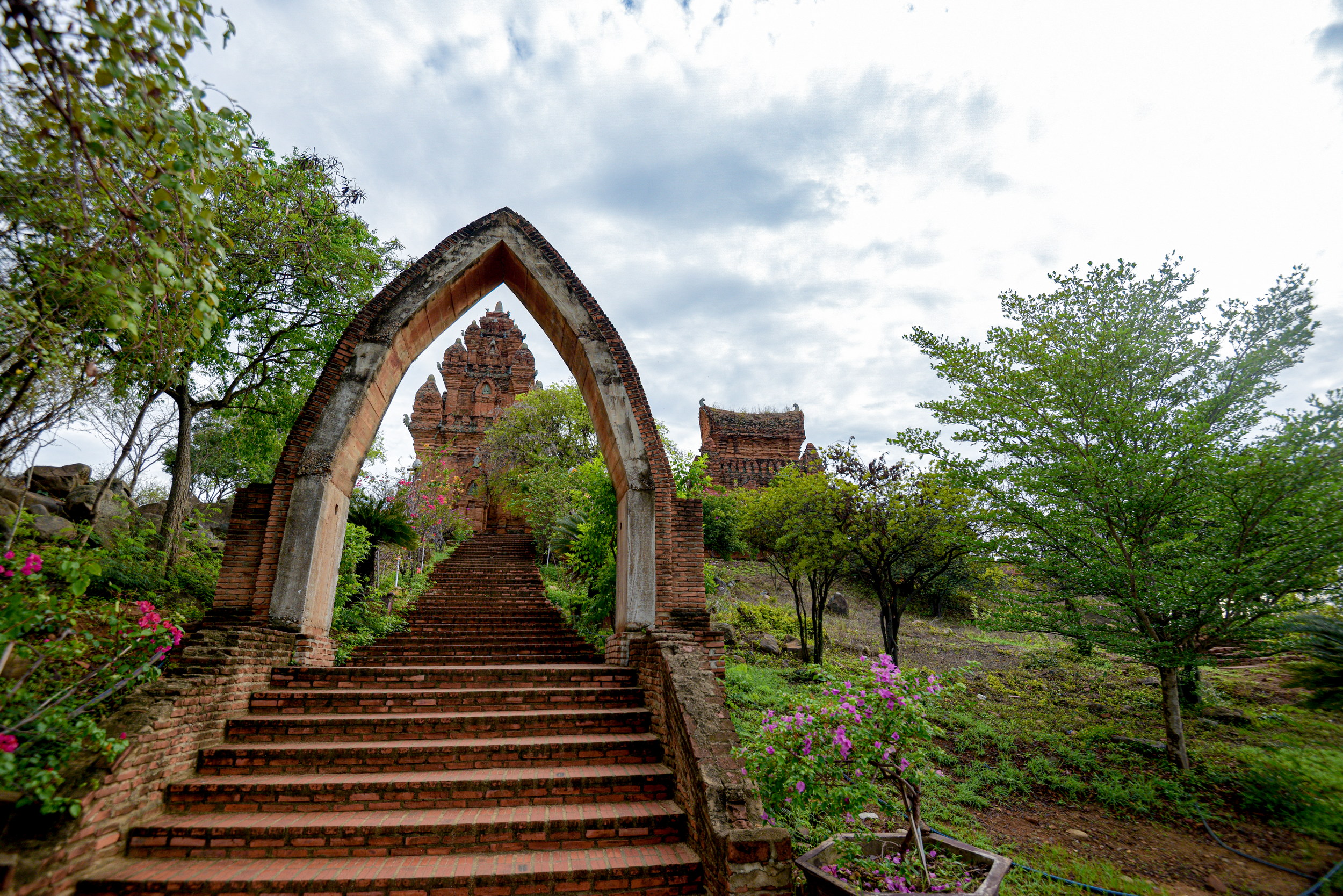
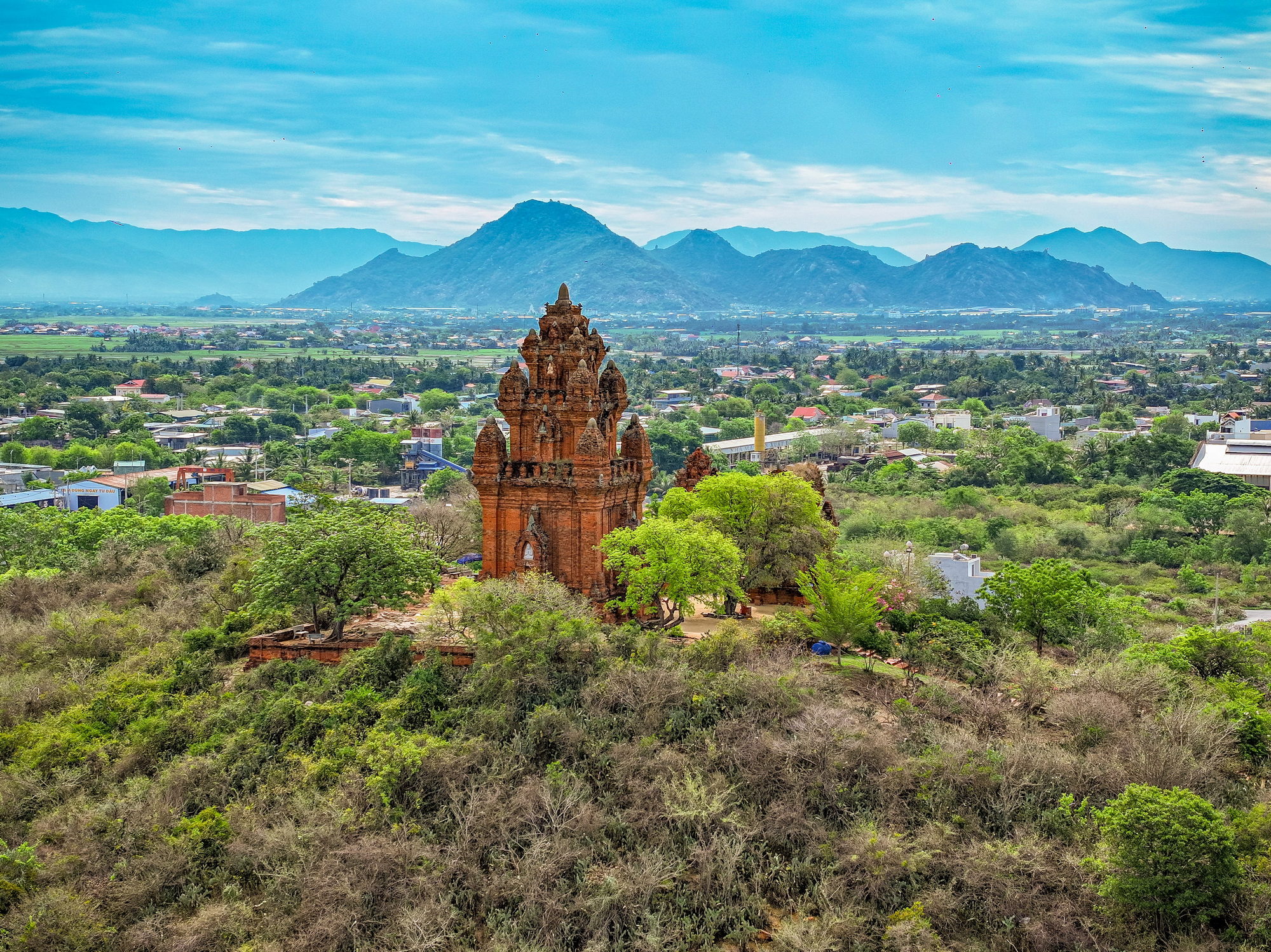
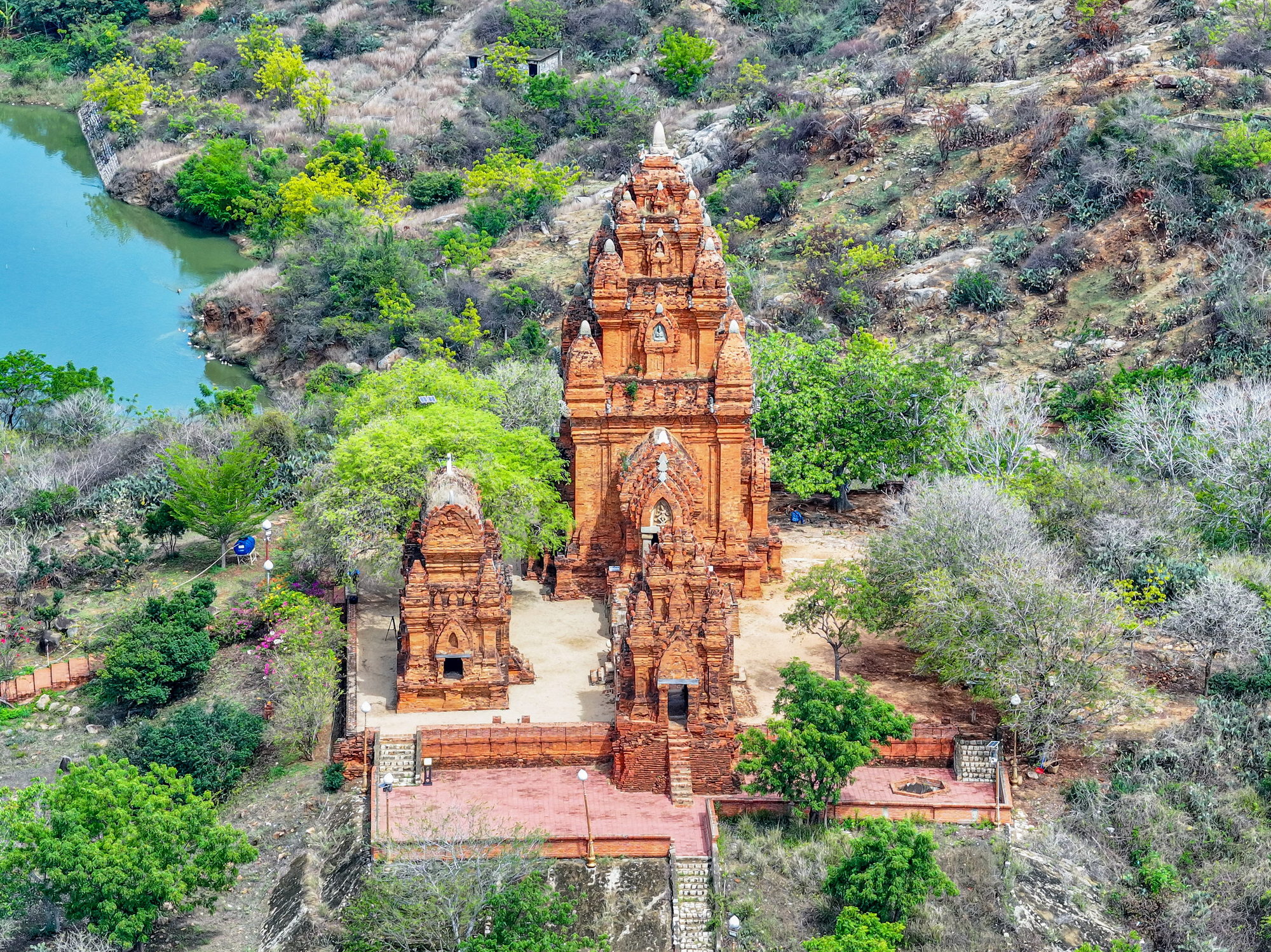
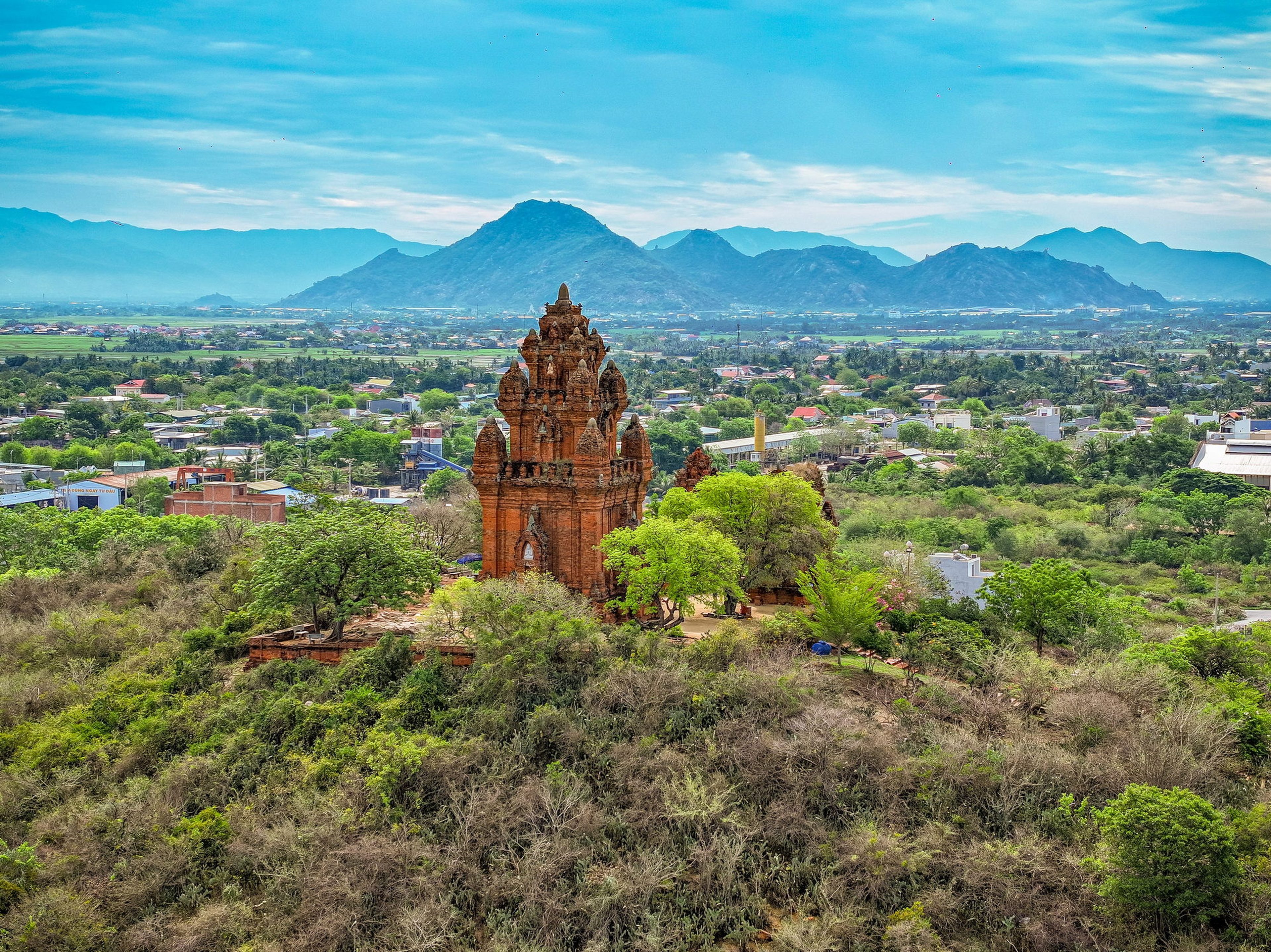
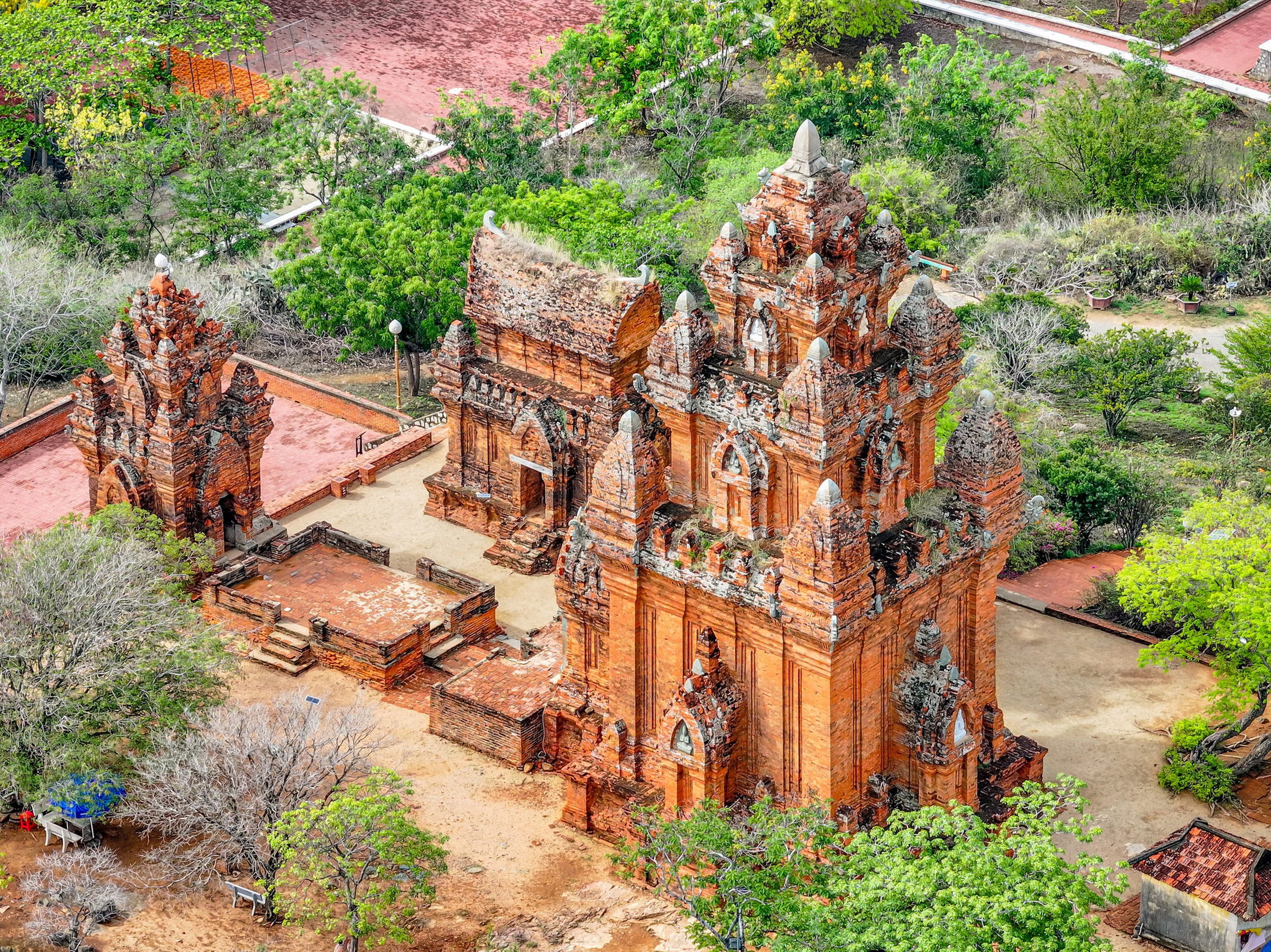
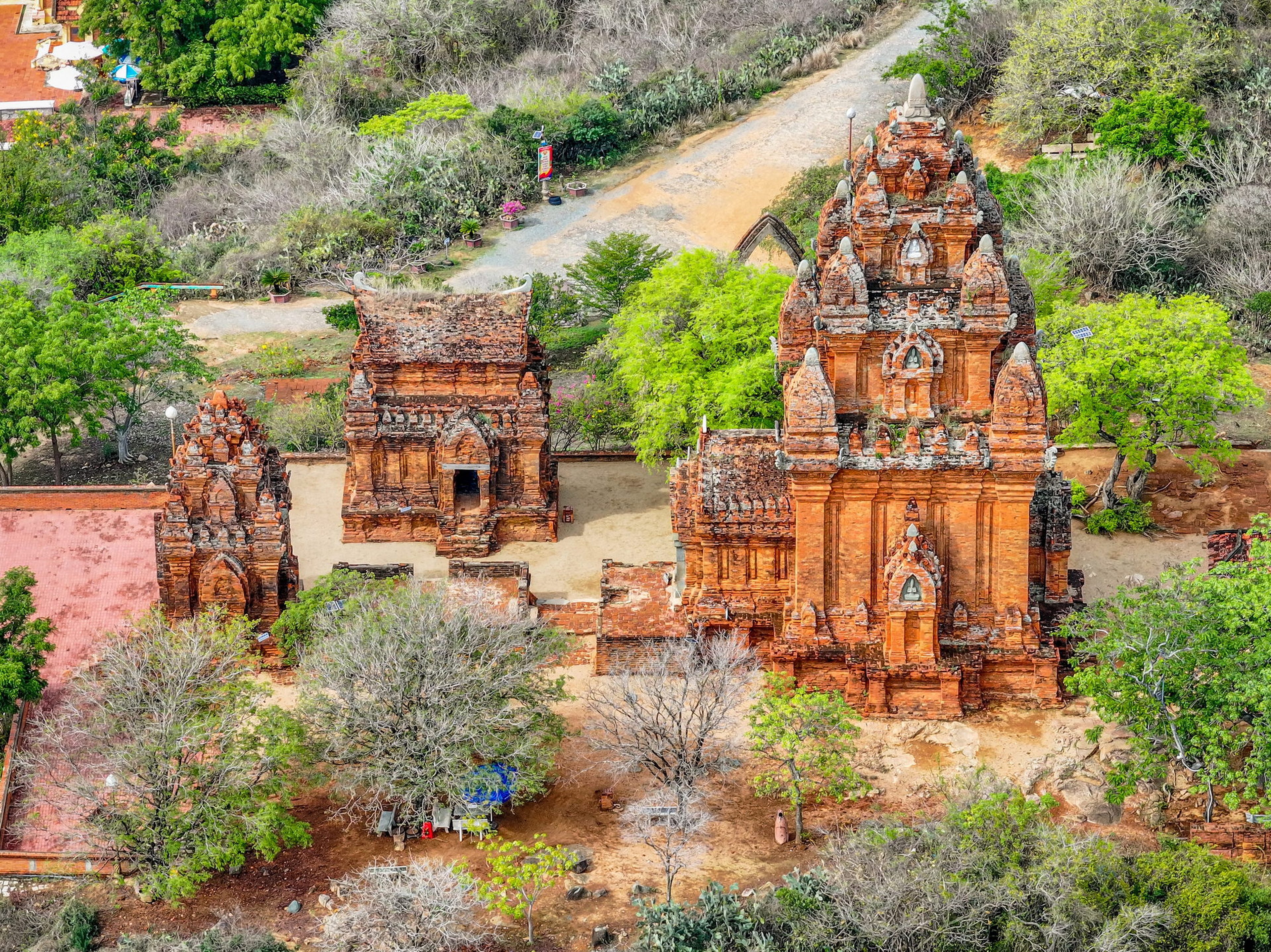
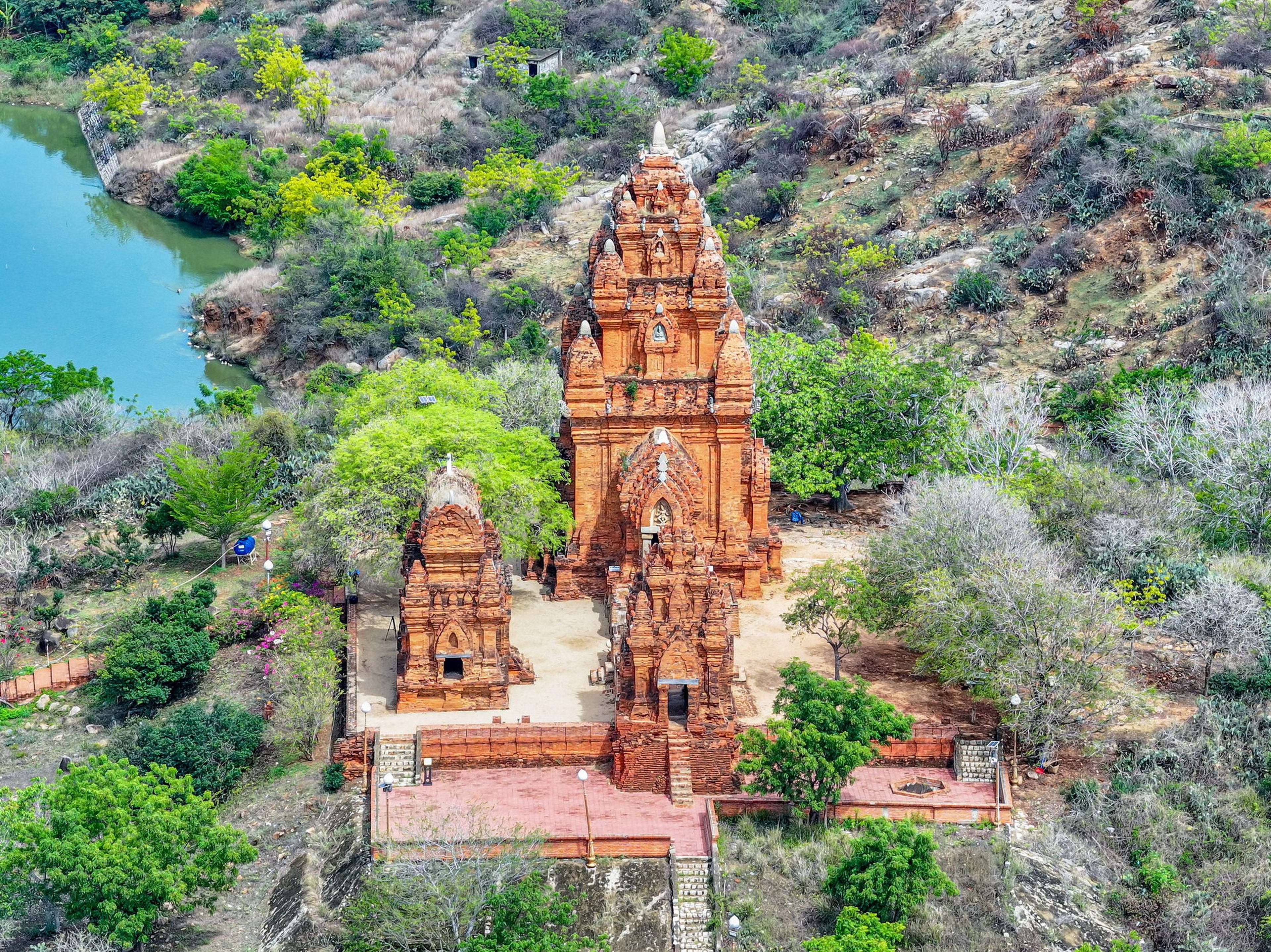
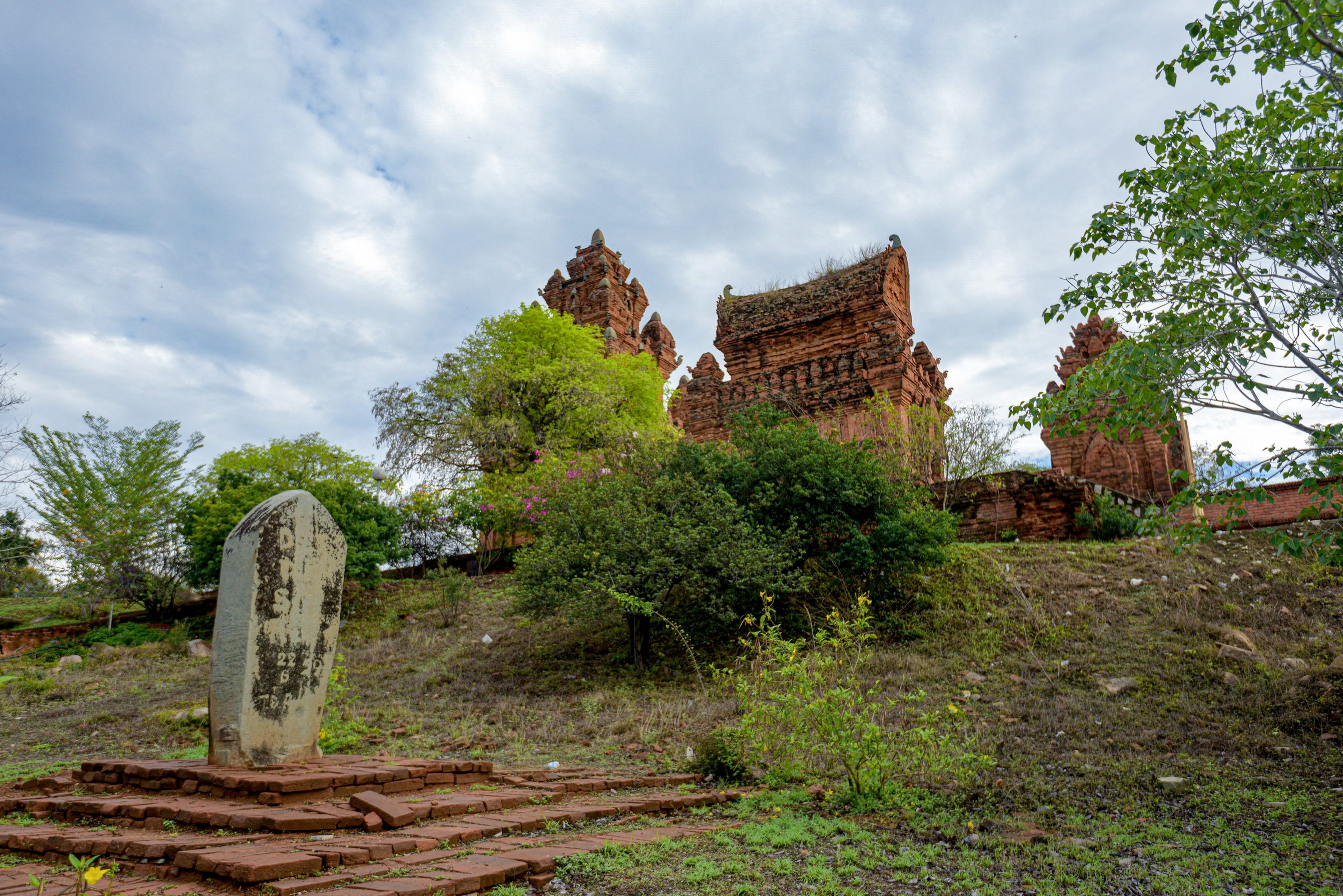
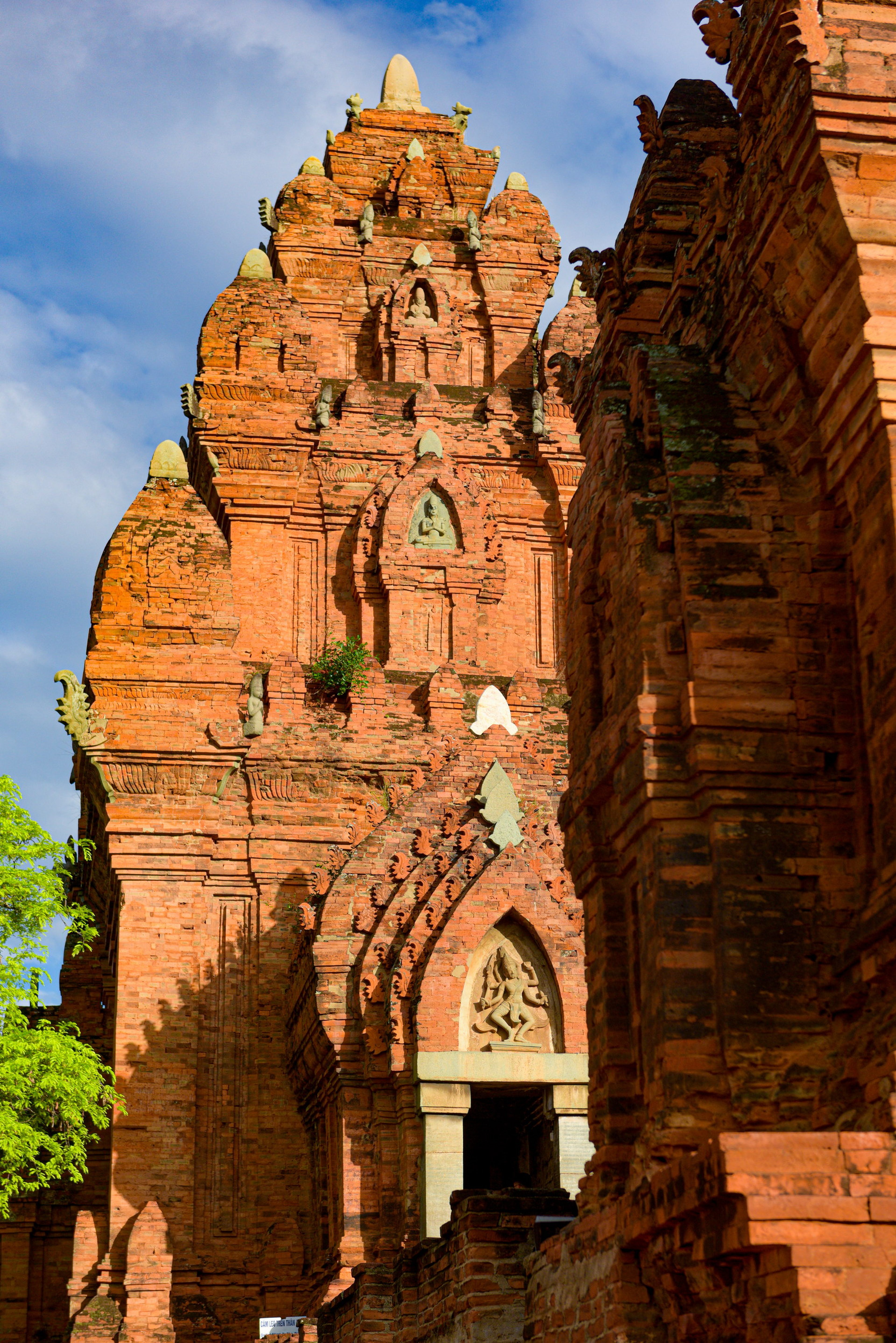
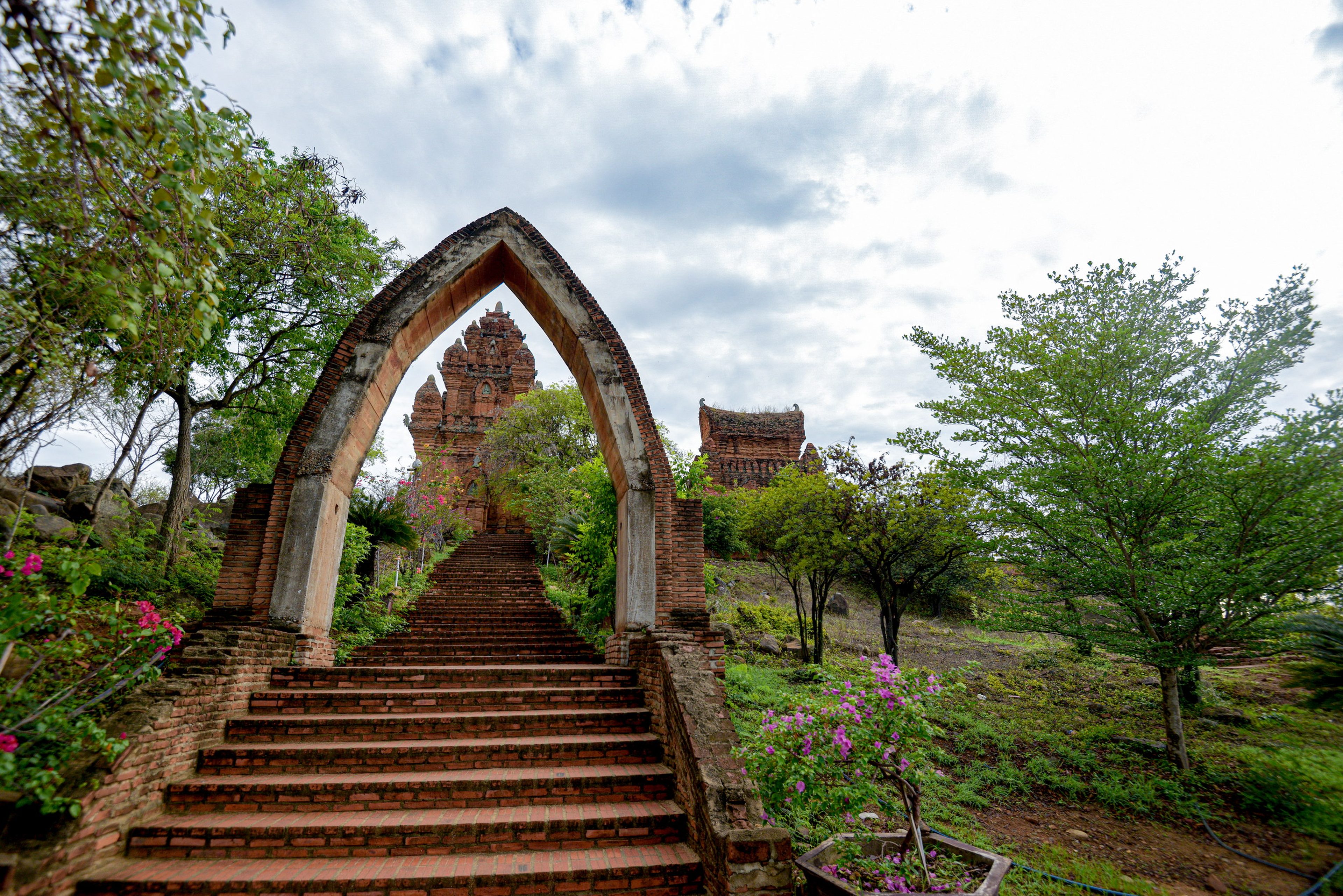
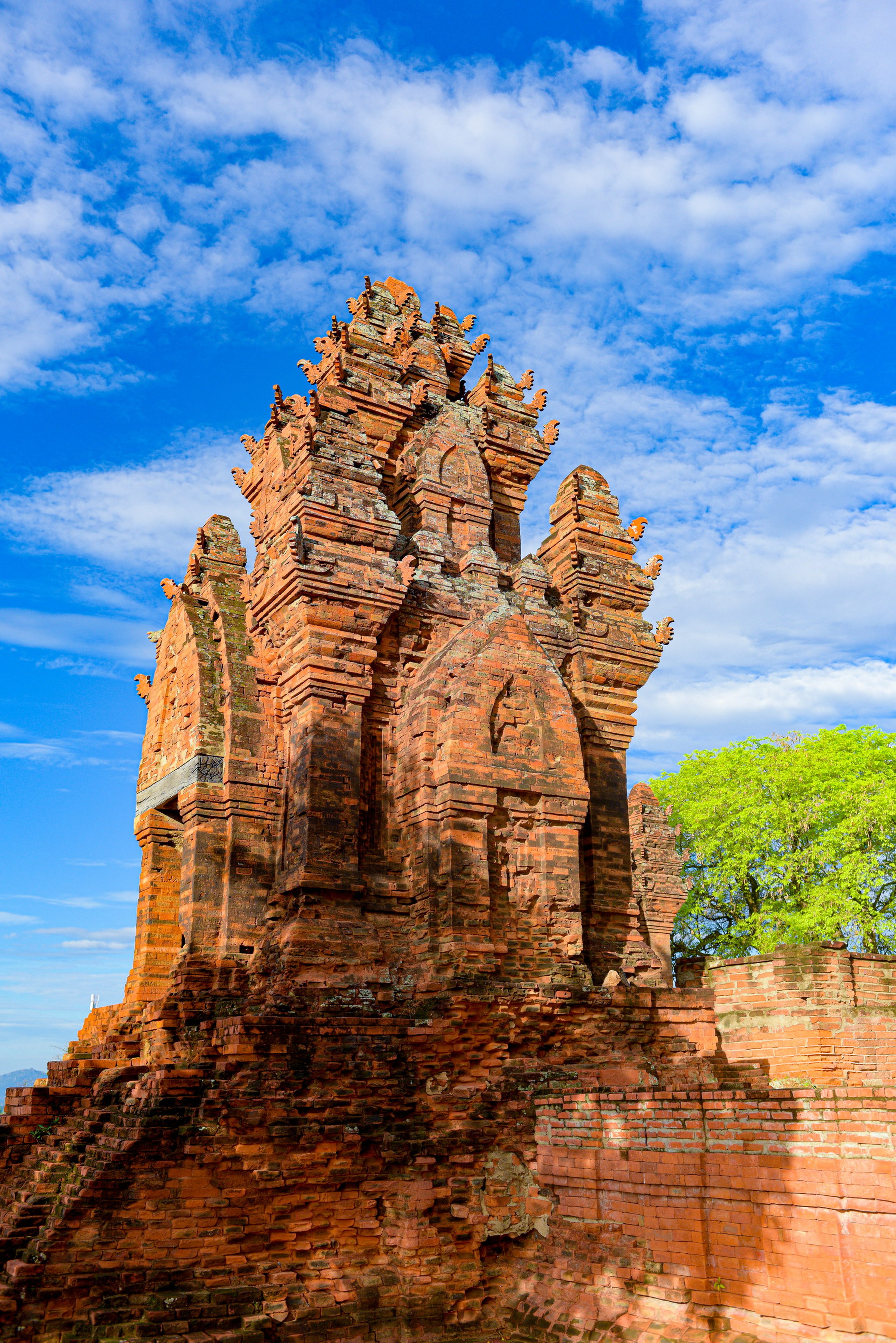
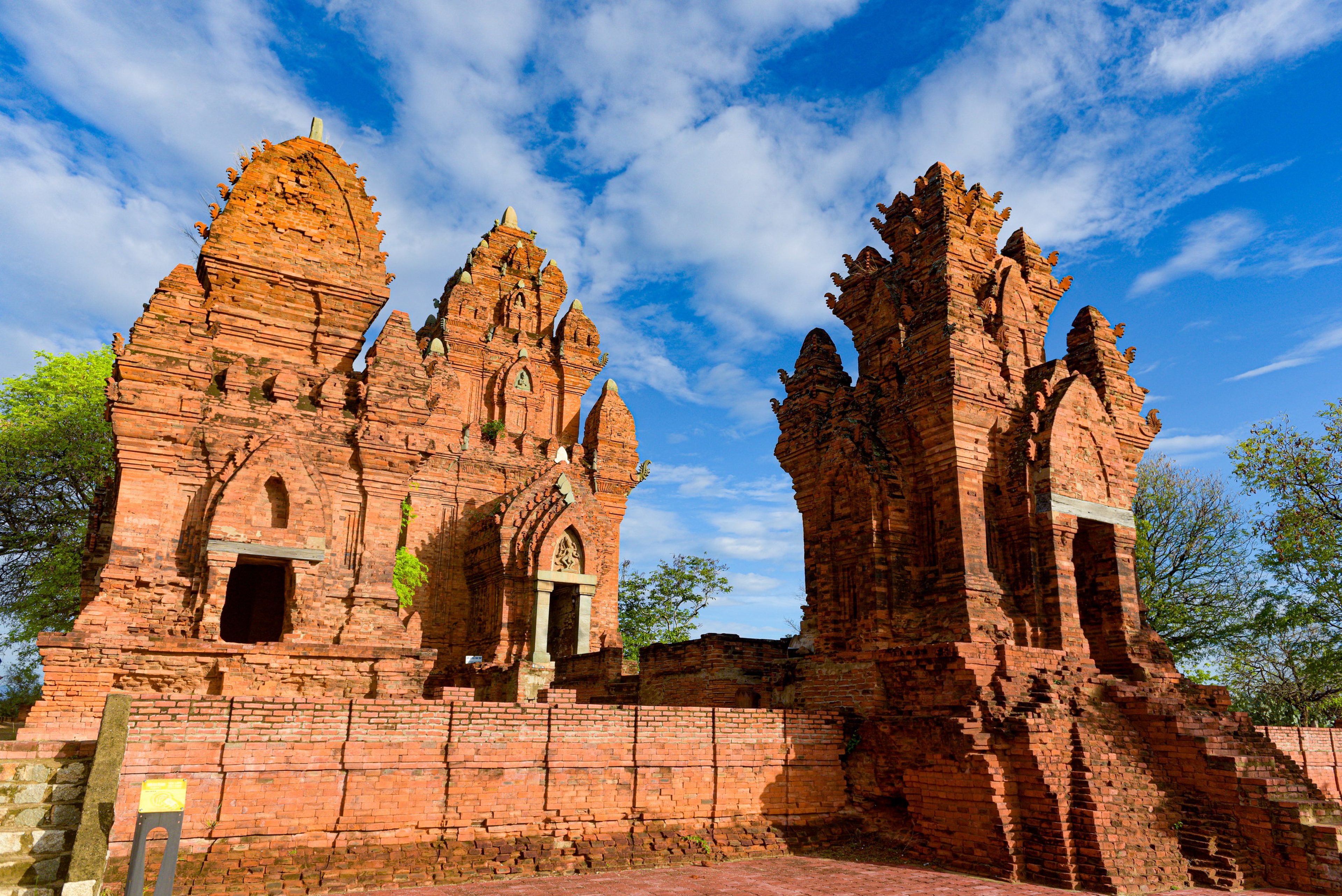
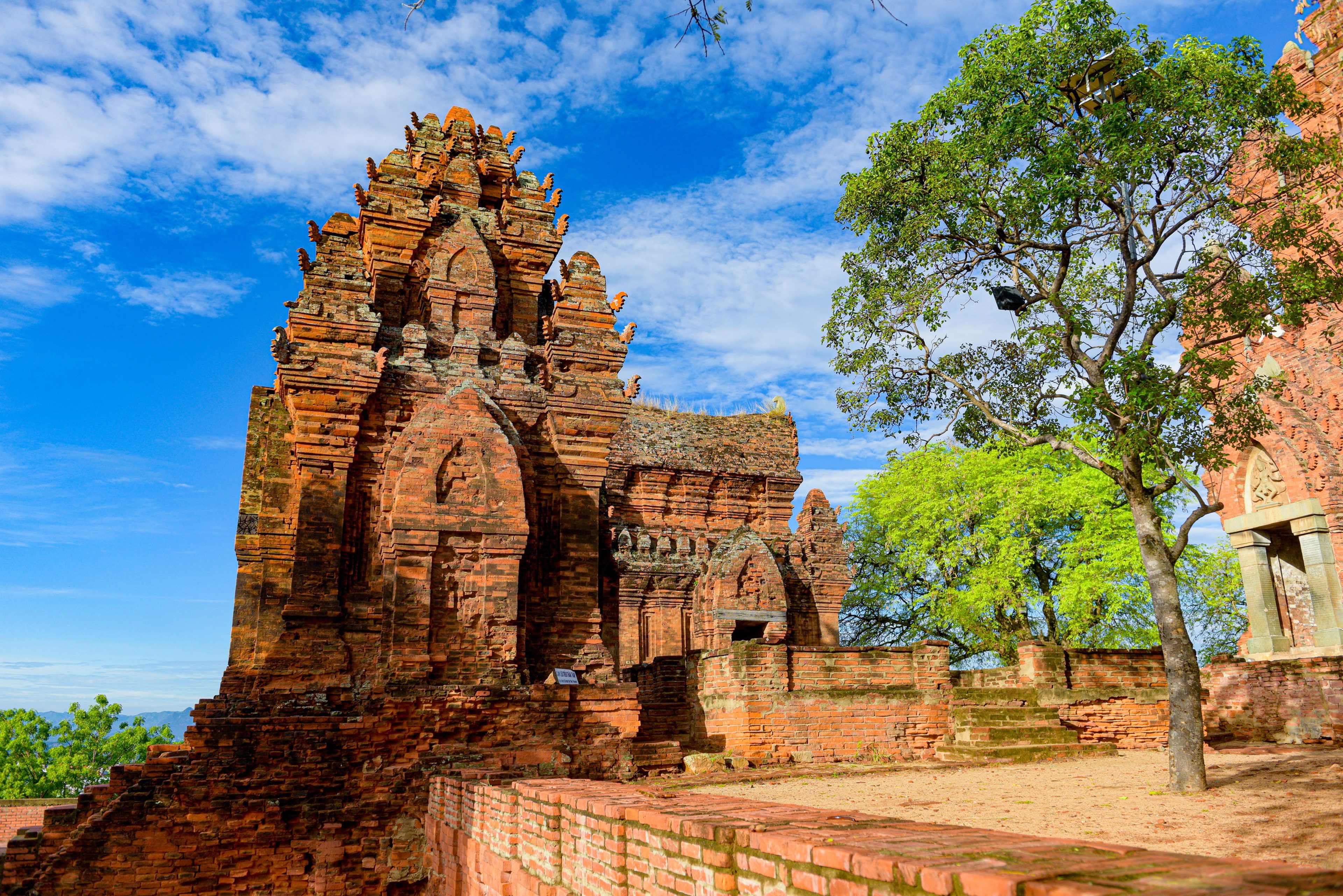
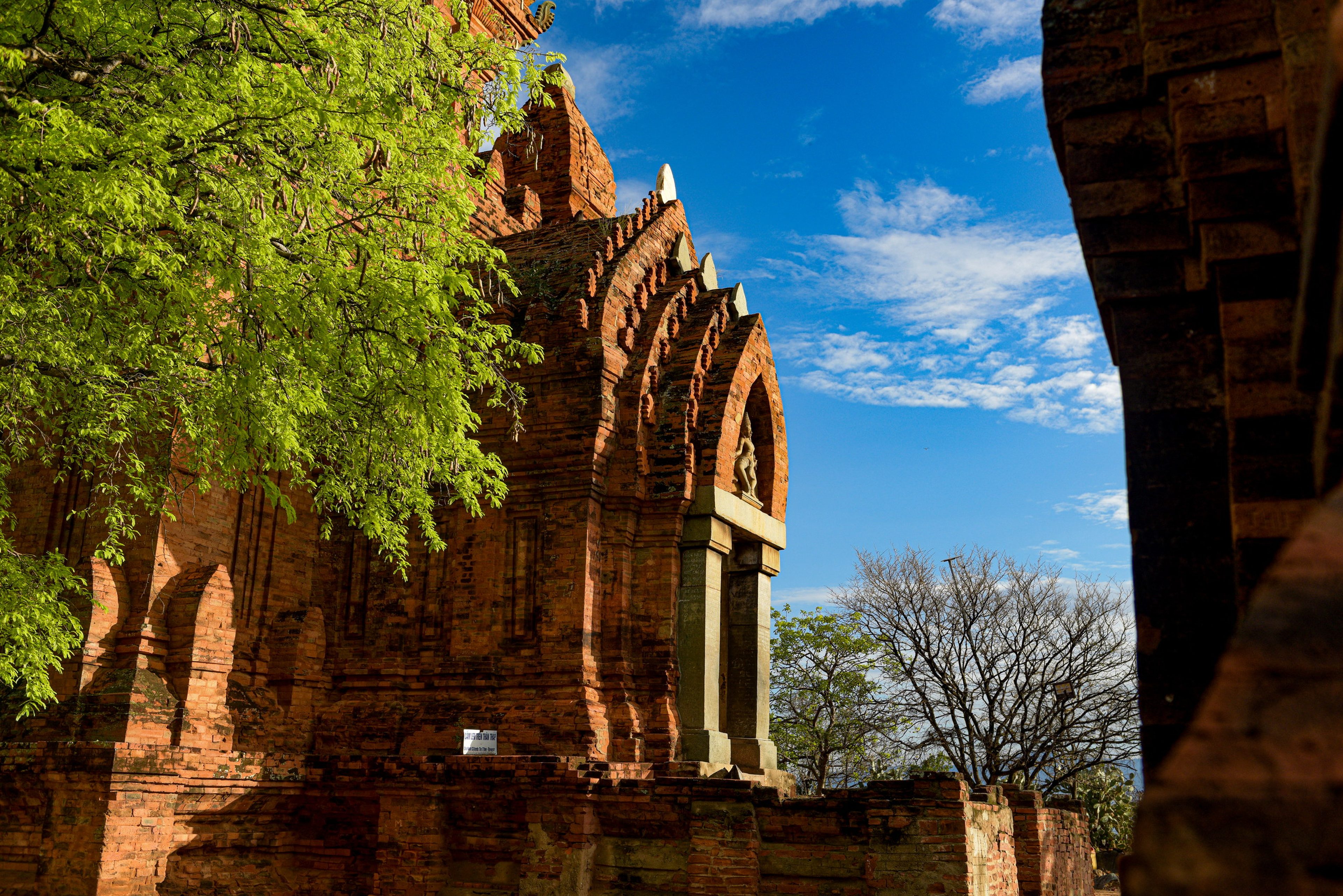
Po Klong Garai Temple is located on the Trau Hill (Mbuen Hala) in Do Vinh Ward, Khanh Hoa province. The Po Klong Garai temple was built based on a common denominator influenced by Hinduism. Although built on the Hindu temple model, Cham temples are smaller and carry the influence of indigenous culture. Po Klong Garai Temple is one of the most beautiful and complete Cham temple complexes remaining today. The red brick hue, the composition of three structures, and its high, airy location make the temple complex appear powerful and dignified, yet perfectly integrated with the sunny and windy landscape of Panduranga.
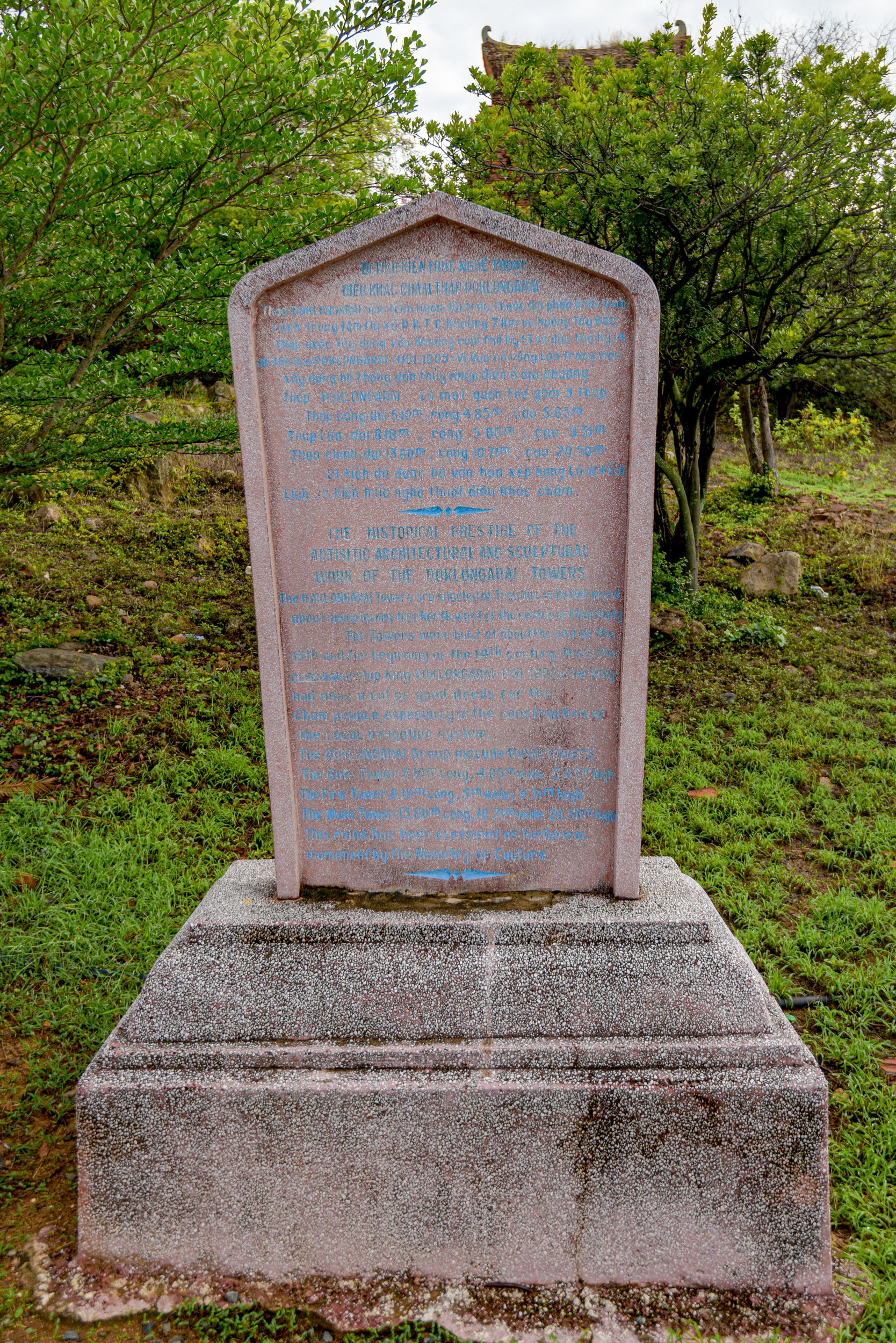
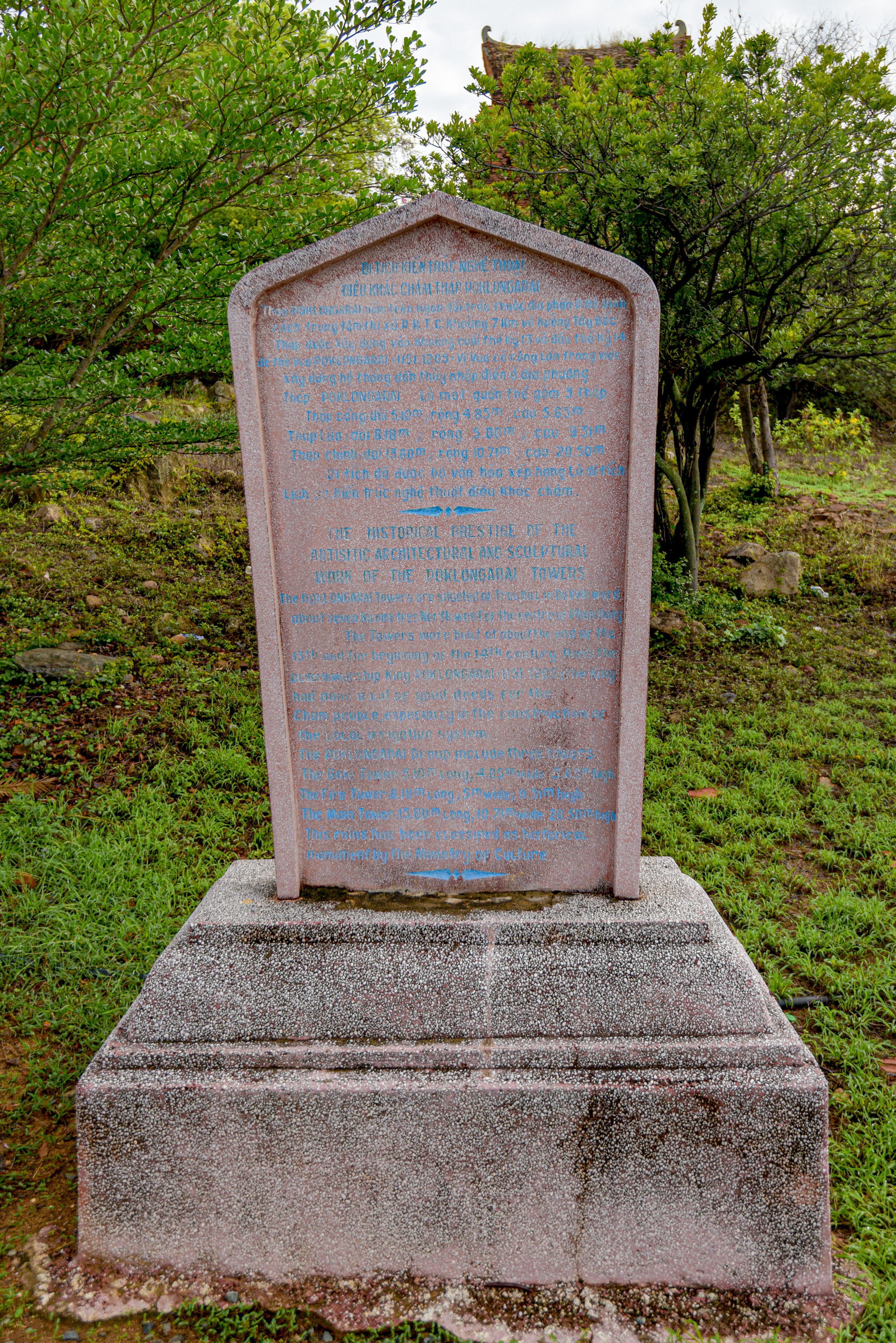
Po Klong Garai Temple was built around the end of the 13th to 14th centuries by King Jaya Sinhavarman III to worship the god Shiva. It was not until after the 15th century that the Cham people localized it to worship the King Po Klong Garai (Po Klong Garai, Po Klaong Girai). This is not just an ancient architectural monument, but also a sacred space associated with Po Klong Garai - a figure who carries both historical significance and is deified in the memory of the Cham community through many centuries.
Po Klong Garai Temple was built in a context where the Shiva faith had been deeply ingrained in Cham life. However, what makes it special is that the structure was later associated with the worship of King Po Klong Garai (Po Klaong Girai) - a figure remembered by the community as a king who contributed to water management, cared for agriculture, and protected the residents.
Po Klong Garai reigned over the Champa kingdom for 54 years (1151-1205). He ruled the country in prosperity and made significant contributions to digging canals and building dams to irrigate fields, most notably the Nha Trinh and Lam Cam dams, structures that still contribute to agricultural development to this day.
A complex of three structures on the hilltop
An architectural complex with clear axial orientation and layering
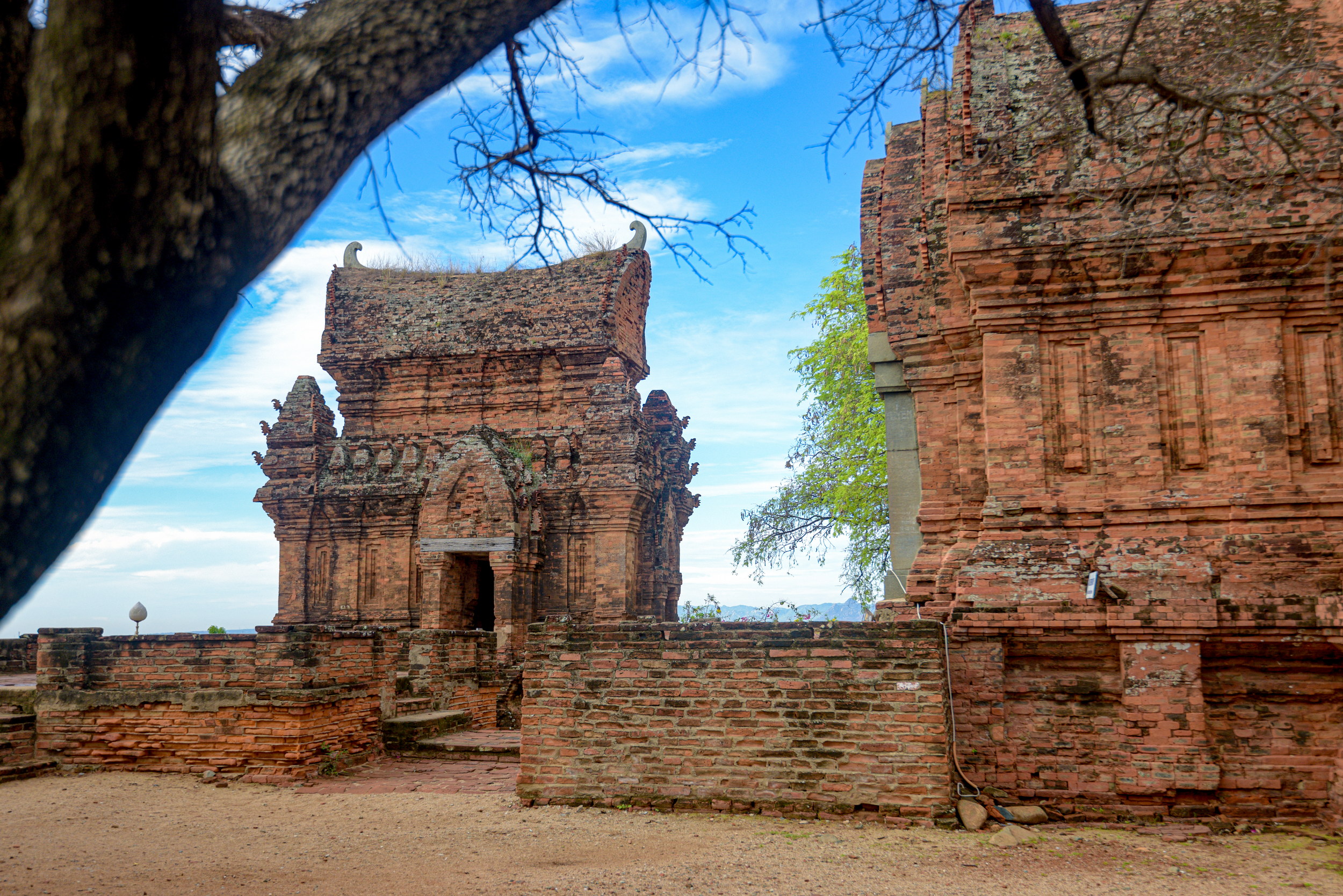
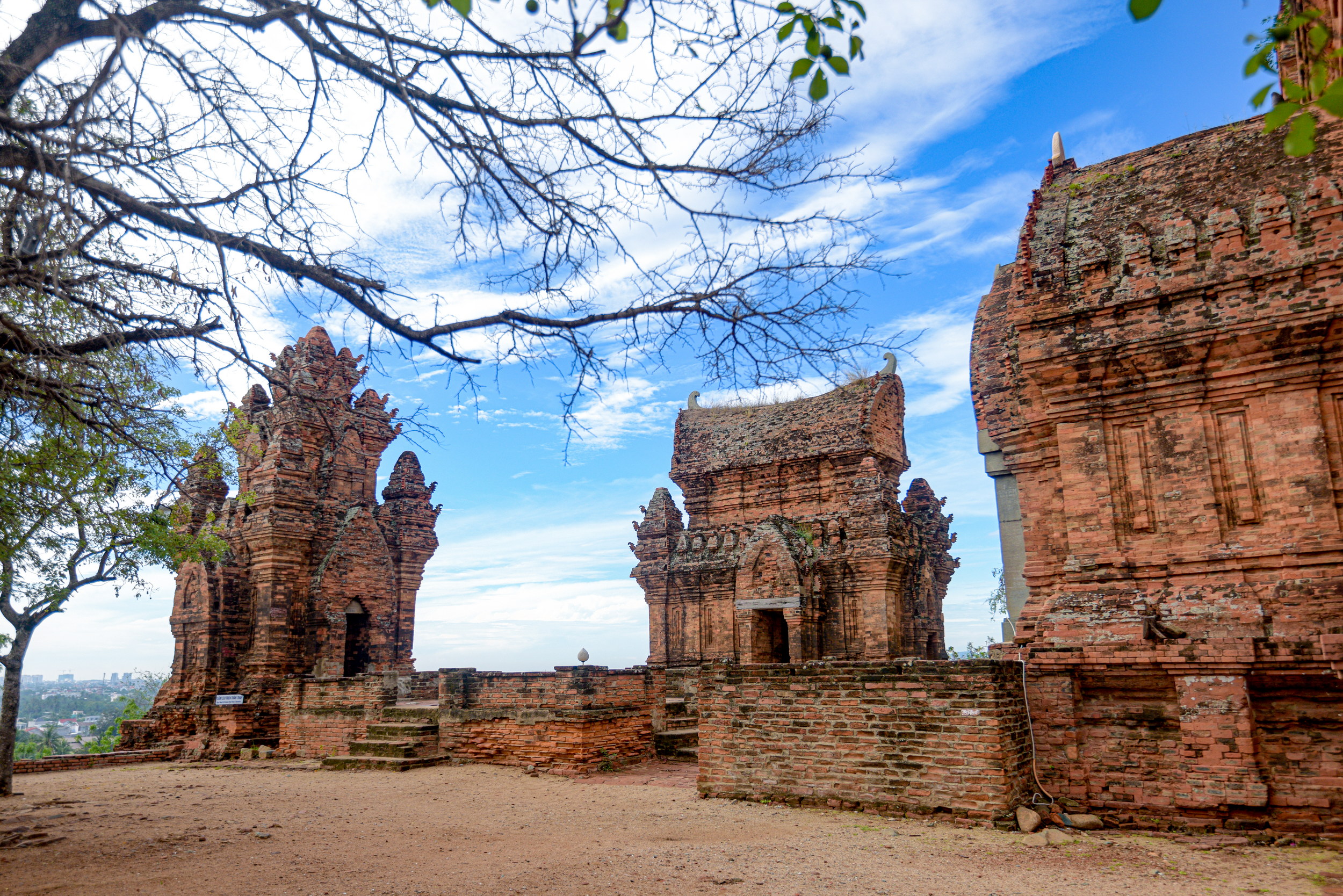
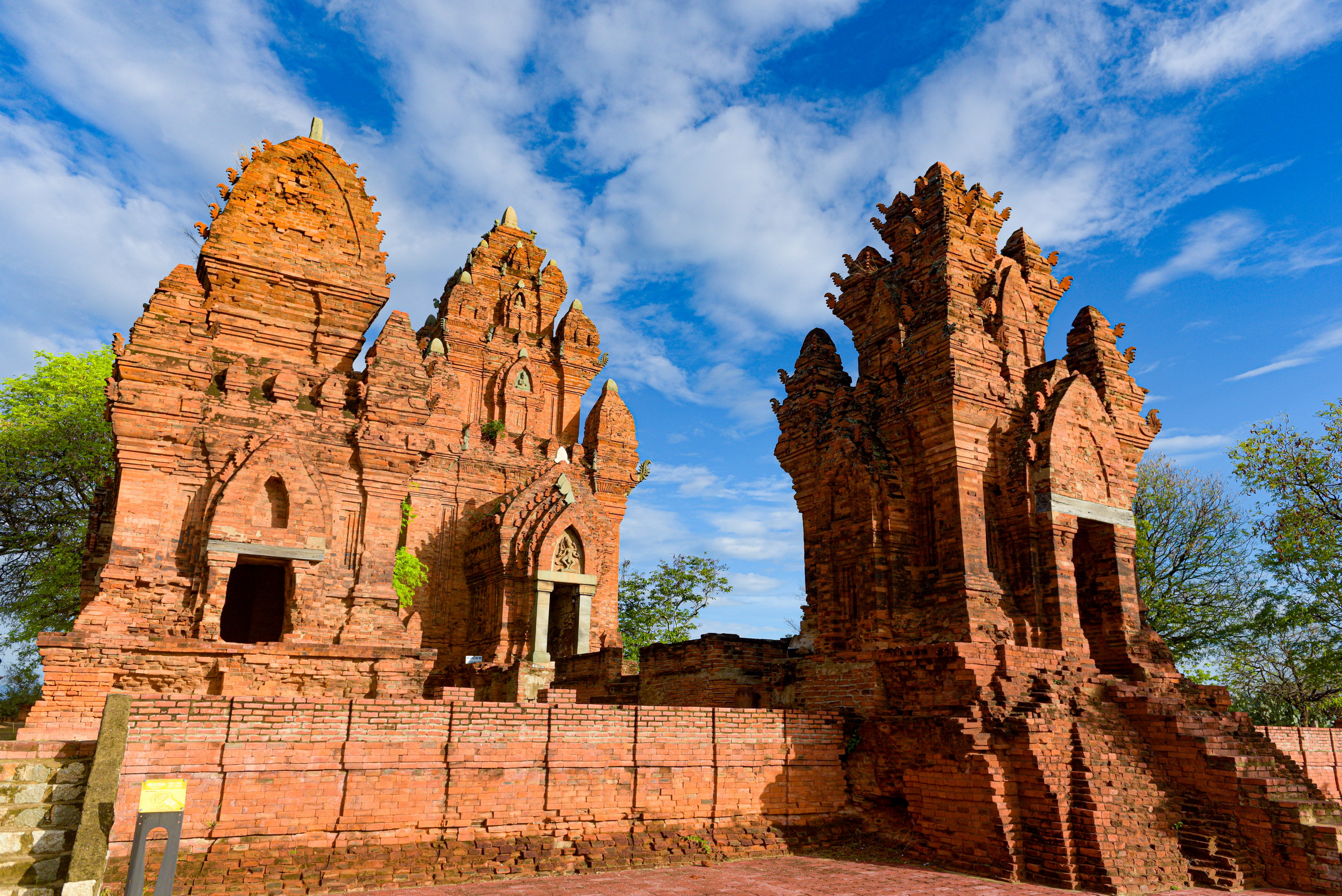
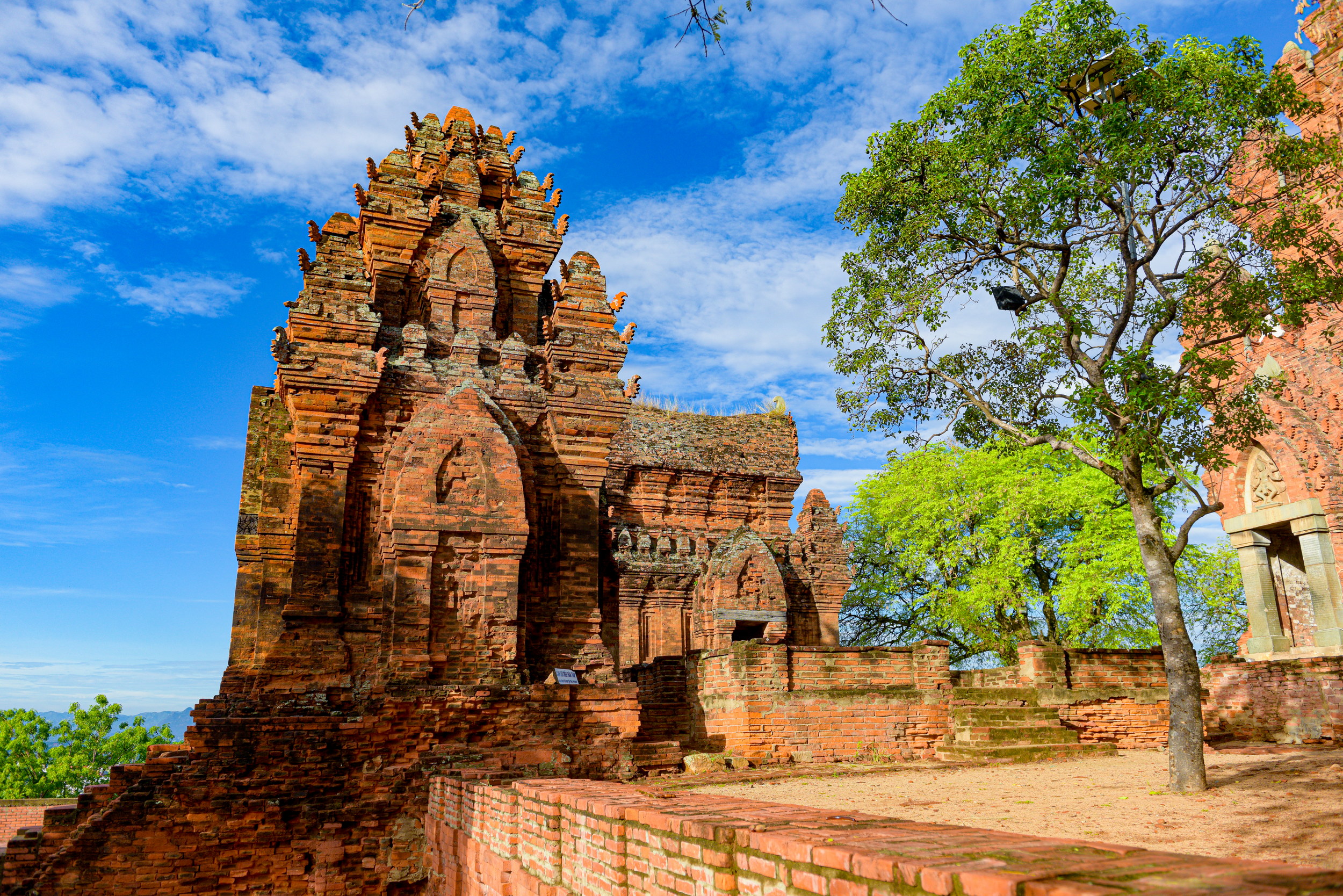
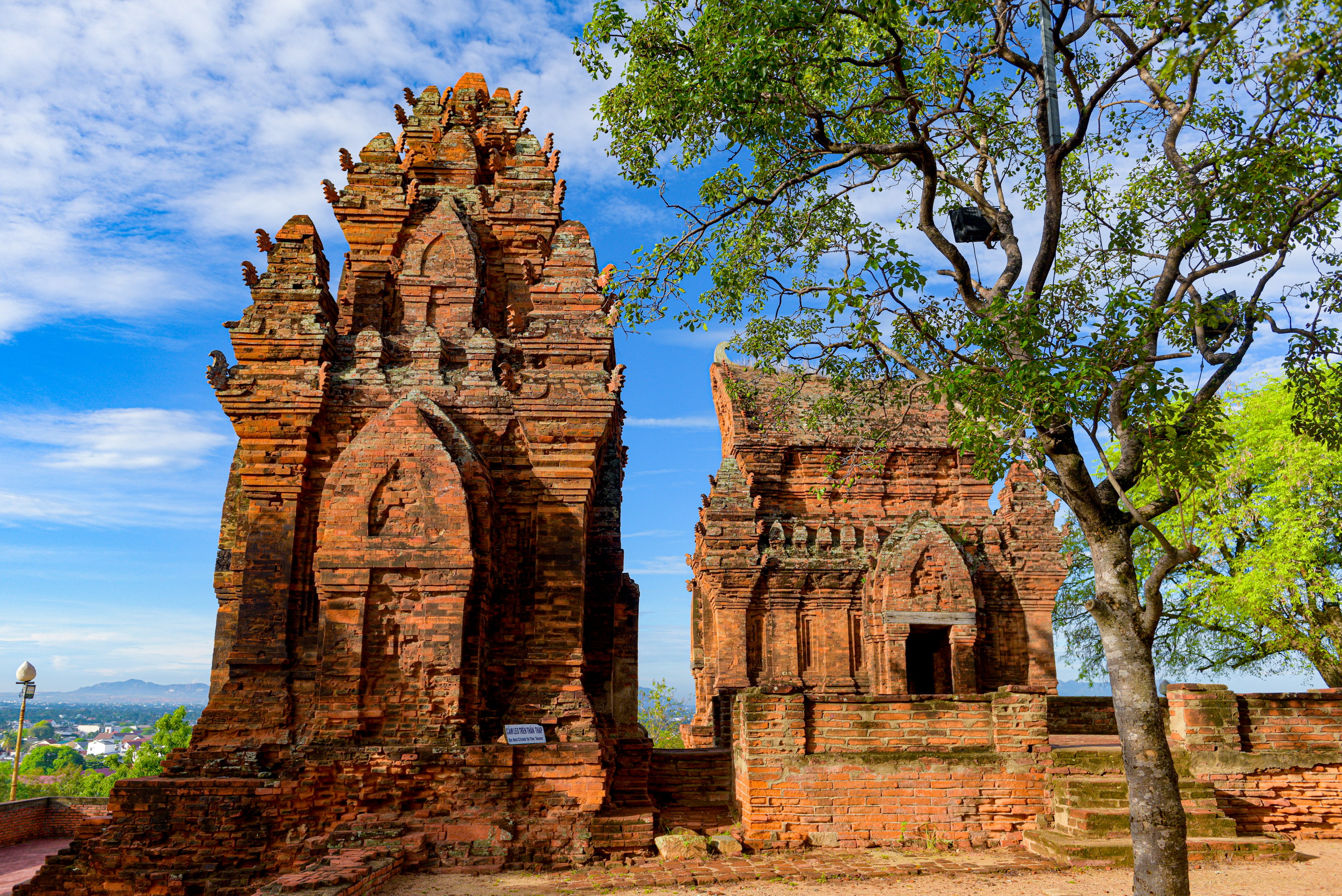
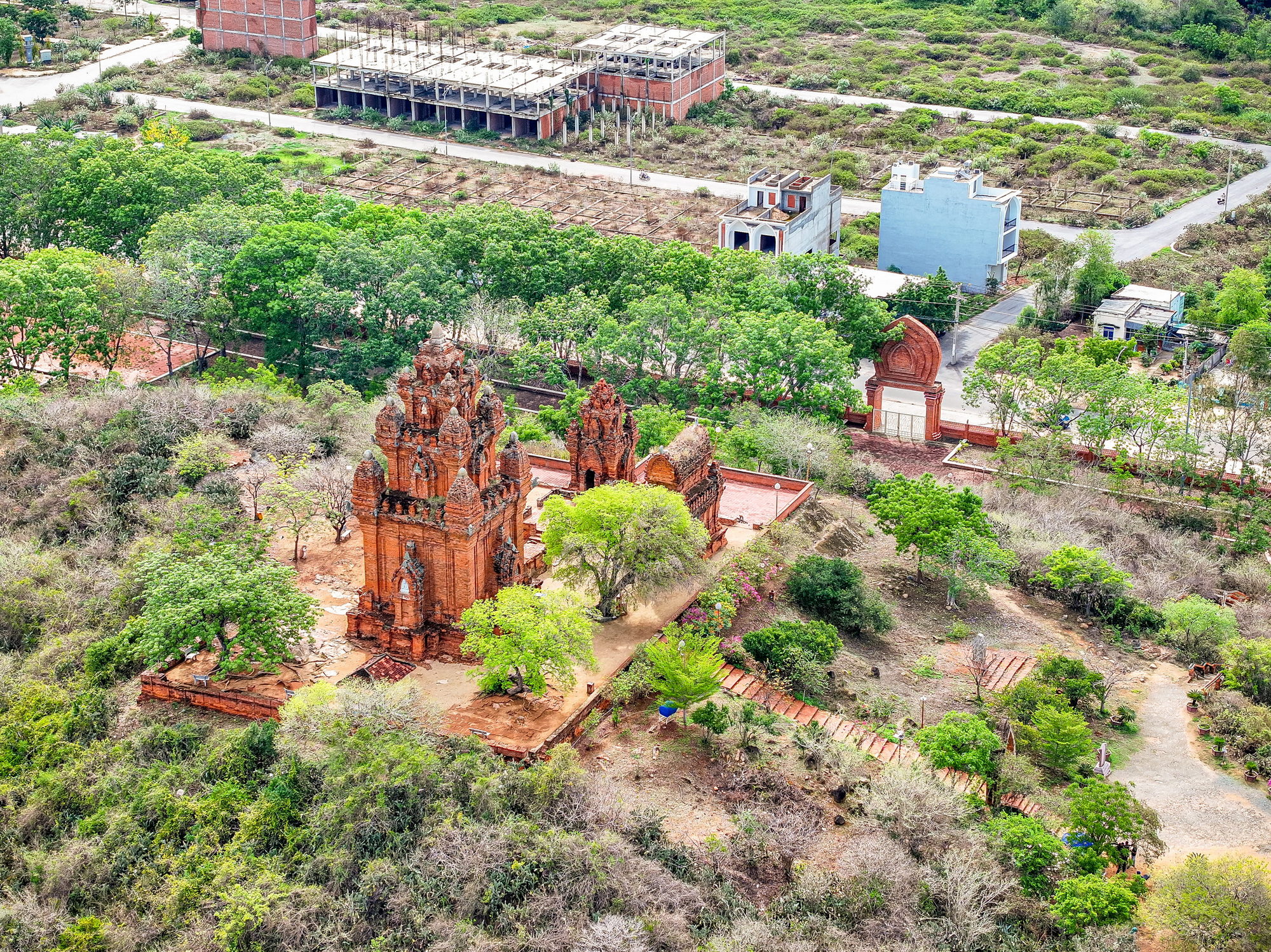
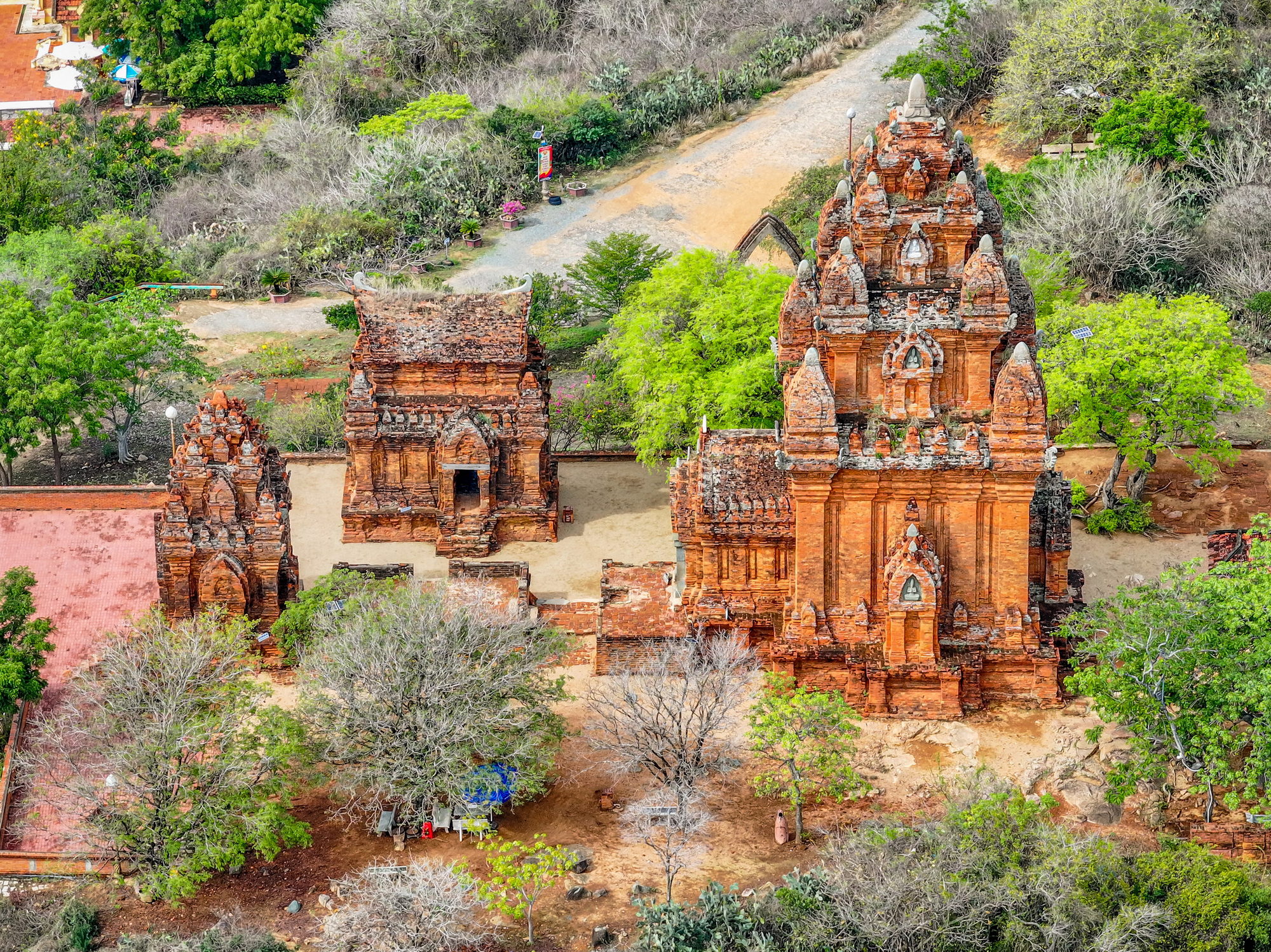
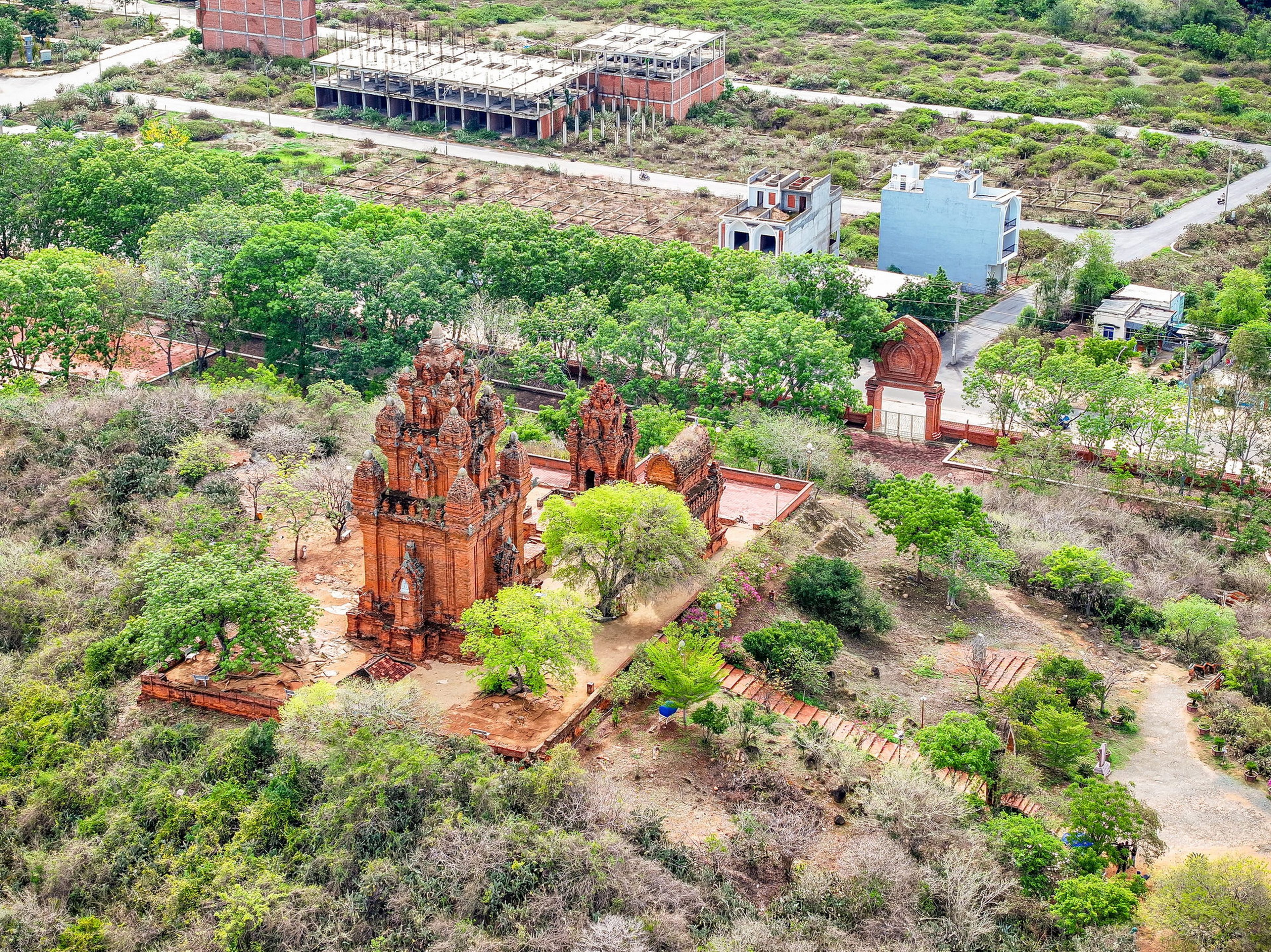
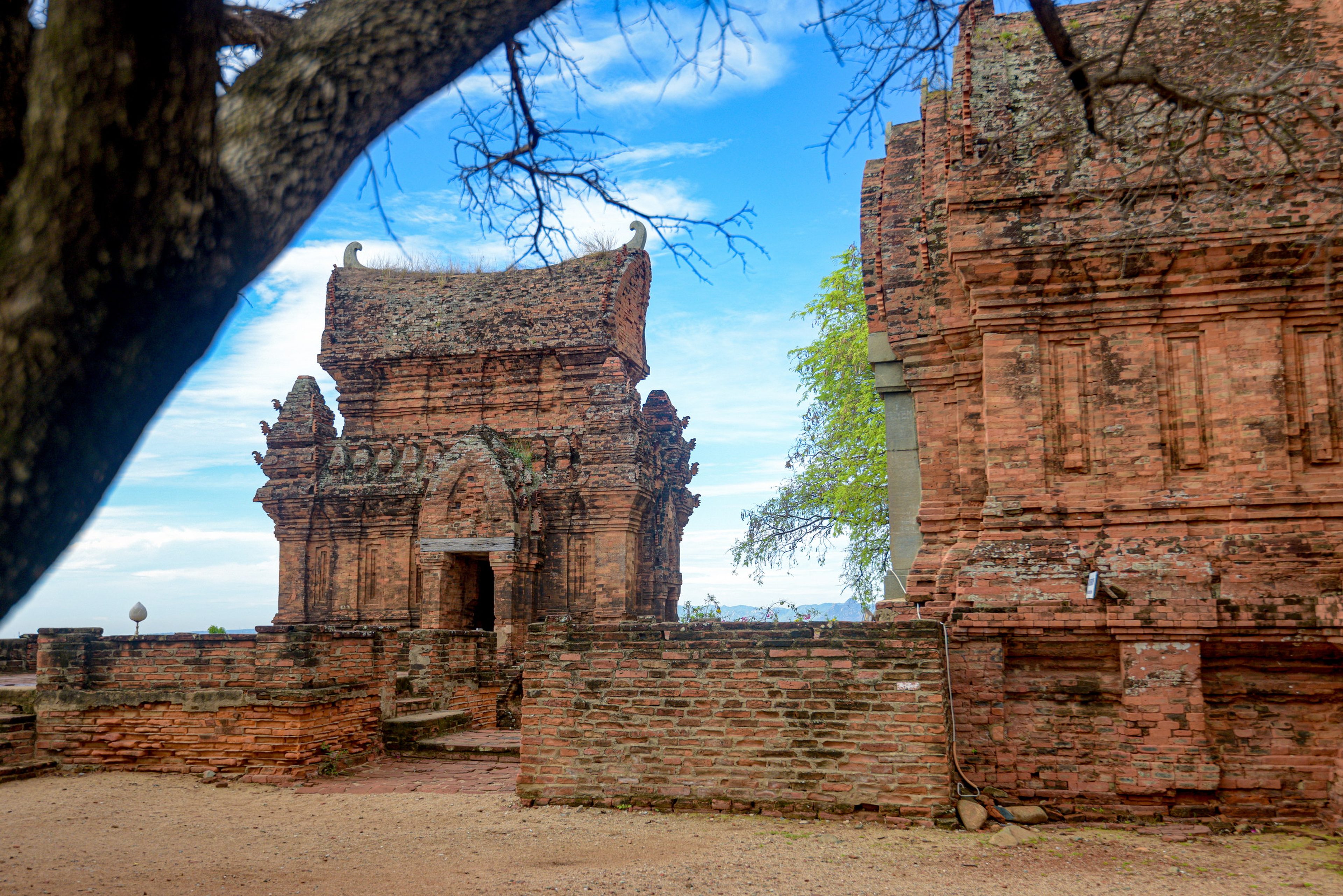
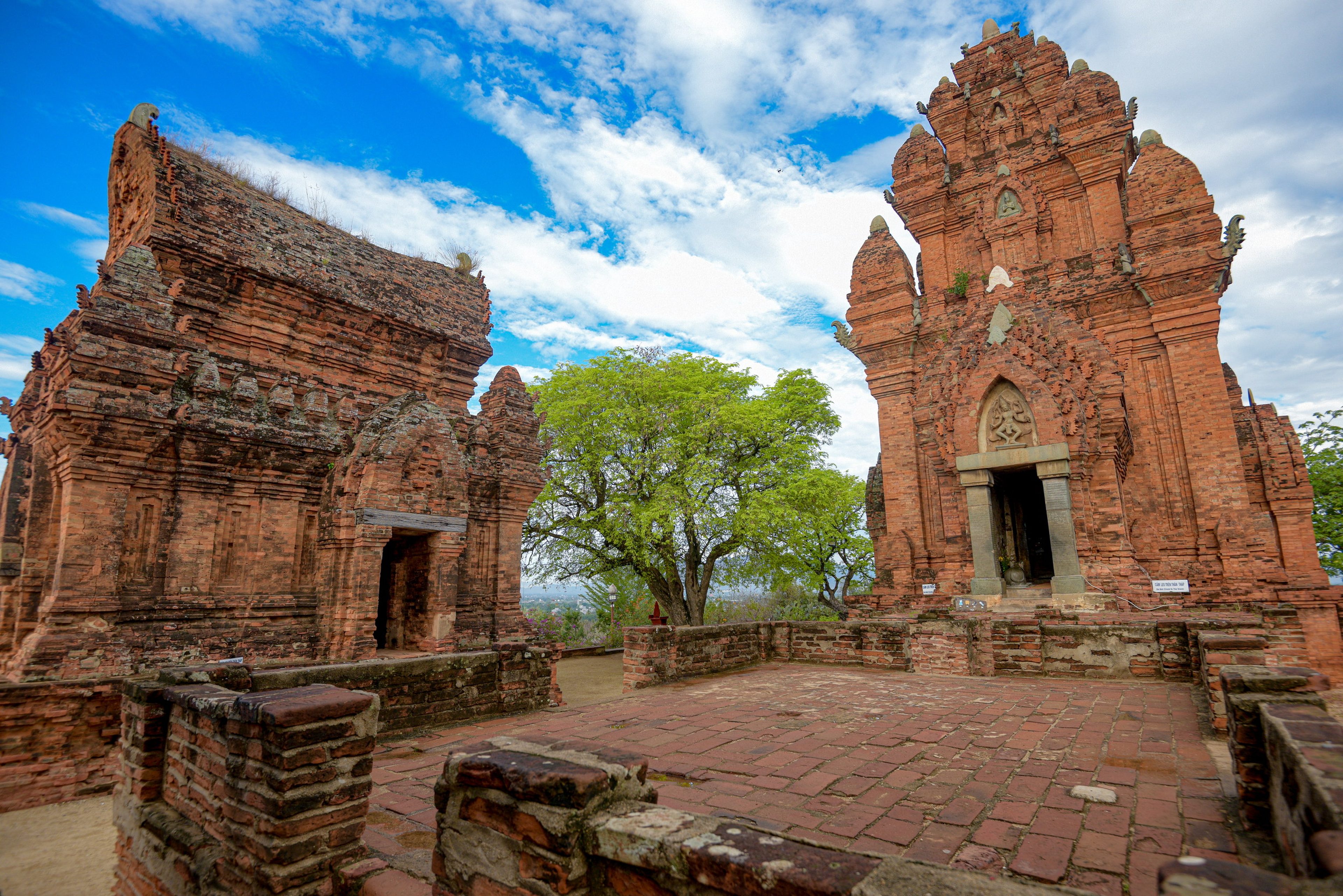
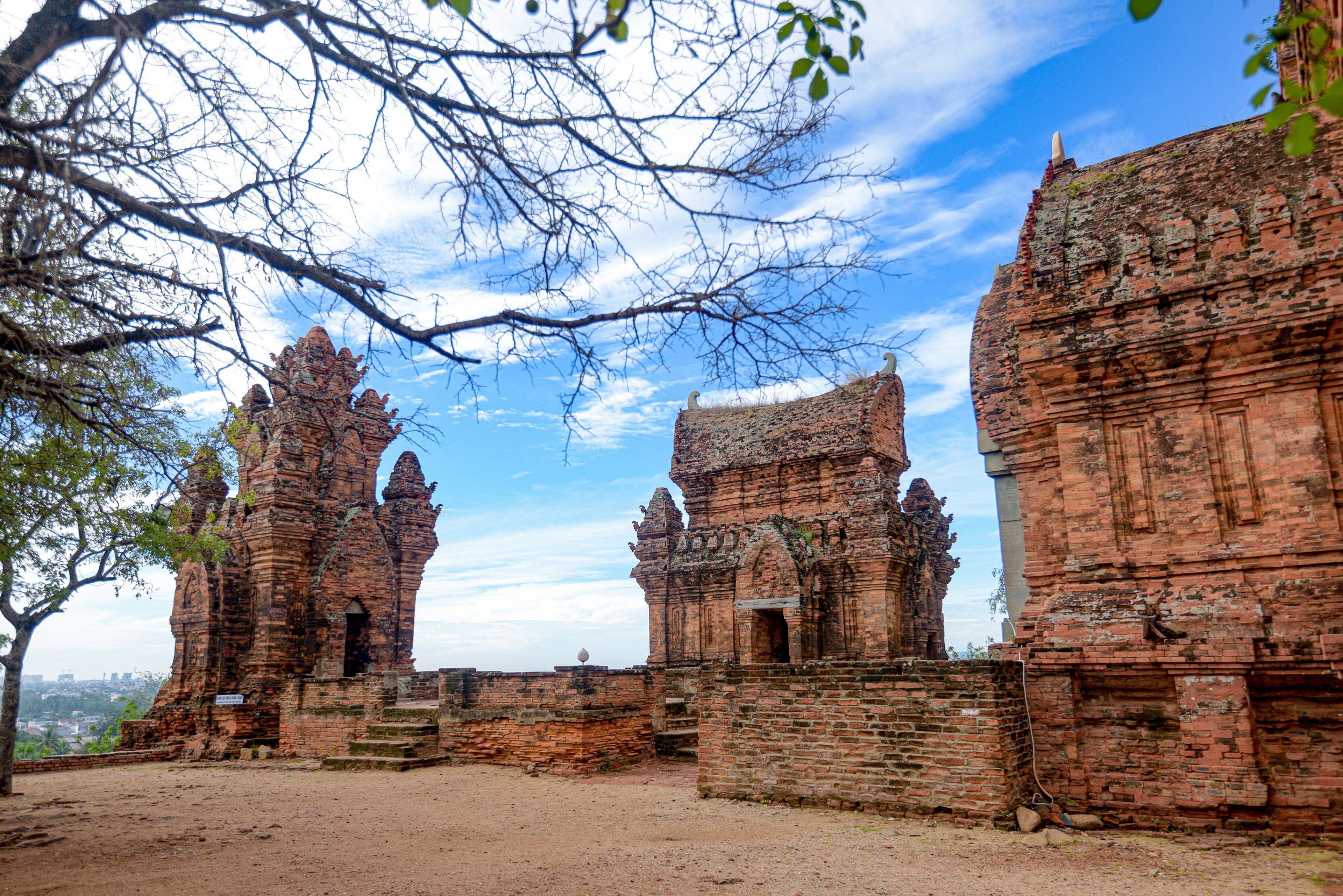
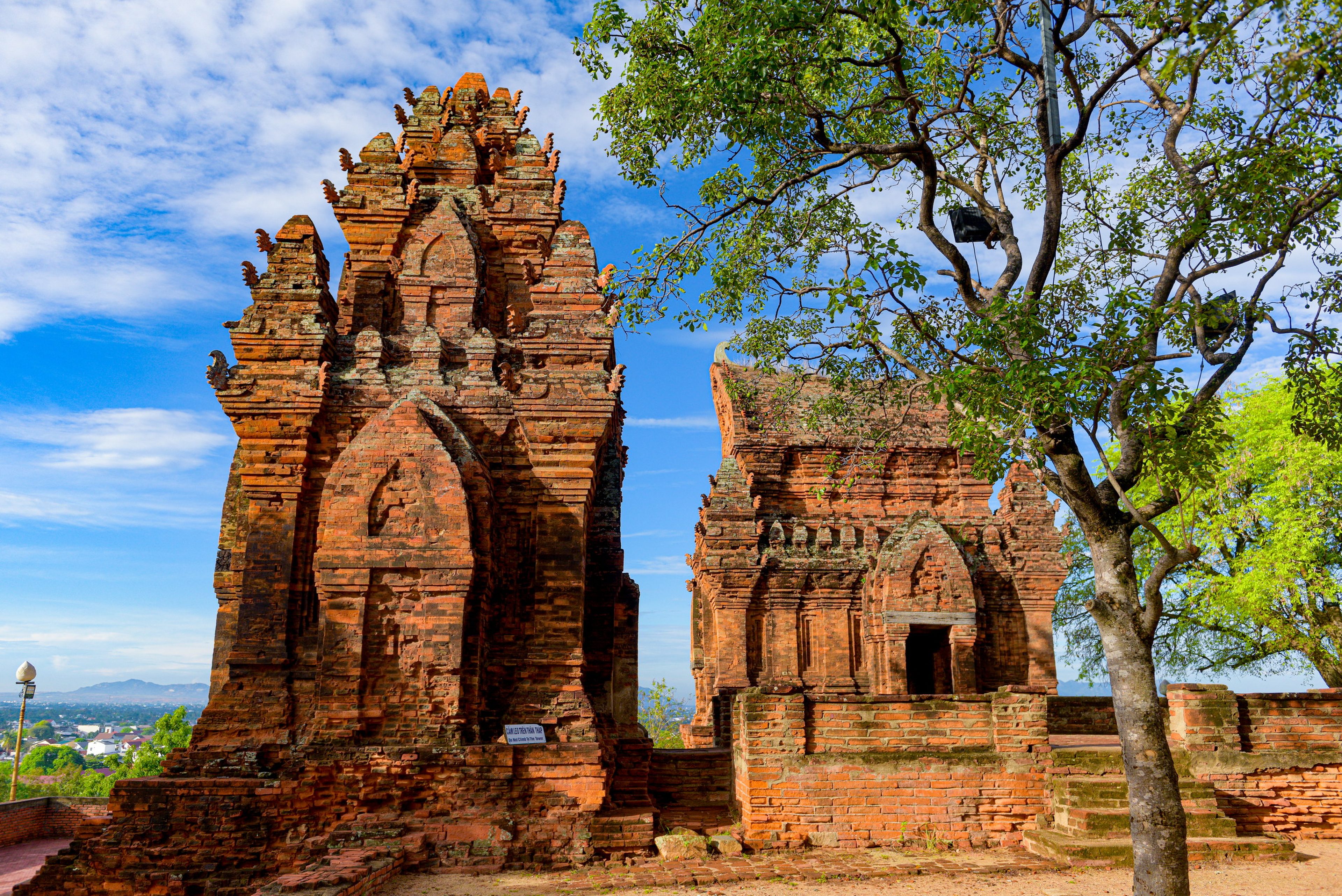
According to the documents of the French researcher H. Parmentier (surveyed between 1909 and 1918), Po Klong Garai Temple is a large architectural complex that included 6 structures. Currently, the monument retains three towers: the Gate Tower, the Fire Tower, and the Main Tower. Besides the three existing towers, there was one watchtower in the Southeast, along with traces of temple foundations in the North and Southwest. There is a hypothesis that there might have been a storage building (a long tower or longhouse type) that collapsed, leaving only the brick foundation in front of the Main Tower. Additionally, there is a small shrine to the West built by the Cham people before 1975 to worship Po Klong Garai's wife, Bia Nai Kuer.
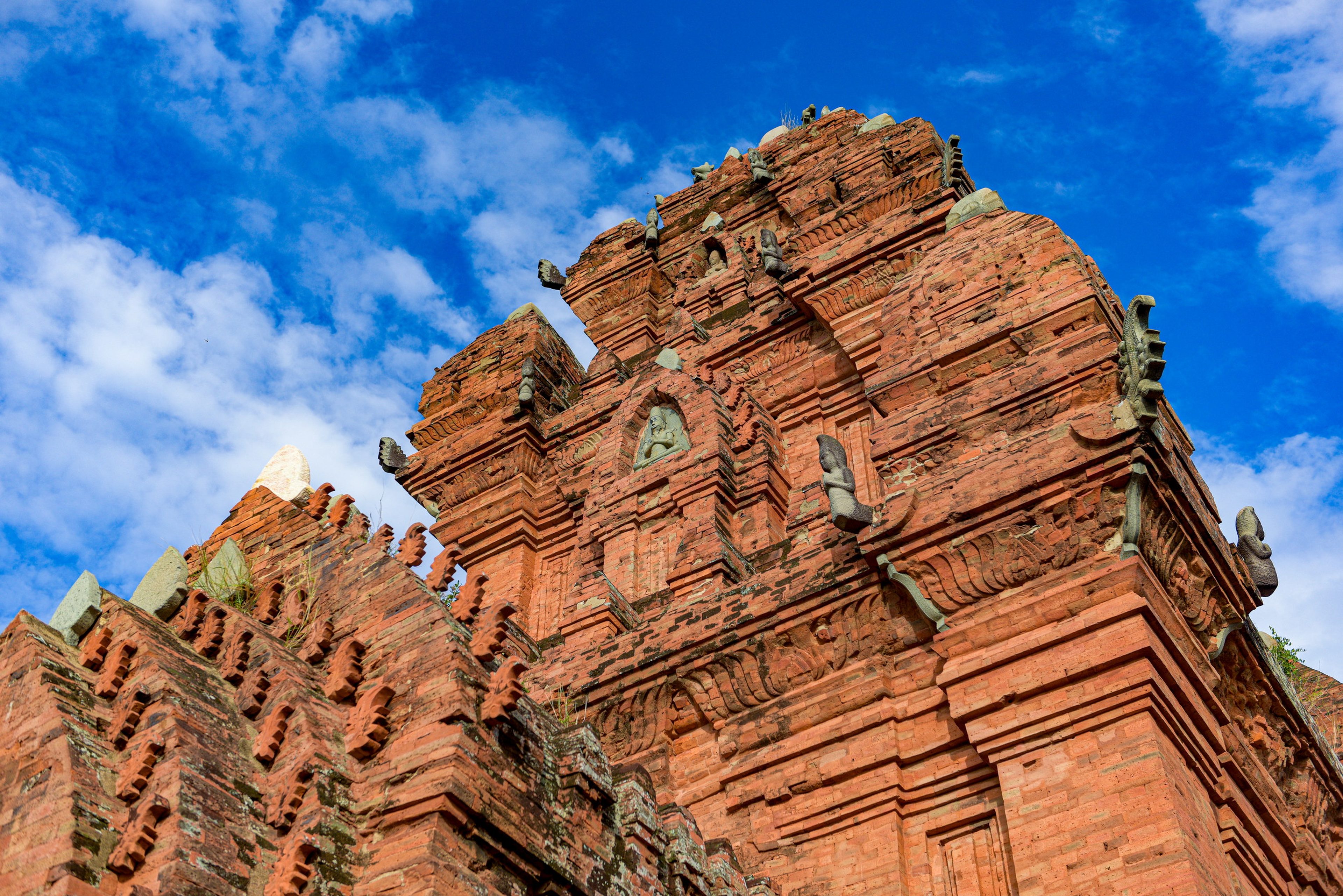
In terms of construction technique, Cham temples are primarily made of red fired bricks, with each brick typically measuring 35 x 18 x 5mm. French researchers and, more recently, Polish experts have studied the adhesive used in the construction of Cham towers. The adhesive used by the ancient Cham people here is deep brown in color; between the bricks, only a thin layer is needed to ensure sturdiness and durability.
The Main Tower - The heart of the monument
A powerful, symmetrical, and visually rhythmic tower mass
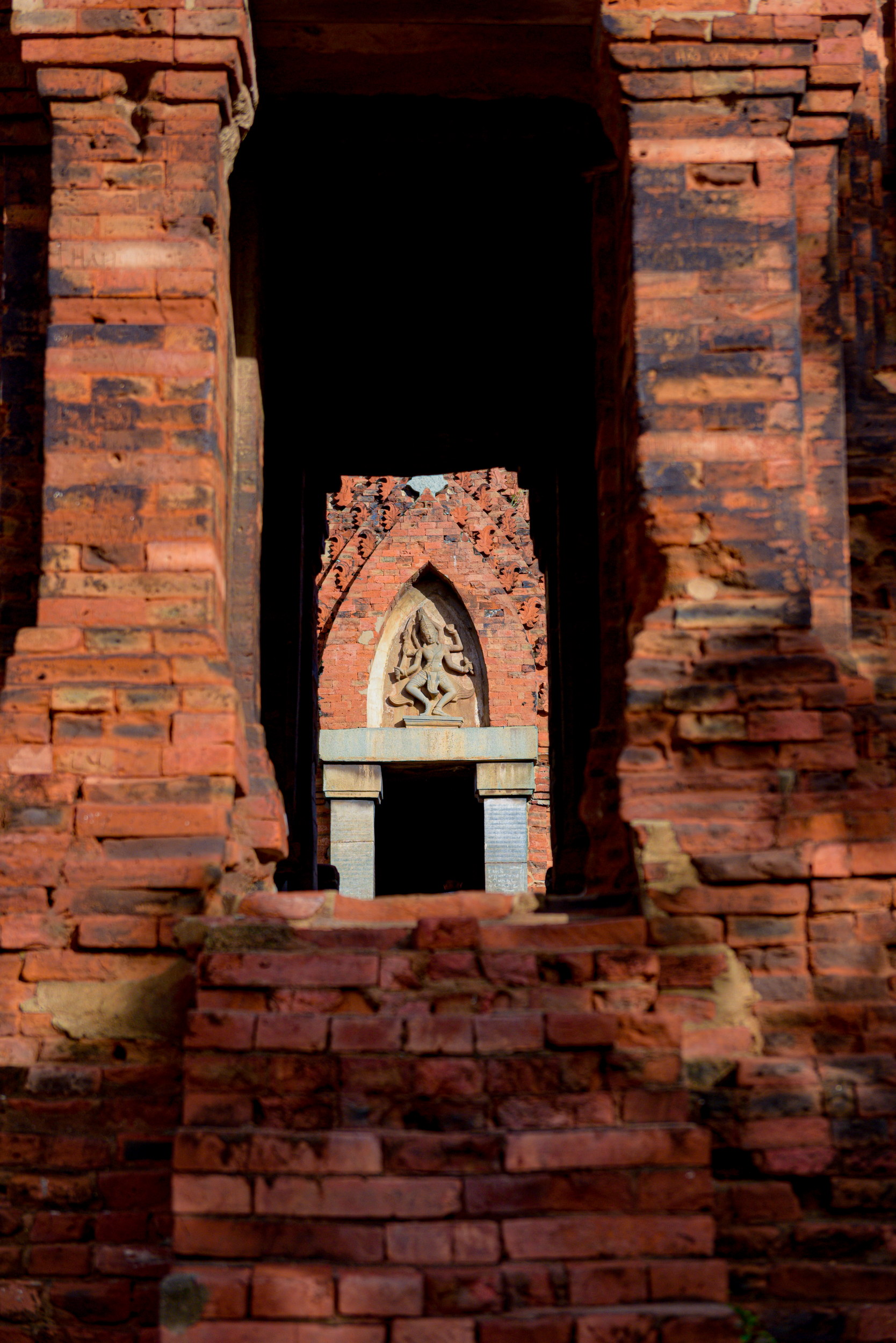
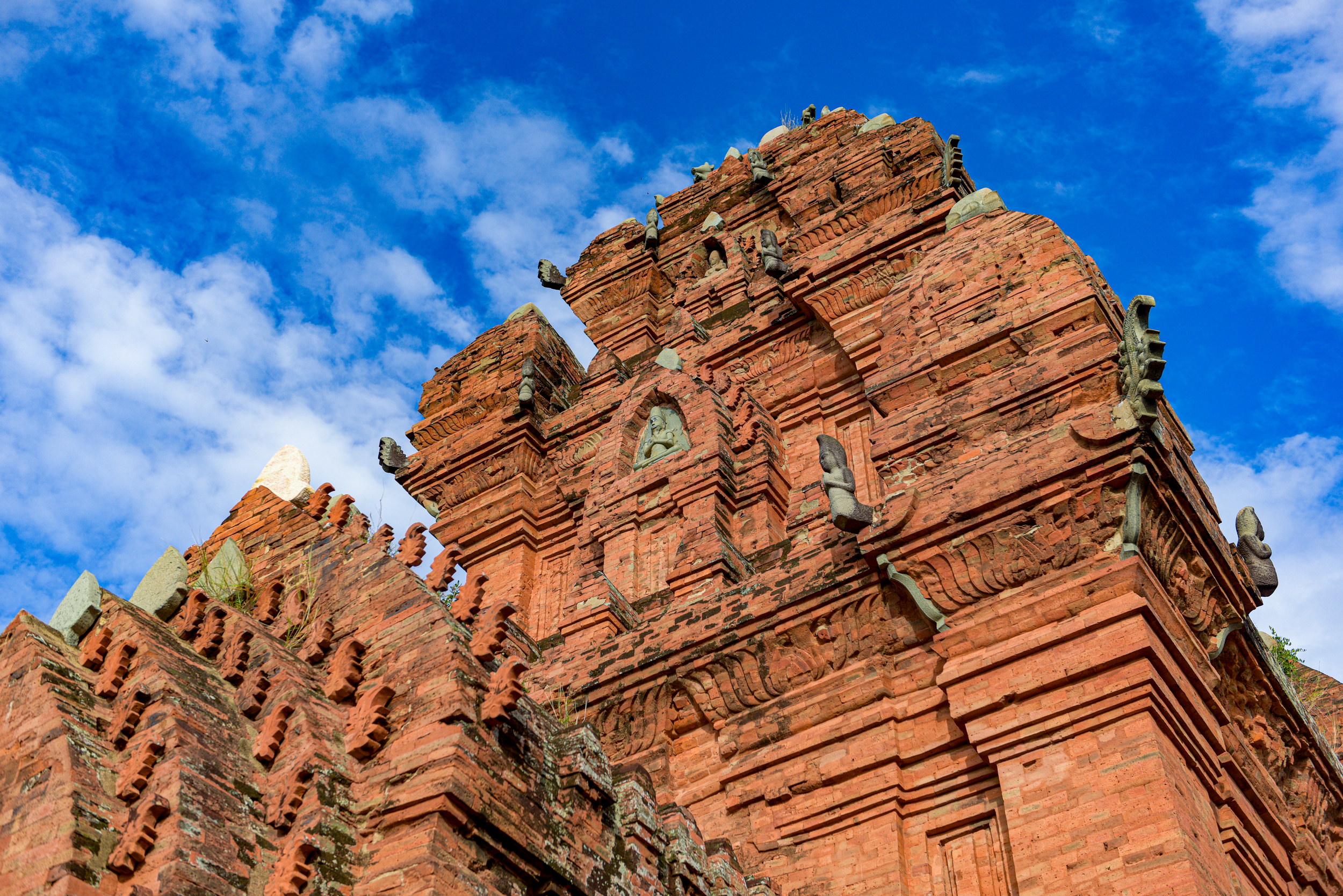
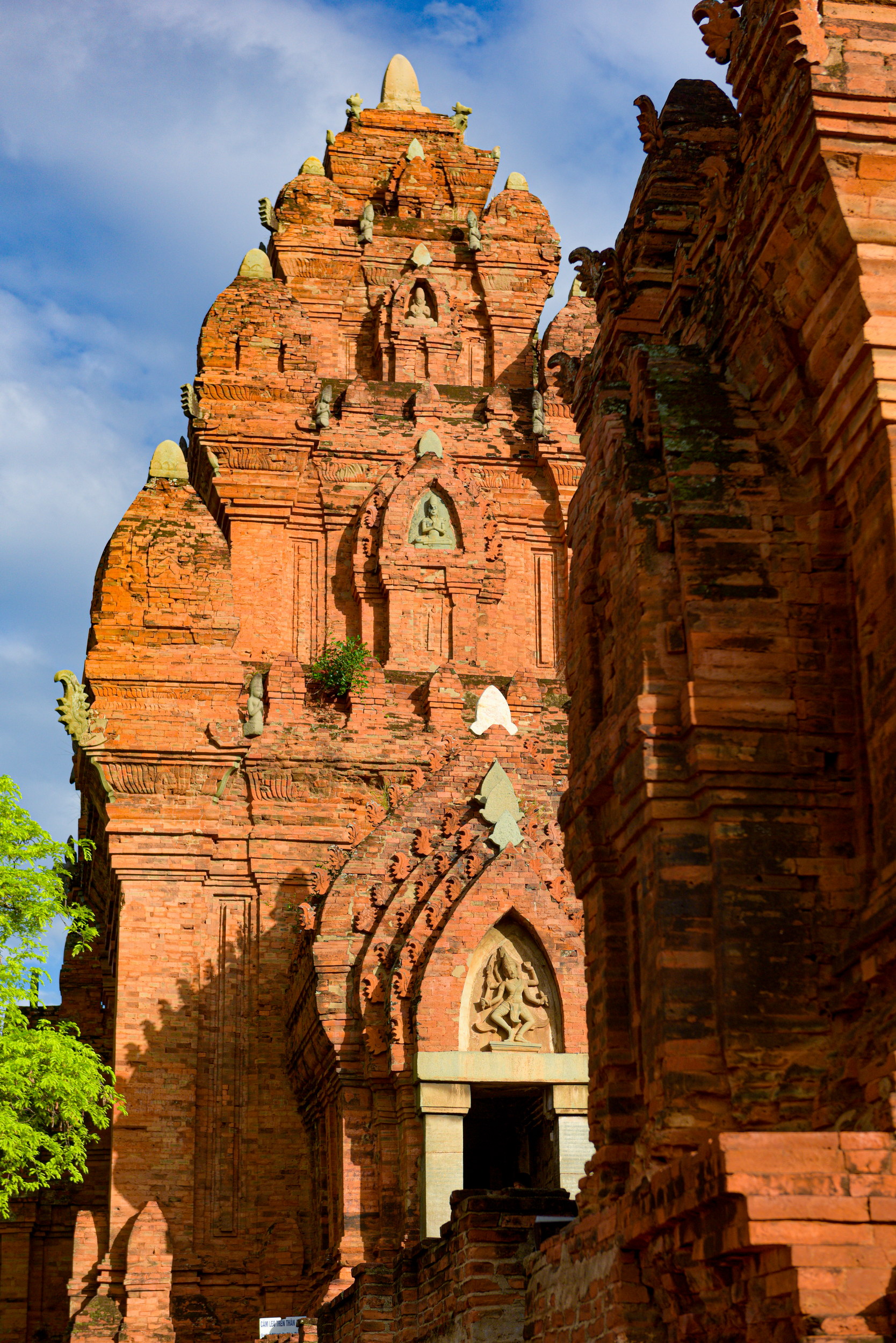
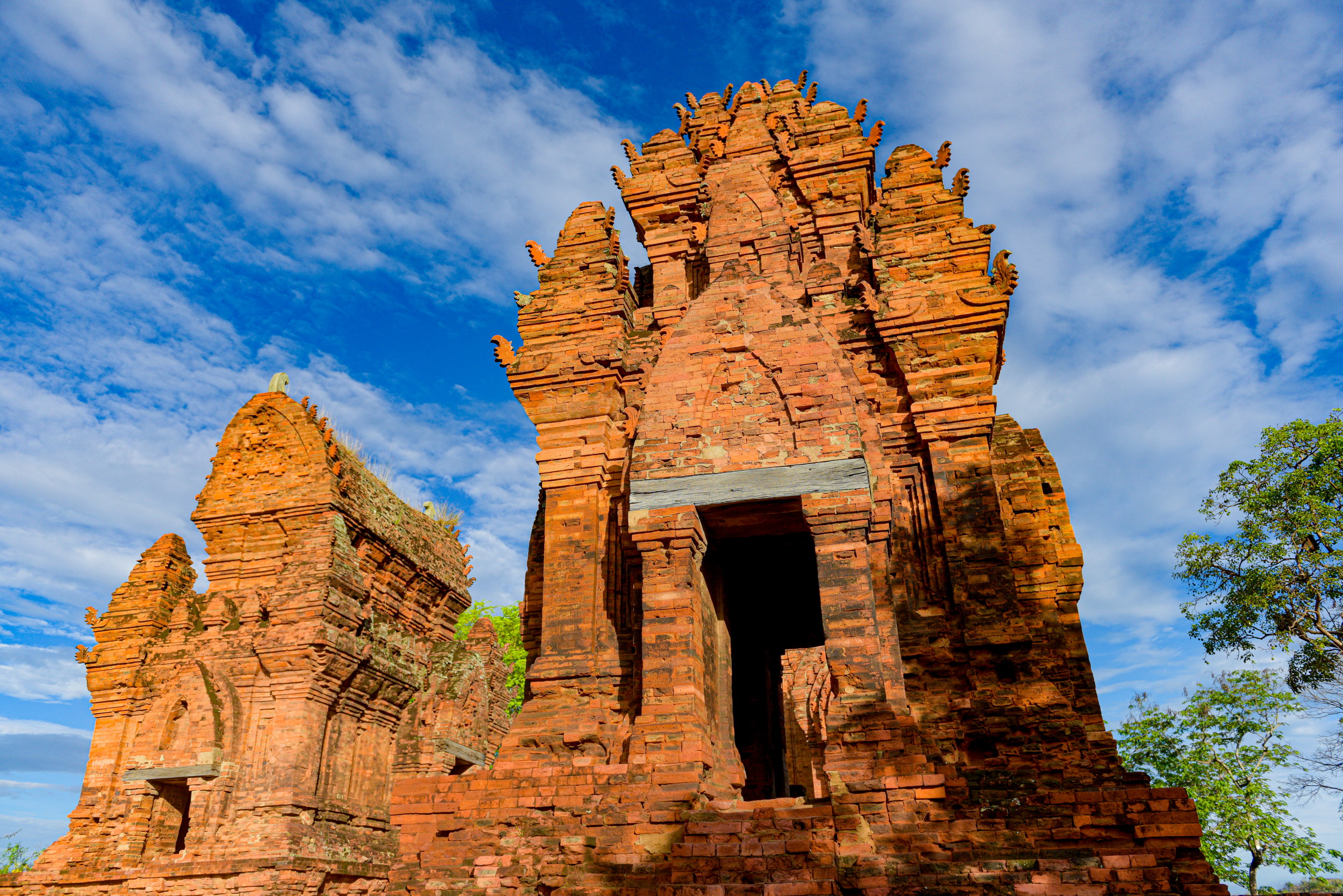
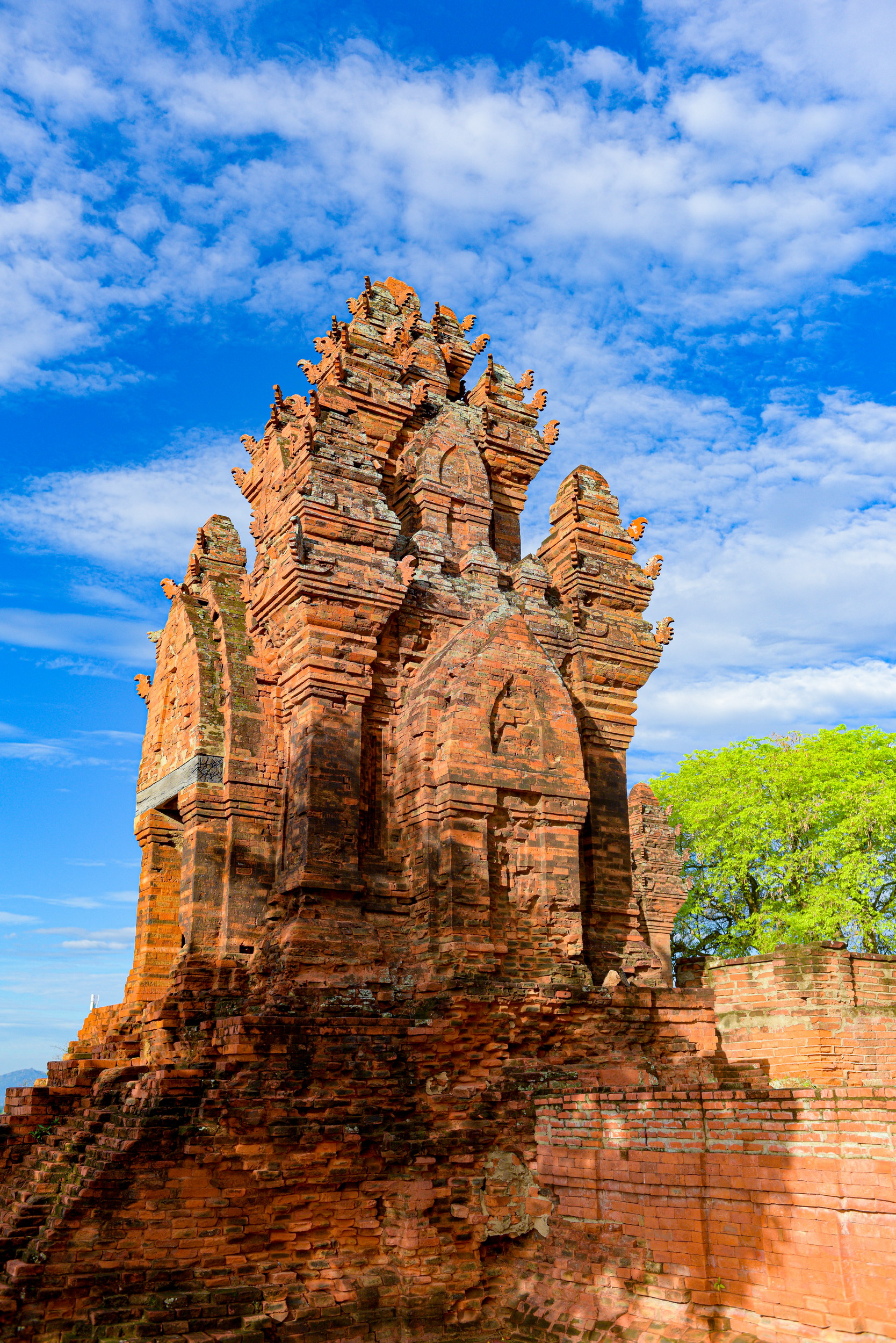
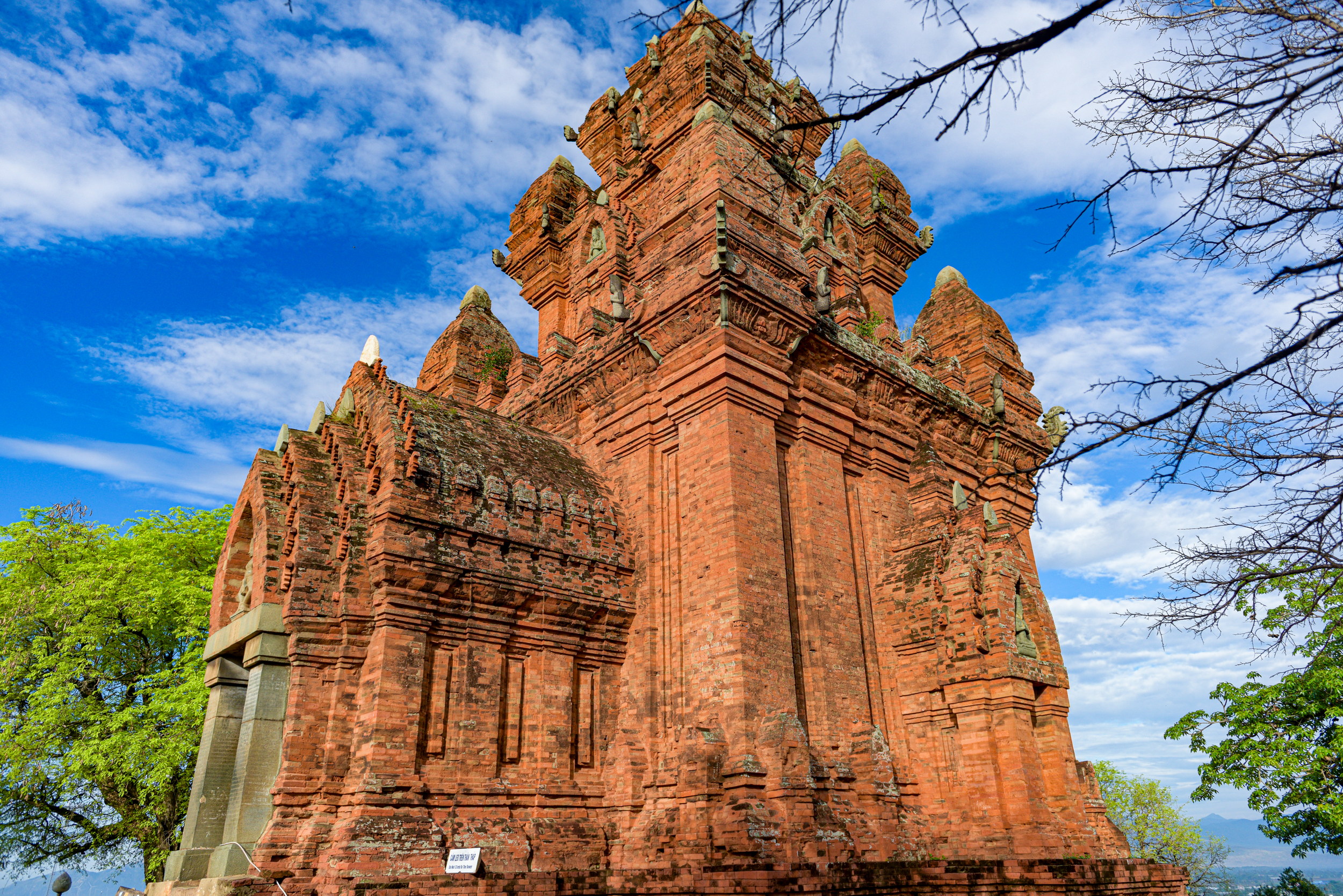
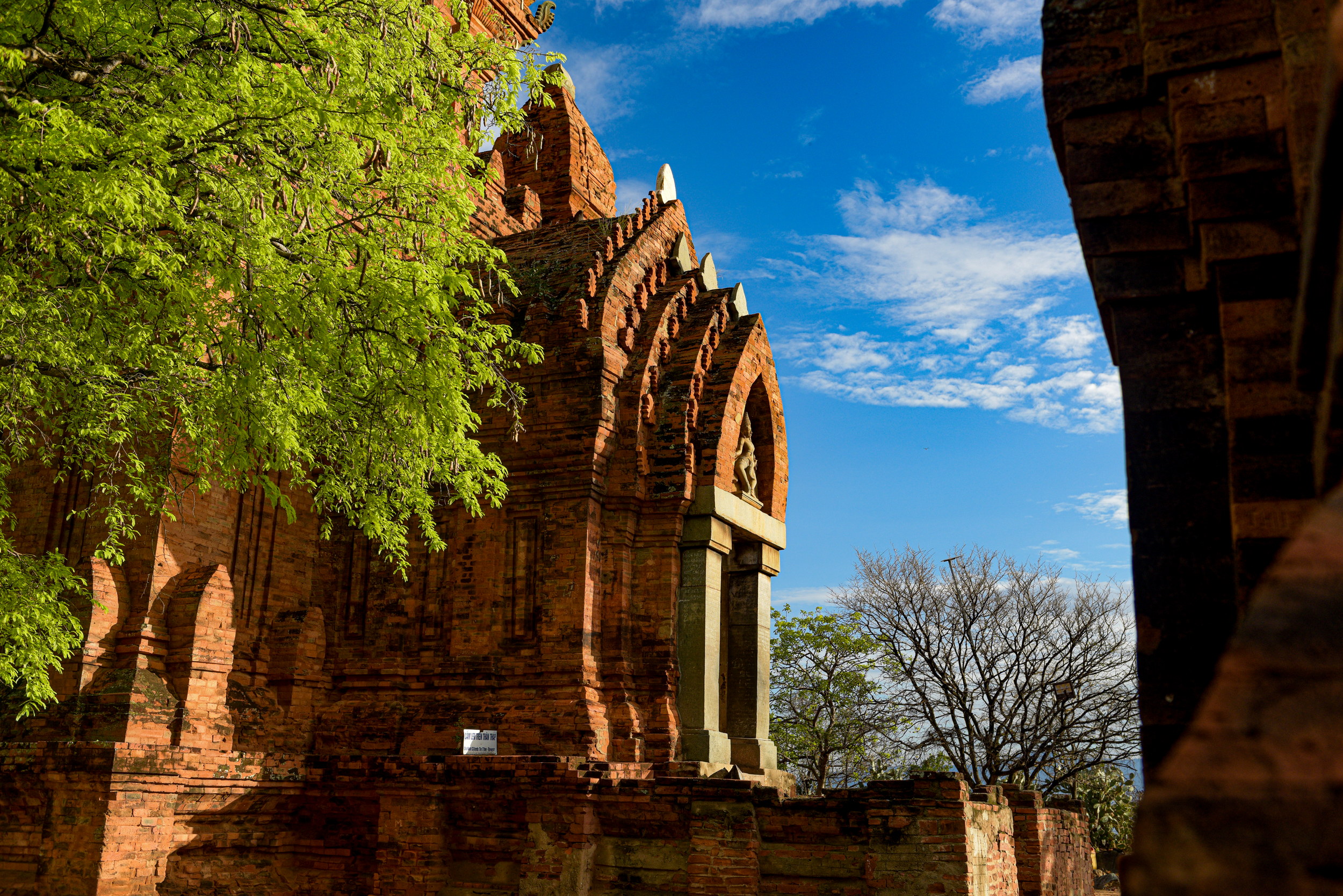
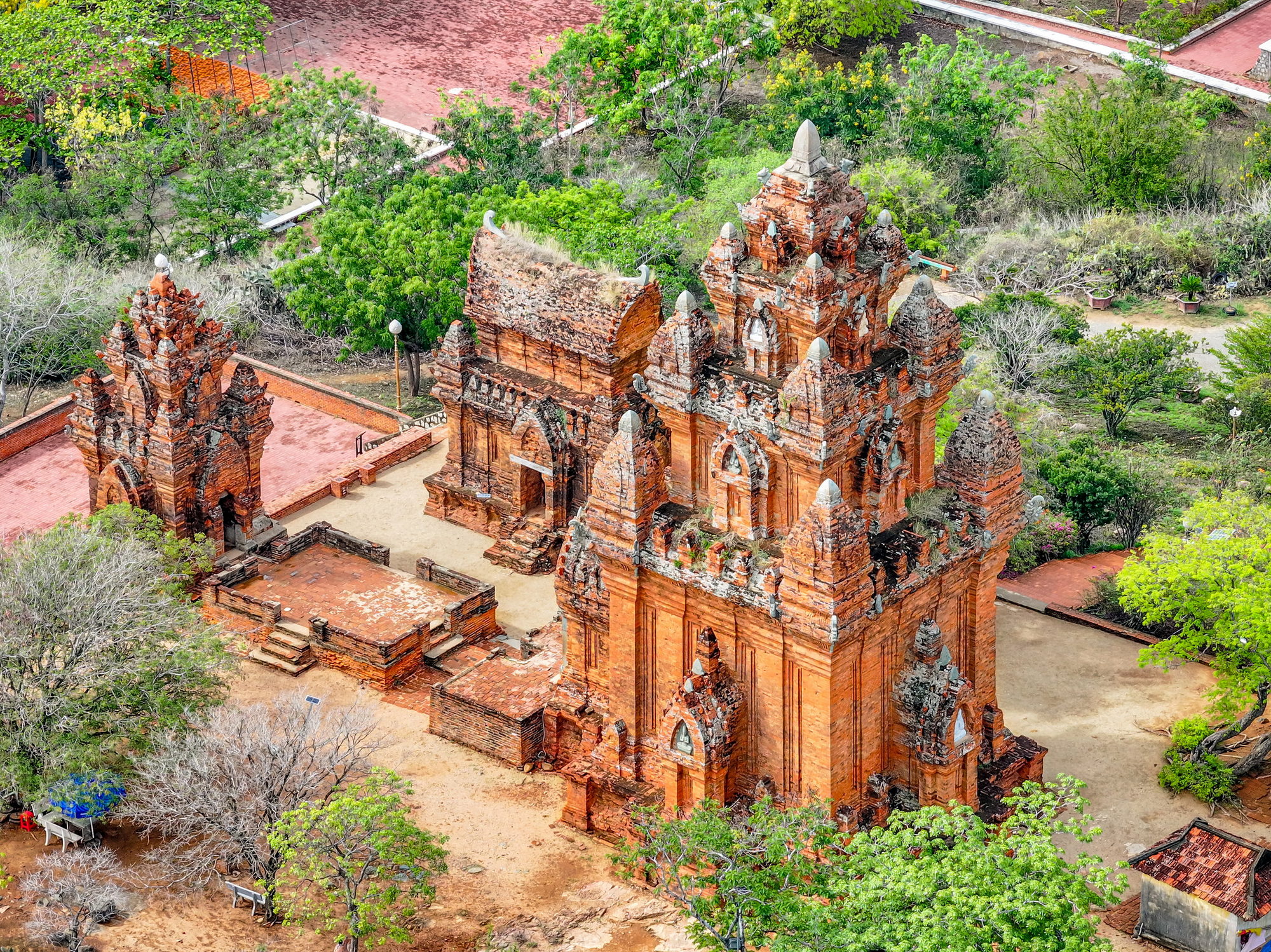
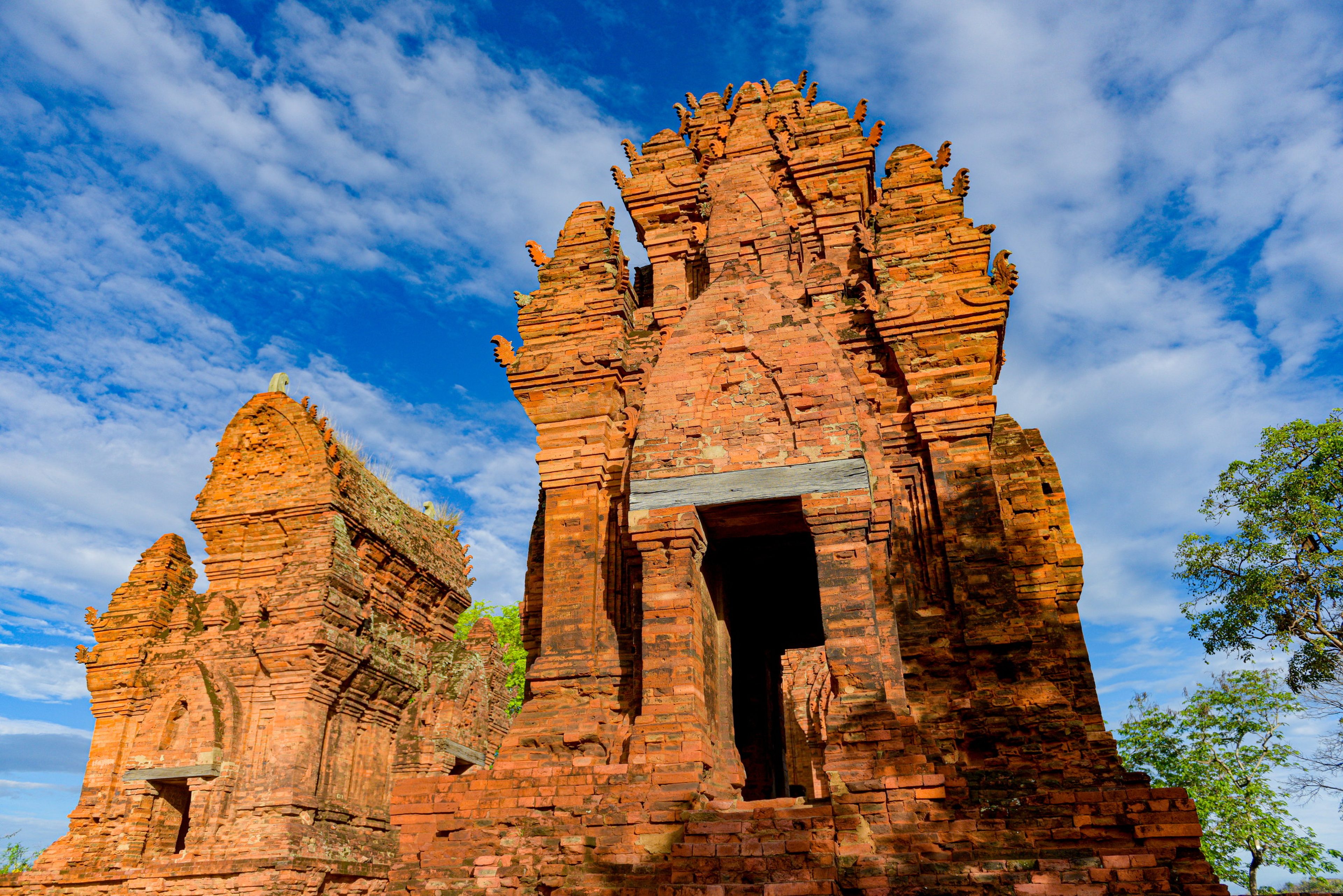
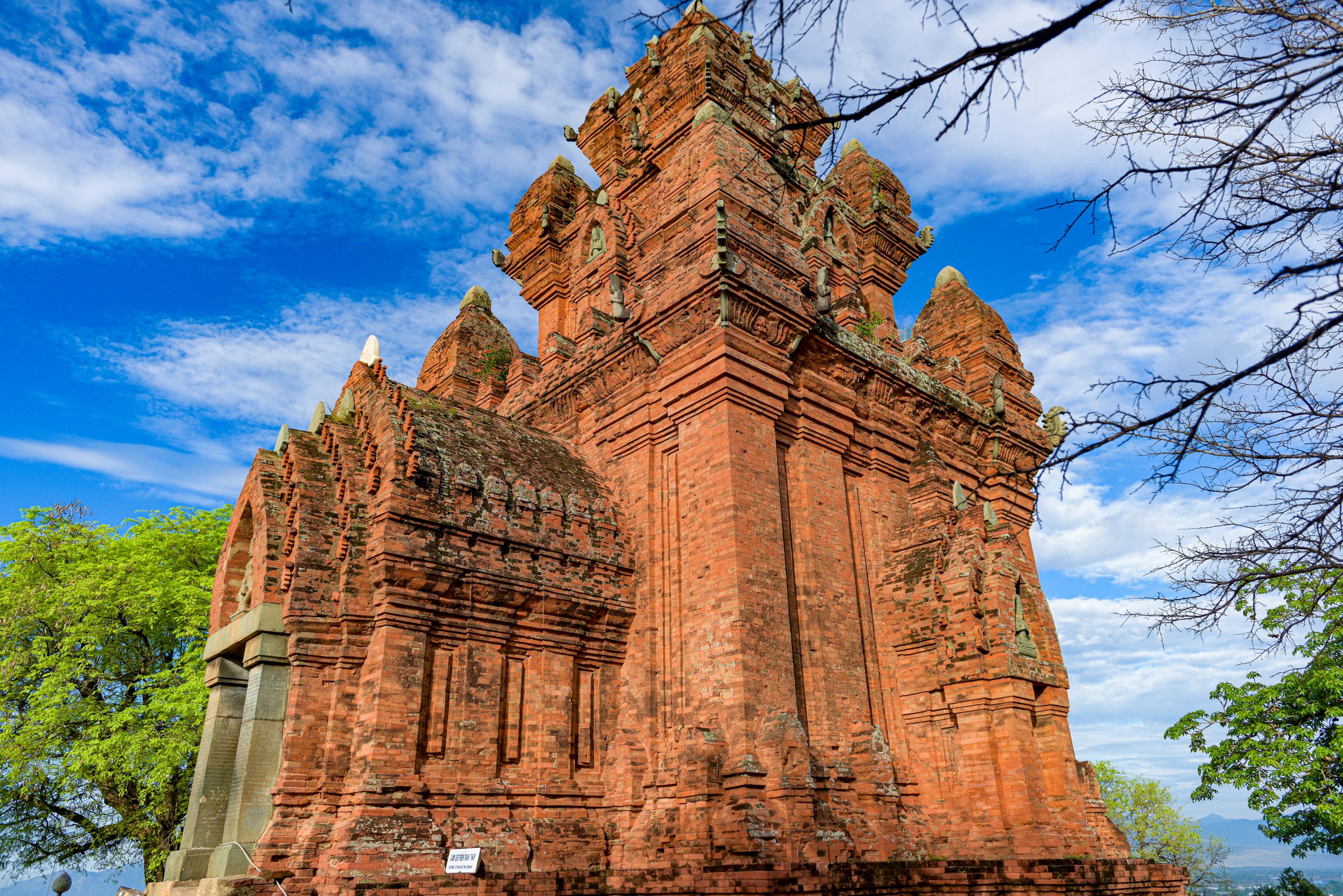
As a tower dedicated to the god Shiva, and later to Po Klong Garai, it was built at the center of the hill and is the largest in scale. The tower is 20.50m high (13.80m long; 10.71m wide). It consists of 4 levels, built on a square plan, which is a traditional architectural style, with a rectangular interior oriented East-West and an entrance opening to the East.
Standing before the Main Tower, one can feel the tightly joined surfaces, the pilasters dividing the rhythm, the niches, and the roof layers that create a tight structure. This is where religious value, art, and community memory converge.
The Gate Tower and the Fire Tower
Two small structures that dictate the rhythm of the whole
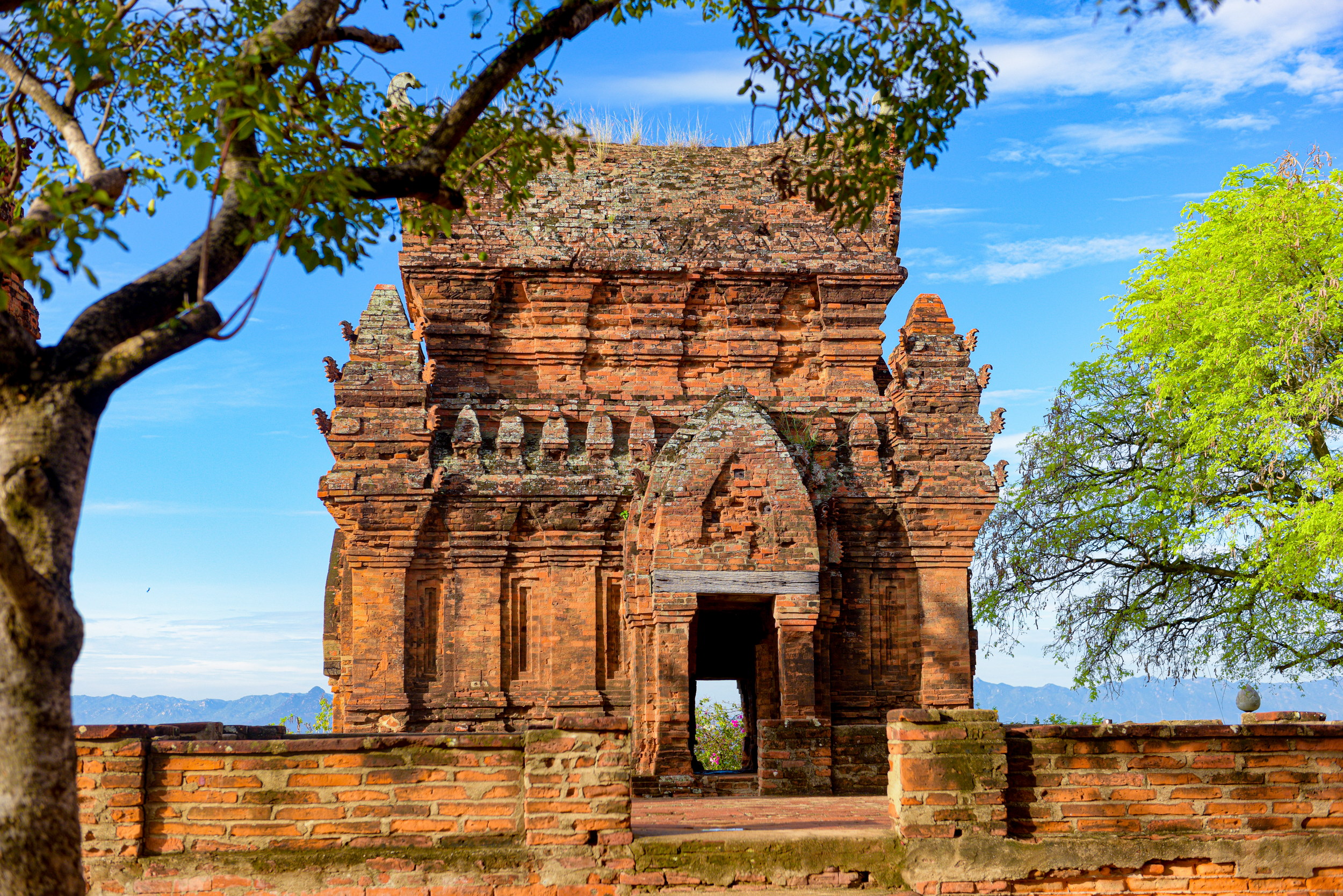
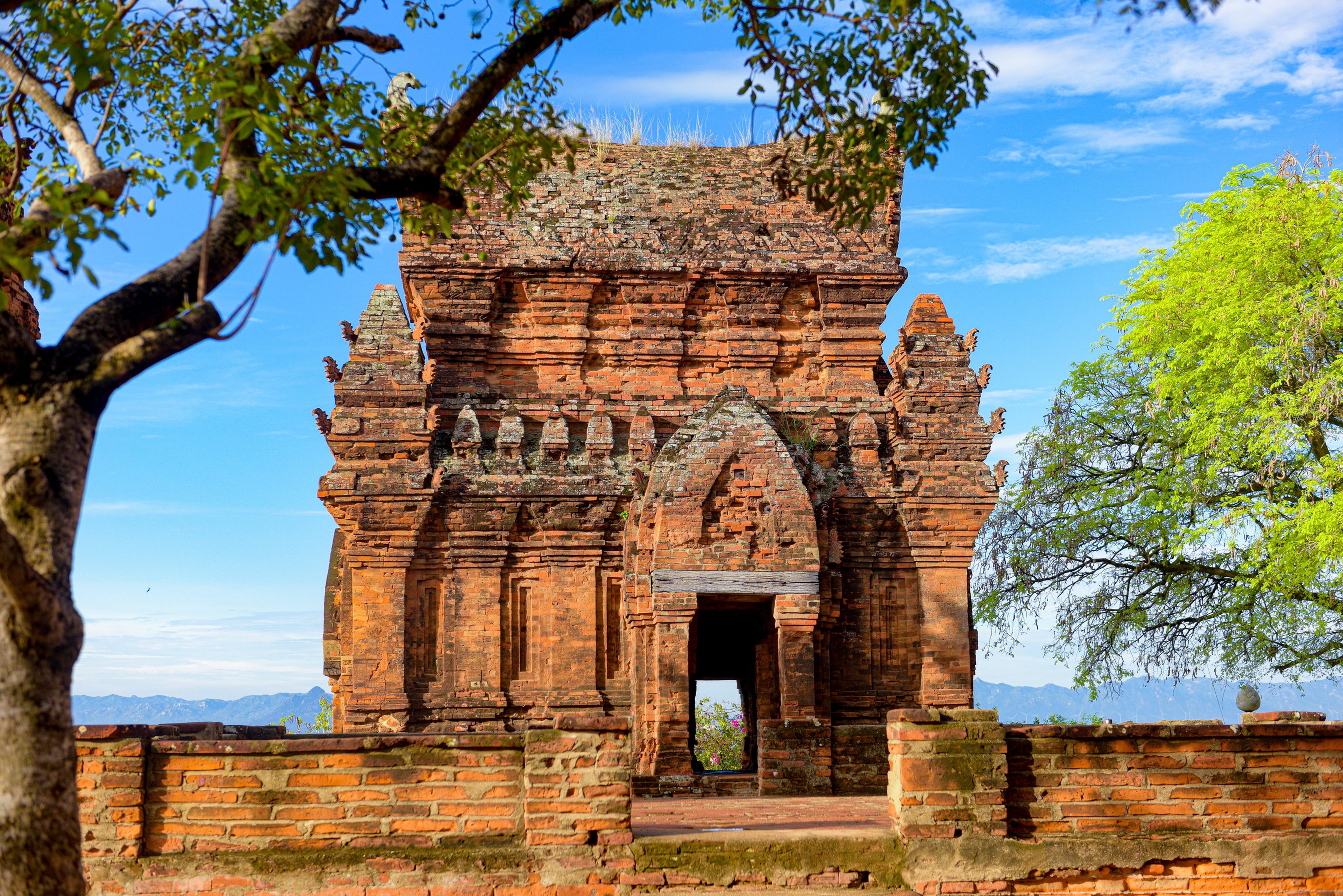
The Gate Tower sits opposite the Main Tower, has a square plan, faces East, and is a miniature version of the Main Tower. It is 8.65m high (5.10m long; 4.85m wide), with two doors connecting in an East-West direction. The tower is also built according to the principle of tapering upwards, similar to the Main Tower.
Meanwhile, the Fire Tower is located to the South to worship the god of Fire; it has a boat-shaped curved roof, which is completely different from the shape and structure of the Main and Gate Towers. The tower is elongated in an East-West direction, has a rectangular plan, and is 9.31m high (8.18m long; 5.00m wide). The tower has three doors connecting in three directions—East, South, and North—with the South side being a window. The outer wall surface is decorated with pilasters: 5 columns on the long wall and 3 columns on the short wall, though there is no decorative figure at the base. The pilasters at the wall corners protrude more than those on the Main and Gate Towers, the column bases are of a simple molded type, and the tower has 2 small levels on top.
The statue of King Po Klong Garai
Where royal power meets divine power
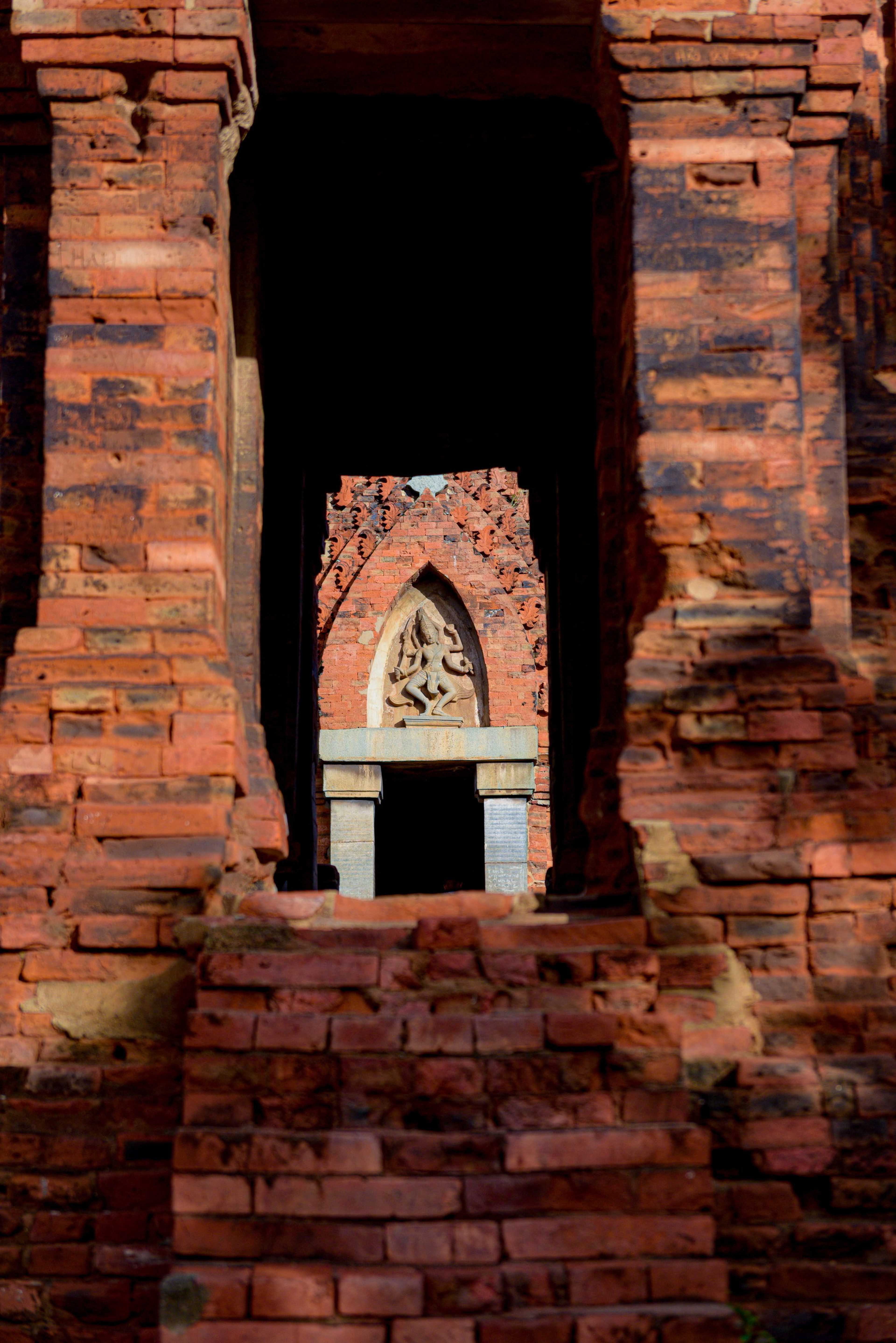
The Mukhalinga Po Klong Garai statue: The statue of Po Klong Garai is crafted upon a Linga-Yoni, a symbol of the god Shiva's creation, and is worshipped inside the main Po Klong Garai tower. This is a unique original artifact, a sculpture skillfully and uniquely expressed by the artisan as a Mukhalinga, but with the head carved in the shape of a king's face attached to the Linga—an abstract image of the God Shiva combined with the image of a majestic and creative king.
The perfect combination of the two elements of divine power and royal power united can only be found in the Po Klong Garai statue. With these factors, the Po Klong Garai statue was recognized as a National Treasure by Decision No. 73/QD-TTg dated January 18, 2024.
When Trau Hill awakens during the Kate season
The ancient tower returns to the rhythm of Cham community life
Po Klong Garai Temple is the center of religious ceremonies for the Cham people in the region. Among these, Po Klong Garai Temple is the site where the largest and most significant festival is held.
Many rituals take place annually, such as: the Temple Opening Ceremony (Peh Bimbeng Yang); the Rain Prayer Ceremony (Yuer Yang); the Kate Festival; and the Offering Ceremony to the Mother Goddess Po Ino Nogar (Cambur). Among these, the most prominent and attractive event is the Kate Festival. The Cham people organize the Kate festival to worship deities such as Po Klong Garai, Po Rome, and others, and to commemorate the ancestors and the heavens and earth that have protected and blessed them. The Kate festival takes place in a large space, and it is held during the first moon of the 1st month of the Cham calendar (around October of the solar calendar) and lasts throughout the month, which is why the Cham people often call it Bilan Kate (Kate month).