

Nha Trang Institute of Oceanography – The door to Vietnam's ocean world
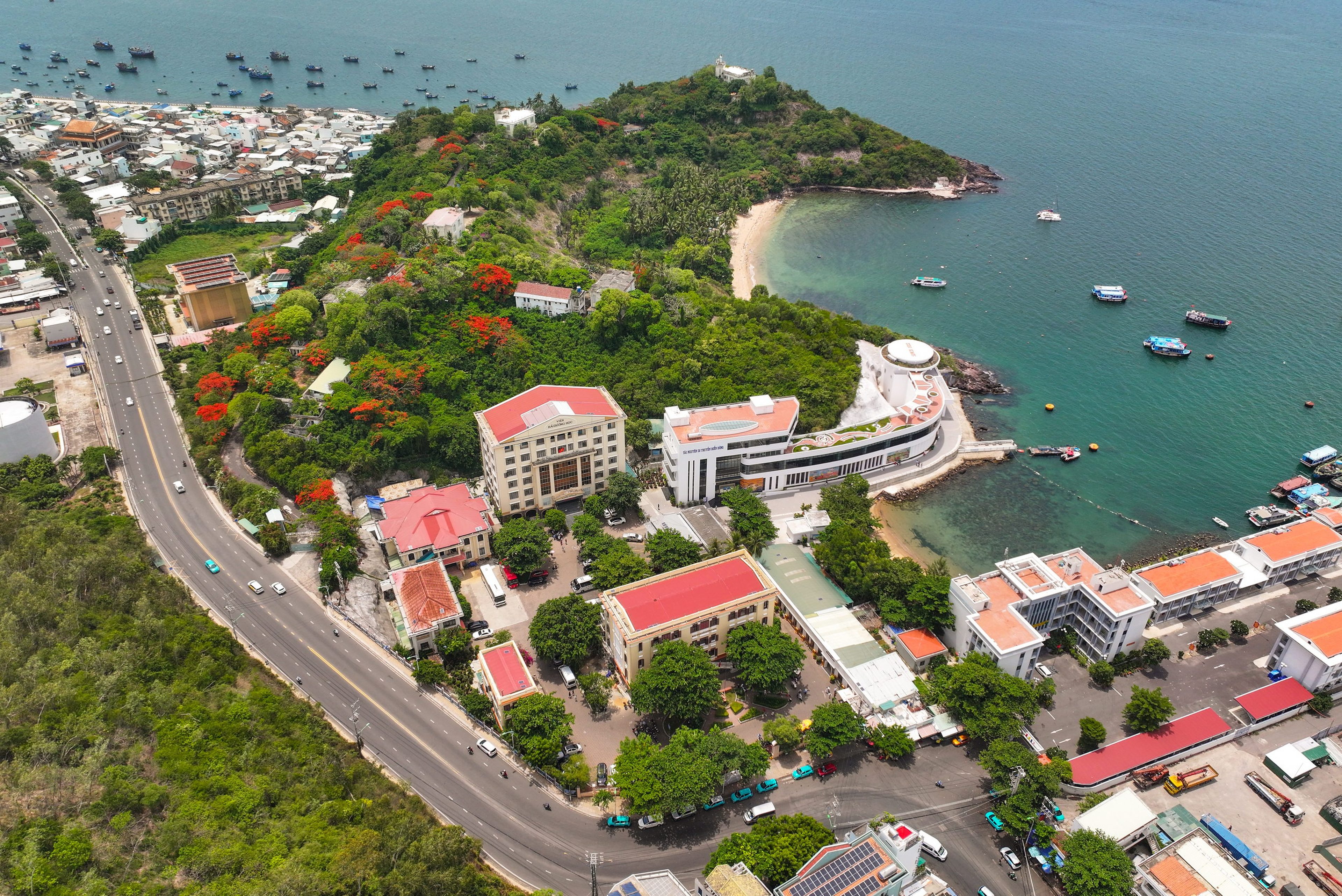
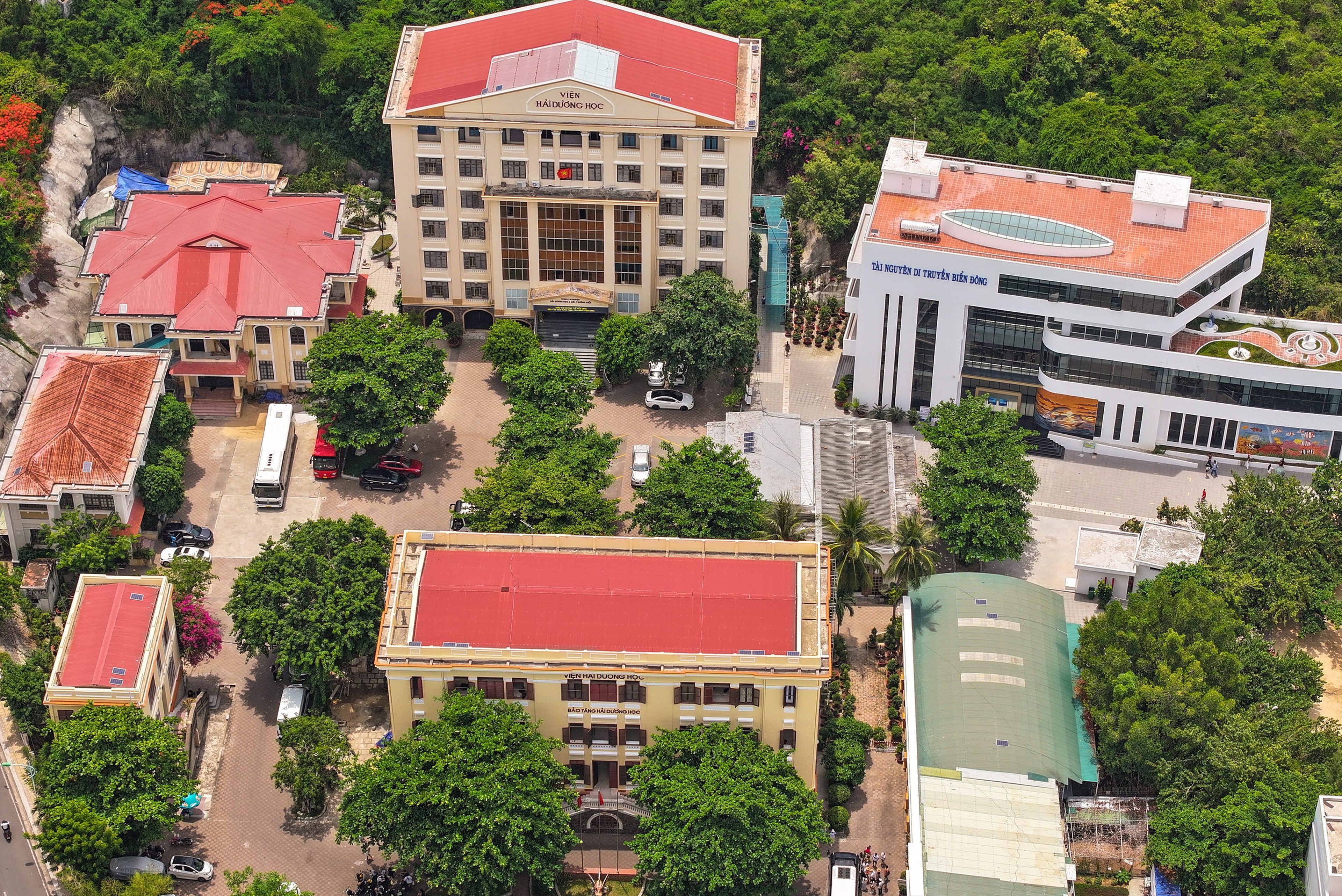
In the middle of the coastal city of Nha Trang, where the blue sea and tourism culture blend into a vibrant rhythm of life, the Nha Trang Institute of Oceanography is a special destination: it is both a marine scientific research facility with a history spanning over a century and an engaging educational and sightseeing space for tourists, students, and those who love marine nature. The Institute is currently located at 01 Cau Da Street, Nha Trang Ward, Khanh Hoa Province, and is under the Vietnam Academy of Science and Technology.
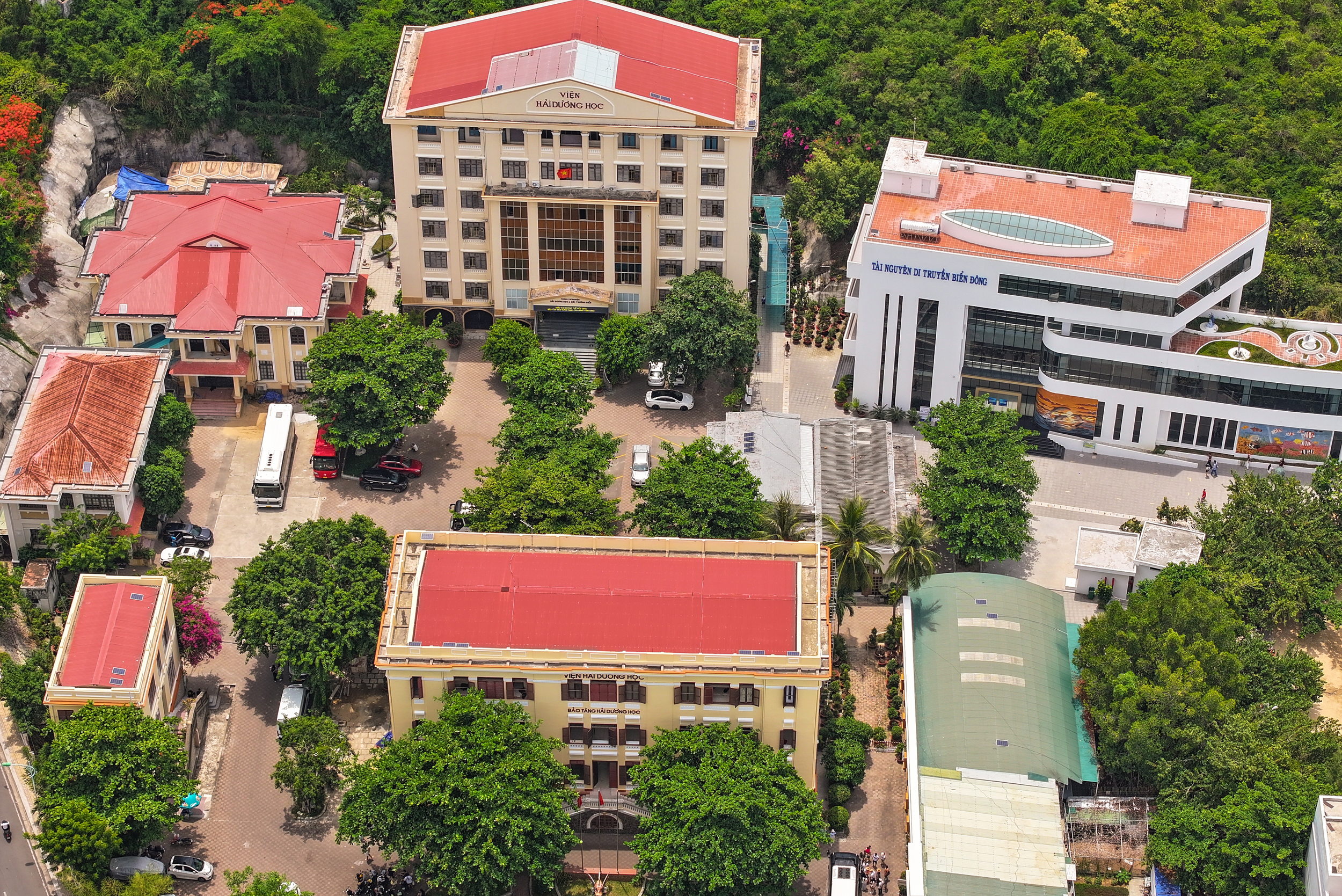
The Institute of Oceanography was formerly the Indochinese Oceanographic and Fisheries Service, established on September 14, 1922. In 1930, this facility was upgraded to the Indochinese Institute of Oceanography. From its very early years, the Institute conducted many important marine surveys, expanding its research scope to the Gulf of Thailand, the Gulf of Tonkin, the Paracel Islands, the Spratly Islands, and many other sea areas; notably, before 1930, it carried out systematic surveys at over 572 stations, including fixed stations at Cau Da and the Paracel Islands.
Through many historical stages, from the Nha Trang Oceanographic Institute and the Institute of Marine Research to today's Institute of Oceanography, this place has become an important research center for natural conditions, ecosystems, biological resources, the marine environment, marine geology-geomorphology, and issues related to the East Sea (South China Sea). According to the Institute's information, research results throughout its history of development have provided significant basic scientific data on marine circulation, monsoon regimes, seabed topography, continental shelf geology, marine ecosystems, biological resources, and practical issues serving resource exploitation, environmental protection, and contributing to the defense of sovereignty in the East Sea.
Leading marine research center in Nha Trang
Beyond being a sightseeing spot, the Institute of Oceanography is first and foremost a scientific research agency. The Institute is tasked with basic research, fundamental surveys, technology development, and training high-level human resources in the field of oceanography and related disciplines. Currently, the Institute has 9 specialized departments, 2 functional divisions, 3 monitoring stations in Nha Trang, Can Gio, and Kien Giang, along with the Oceanographic Museum; its staff consists of 154 members and experts, including professors, associate professors, doctors, masters, engineers, and science graduates.
This shows that the Institute of Oceanography is a place that combines research, monitoring, conservation, training, and scientific communication. The Institute's research activities not only serve the scientific community but also hold practical significance for managing marine resources, environmental protection, developing the marine economy, educating the public, and raising awareness about Vietnam's sovereignty over its sea and islands.
Oceanographic Museum – A repository of Vietnam's major marine heritage
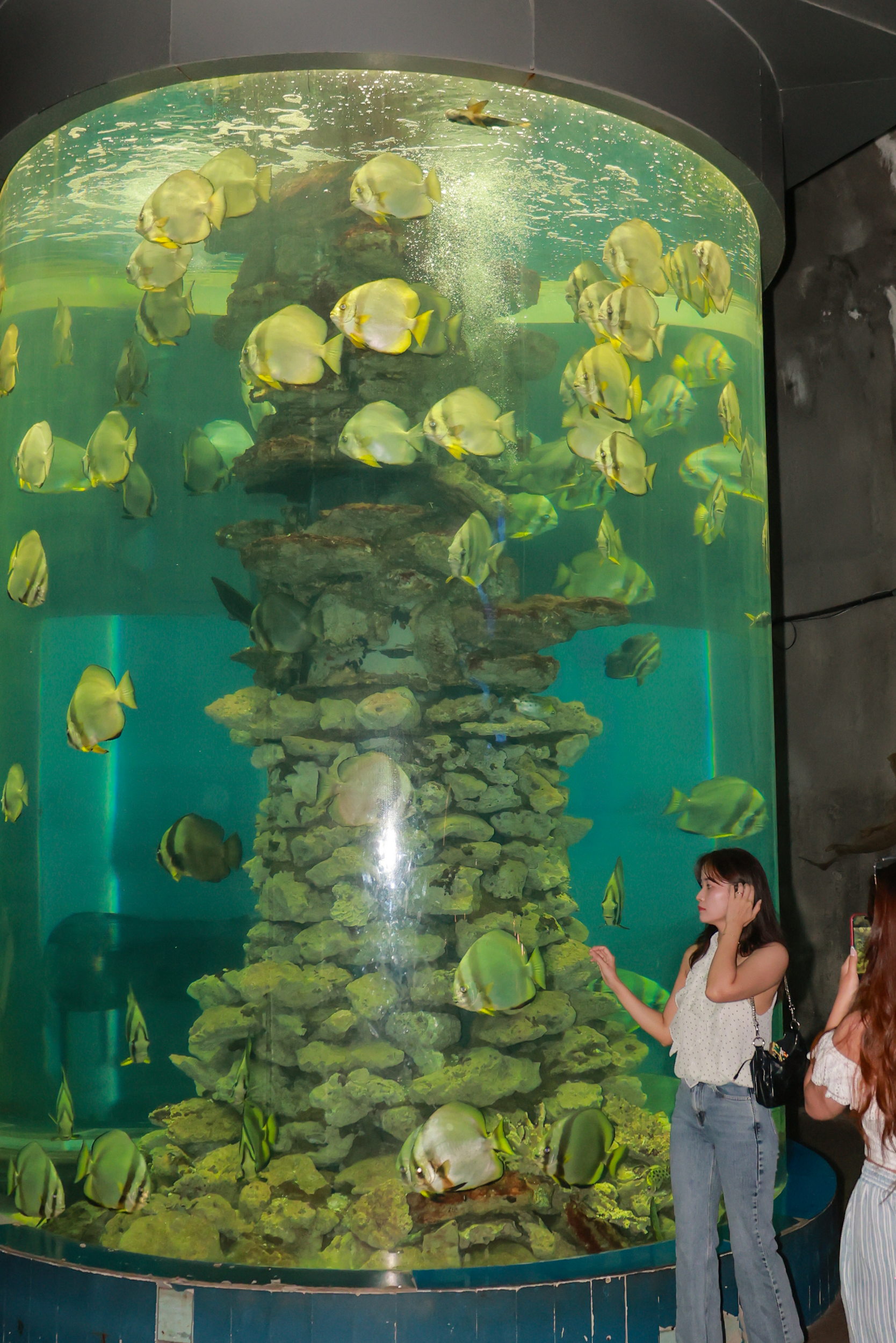
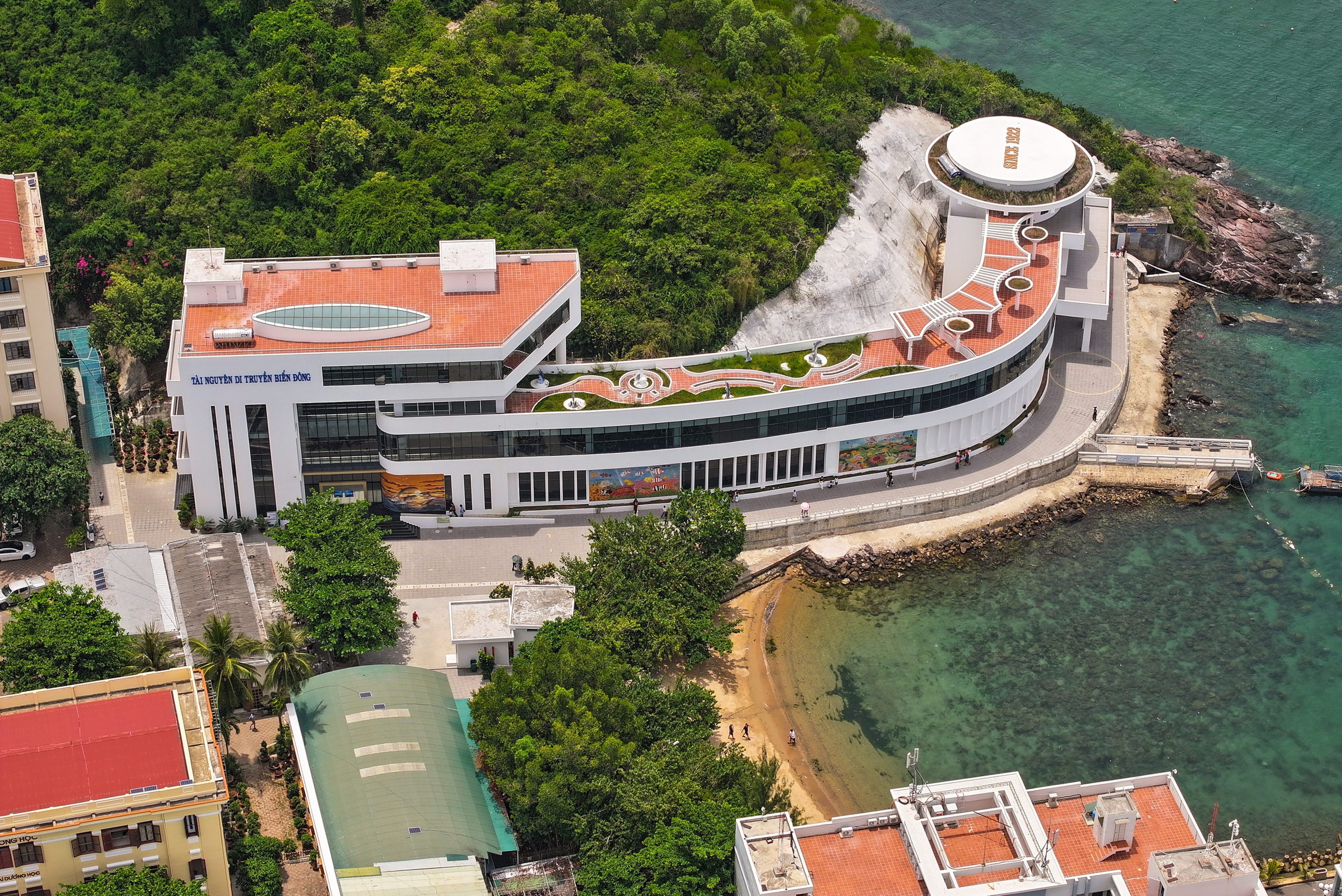
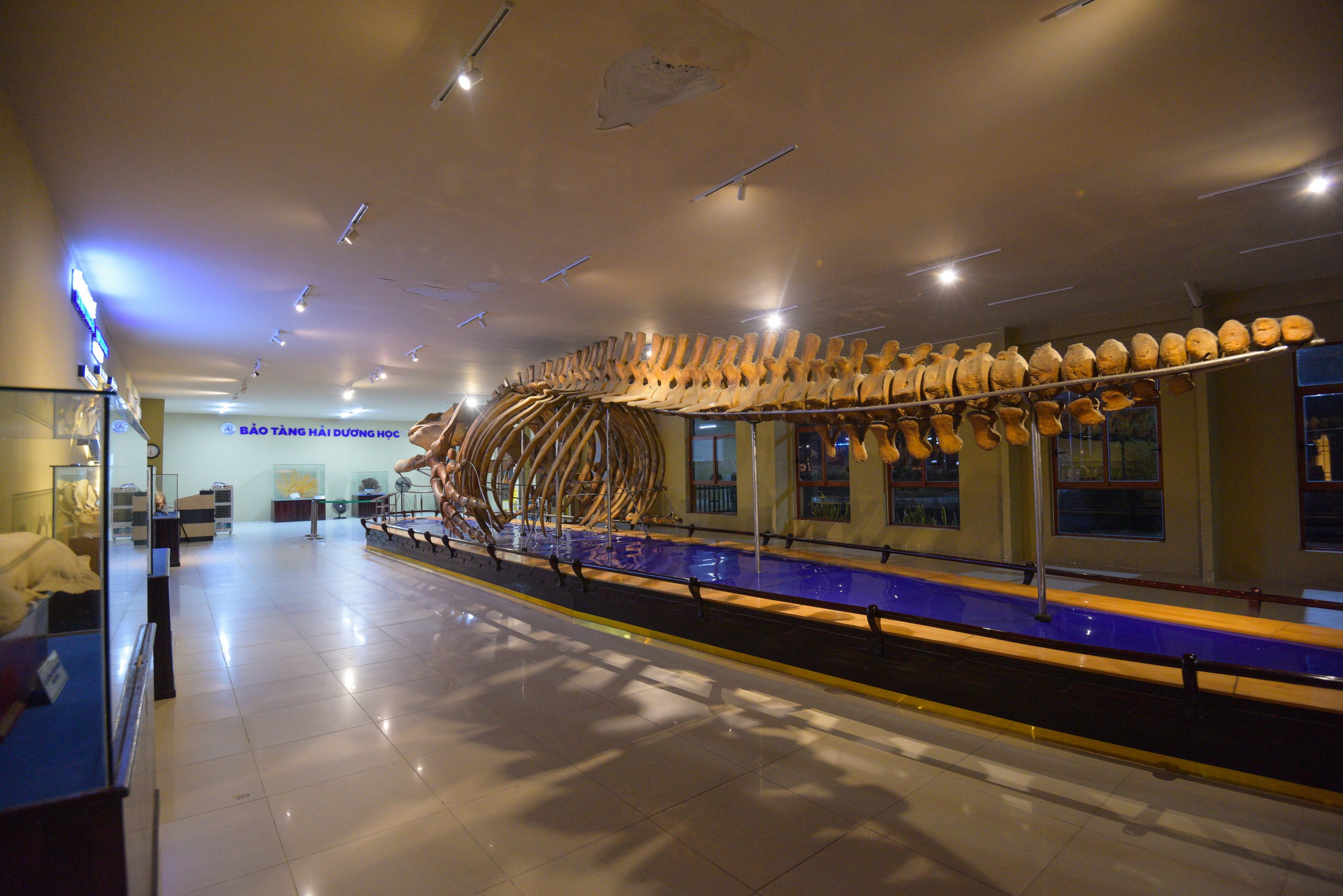
The most popular attraction for visitors within the Institute's grounds is the Oceanographic Museum. According to the Institute of Oceanography, the museum's predecessor was the Marine Biological Museum, built by the French shortly after the establishment of the Indochinese Fisheries Service in 1923. The museum is currently managed, operated, and organized by the Institute of Oceanography.
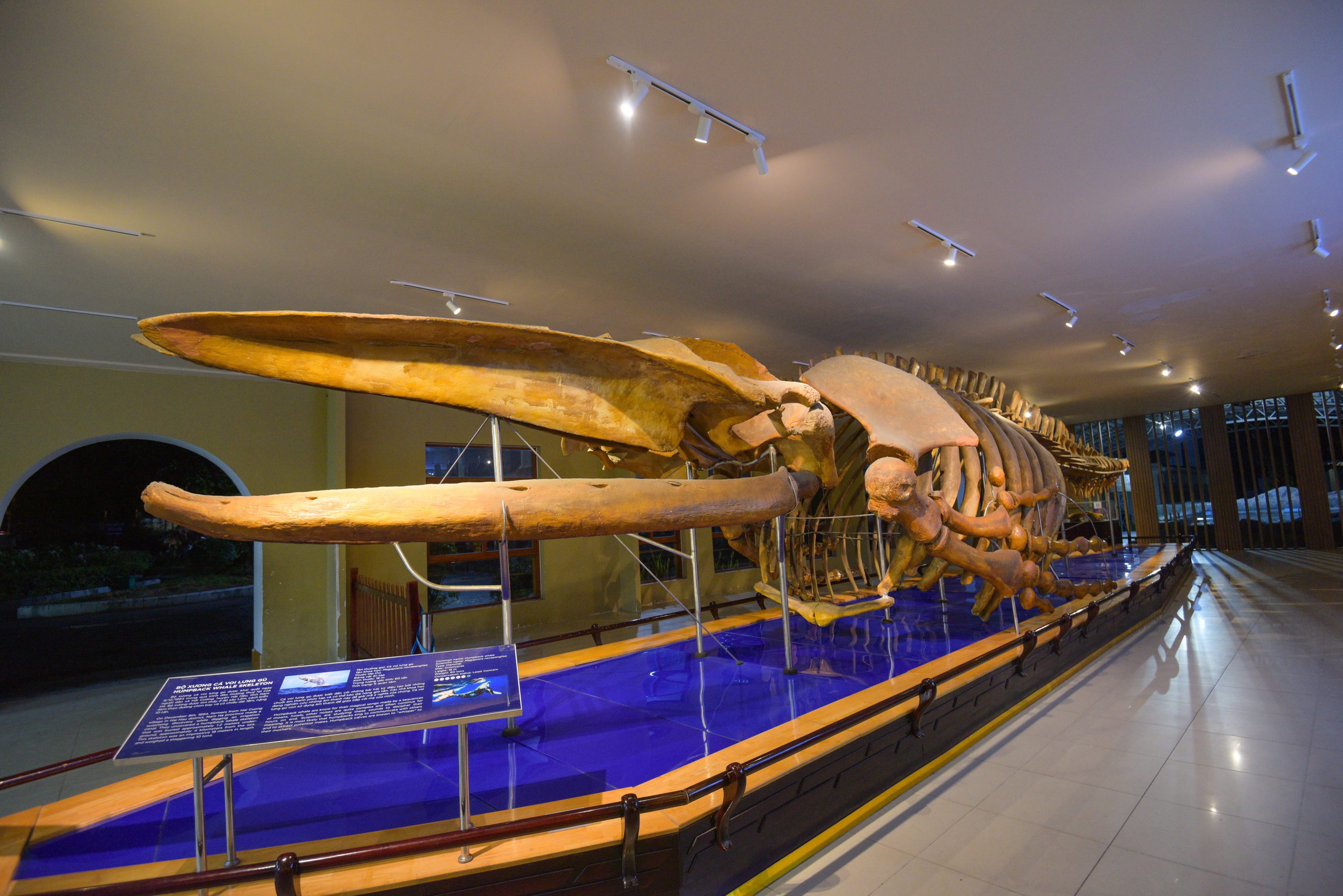
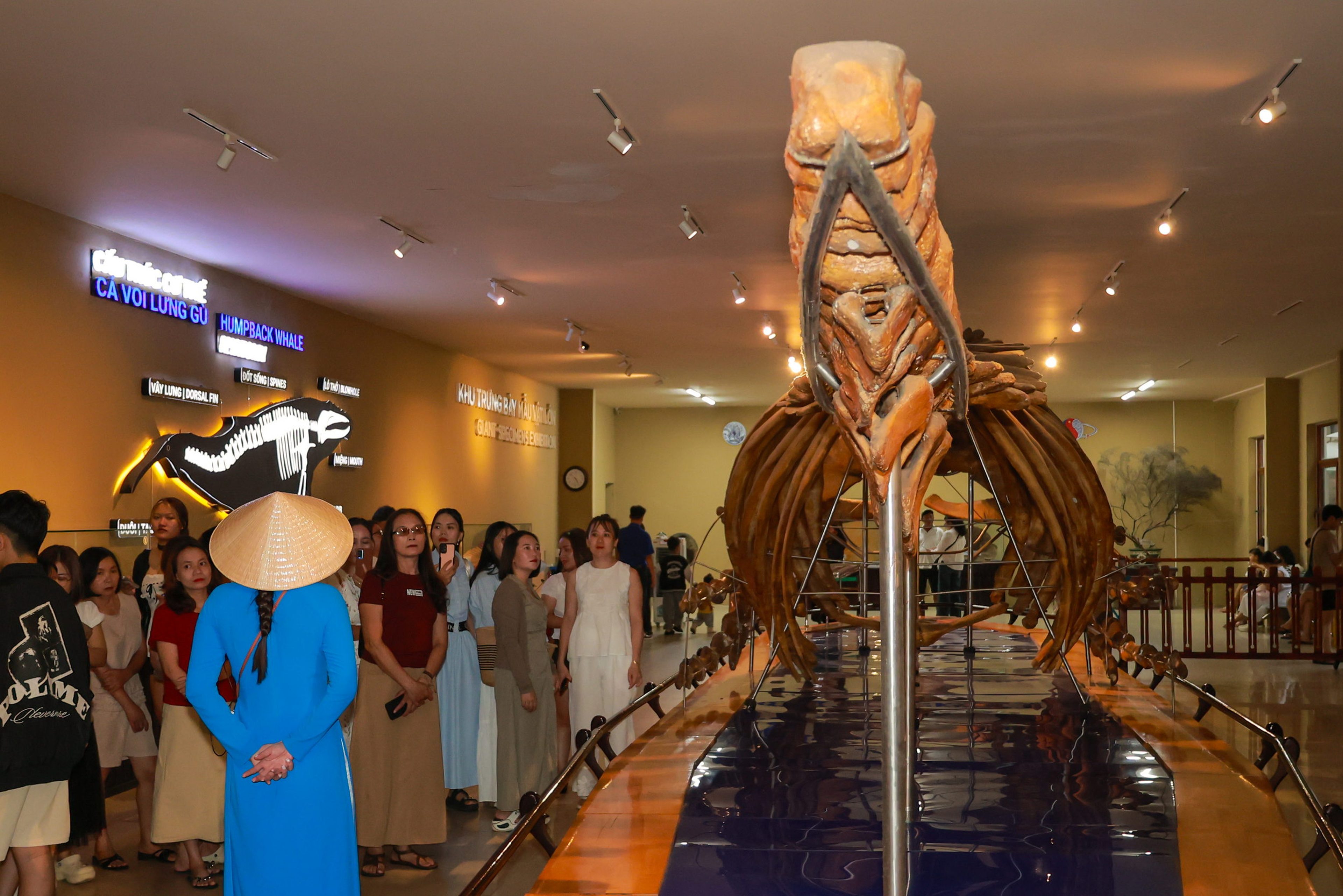
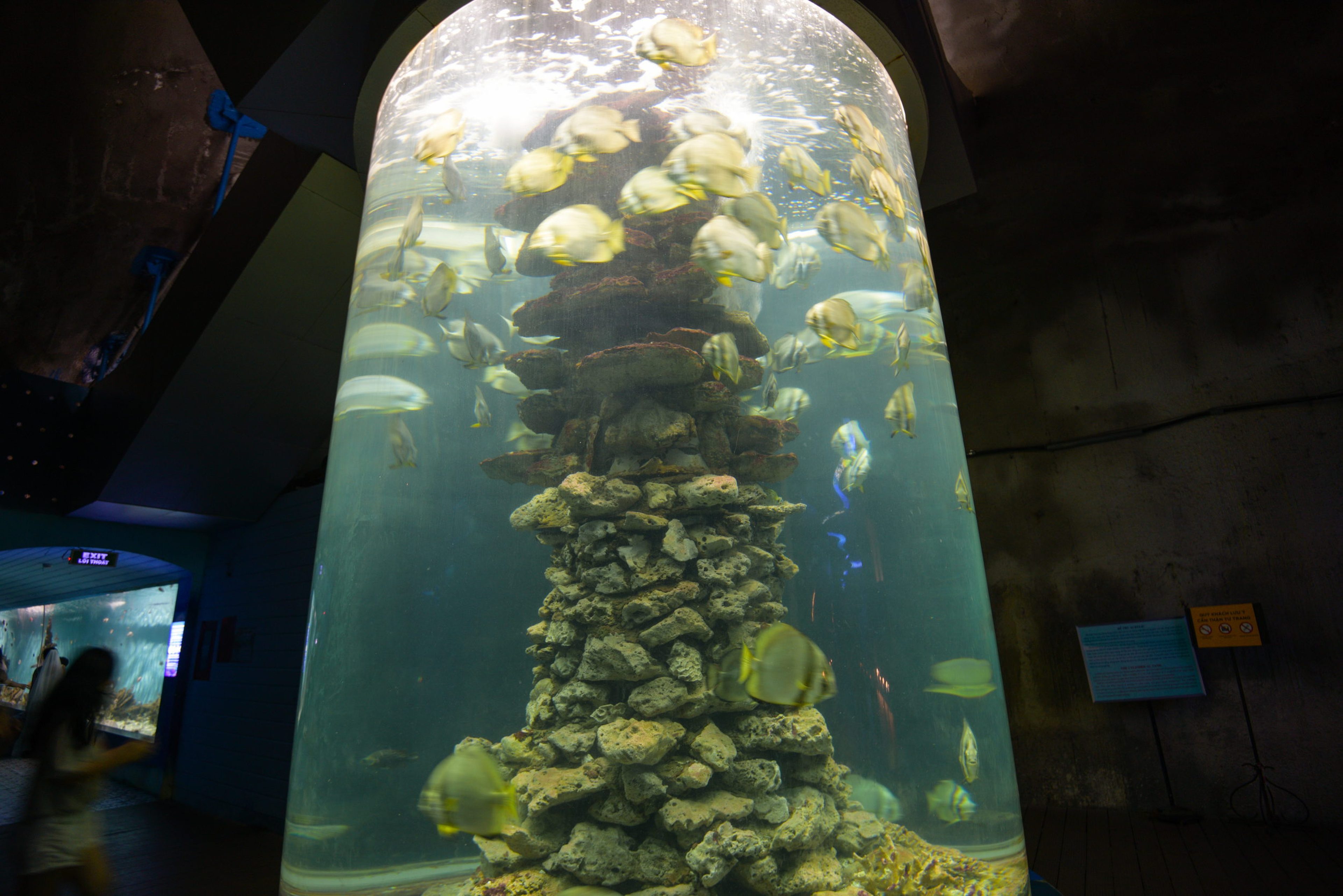
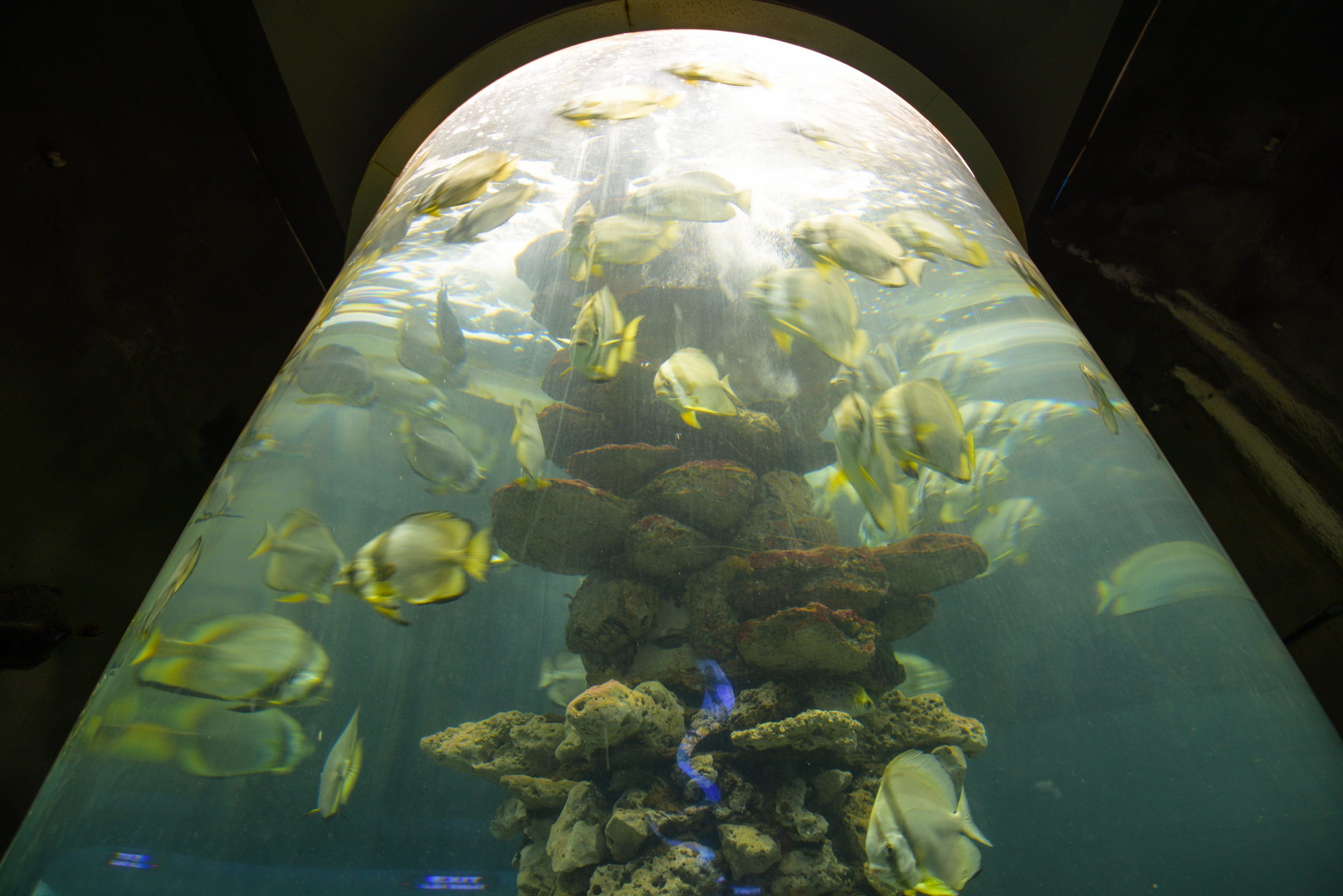
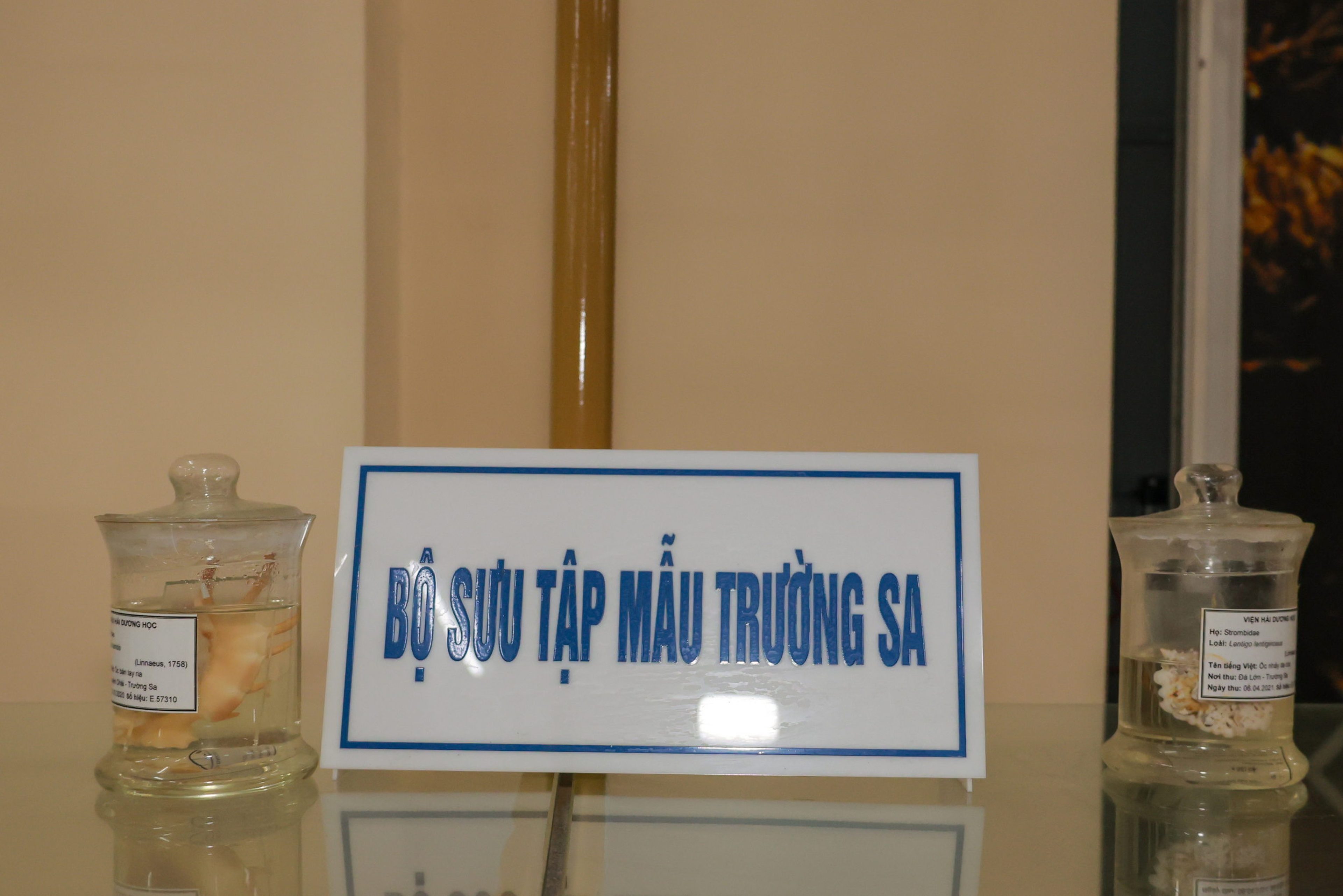
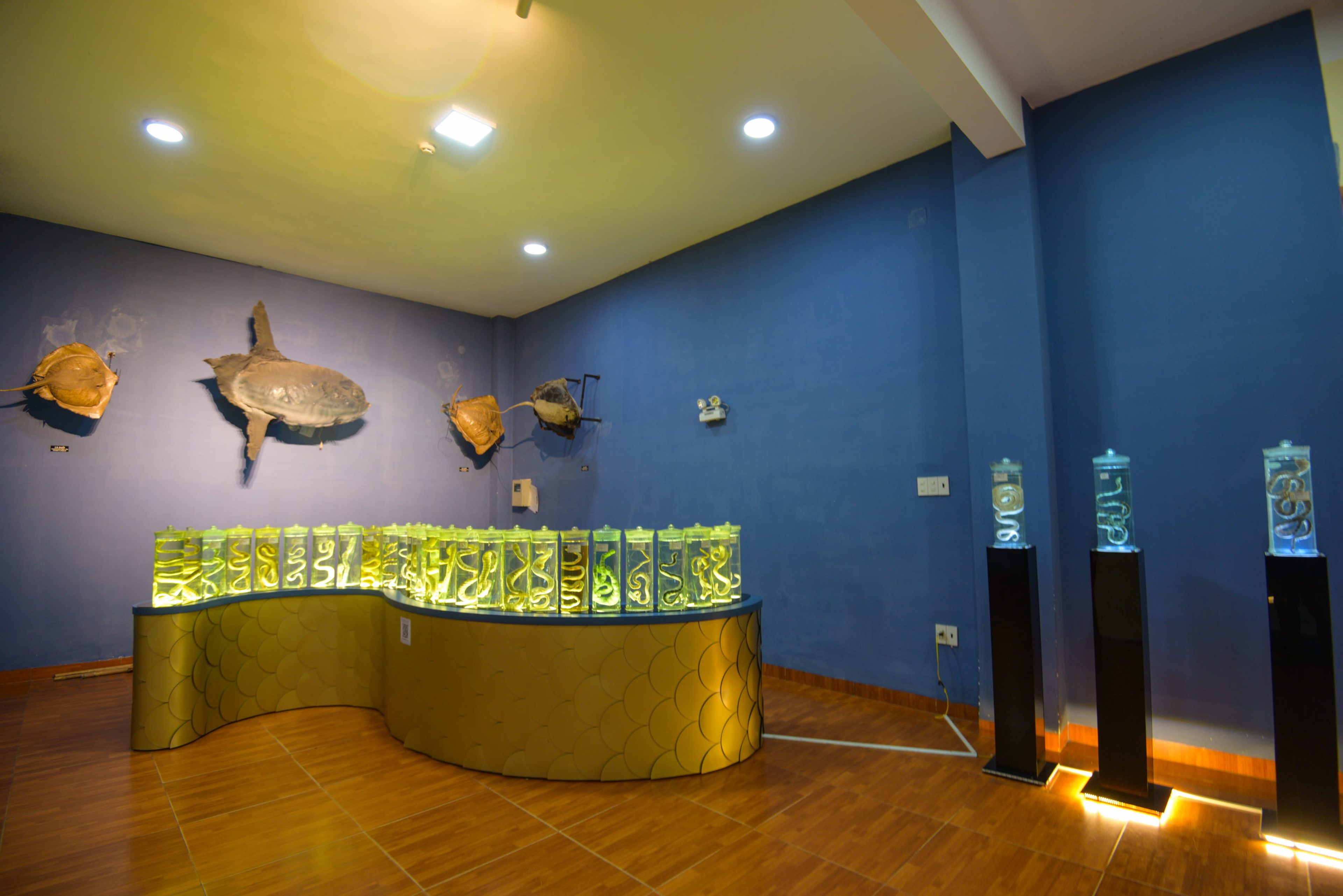
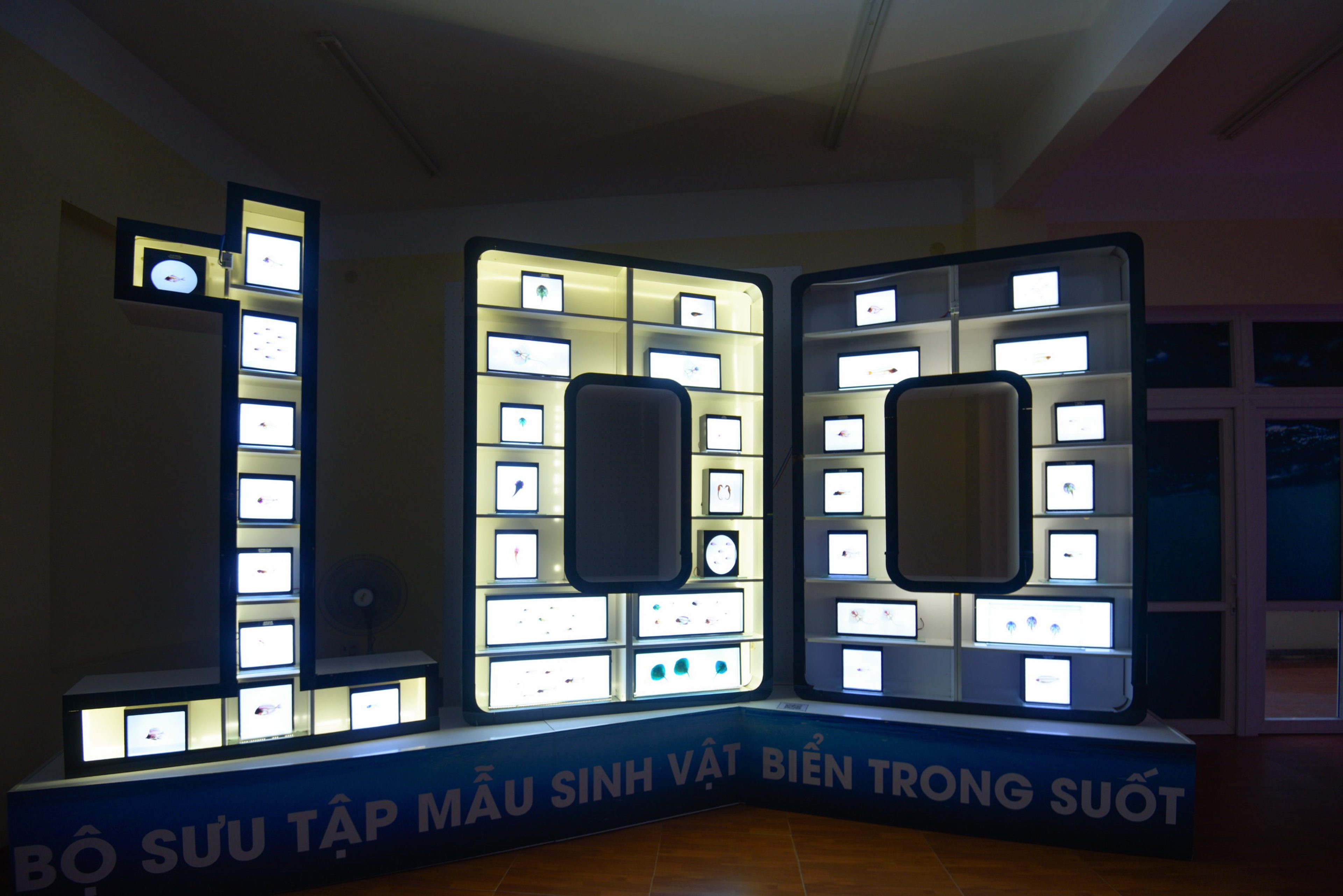
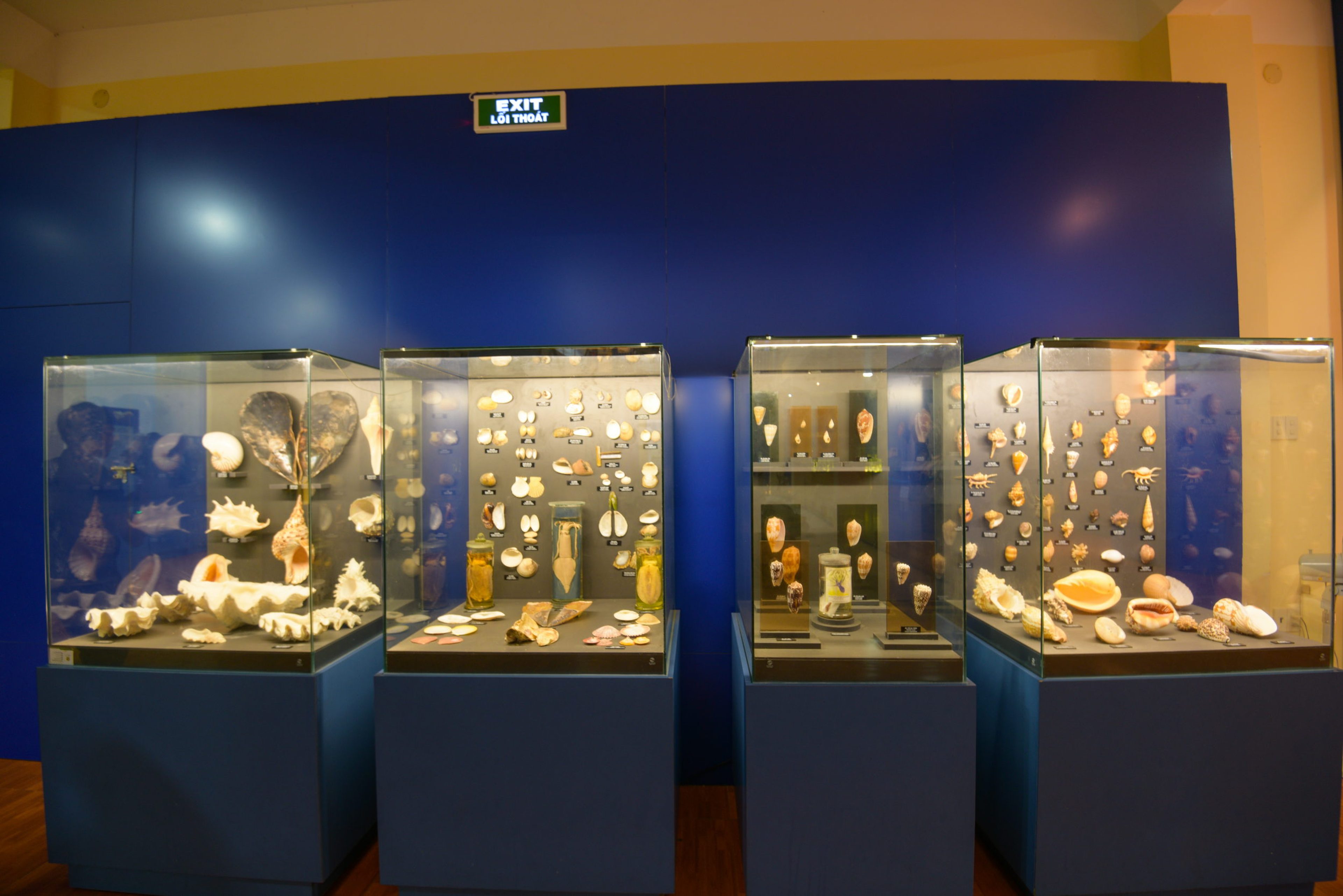
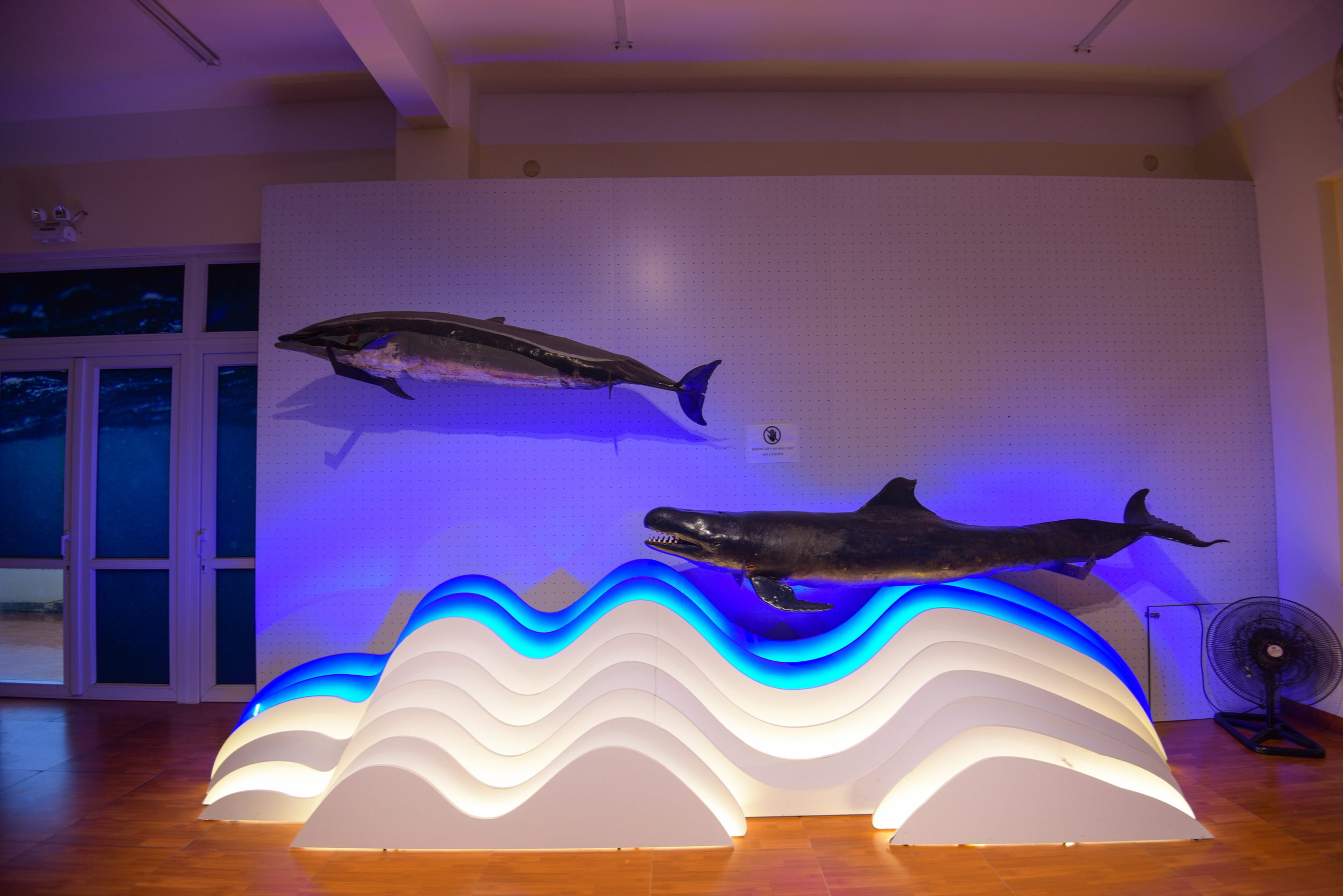
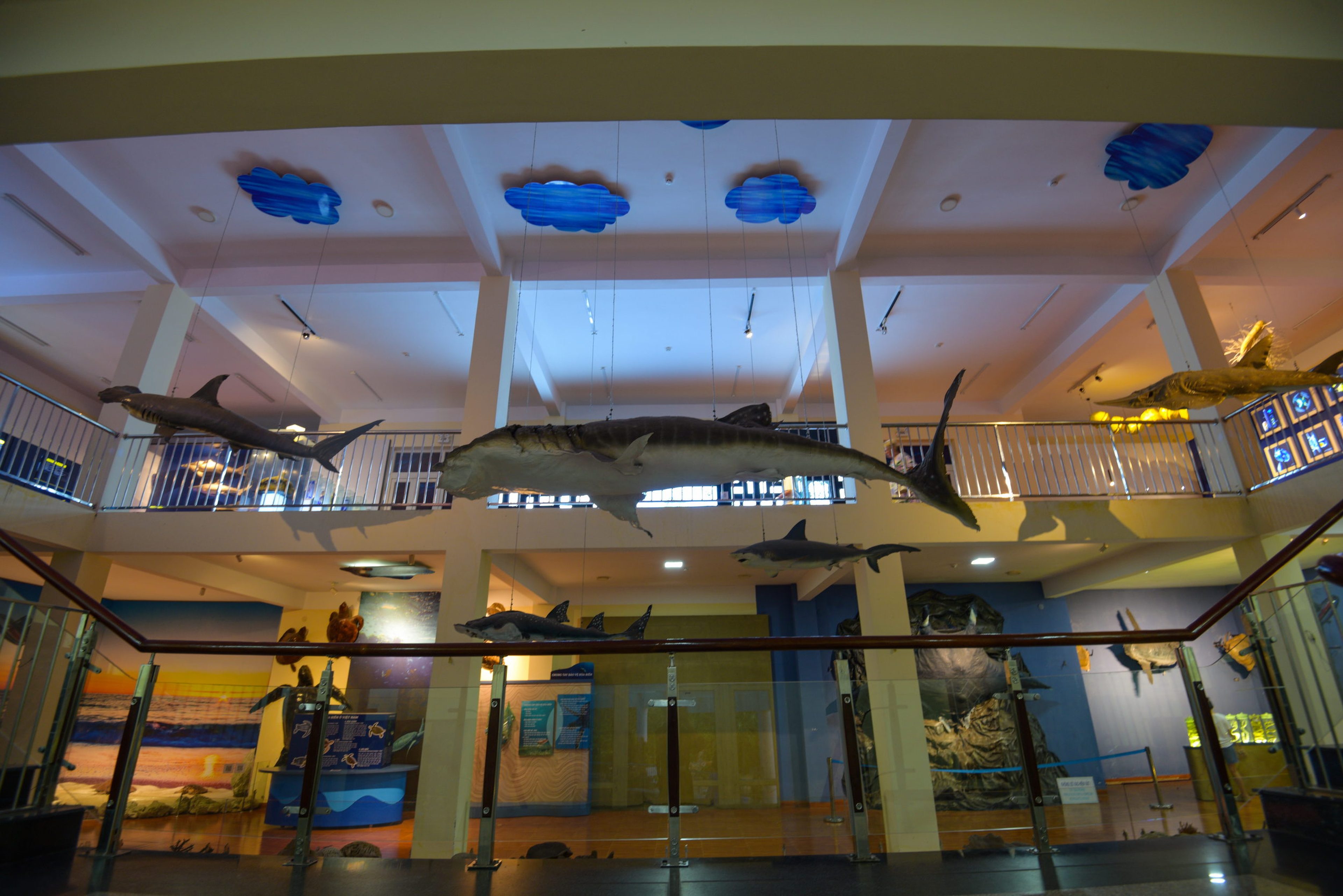
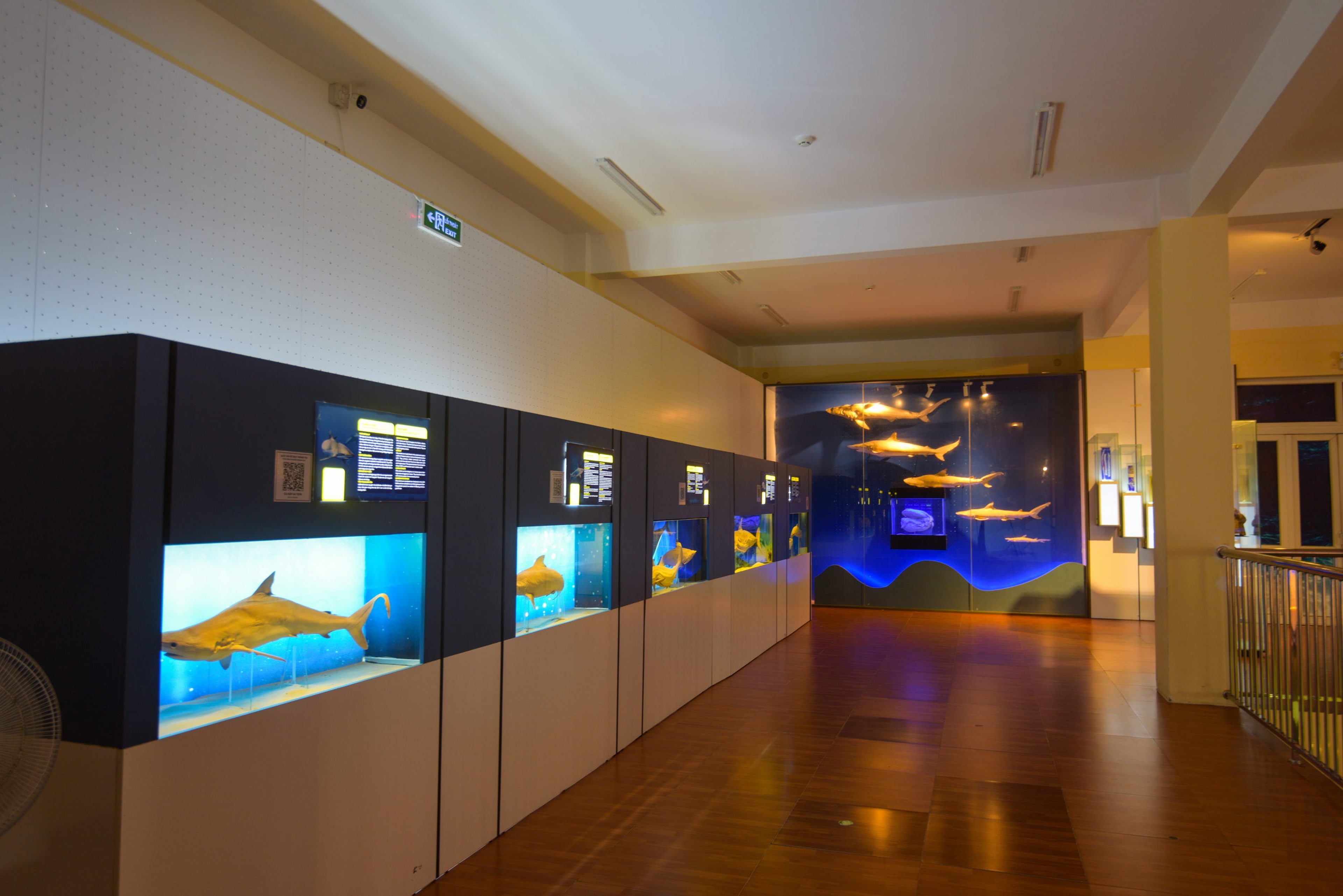
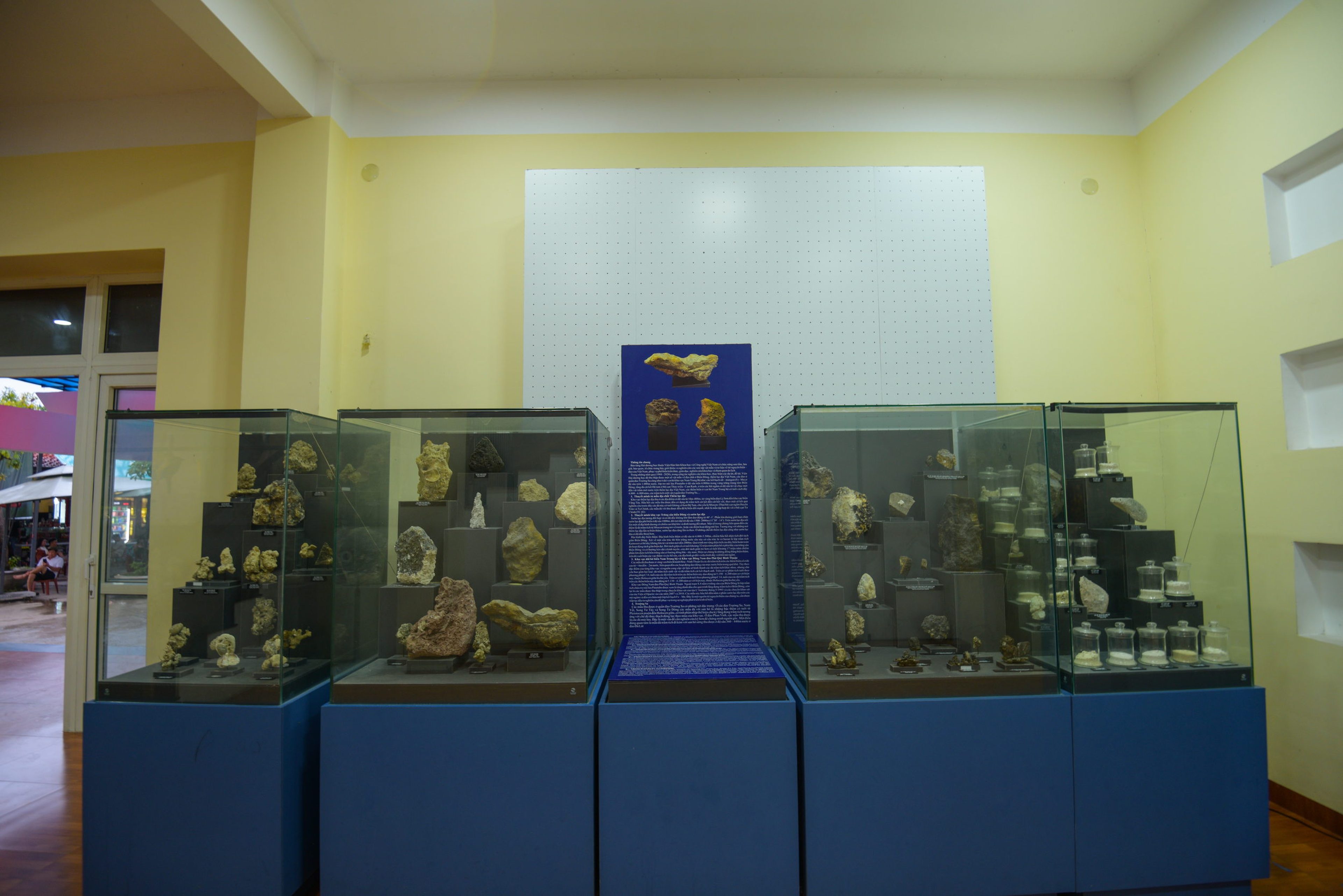
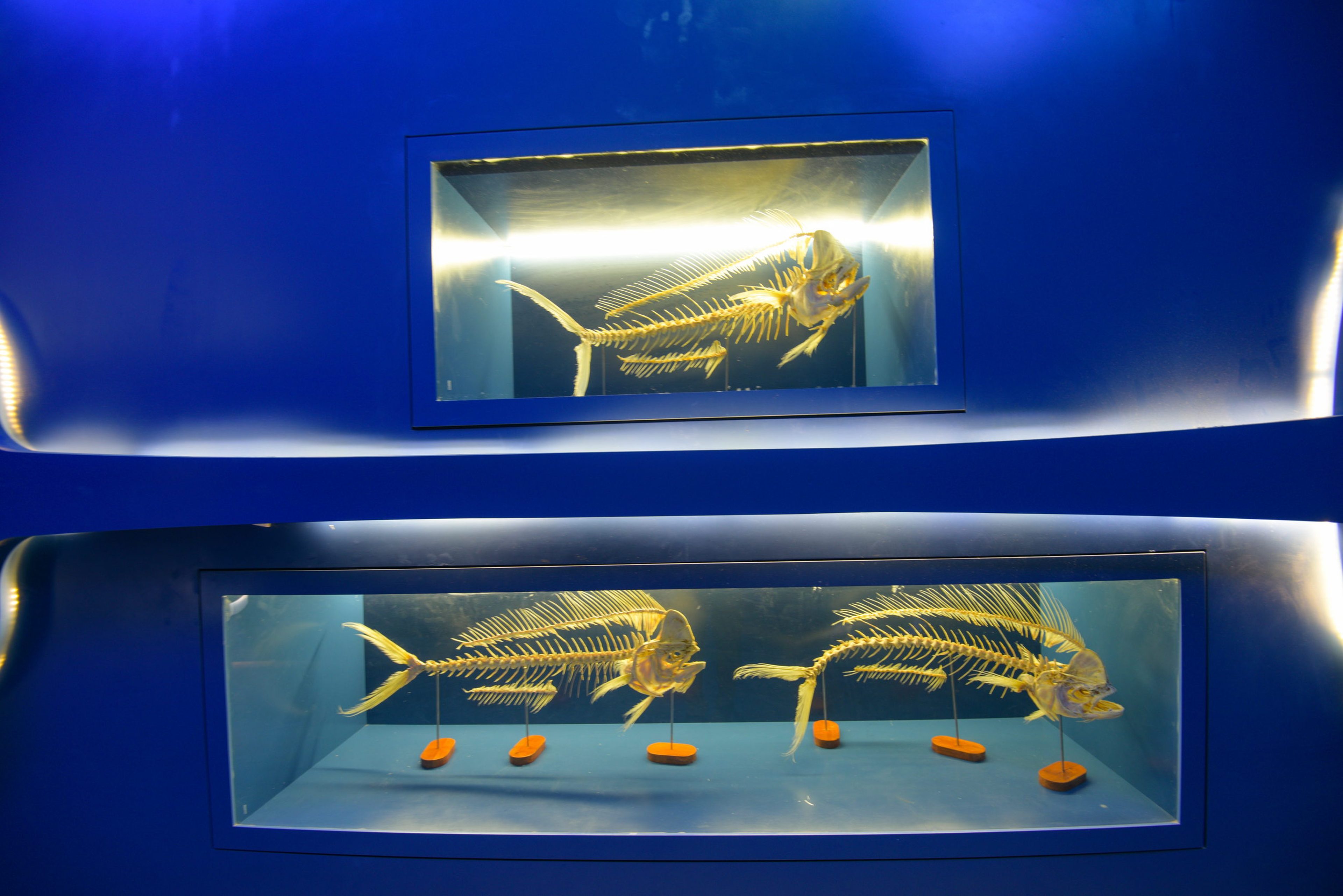
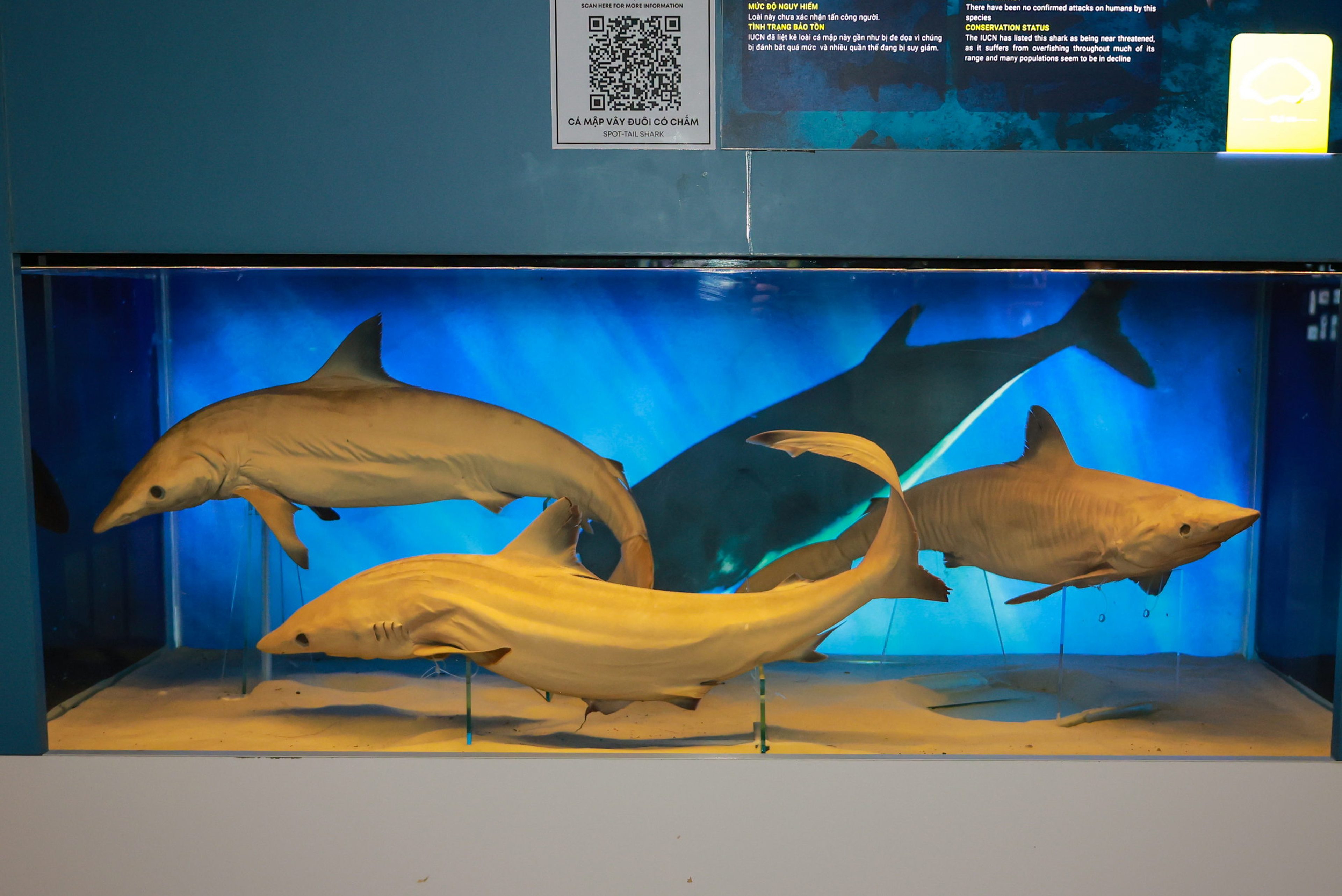
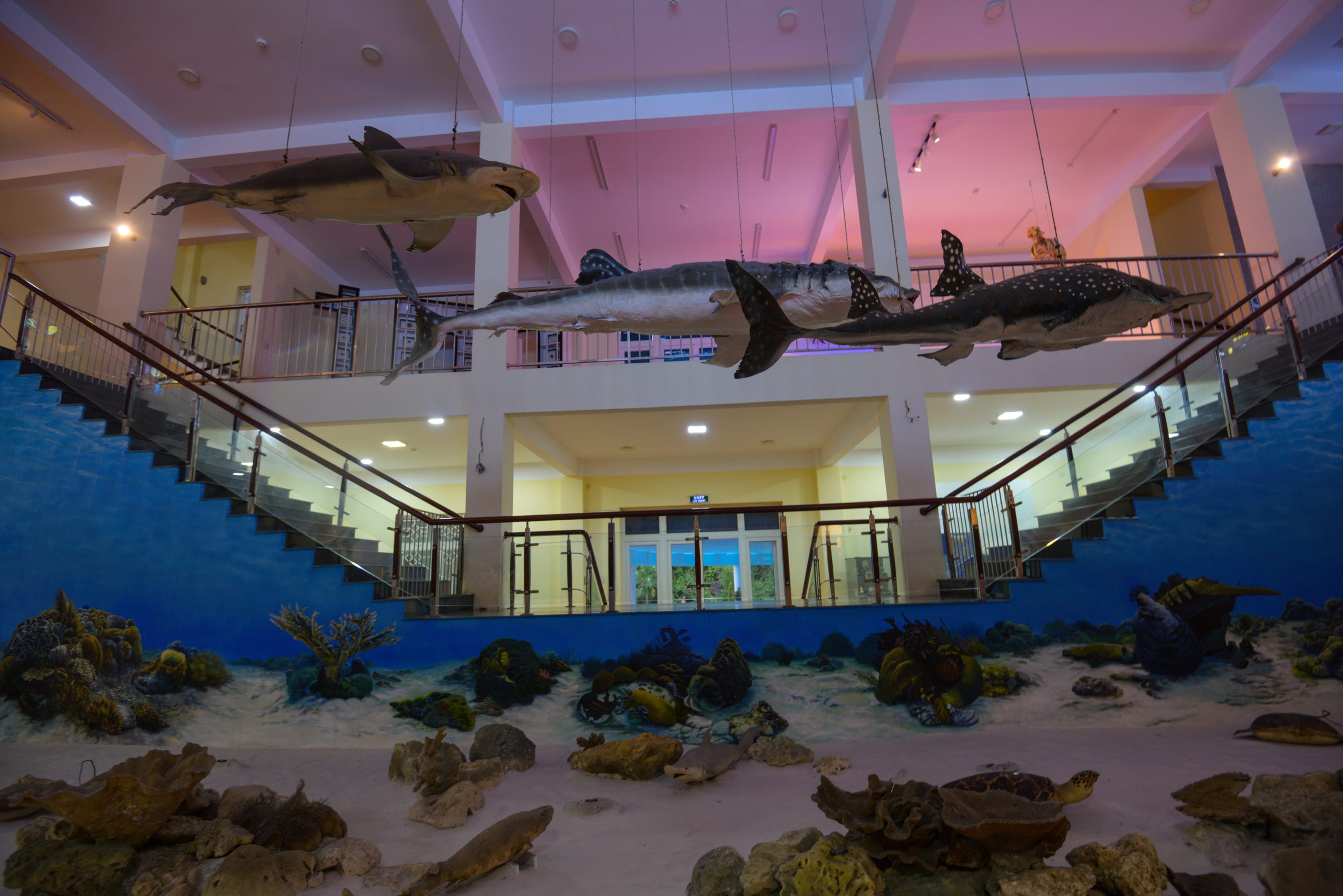
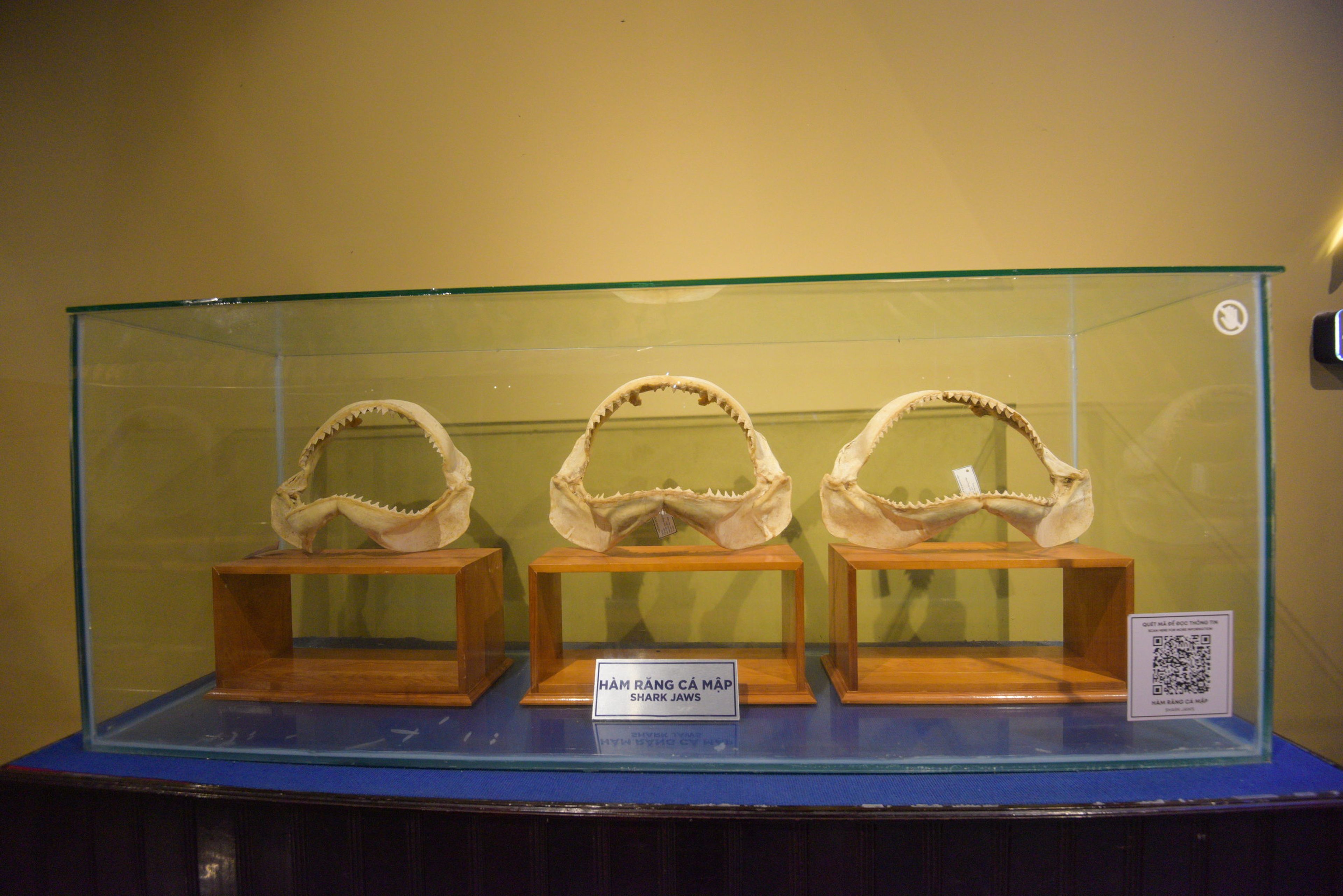
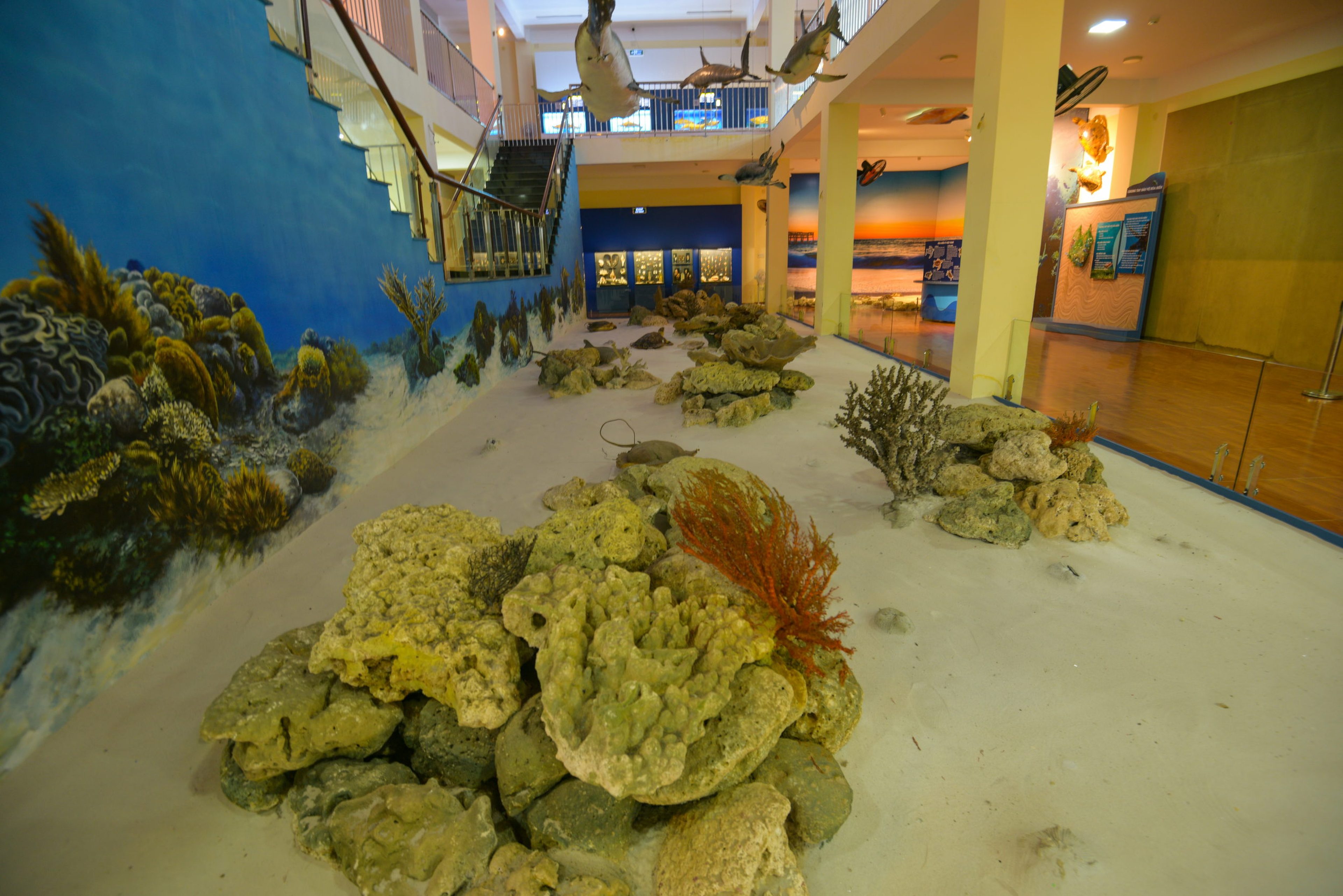
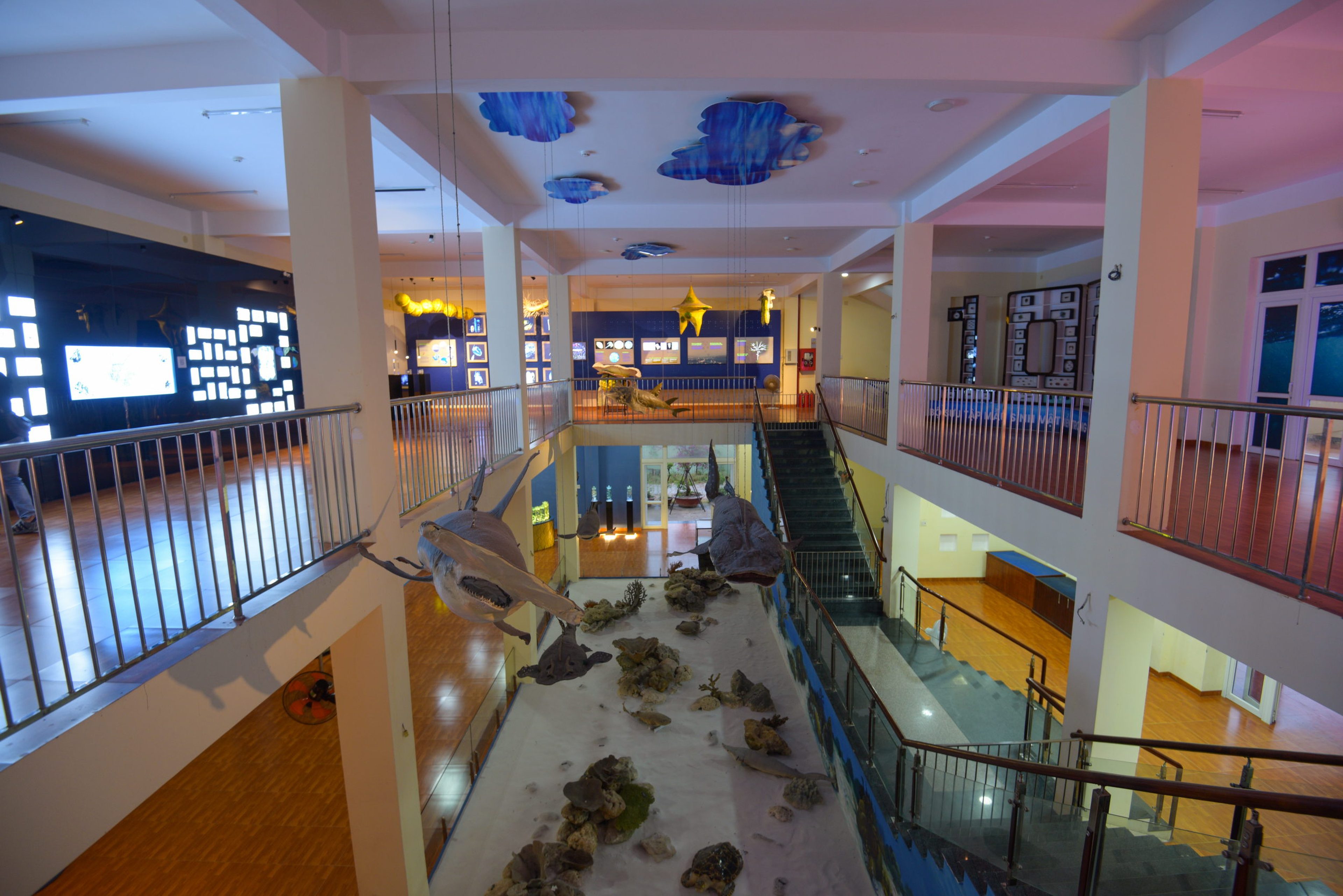
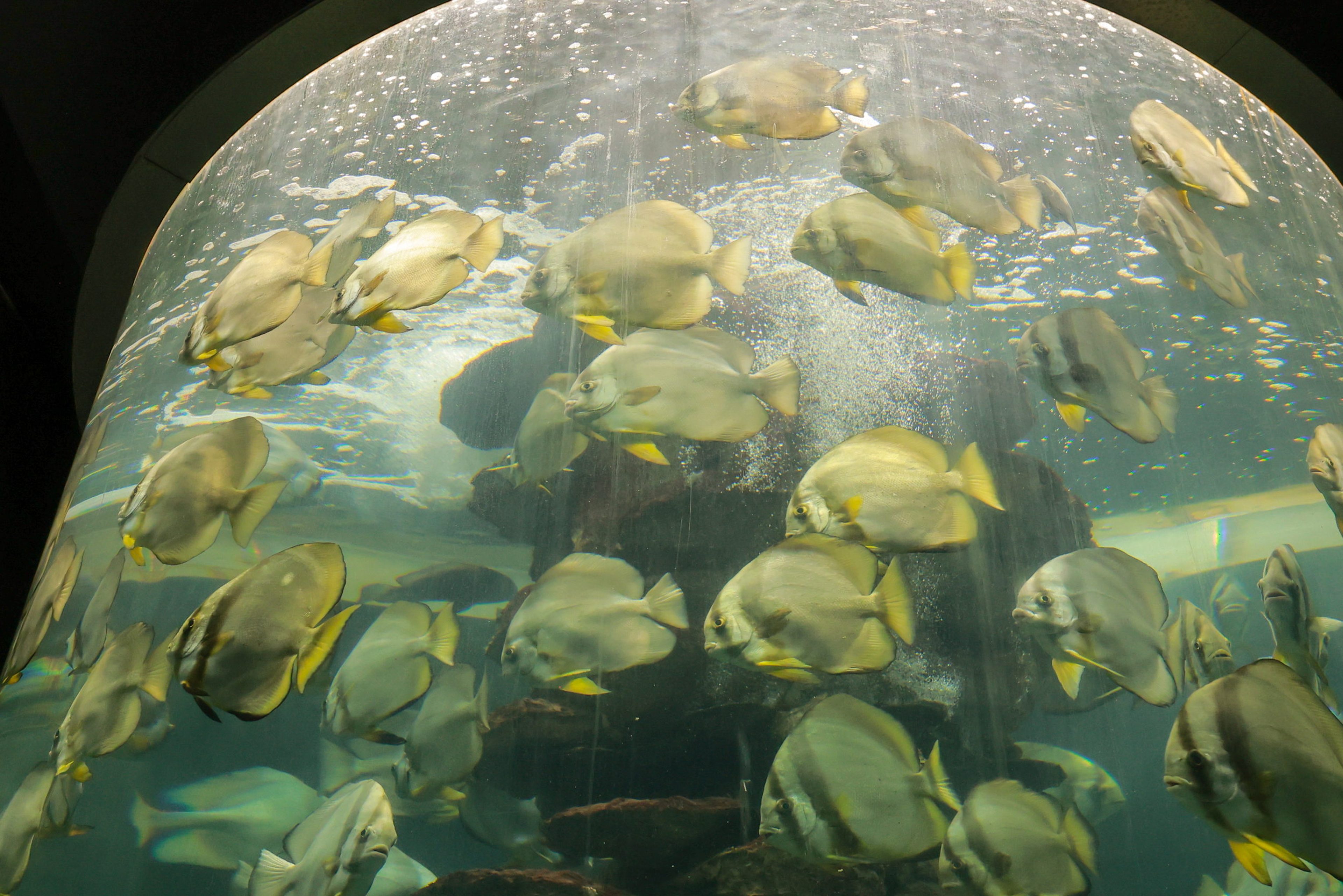
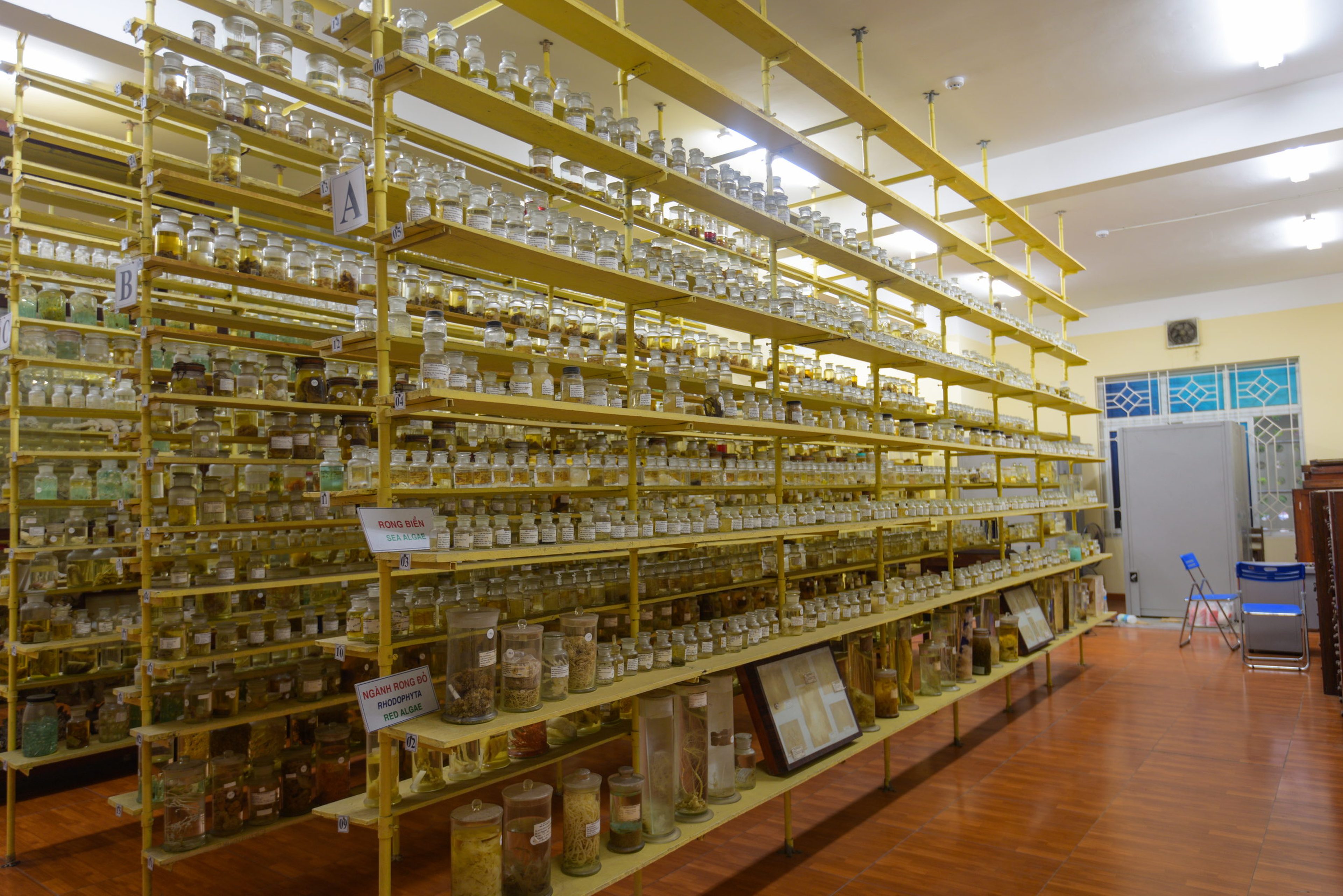
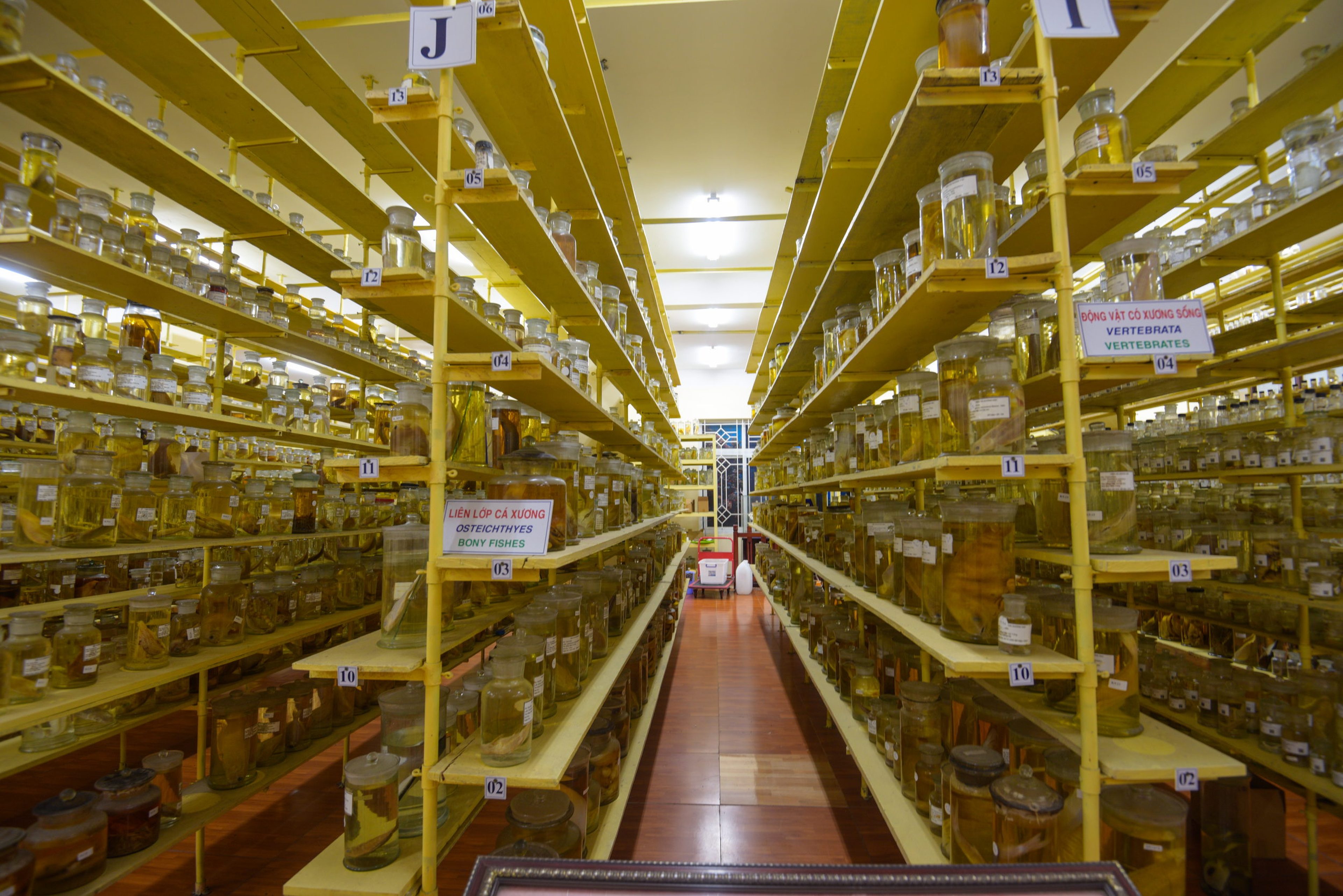
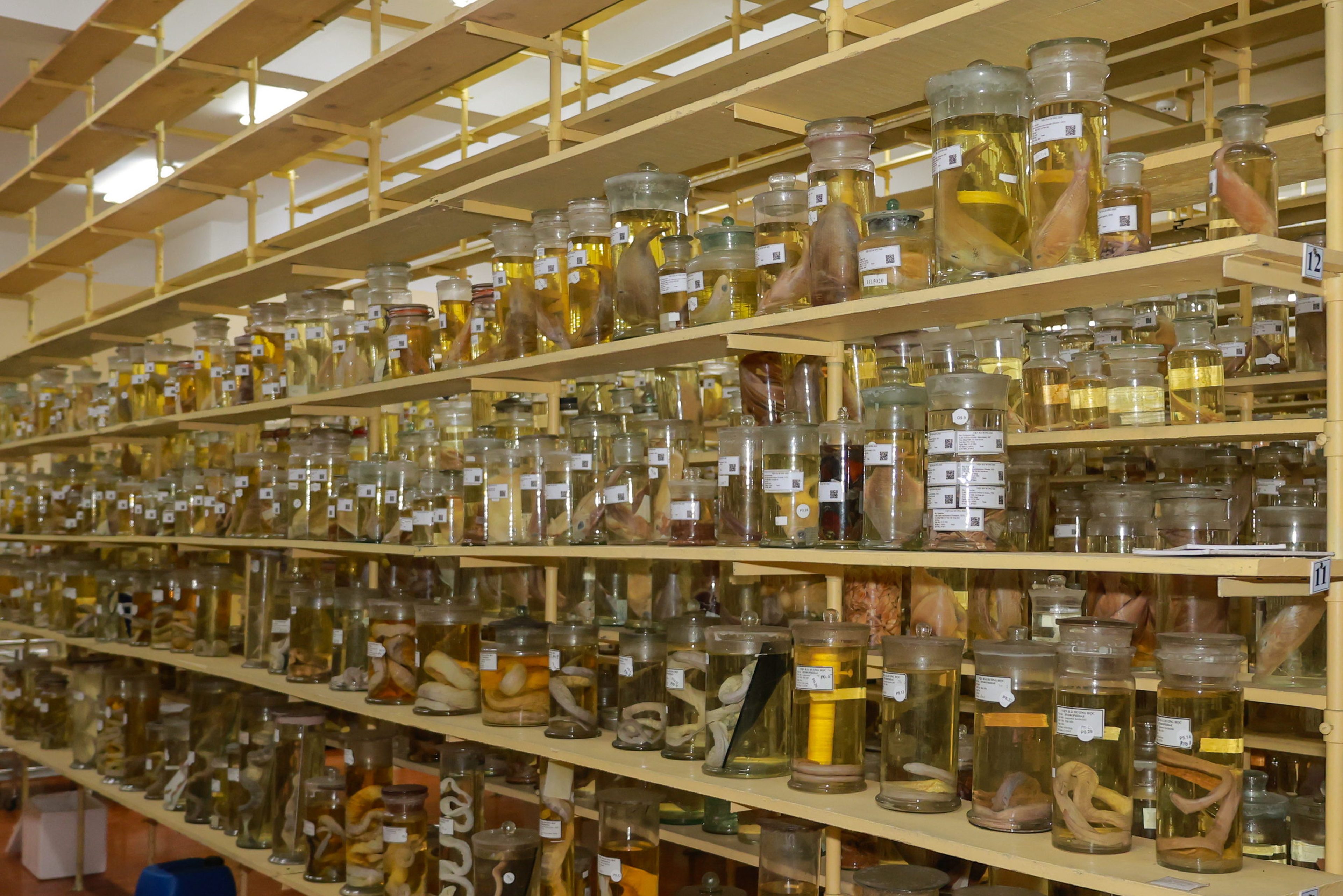
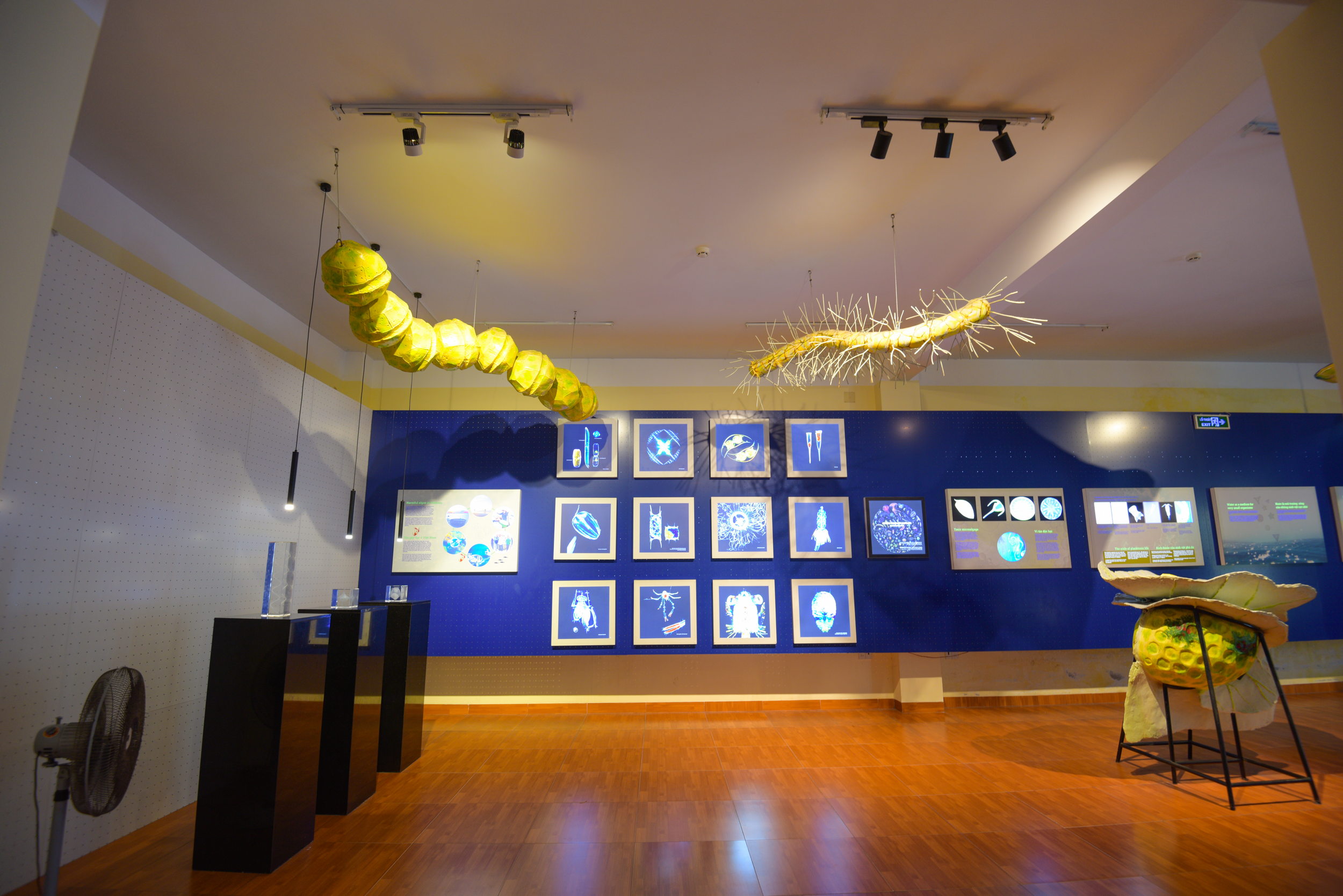
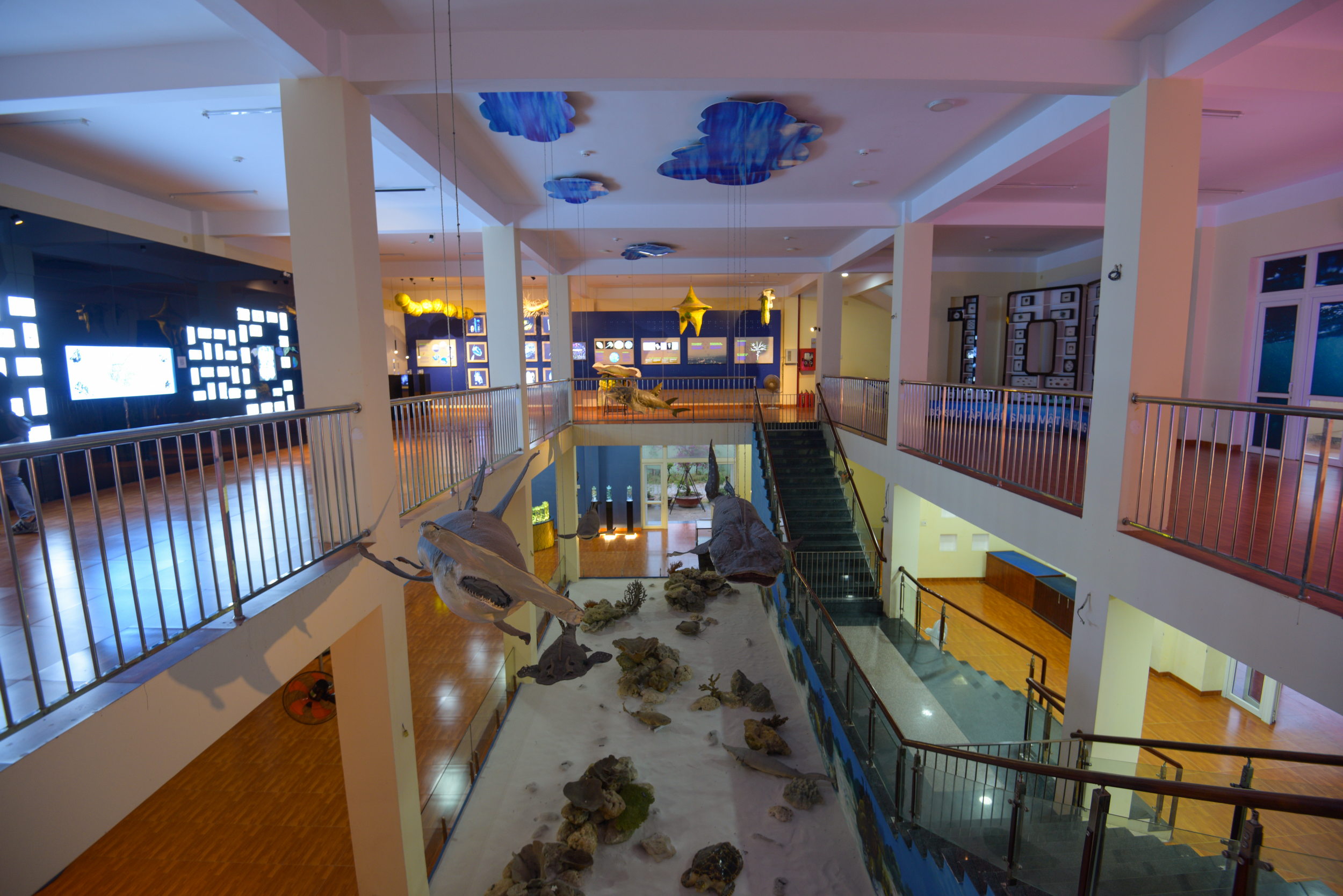
The museum stores biological and non-biological artifacts collected from the East Sea to date. The exhibition space covers an area of approximately 5,000 m², including marine life tanks featuring over 300 typical marine species, as well as an area for displaying and preserving a collection of marine specimens, described as one of the largest and most valuable in Vietnam, with about 23,000 samples belonging to 5,000 species found in Vietnamese waters and nearby regions.
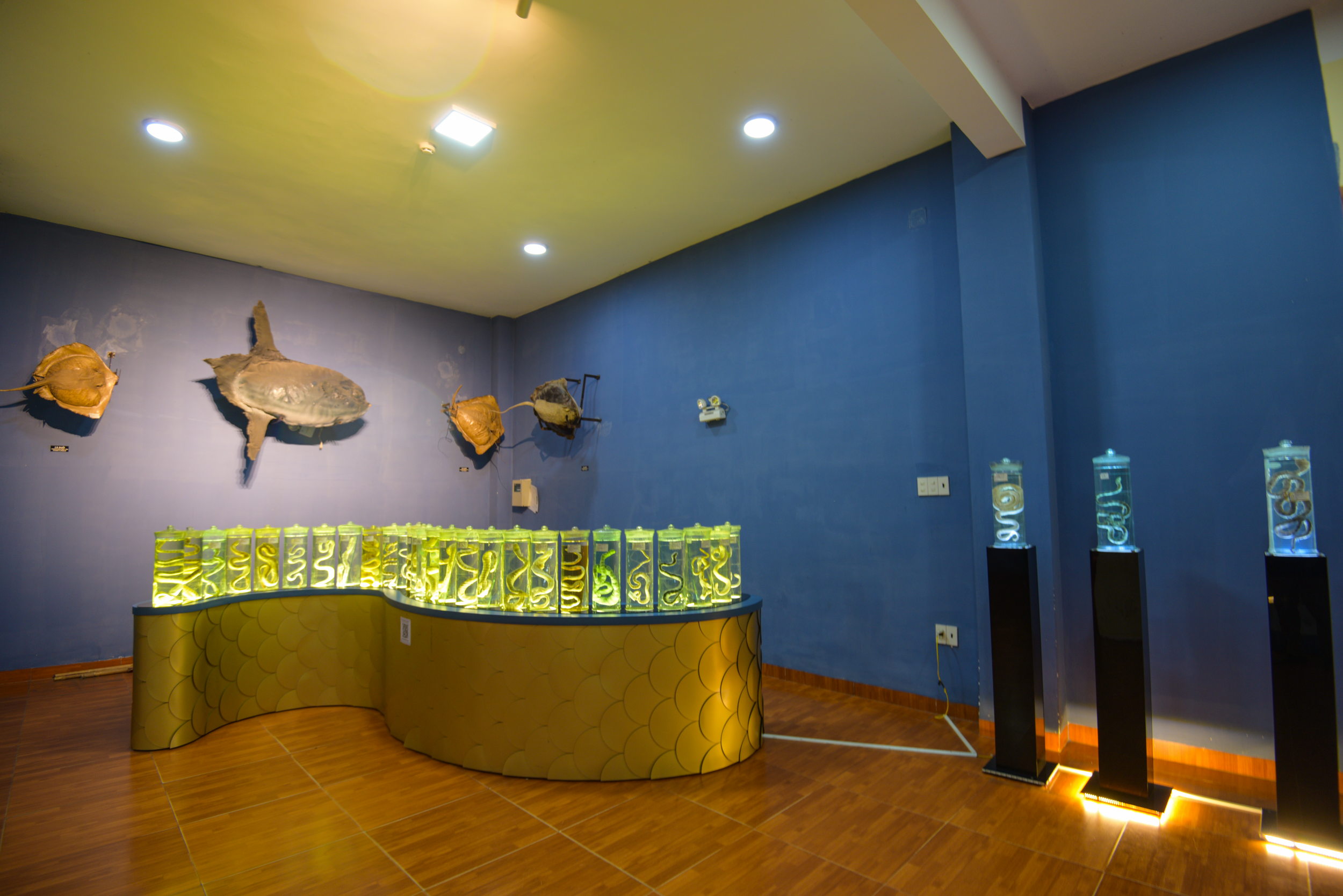
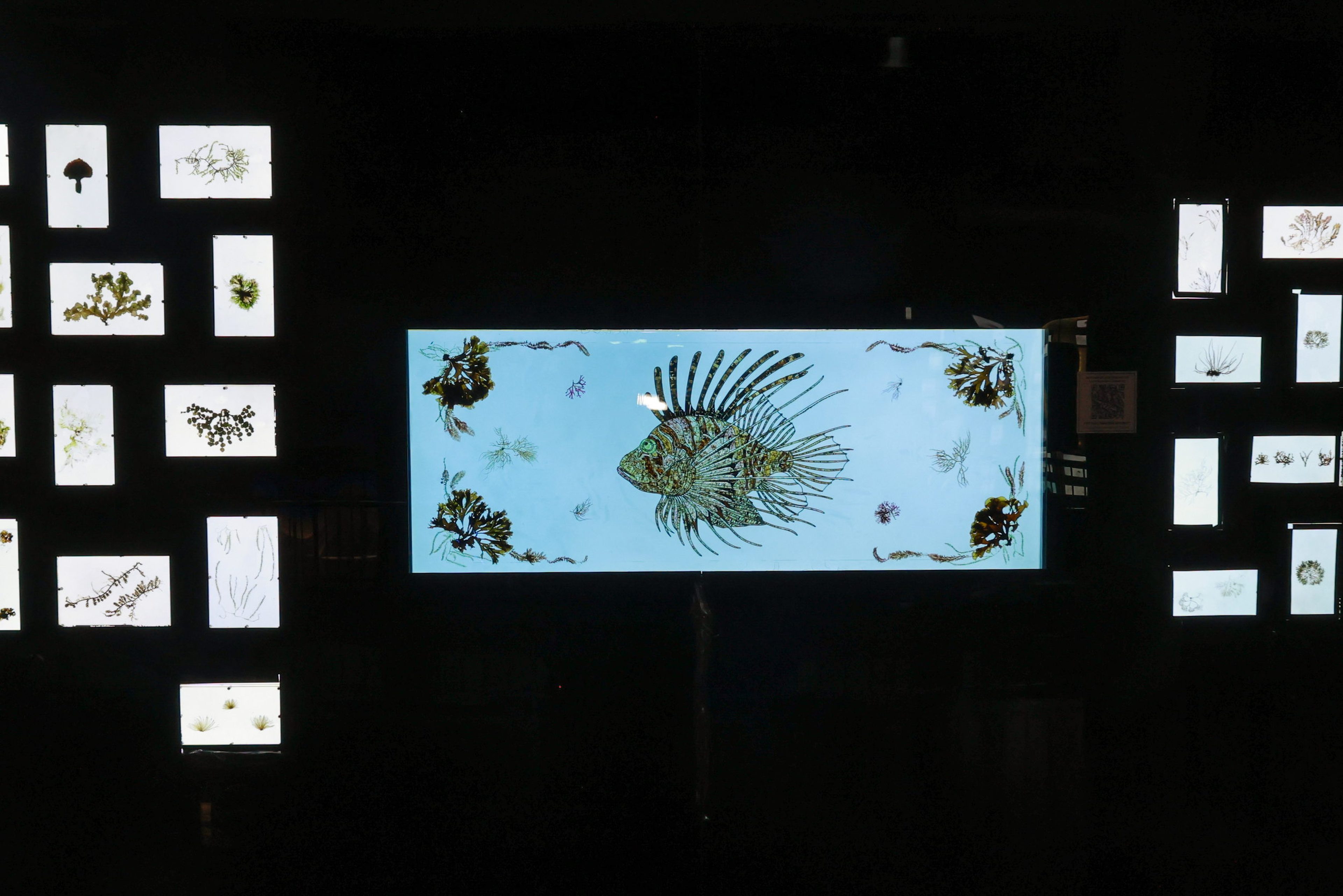
The value of the Oceanographic Museum lies not only in the number of specimens but also in its scientific and educational significance. According to the Institute of Oceanography, the museum is a repository for important evidence of the sea, while also cultivating and domesticating many marine species to serve research in biology, ecology, and conservation. It is also a place for disseminating knowledge about the sea, introducing the potential of marine resources, and promoting sustainable ways to use them.
A journey to discover the miniature ocean
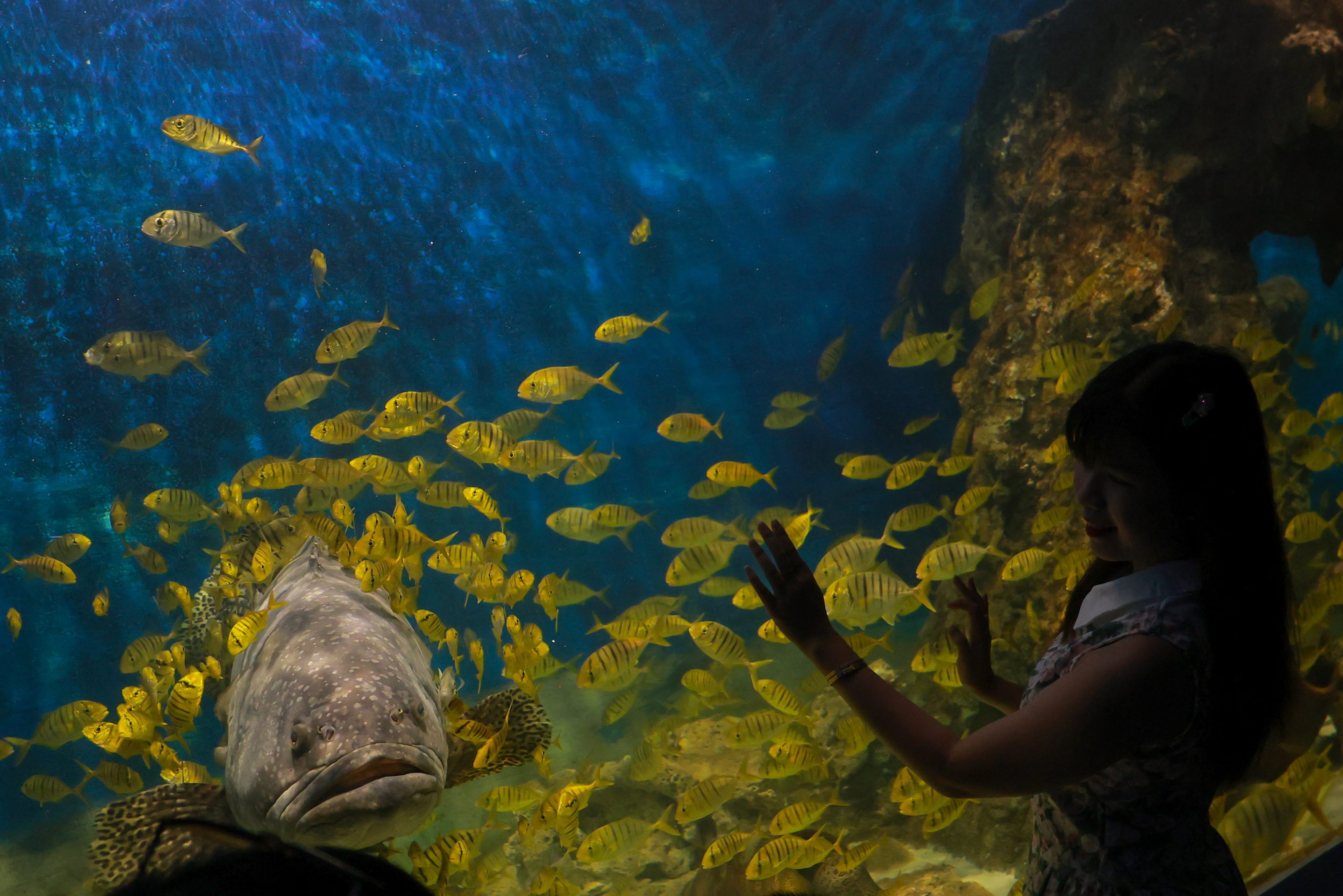
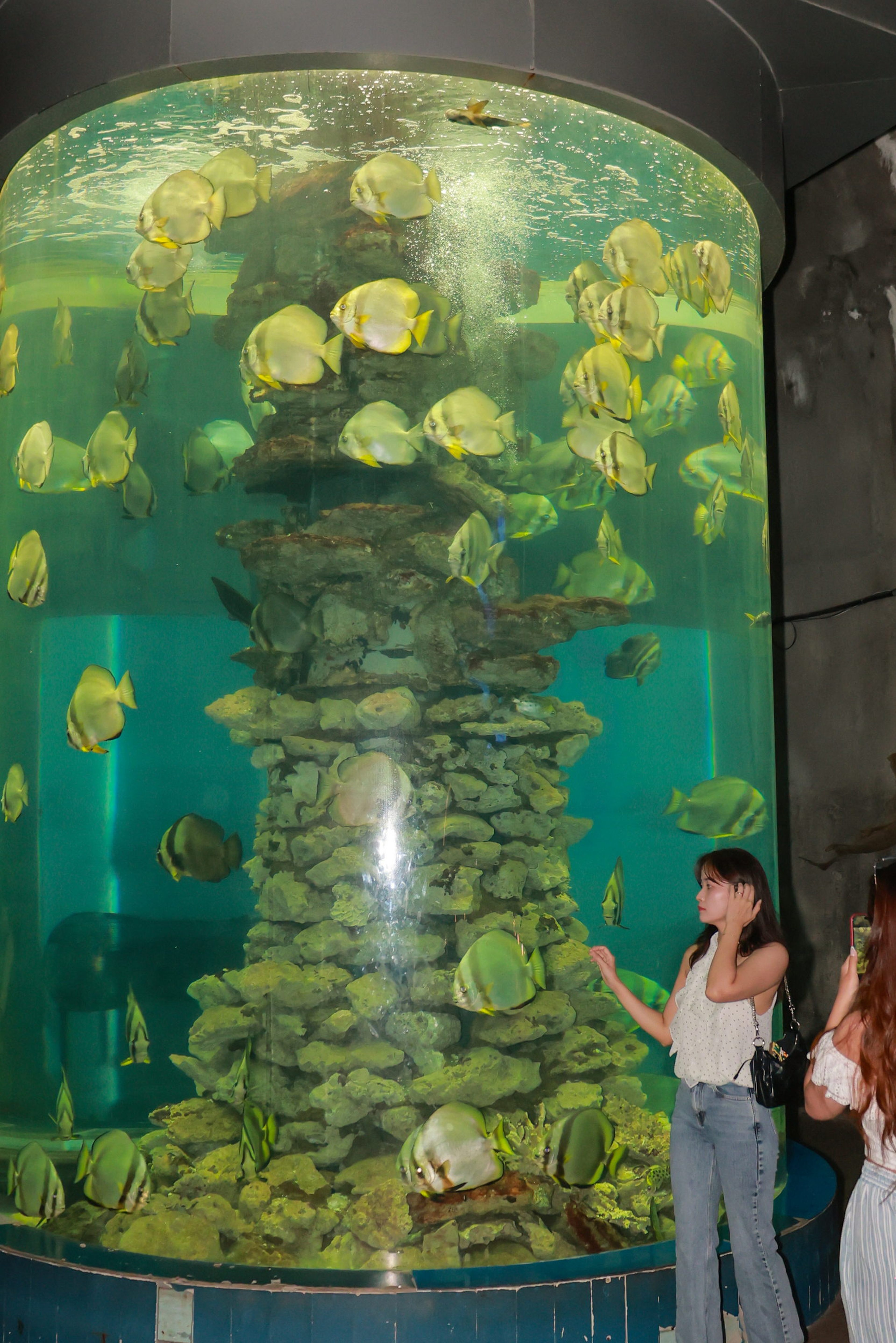
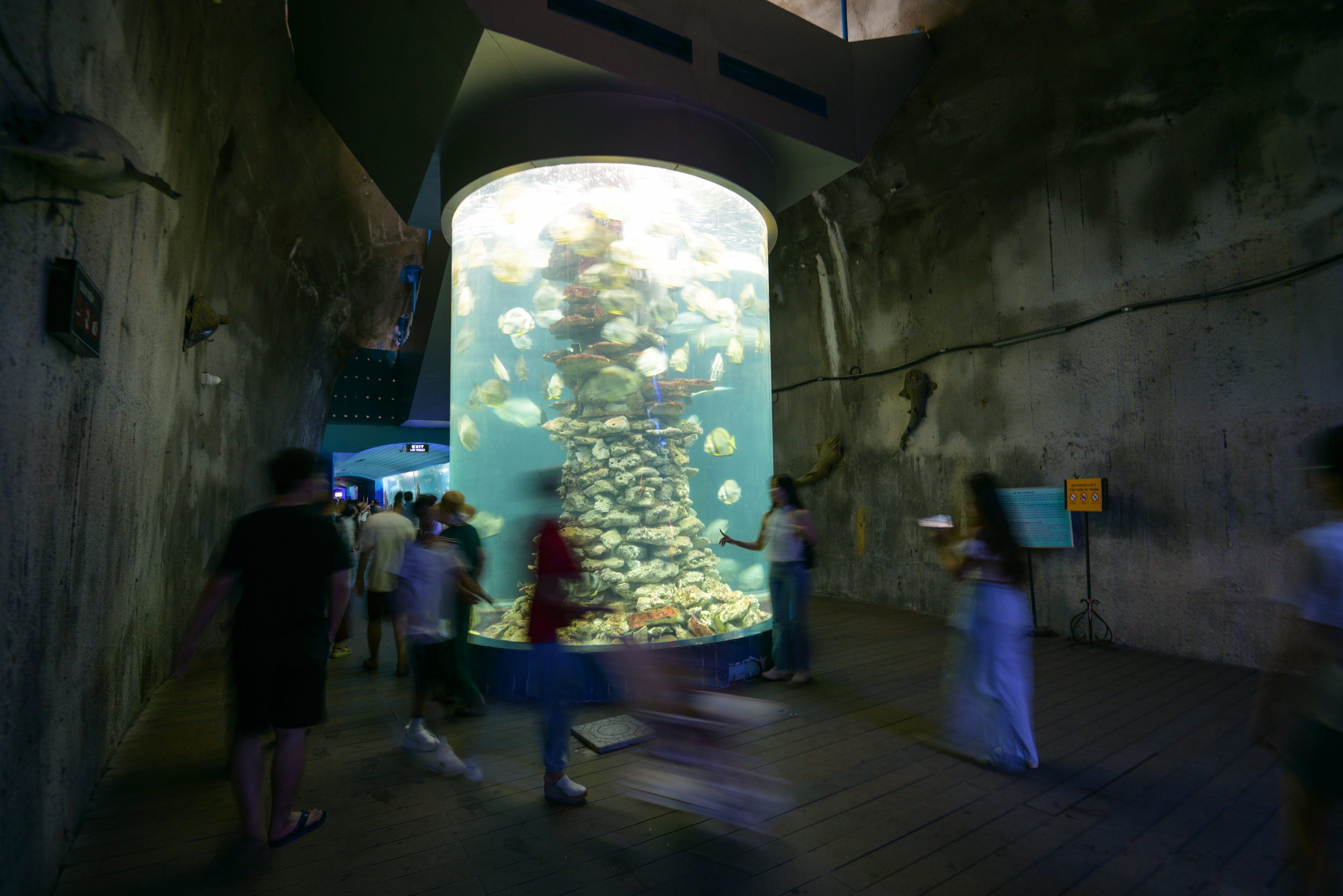
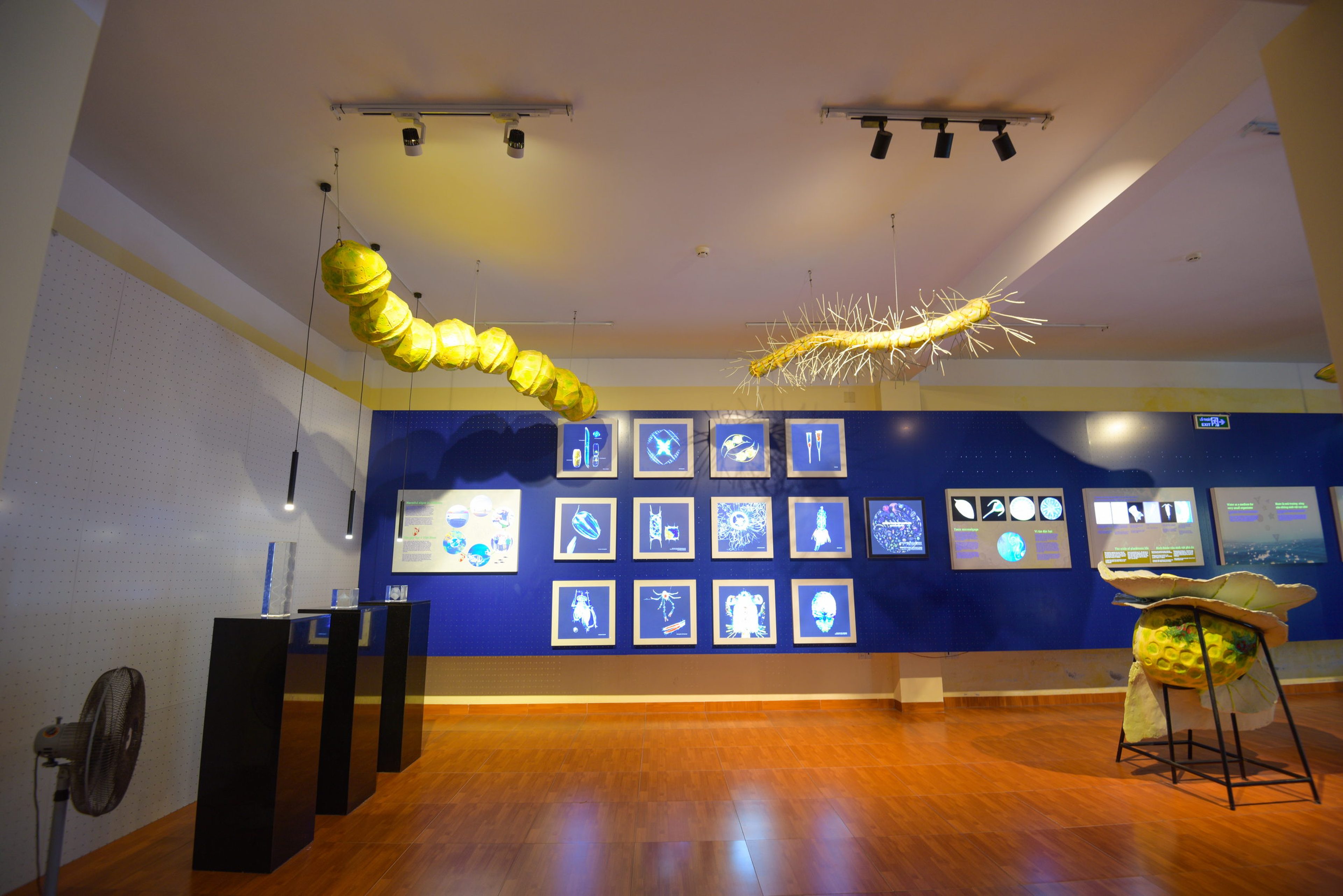
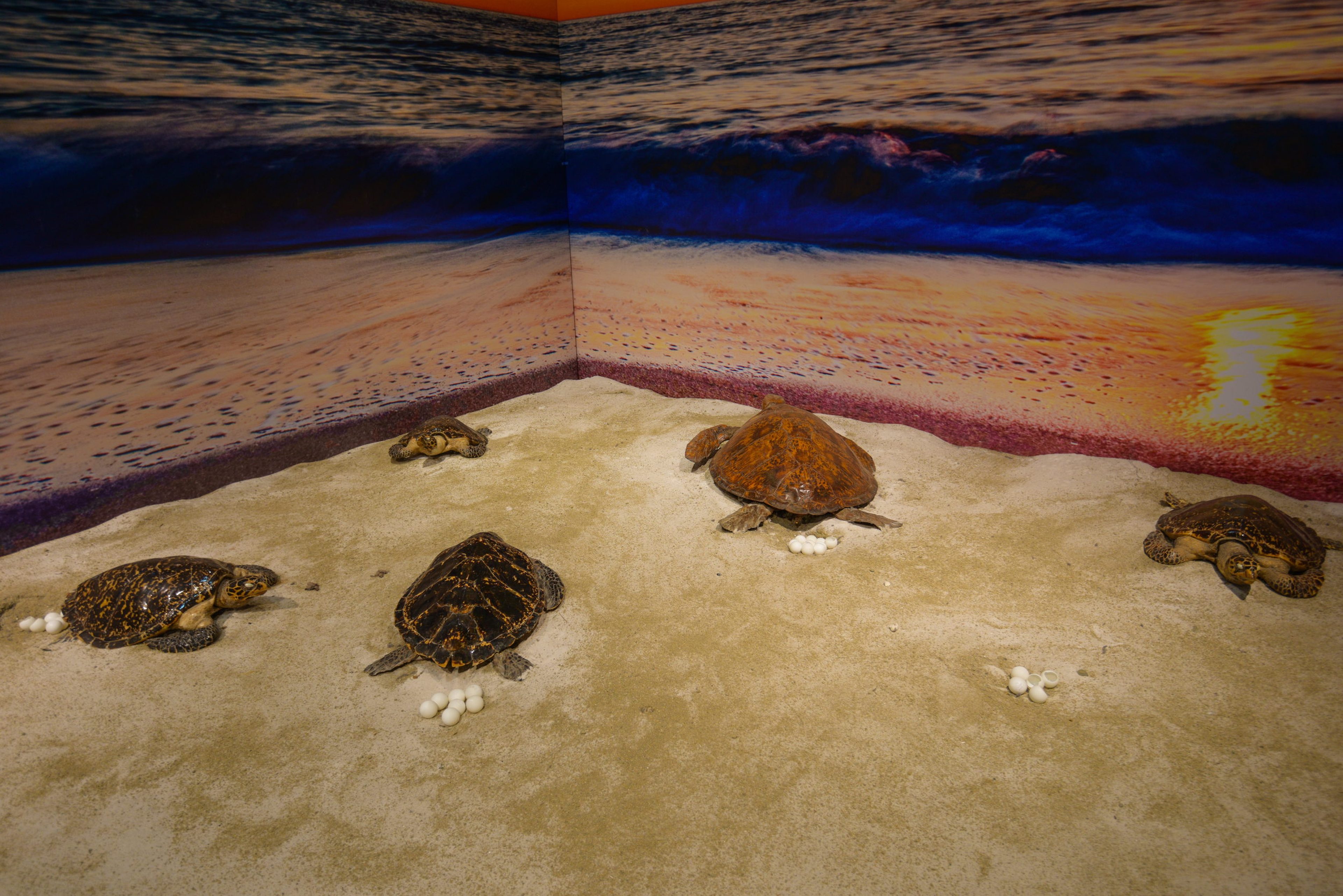
Coming to the Institute of Oceanography, visitors can begin their journey with the vivid marine life tanks. The tanks, marine life zones, and exhibition spaces create the feeling of a “miniature ocean,” where viewers can directly observe many marine species, ranging from fish, coral, and sea turtles to species characteristic of Vietnamese waters. This space serves both sightseeing purposes and the museum's tasks of raising, domesticating, and researching.
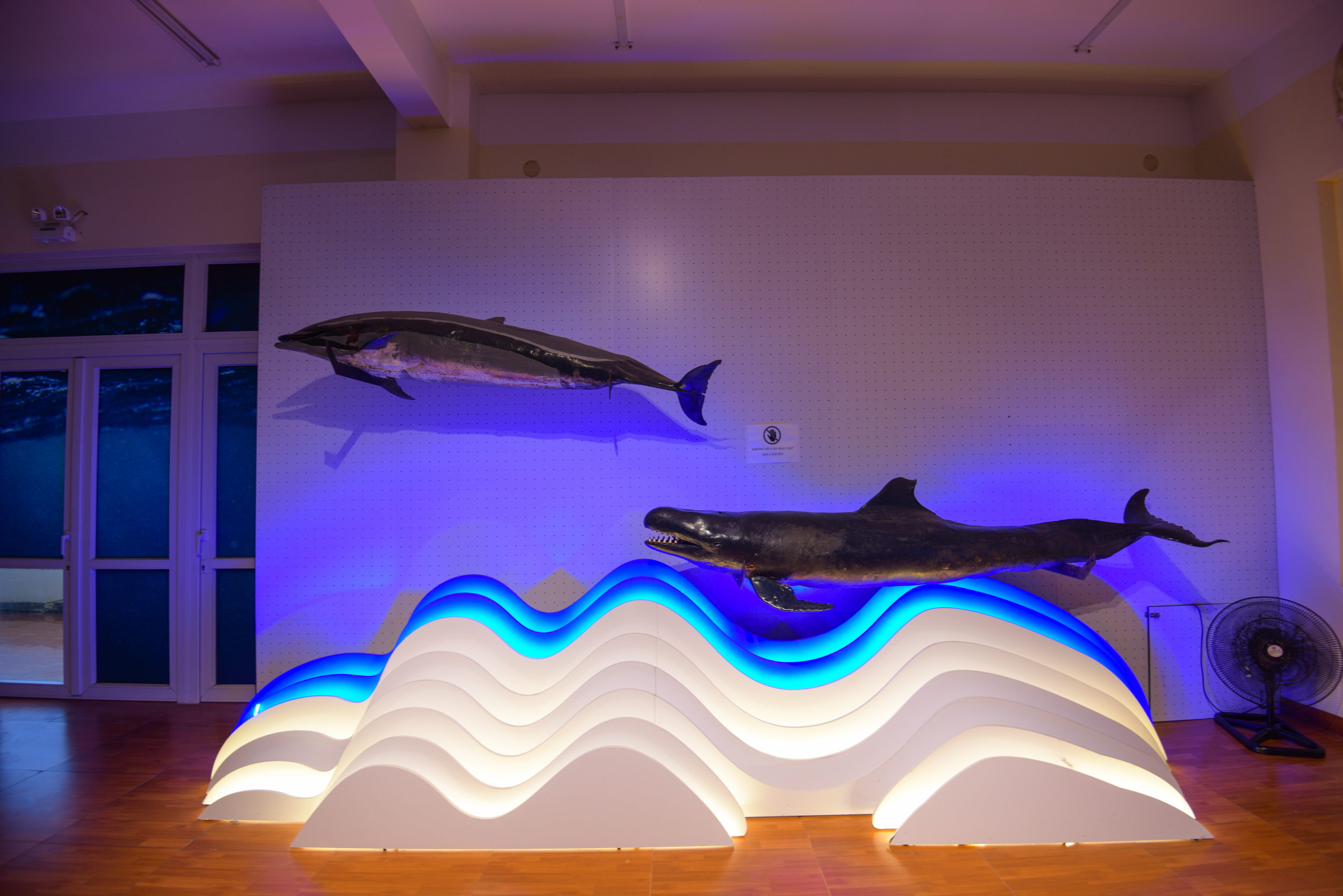
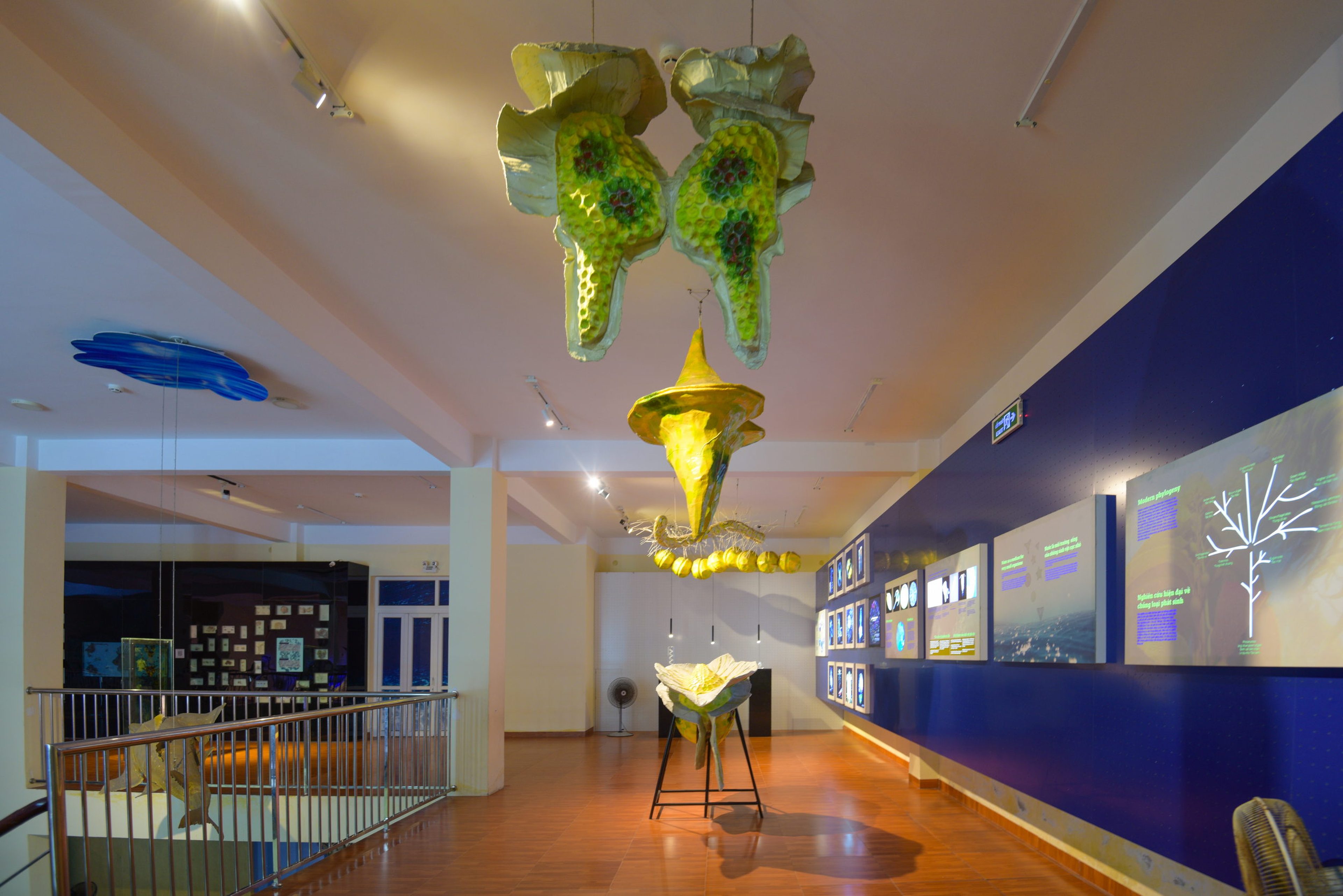
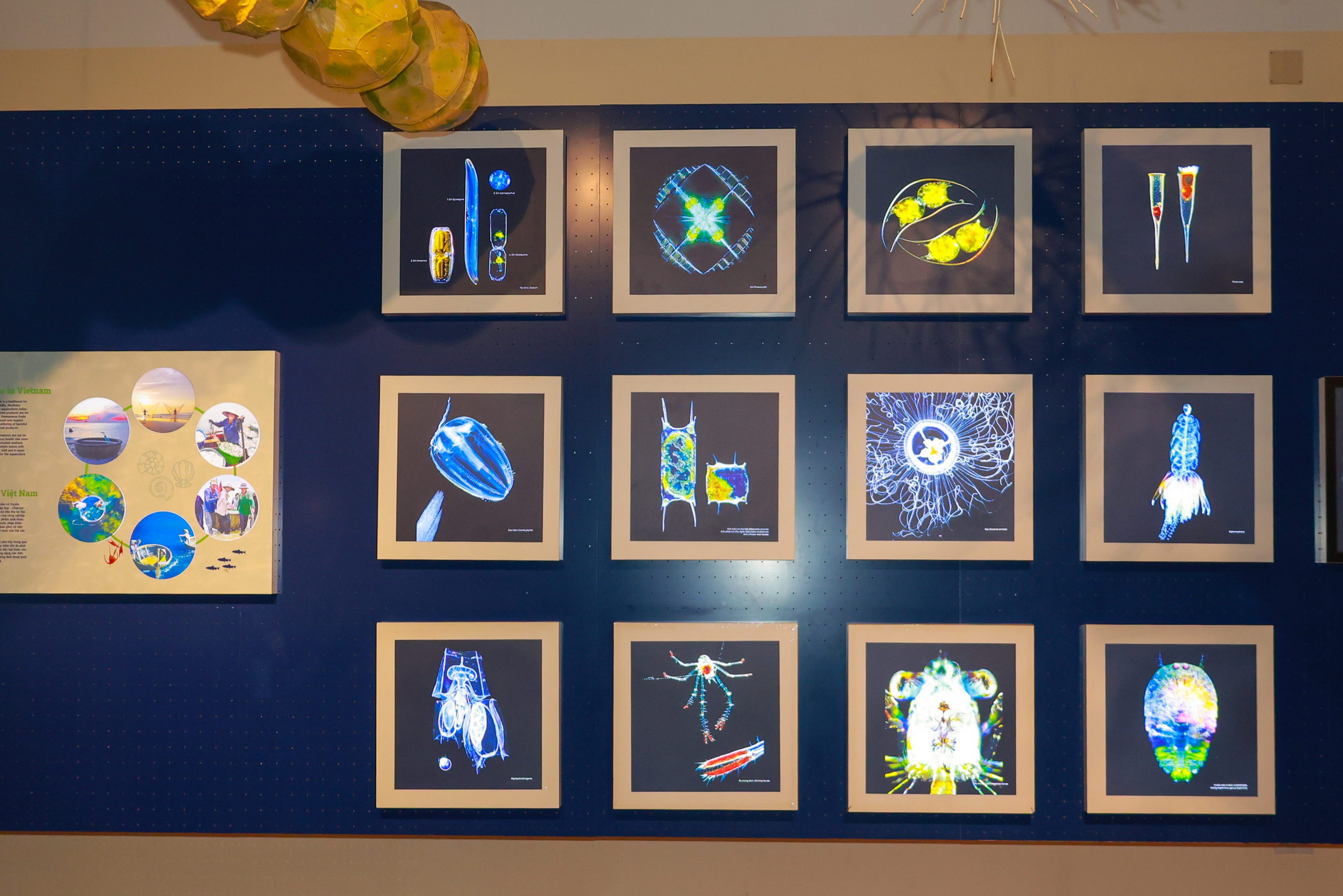
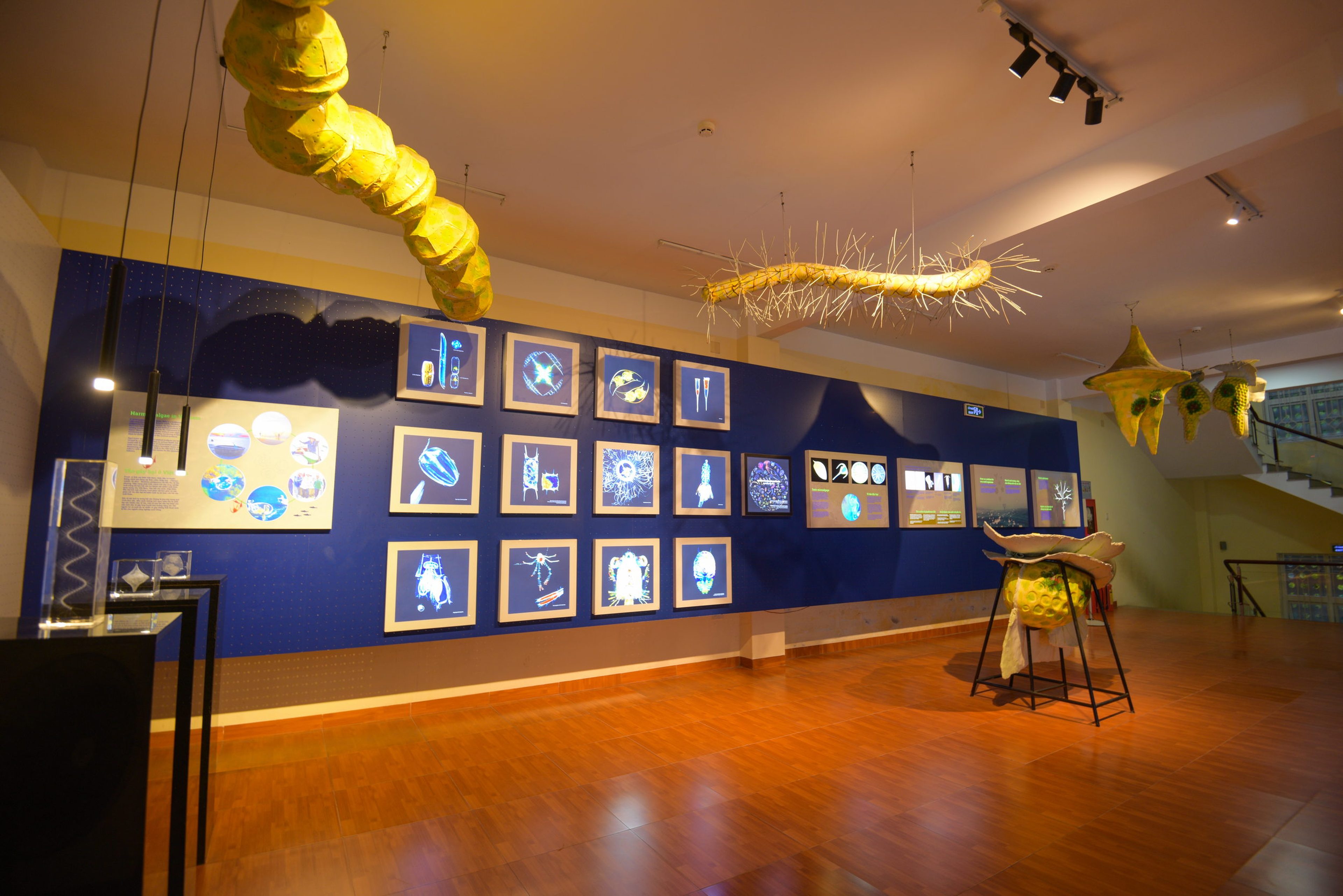
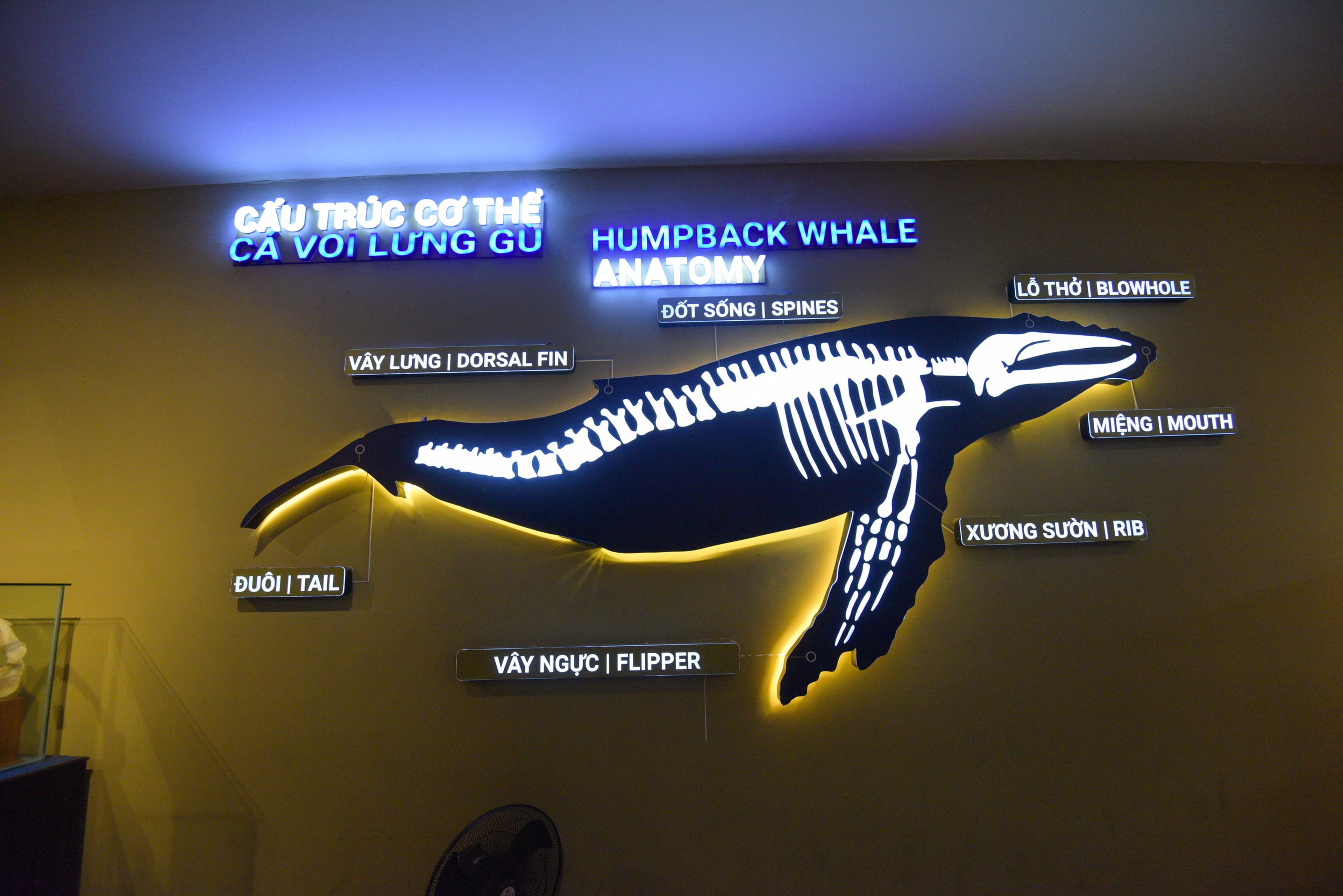
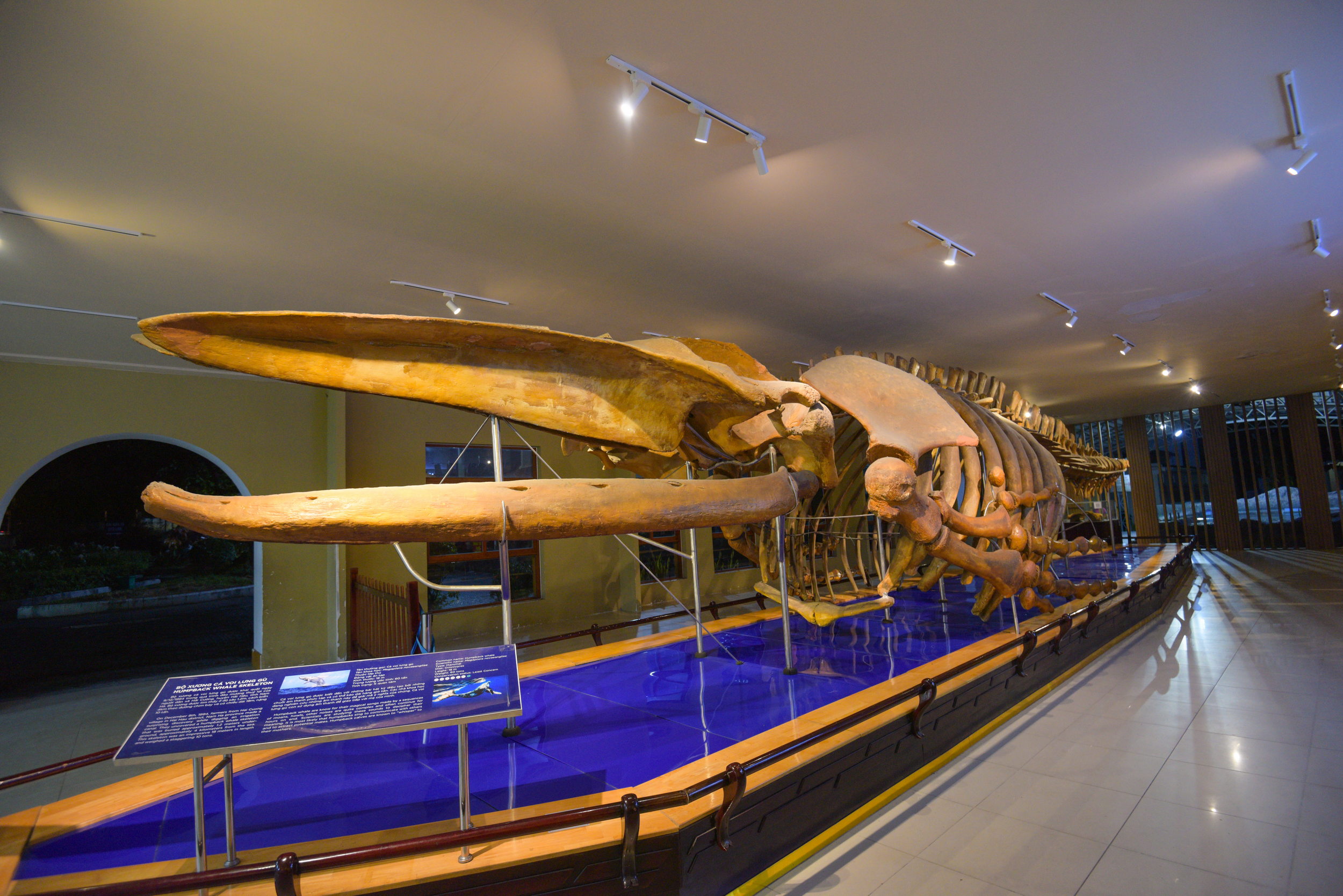
One of the highlights that many visitors are interested in is the marine biodiversity exhibition area, which showcases tens of thousands of specimens, minerals, exhibits, and information about Vietnam's marine ecosystem. According to the Khanh Hoa Tourism Portal, visitors to the Oceanographic Museum are very interested in exhibits concerning marine and island resources, marine biodiversity, and the history of Vietnam's enforcement of its sea and island sovereignty.
In addition, the exhibition area for the marine and island resources of the Paracel and Spratly Islands is a highlight with special significance. This is not only a space providing knowledge about marine and island resources and the environment, but it also contributes to educating awareness about Vietnam's sovereignty over its sea and islands. During peak tourism seasons, this exhibition area is frequently chosen by many visitors.
A scientific education destination for all ages
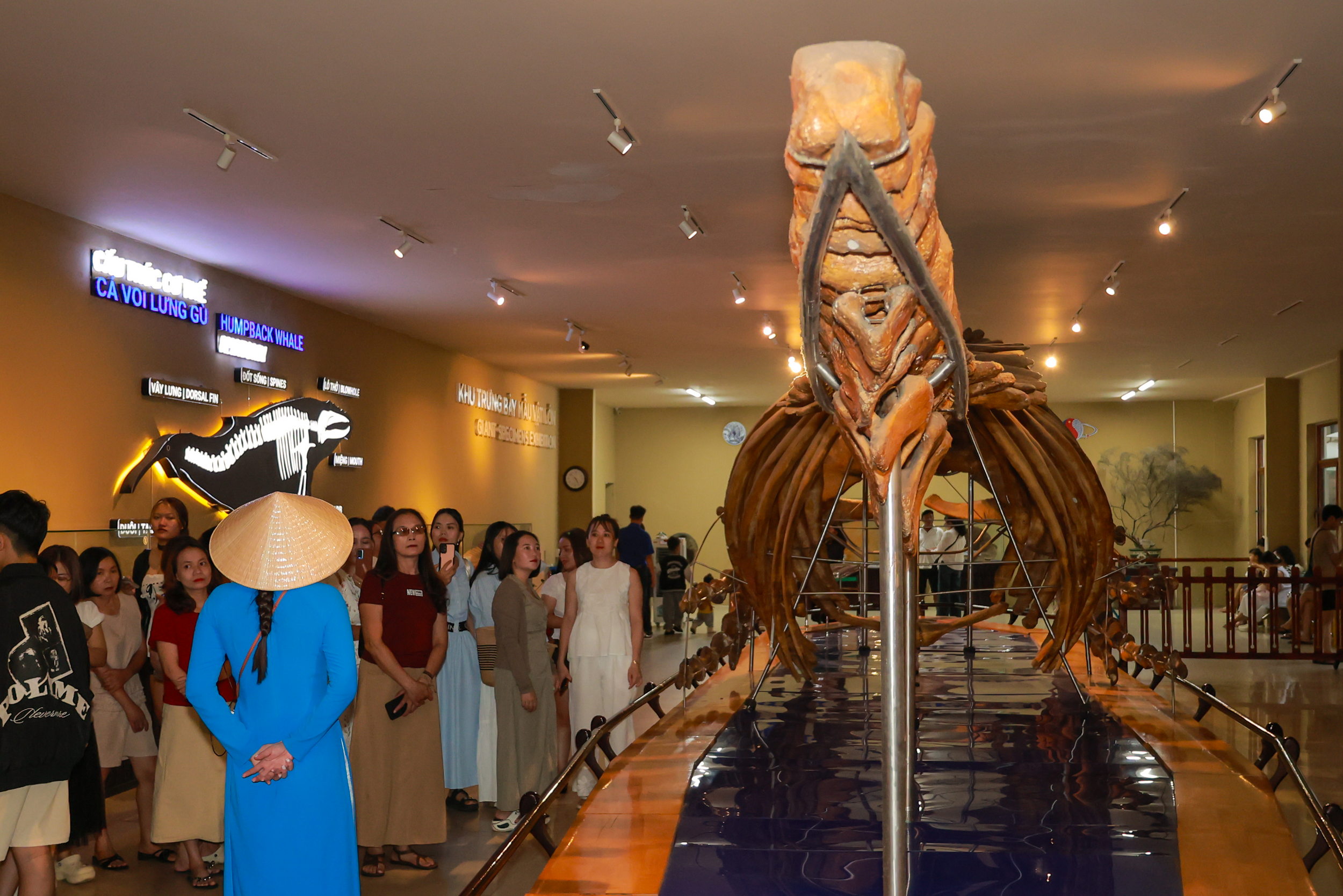
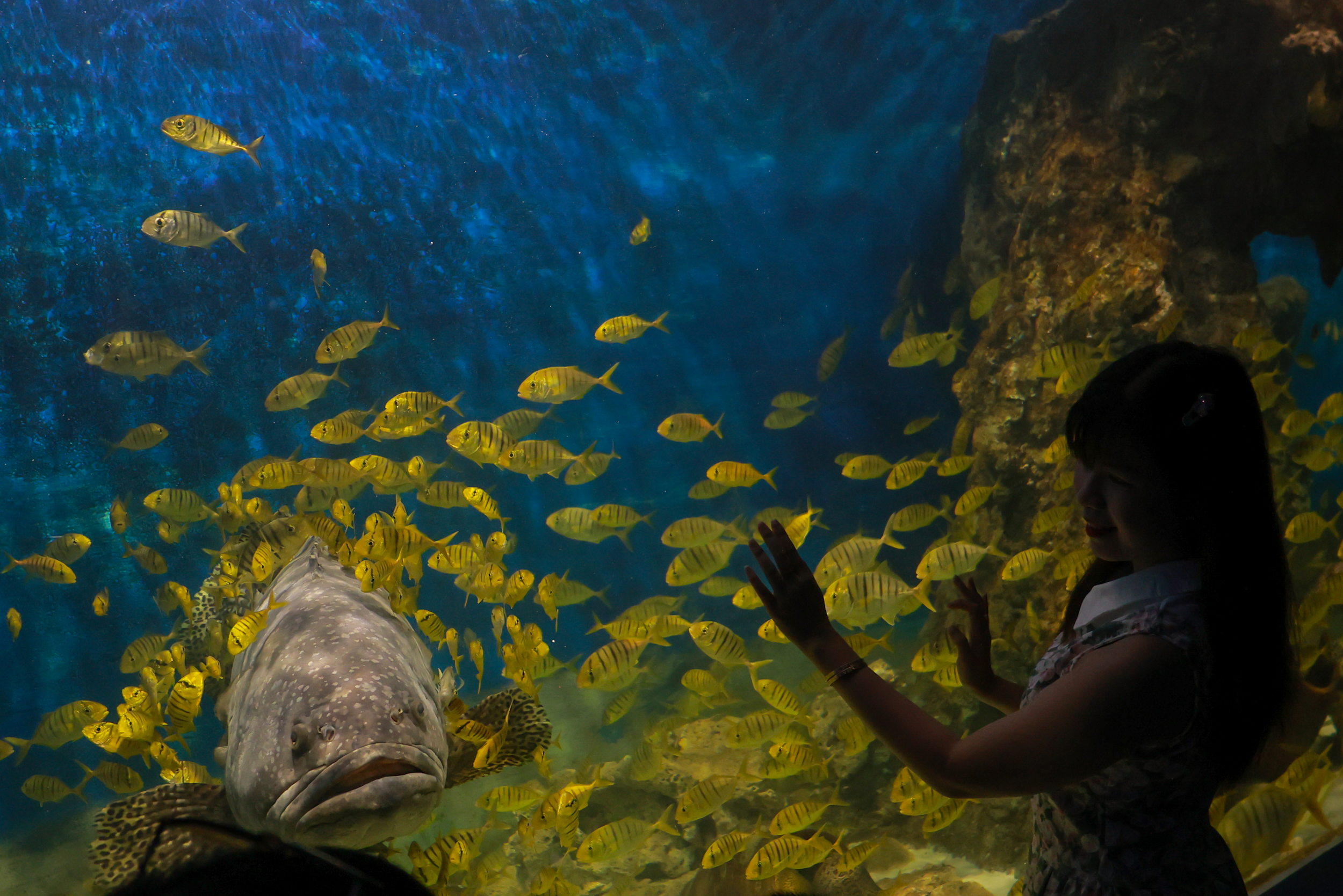
The Institute of Oceanography is a destination highly suitable for students, families, and research groups. The exhibition space here helps viewers access scientific knowledge visually: instead of just reading books about the sea, visitors can see specimens, observe live organisms, explore ecosystem structures, identify marine species, and better understand the role of the ocean in human life.
According to the Institute of Oceanography, every year, the Oceanographic Museum welcomes hundreds of thousands of visitors while also receiving many scientists, students, and pupils from both inside and outside the country for research and study. This indicates that the museum is not just a tourist destination, but also a scientific education institution that plays a long-term role in raising public awareness about the sea.
The outstanding value of the Nha Trang Institute of Oceanography
The value of the Nha Trang Institute of Oceanography can be viewed through three layers of significance.
First is scientific value. With a history of over 100 years, the Institute is a place that has accumulated a massive volume of research data on the Vietnamese sea and the East Sea, serving basic research, fundamental surveys, technology development, and human resource training in the field of oceanography.
Second is the value of conservation and preserving marine heritage. The Oceanographic Museum preserves a large, valuable collection of marine specimens that is significant for research, comparison, classification, conservation, and disseminating knowledge about marine resources. The specimens, live organisms, non-biological artifacts, and exhibition materials help viewers understand the richness, fragility, and need for protecting the oceanic environment.
Third is tourism – educational value. Located in the Cau Da area, near the Nha Trang sea-island tour route, the Institute of Oceanography is a suitable stopover for tourists to combine sea and island exploration with learning about marine science knowledge. This place ensures that a trip to Nha Trang is not just about swimming, relaxing, and playing, but also has depth regarding knowledge, the environment, and sea and island sovereignty.
The Nha Trang Institute of Oceanography is a special destination in Khanh Hoa, where scientific research, marine conservation, public education, and tourism experiences converge. By visiting the Institute of Oceanography, tourists not only get to admire a rich world of marine life, precious specimen collections, and exhibition areas regarding biodiversity and the Paracel – Spratly Islands, but also have the opportunity to understand more deeply the ocean – a space for survival, development, and an important identity of the country.