

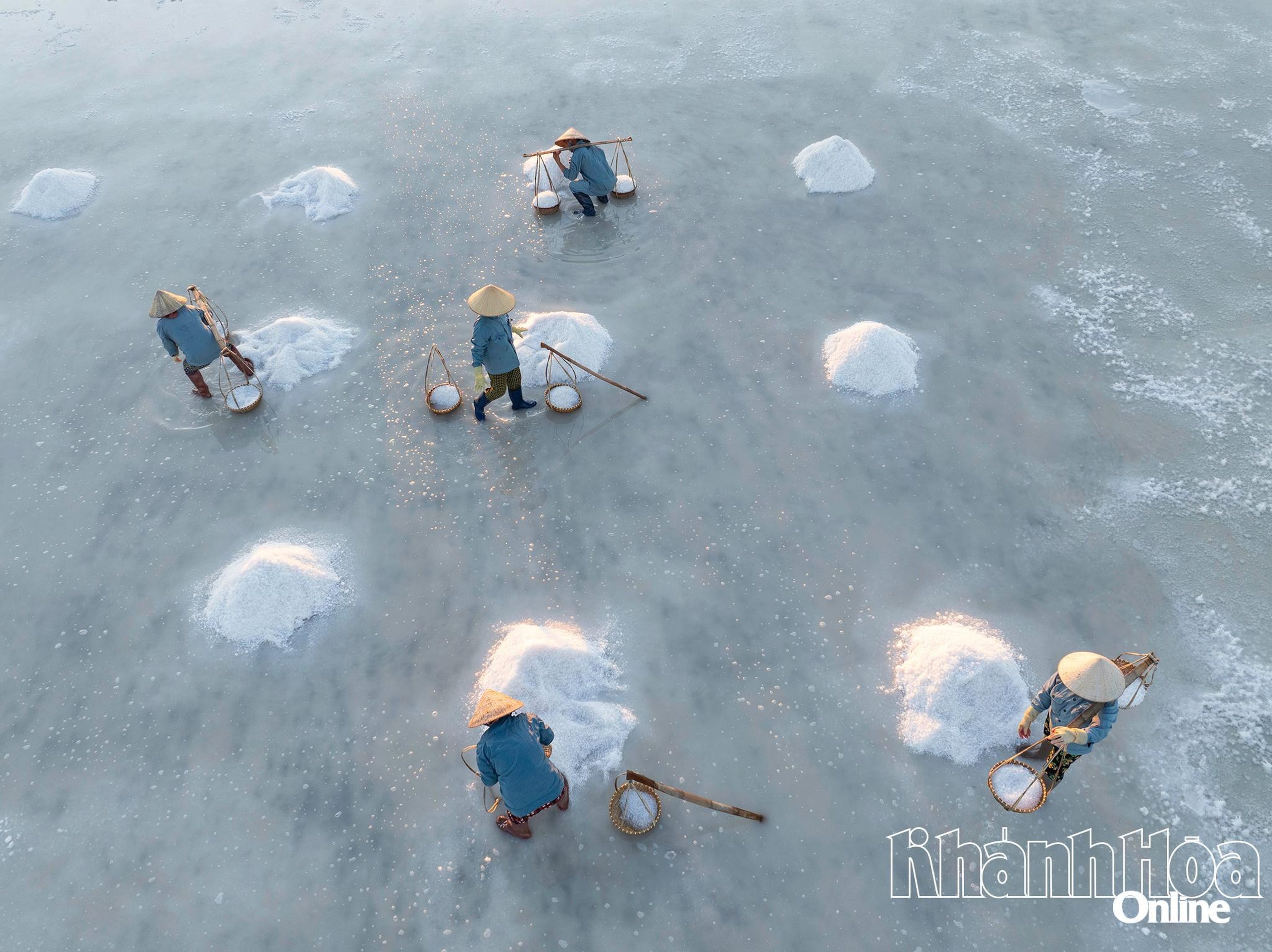
Promoting the value of marine culture is opening up a path for cultural resources to truly become an important part of tourism products, contributing to building a highly distinctive and sustainably developed Khanh Hoa tourism brand.
Part 1: A Coastal Strip, Multiple Cultural Layers
With the expansion of development space after consolidation, Khanh Hoa has become one of the localities possessing the most abundant and distinctive coastal, island, and marine cultural resources in the country. From Cua Be fishing village, Cam Ranh Bay to Ninh Chu, Vinh Hy, Bau Truc pottery village, and the southern salt fields, each land carries its own memory of the sea. It is this cultural sediment that is becoming the depth and sustainable attraction for Khanh Hoa tourism in the new development phase.
A Colorful Picture of Marine Culture
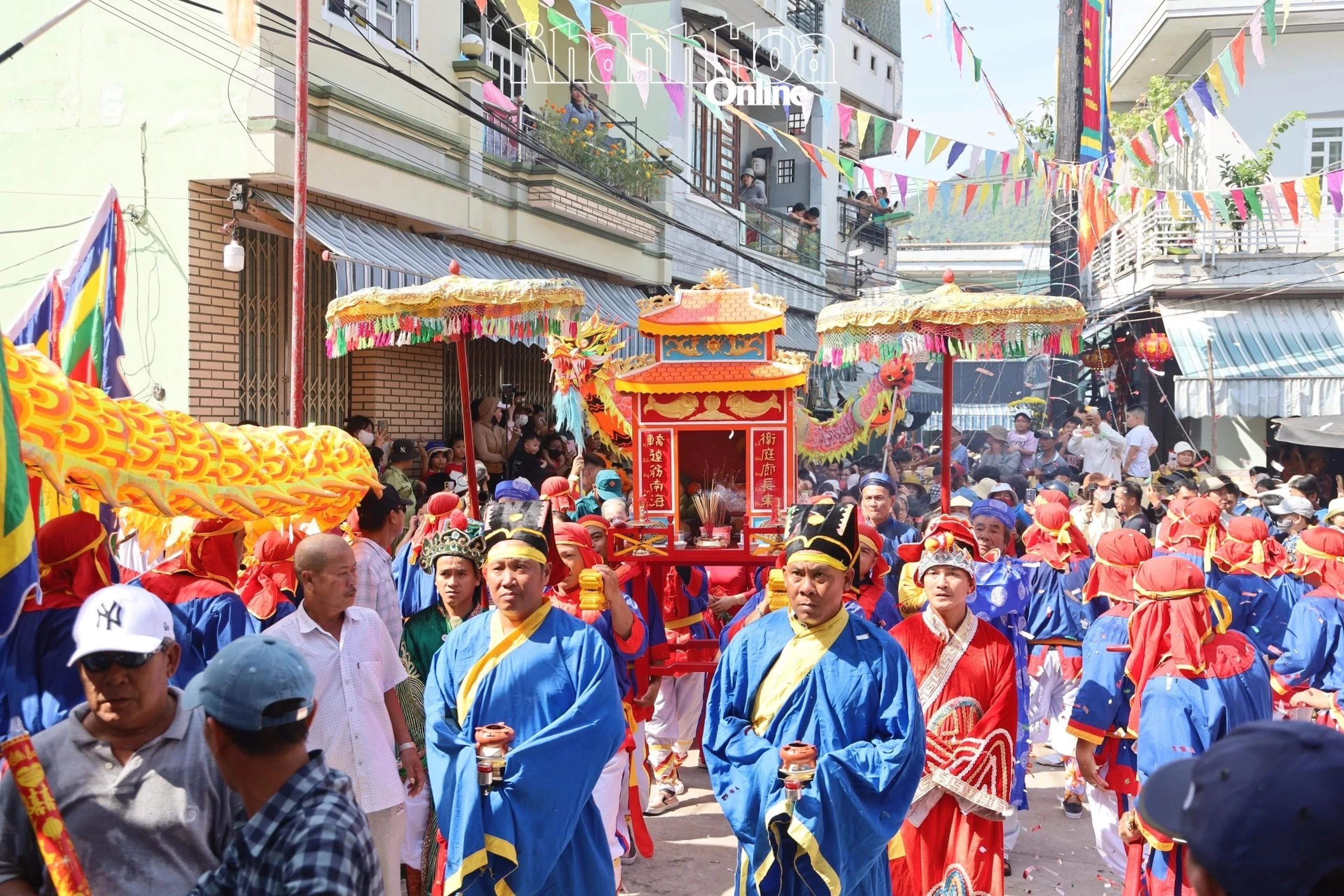
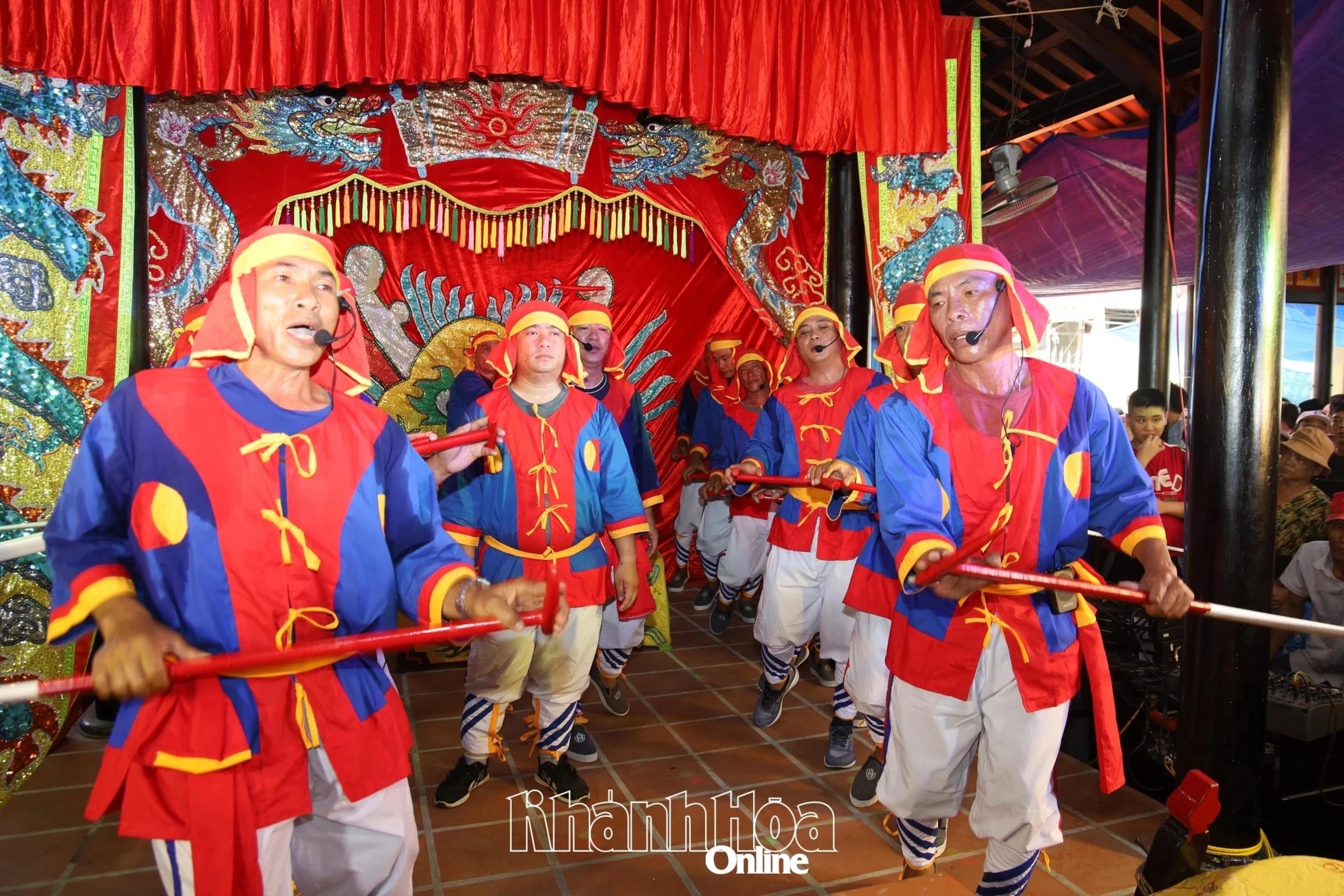
Early morning at Cua Be fish port, when night fishing trips return to shore, the life of the coastal village appears vividly right in the heart of the rapidly growing Nha Trang city. People untangle nets, sort fish, and call out to each other in the warm language of a community that has been attached to the sea for generations. Not far away, Truong Dong communal house remains a place where coastal villagers respectfully preserve the belief of worshipping Ca Ong (the Whale), the Cau Ngu (Fishermen's) festival, and the traditional 'ho ba trao' performance. It is a cultural space that retains its full vitality, a traditional stream flowing parallel to the modern development rhythm of the coastal city.
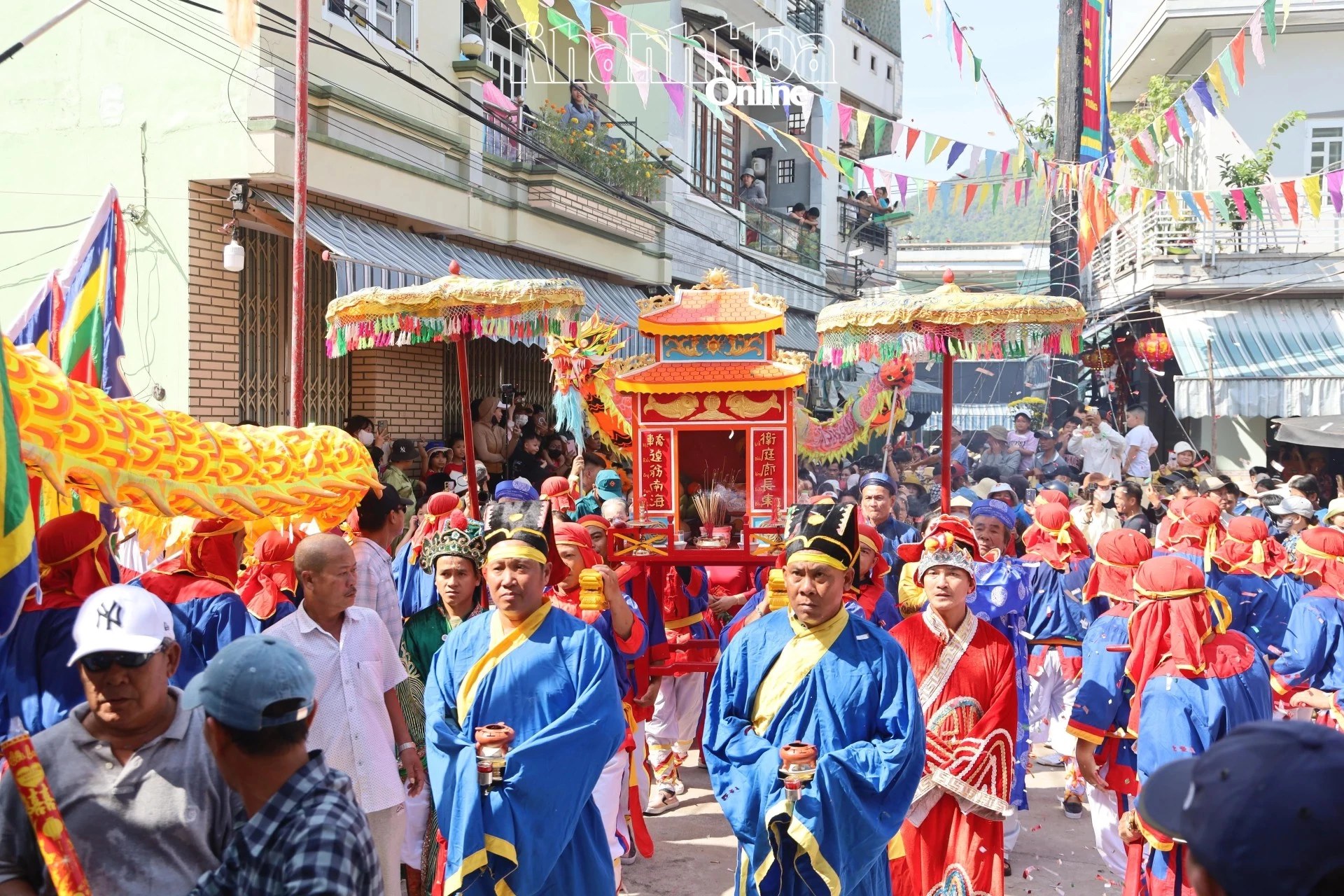 |
| Cau Ngu Festival in Vinh Truong, Nam Nha Trang ward. Photo: T.M |
The charm of Khanh Hoa lies not only in beautiful beaches, stunning bays, or world-class resorts. Hidden behind that natural beauty is a diverse treasure trove of marine culture: the fishing village culture of the Viet people, the belief of worshipping Ca Ong, the Cau Ngu festival, and 'ho ba trao' blended with Cham and Raglai cultures; the salt-making, fishing, fish sauce making, aquaculture, pottery, weaving, grape growing, and winemaking industries; the swiftlet nest culture and memories of once-bustling commercial ports, estuaries, and coastal towns. Each cultural layer is a puzzle piece that makes up the unique identity of this land.
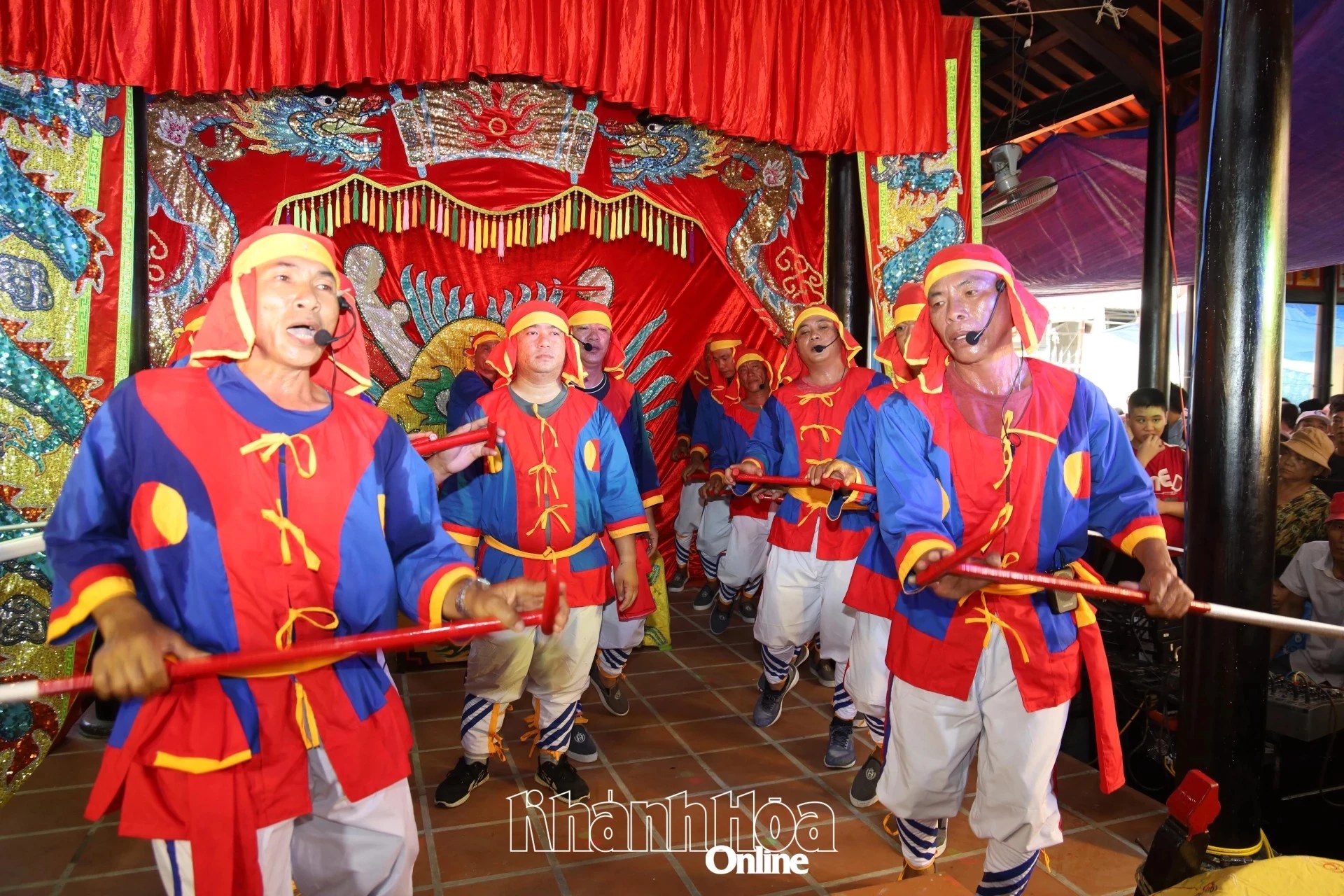 |
| Ho ba trao performance in the martial arts house of Truong Dong communal house. Photo: T.M |
After consolidation, Khanh Hoa's marine space is vast and rich in nuances. In the north is the Van Phong Bay area, with fishing villages, salt-making, fishing, and aquaculture. Van Phong is rising to become a dynamic industrial, seaport, and logistics center, yet it still retains its long-standing marine cultural space, where tradition harmonizes with the new urban area and modern marine economy.
In the central area of Nha Trang, marine cultural layers are richly present: coastal communal houses, Ca Ong worship, Cau Ngu festival, ho ba trao, fish ports, fish markets... and the famous swiftlet nest harvesting and processing industry. The special feature and pride of Nha Trang is the harmonious coexistence of a modern tourist city with traditional coastal village communities - a unique identity hard to find elsewhere.
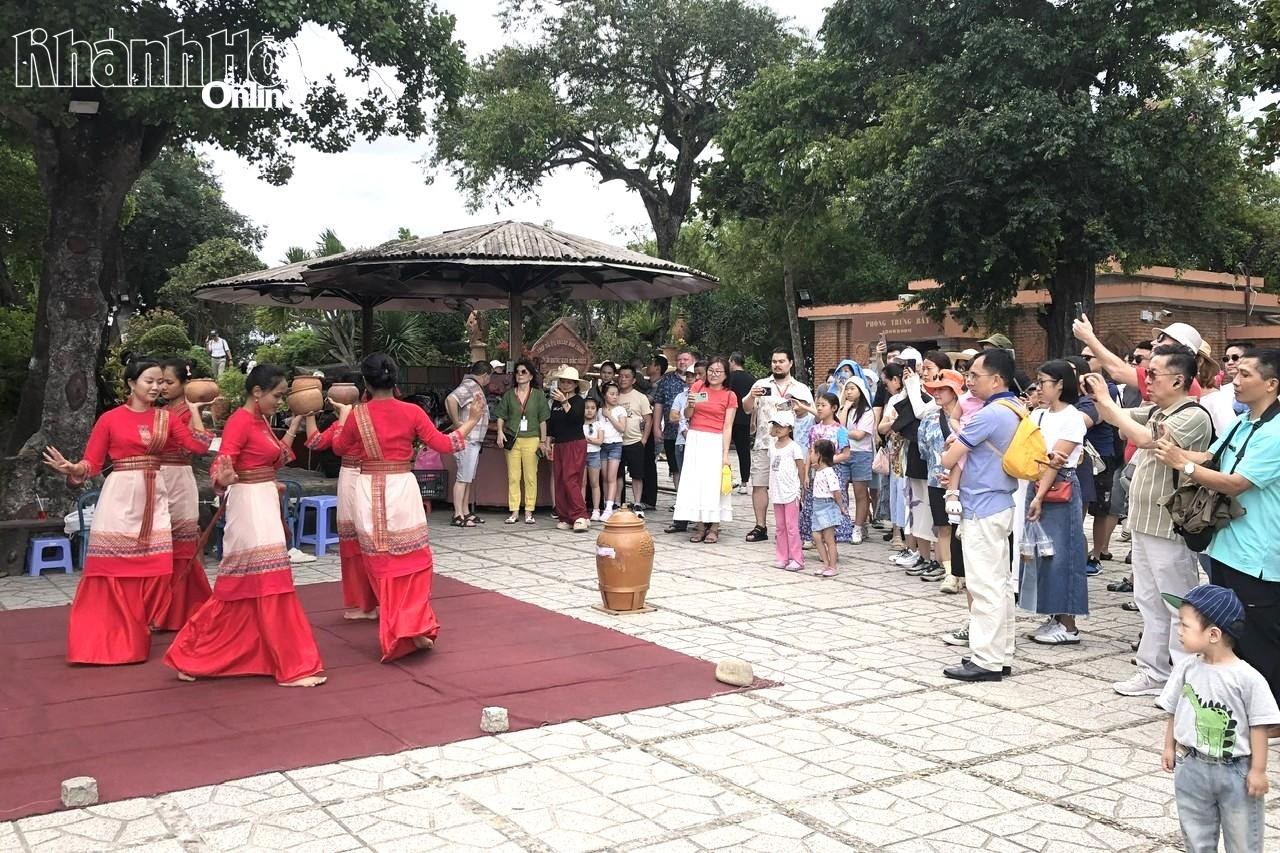 |
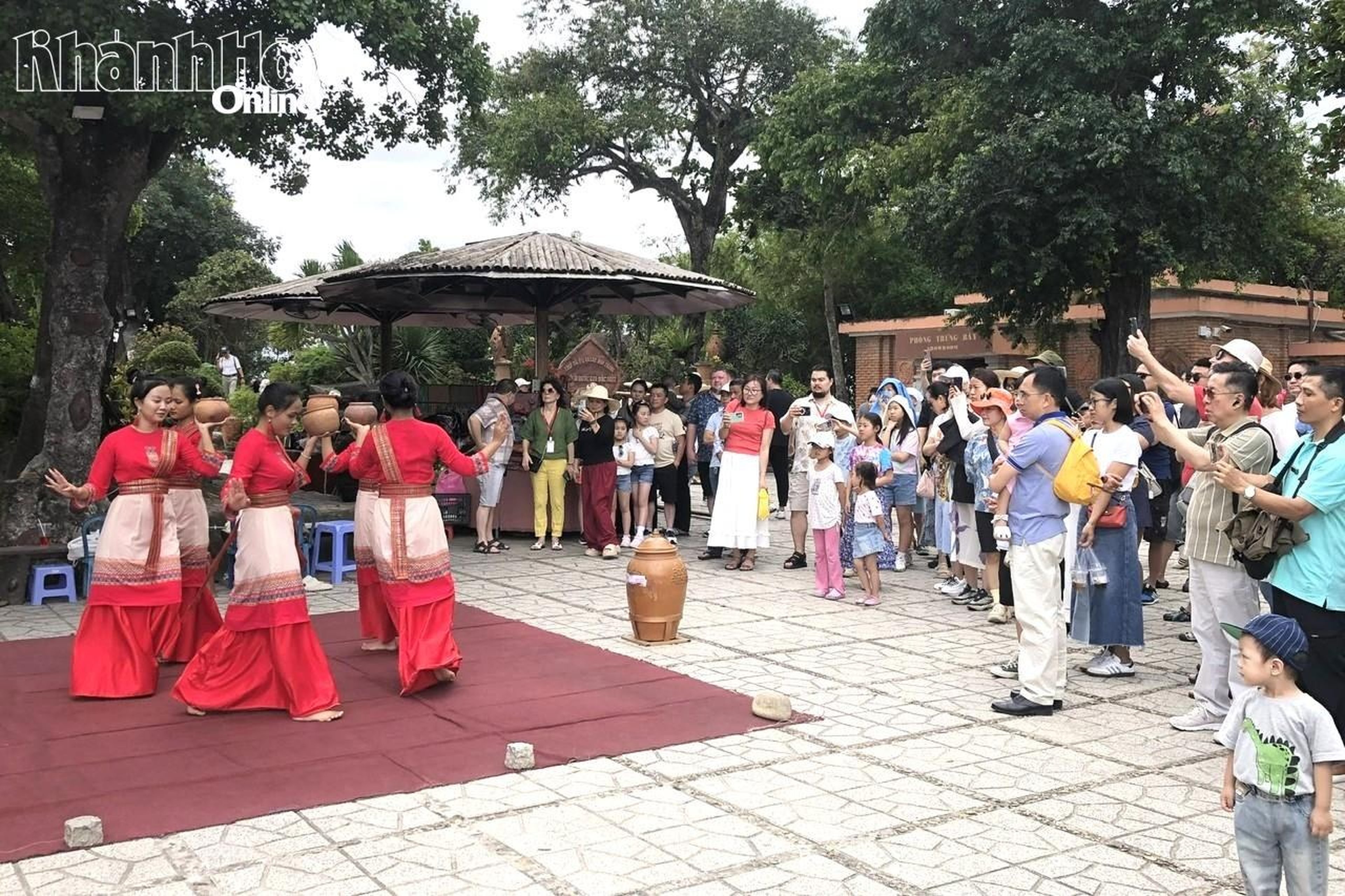
| Tourists watching Cham dance performance at Po Nagar Cham Towers Special National Relic. Photo: K.N |
Nha Trang's marine cultural space also carries the depth of Viet-Cham cultural interference, crystallized in the Po Nagar Cham Towers Special National Relic by the Cai River. From the Cham belief of worshipping Goddess Po Nagar to the Viet belief of Thien Y A Na, it is a long and beautiful process of cultural acculturation, showing that Nha Trang's marine identity is built not only from fishing villages but also from cultural encounters and harmony over many centuries.
Going further south is the Cam Lam - Cam Ranh area, home to Cam Ranh Bay with coastal fishing villages, Bai Dai, and rapidly developing resorts. According to planning orientations, Cam Ranh will develop as a tourist-logistics urban area, while Cam Lam aims for a modern, ecological airport urban model associated with resort tourism. This is the international gateway, where tourists, upon landing at Cam Ranh Airport, can immediately begin their journey to discover the cultural identity of a land rich in tradition.
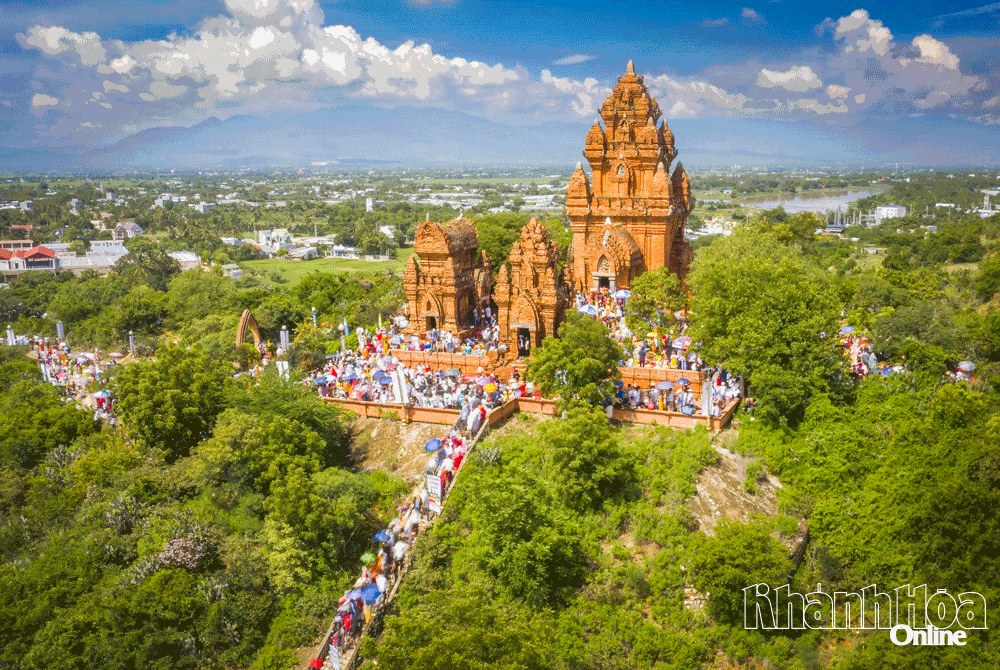 |
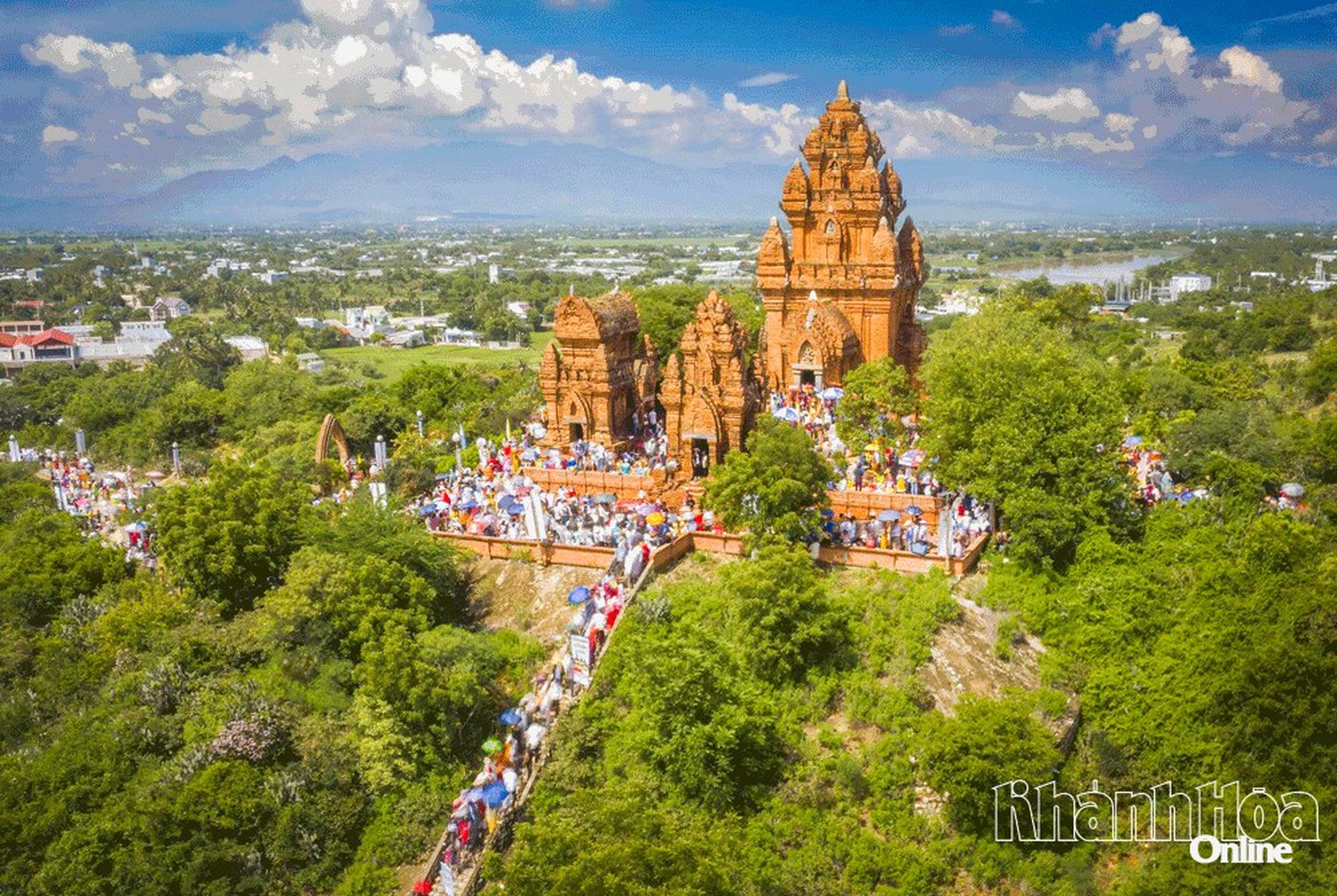
| Po Klong Garai Towers Special National Relic (Do Vinh ward). Photo: N.T |
Further south is the Phan Rang - Ninh Chu - Vinh Hy - Ca Na area, a land that adds new depth to the Khanh Hoa tourism brand. This is a gathering place of Cham and Raglai cultures, with brocade weaving, Cham tower systems, unique festivals, and folk arts; it is also a region of vineyards, apple orchards, sheep fields, salt fields, Vinh Hy fishing village, and the precious Nui Chua marine-forest ecosystem. Here lies Bau Truc pottery village (Ninh Phuoc commune) with the Cham pottery-making art heritage, which has been inscribed by UNESCO as an intangible cultural heritage in need of urgent safeguarding.
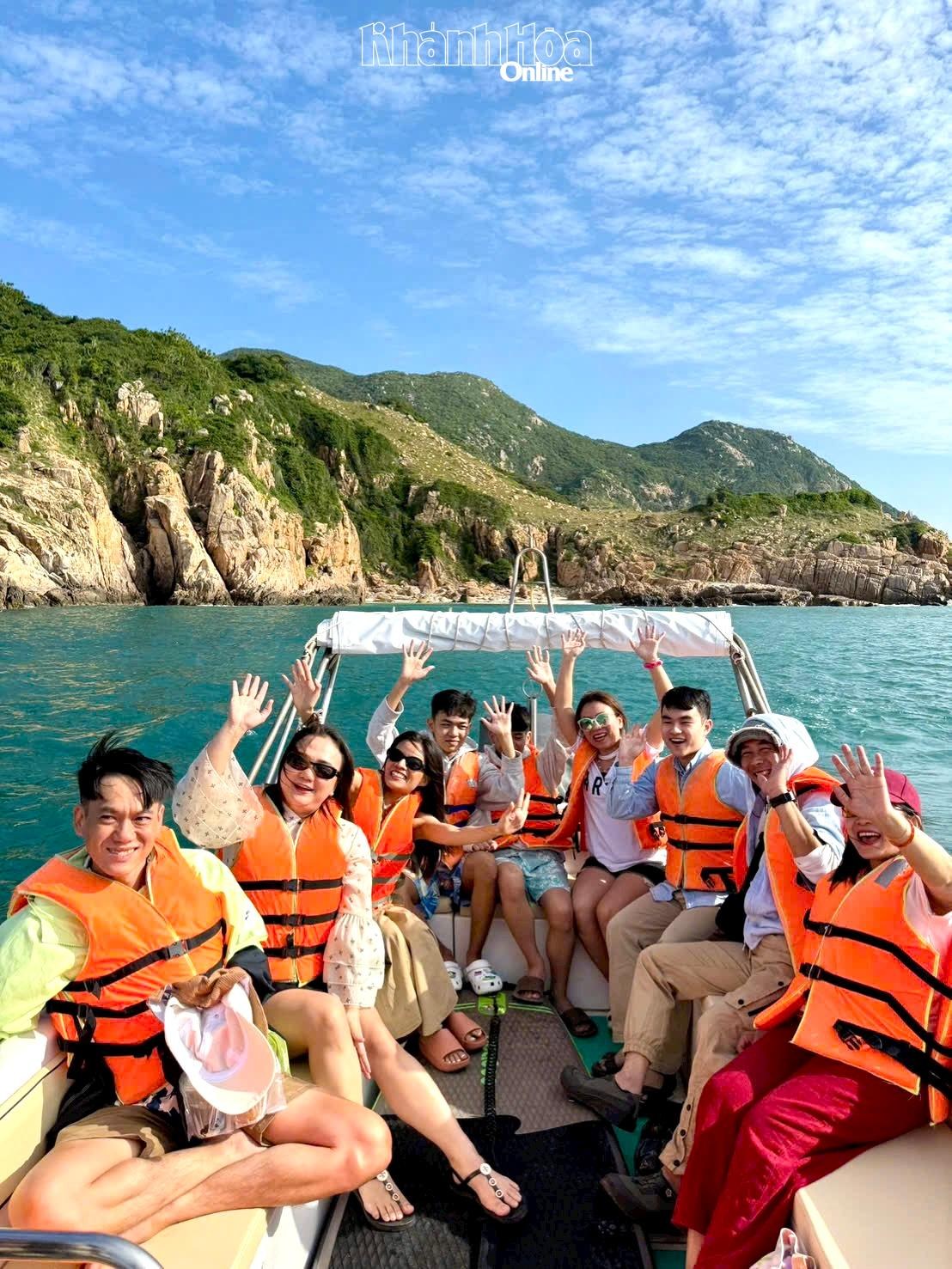 |
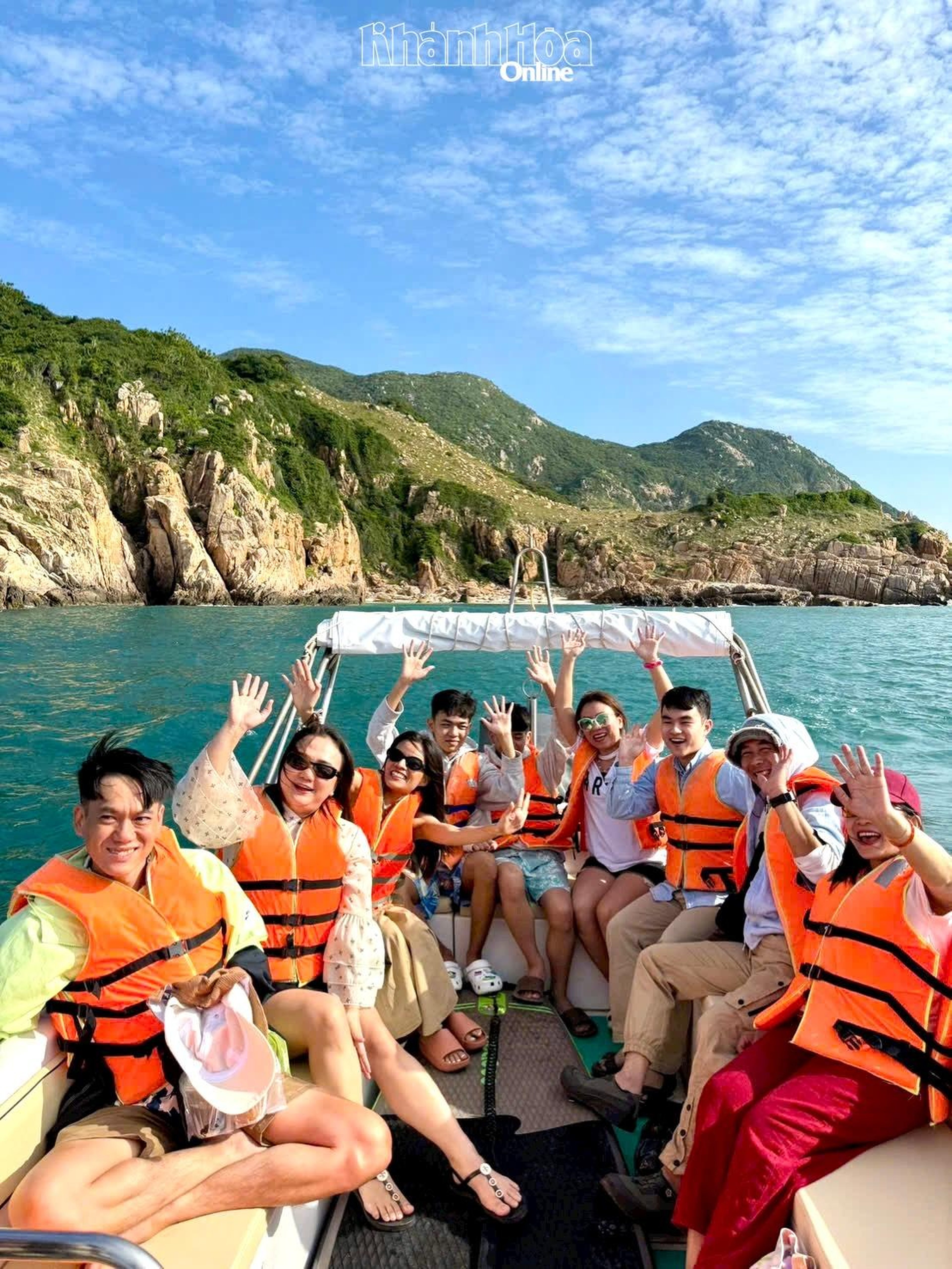
| Visiting the bay and watching coral by canoe is a popular activity attracting many tourists at Vinh Hy Bay. Photo: THANH XUAN |
Khanh Hoa's marine cultural space also extends far out to Truong Sa (Spratly Islands). In the new administrative structure, Khanh Hoa province has 65 commune-level administrative units, including 48 communes, 16 wards, and the Truong Sa special district. Far out at sea, Truong Sa is where marine culture is closely linked to the lives of soldiers and citizens on the islands and island points; with resilient will, love for the homeland, and sacred pride in national sovereignty. Khanh Hoa's marine cultural map is expanded from the shore to the islands, allowing Truong Sa to exist as a special, sacred cultural and spiritual space.
In the new administrative space, connection further enriches each land while honoring the geo-cultural brands built over generations. Phan Rang, Ninh Chu, Vinh Hy, Bau Truc, or Ca Na continue to be identified by their own names, memories, and voices, while becoming unique elements in the proud shared story of Khanh Hoa.
When Identity Becomes the Attraction
What makes a destination's appeal long-lasting is the story of the community, the customs, memories, cuisine, traditional crafts, and the warm way residents interact with the sea - values that cannot be replicated anywhere else. In Khanh Hoa, these values are being promoted so that every trip is not just a vacation by the blue sea but also a journey to touch cultural depths.
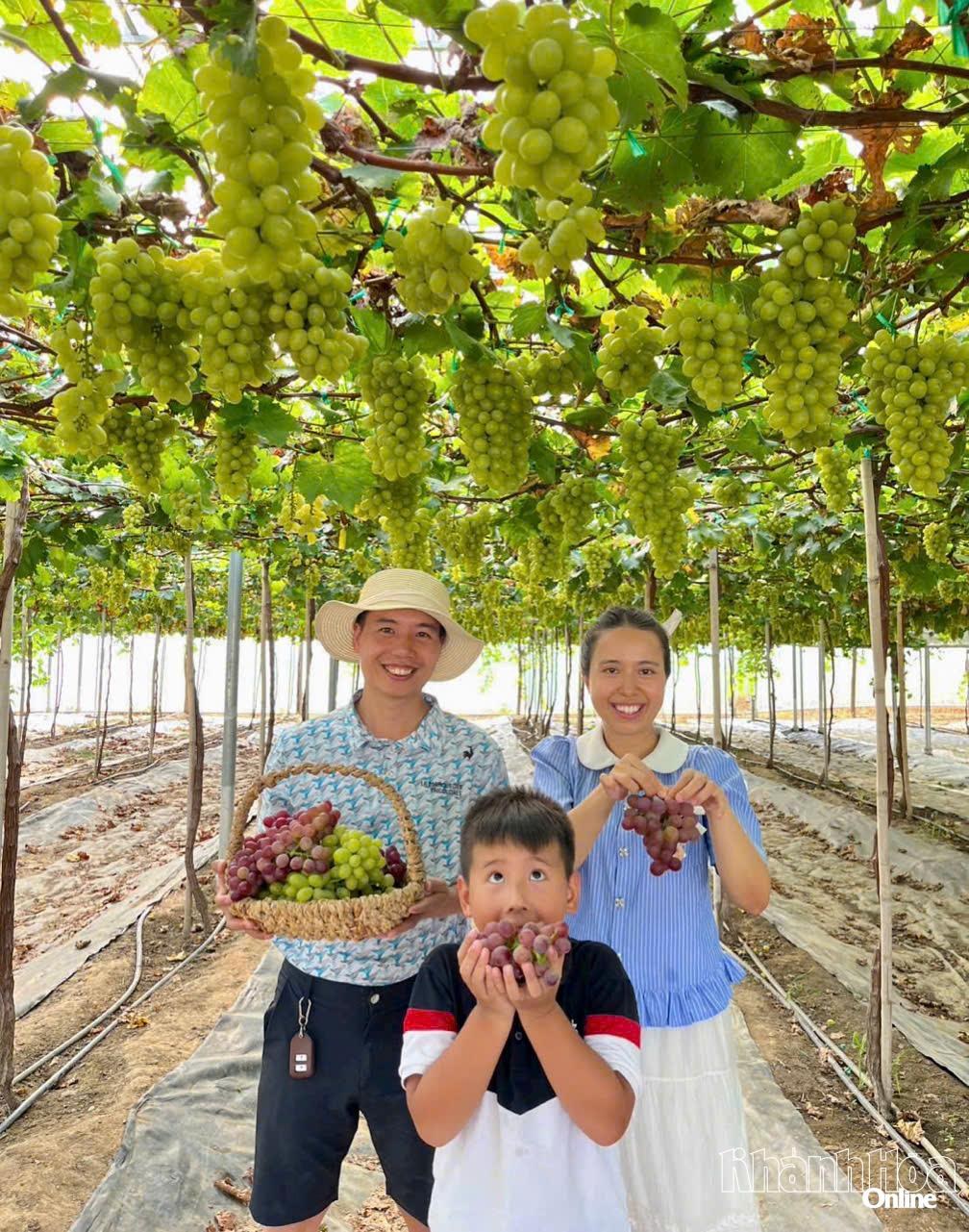 |
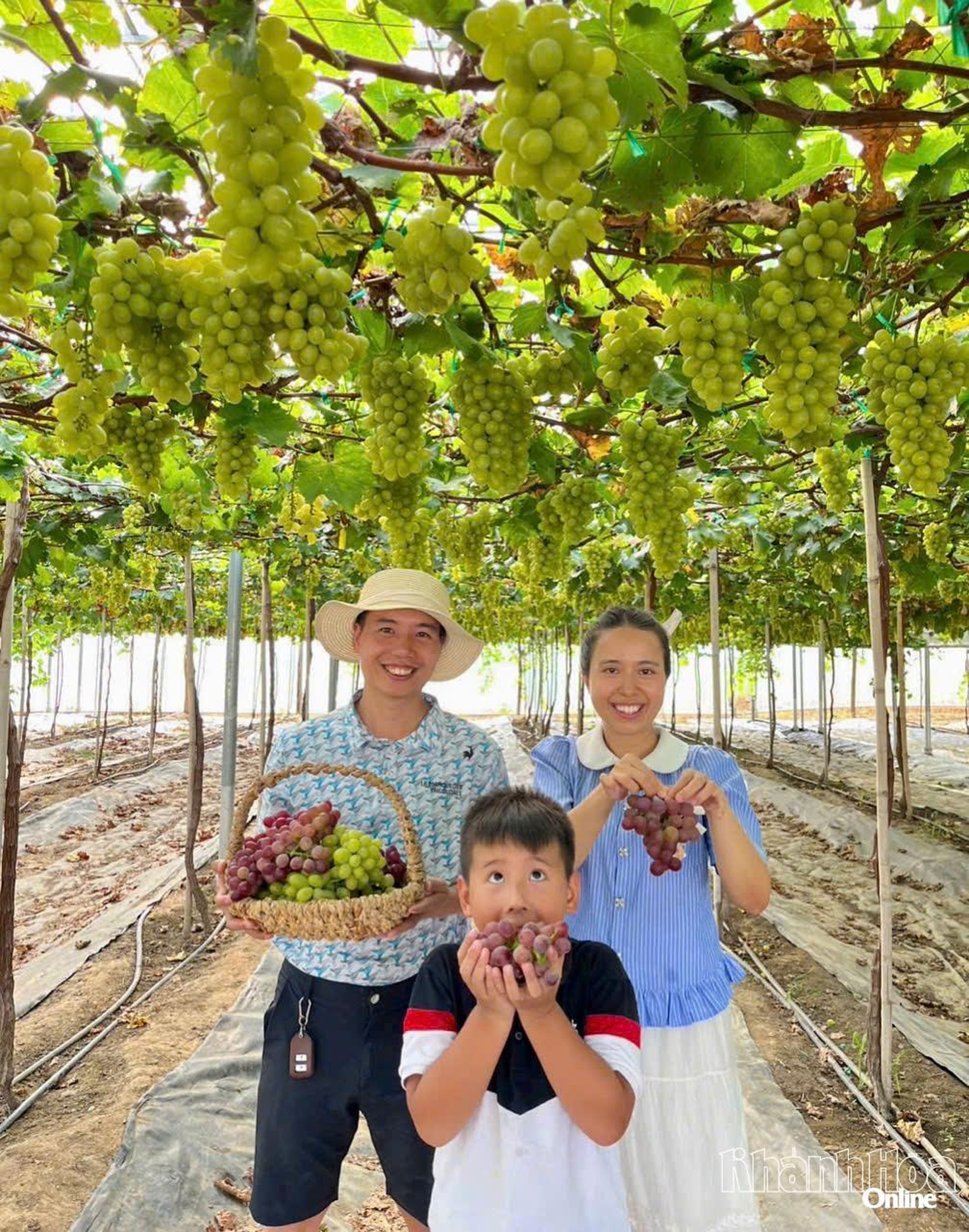
| Tourists picking and enjoying grapes at Hoang Yen 1 vineyard (Ninh Phuoc commune). Photo: THANH XUAN |
Vineyards, sheep herds, salt fields, pottery kilns, or fishing village boat docks are not just beautiful frames but also open up a whole world of knowledge and soul for tourists to explore: Why did this land form that craft, how are the people attached to it, and what secrets have been passed down through generations? When tourists understand and love the story behind each product, every souvenir they buy also becomes a share, contributing to nurturing the livelihood and pride of the heritage practitioners.
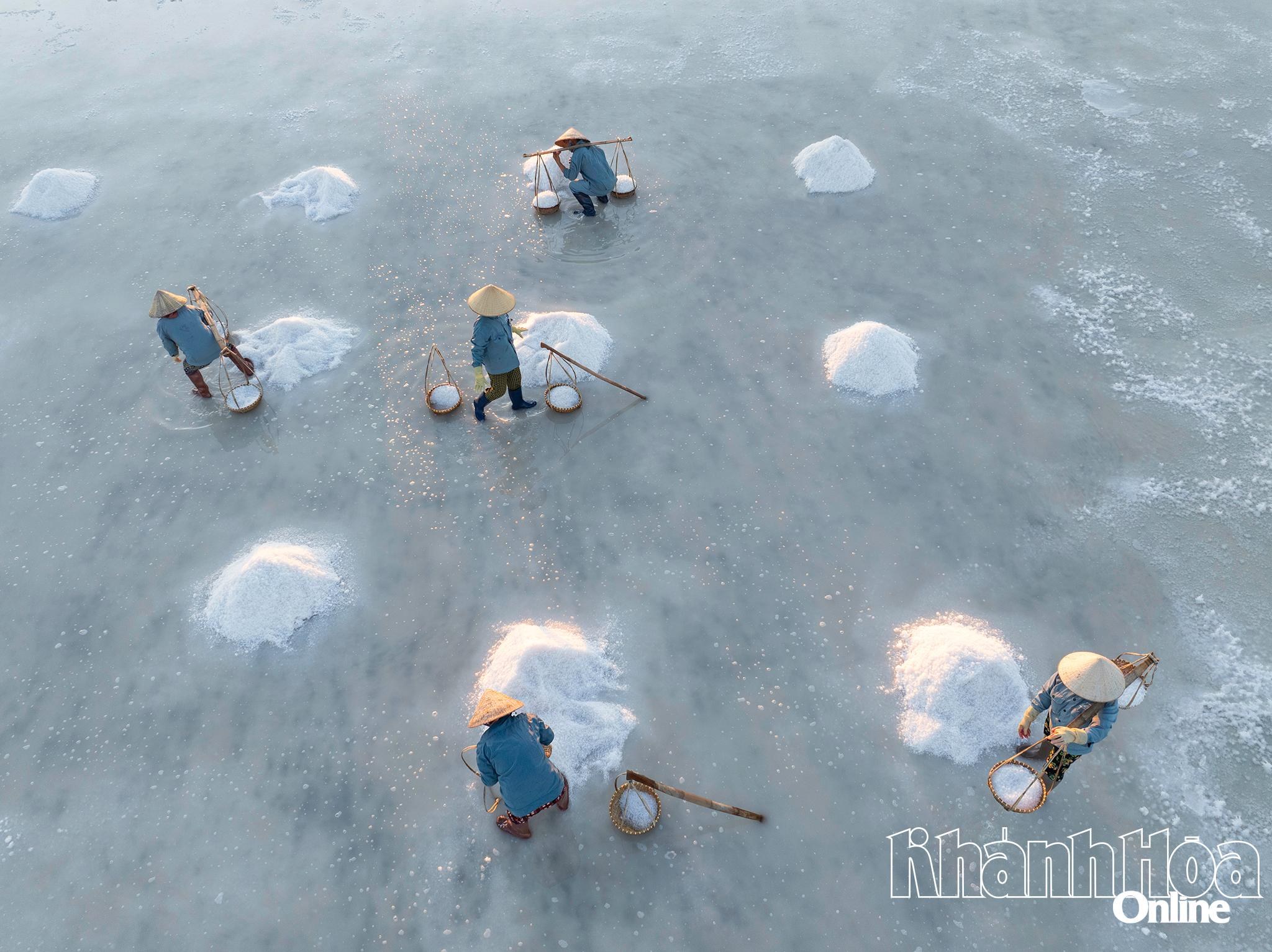 |
| On Hon Khoi salt field (Dong Ninh Hoa ward). Photo: VUONG MANH CUONG |
Khanh Hoa's marine culture is present in a very close and vivid way: in busy fish ports, ancient communal houses, boat anchorages, seafood markets, fishermen's hamlets, and the white salt-making spaces glistening under the sun. It is the tight bond between heritage and community that keeps festivals and traditional crafts full of life, becoming an invaluable spiritual asset that makes up the identity of the land.
With the orientation of building a green destination, Khanh Hoa is developing tourism in harmony with nature, linking marine environmental protection with preserving cultural depth. A destination that both retains the fresh beauty of the sea and spreads cultural identity is the way for Khanh Hoa to leave a deep impression in the hearts of tourists.
Possessing a long, beautiful coastline along with many precious cultural layers, Khanh Hoa has a great opportunity to assert its position as a leading destination, where natural beauty and cultural depth shine together. And the issue is to connect those values into a complete experiential journey so that those rich and unique cultural values become attractive tourism products.
Dr. NGUYEN CANH CHUONG
Part 2: Promoting the Value of Marine Culture, Elevating Khanh Hoa Tourism