



On the morning of October 30, at Champa Island Nha Trang, the People's Committee of Khanh Hoa Province, in coordination with the Vietnam National Authority of Tourism, held an international workshop on developing cruise tourism in Khanh Hoa. Attending the workshop were comrades: Nguyen Long Bien, Member of the Provincial Party Standing Committee and Permanent Vice Chairman of the Provincial People's Committee; Ha Van Sieu, Deputy Director General of the Vietnam National Authority of Tourism; and Nguyen Van Hoa, Standing Deputy Head of the Provincial Party Committee's Commission for Propaganda and Education. Also attending were: Nguyen Tan Tuan, former Chairman of the Provincial People's Committee; Le Huu Hoang, former Permanent Vice Chairman of the Provincial People's Committee; leaders of relevant departments and agencies; domestic and international scientists and experts; and representatives of shipping lines, seaport enterprises, and travel agencies.
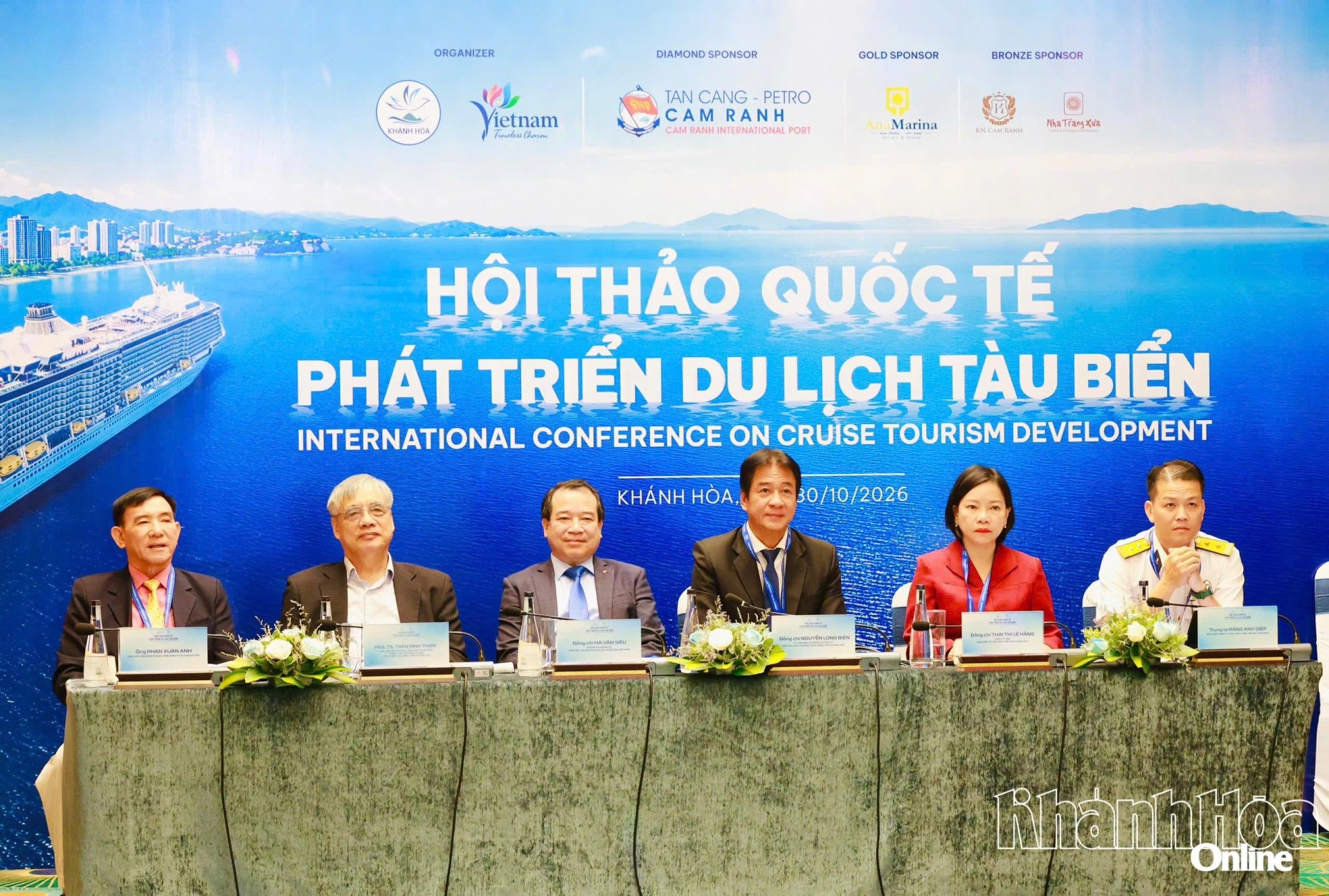 |
| Comrade Nguyen Long Bien, comrade Ha Van Sieu, and the workshop co-chairs. |
The workshop aimed to assess the current situation, exchange experiences, and propose strategic solutions to promote the cruise tourism segment—one of the key strengths of Khanh Hoa's tourism and the country as a whole in the new period. Thereby, it aims to affirm the appeal of the Nha Trang - Khanh Hoa destination on the regional and international maritime tourism map. The workshop also aimed to strengthen connections between the province and international cruise lines and shipping agents, encouraging the formation of inter-regional and inter-port cruise itineraries in the Asia-Pacific region. Along with that, delegates focused on seeking solutions to remove bottlenecks in infrastructure and procedures, extend lengths of stay, and increase spending by cruise passengers through high-end onshore products, the night-time economy, duty-free shopping, and cultural - culinary tourism.
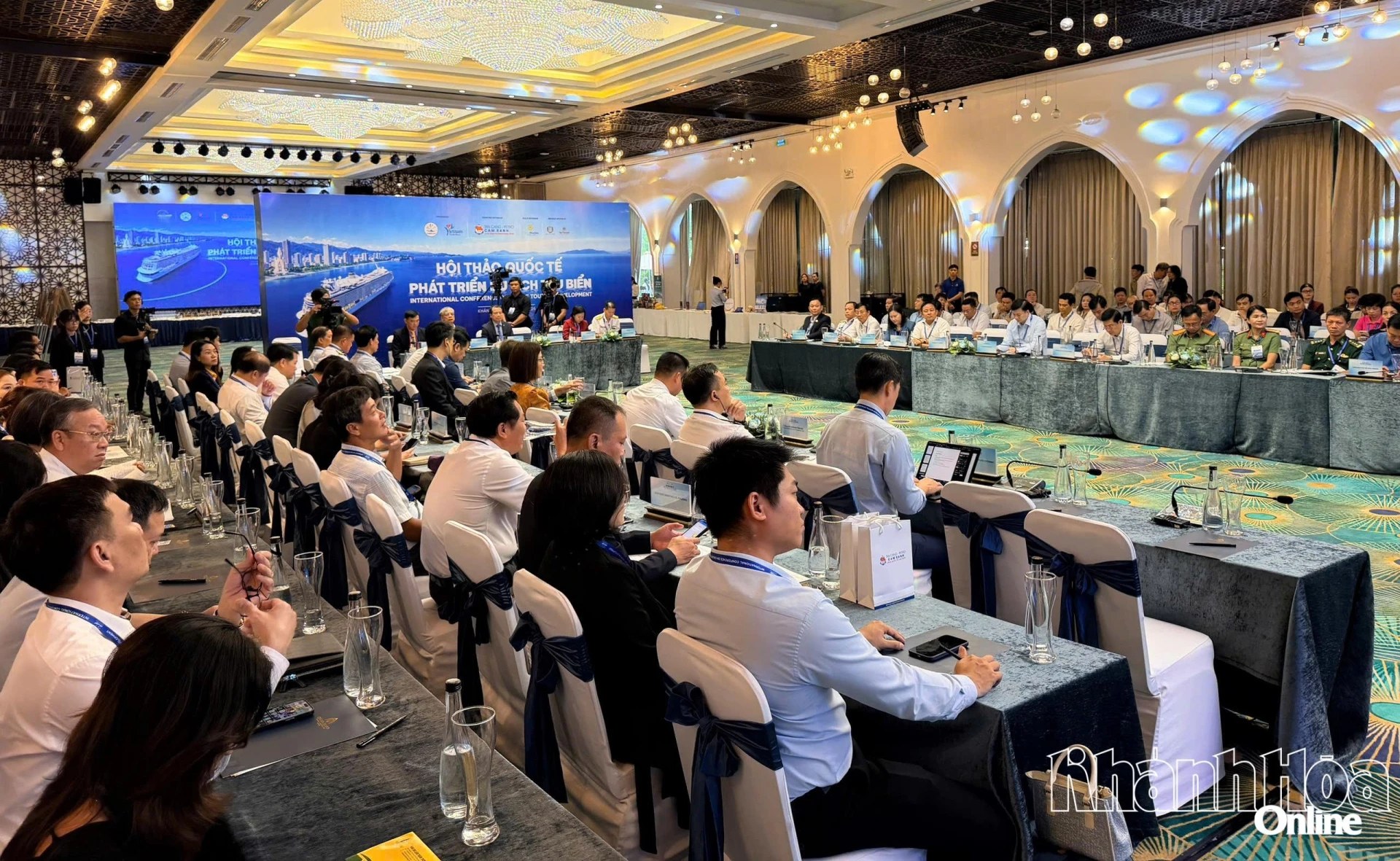 |
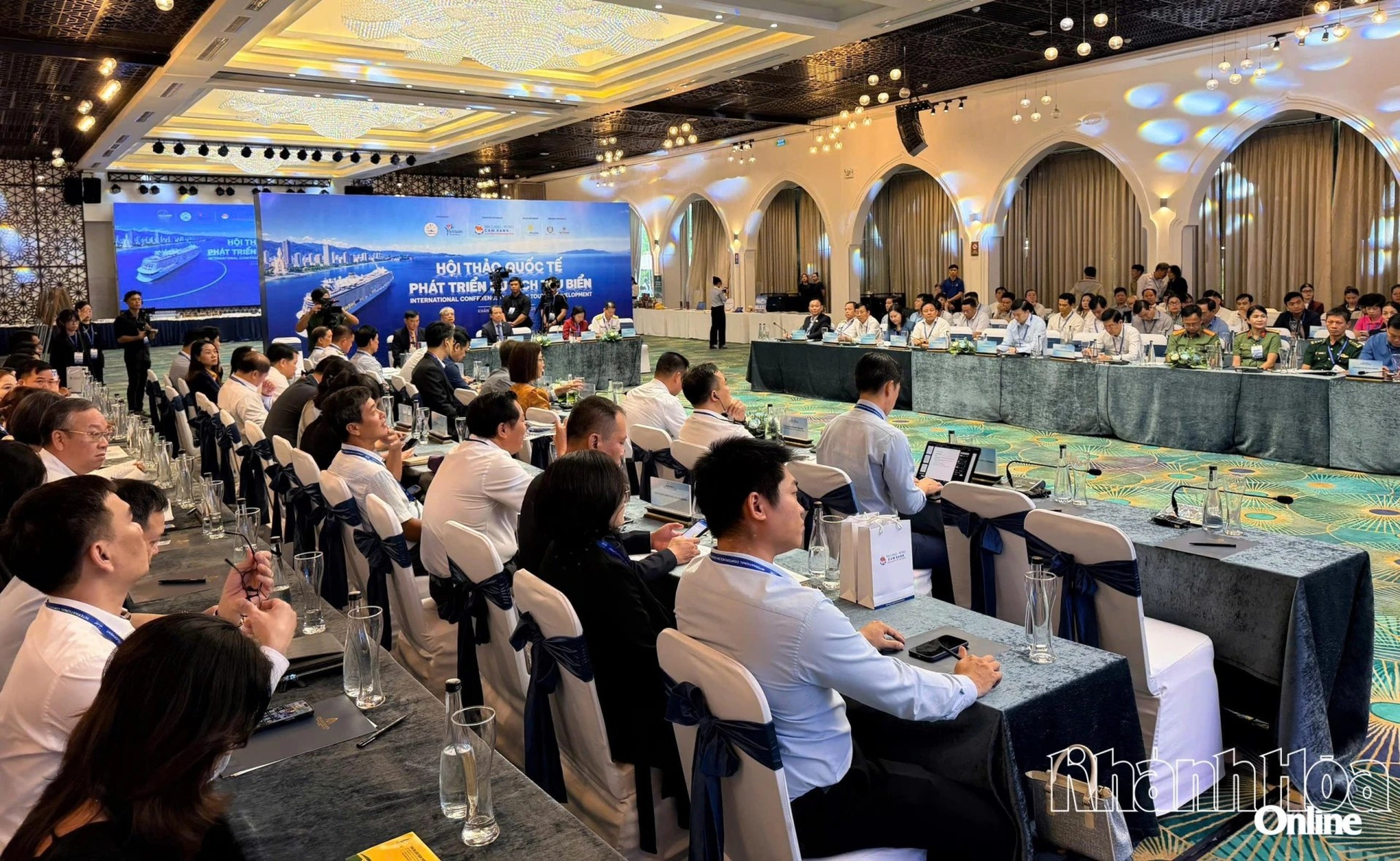
| A view of the workshop. |
Advantages are only the initial conditions
Delivering the opening speech, comrade Nguyen Long Bien emphasized that developing cruise tourism is of particularly vital significance in the strategy to build Khanh Hoa into a national and international tourism hub, making tourism truly a spearhead economic sector. Based on the Provincial Tourism Development Strategy for the 2026 - 2030 period, with a vision to 2045, and Resolution No. 14 dated May 14, 2026 of the Provincial Party Executive Committee, the province determined the need to more effectively exploit the advantages of its sea, islands, natural landscapes, cultural - historical values, and tourism service systems. Khanh Hoa possesses outstanding advantages in bays, sea and islands, climate, high-end resort services, entertainment, and cultural experiences. Along with Cam Ranh International Port and Ana Marina Nha Trang, the province has a foundation to develop products and services catering to cruise tourists and strengthen connections with domestic and international maritime tourism routes.
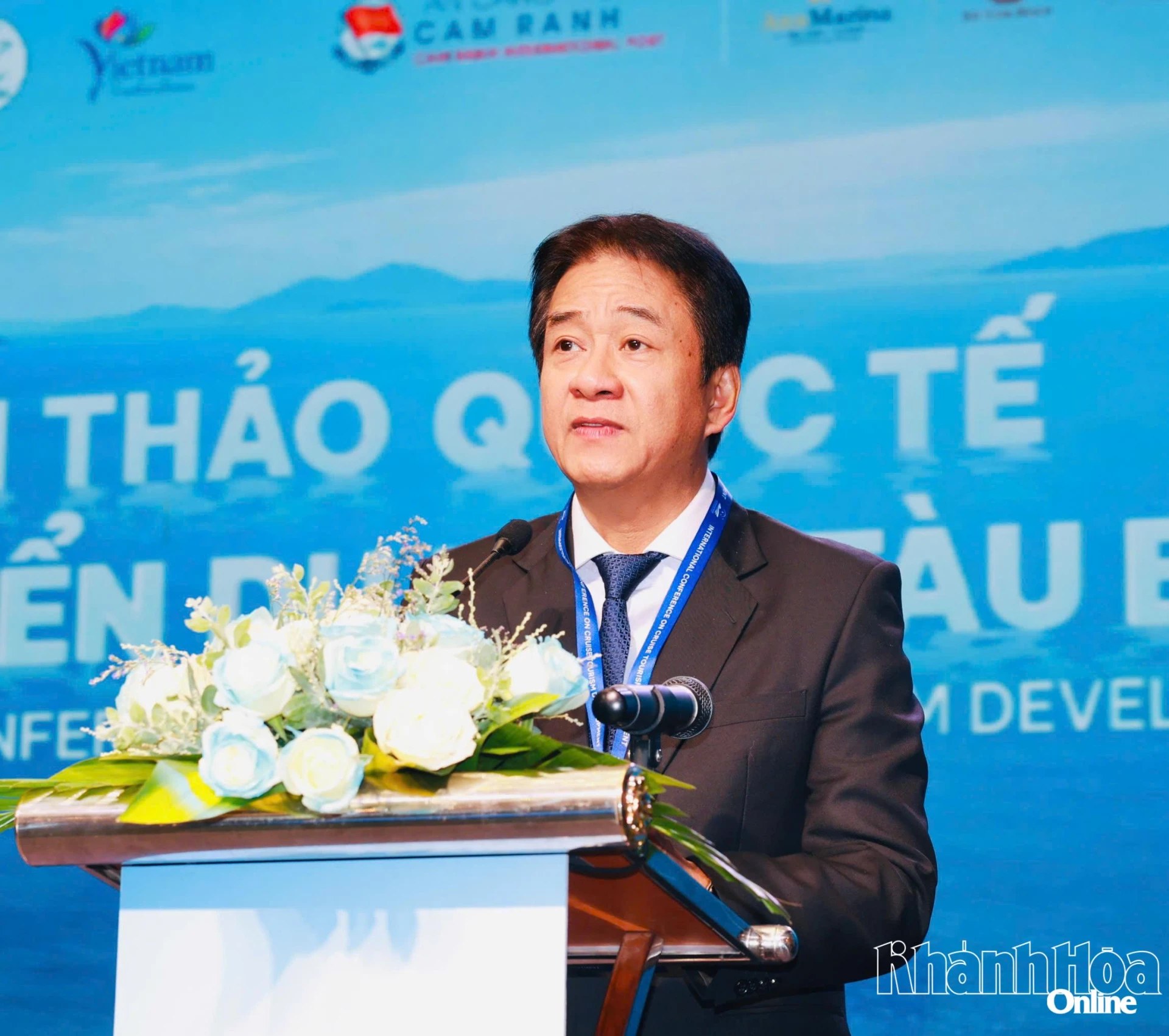 |
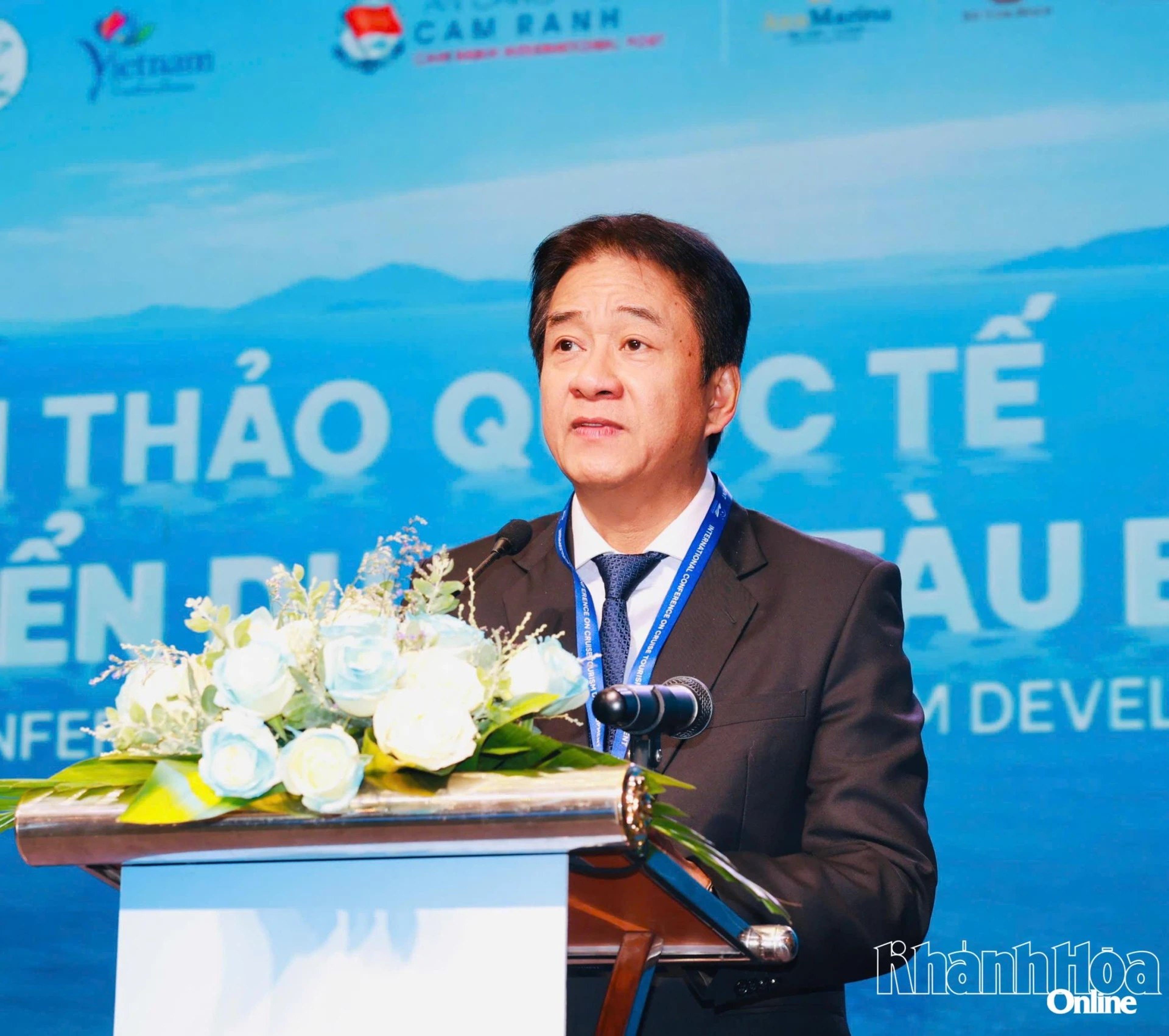
| Permanent Vice Chairman of the Provincial People's Committee Nguyen Long Bien delivers the opening speech at the workshop. |
However, Comrade Nguyen Long Bien stated that the advantages of resources and geographic location are merely initial conditions. To be regularly selected by cruise lines, a destination must consistently satisfy multiple criteria. These include vessel-handling infrastructure, prompt and safe passenger embarkation and disembarkation procedures, transport and sightseeing services, distinctive products, a civilized and friendly tourism environment, along with the capacity to organize itineraries suited to the needs of cruise passengers.
Standing Vice Chairman of the Provincial People's Committee Nguyen Long Bien suggested that the workshop focus on in-depth discussions around five key groups of orientations and solutions. First is strengthening direct connectivity with international cruise lines, taking market demand as the basis for development orientation. The province wishes to hear candid, specific evaluations from cruise lines and experts regarding destination selection criteria, vessel reception capacity, port service quality, berthing duration, operating costs, and passenger demands. This will serve as a basis for the province to determine the right investment priorities, improve services, and formulate appropriate promotion programs. Second is completing infrastructure and enhancing the capacity to welcome vessels and tourists. The province looks forward to receiving in-depth opinions on constructing and upgrading seaport infrastructure serving tourism, the feasibility of developing dedicated berths, passenger terminals, and marinas, as well as improving connectivity between ports, urban centers, and tourist areas and attractions. Proposals need to be evaluated on the basis of planning, market demand, investment efficiency, and requirements to ensure national defense, security, maritime safety, and marine environmental protection. Third is creating breakthroughs in shore excursion products, raising spending levels and the value of cruise passengers' contributions. Fourth is reforming procedures, standardizing service quality, and fostering a safe, professional tourism environment. Fifth is promoting inter-regional linkages and developing highly competitive cruise tourism itineraries.
Comrade Nguyen Long Bien requested that remarks at the workshop get straight to practical issues, clearly analyzing causes, implementation conditions, and coordination responsibilities, and proposing concrete solutions. According to him, international experience, effective port governance models, 'greening' solutions for cruise tourism, and the application of technology in management and passenger service will serve as practical references for the province's policymaking process. In the spirit of receptiveness, partnership, and cooperation for mutual development, the province commits to facilitating favorable conditions within the legal framework and strengthening coordination among state management agencies, port operators, and the business community. The province will also proactively take in suggestions to step-by-step resolve difficulties, complete infrastructure, and improve product quality and the business environment for cruise tourism.
He expressed hope that the workshop would not merely stop at exchanging information, but would open up concrete cooperation opportunities between Khanh Hoa and international cruise lines, port operators, maritime agencies, and travel enterprises. The recommendations, initiatives, and cooperation commitments from the workshop will serve as a basis for the province to translate into specific tasks and solutions in the coming time.
Need to develop a cruise tourism ecosystem
Delivering remarks at the workshop, Deputy Director of the Vietnam National Authority of Tourism Ha Van Sieu stated that cruise tourism is the convergence of the maritime economy, international transportation, tourism services, culture, and commerce. A ship docking at a port not only brings tourists to an attraction, but also brings opportunities to connect markets, supply chains, investment, and national image. Therefore, the question facing Vietnam is not only how to welcome more cruise ships, but how to participate more deeply and proactively, and benefit more from the international cruise tourism value chain. In 2025, Vietnam welcomed about 274,000 international visitors arriving by sea. In the first nine months of 2026, this figure reached more than 243,000 arrivals, an increase of nearly 28% compared to the same period last year.
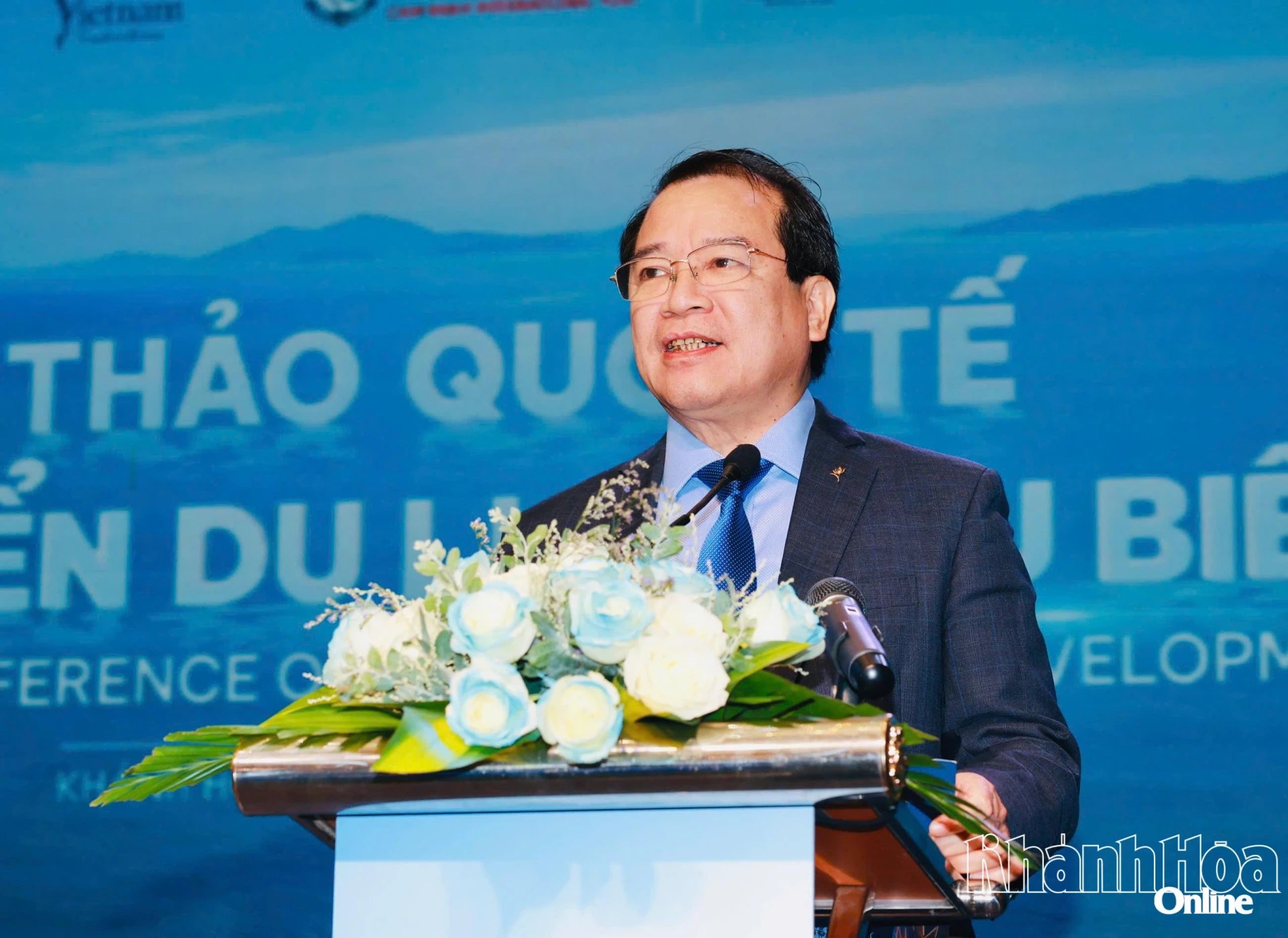 |
| Deputy Director of the Vietnam National Authority of Tourism Ha Van Sieu delivers remarks at the workshop. |
In Khanh Hoa, in 2019, the province welcomed 52 cruise ships with about 107,000 visitors going ashore; in 2025, it welcomed 28 ships with nearly 35,000 visitors. In the first eight months of 2026, the province welcomed 38 ships with more than 60,000 visitors, surpassing the result for the entire year of 2025. Even so, the market scale remains modest, with operations mainly focused on serving day-trippers with a shore time of about 6 - 8 hours. Infrastructure and services are not yet synchronized, specialized products are not diverse, and the capacity to tap added value remains limited.
According to Mr. Ha Van Sieu, following the reorganization of administrative units, Khanh Hoa possesses nearly 500km of coastline and more than 200 islands along with Van Phong, Nha Trang, Cam Ranh, and Vinh Hy bays. The province boasts a rare convergence of advantages including sea bays, deep-water ports, an international airport, tourism urban areas, and the distinctive cultural space of the Kinh, Cham, and Raglai communities. Cam Ranh International Airport is planned for a capacity of about 19 million passengers per year by 2030. This serves as a foundation for developing a combined fly-cruise model, pre- and post-cruise tourism products, and gradually turning Khanh Hoa into a departure and turnaround port for cruise itineraries.
Comrade Ha Van Sieu proposed five breakthrough directions for Khanh Hoa. In terms of infrastructure, the province needs to develop an integrated service ecosystem rather than investing in isolated projects. In terms of institutions, it is necessary to improve inter-sectoral coordination mechanisms and facilitate administrative procedures. In terms of products, a distinctive experiential ecosystem should be built, leveraging the depth of indigenous culture. In terms of markets, proactive collaboration with international cruise lines is required to design itineraries, aiming to increase the return rate of cruise operators. In terms of human resources and destination governance, service quality must be enhanced, with effectiveness measured by spending levels, length of stay, and the quality of experience. The 2026–2030 period will prioritize strengthening the capacity to serve cruise tourists and researching conditions for developing homeport itineraries originating and concluding in Khanh Hoa. After 2030, the province may expand operational functions, aiming towards becoming a competitive cruise tourism hub in the Asia-Pacific region.
At the workshop, delegates heard presentations: “Cruise tourism: A new growth pole of Khanh Hoa - Strategic vision for Khanh Hoa and the South Central Coast region”; “Developing cruise tourism requires a synchronized ecosystem”; “Developing Khanh Hoa cruise tourism into an attractive destination on the Asia-Pacific cruise tourism map: Issues and solutions”; “Greening marinas and the development of standards in Southeast Asia, with a focus on Khanh Hoa Province”; “Developing cruise tourism in Vietnam and the ASEAN region: Applying human-centric innovation to attract tourists”; “Leveraging potential and improving operational efficiency of Cam Ranh International Port, heading towards a modern, multi-service, and sustainably developed international passenger port model”; “Cruise tourist market trends and solutions to attract and sustainably develop this tourist source to the South Central Coast region”.
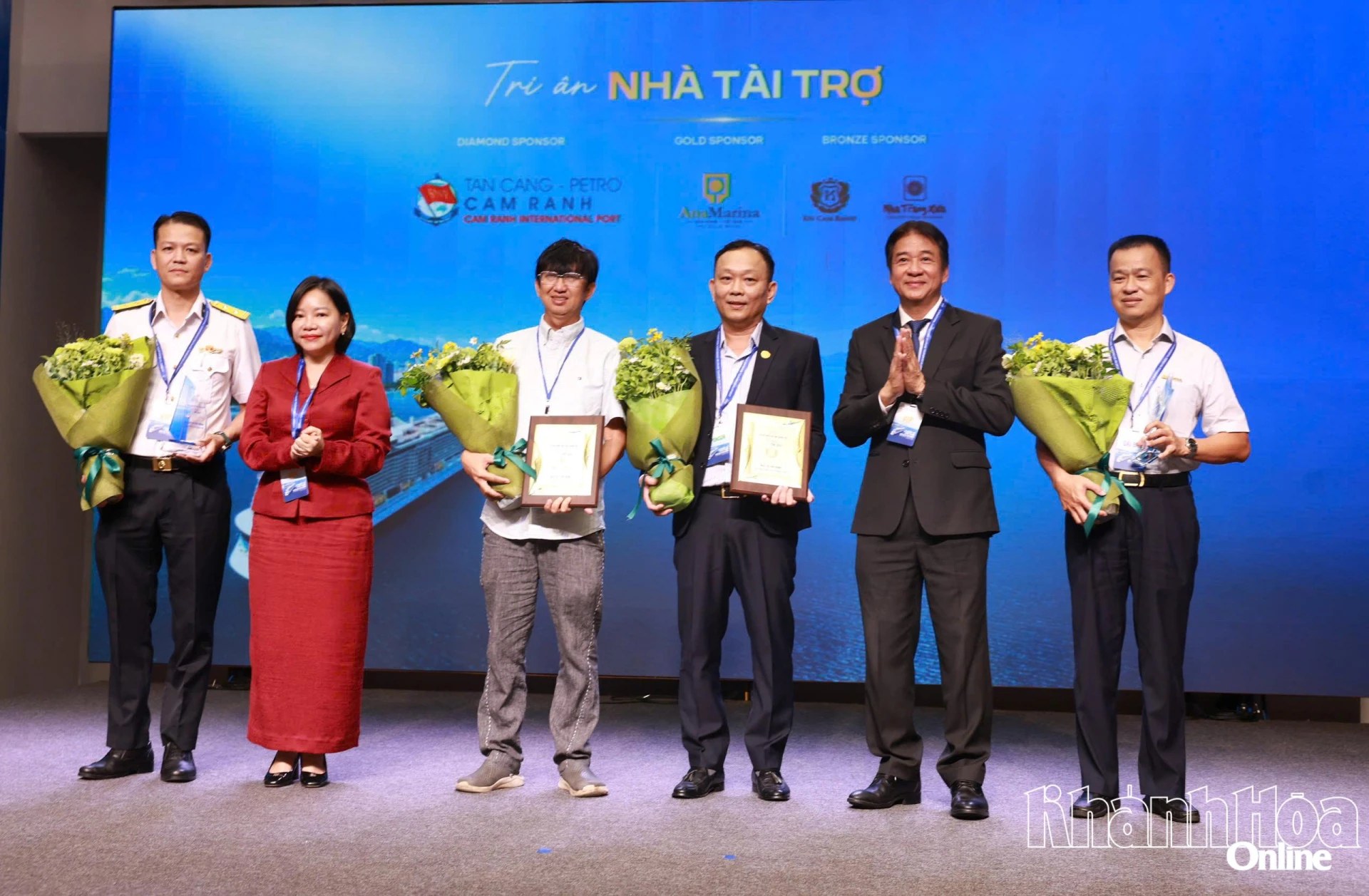 |
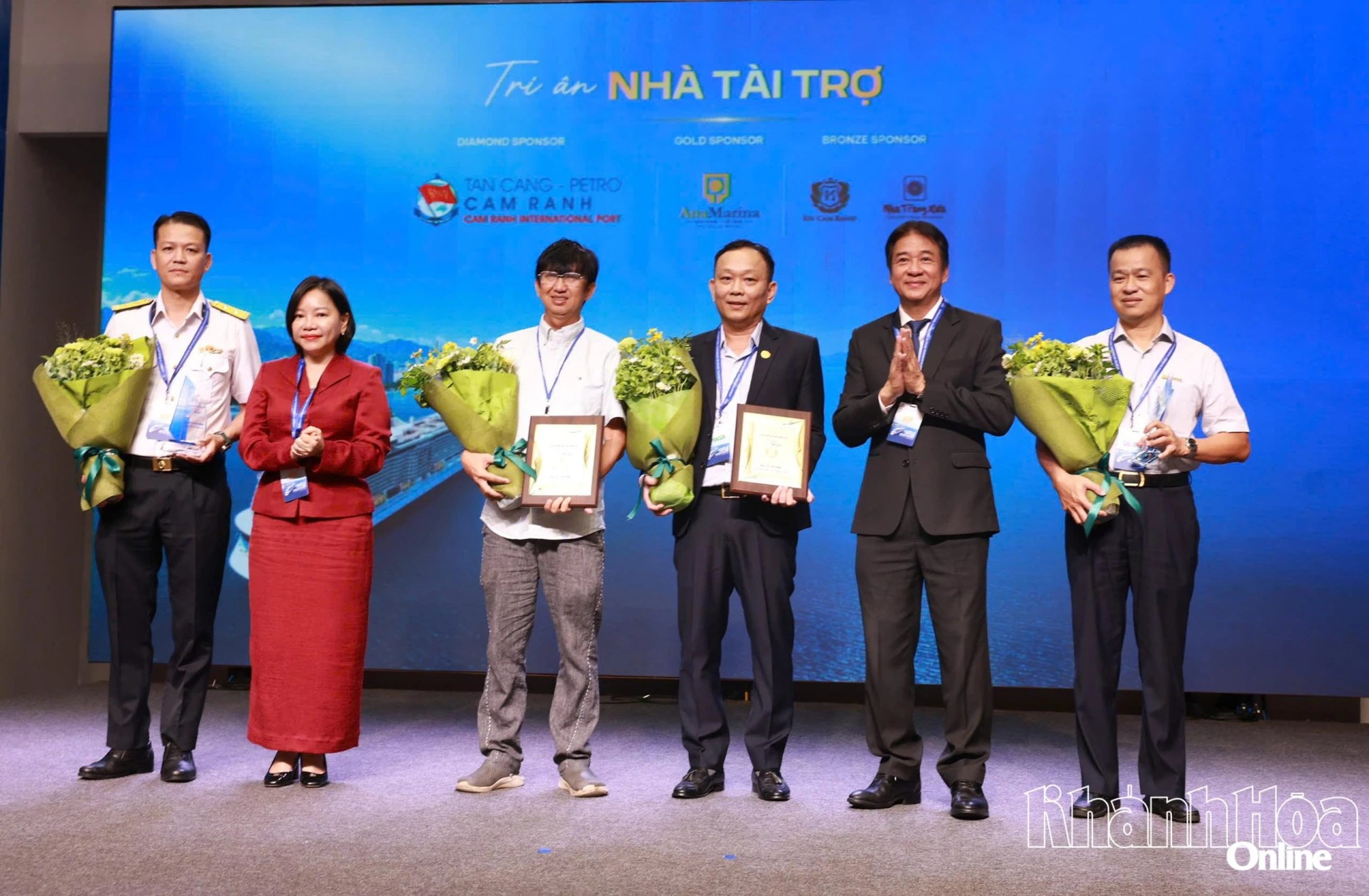
| Comrade Nguyen Long Bien, along with leaders of the Department of Culture, Sports and Tourism, presented flowers and commemorative medals to express gratitude to the sponsors. |
The workshop also featured a dialogue session with two topics: “From a port of call to an international cruise tourism gateway” and “From sightseeing to a destination experience journey”. The opinions focused on enhancing tourists' experiences throughout their journey, from the moment the ship docks, goes through procedures, and disembarks to sightseeing, shopping, enjoying local cuisine, and using tourism products of Khanh Hoa. Delegates also contributed ideas and suggestions regarding seaport infrastructure, immigration procedures, linkages among ports, cruise lines, and travel agencies, development of distinctive products, and human resource training to serve cruise tourists.
XUAN THANH

