

Khanh Hoa Provincial Museum - Facility 2
16/4 Street, Phan Rang Ward, Khanh Hoa Province
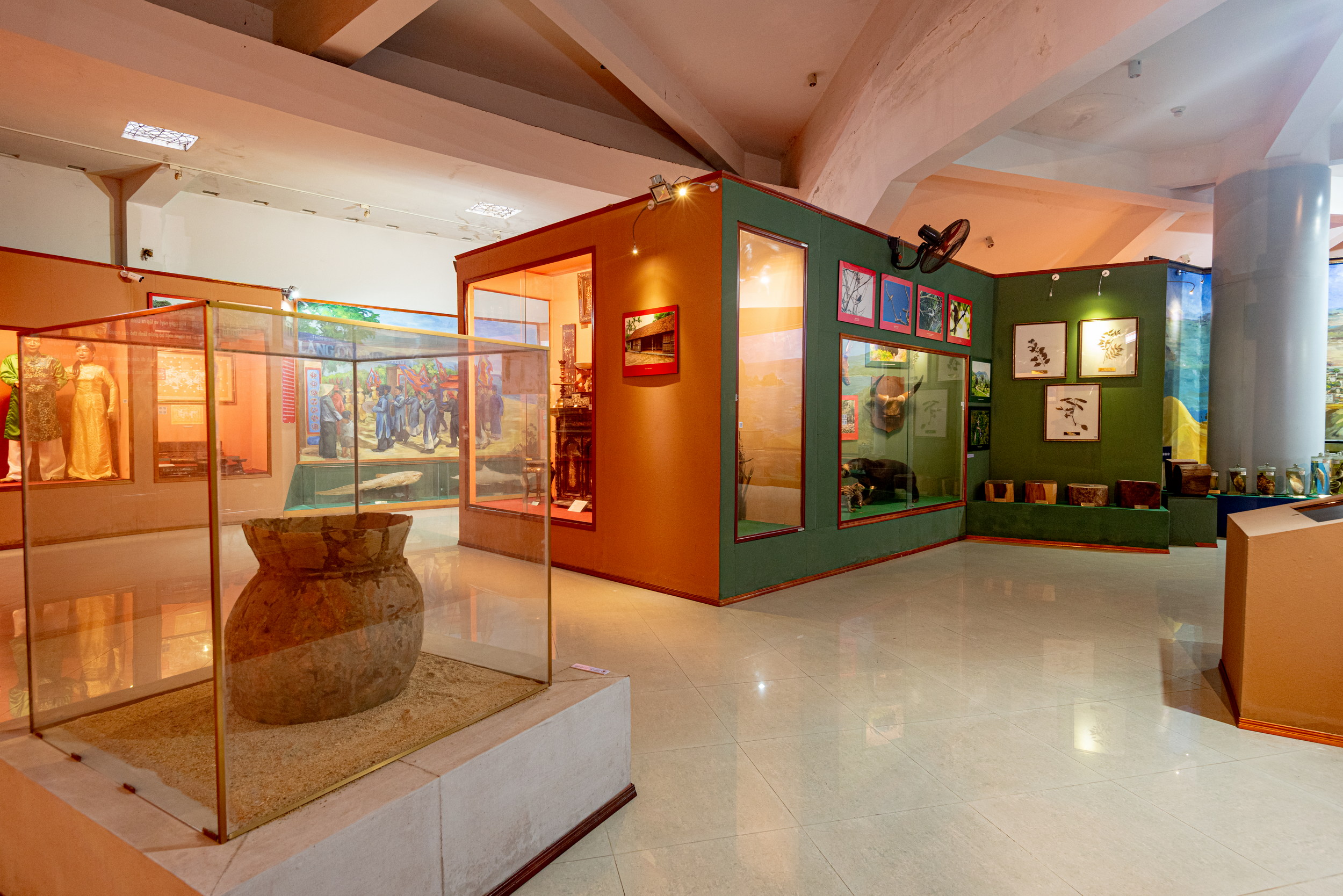
Khanh Hoa Provincial Museum - Facility 2 (formerly known as Ninh Thuan Provincial Museum) was built in 2007 and began operations in early 2012. The museum features a unique architectural design that harmoniously blends traditional Ninh Thuan style with modern elements. Khanh Hoa Museum - Facility 2 is known as one of the most attractive destinations for gaining a deeper understanding of the history and, in particular, the culture of the ethnic groups living in this region. The museum is a four-story building, with each floor serving a different function. Currently, the museum preserves 38,884 artifacts that recreate various historical periods. In particular, you will have the opportunity to learn more about the history and cultural life of the Cham people.
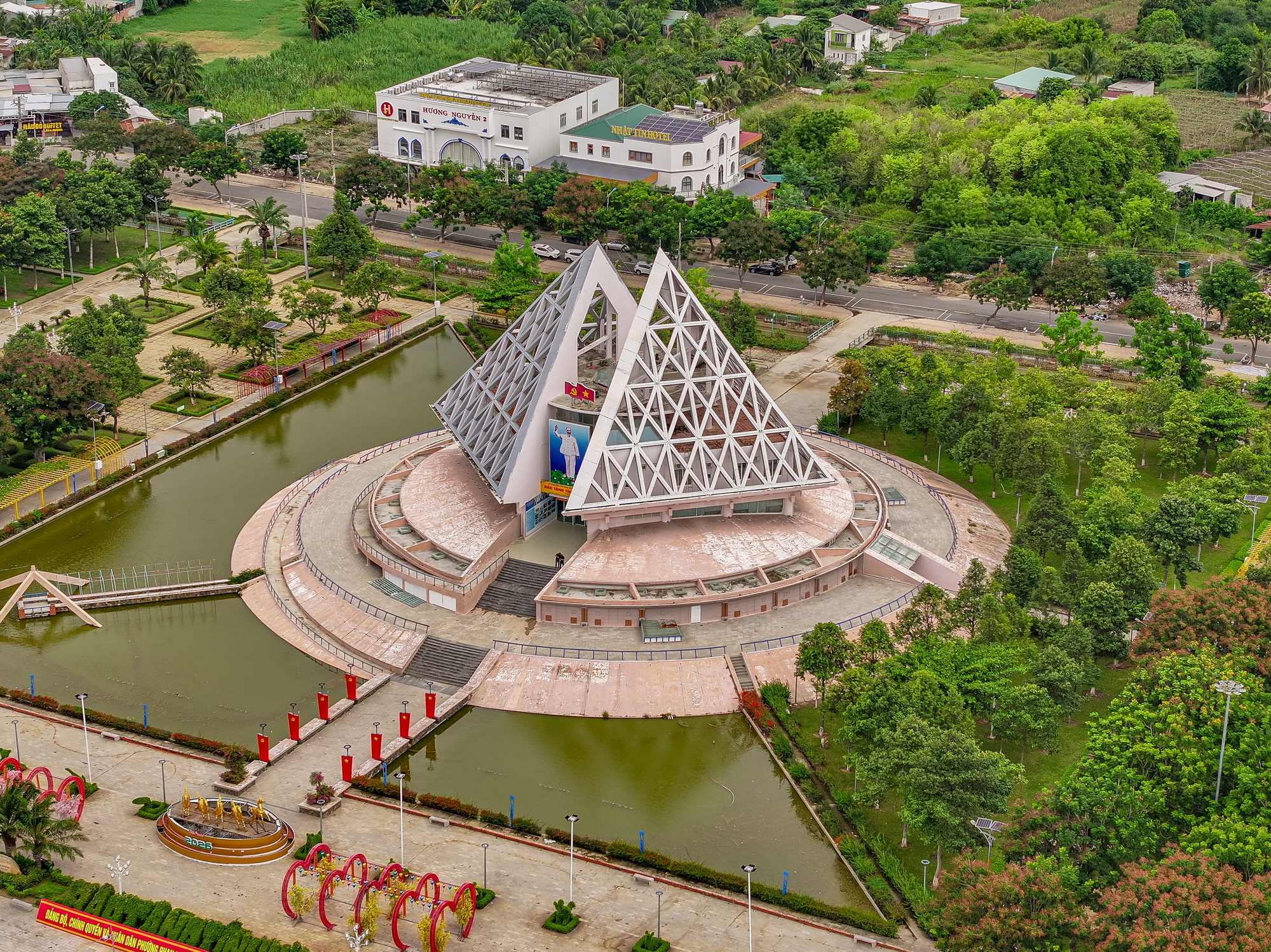
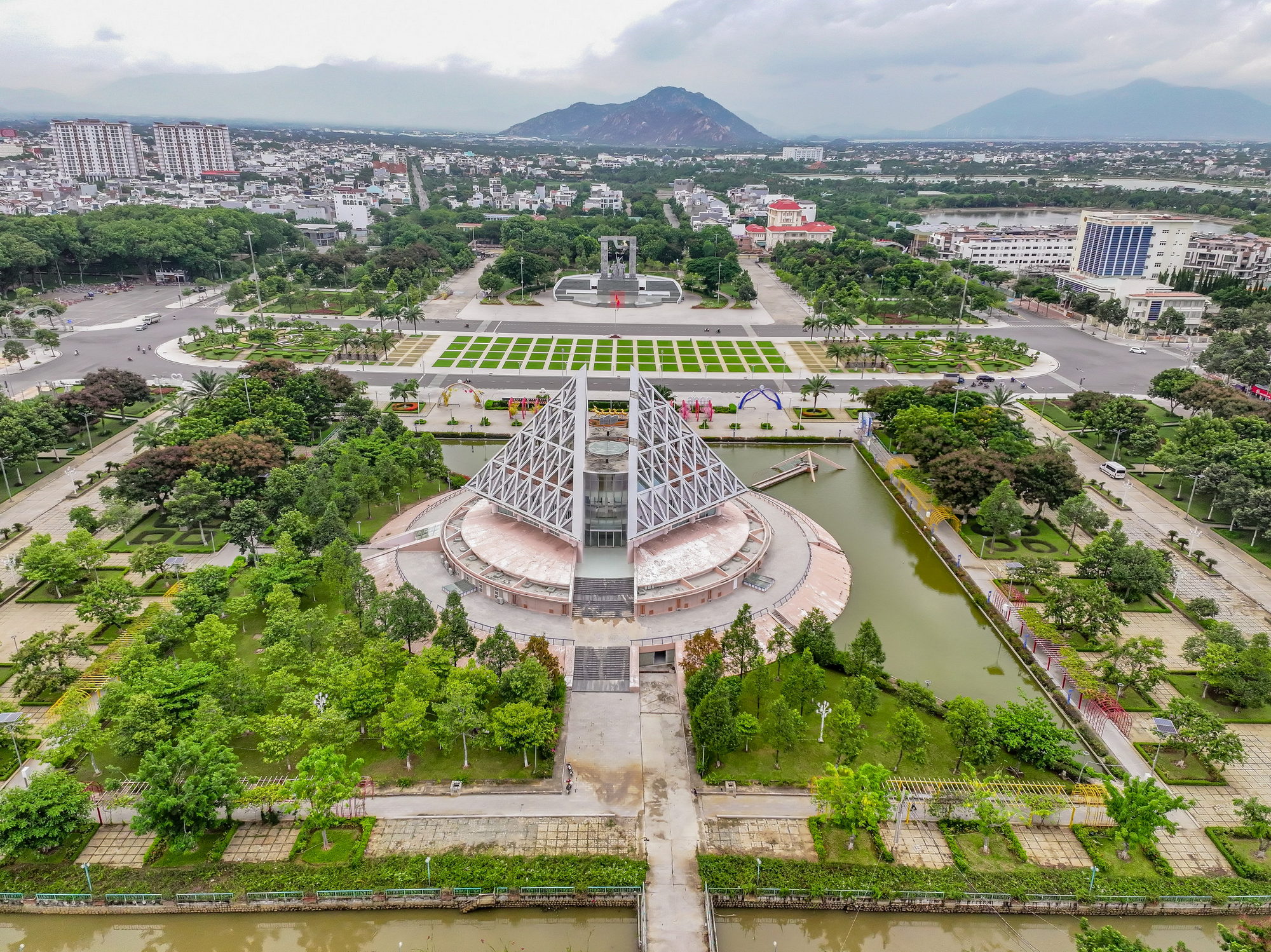
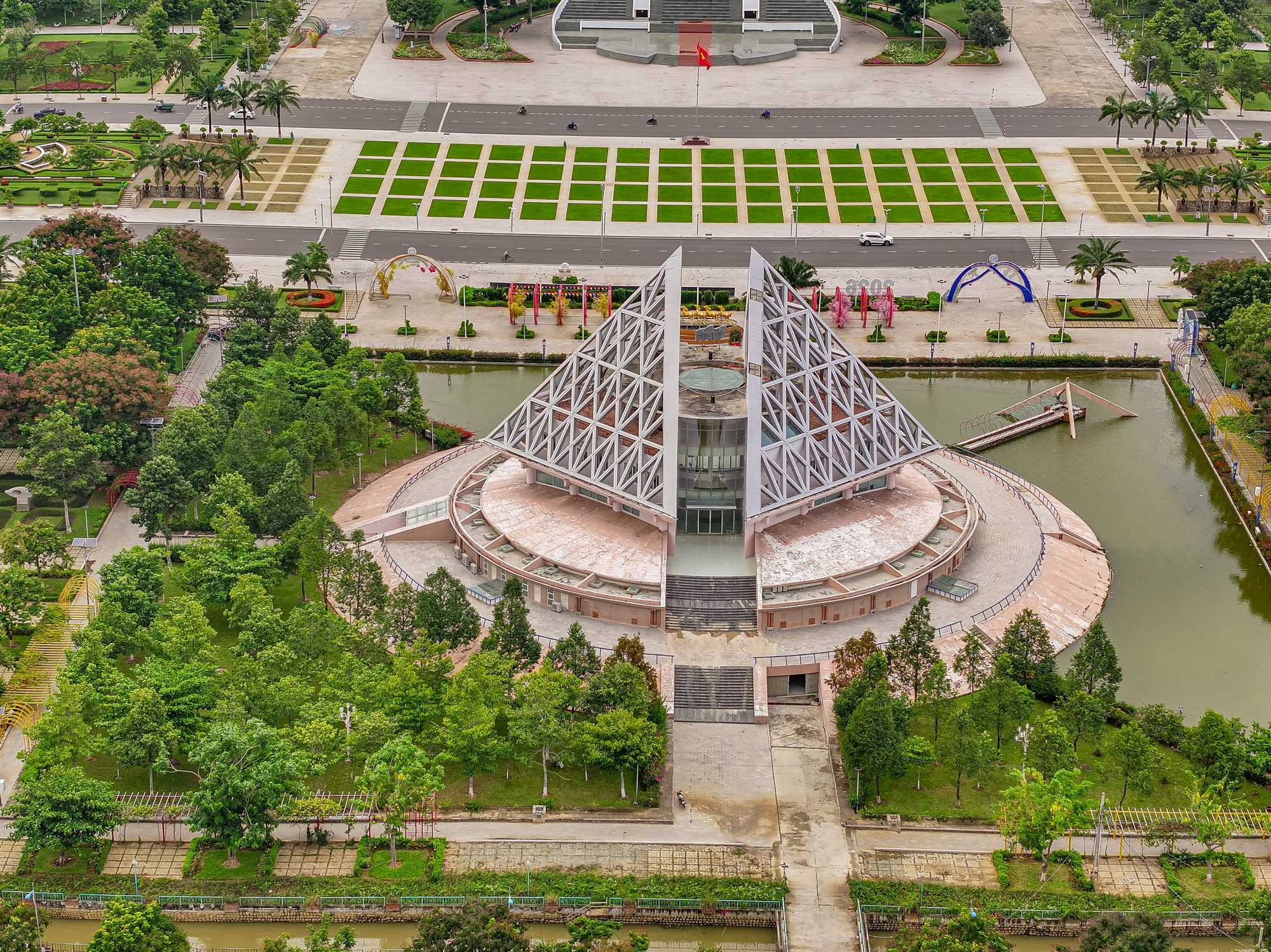
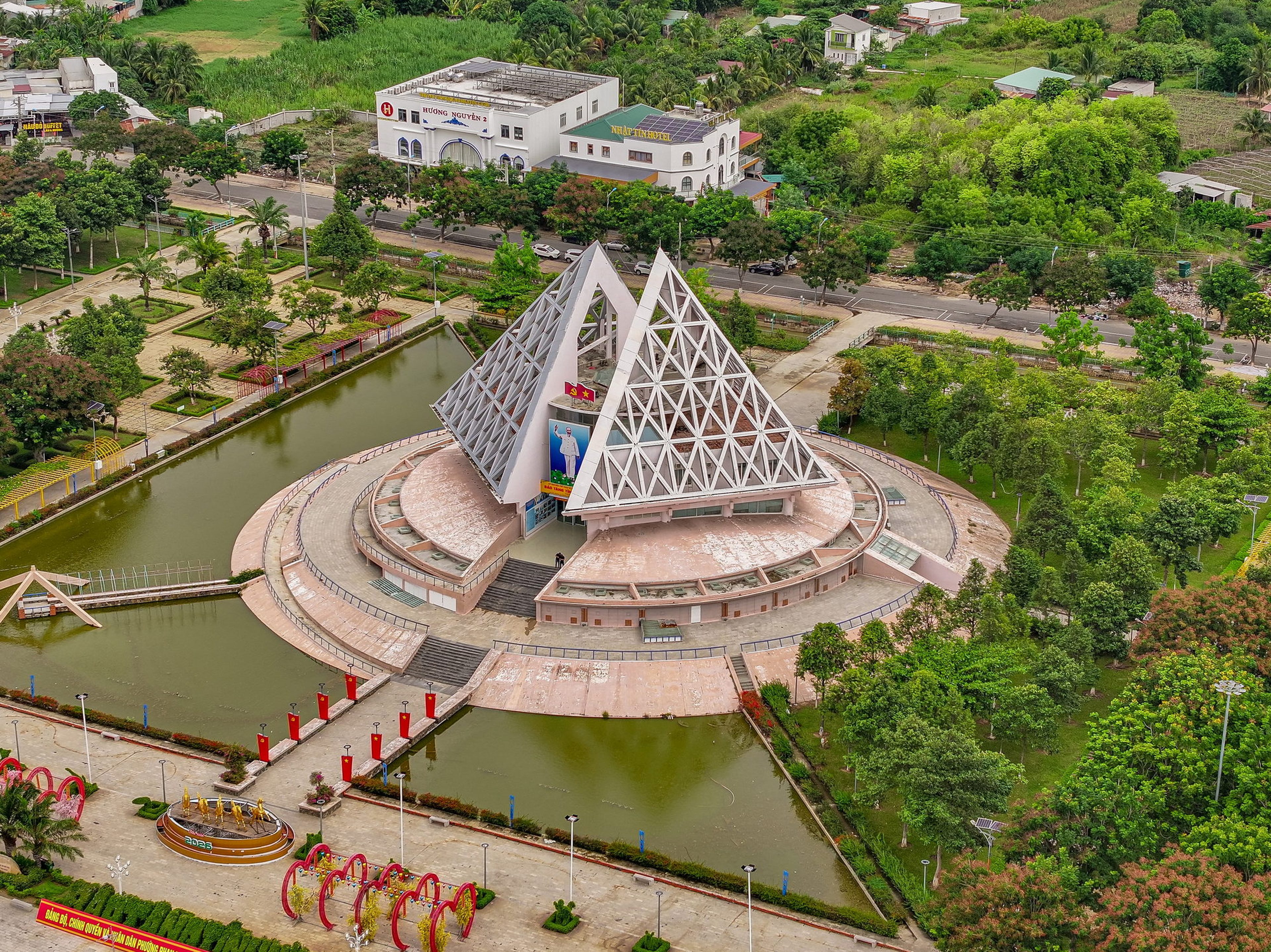
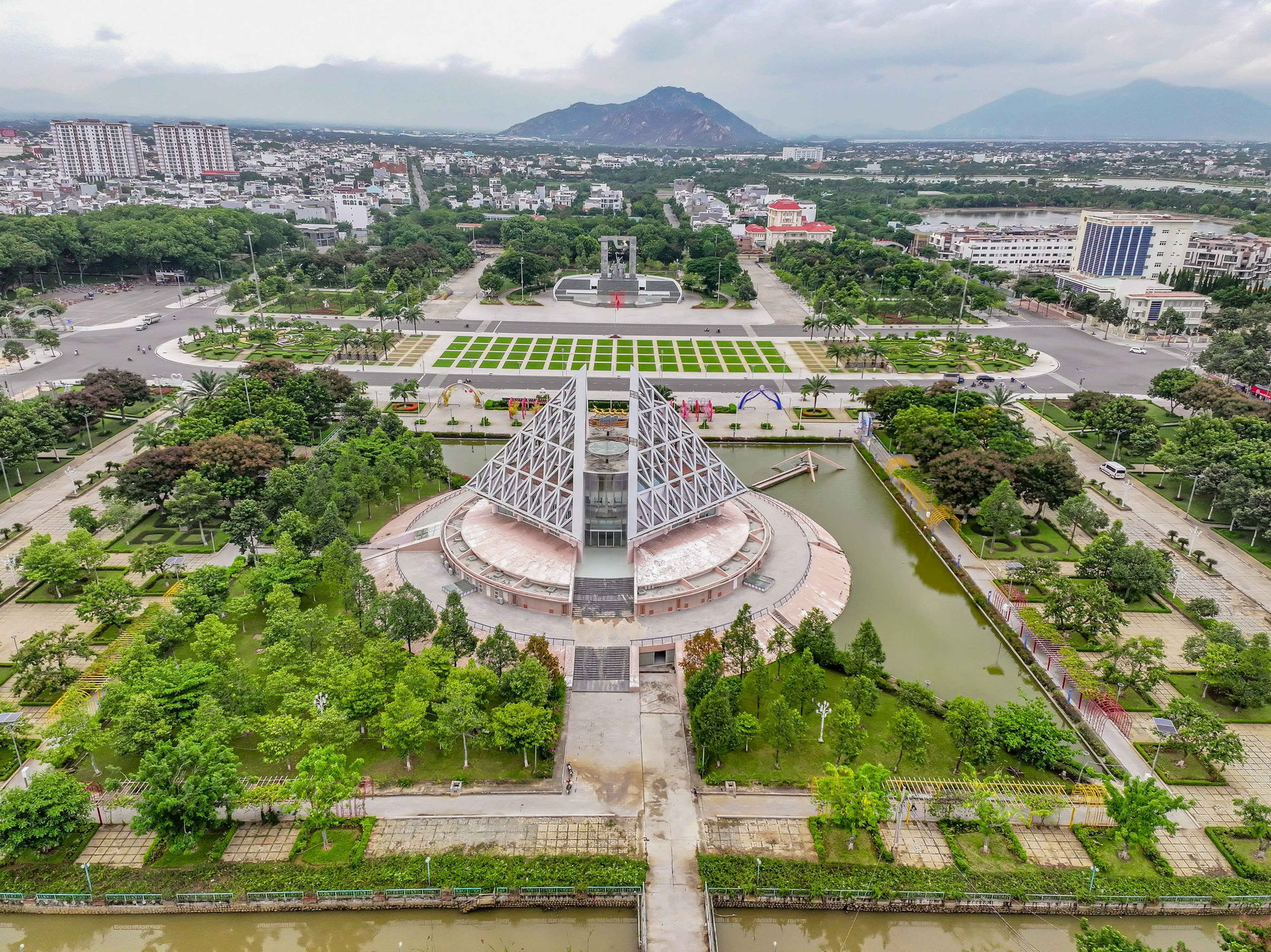
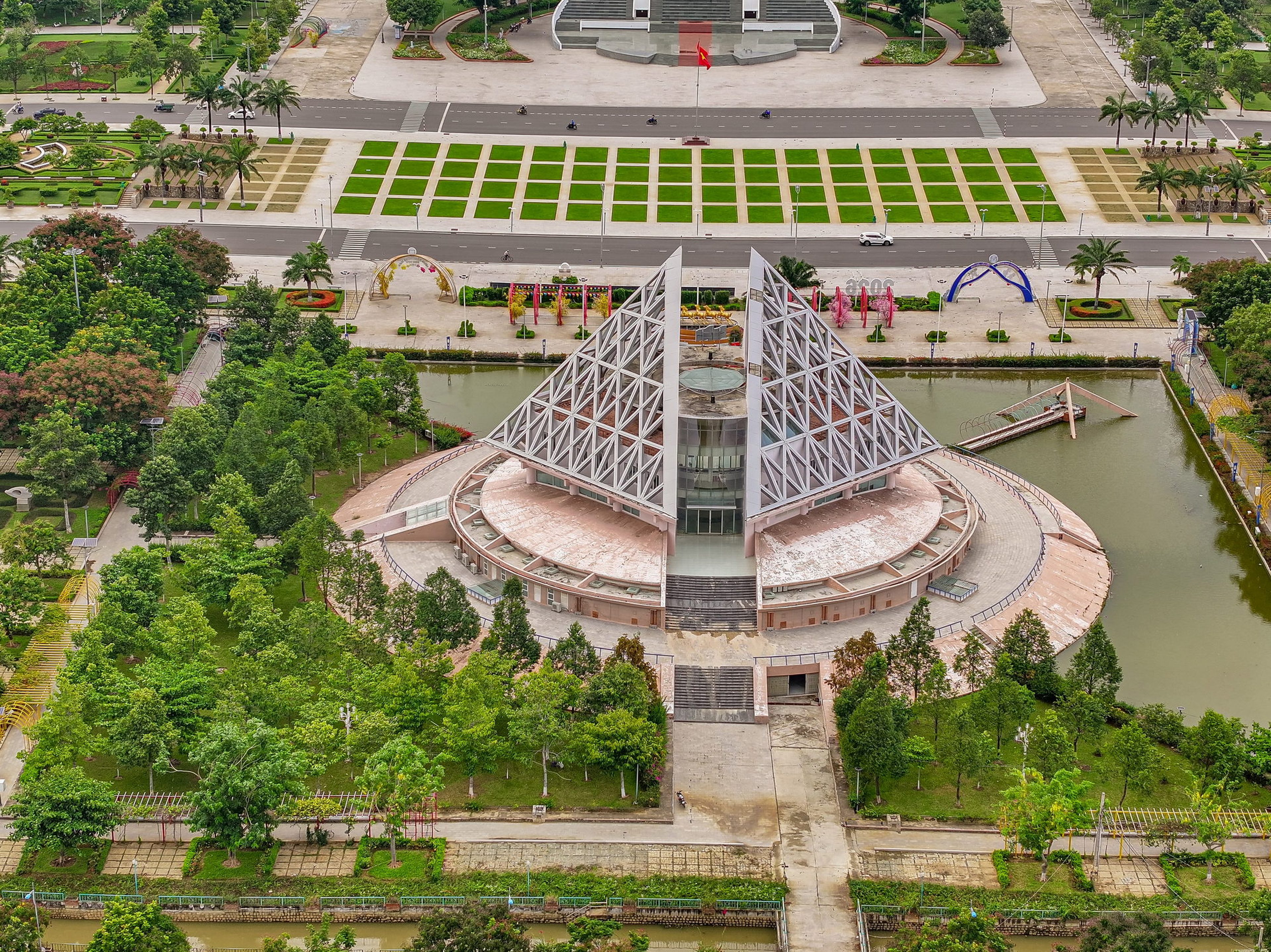
Likened to a crystal standing proudly in the heart of the city of Phan Rang - Thap Cham, when viewed from the outside, the museum easily evokes images of sails at sea, symbolizing the city's aspiration to rise. The museum features a sail motif, but when viewed as a whole from above, it takes on the shape of a solid pyramid. Furthermore, the main entrance features images of President Ho Chi Minh and the National Flag. It is a design that symbolizes victory and fortitude, as well as the city's aspirations for development.
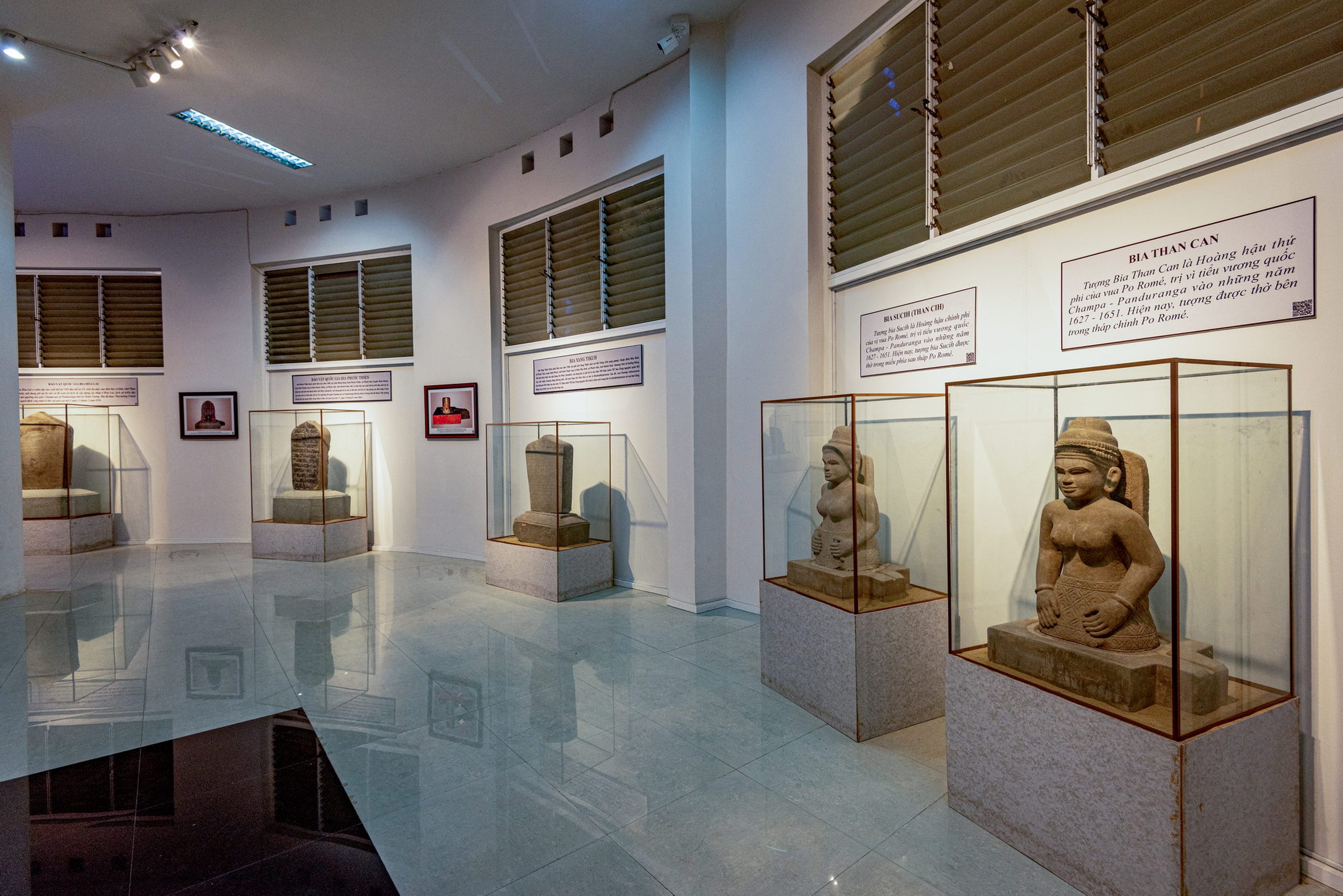
Cham stone sculpture space
Stone artifacts recount the depth of Cham art and beliefs
The Cham people are long-standing inhabitants of the coastal strip of Central Vietnam. Throughout their history of formation and development, they achieved a high level of social organization and maintained extensive, multi-dimensional exchanges with many other groups in mainland and island Asia. Drawing from indigenous roots and adapting external elements, the Cham people created a diverse and unique culture. Today, in plastic arts, the Cham have left behind numerous monumental temple-tower architectural legacies and sculptures of high artistic value.
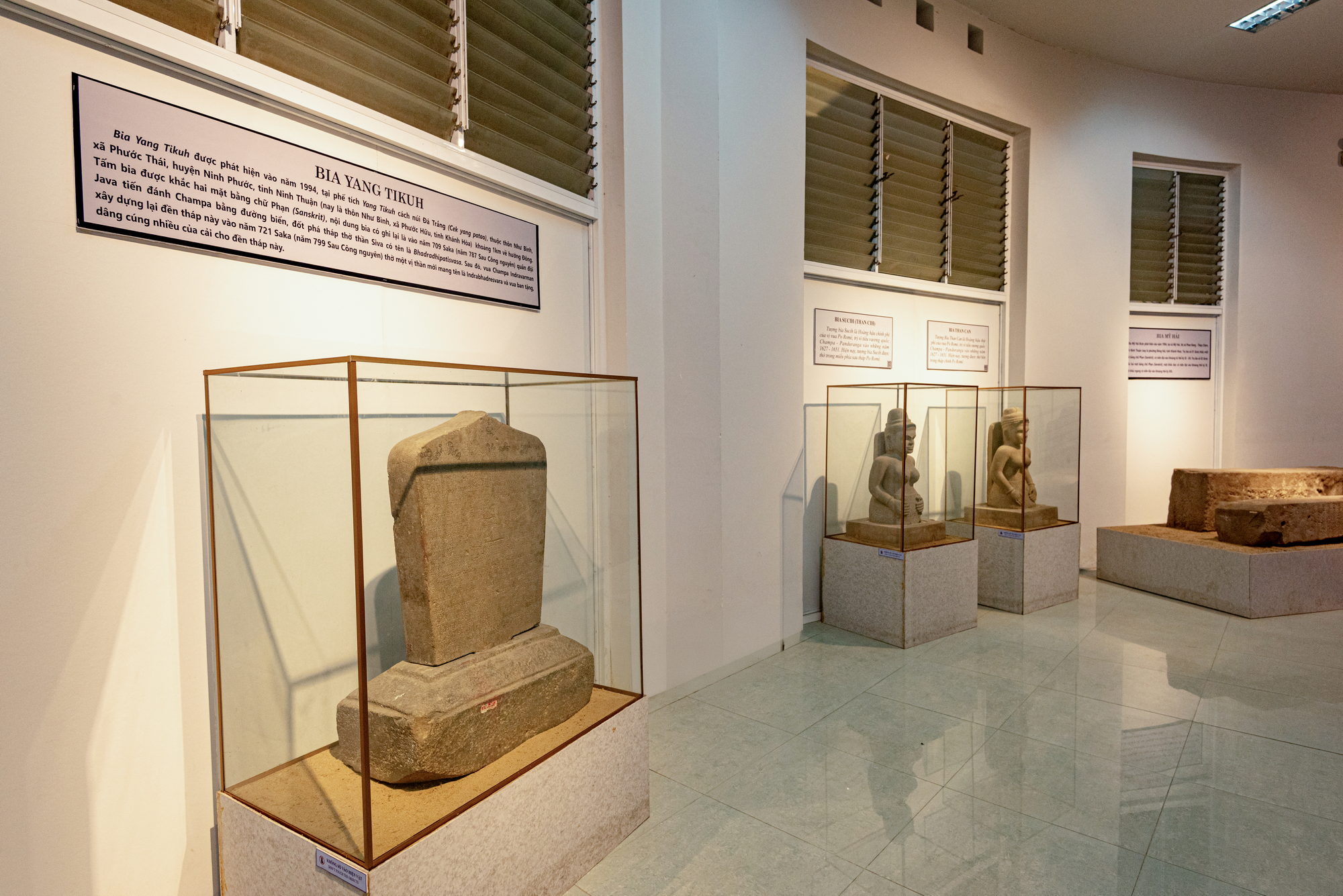
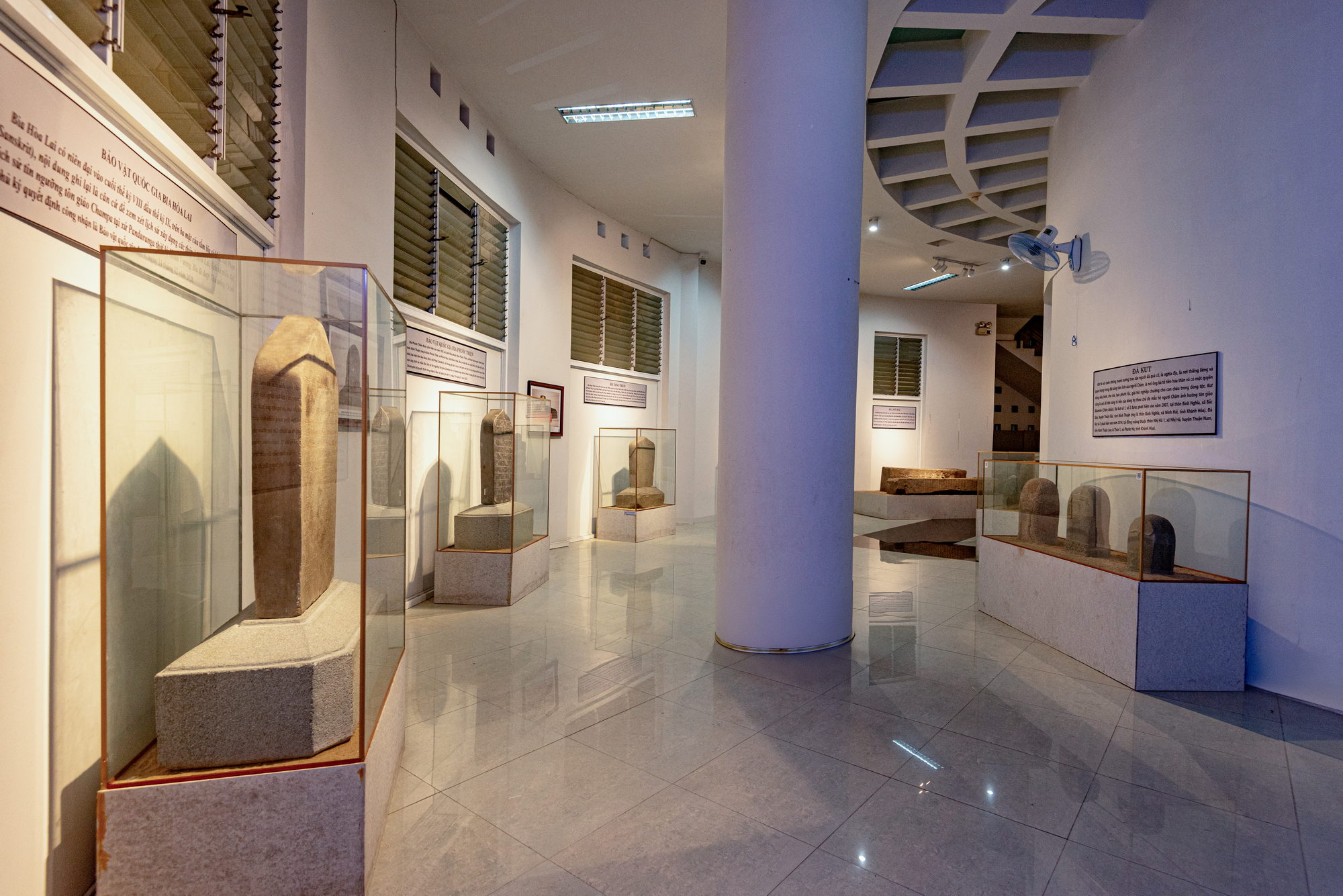
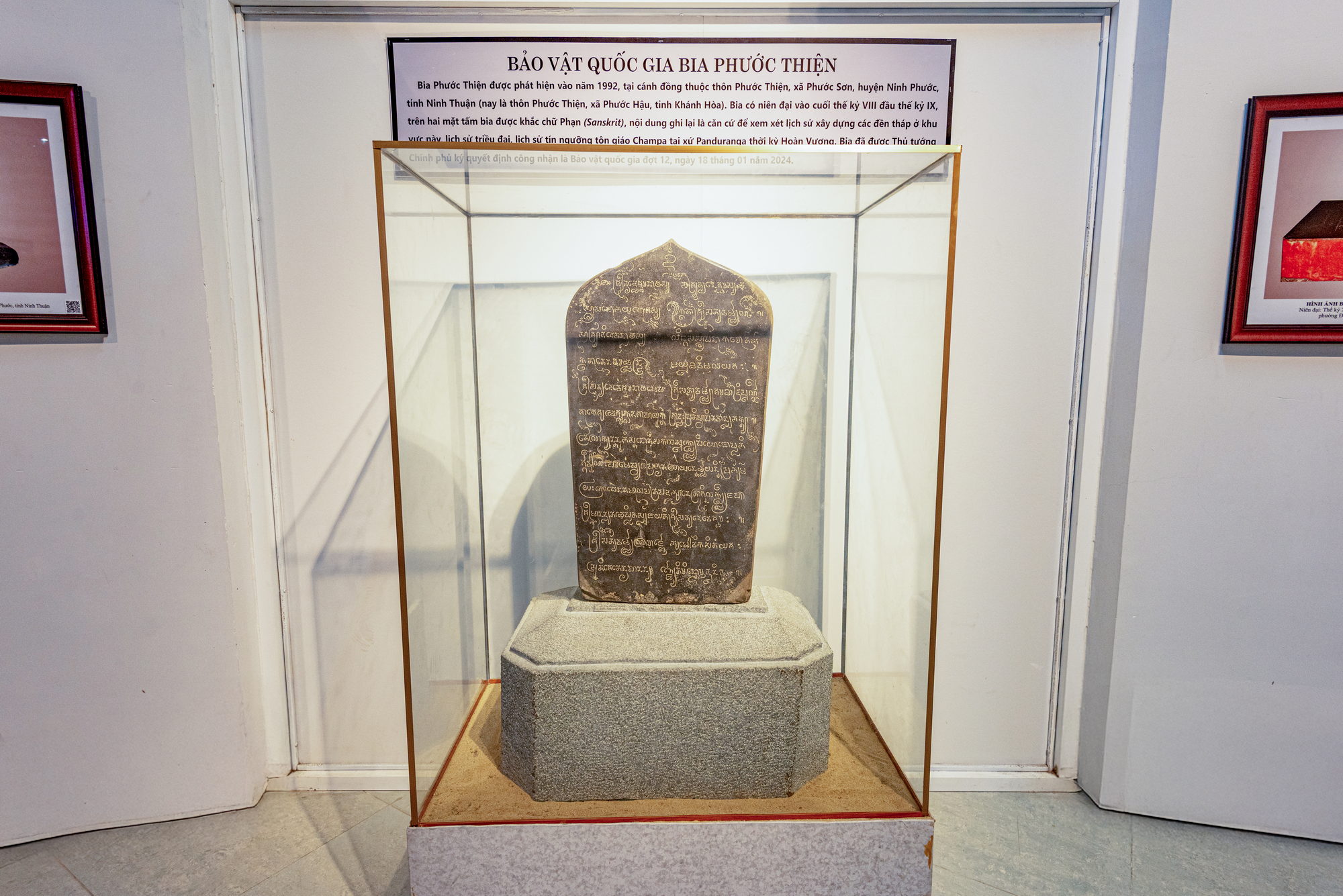
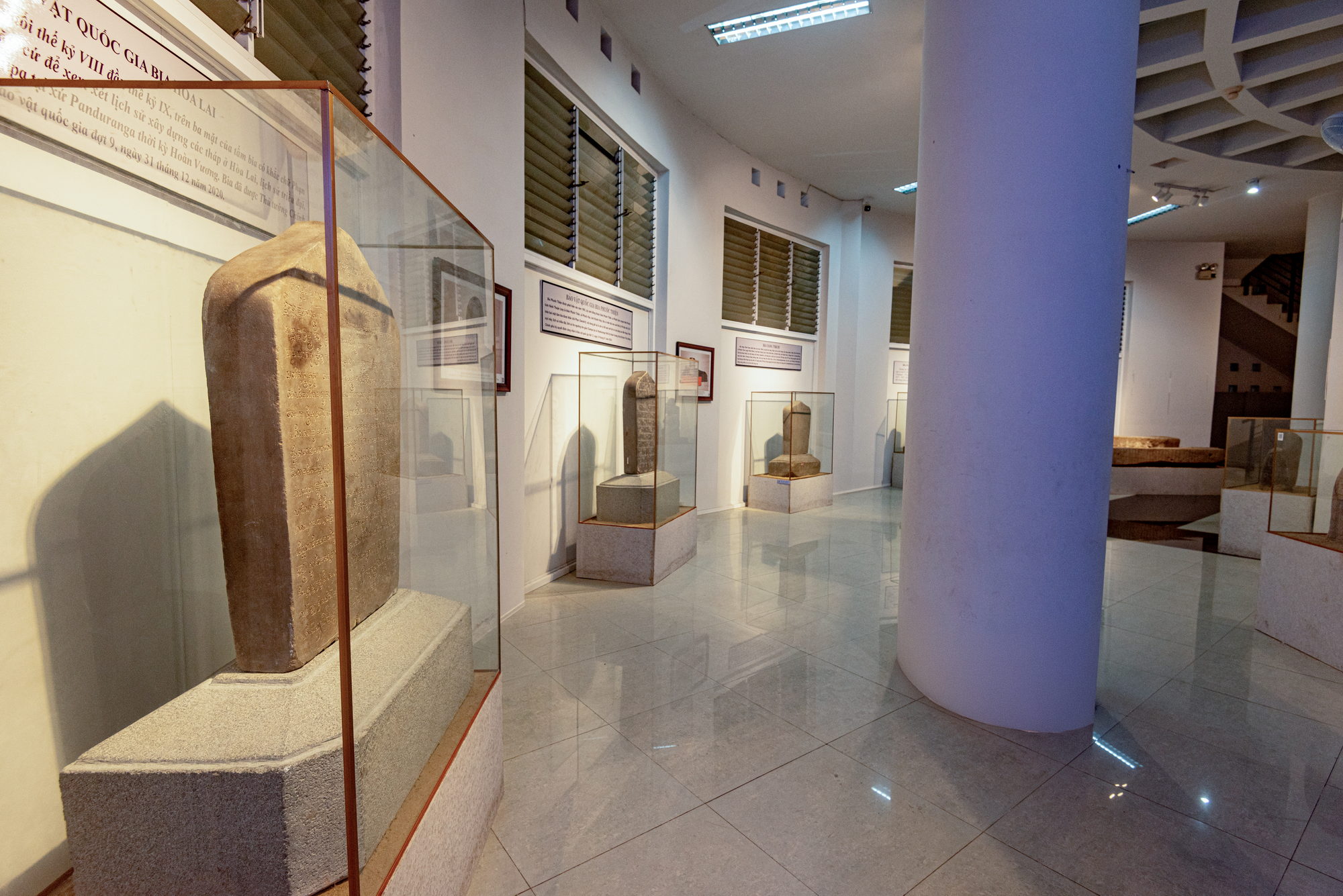
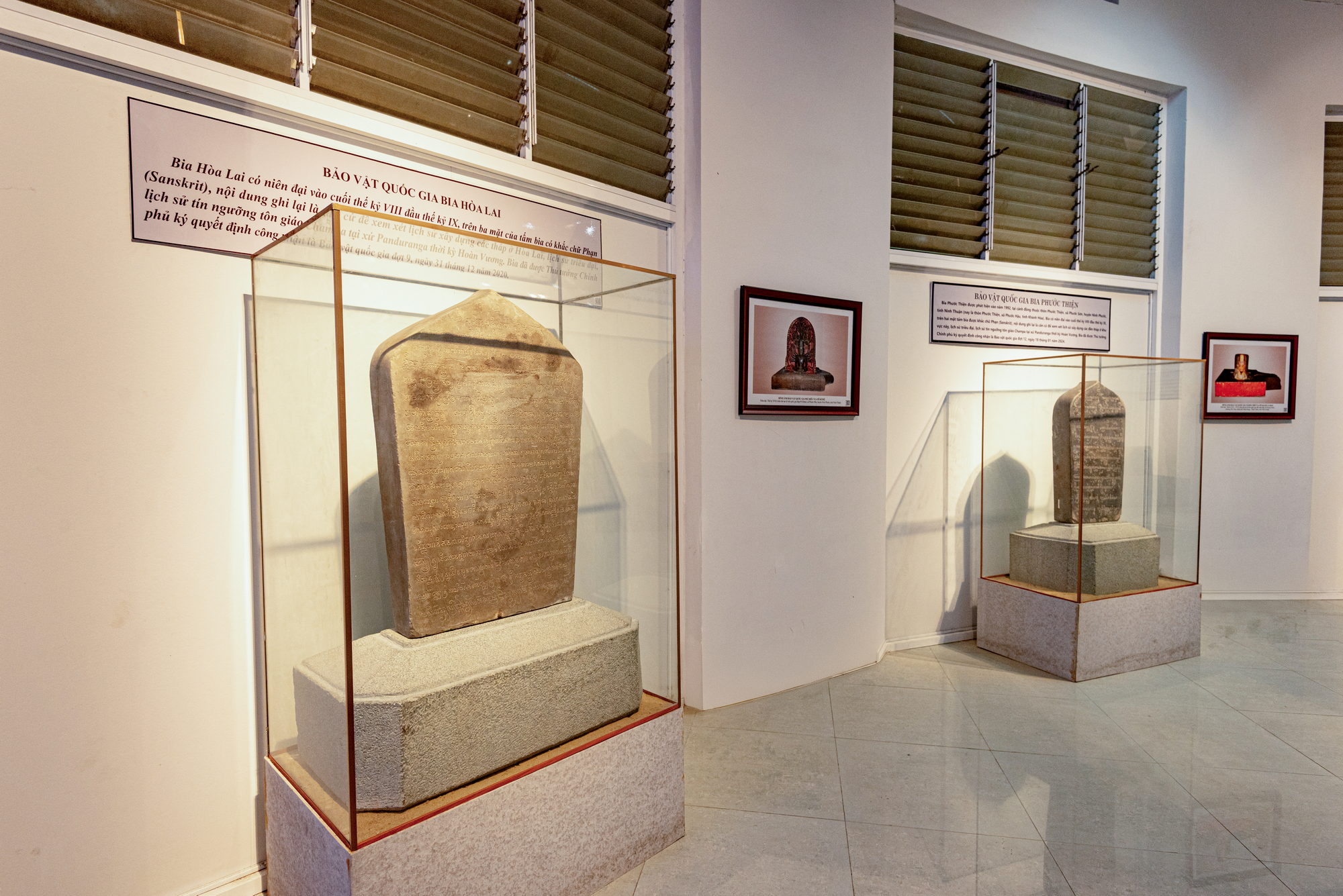
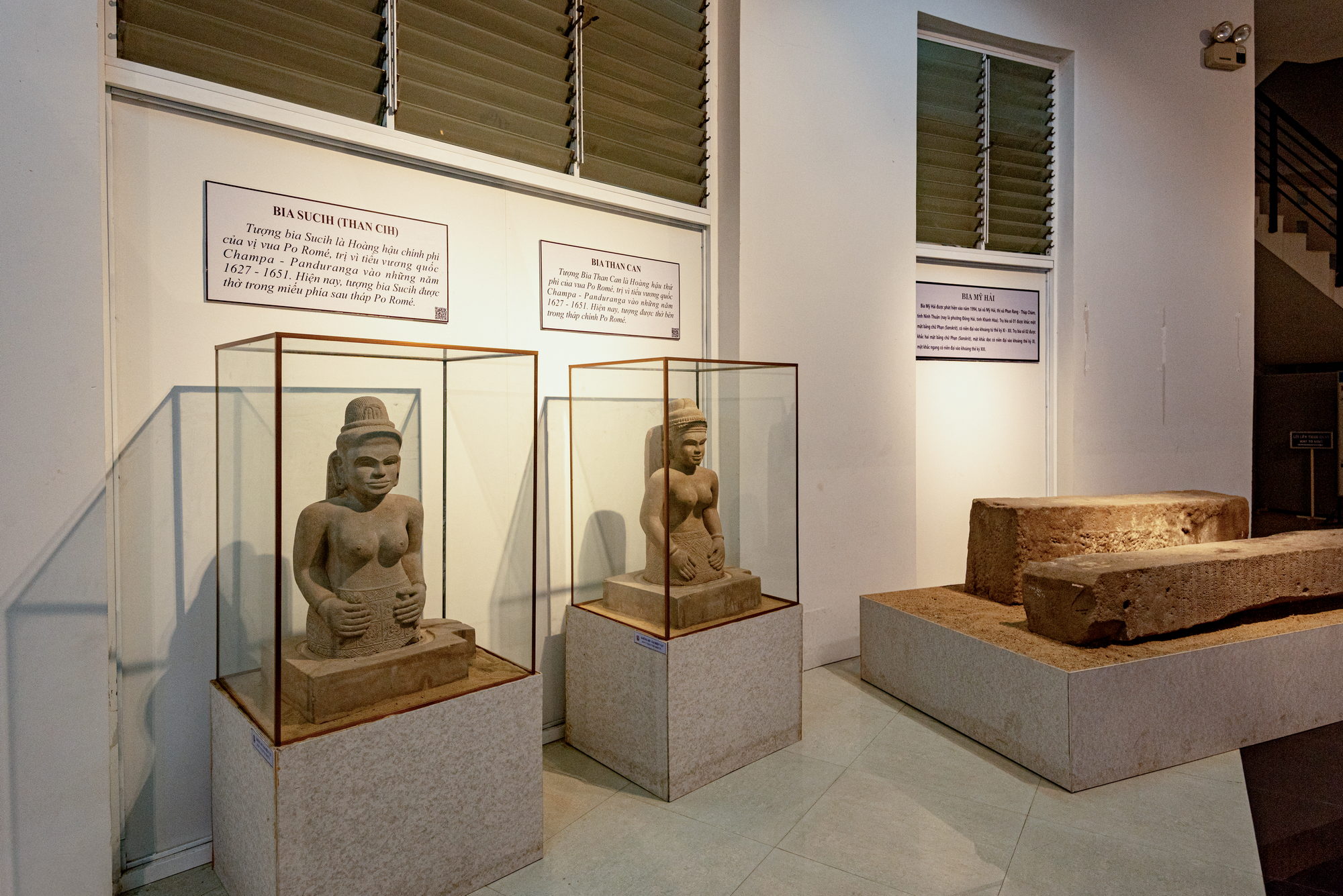
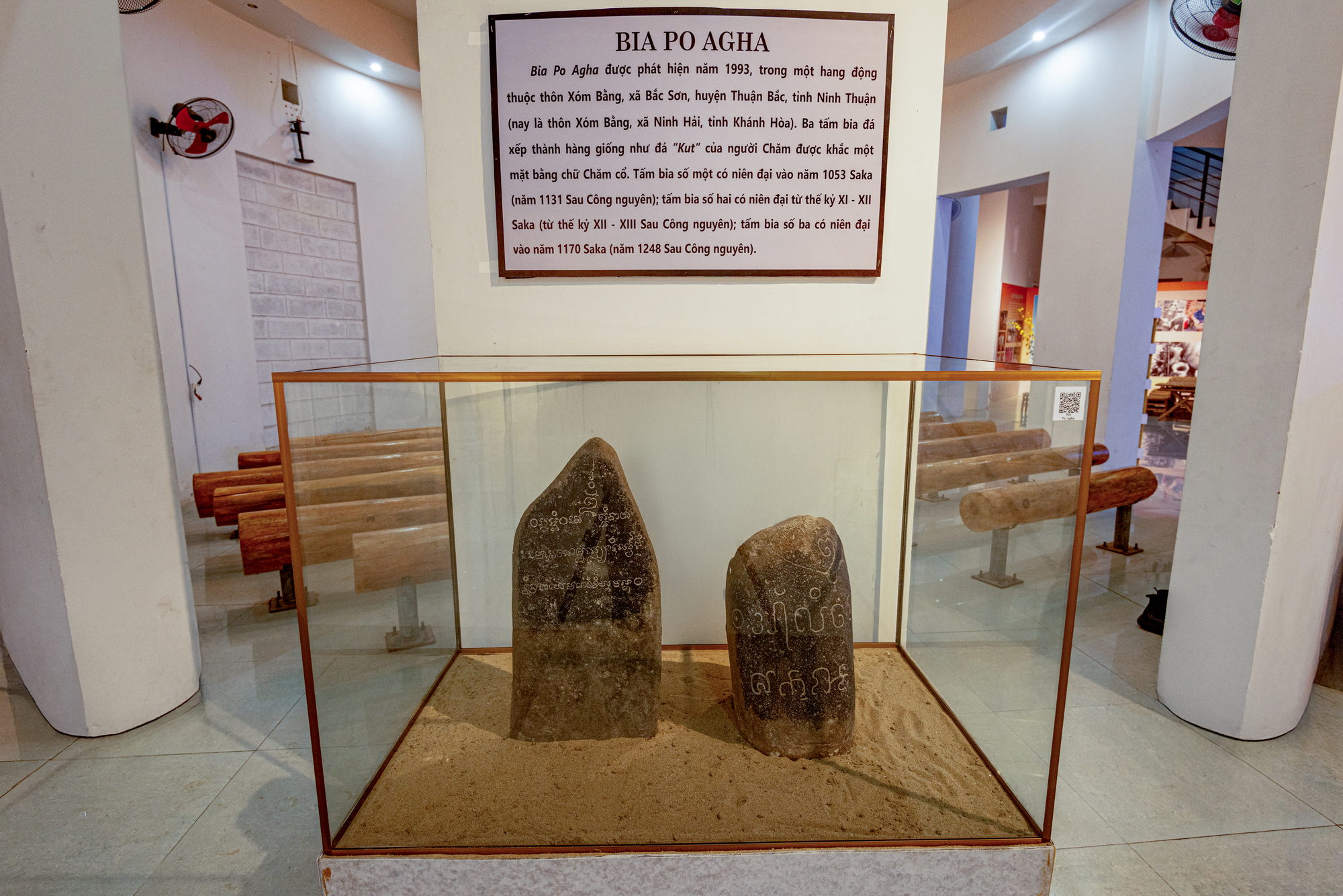
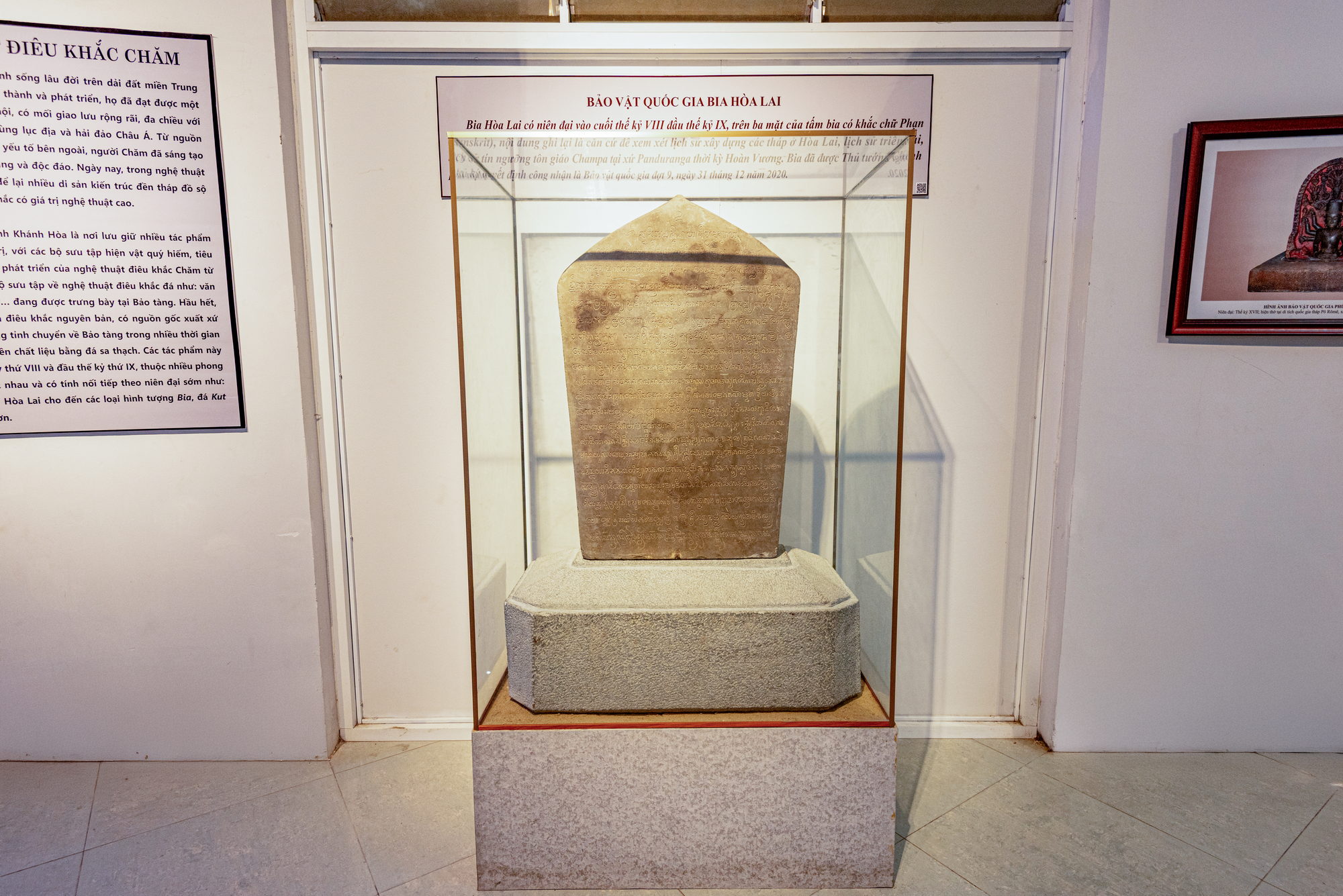
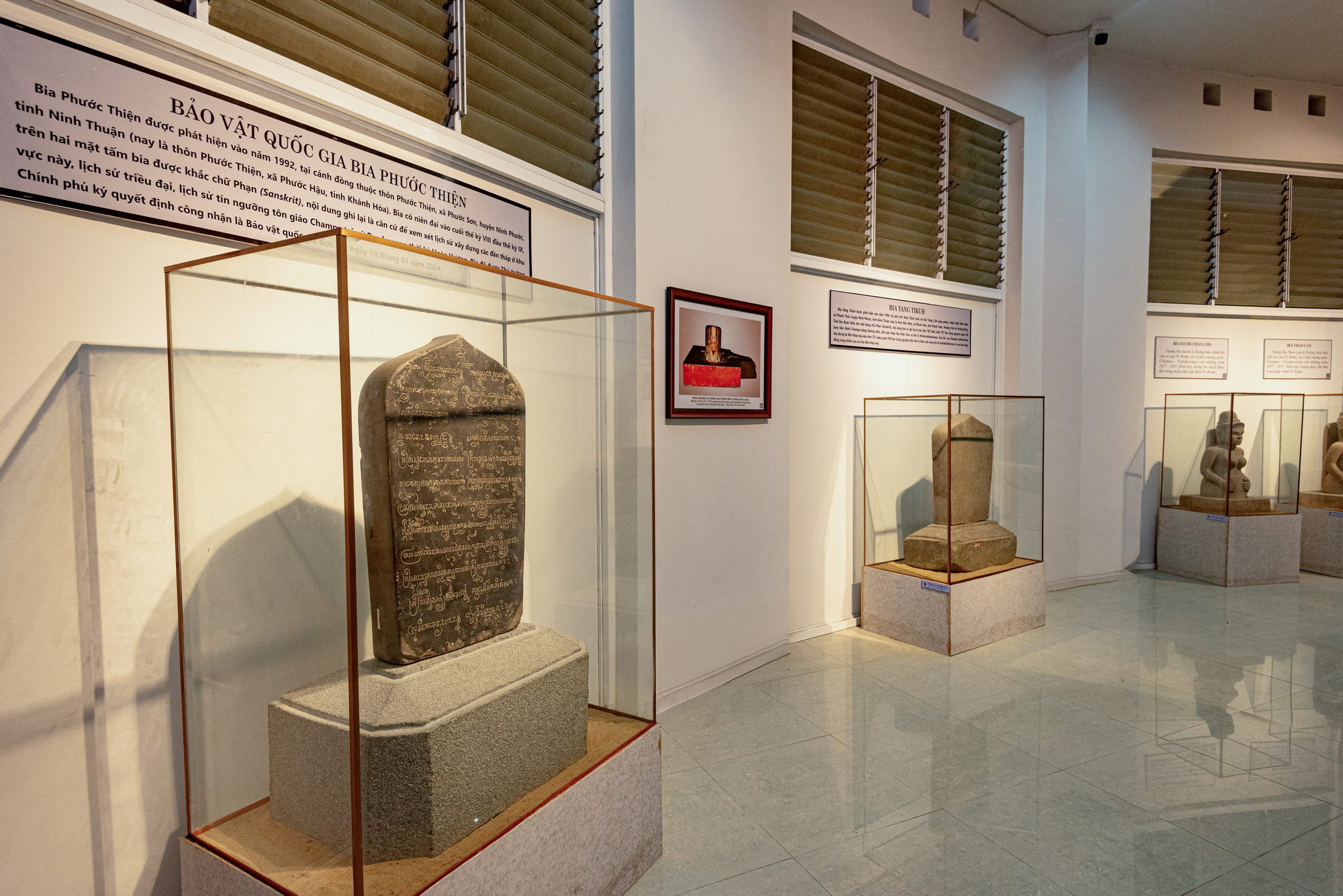
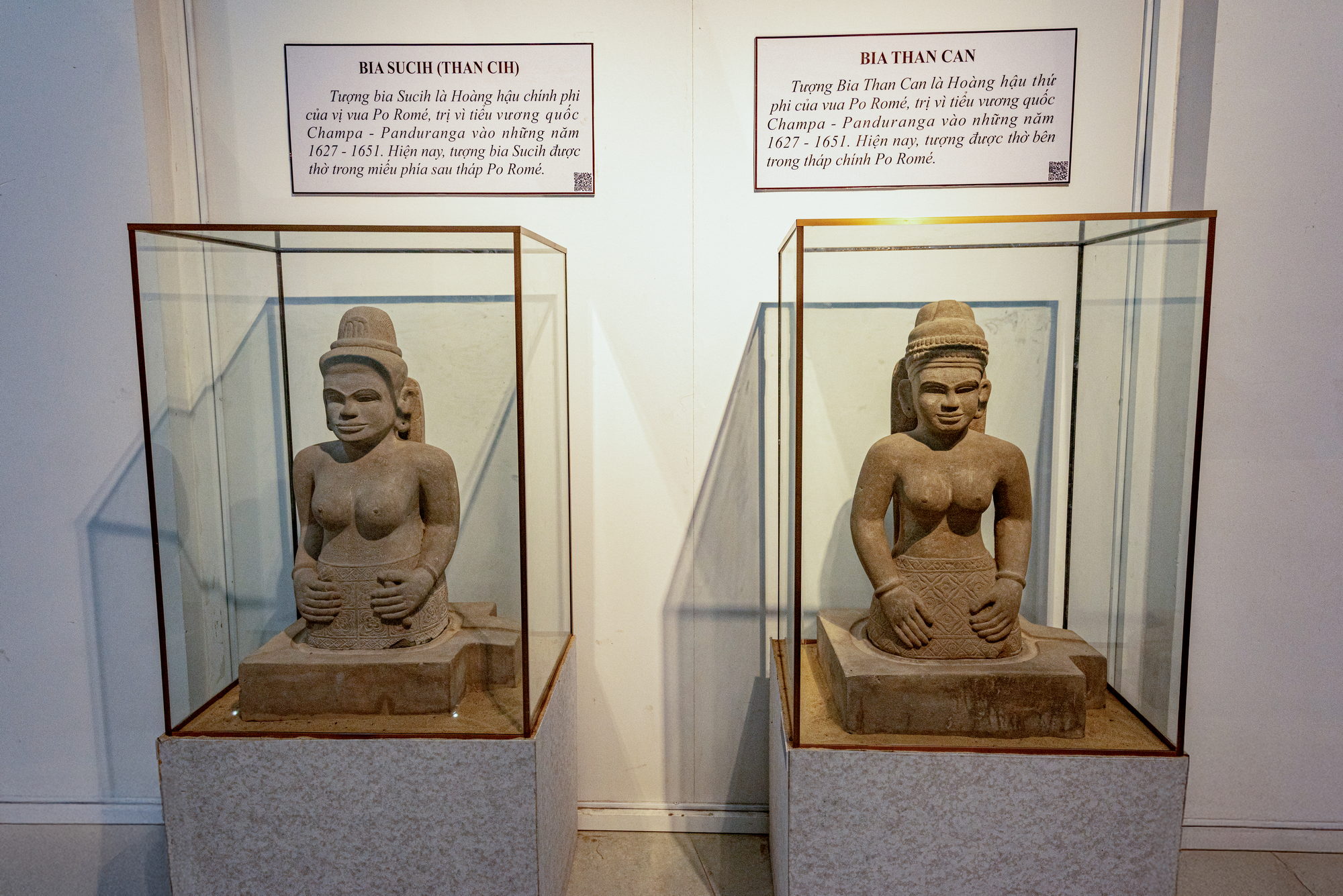
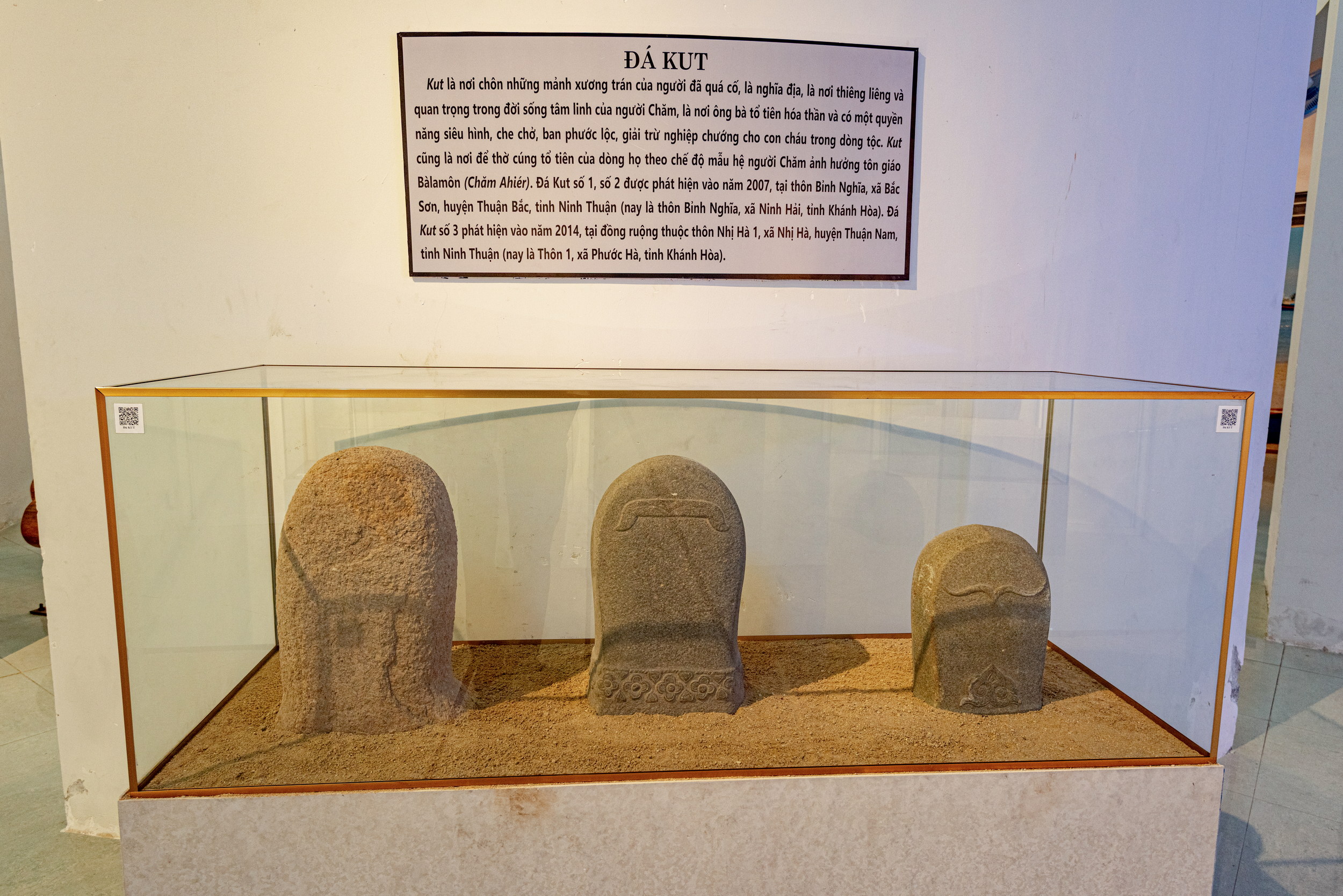
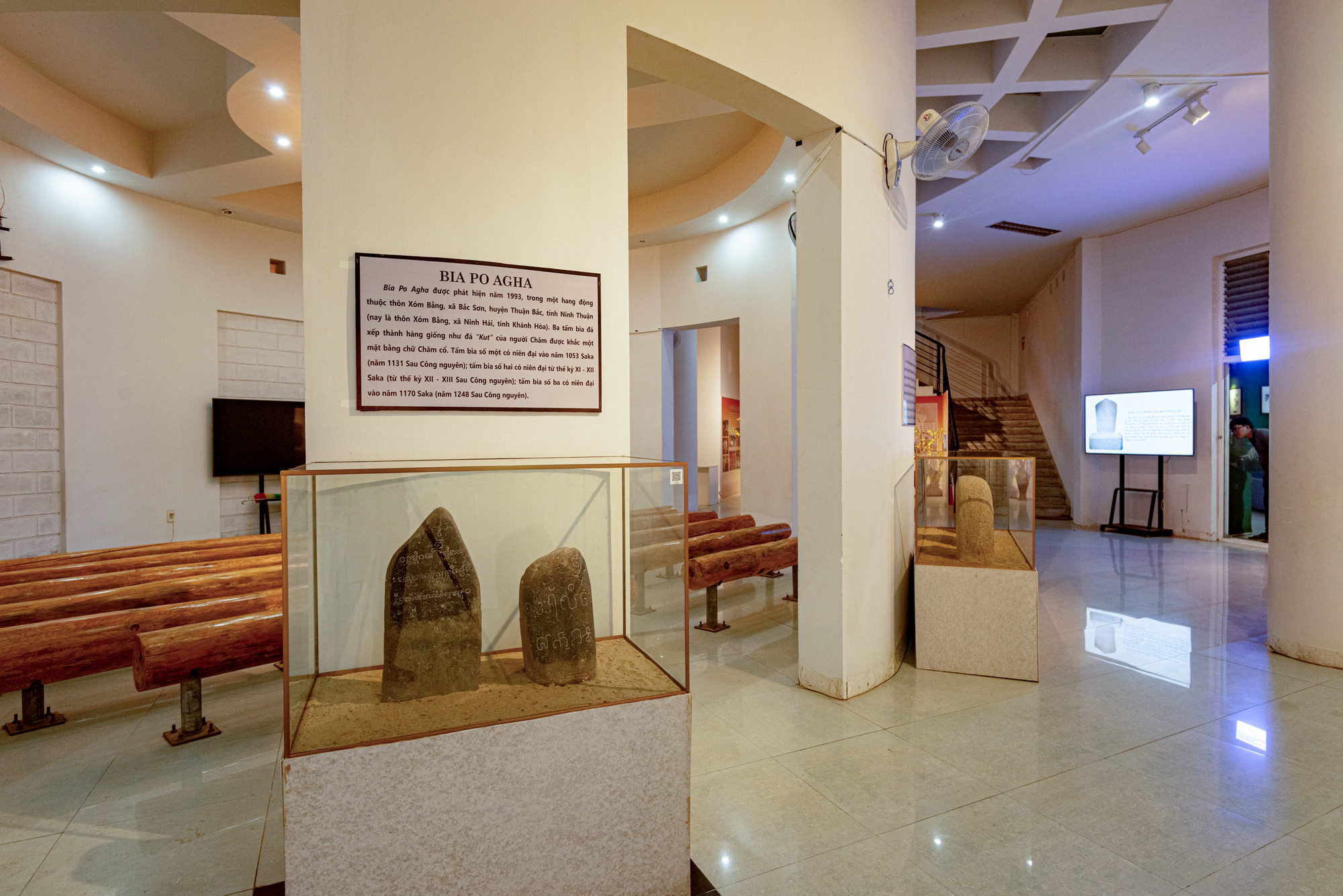
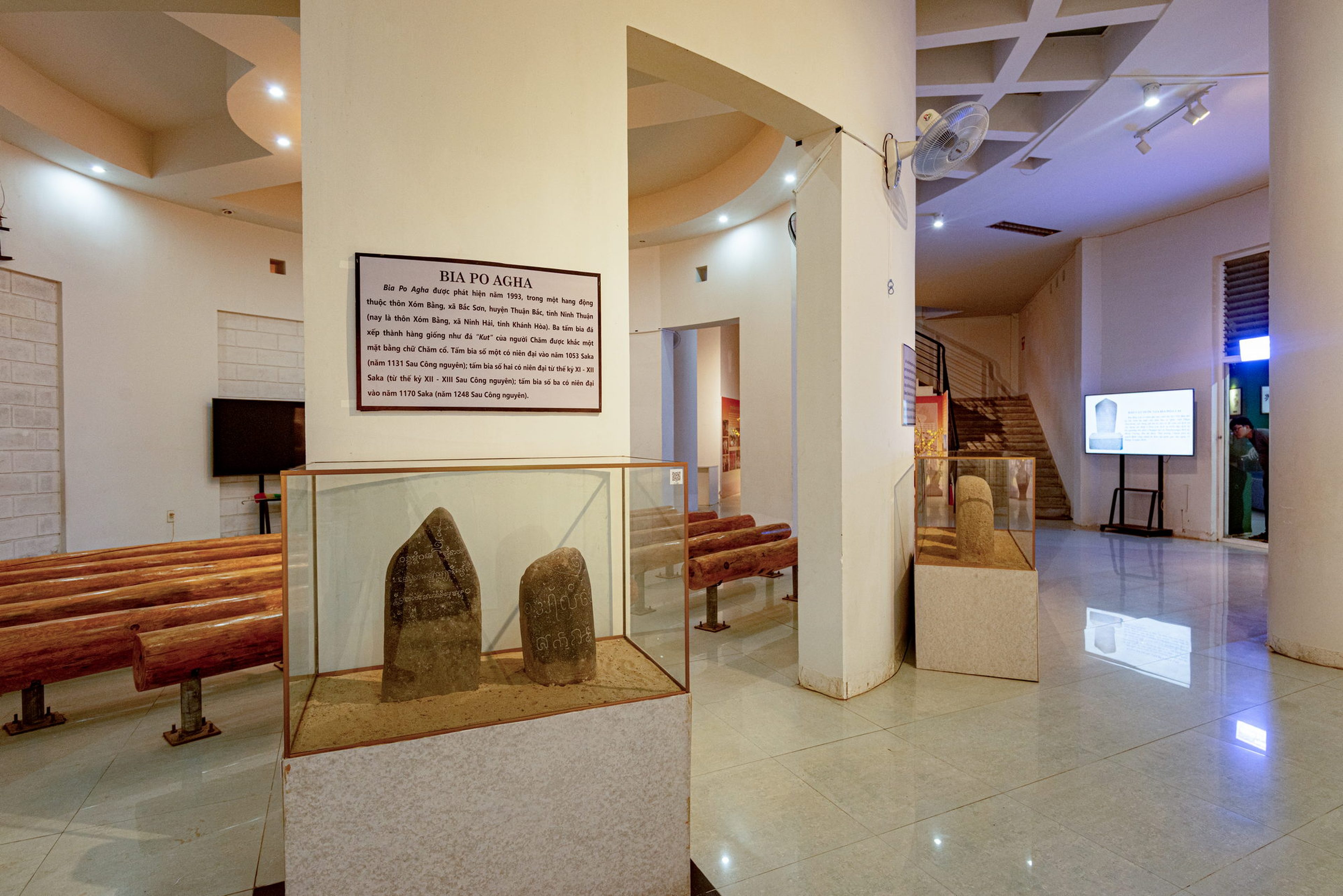
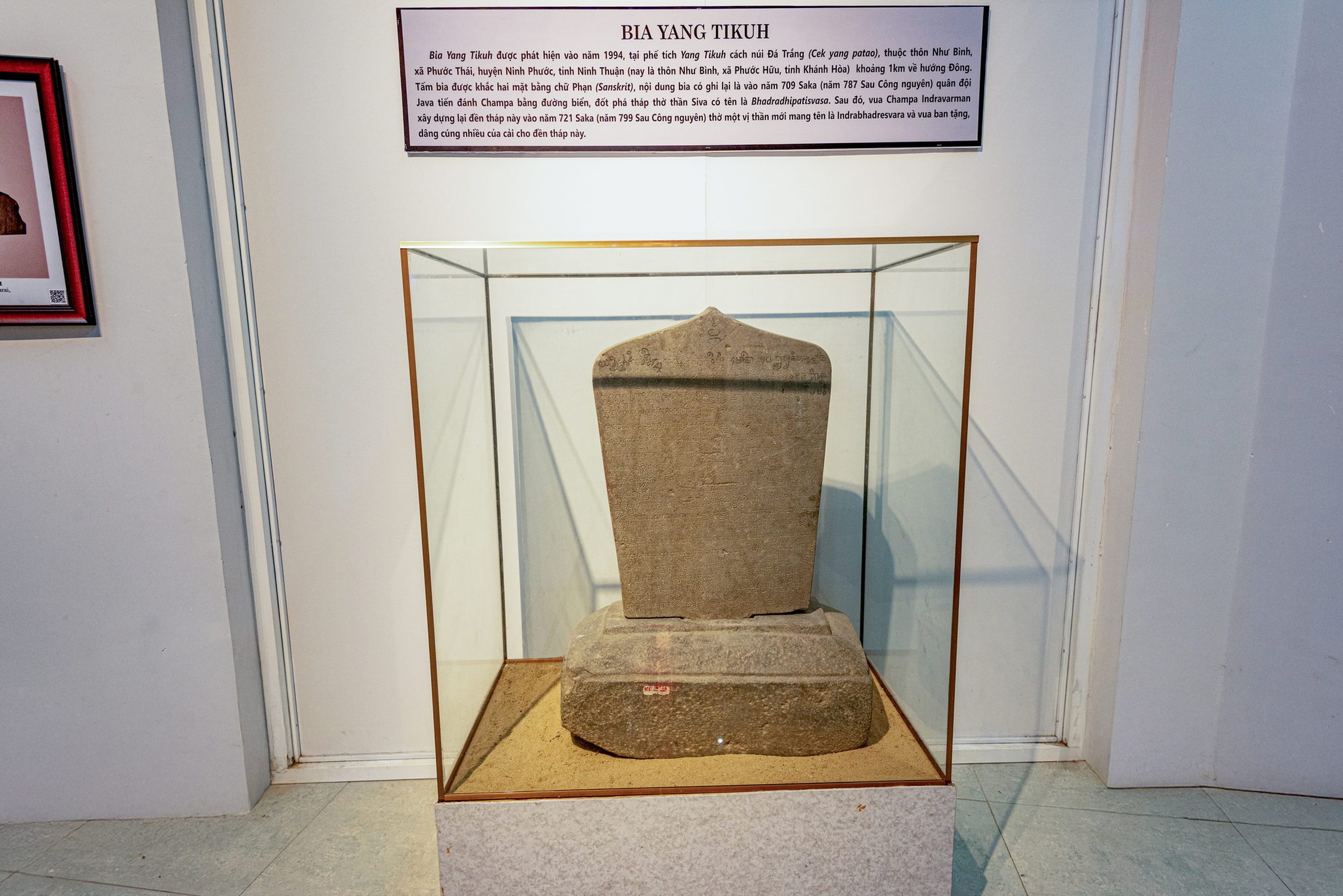
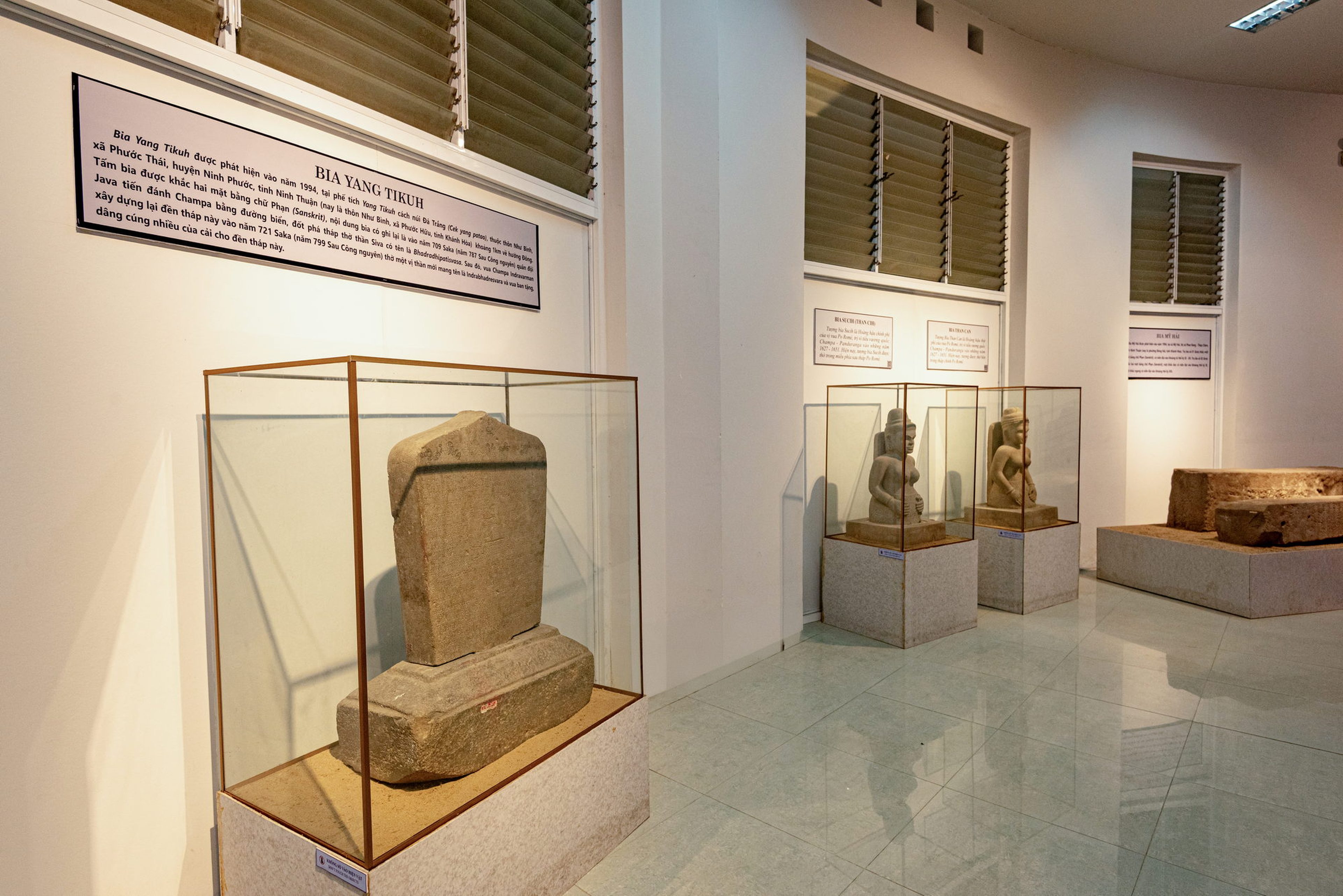
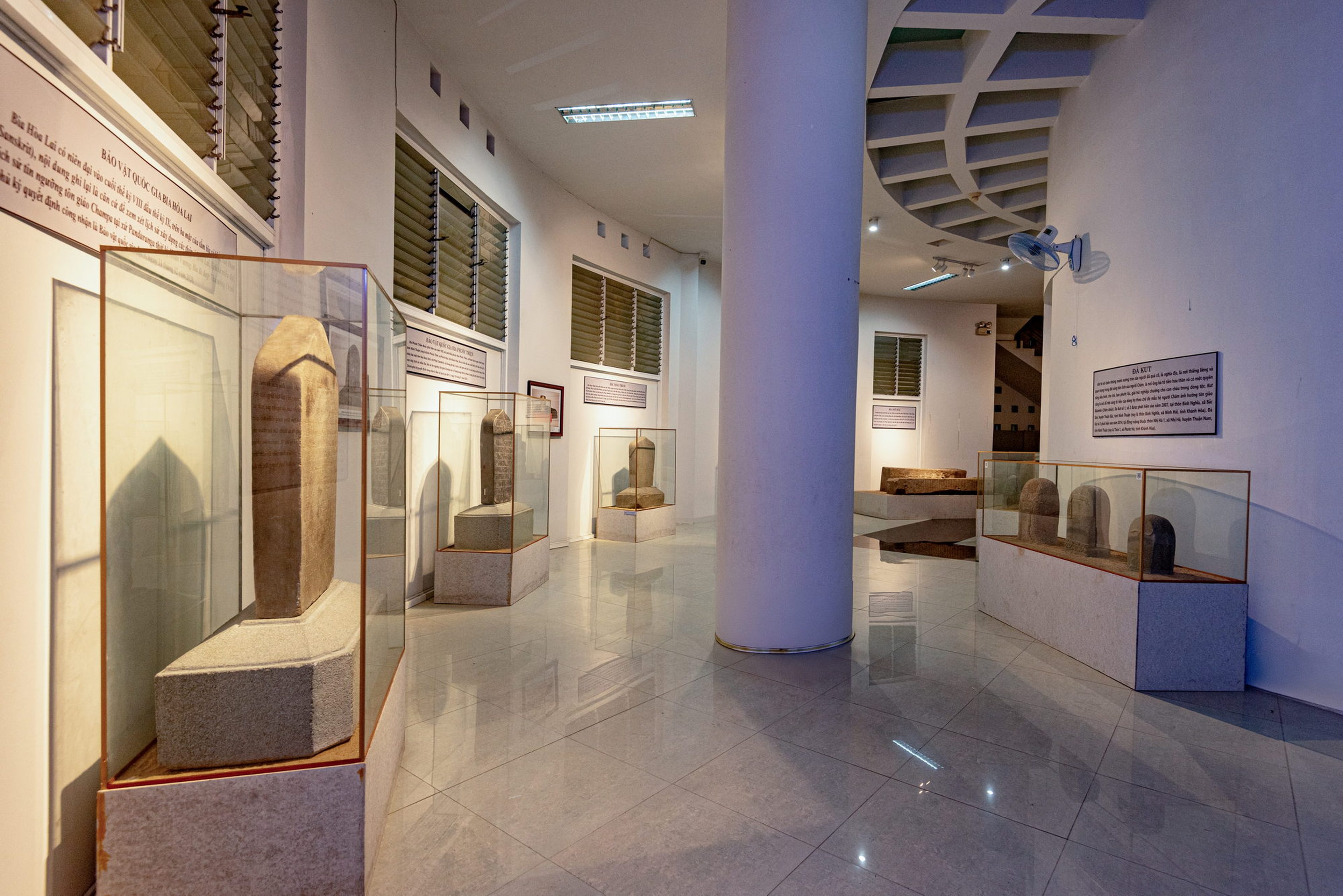
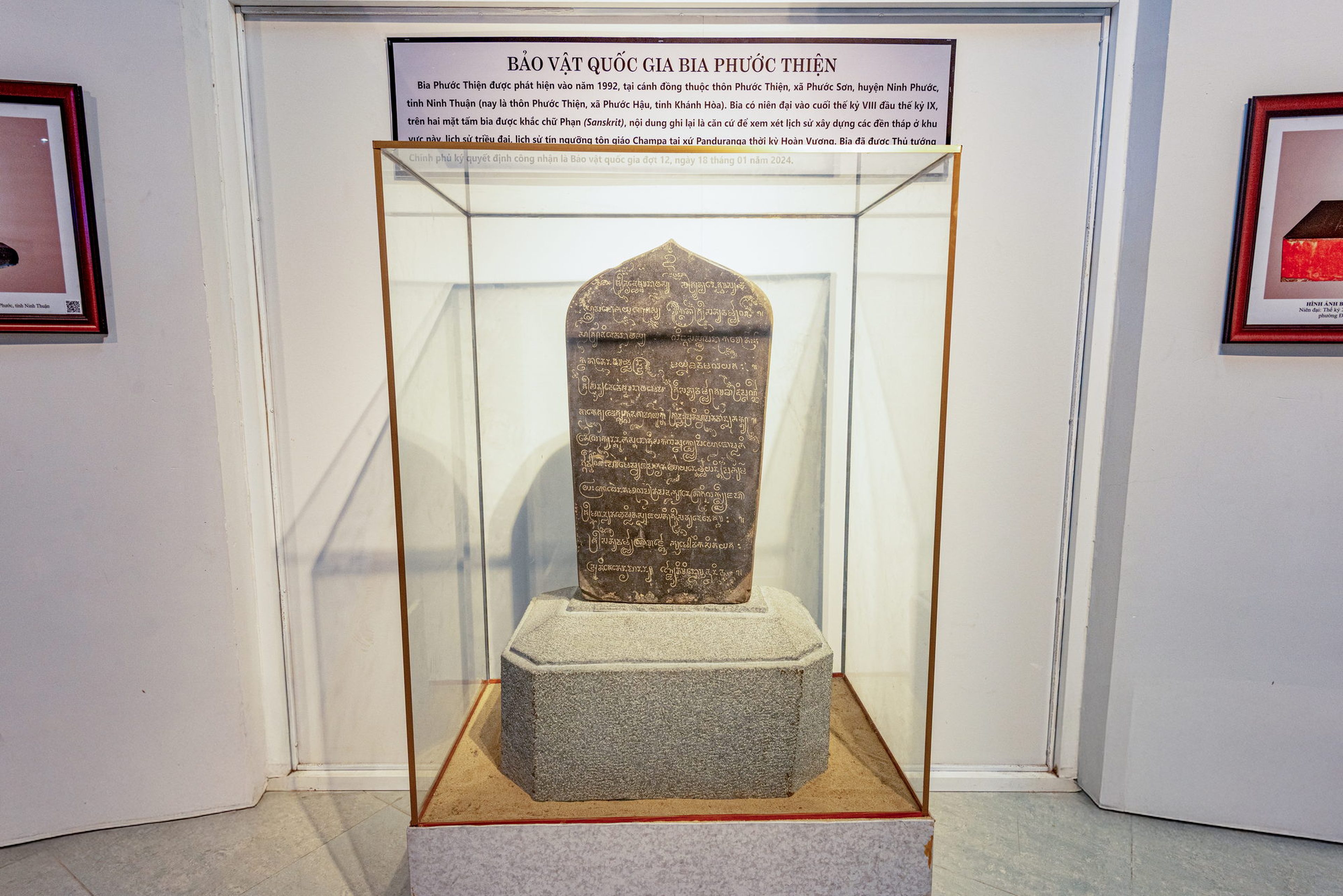
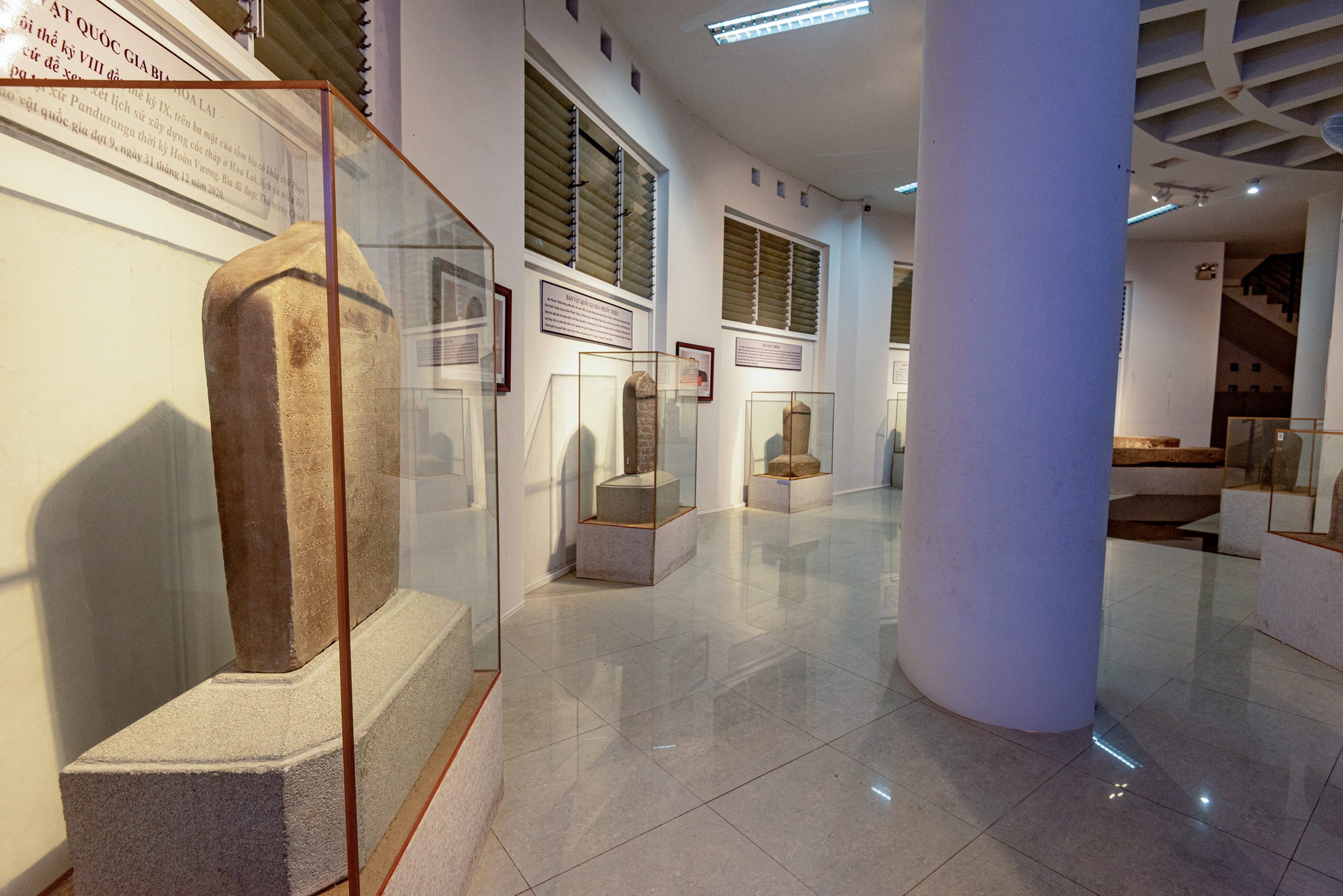
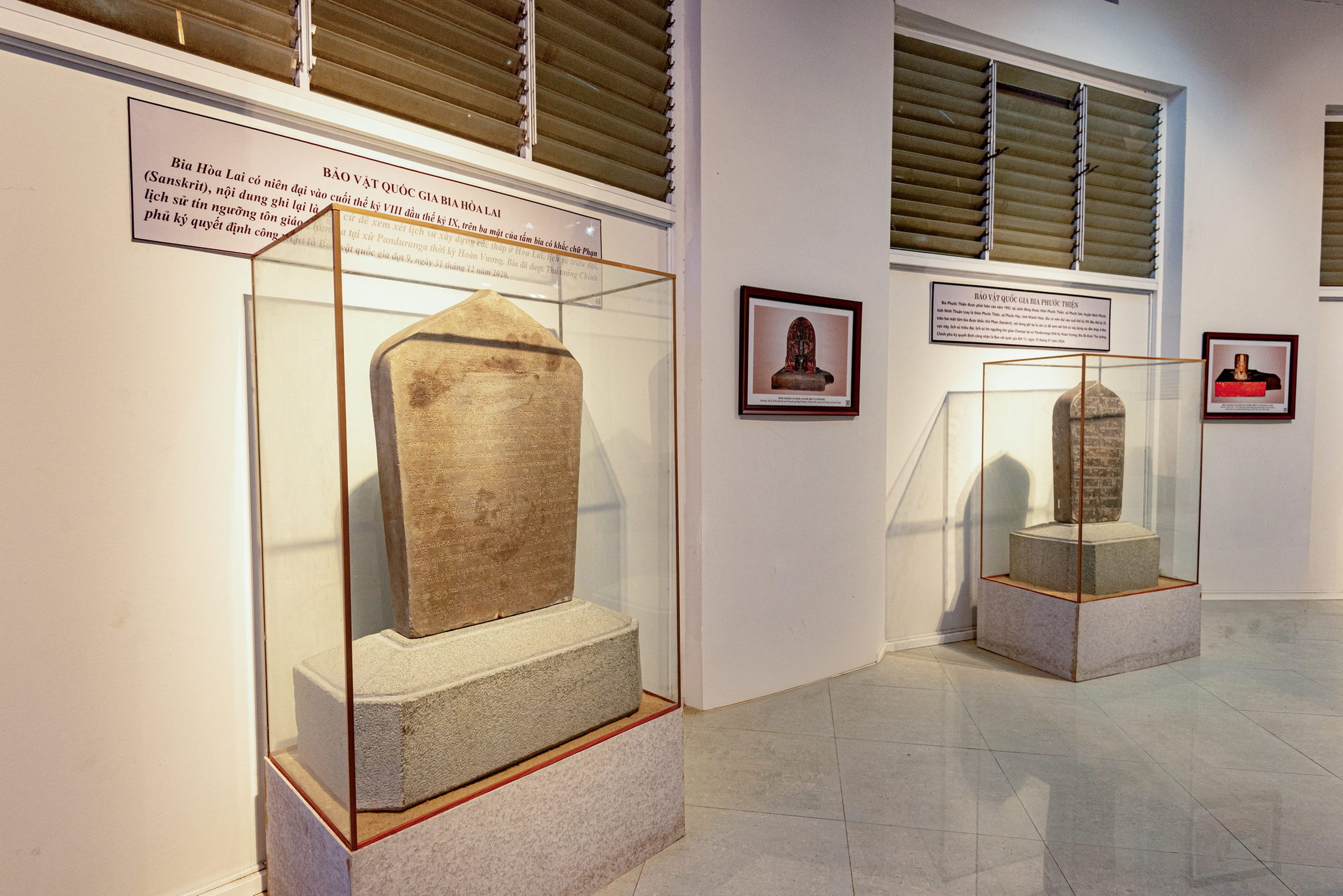
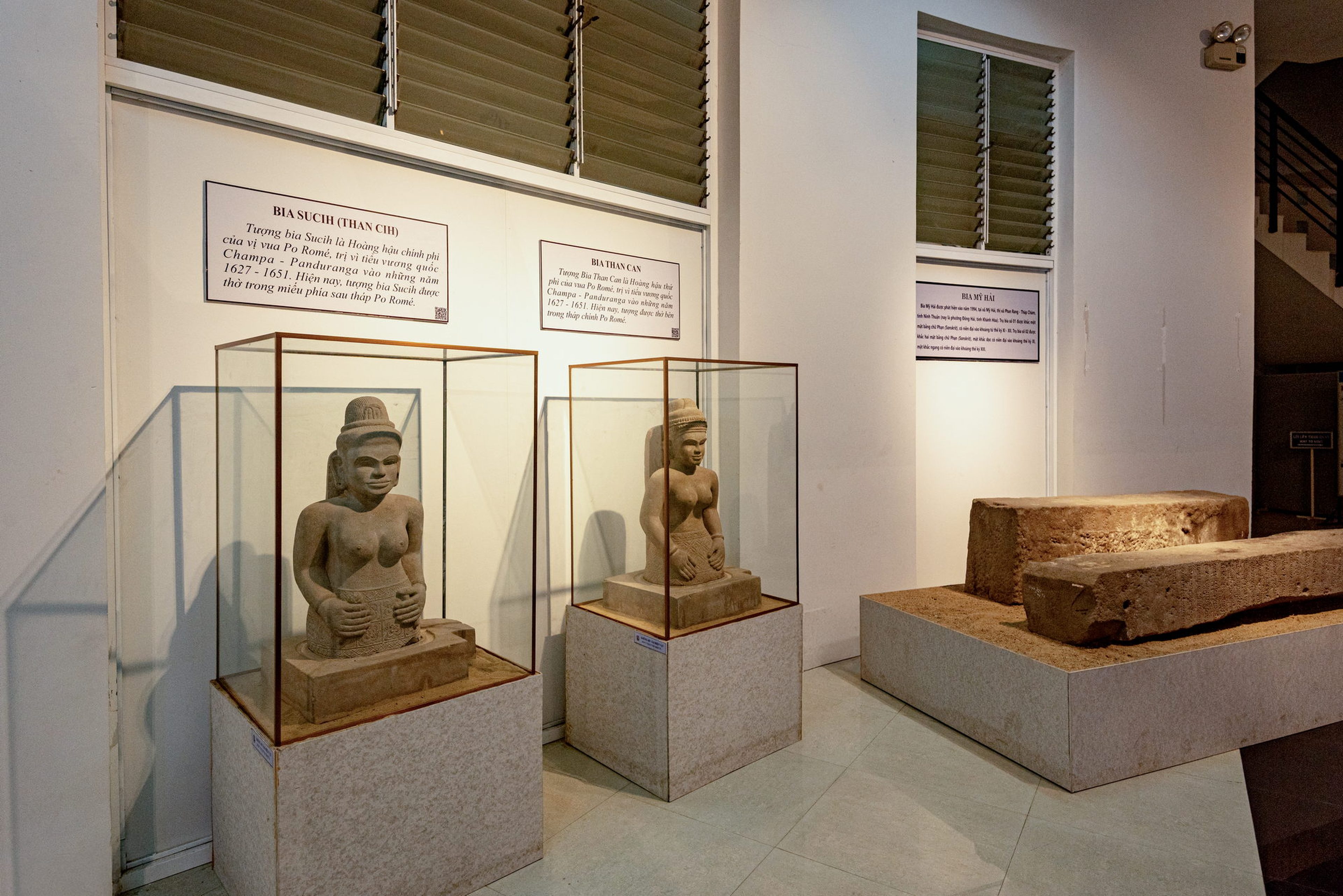
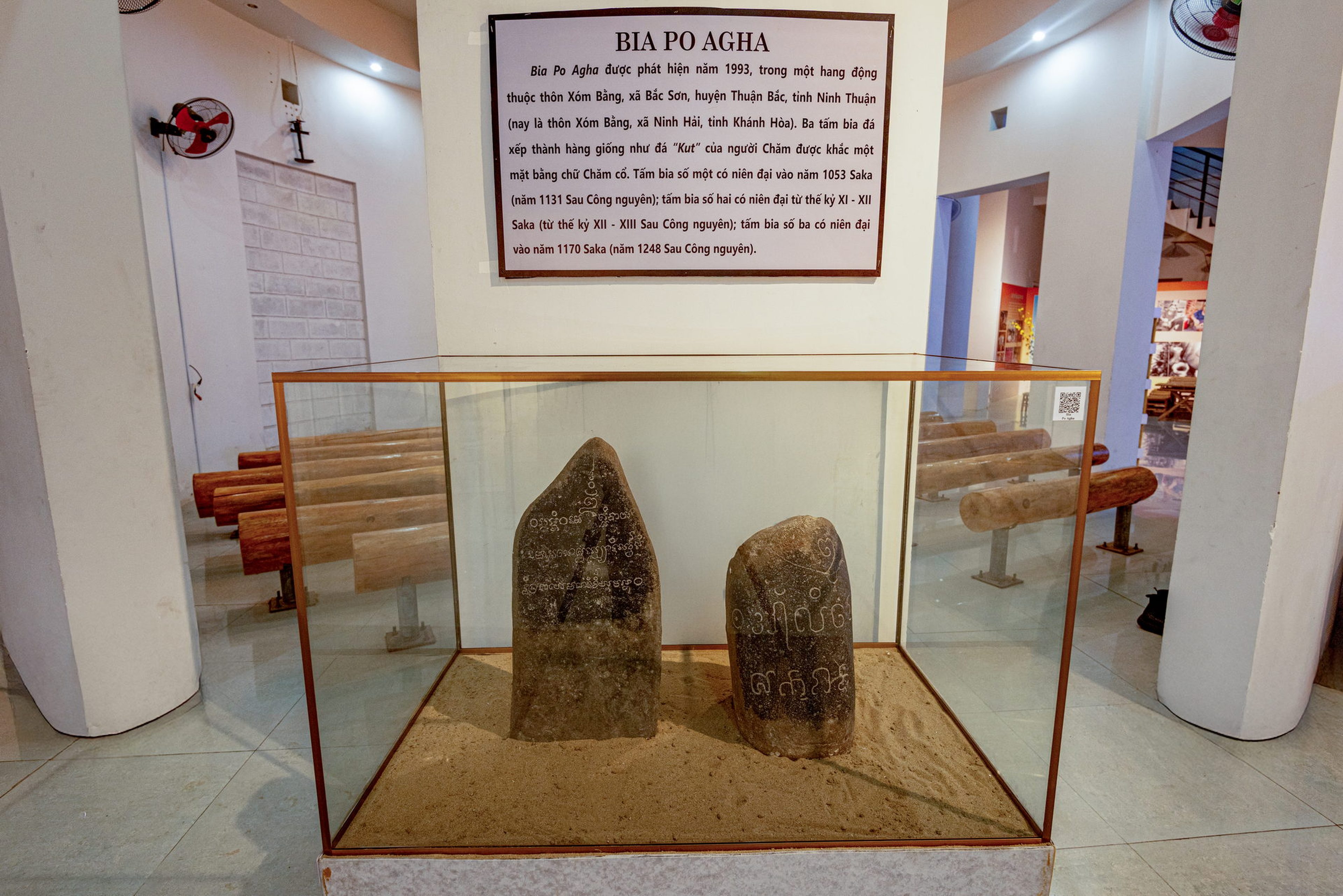
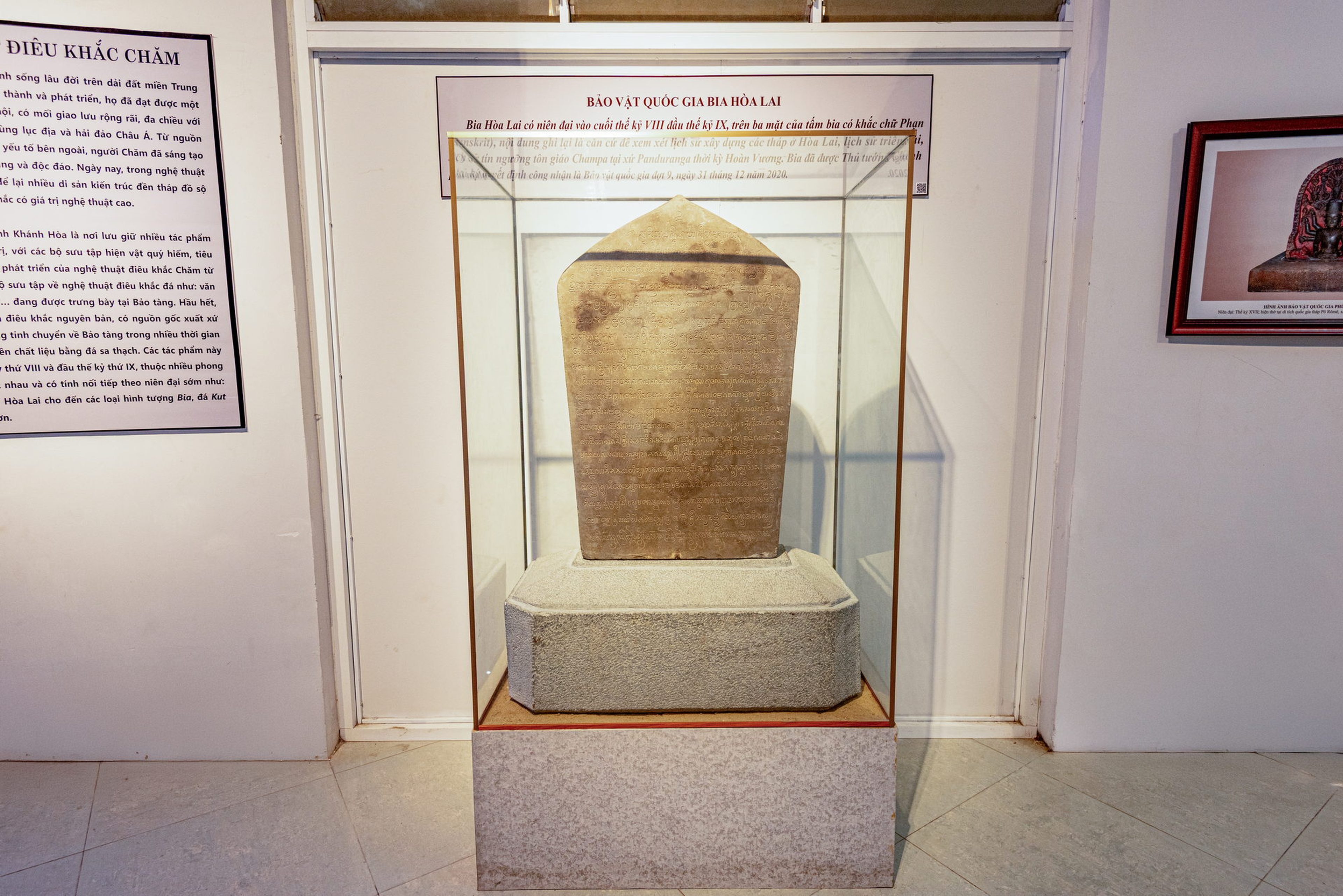
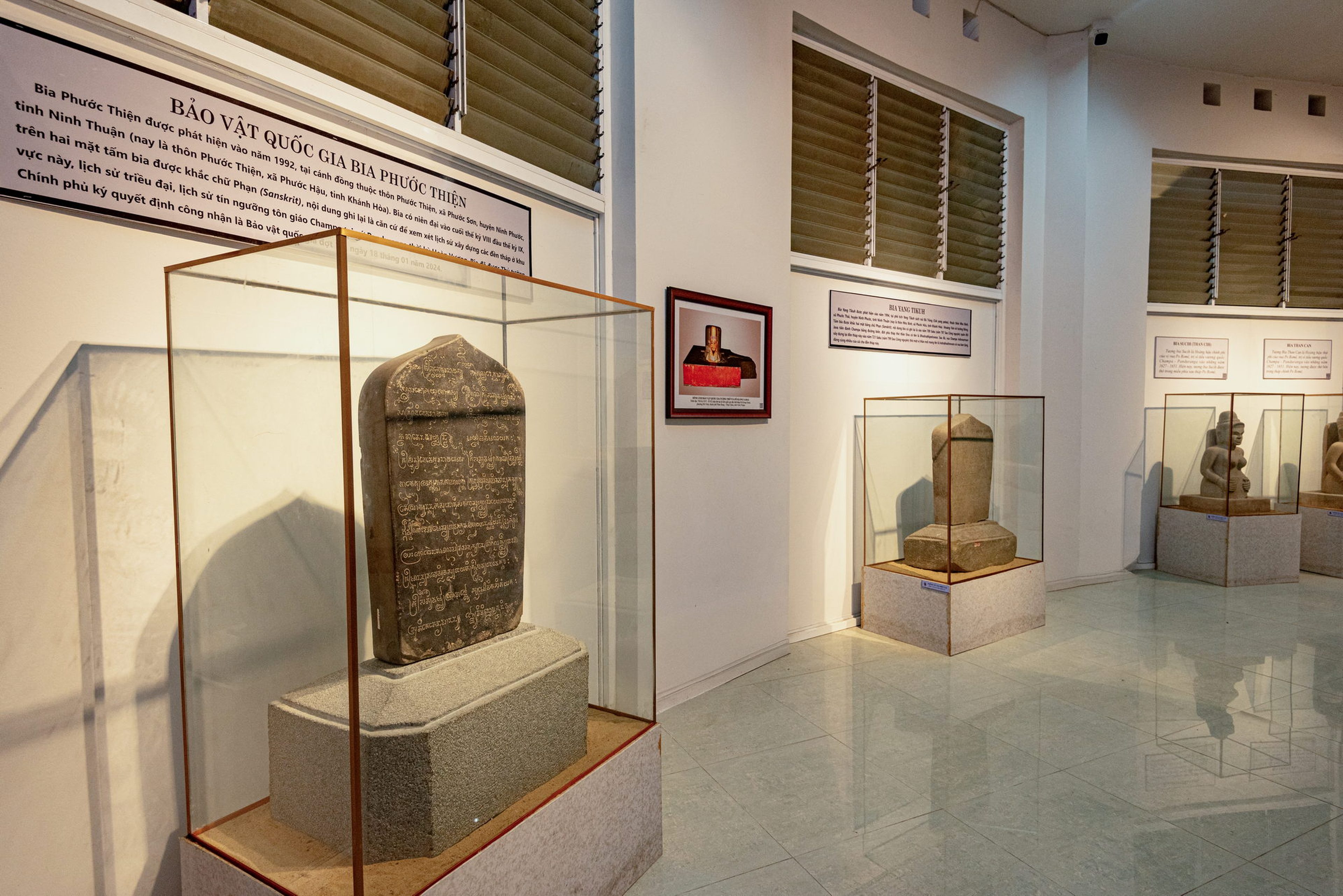
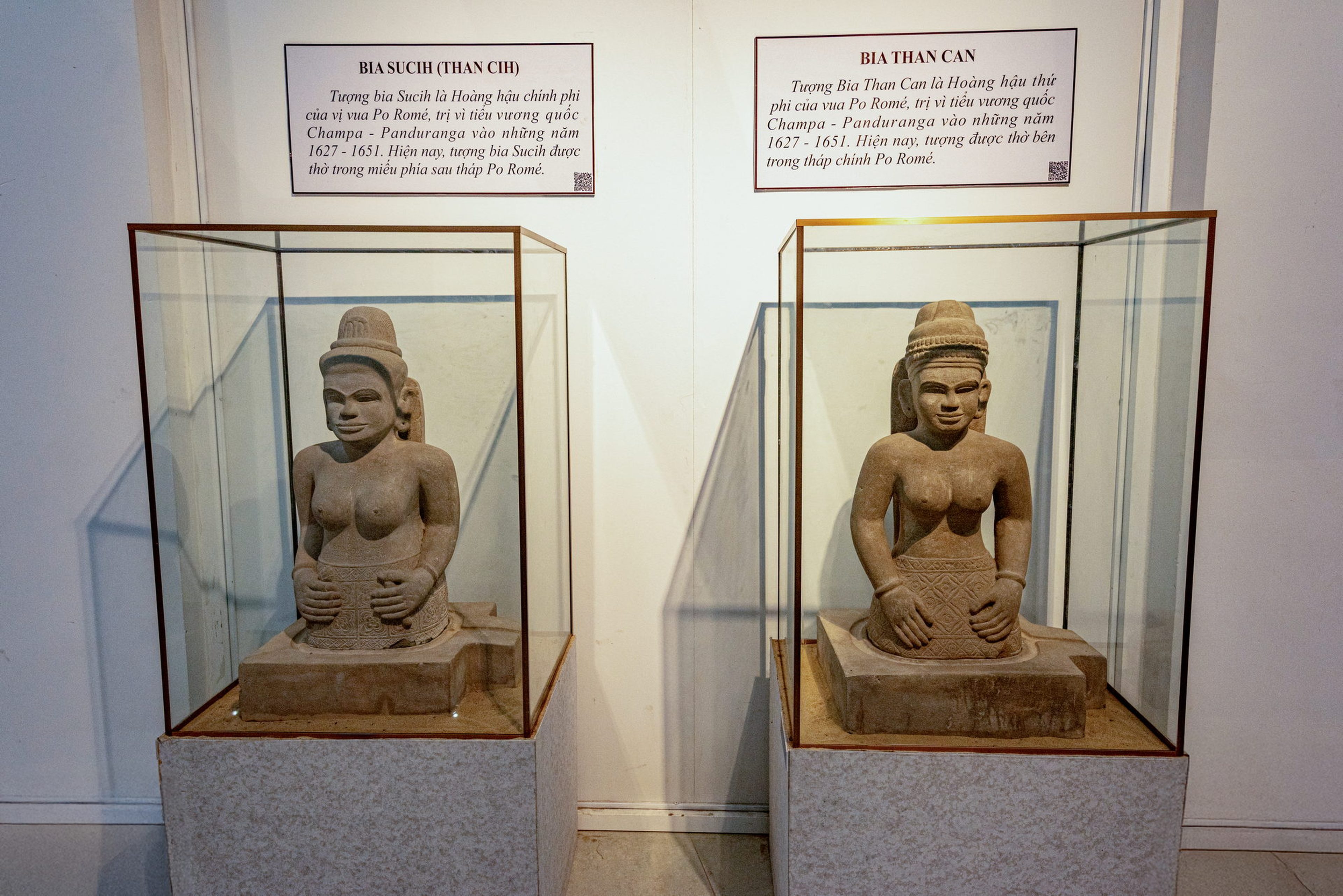
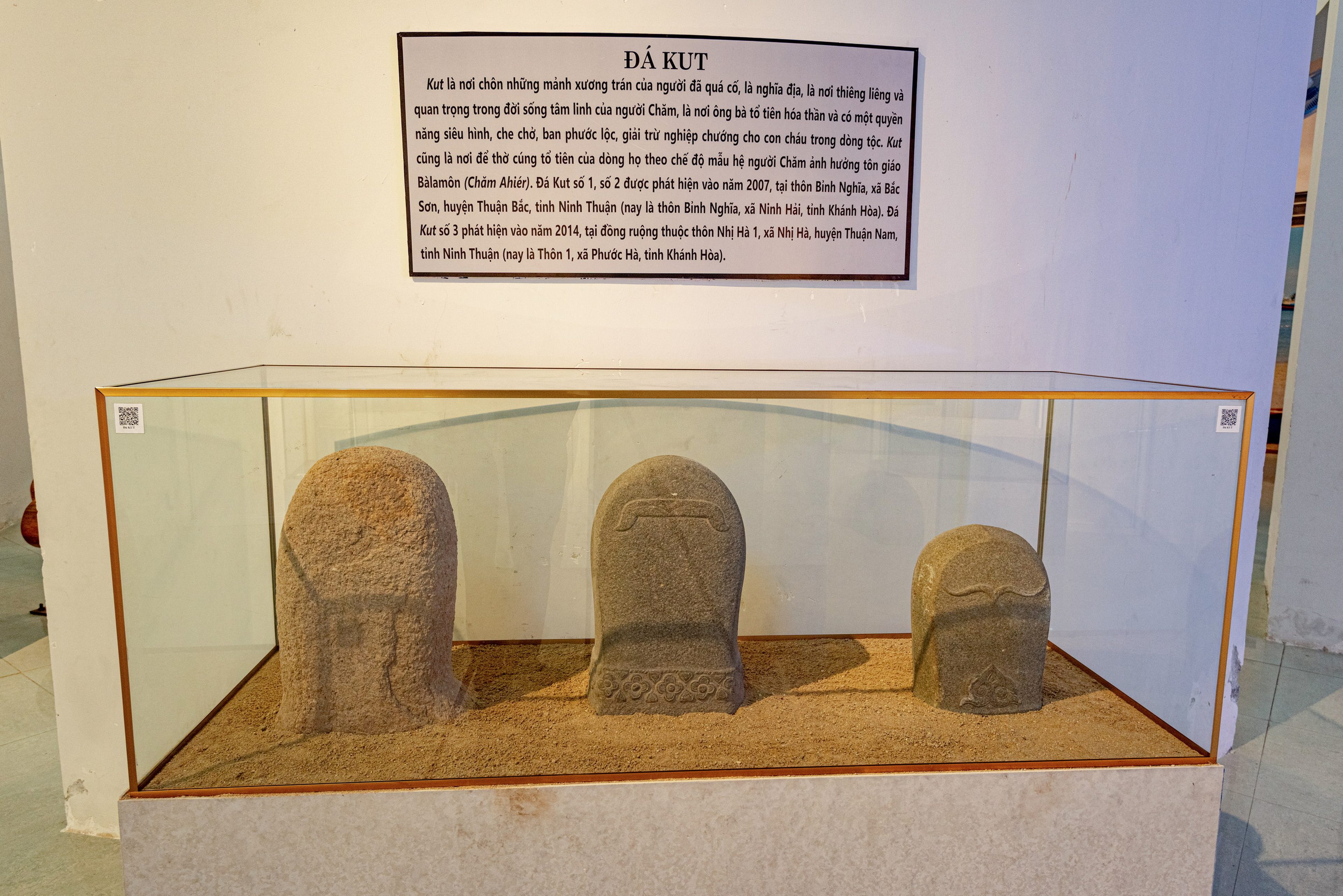
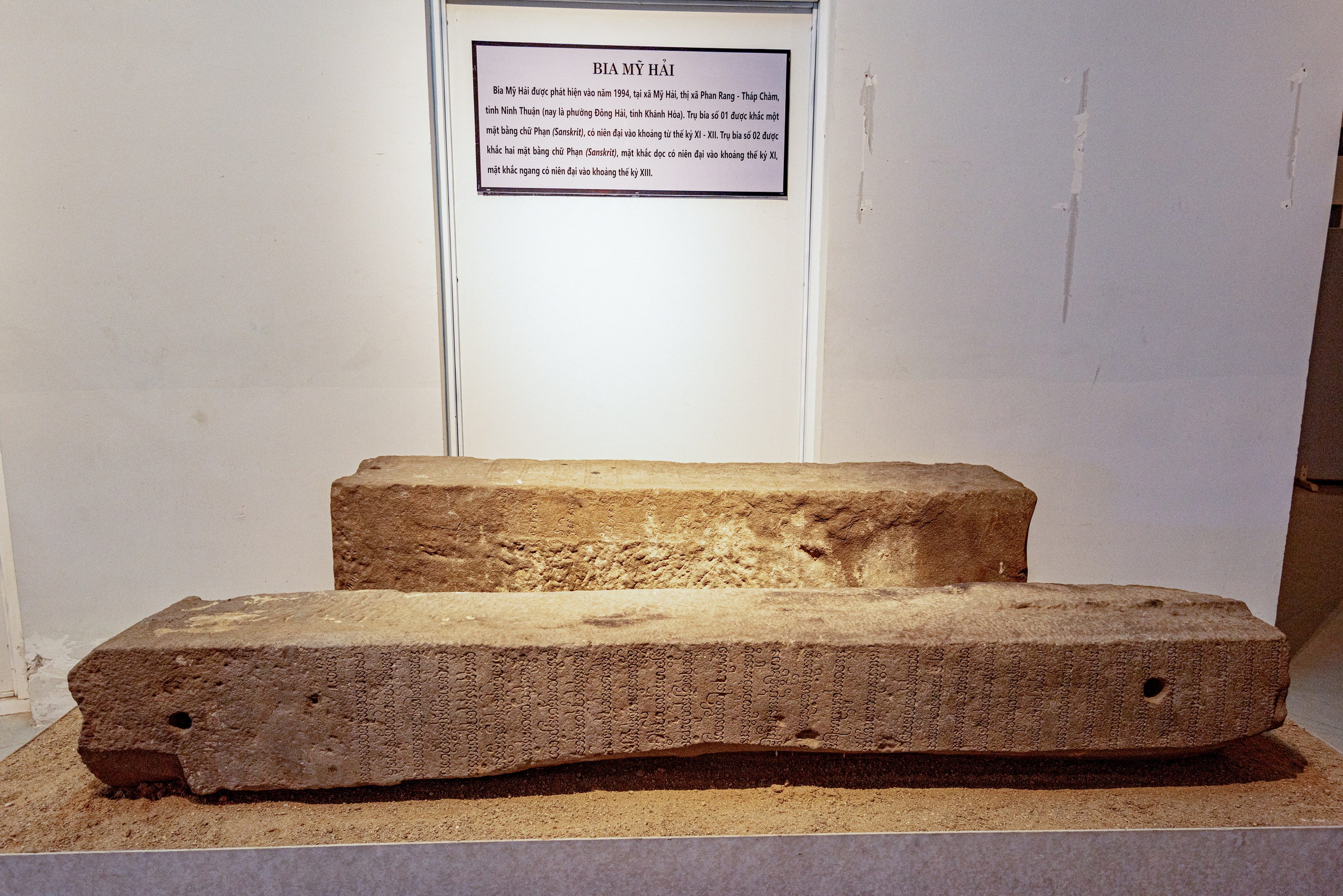
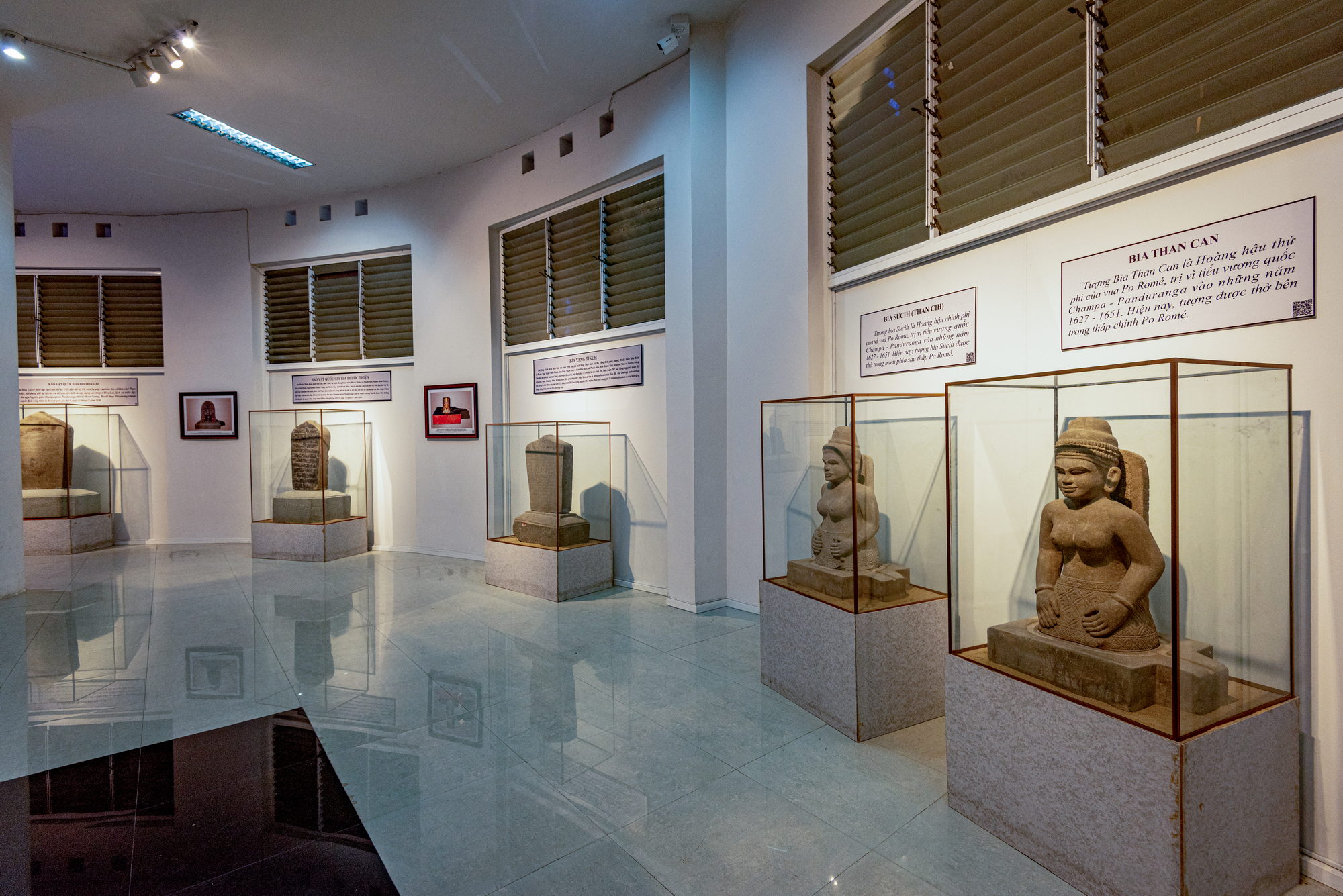
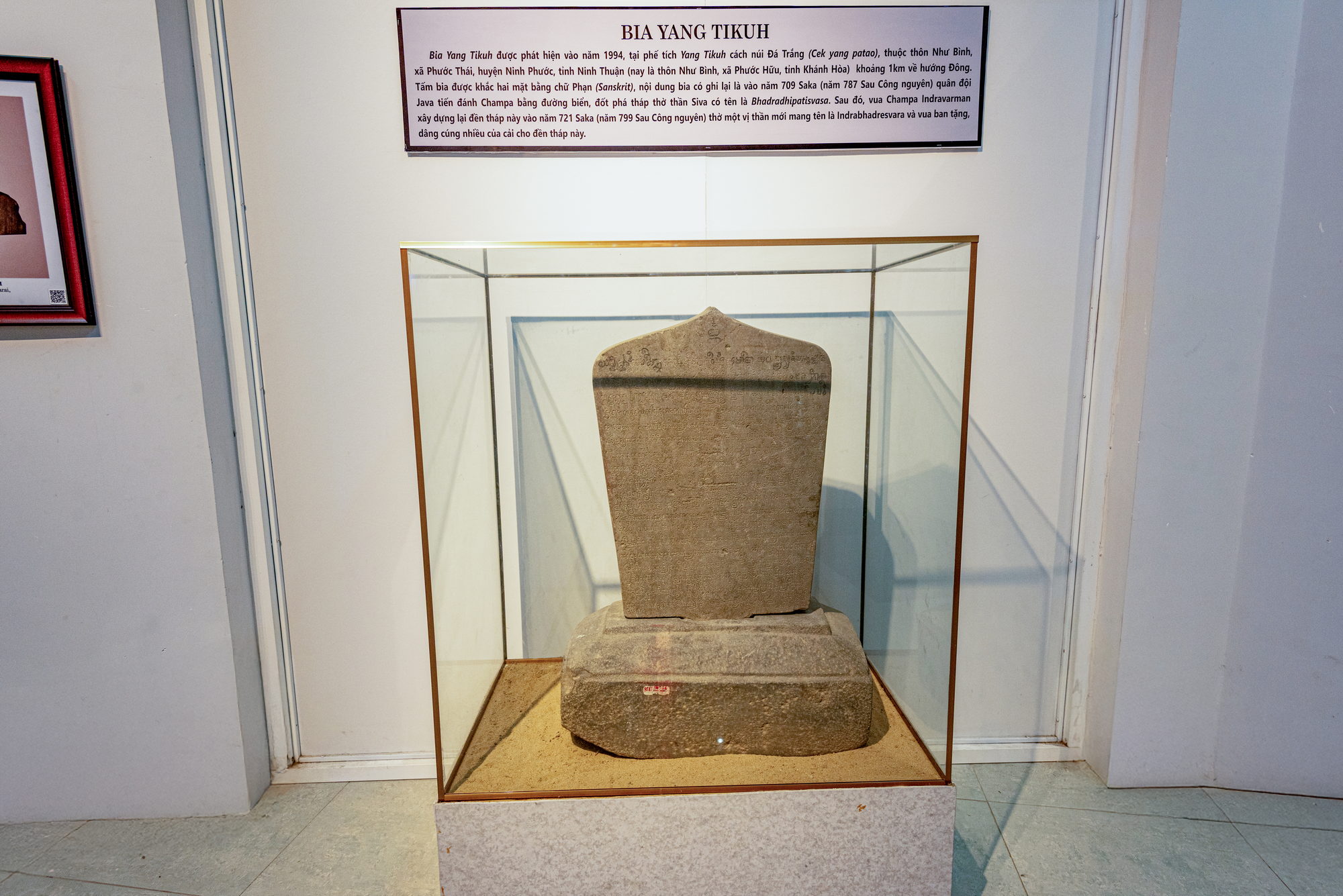
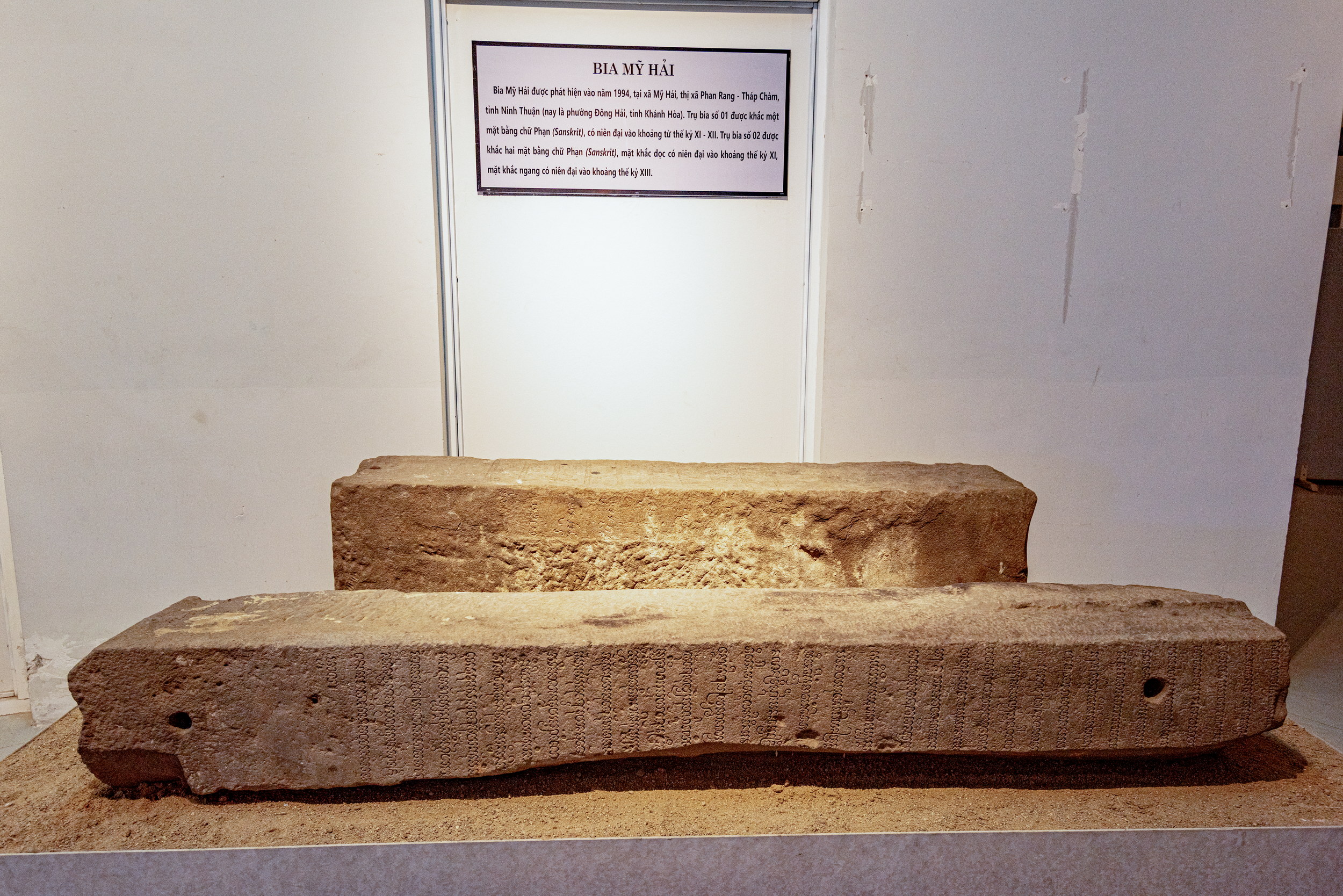
Currently, the Khanh Hoa Provincial Museum is home to many valuable Cham sculptures, with rare collections representing each stage of the development of Cham sculpture from the late 8th to the 17th century. Collections of stone sculptures such as inscriptions, stele statues, and Kut stones are currently on display at the museum. Most of these are original sculptures, sourced from various localities within the province and transferred to the museum at different times, all executed in stone. These works date back to the late 8th and early 9th centuries, belonging to various artistic styles and following early chronological periods, such as the Phuoc Thien Stele and Hoa Lai Stele, as well as later types of stele statues and Kut stones.
Hoa Lai Stele and Phuoc Thien Stele
Two national treasures that unveil precious layers of information about Cham history
The Khanh Hoa Provincial Museum currently preserves stone Cham artifacts of special value, among which the Hoa Lai Stele and Phuoc Thien Stele are two representative national treasures. These are not merely archaeological artifacts, but also important sources of information for understanding Cham history, writing, beliefs, and cultural space in the Khanh Hoa region.
The exhibition space also includes images of two other important national treasures: the Po Rome King Relief and the Po Klong Garai King Statue. Both artifacts are associated with kings revered by the Cham community, reflecting the combination of royal power, indigenous beliefs, and Indian religious influences.
Sa Huynh Culture
A layer of prehistoric and proto-historic memory on the central coast
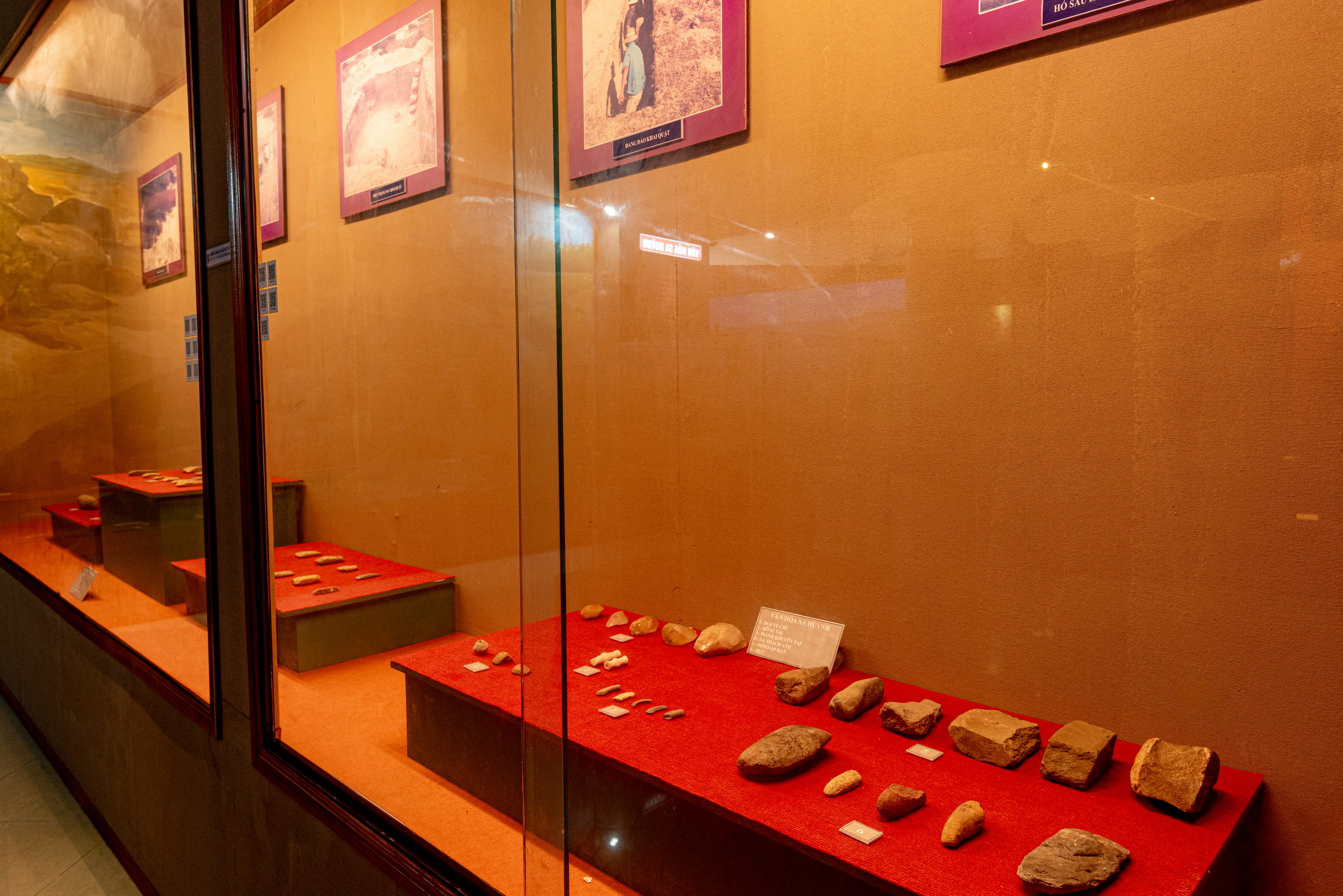
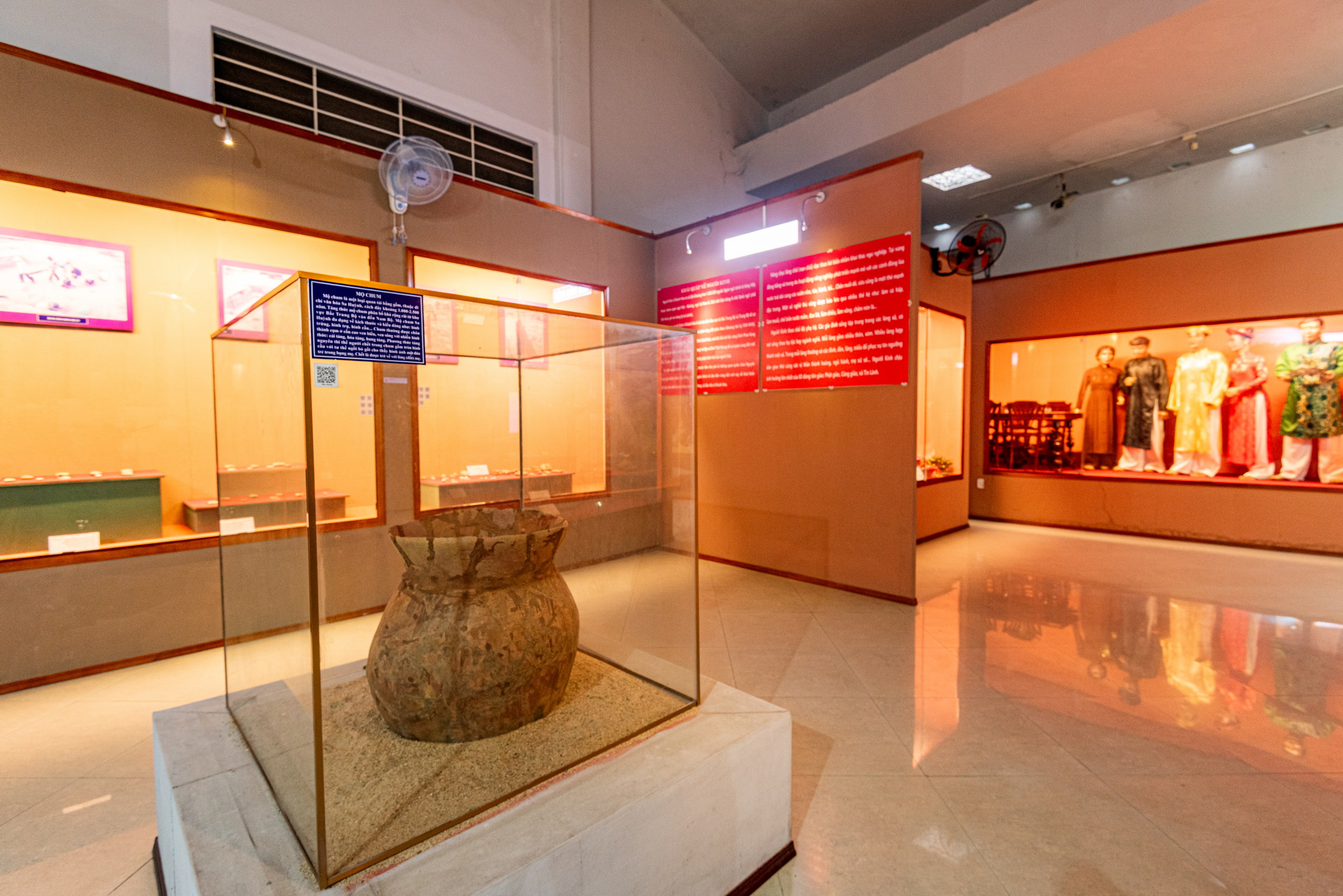
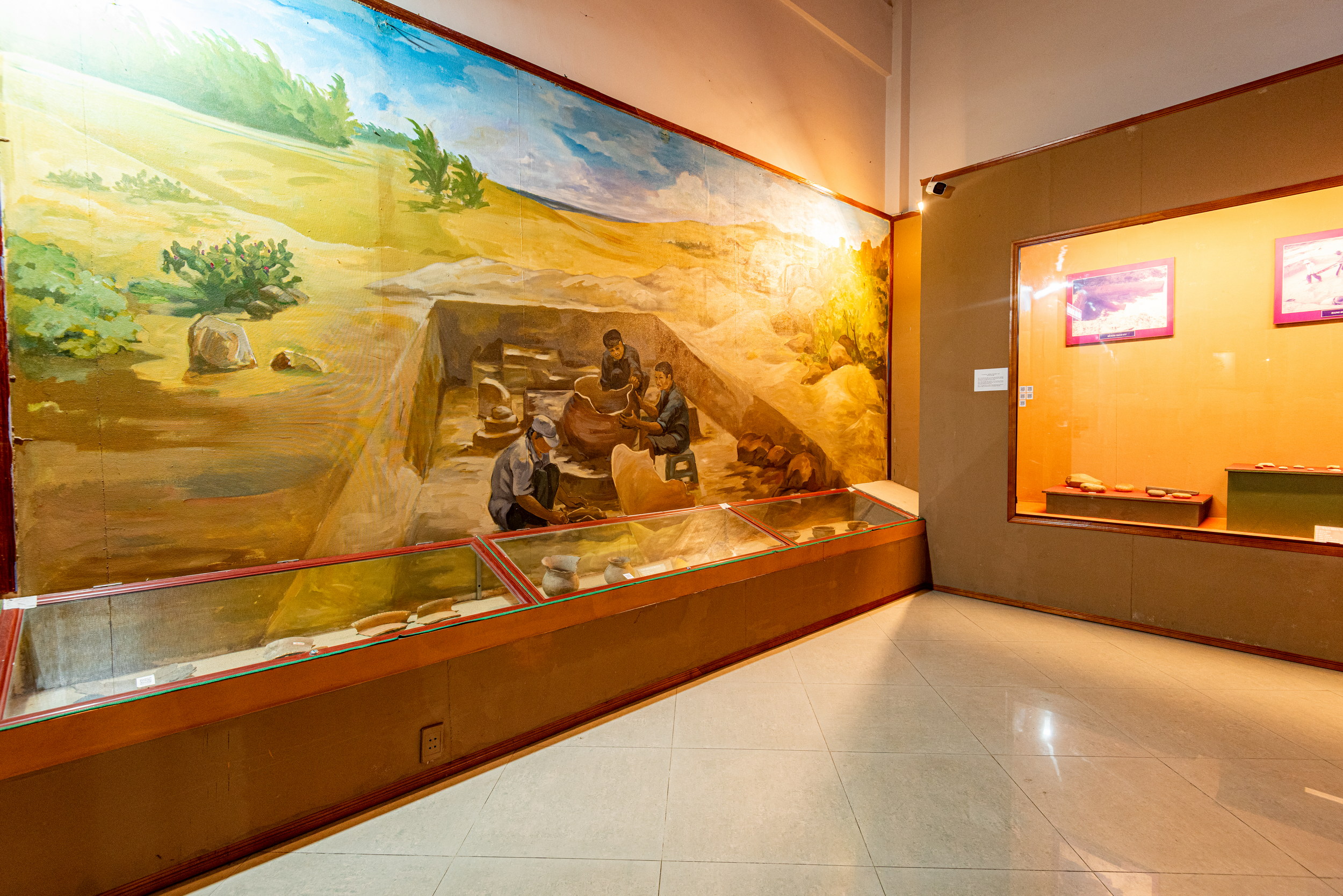
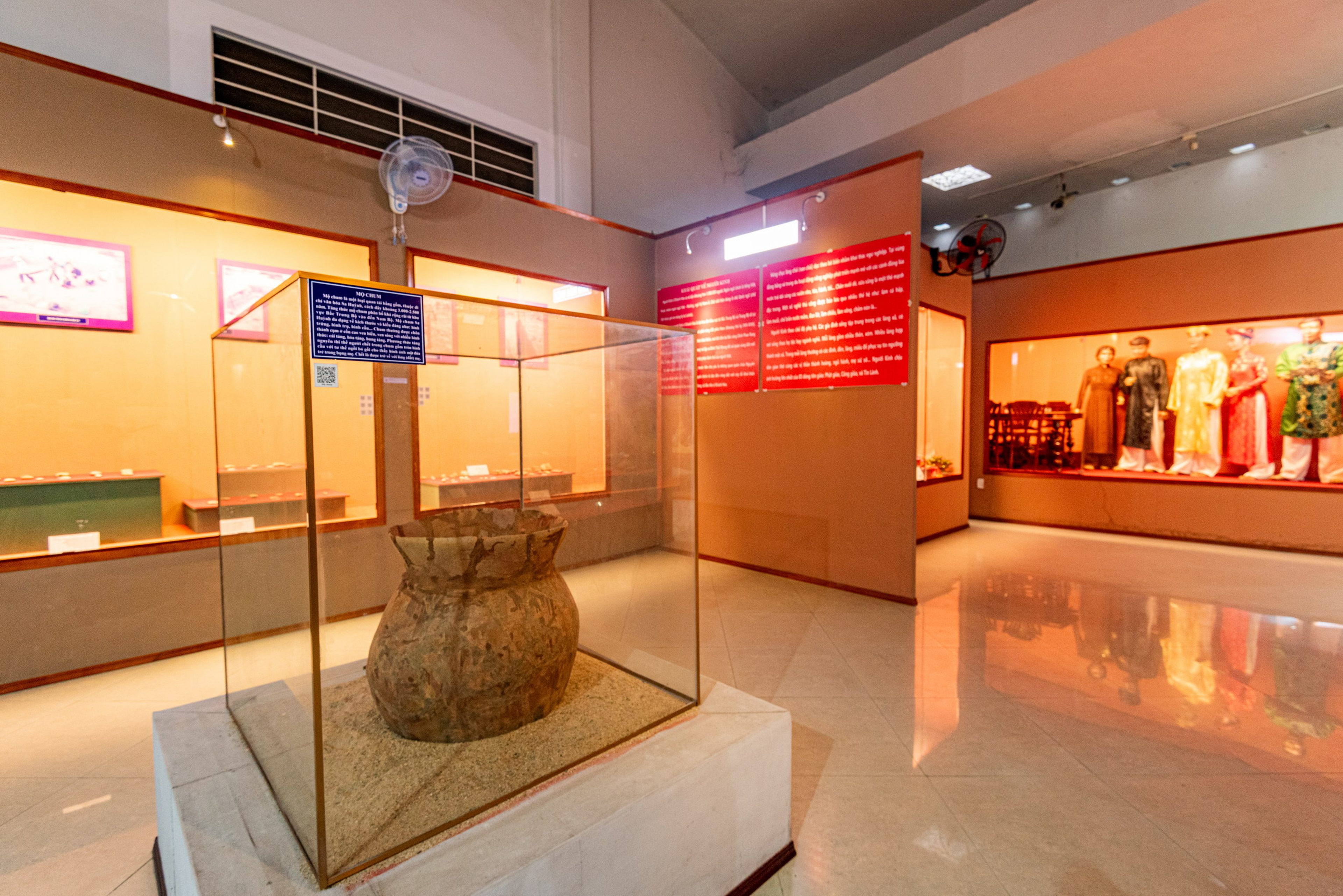
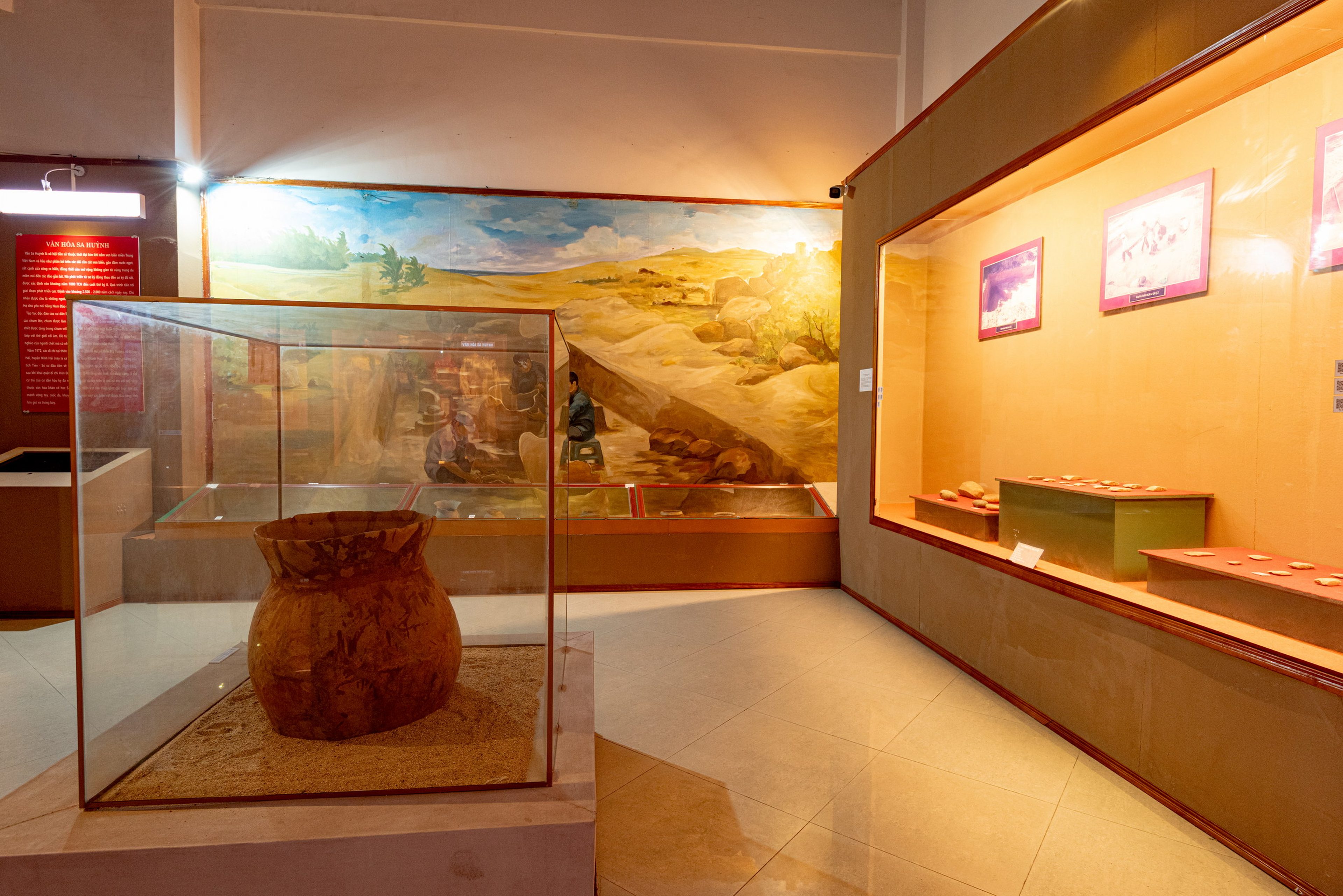
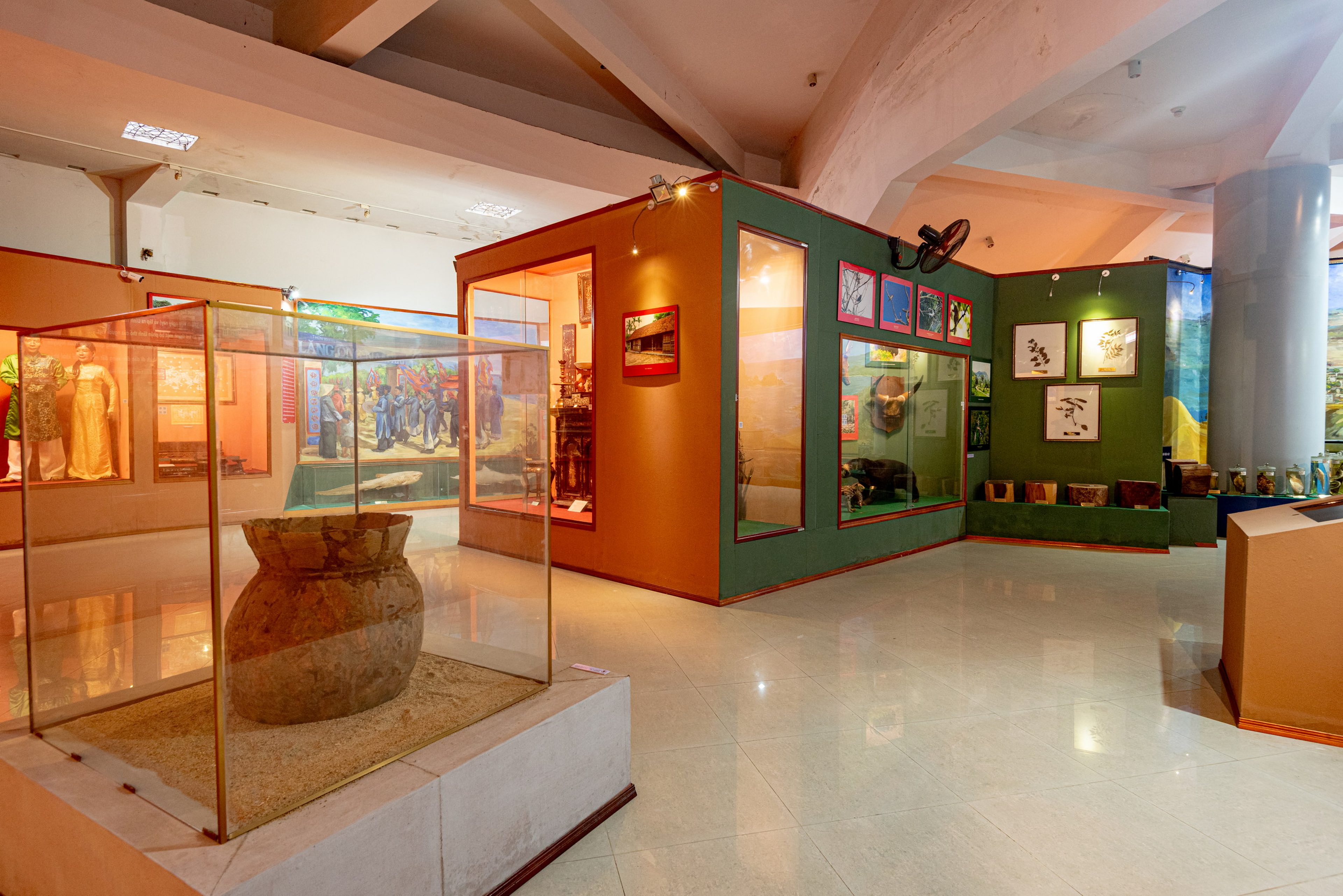
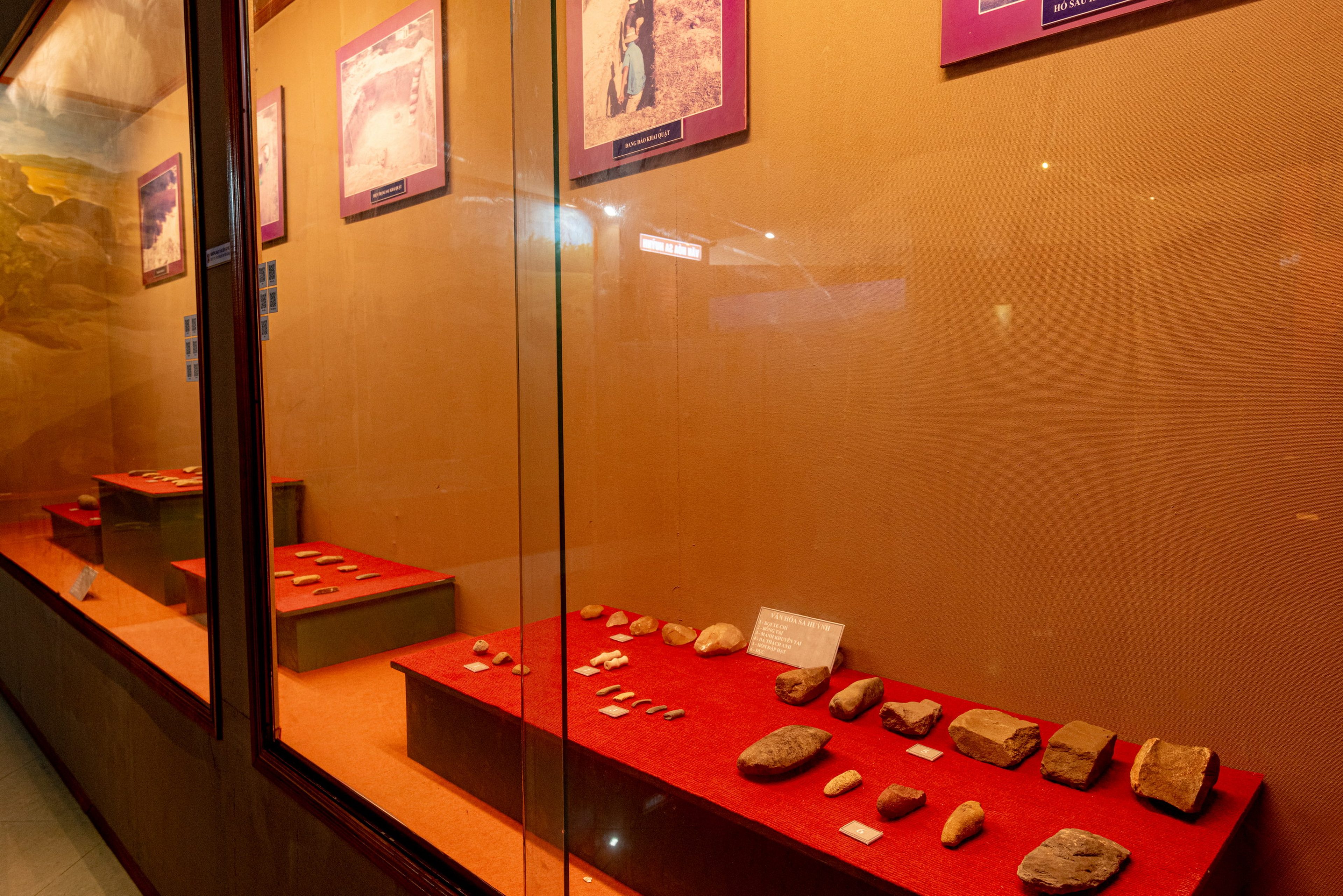
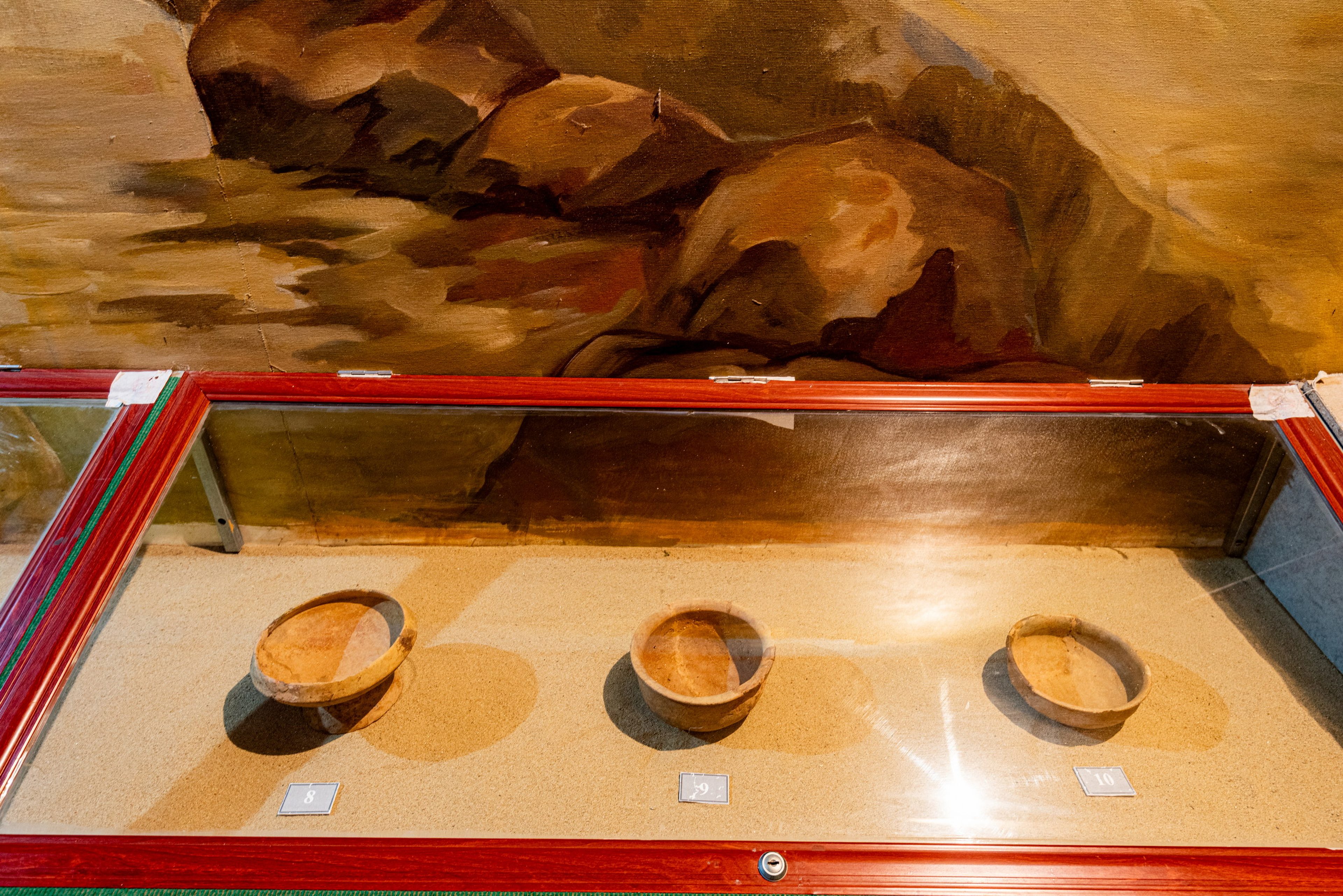
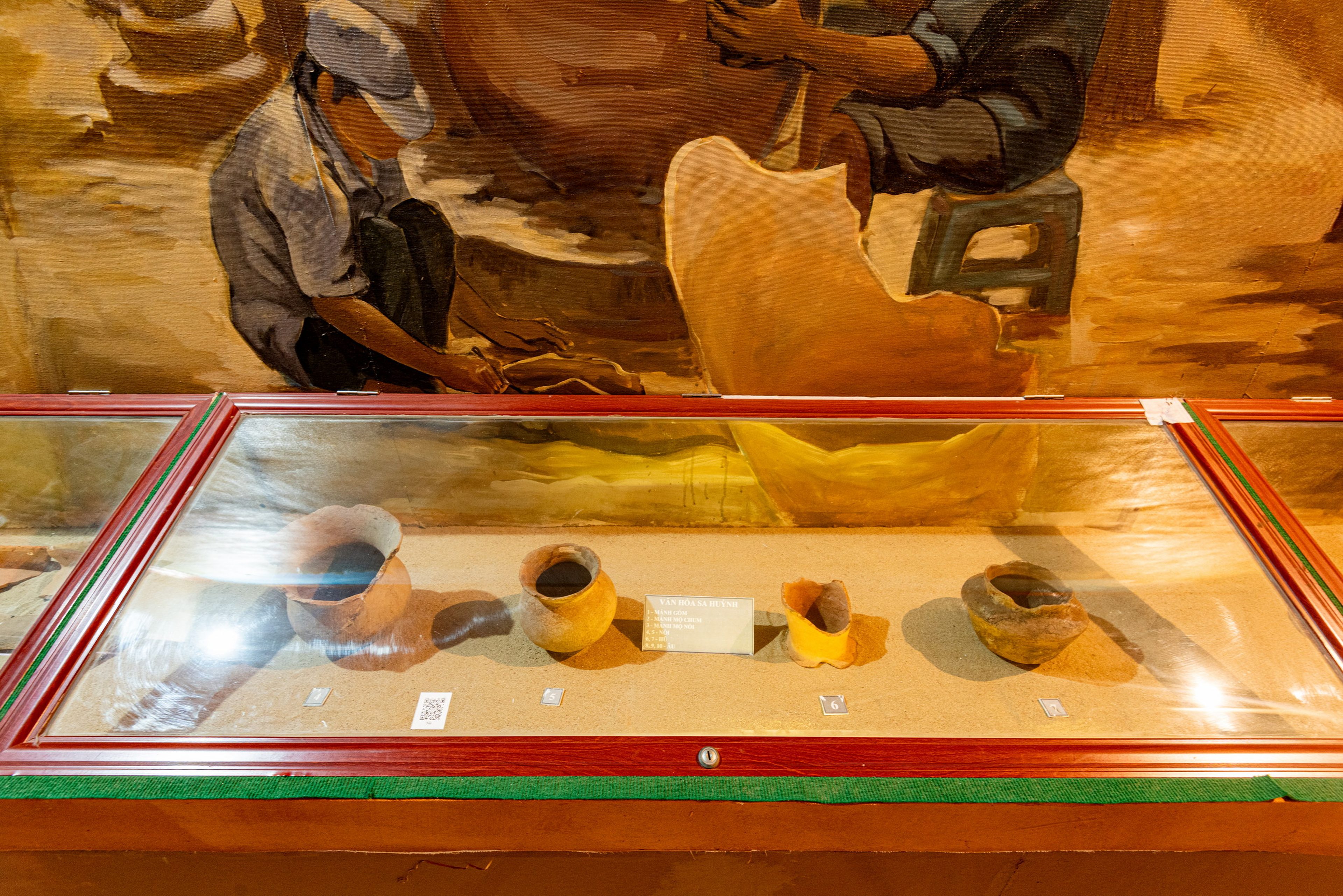
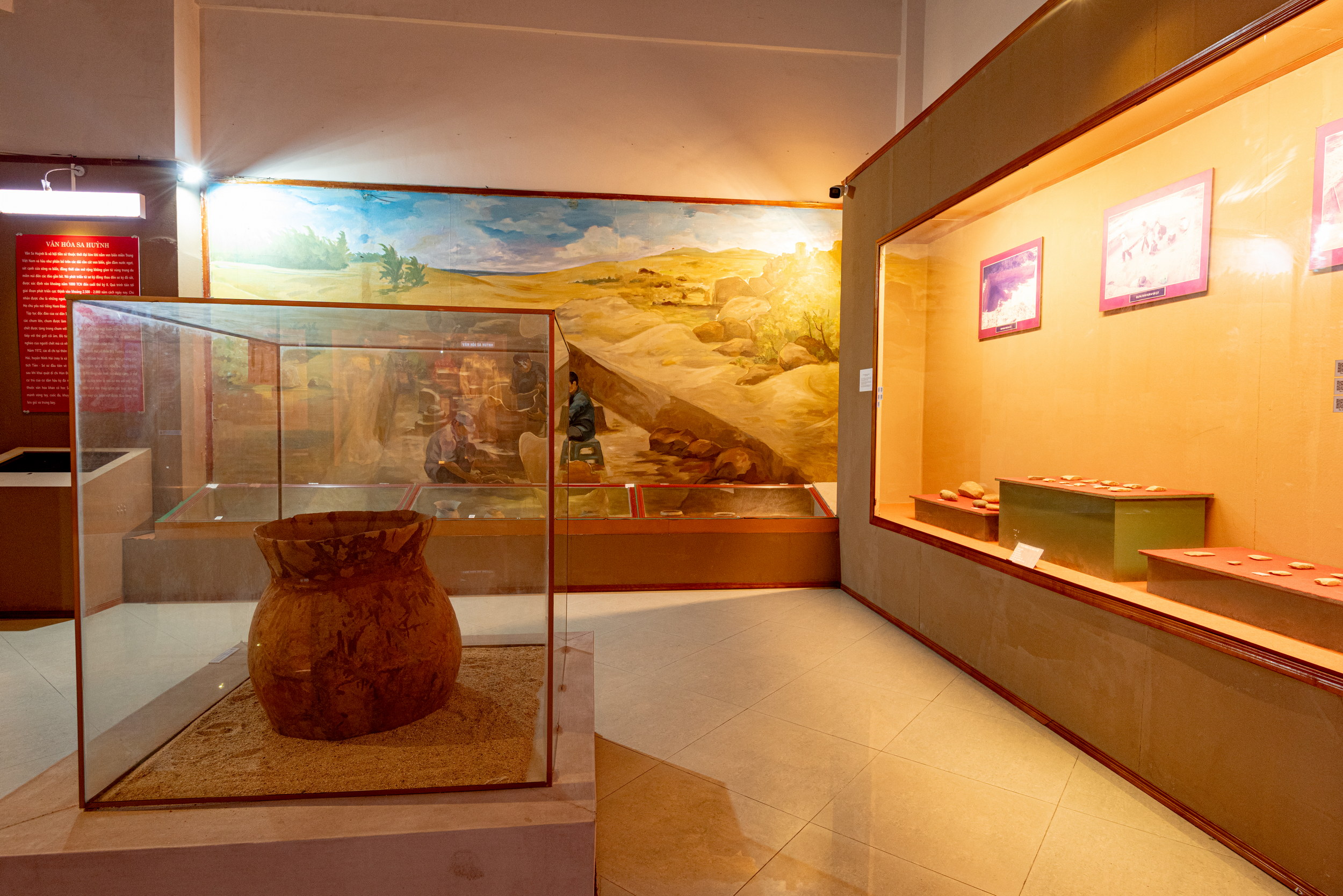
Sa Huynh culture was a prehistoric society of the Metal Age located along the central coast of Vietnam, distributed mostly across coastal sand dunes, near freshwater lagoons, adjacent to river mouths leading to the sea, and extending from the midland mountainous areas to the near-shore islands. It developed from the Early Bronze Age to the Early Iron Age, determined to have existed from approximately 1,000 BC to the end of the 2nd century AD. The process reached its peak between 2,500 and 2,000 years ago. Its creators are believed to have been Proto-Malay-Polynesians. They primarily spoke Austronesian languages.
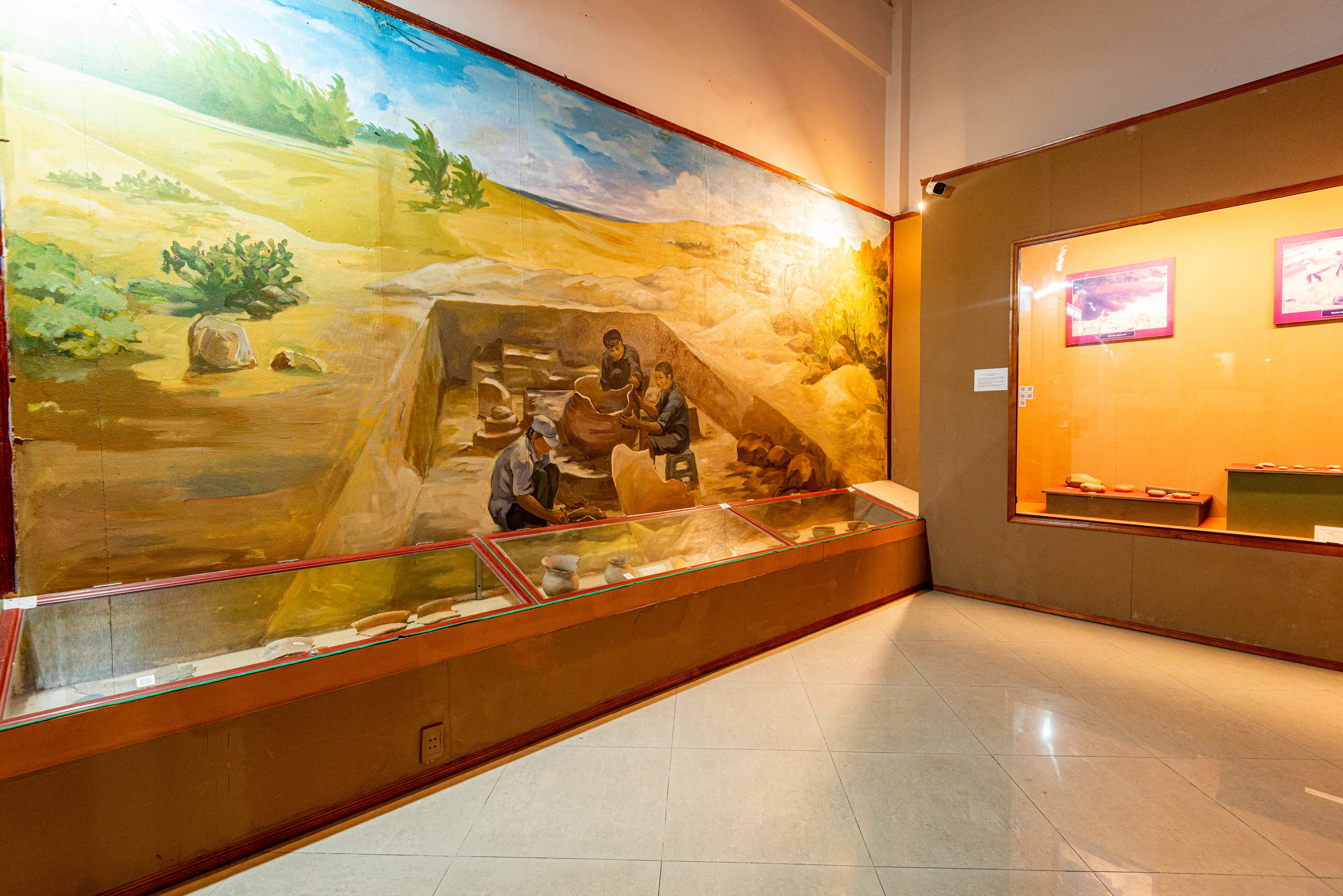
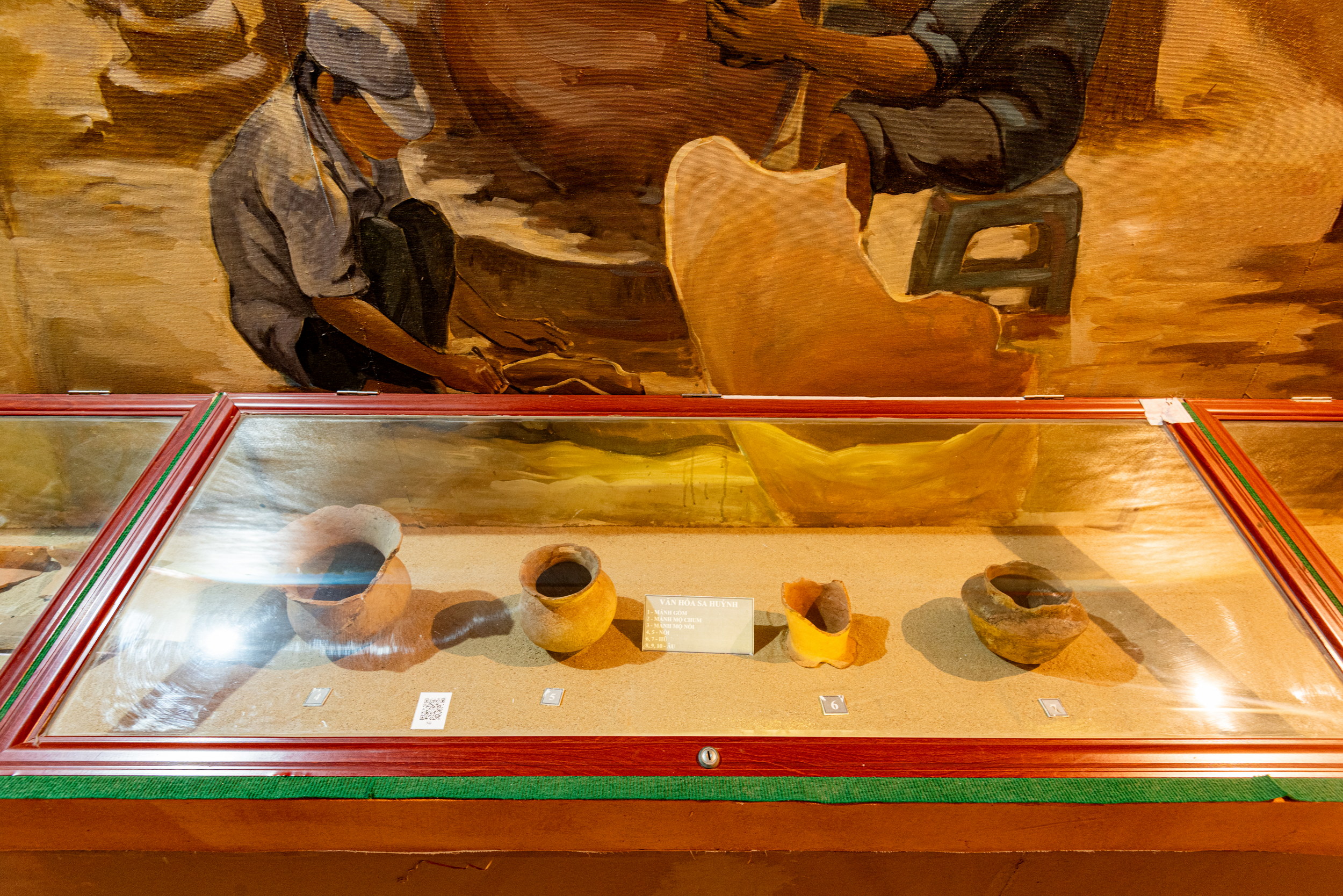
This space introduces the life of ancient inhabitants through traces of dwellings, burials, and funerary artifacts. In particular, the custom of burying the deceased in large jars is a prominent characteristic, reflecting the Sa Huynh people's concepts of life, death, and the afterlife.
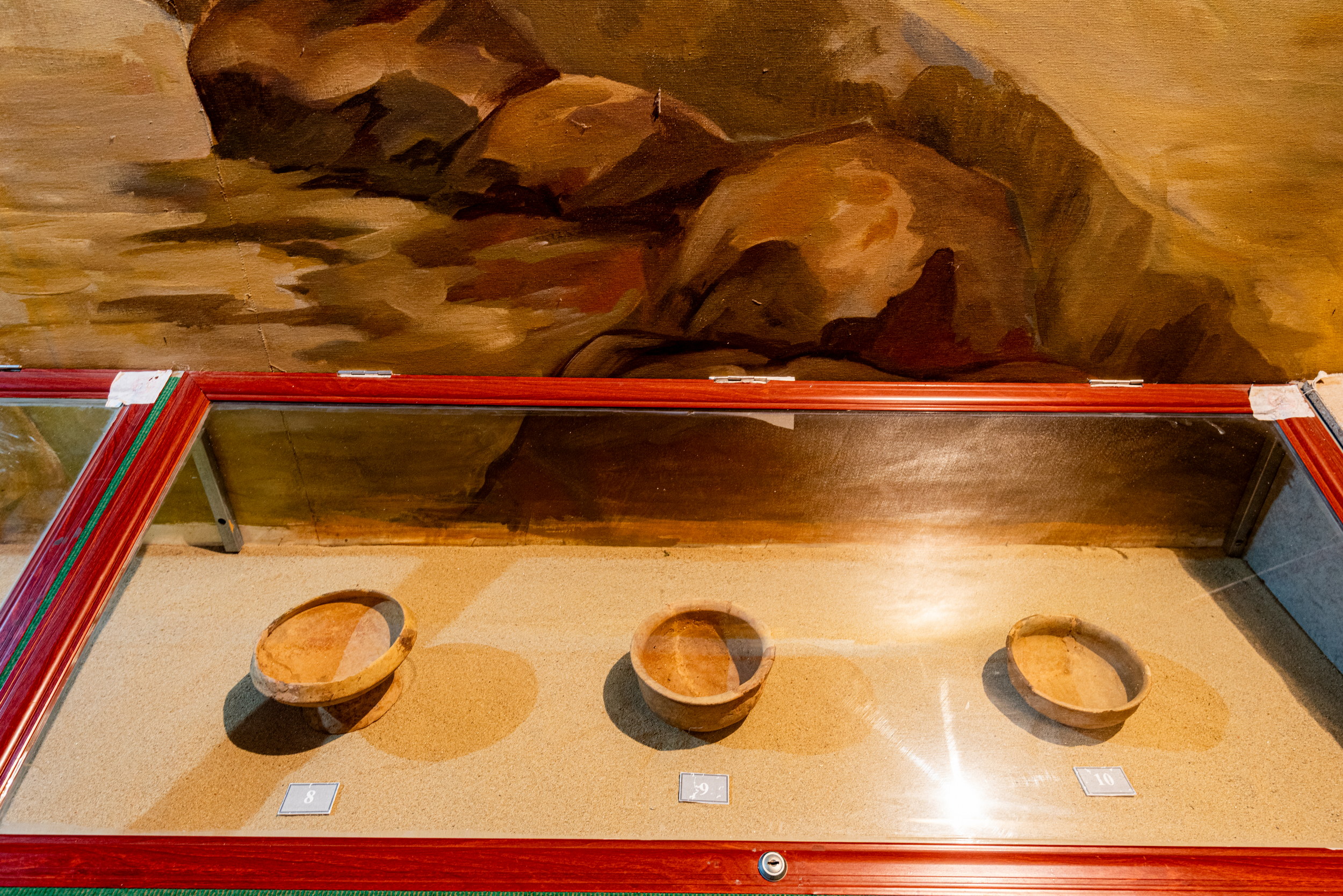
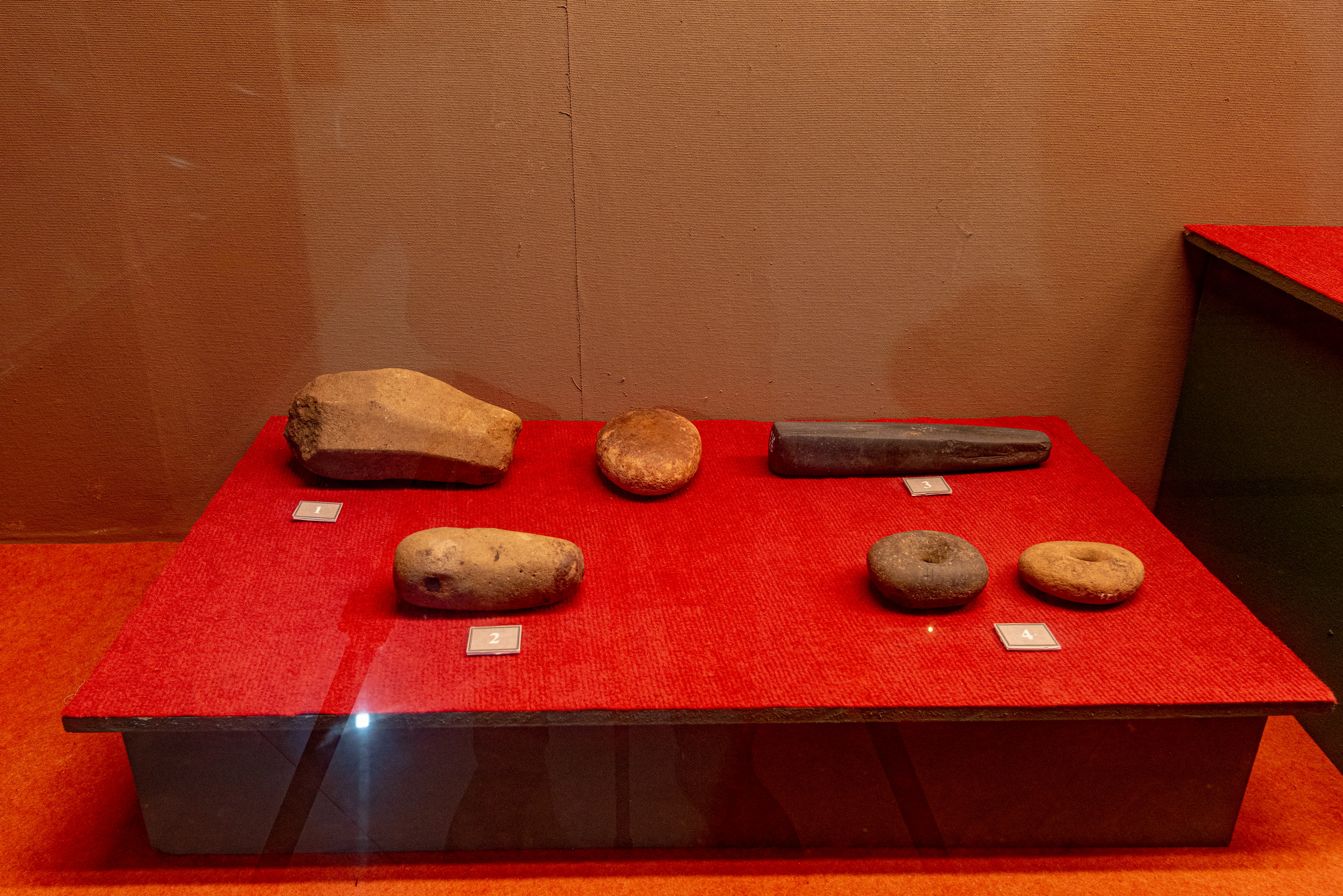
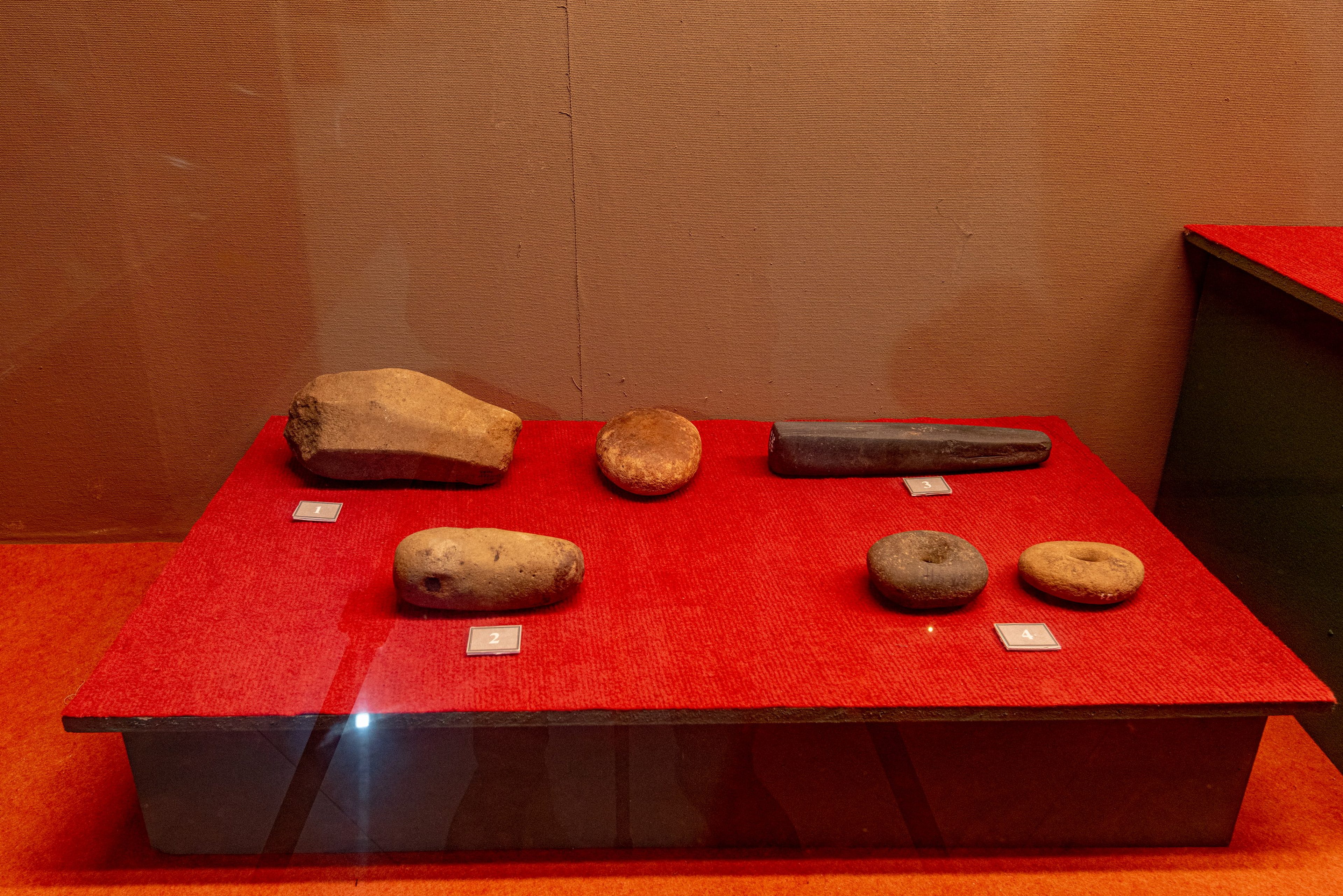
In 1972, sites in My Hiep Village, Thanh Hai Commune, and My Tuong Village, Nhon Hai Commune, Ninh Hai District (now Vinh Hai Commune, Khanh Hoa Province) yielded the first Proto-historic traces of Sa Huynh culture at the Hon Do site. In 1979, after excavating the Hon Do site, three cultural layers were revealed: the bottom layer was a residence for late Neolithic inhabitants; the middle and upper layers were residences with burials belonging to the Sa Huynh archaeological culture. The artifacts found include: stone axes, bracelet fragments, stone hoes, earrings, etc. These items are currently preserved and exhibited by the provincial museum.
Cham Culture
A community that preserves its language, beliefs, festivals, and traditional crafts
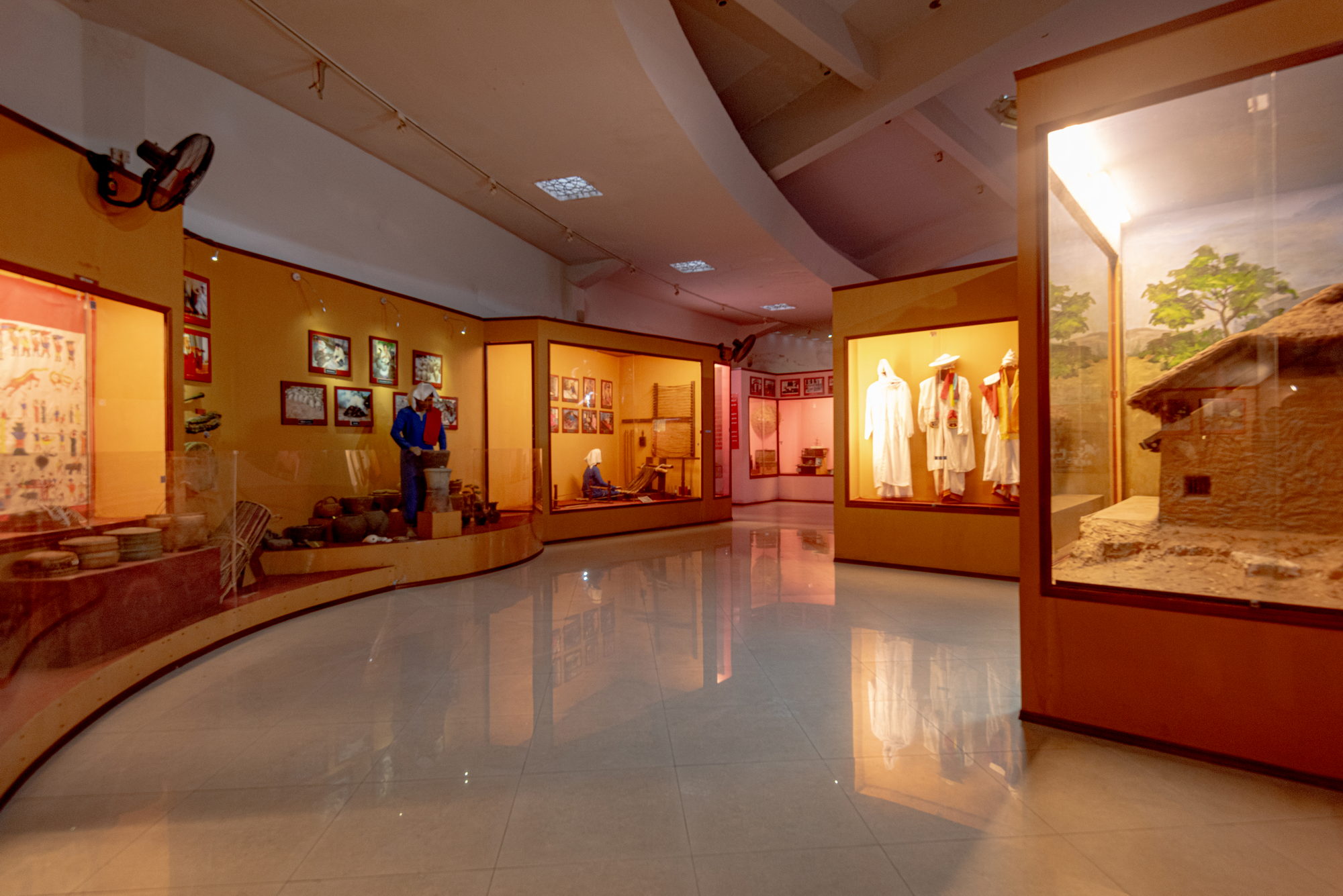
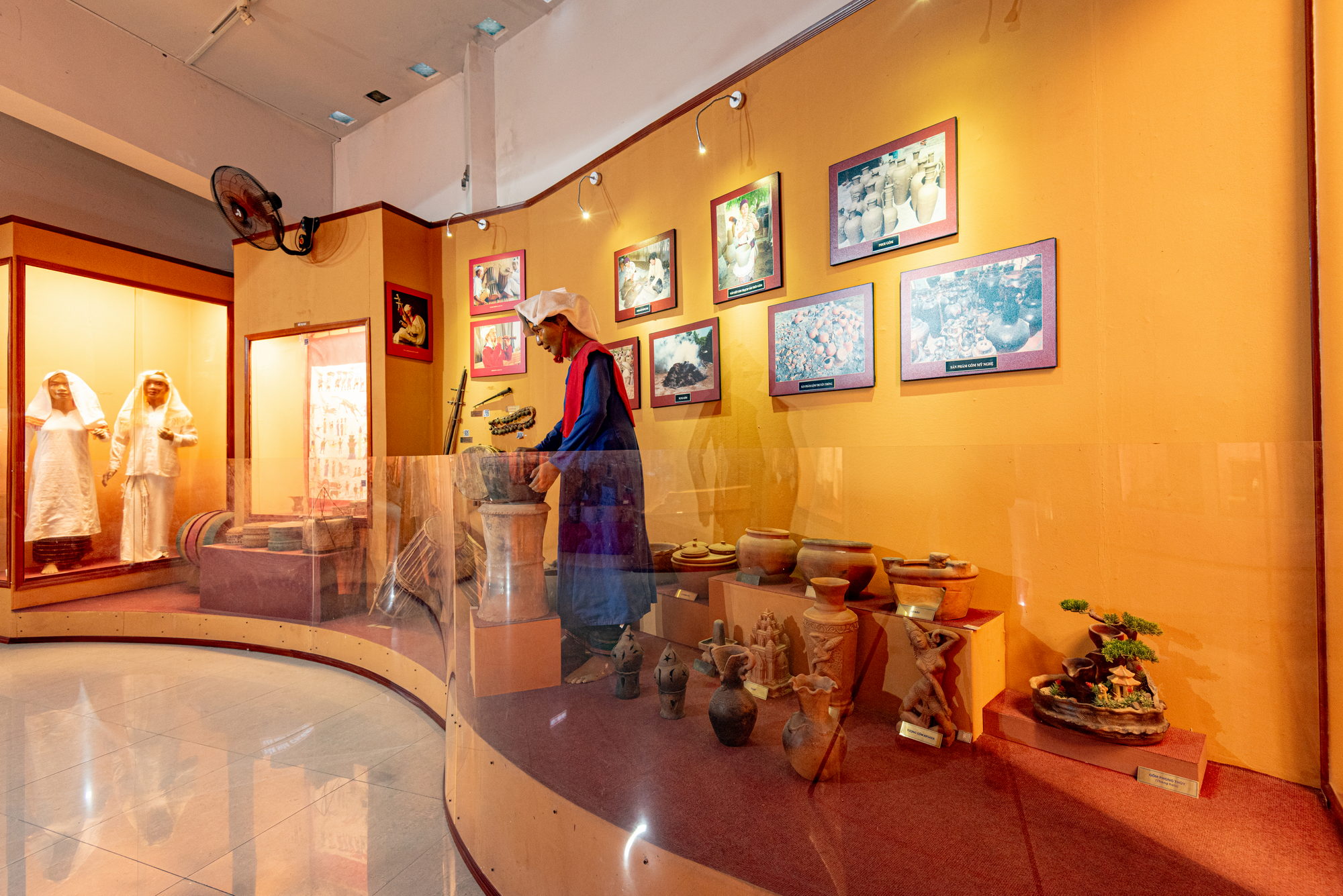
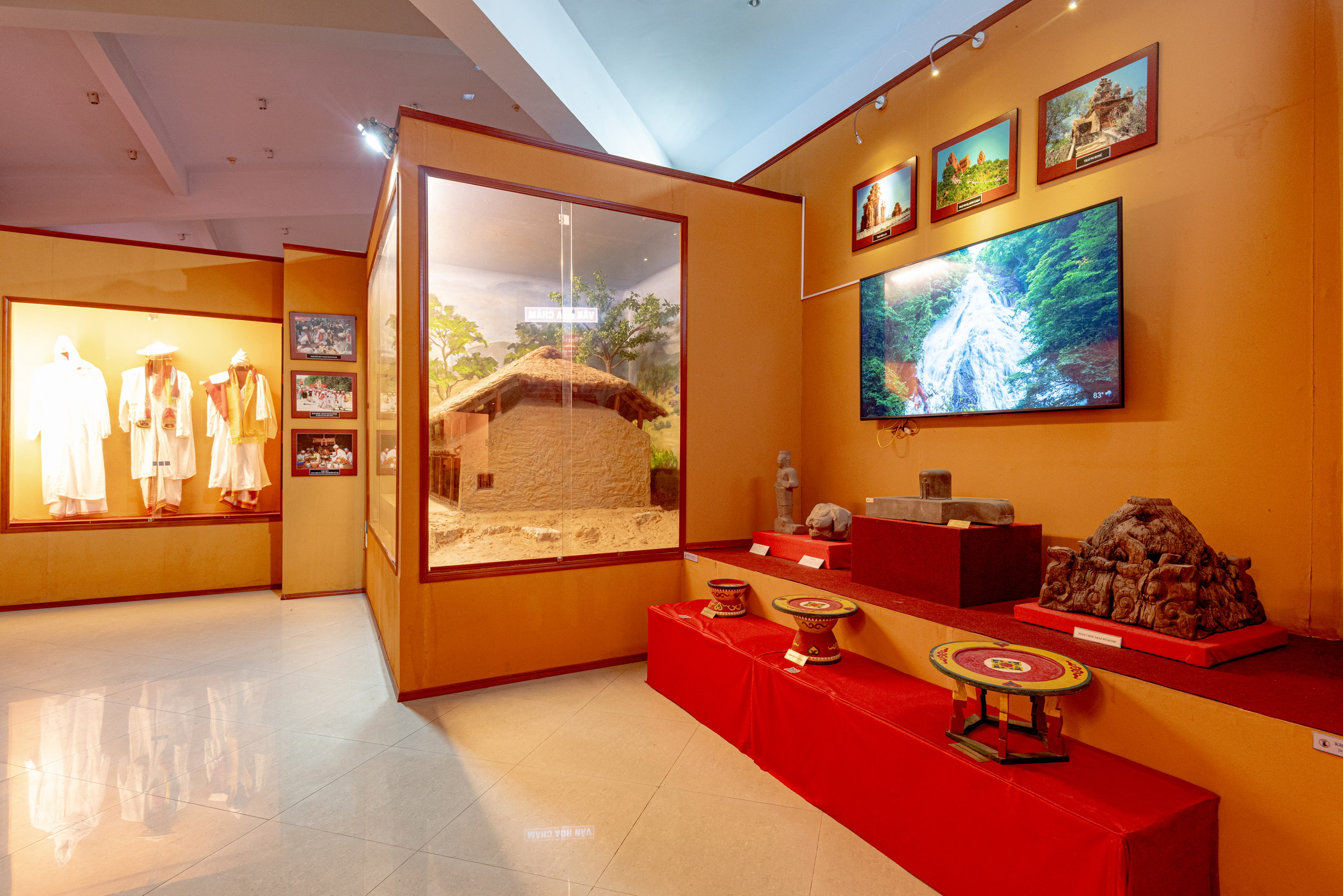
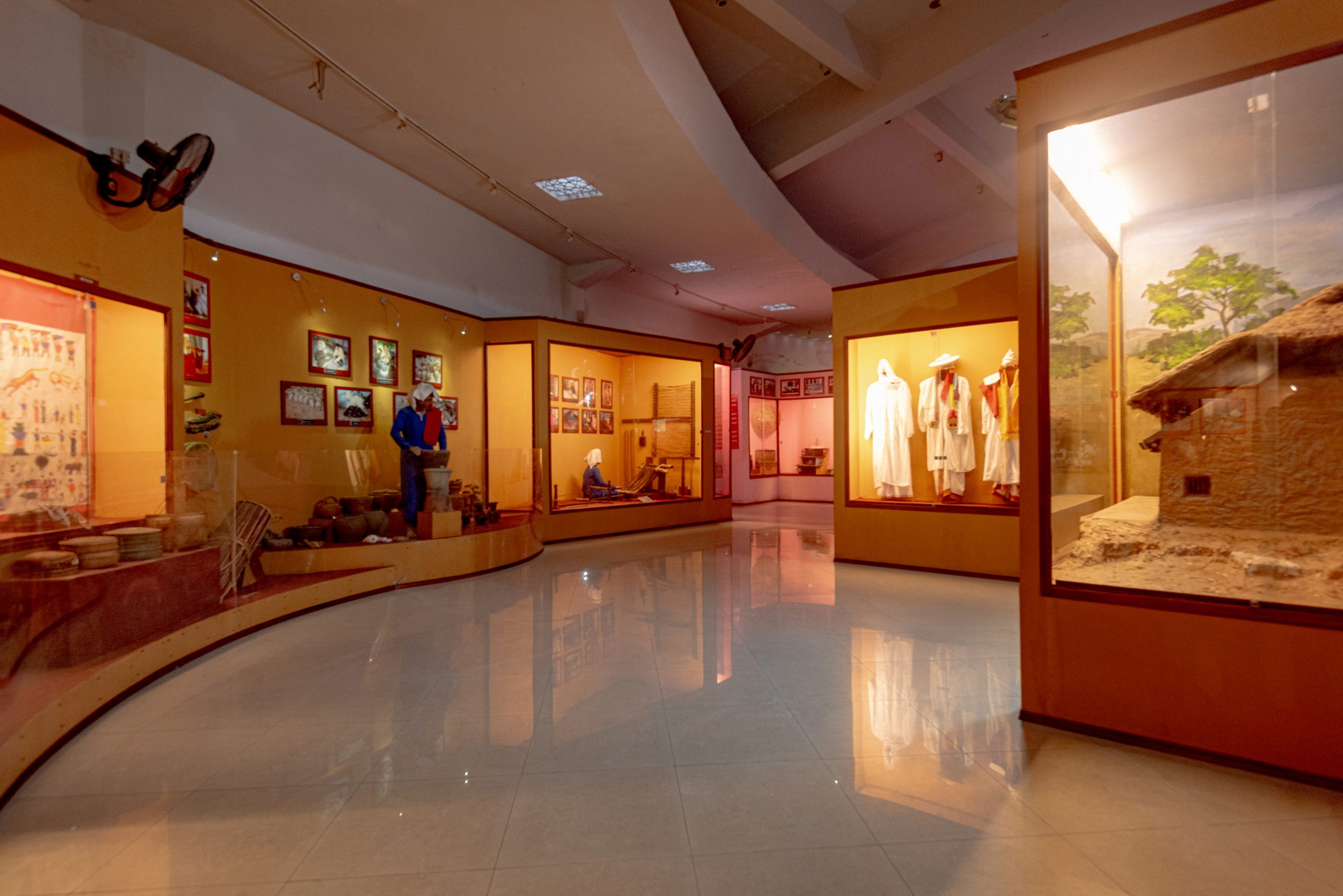
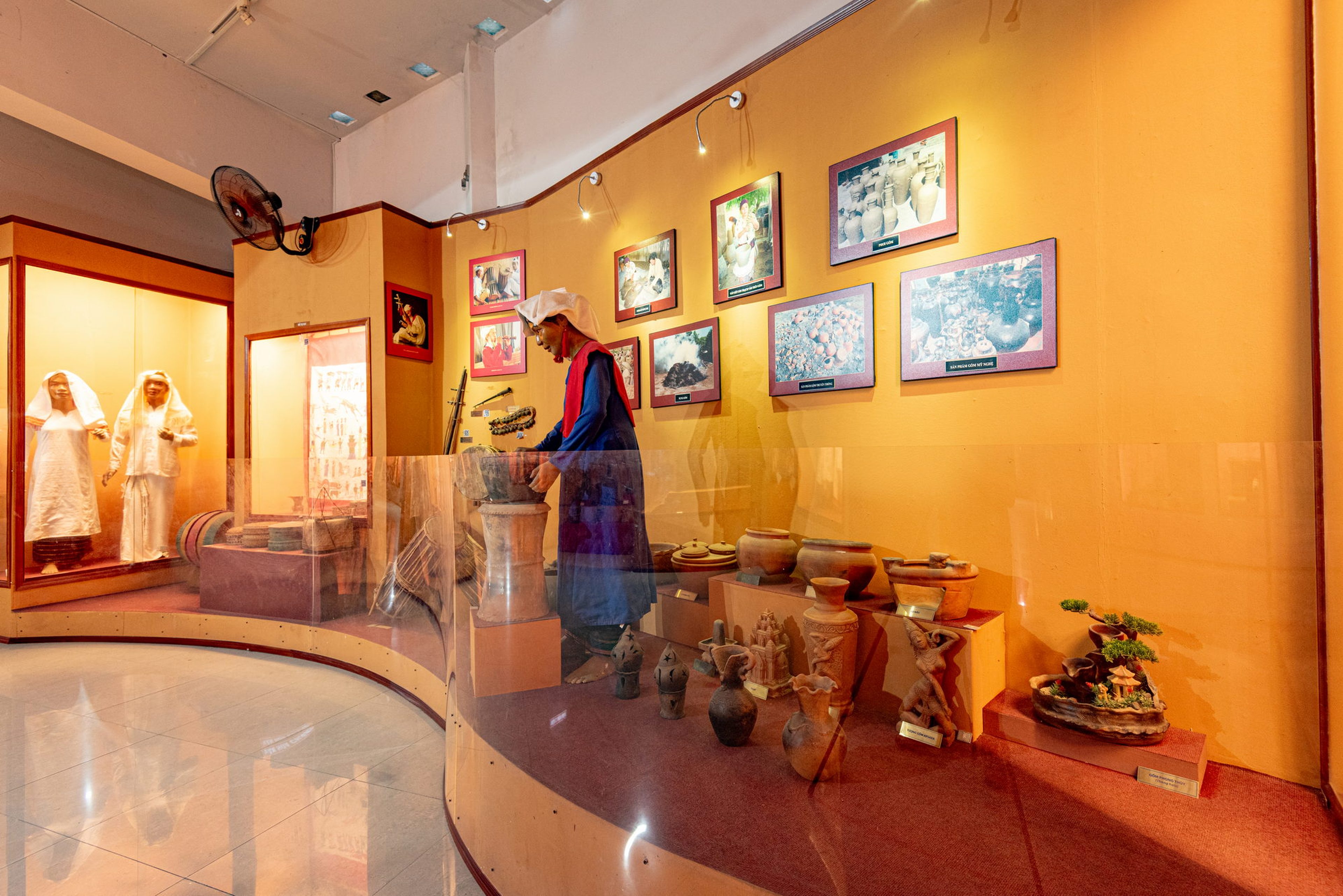
Khanh Hoa is home to a large Cham community, distributed across many villages and hamlets in the province. The Cham language is related to the Raglai, Churu, Ede, and Jarai ethnic groups, belonging to the Malayo-Polynesian language family. The traditional economic life of the Cham is tied to wet rice cultivation, upland farming, animal husbandry, pottery, brocade weaving, and traditional herbal medicine. Regarding beliefs, the Cham community is influenced by three religious systems: Cham Ahier, Cham Awal-Bani, and Cham Islam.
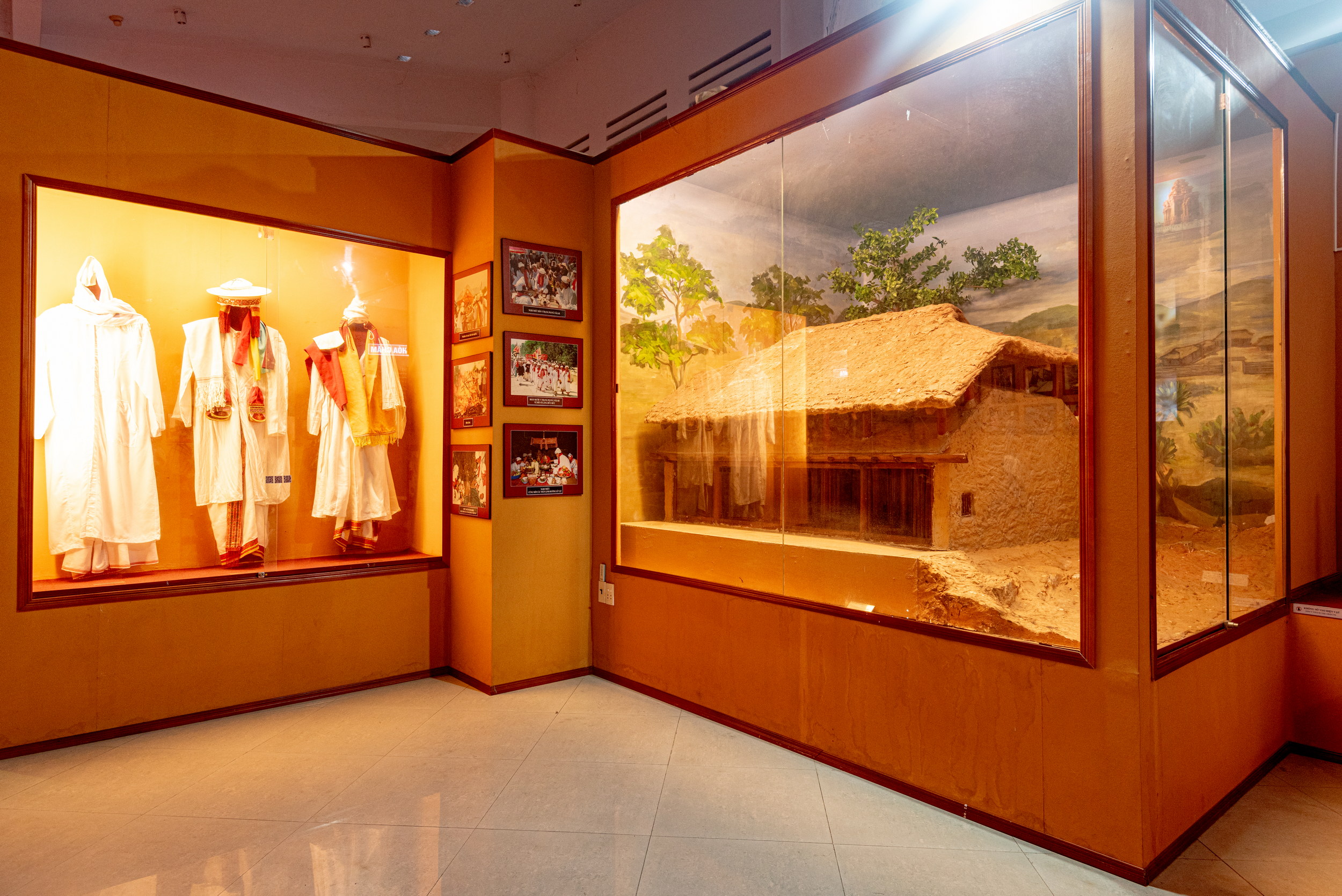
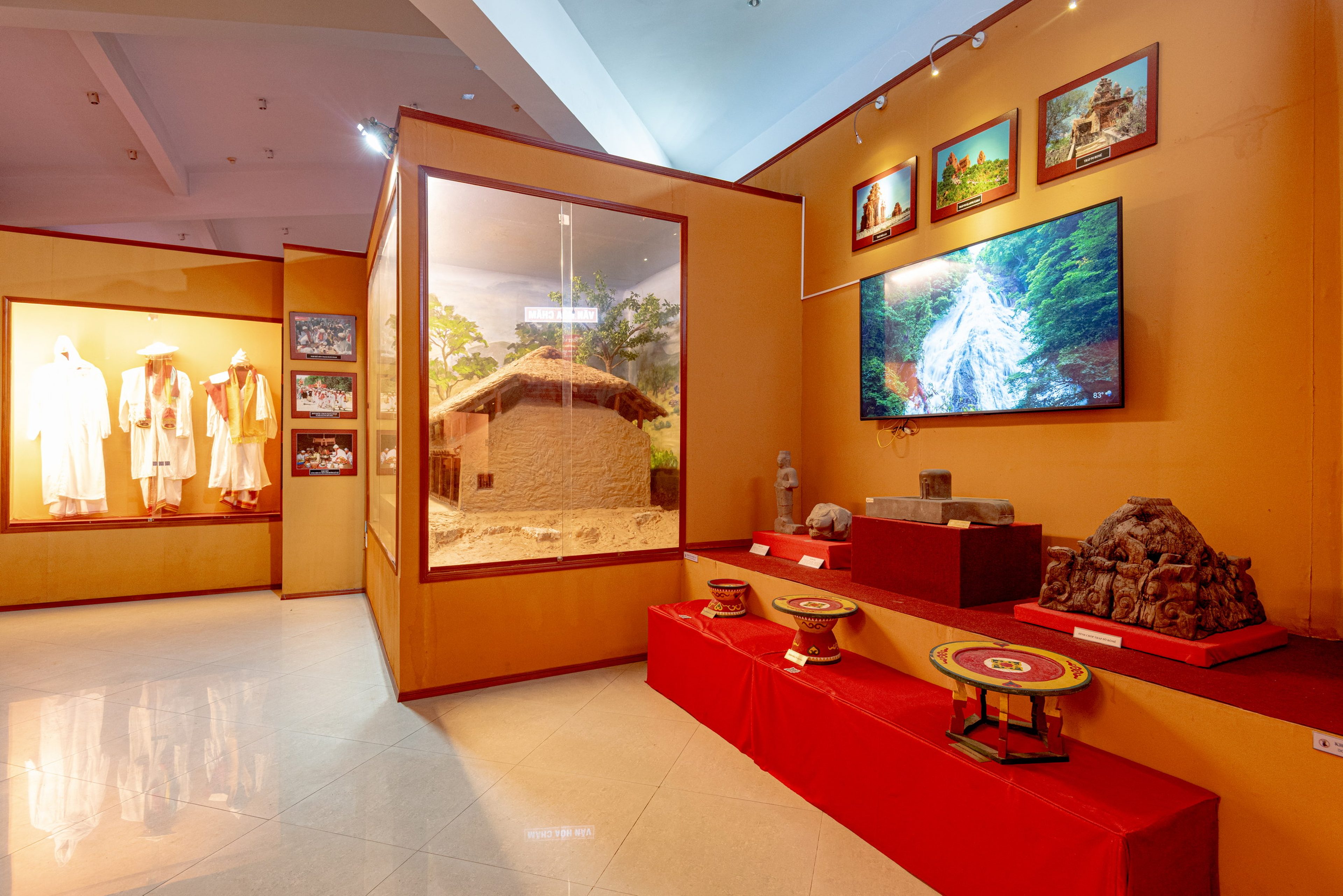
This area displays a Linga-Yoni discovered at the Hoa Lai tower, the wooden finial of the Po Rame tower, and the statue of the Goddess Po Inư Nưgar Maram discovered in the Lu River area in Mong Nhuan Village, Phuoc Huu, Khanh Hoa. The stone statue was discovered in 1994, about 1,200m south of Hoa Trinh station in Van Lam Village, Thuan Nam, Khanh Hoa. Nearby is a model of a "Lam" house (Thang Lam: a guest house with a facade made of precious wood and intricately carved patterns); we invite visitors to explore this display.
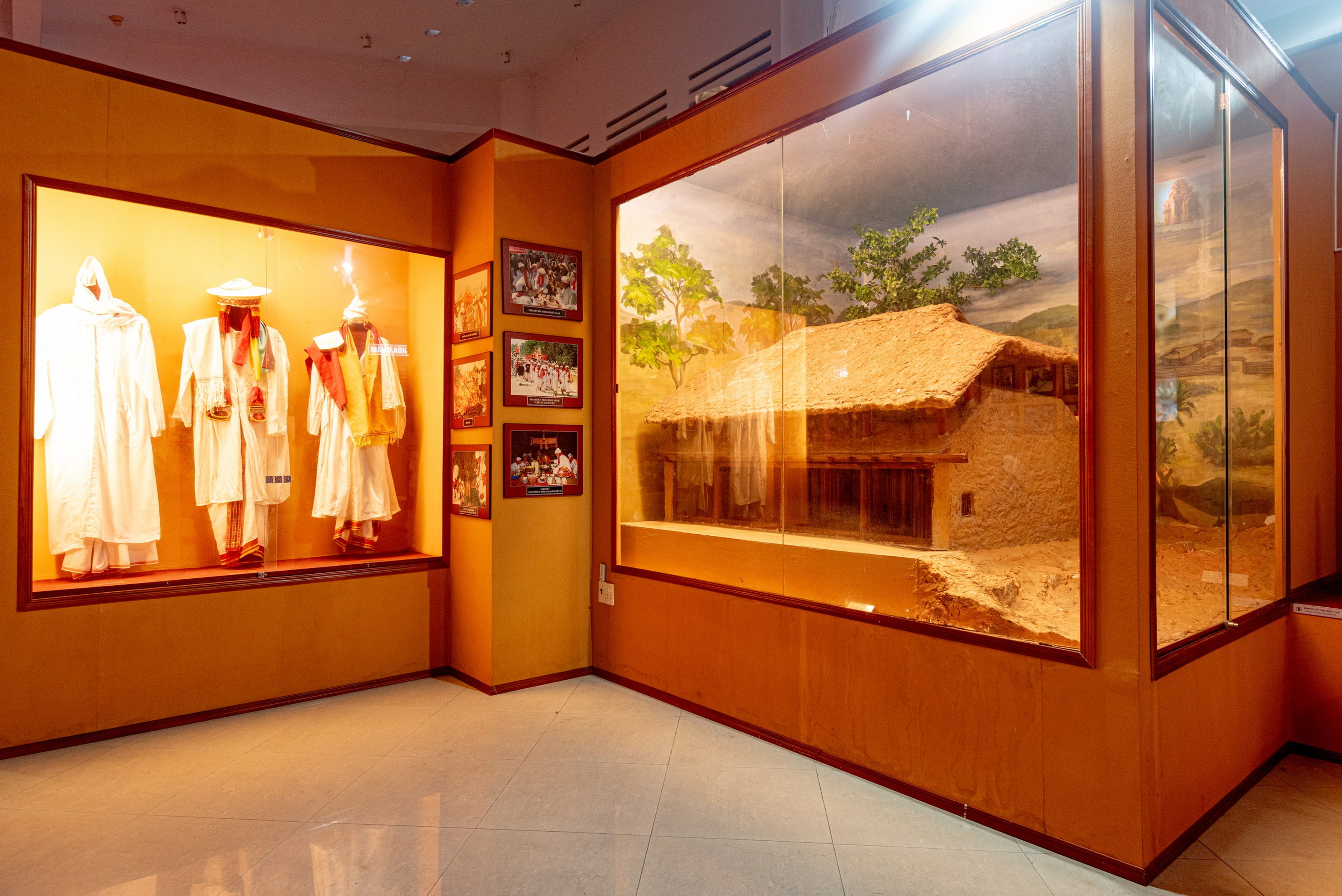
Cham costumes and marriage rituals
When the bride's family plays the proactive role in a formal community ceremony
The Cham people follow a matrilineal system, so women go to marry men, and the initiative in marriage lies with the bride's family. According to Cham tradition, children's marriages are decided by their parents. However, in cases where a couple gets to know each other and wishes to marry, they must obtain the consent of their parents and both families.
The Cham community influenced by Brahmanism stipulates that for a couple to be recognized as husband and wife, the bride's family must perform rituals such as: the proposal ceremony (Paluak panuec), the engagement ceremony (Nao puec), the final confirmation ceremony (Ahar paklaoh panuec), and the wedding ceremony (Mbeng pandih anâk matâu or Mbeng mânyum). The wedding ceremony follows this sequence: the ancestral presentation ceremony (Khan praok), the groom-fetching ceremony (Tabiak raok matâu), the bridal chamber entry ceremony (Jaw tangin Ong Inâ amâ), and the scarf and garment return ceremony, also known as the return-to-the-in-laws ceremony (Taleh khan aw).
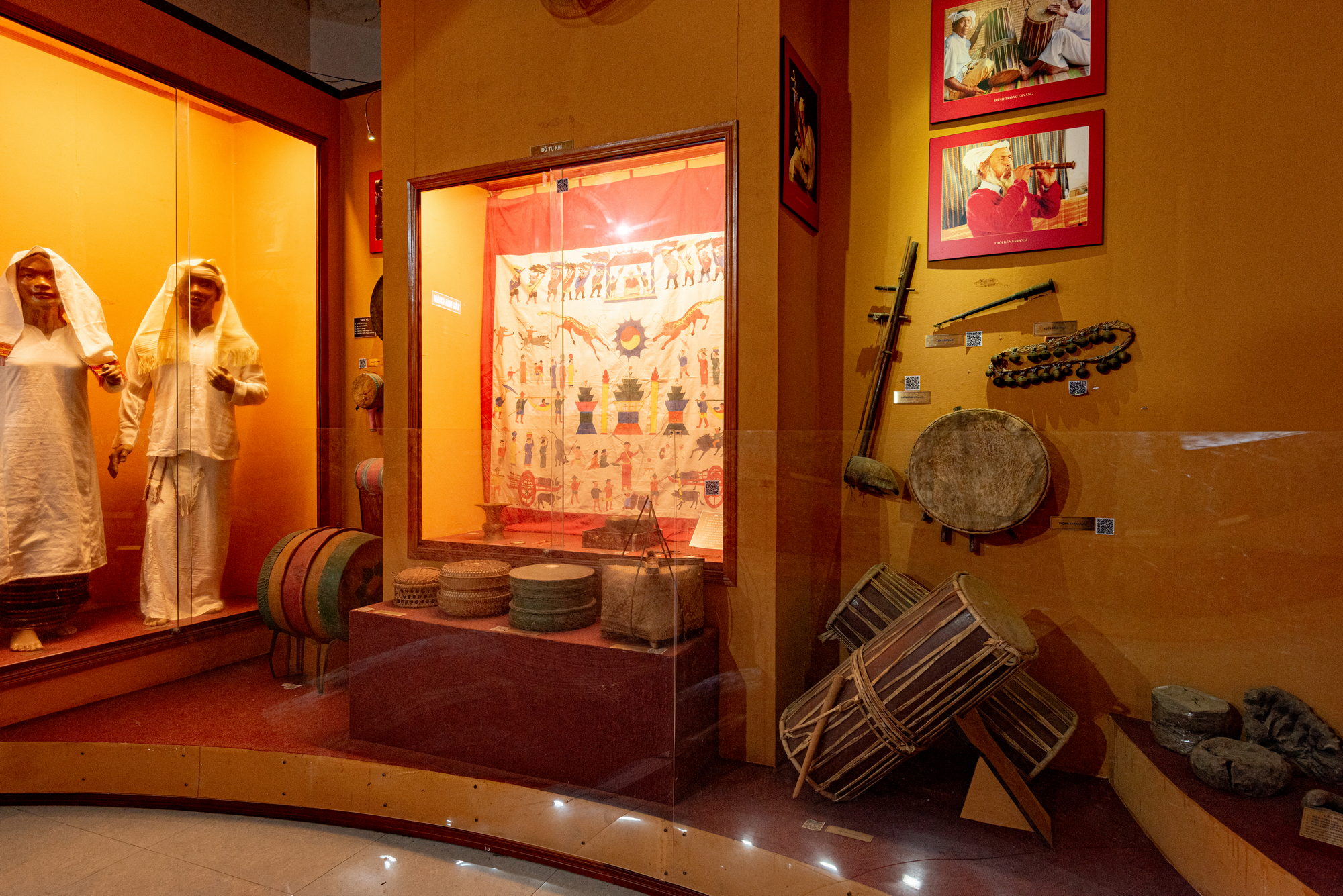
Traditional Cham musical instruments
Saranai trumpet, Ginang drum, Baranang drum, and the sound of the Kanyi instrument in rituals
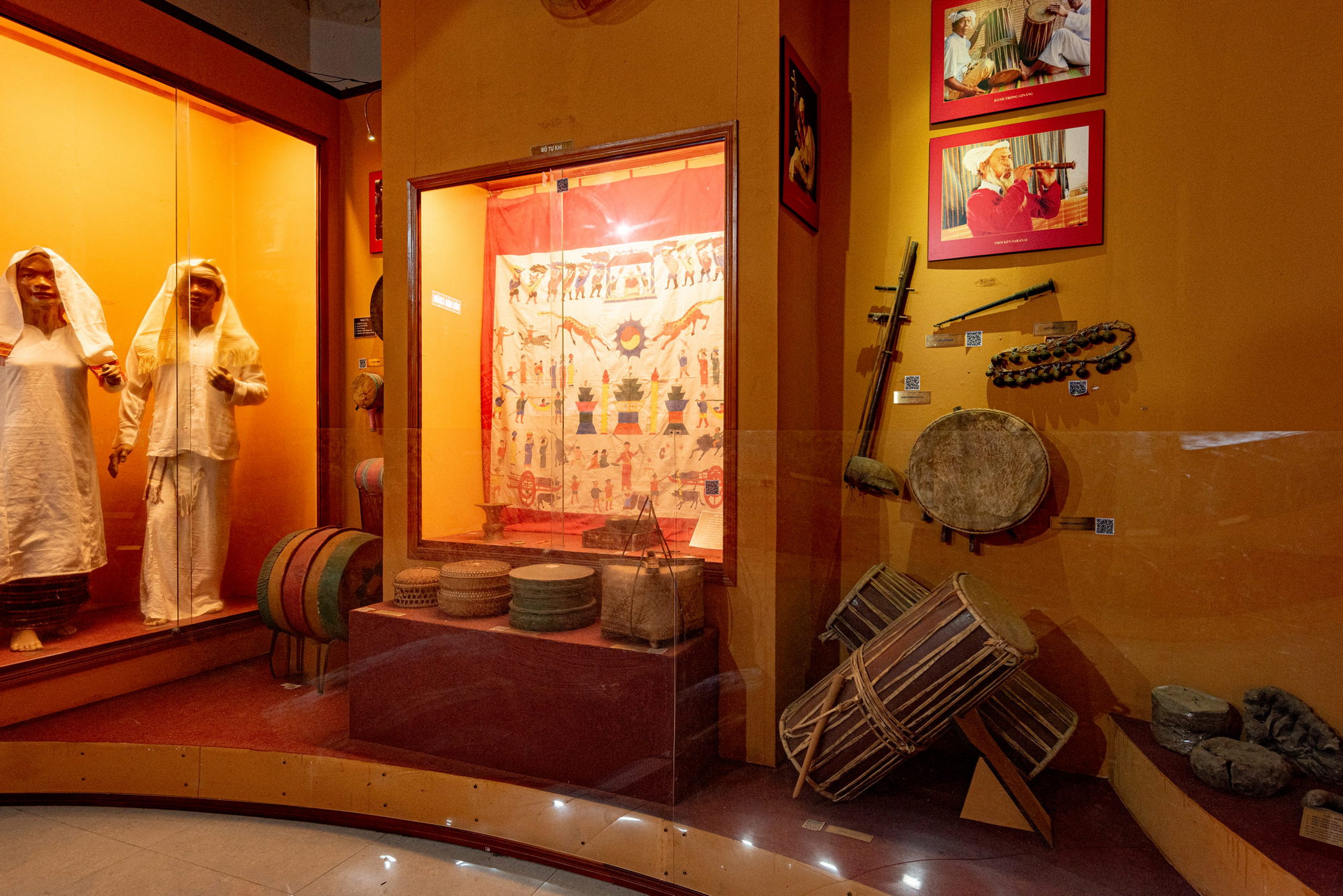
Music is an important component of Cham cultural life. Musical instruments not only serve spiritual needs but also act as a medium connecting people with deities, ancestors, and the departed.
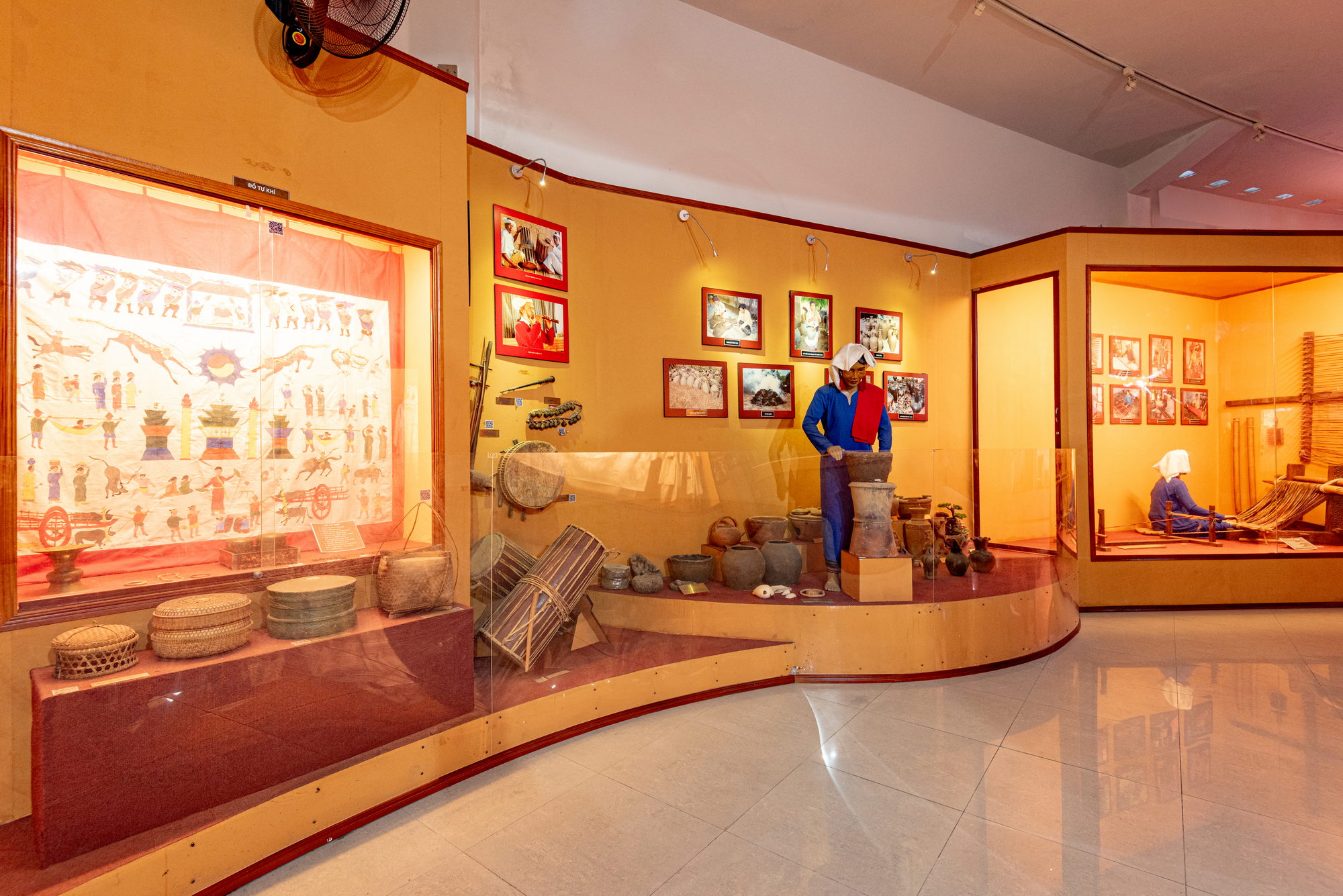
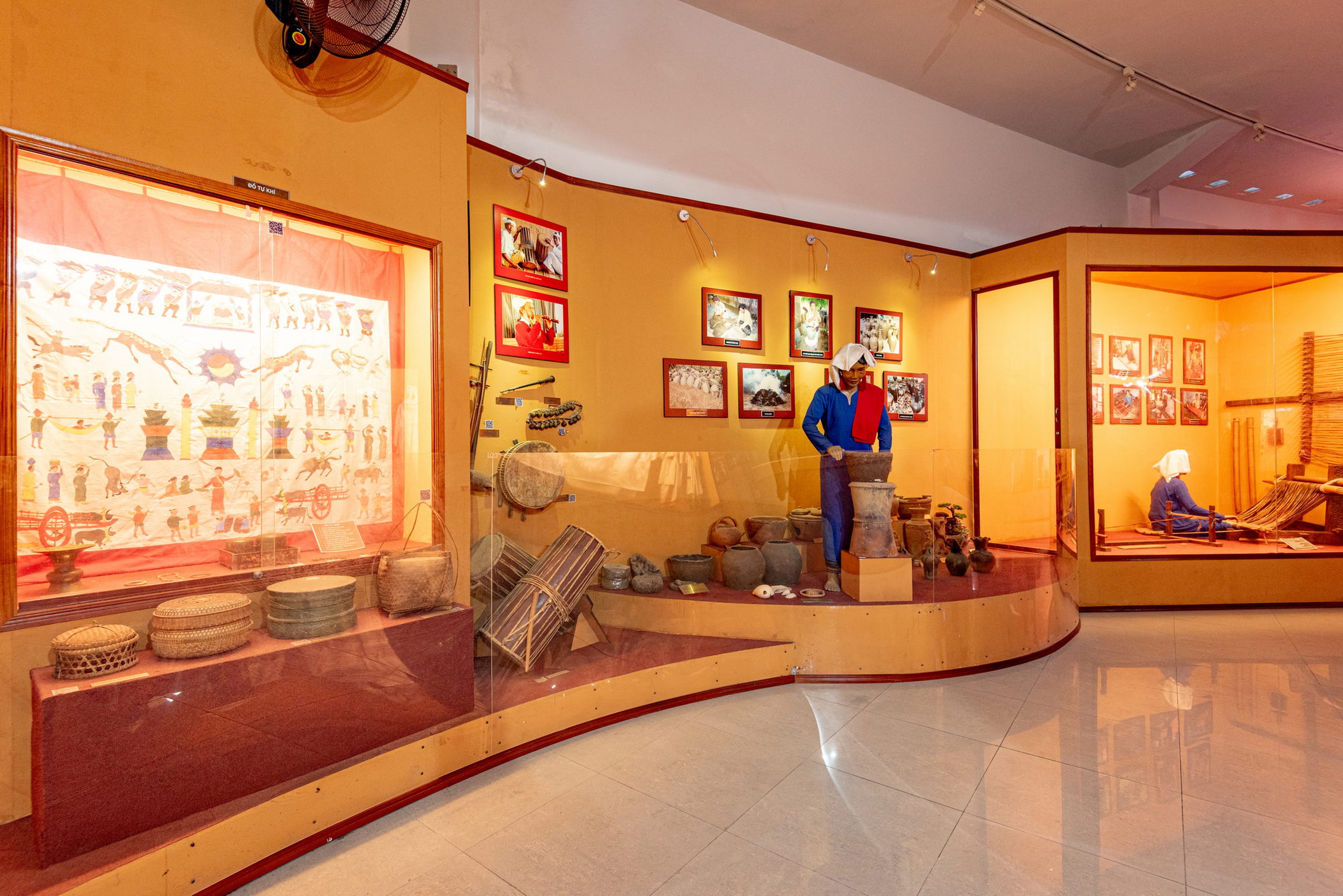
Cham musical instruments are not merely material products but also means of artistic performance that bring aesthetic expression into spiritual life. It must be said that Cham festivals are places that conserve and preserve Cham musical instruments. Most types of Cham instruments are intended to serve festivals. Cham instruments used in festivals include: the Kanyi, the Rabap, the Ginang drum, the Baranang drum, the Saranai trumpet, the Hagar sit drum (small drum), Ceng, Aseng (conch shell), and Tamakhaik (percussion made of two wooden sticks).
Cham beliefs and ritual objects
Ritual objects demonstrating reverence for the spiritual world
Cham beliefs are rich and diverse, profoundly influencing community life and existing in many forms such as primitive beliefs, ancestor worship, life-cycle rituals, and beliefs related to agricultural production.
Ritual objects are items used in worship, offerings, and ceremonies; they are used directly as an indispensable part of Cham rituals. Most ritual objects (items for worship and offerings) are made of metal (alloy) to ensure longevity, as metal is more durable than other materials. Gold, silver, and bronze ritual objects are precious items with high economic, historical, and cultural value. They also reflect human respect and reverence for the spiritual world. However, depending on status, rank, titles, and economic conditions, the ritual objects of different families will be made of different materials: gold, silver, bronze, wood, ceramic, etc.
Bau Truc pottery, My Nghiep weaving, and Cham festivals
Handicrafts, costumes, and festivals make up the vitality of Cham culture today
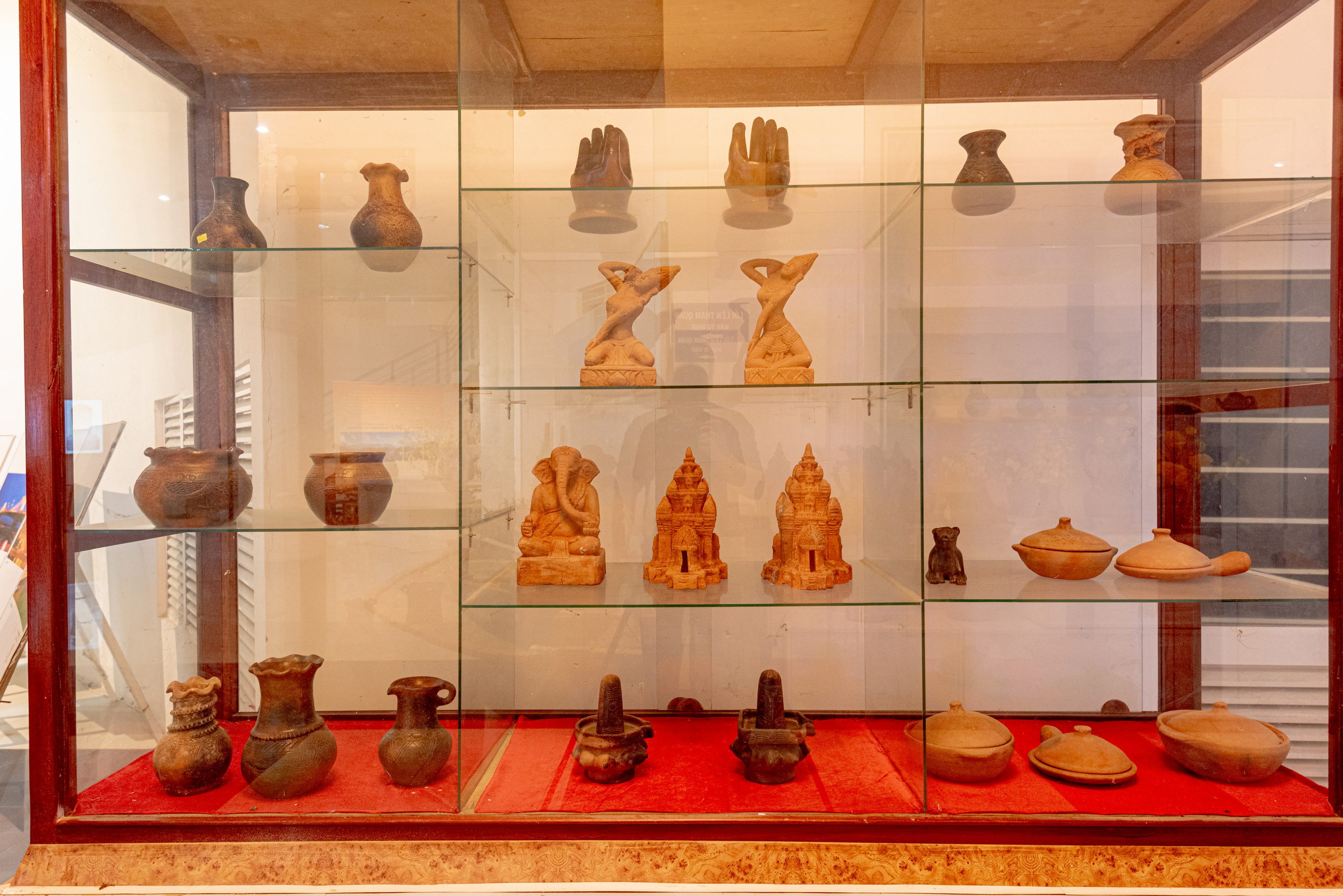
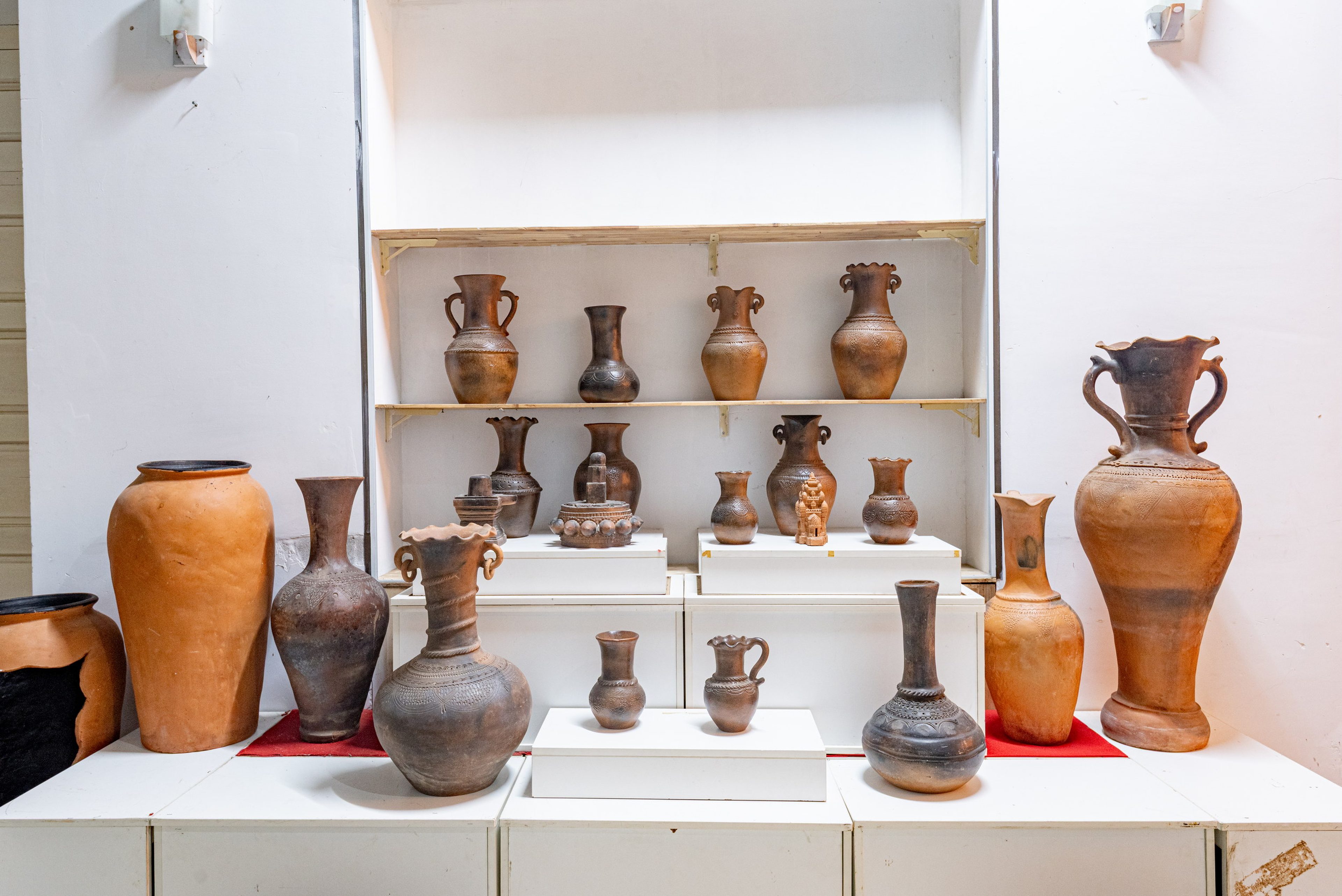
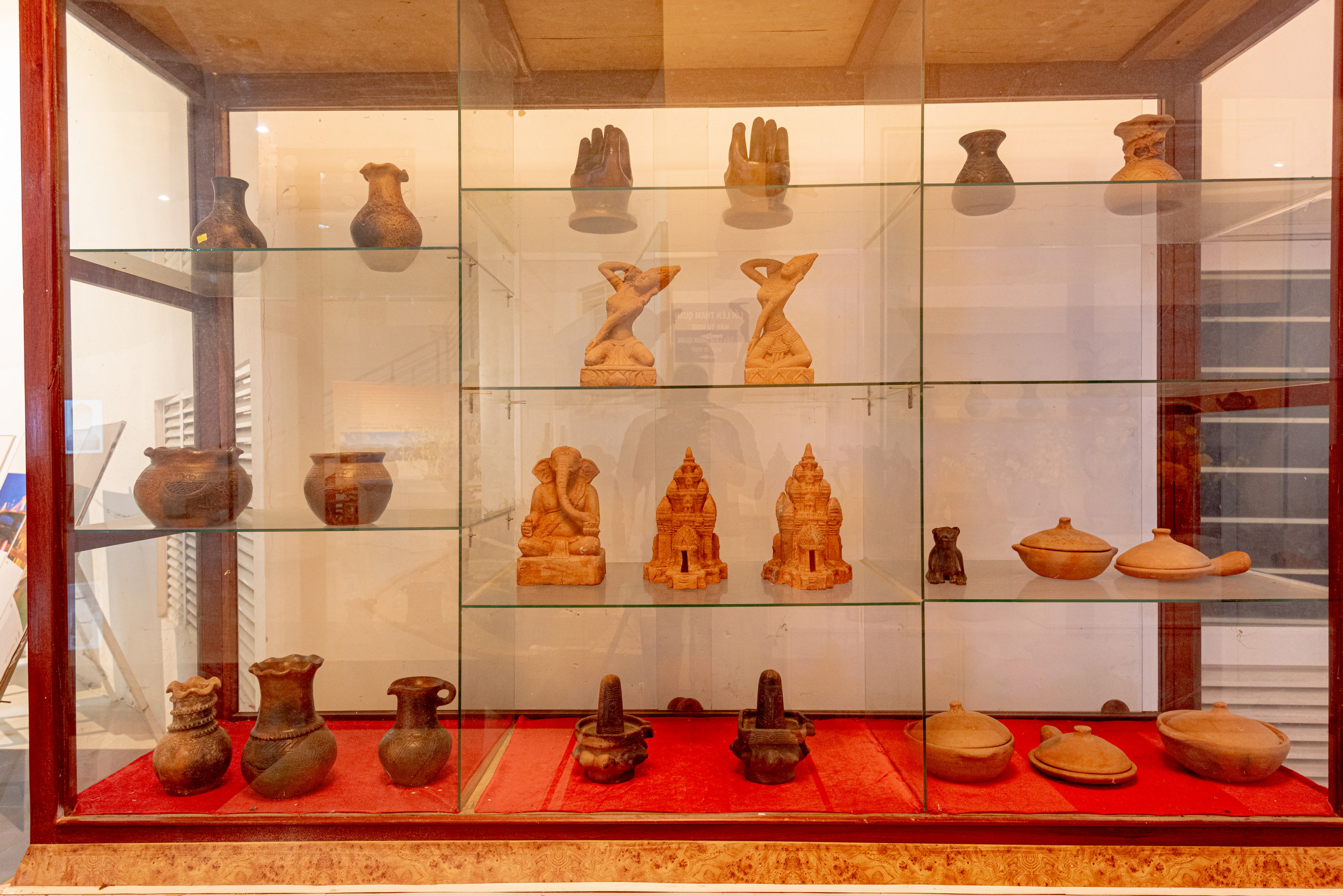
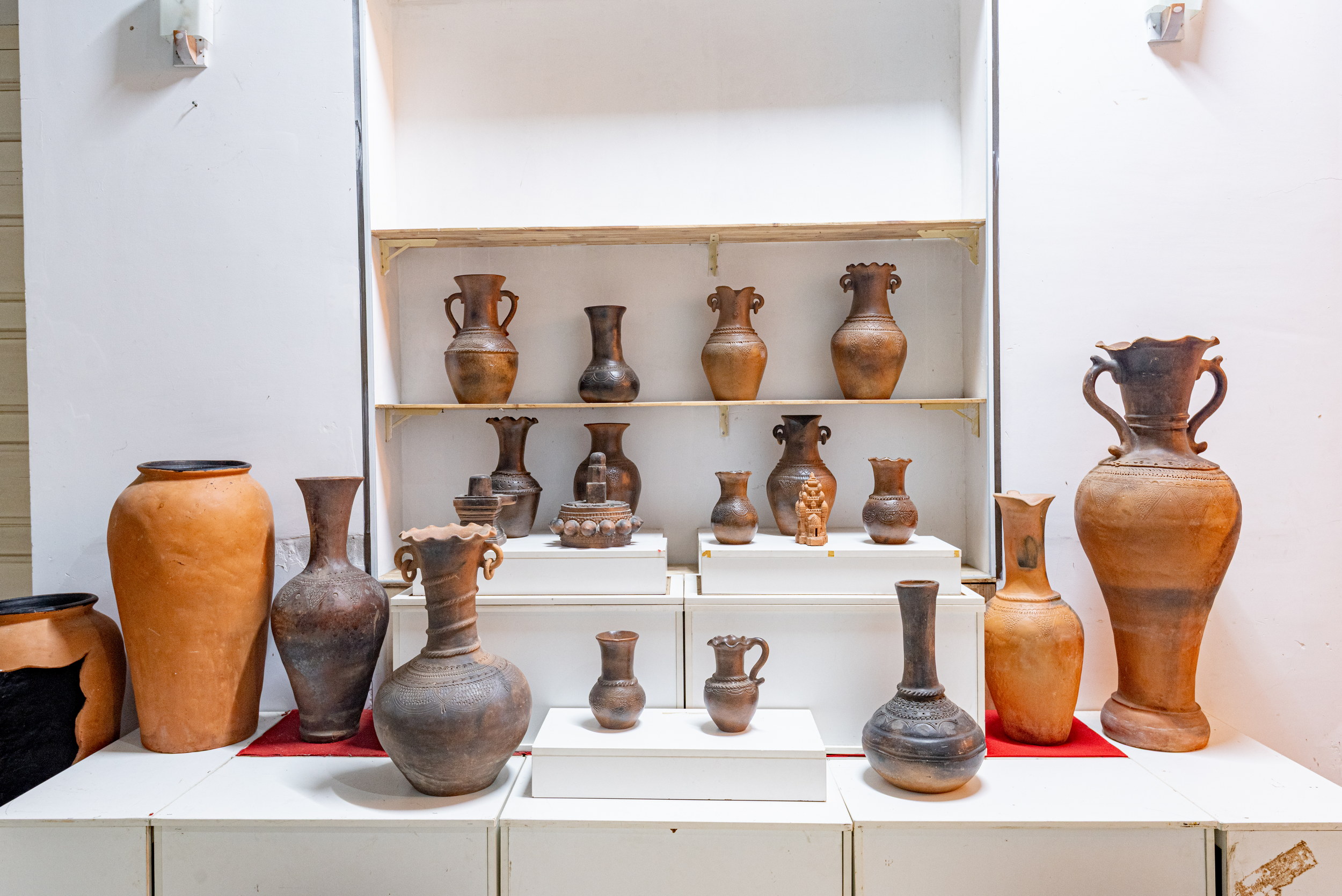
Bau Truc Cham pottery is notable for its hand-shaping technique, without the use of a potter's wheel, and firing in the open air. Each product is a unique piece, carrying a rustic, simple beauty and linked to the talented hands of Cham women. The art of Bau Truc pottery is a unique characteristic of the Cham people in general, and the Bau Truc Cham village in particular, and has been inscribed by UNESCO on the List of Intangible Cultural Heritage in Need of Urgent Safeguarding.
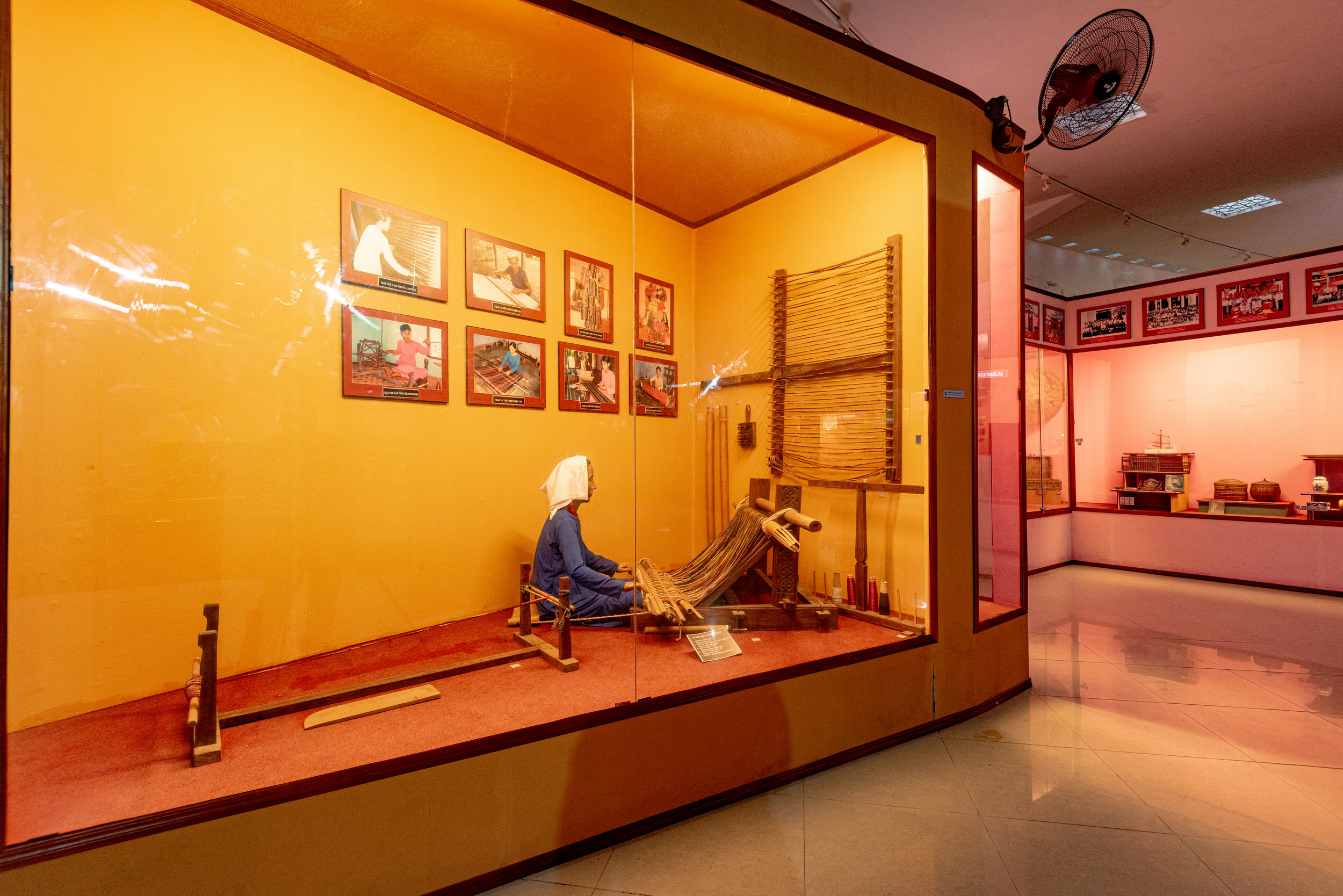
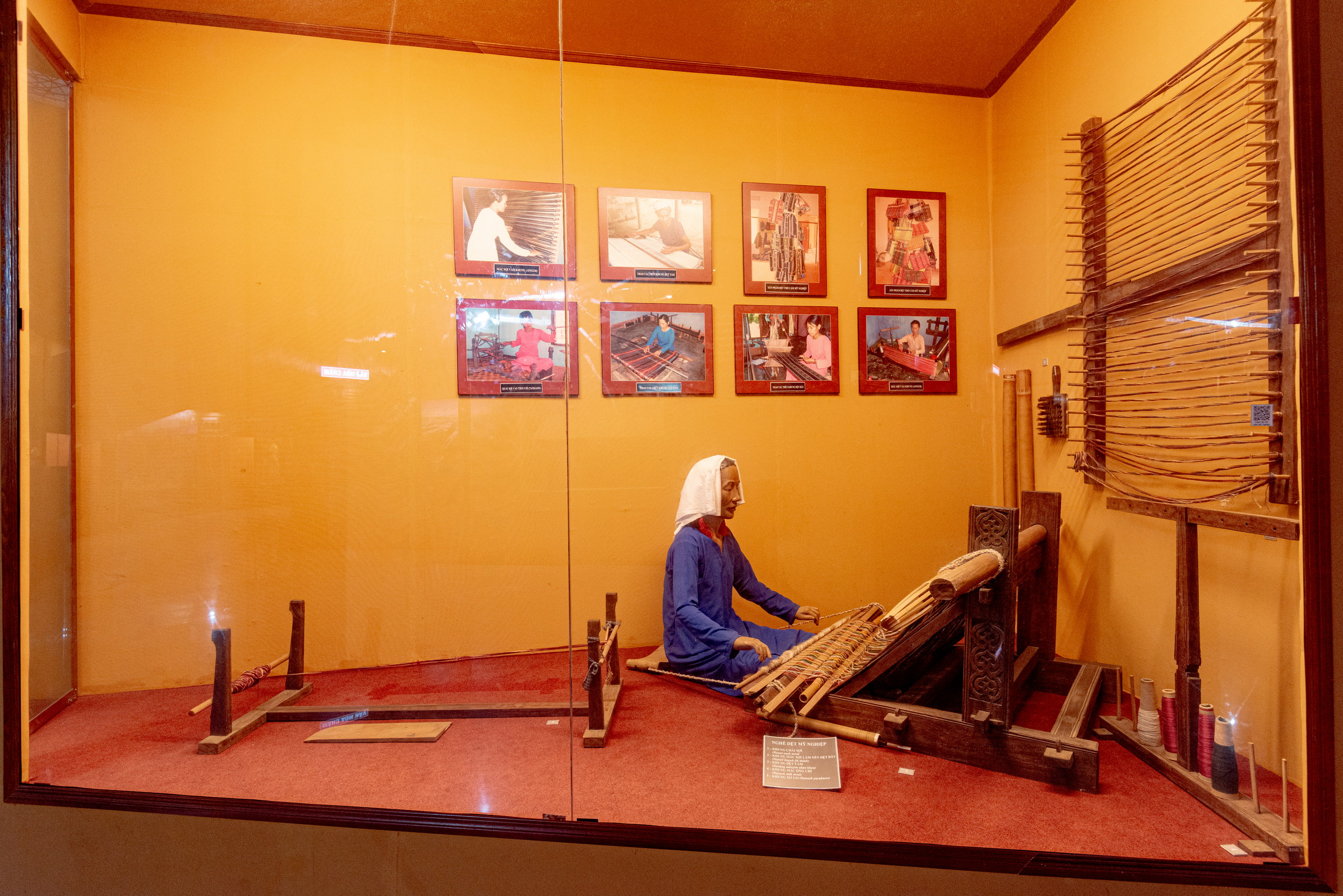
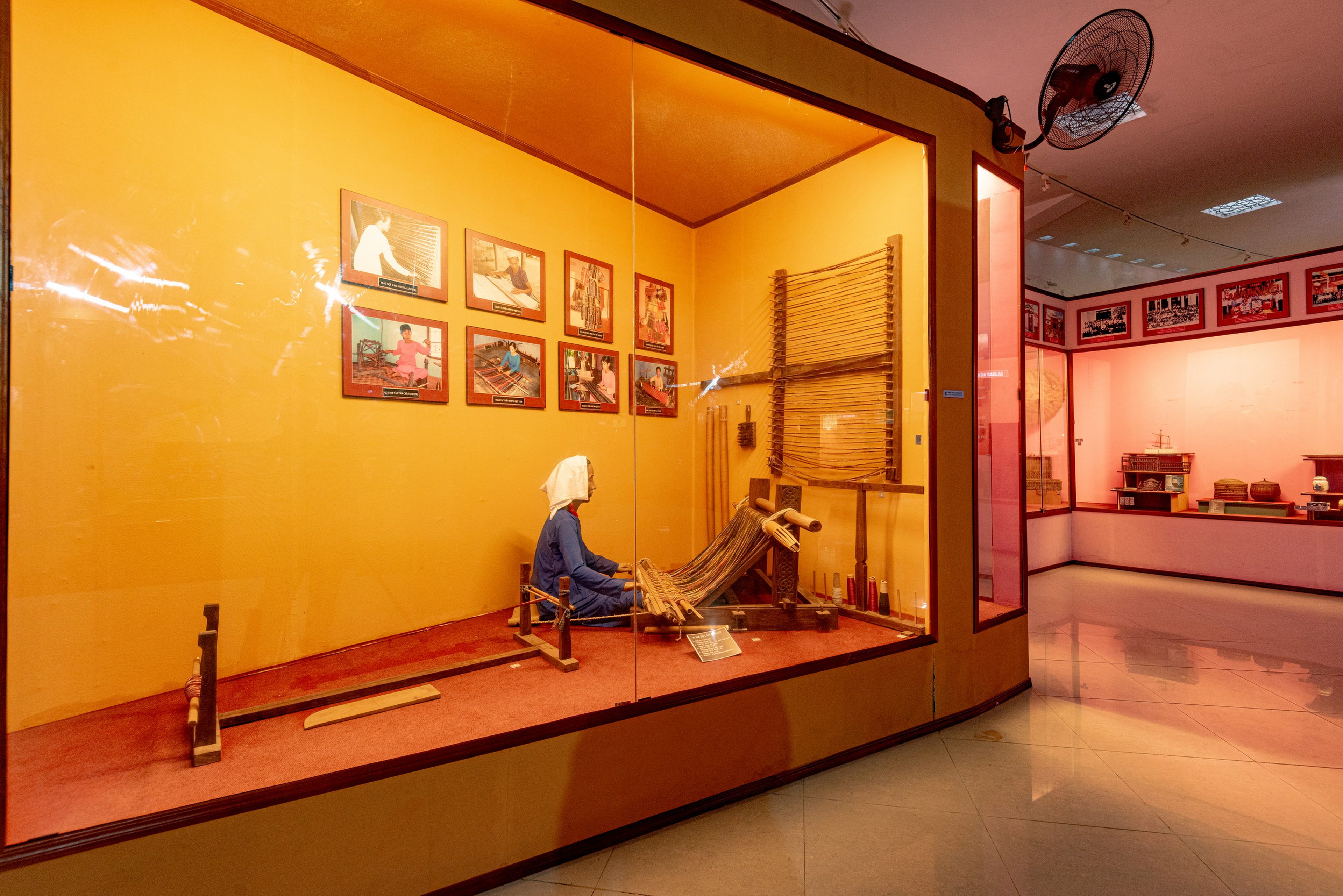
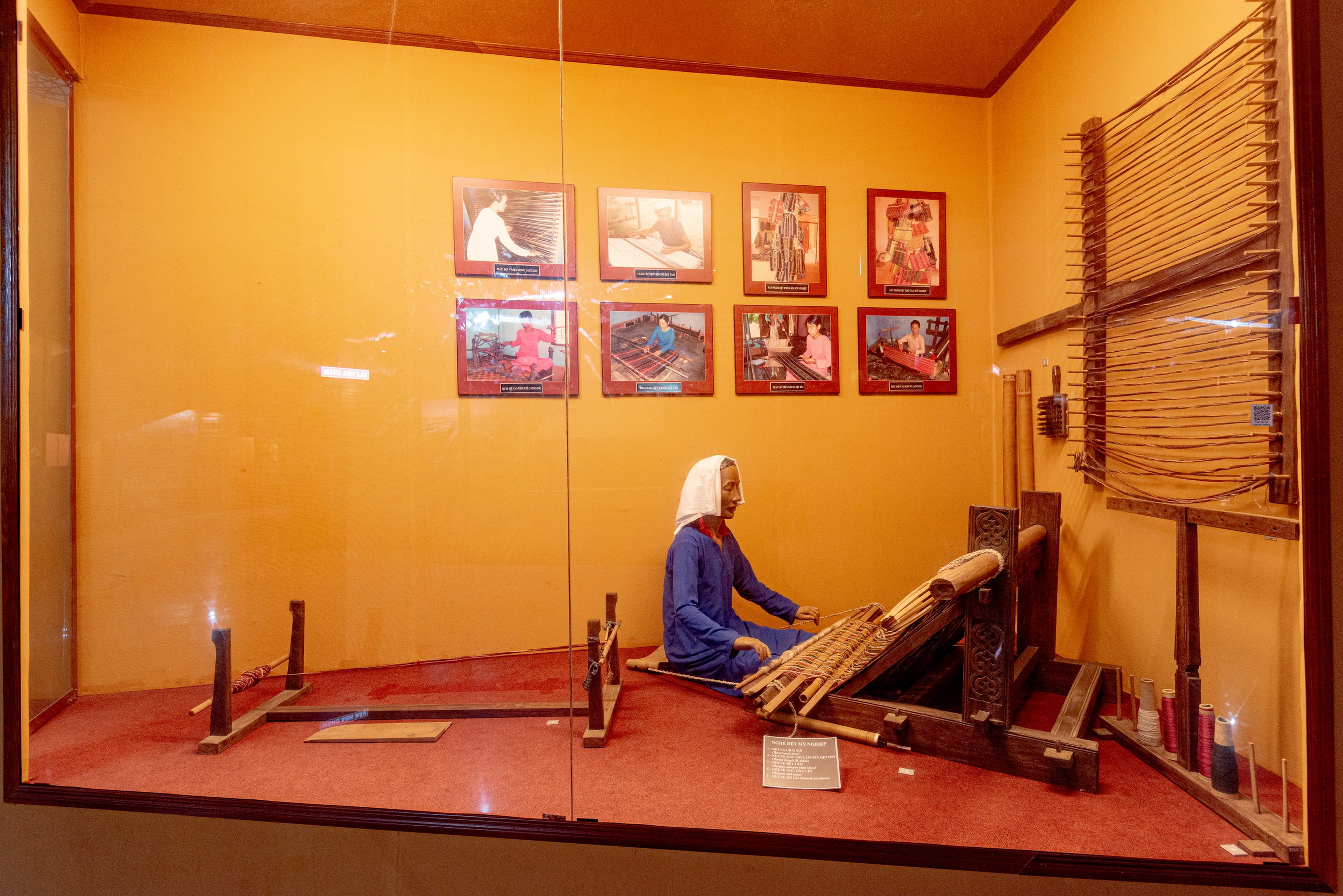
In addition, the My Nghiep brocade weaving craft preserves manual techniques through processes such as cotton processing, spinning, dyeing, threading, and weaving patterns. The final section also introduces the costumes of the three communities—Cham Ahier, Awal-Bani, and Islam—along with typical festivals such as Kate, funerals, Kut entry ceremonies, and Cham New Year rituals.