

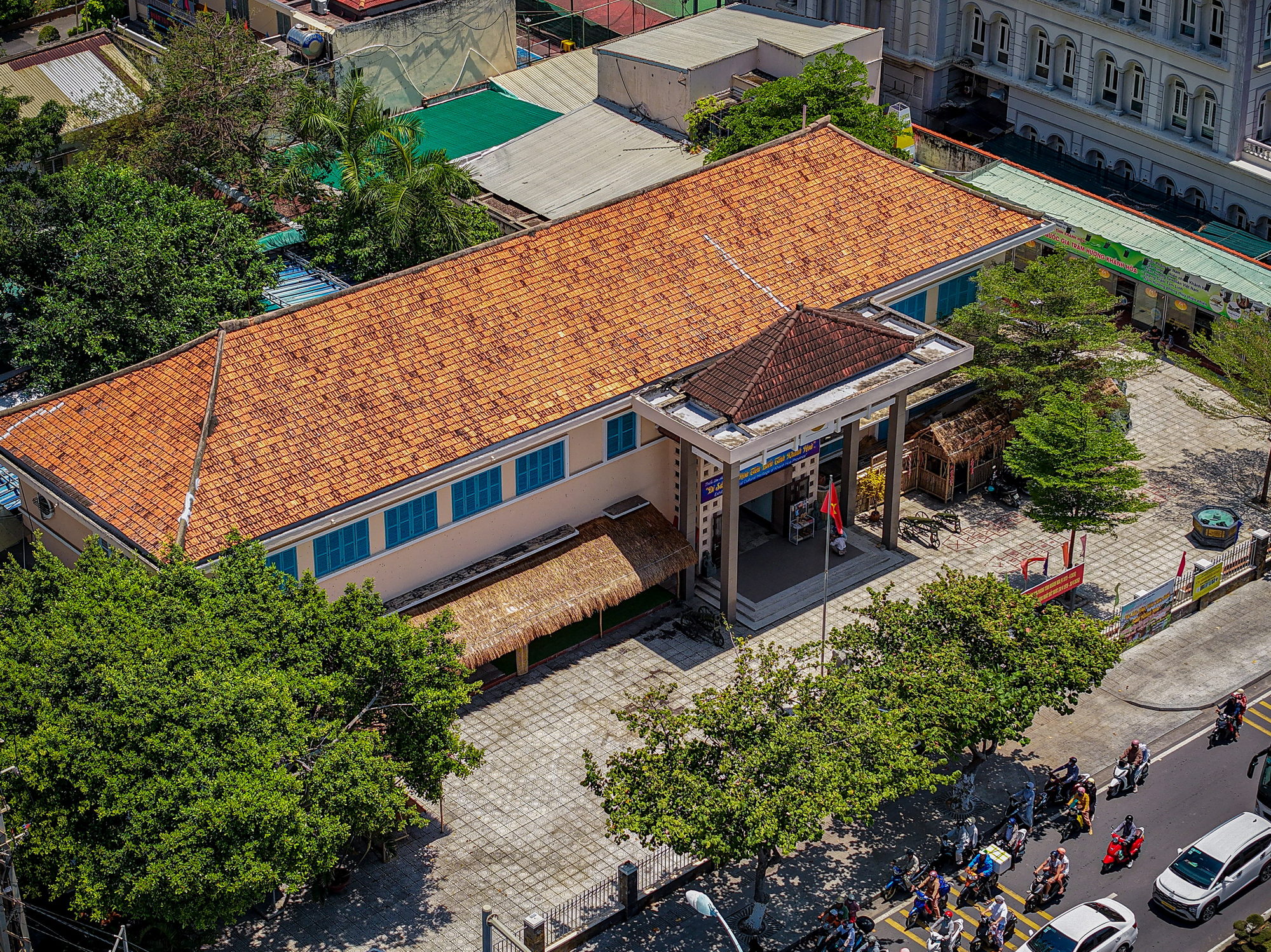
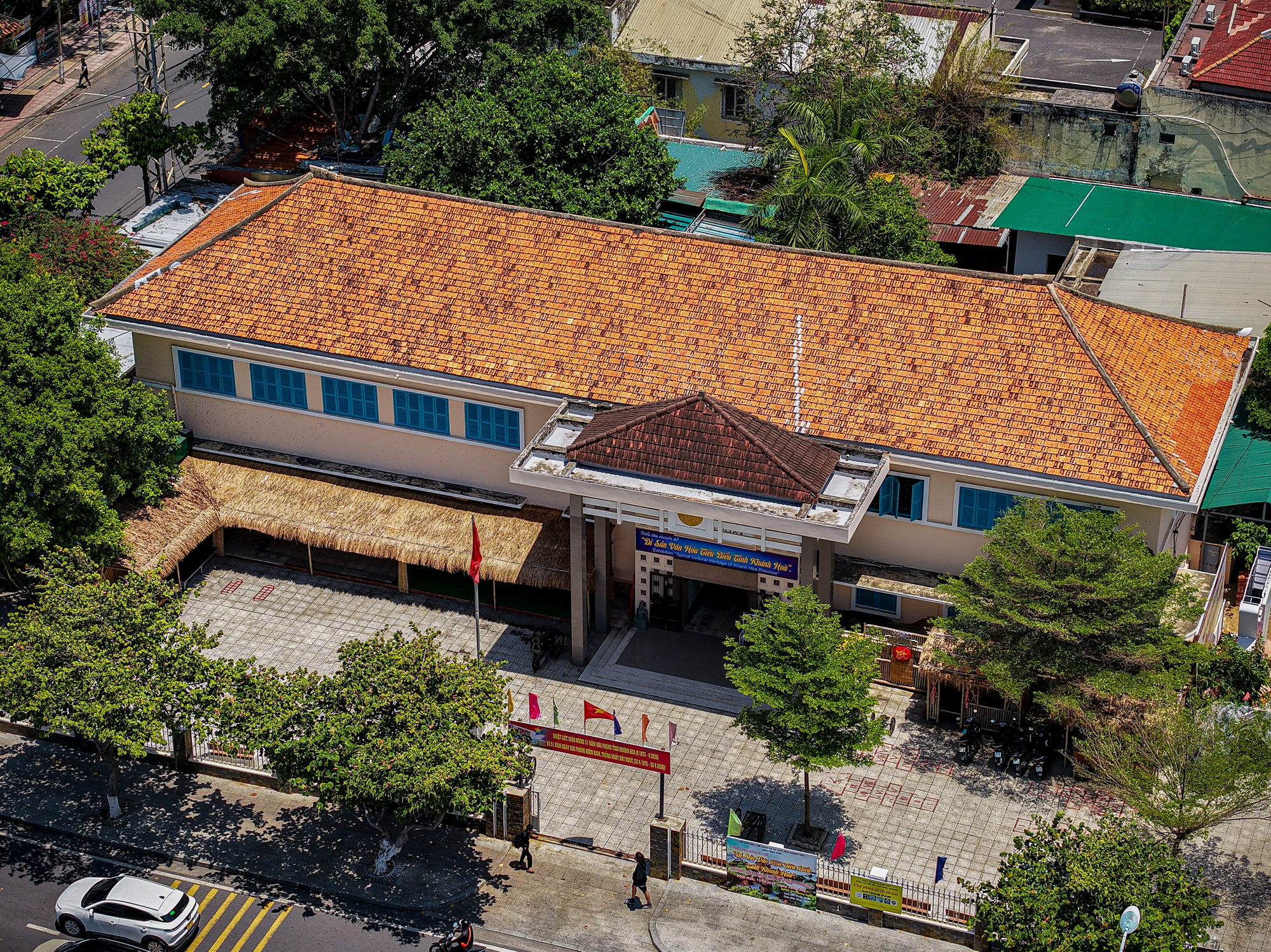
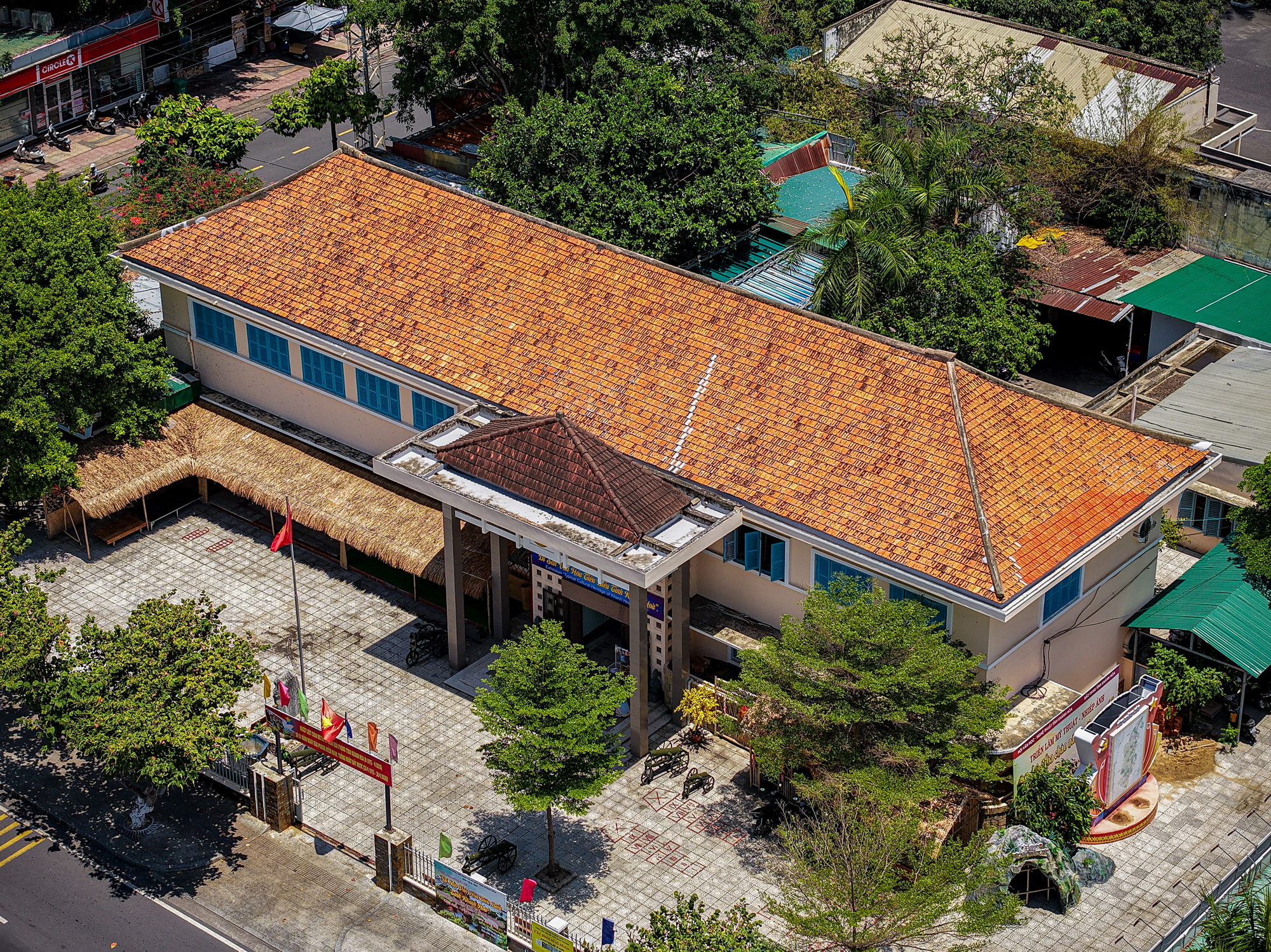
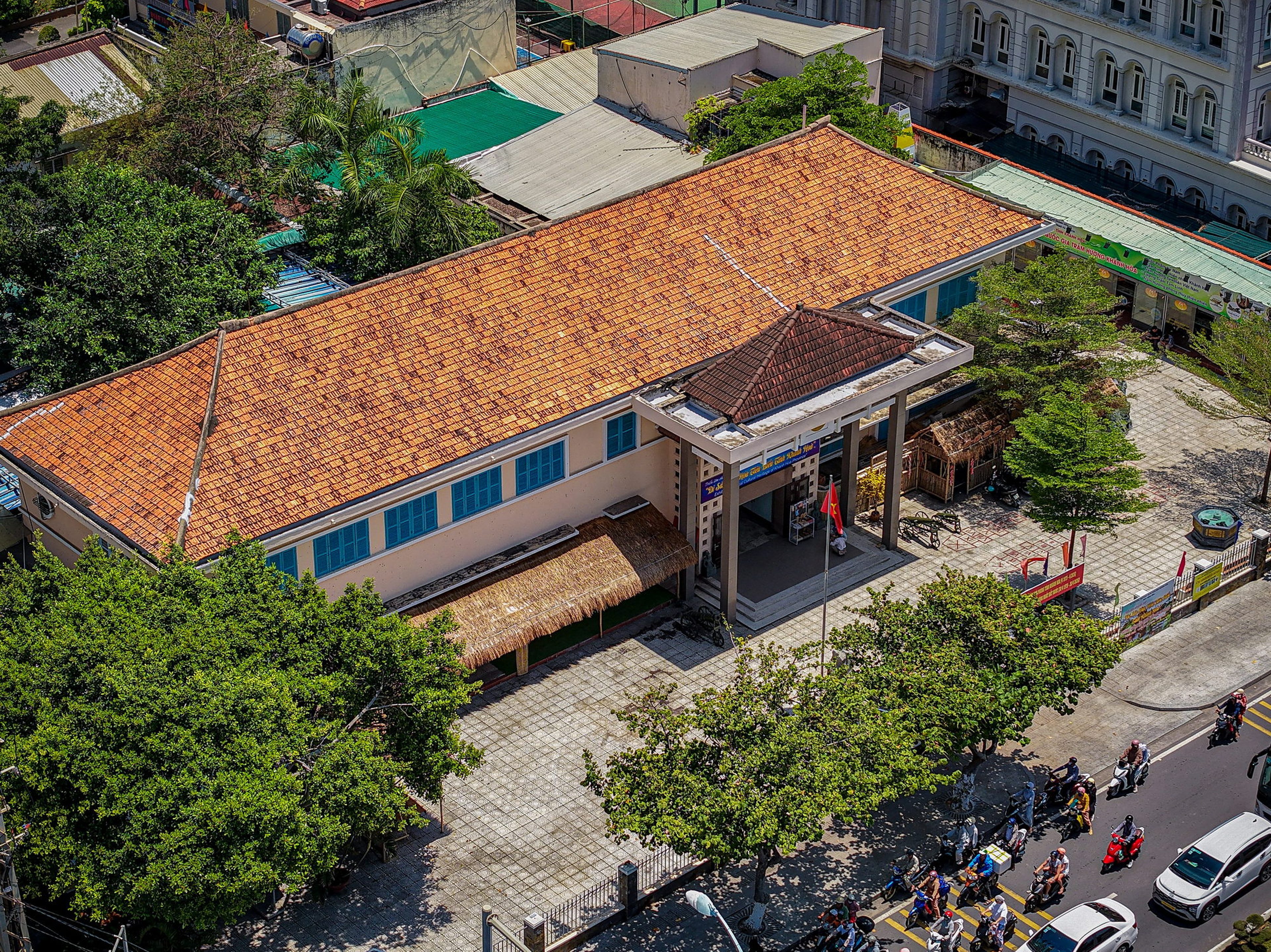
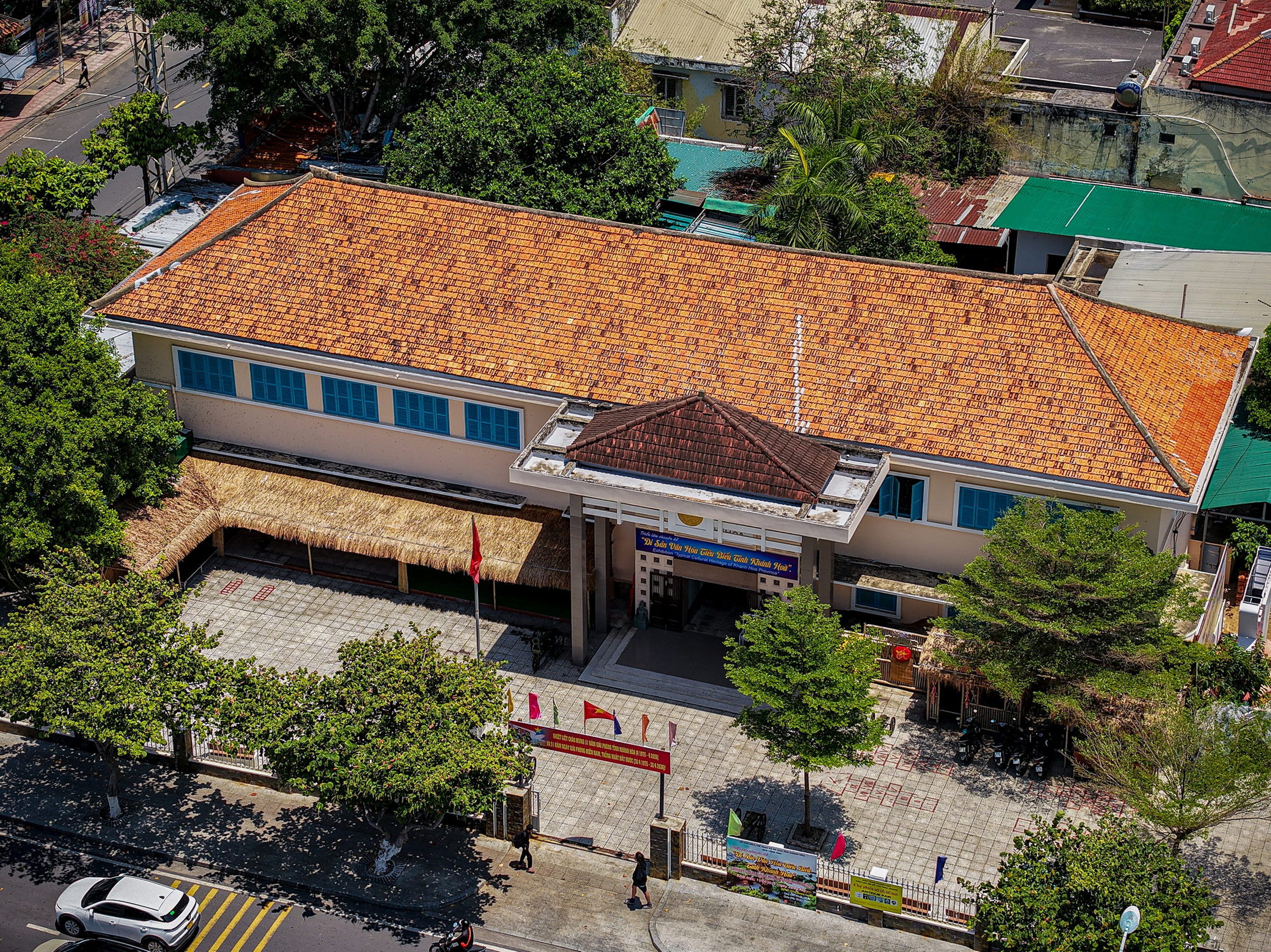
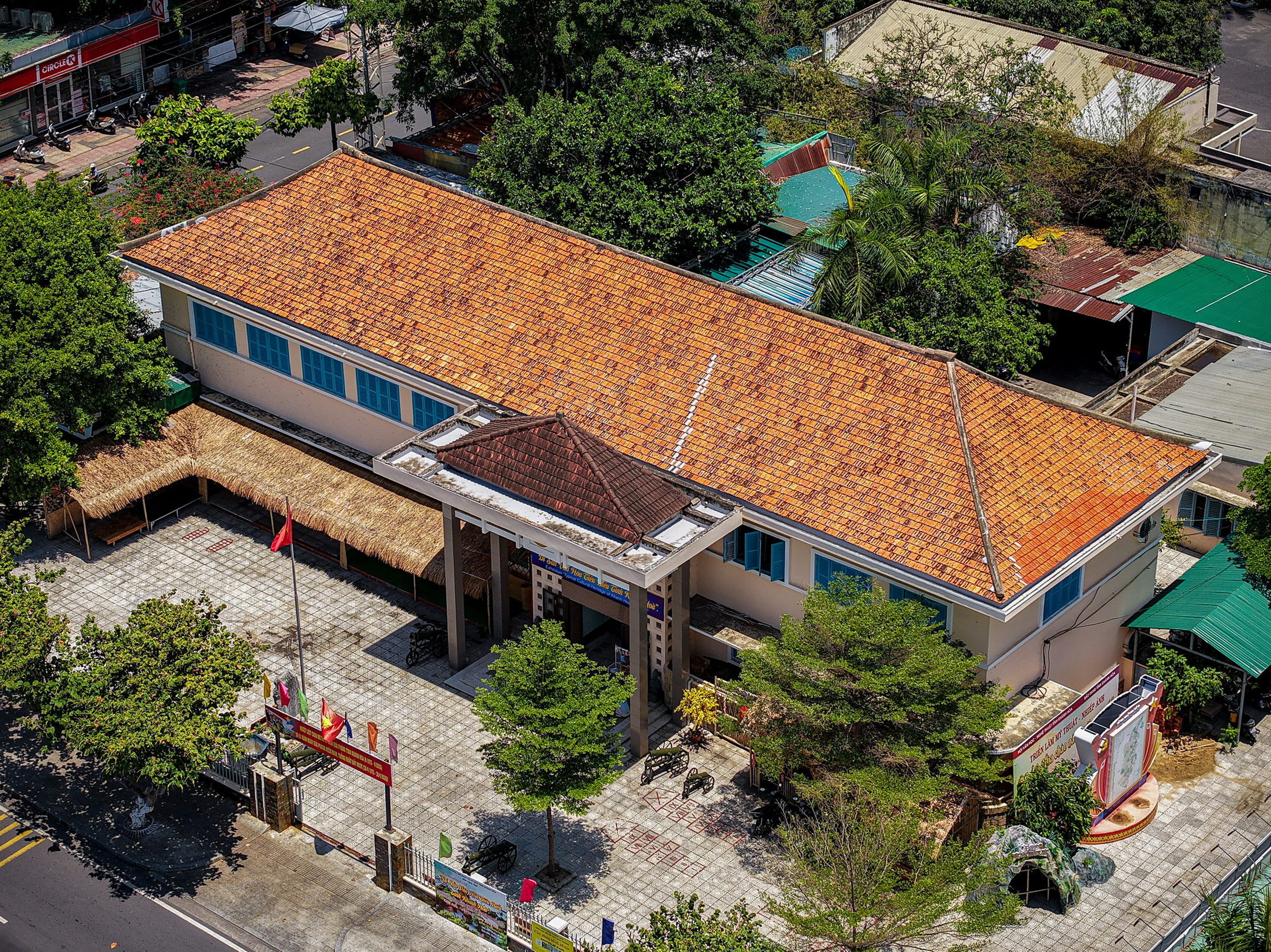
Khanh Hoa Provincial Museum - Facility 1
16 Tran Phu, Nha Trang Ward, Khanh Hoa Province
Khanh Hoa Museum, Facility 1, is located in the heart of the coastal city of Nha Trang. Due to this location, the museum has been the choice of tens of thousands of domestic and international visitors due to its accessibility and captivating cultural beauty. Built in the early 20th century, it takes the form of an old house with strong French architectural influences. On June 13, 1979, the museum was established under Decision No. 1329/UB-TC of the former Phu Khanh Provincial People's Committee; therefore, it was previously known as the Phu Khanh Provincial Museum.
The building is structured into two floors with a private walkway designed inside. This is one of the rare museums that still preserves precious artifacts of the Vietnamese people through various historical periods. The museum currently owns and maintains nearly 10,000 original artifacts and over 5,000 photographic documents from different historical eras.
Typical Cultural Heritage of Khanh Hoa Province
A journey to identify the depth of local culture
The special exhibition "Typical Cultural Heritage of Khanh Hoa Province," held at the Khanh Hoa Provincial Museum, introduces the public to over 300 images, documents, and representative artifacts, reflecting the depth of history, culture, and life of the people of Khanh Hoa from prehistoric times to the modern era. The display space allows visitors to explore the unique cultural heritage values of the locality through various themes: the Khanh Son lithophones and Raglai culture, Cham culture, Dong Son bronze drums, Khanh Hoa's marine and island culture, and the sovereignty of the Truong Sa (Spratly) archipelago.
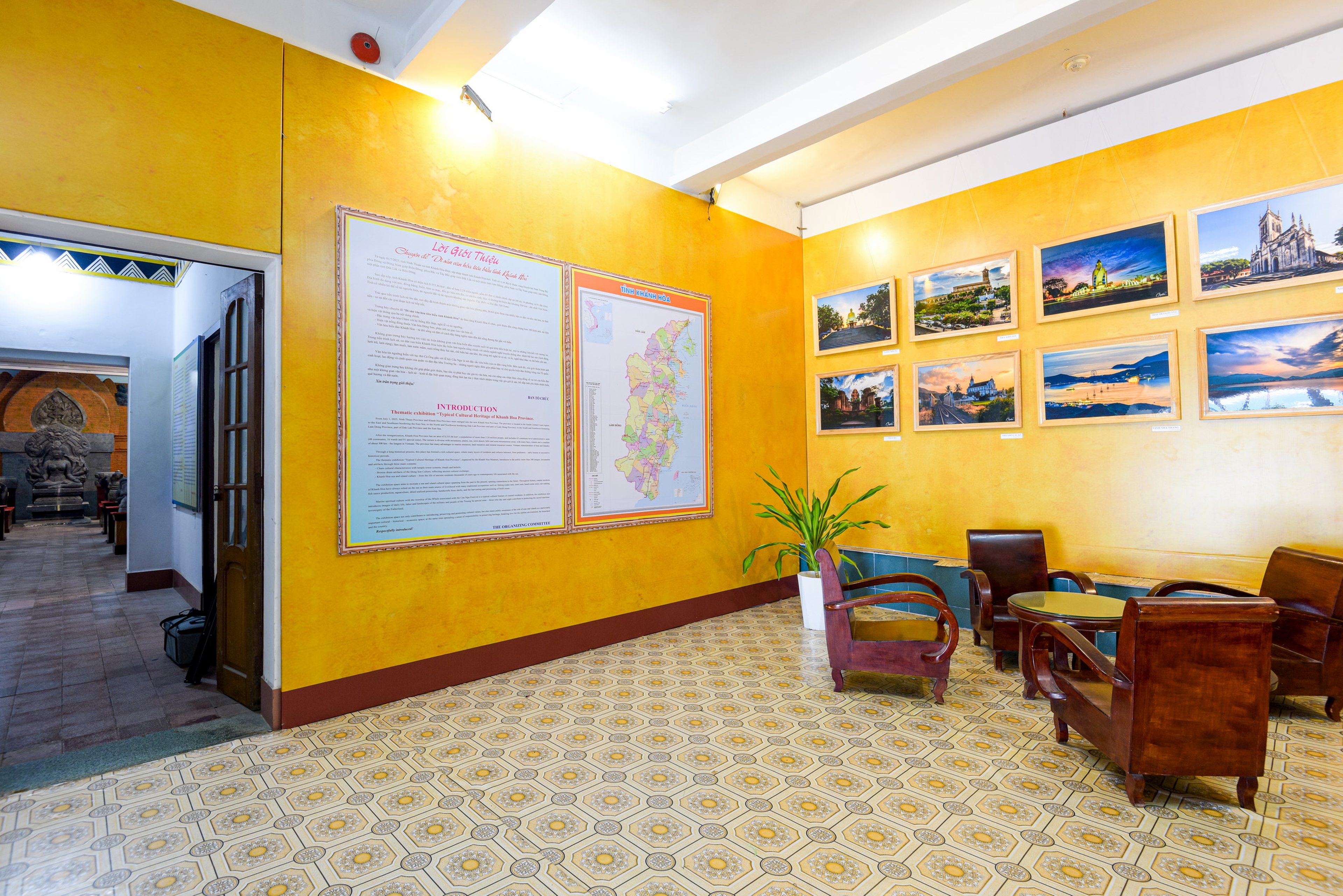
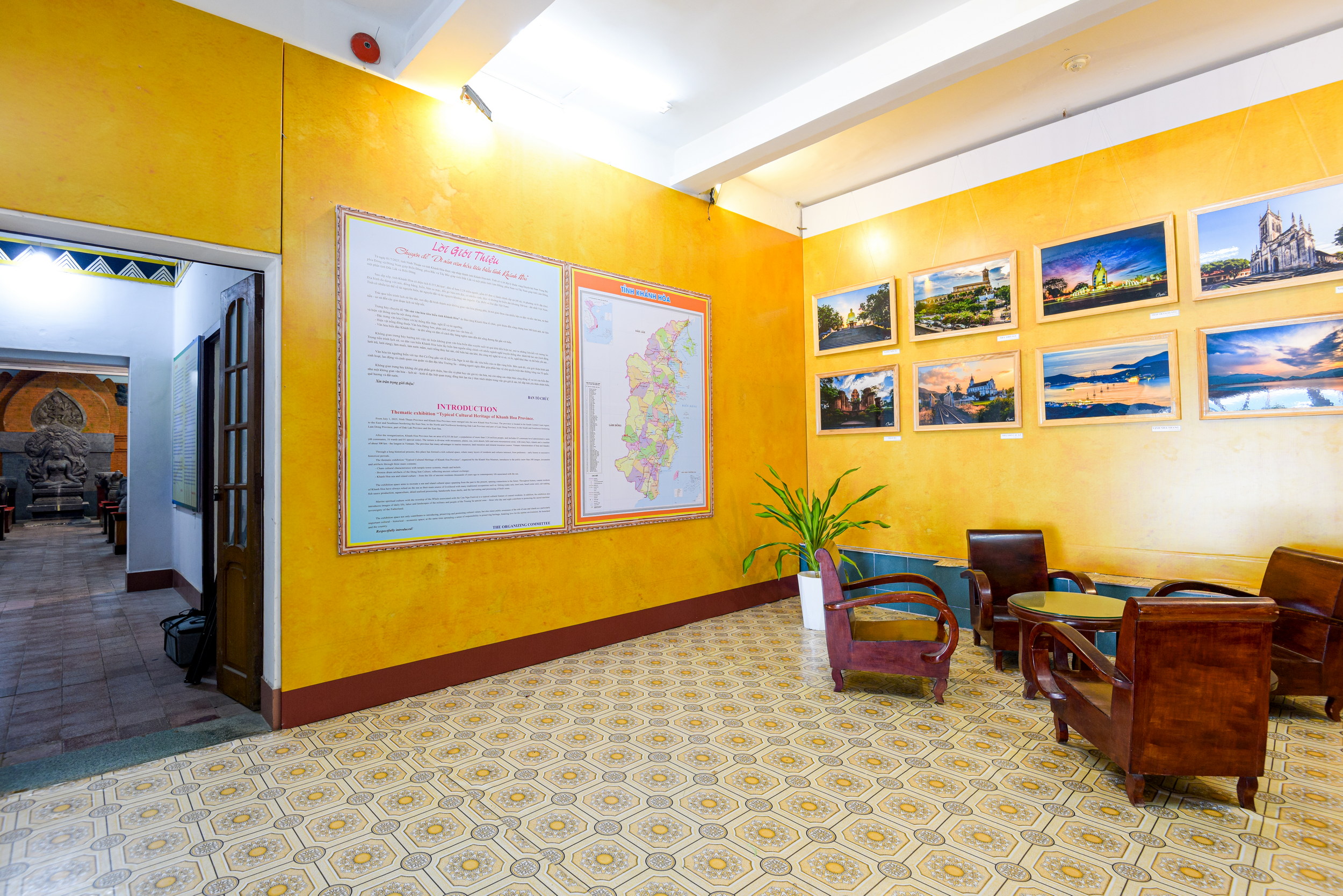
Starting at the foyer, the exhibition provides an overview of Khanh Hoa province through an administrative map and a system of images featuring historical relics, scenic spots, and the province's typical cultural heritage.
Khanh Son Lithophones
Ancient sounds opening up the spiritual life of prehistoric Khanh Hoa inhabitants
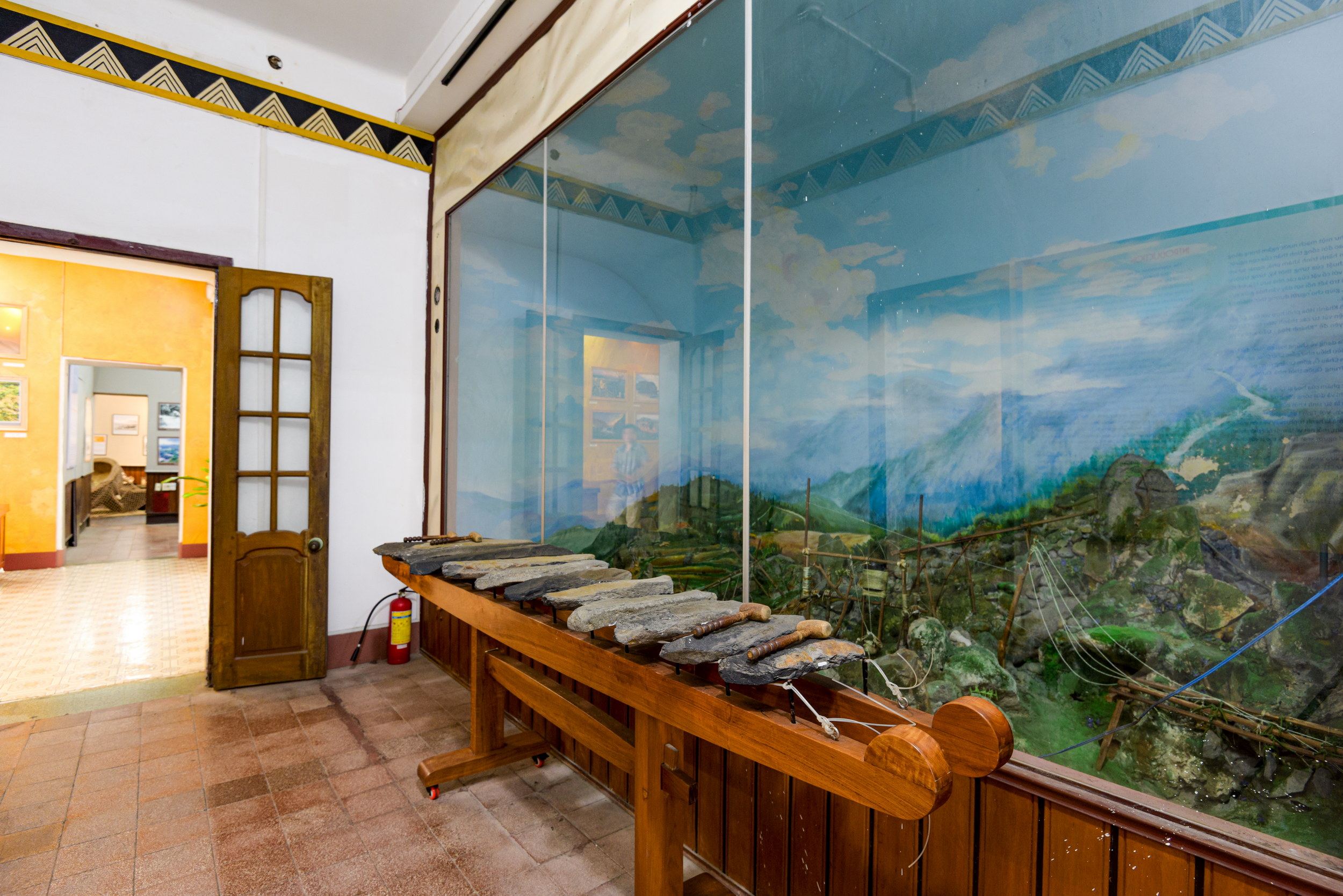
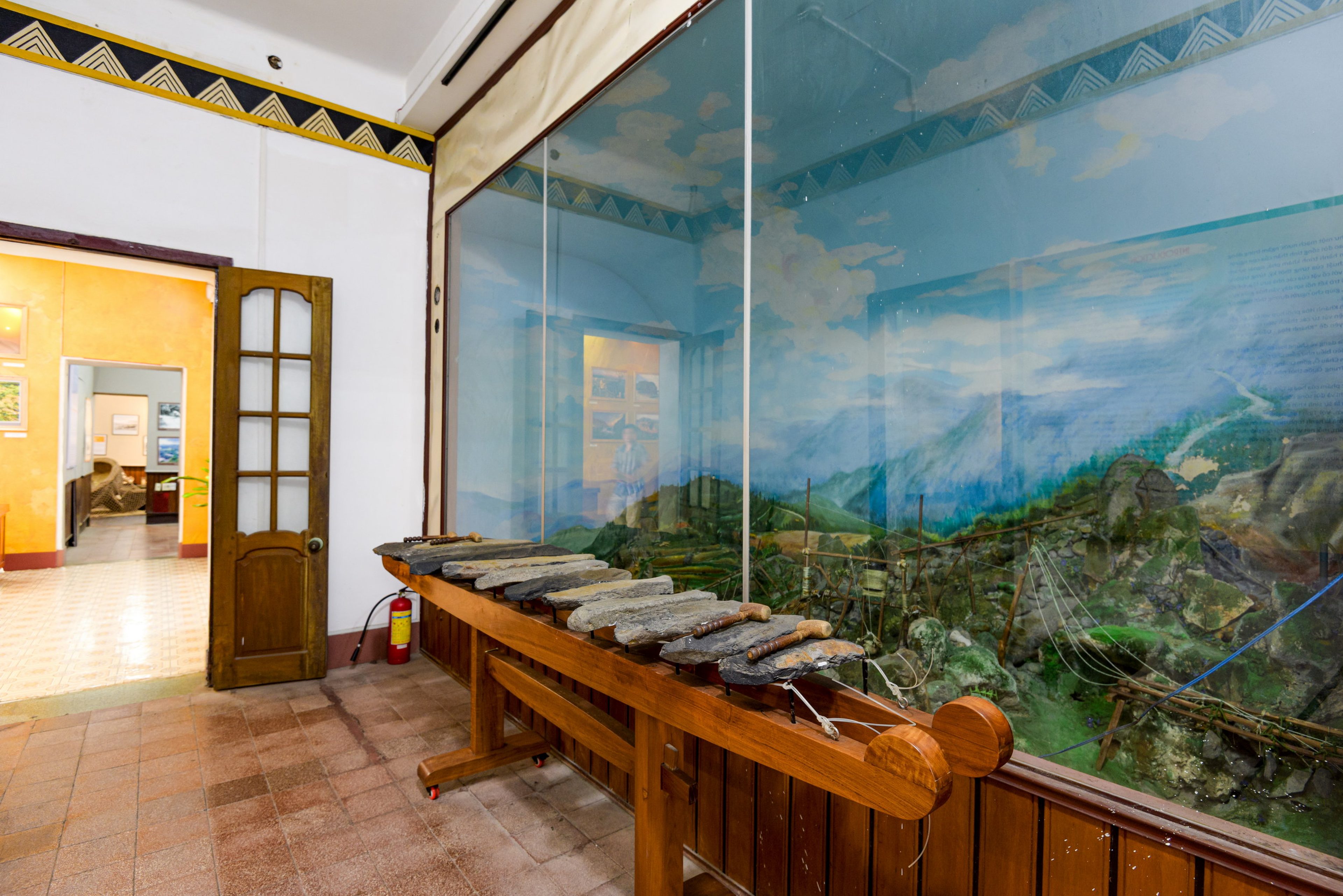
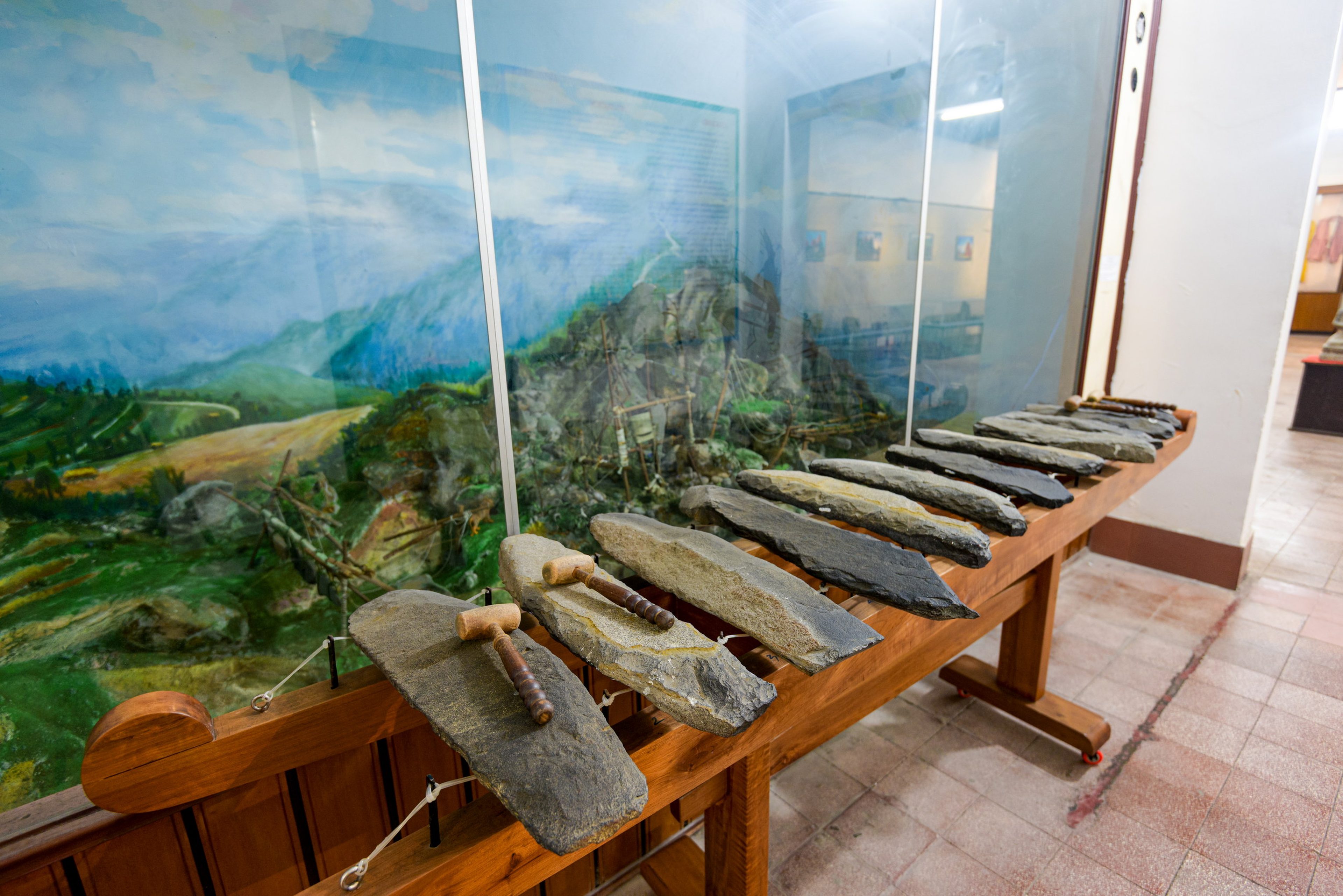
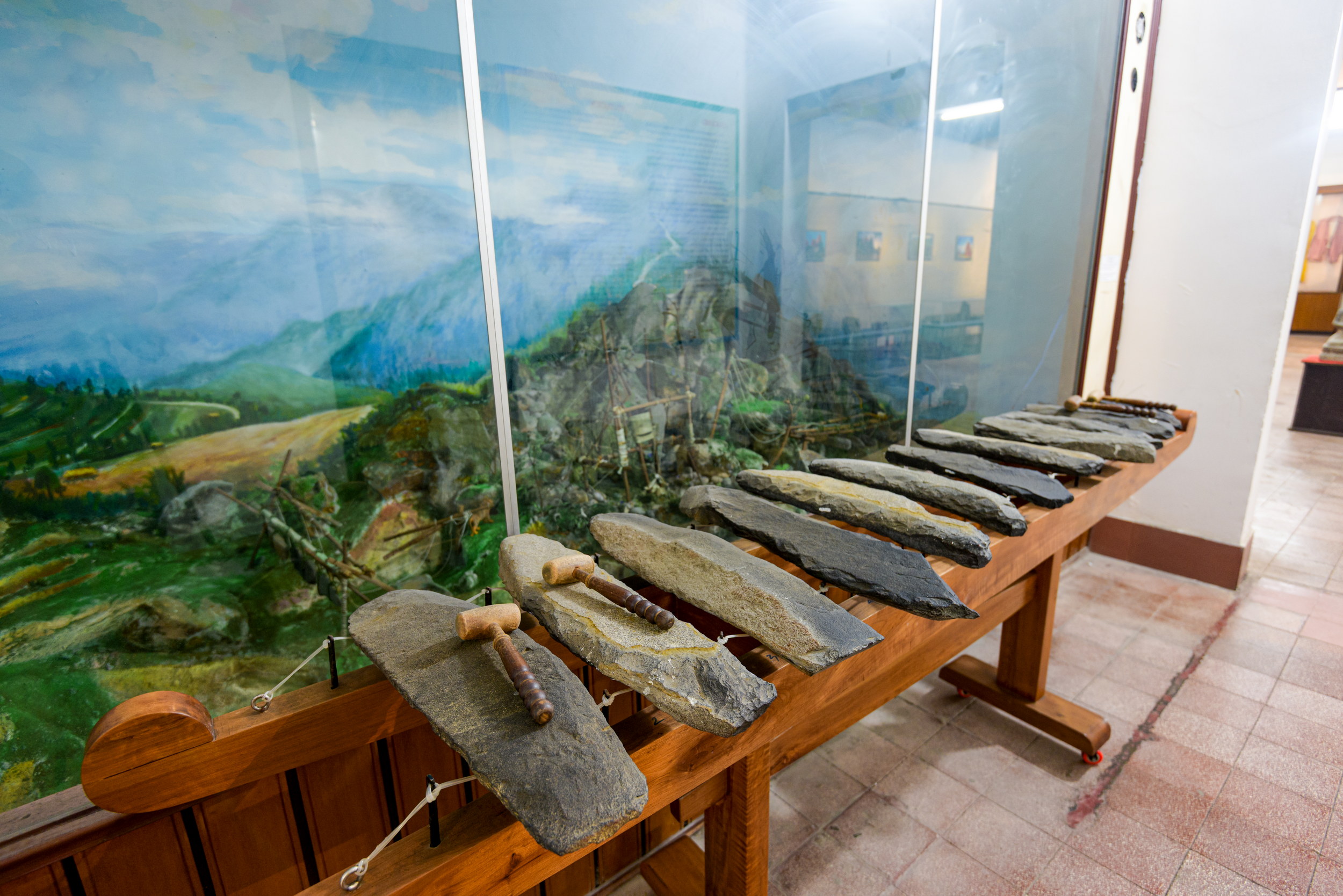
The exhibition space for the Khanh Son lithophones displays one of the artifacts with special value in history, archaeology, and music. The set of lithophones was discovered in Khanh Son district and serves as proof of the rich cultural and spiritual life of the ancient inhabitants of Khanh Hoa thousands of years ago.
The bars are crafted from natural stone and are capable of producing sounds at different pitches, demonstrating the creativity and musical sensibility of prehistoric people. This space also introduces unique aspects of the traditional cultural life of the Raglai people - a long-standing community living in the mountainous areas of Khanh Hoa.
Cham Culture in Khanh Hoa
From Po Ina Nagar, Linga – Yoni to the Vo Canh Stele and Cham cultural heritage
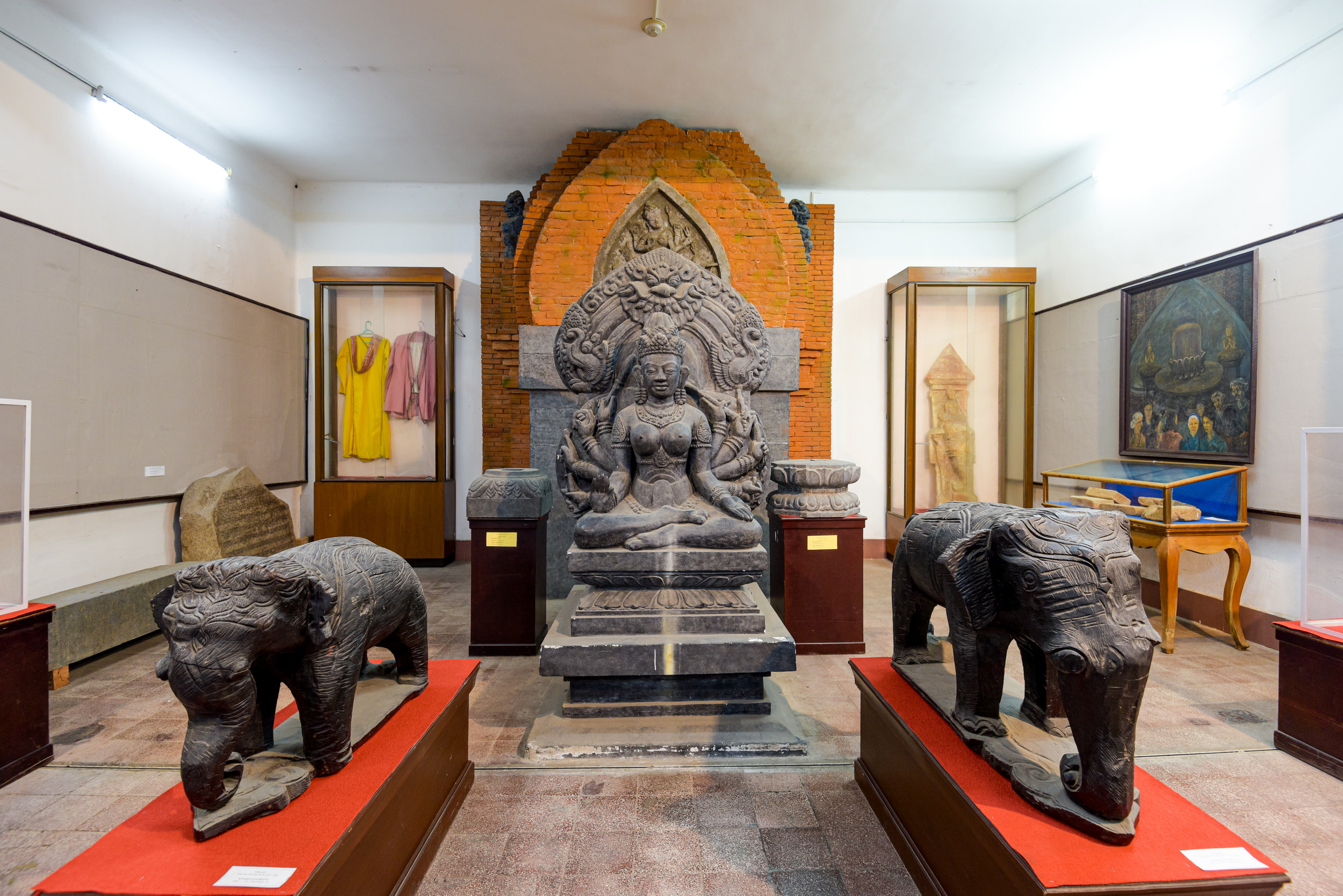
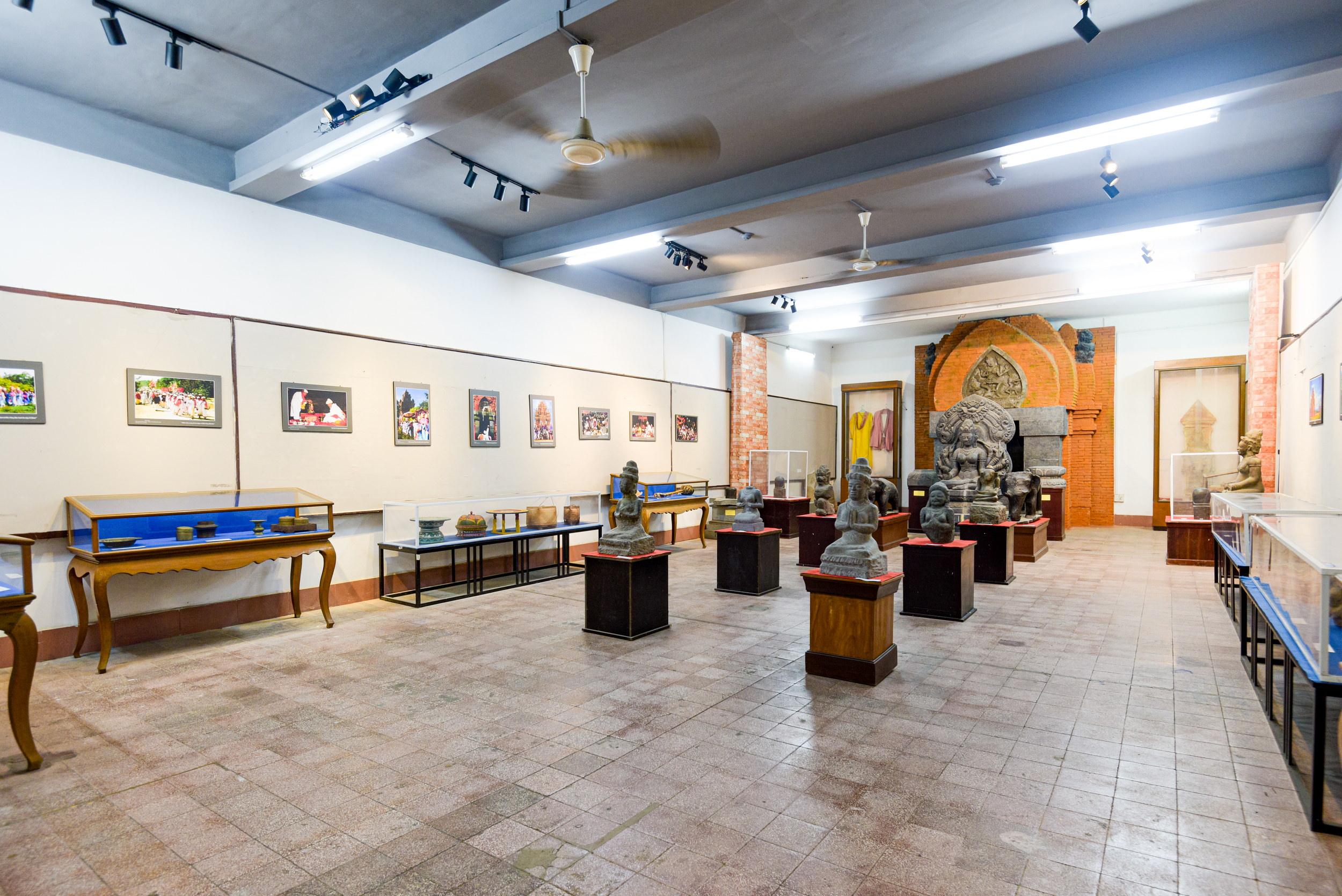
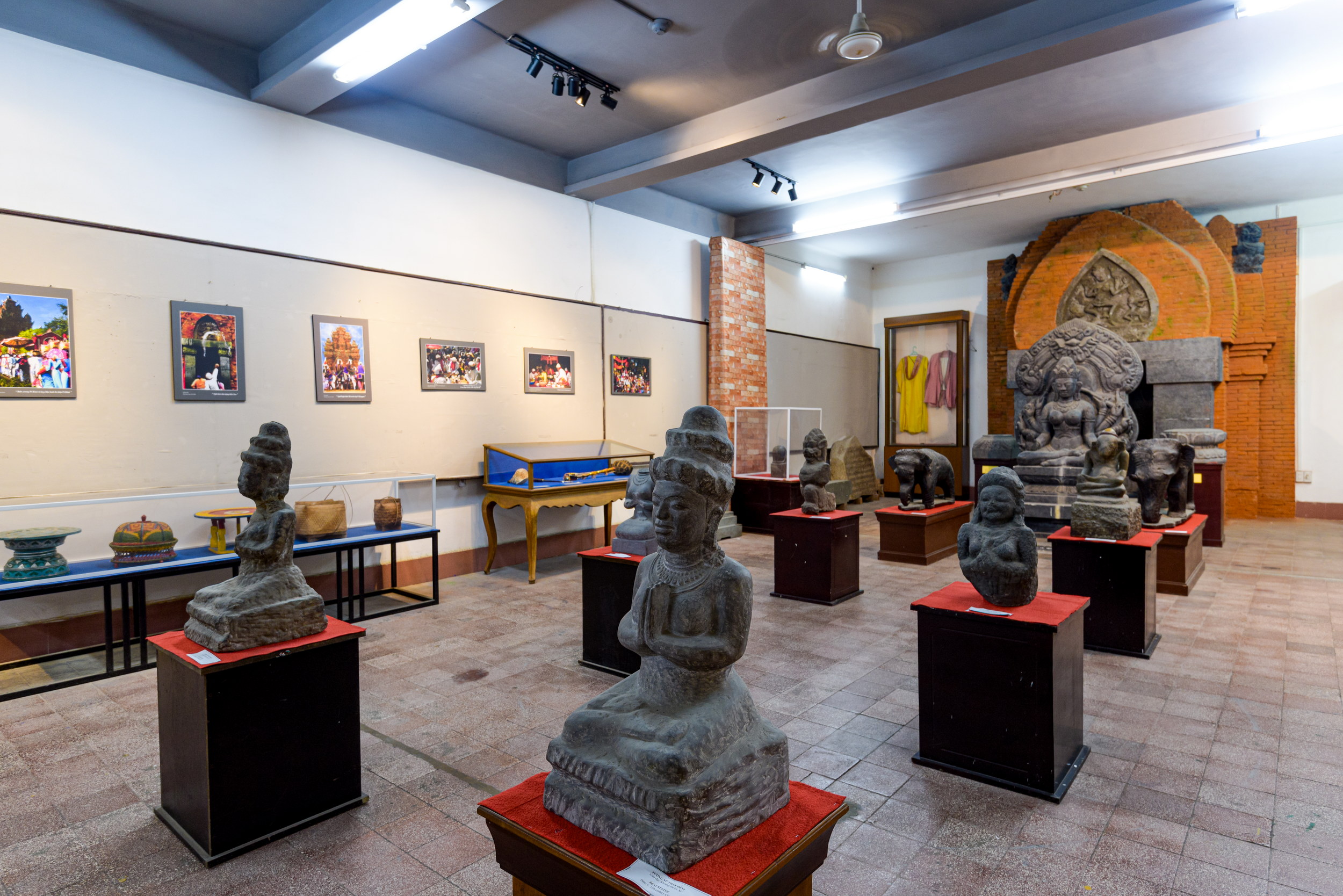
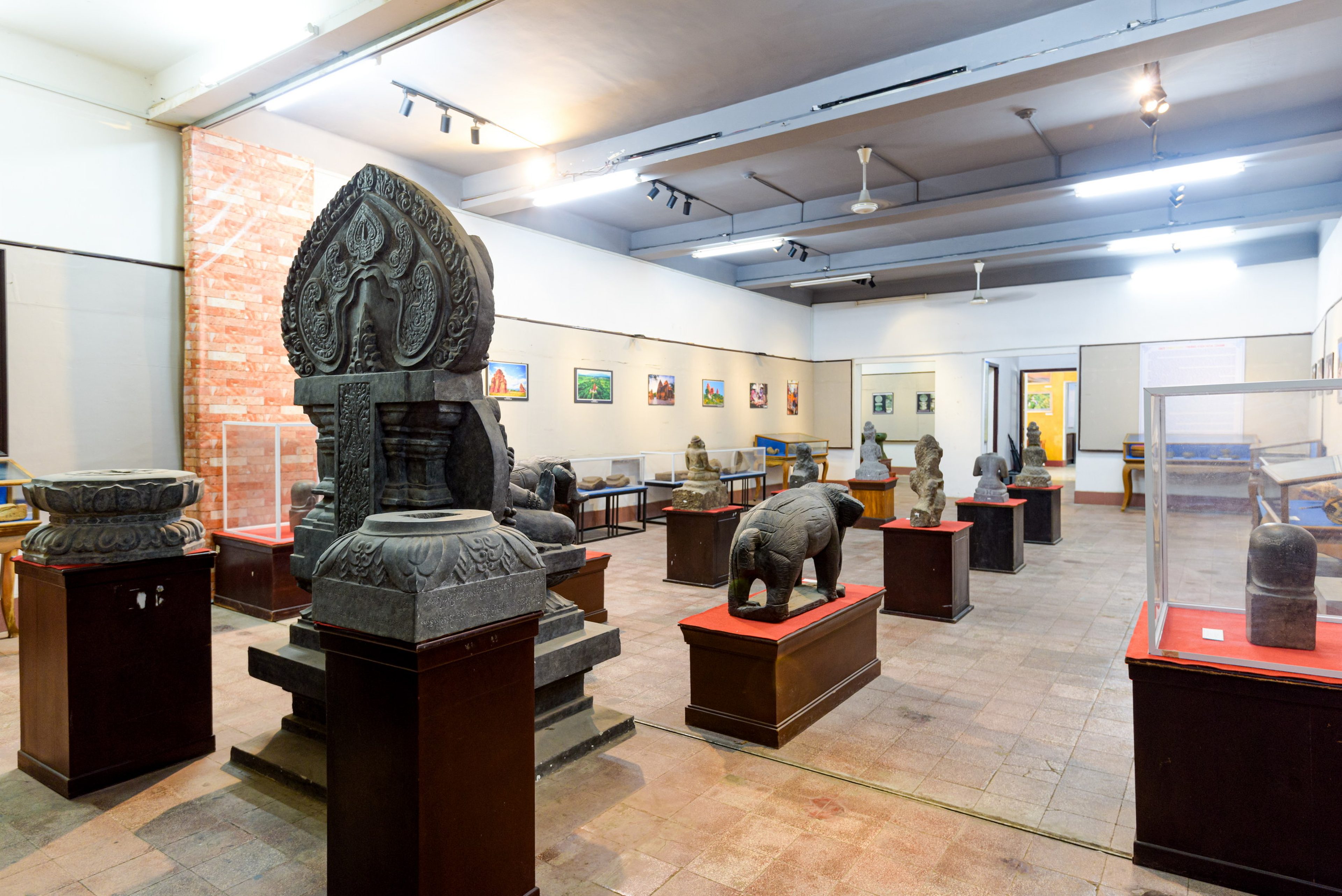
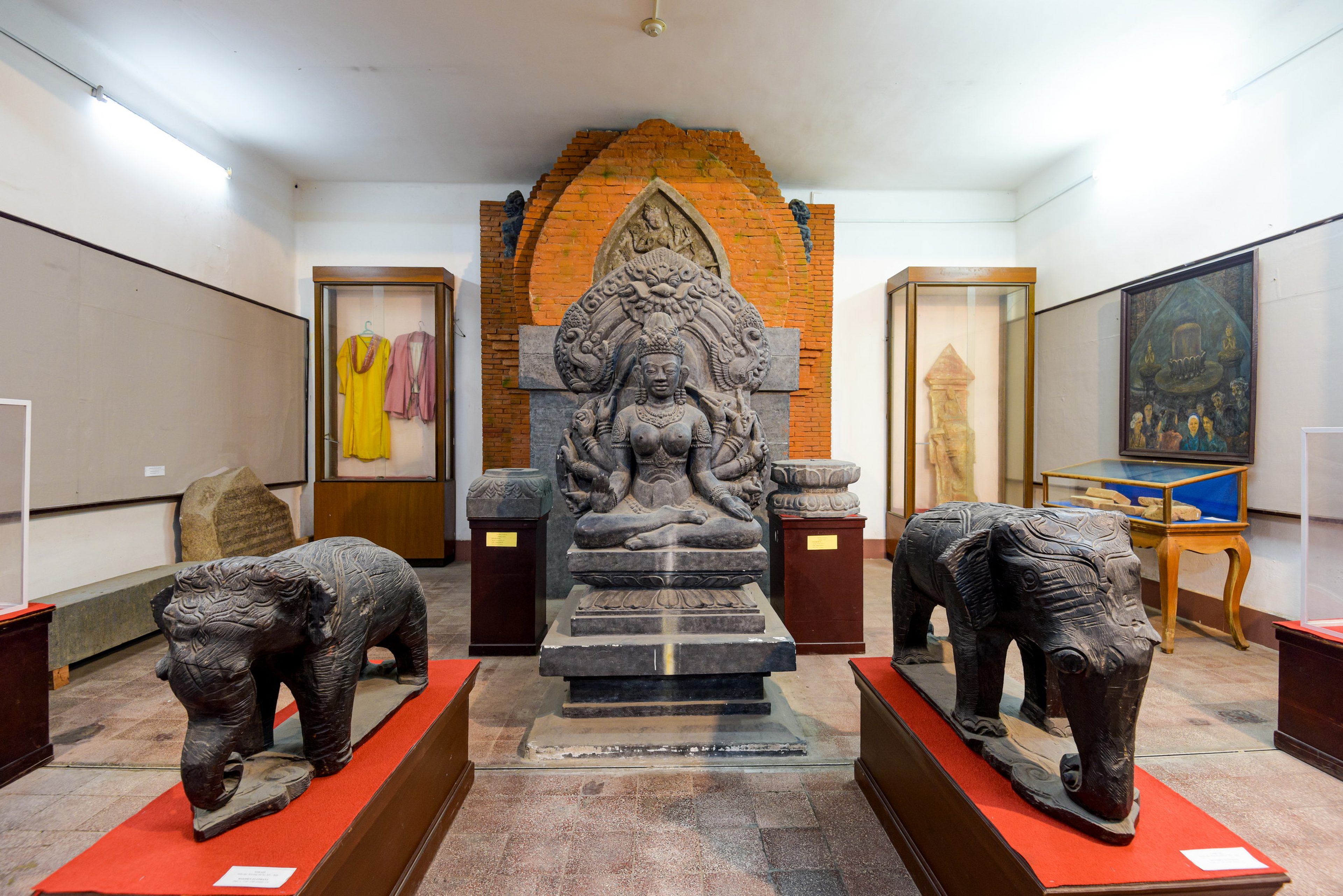
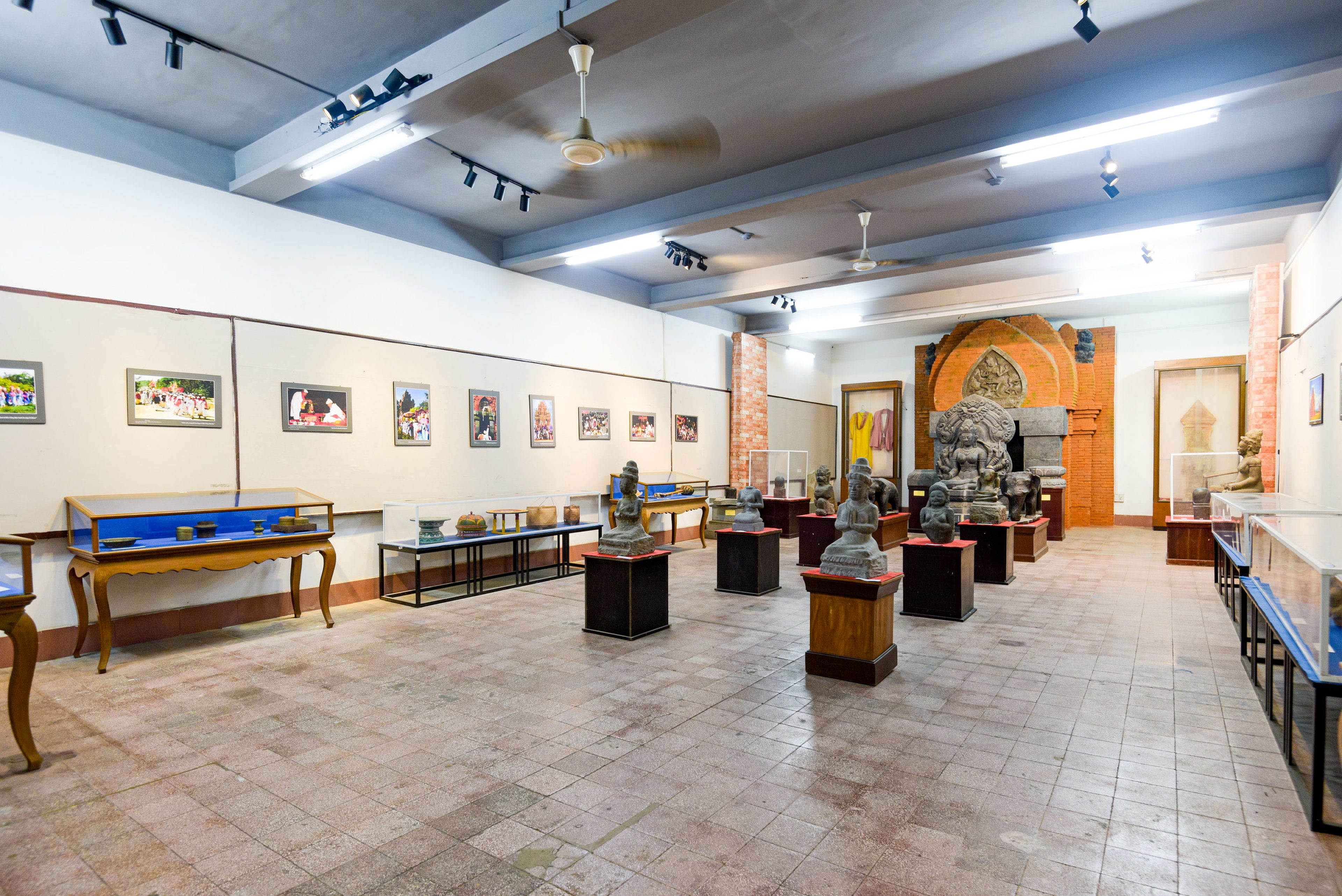
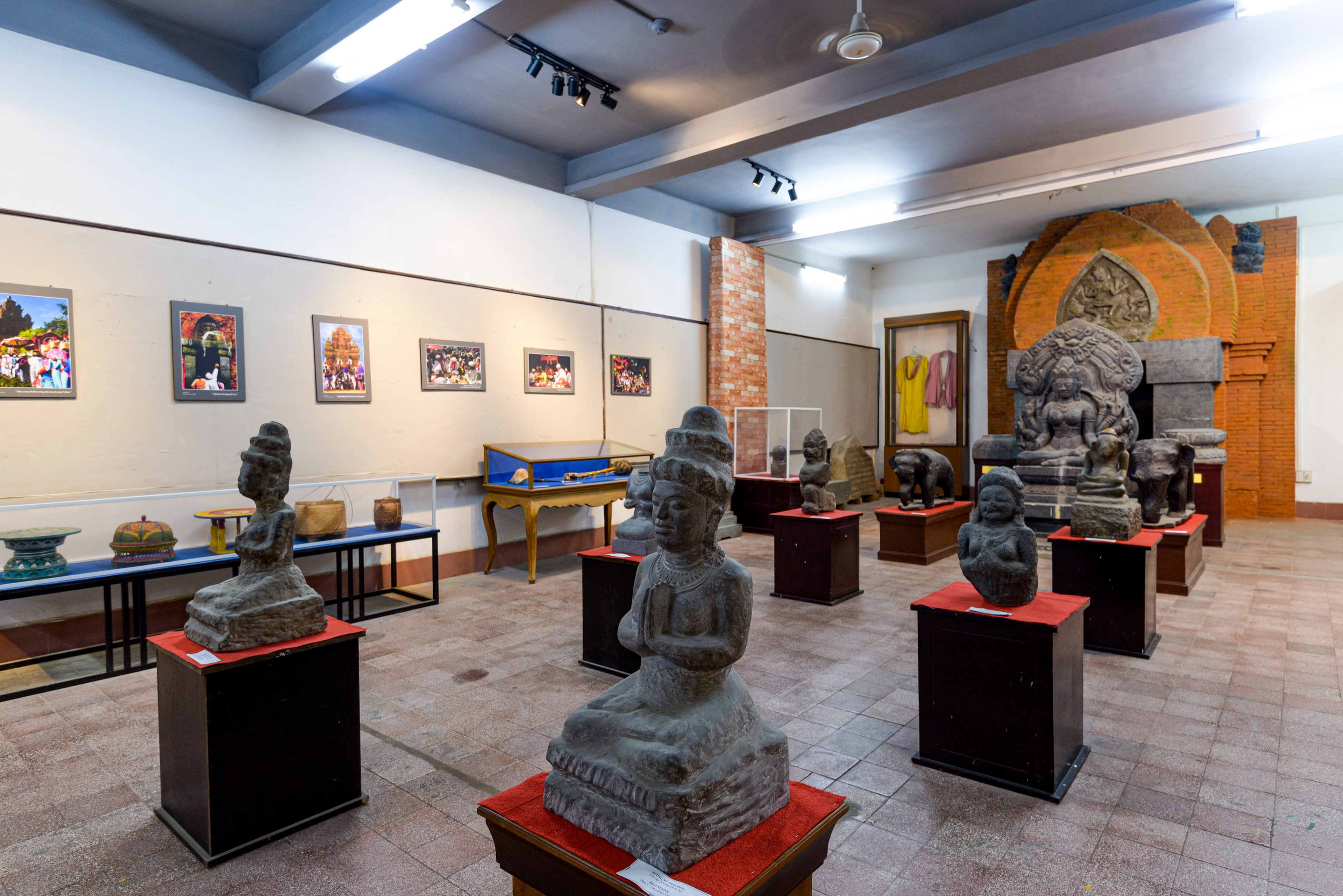
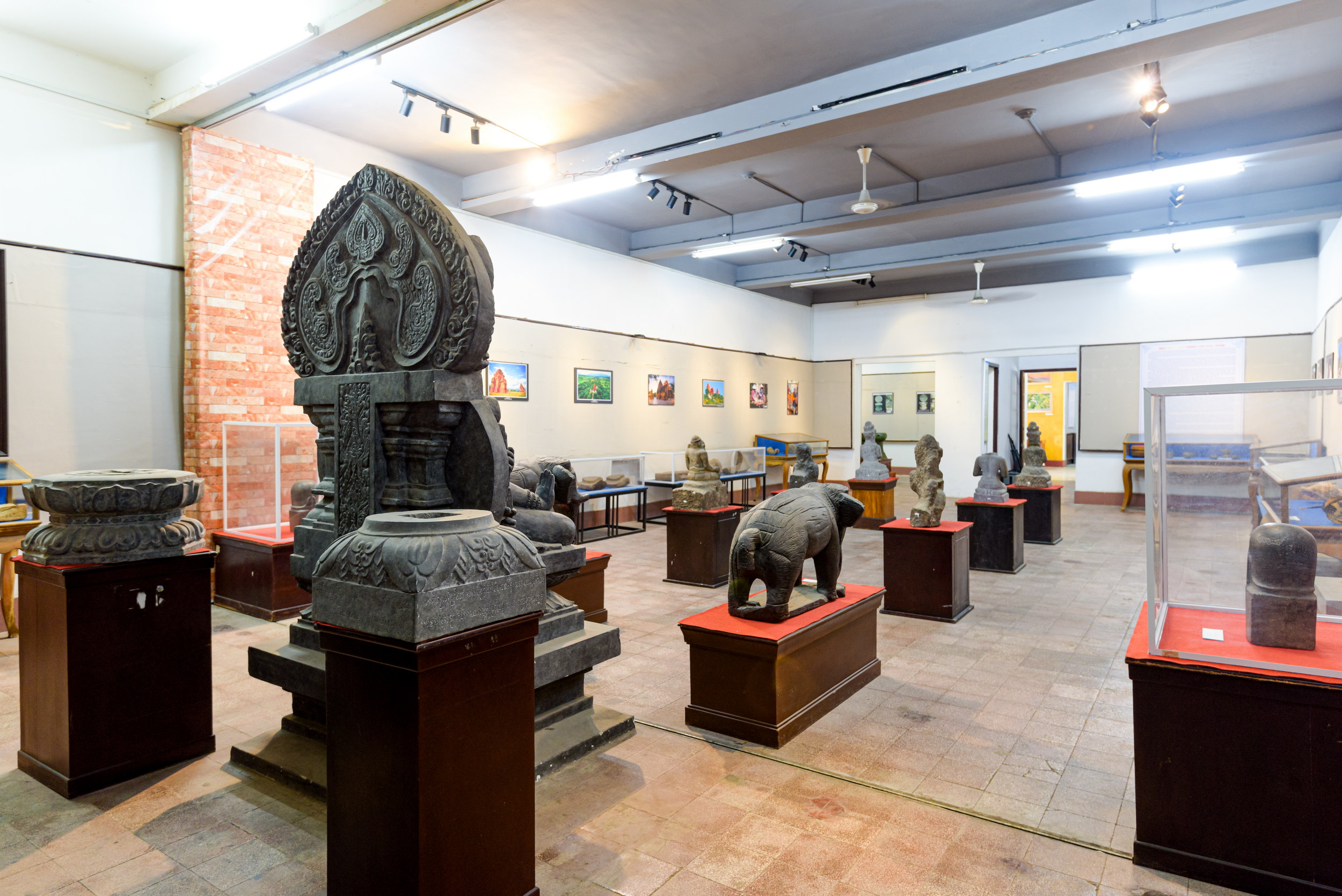
Continuing the journey is the display space dedicated to Cham culture - one of the key elements that shaped the cultural identity of the South Central Coast. The exhibition introduces the prominent values of the Champa civilization through stone sculptures, devotional statues, bas-reliefs, religious symbols, architectural models of temples and towers, along with images of festivals and community cultural life.
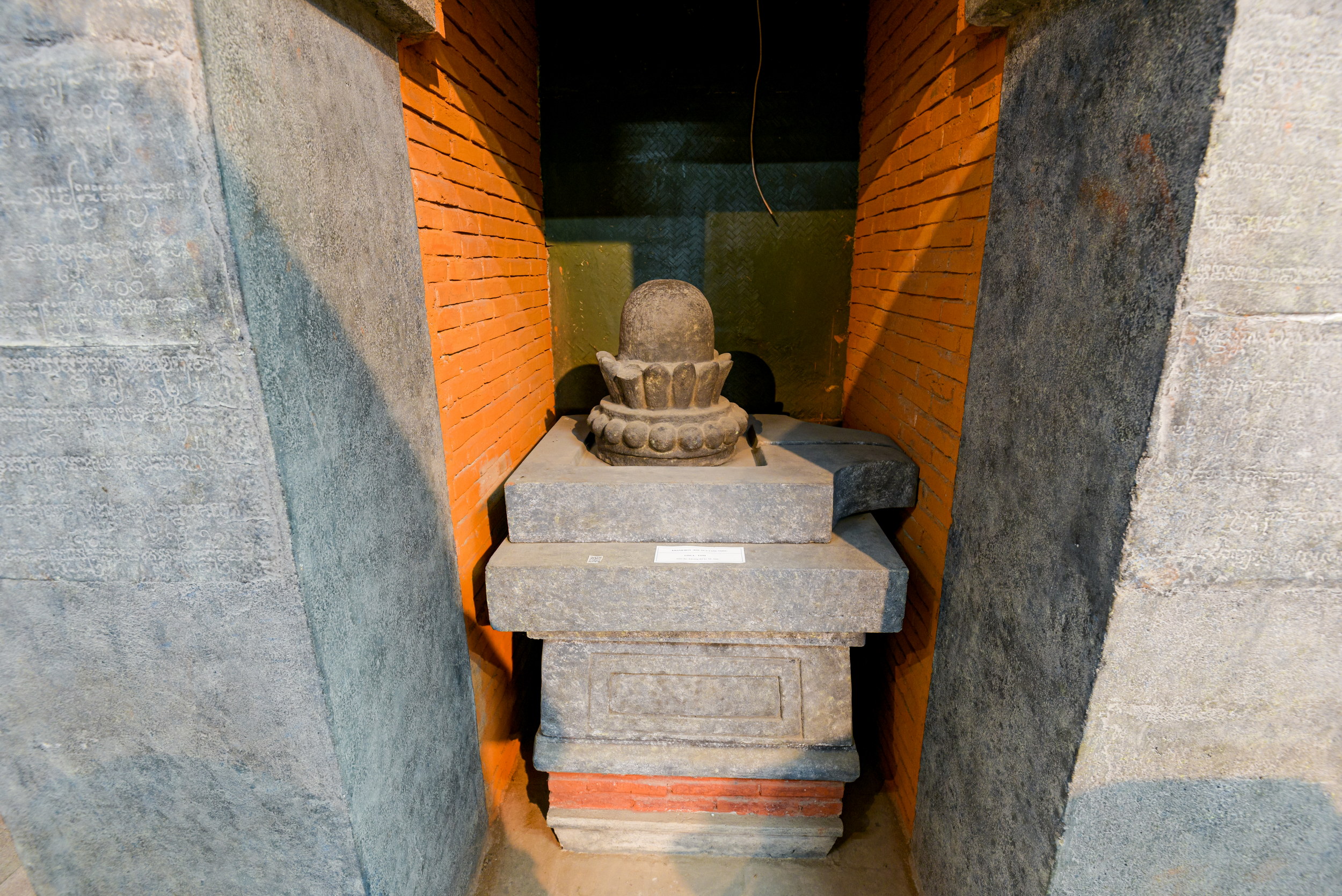
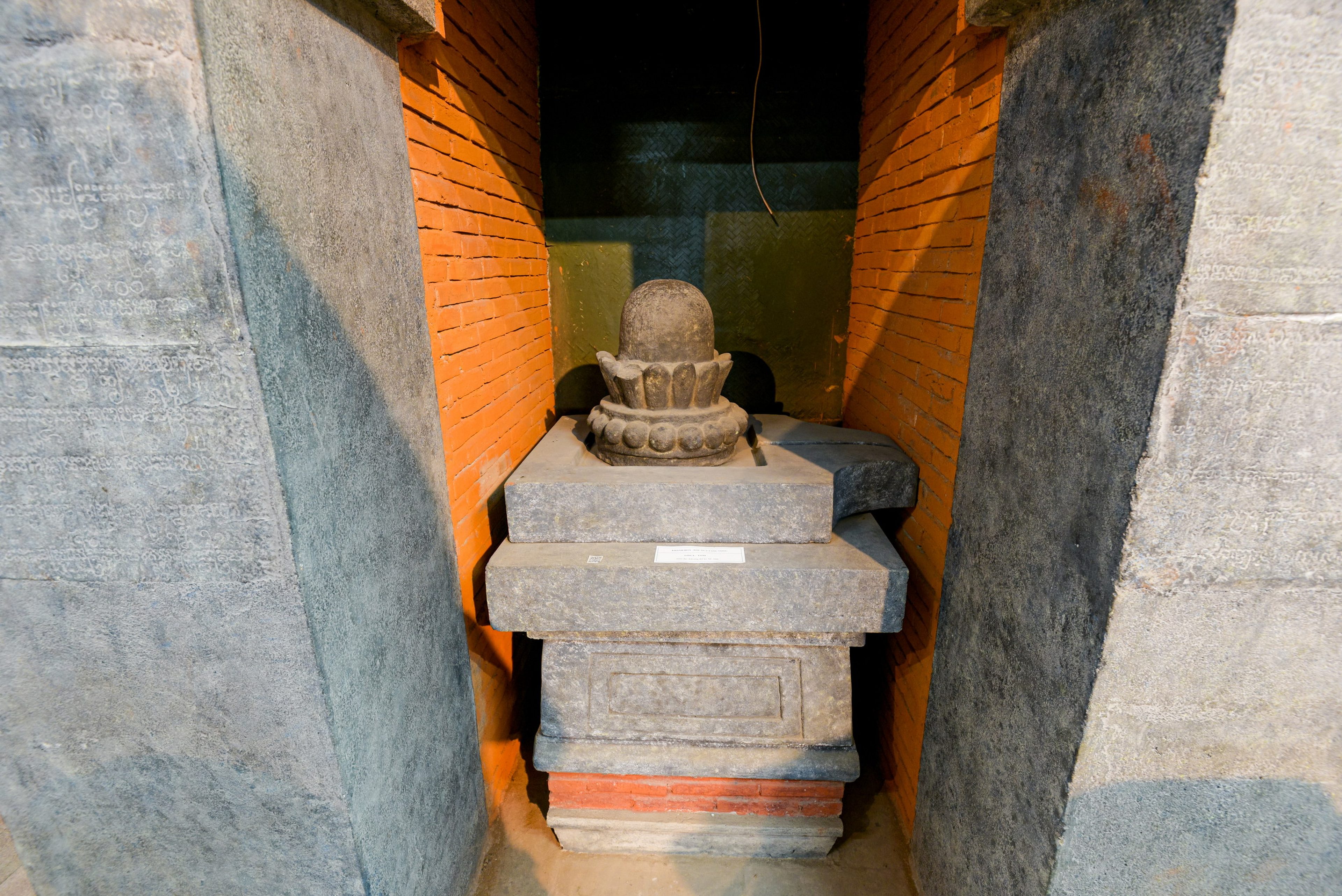
Prominent in this space is the figure of the goddess Po Ina Nagar - the Mother of the Realm of the Cham people, along with artifacts bearing deep impressions of Brahmanism such as Linga-Yoni, statues of deities, the bird-god Garuda, and many other sculptural artifacts. In addition, the exhibition introduces traditional musical instruments, costumes, handicrafts, and typical festivals of the Cham community. Notably, the Vo Canh Stele - one of the oldest Sanskrit inscriptions in Southeast Asia - is presented as an important testament to the history of the formation and development of Cham culture on the land of Khanh Hoa.
Dong Son Bronze Drums in Khanh Hoa
Artifacts telling the story of cultural exchange from over 2,000 years ago
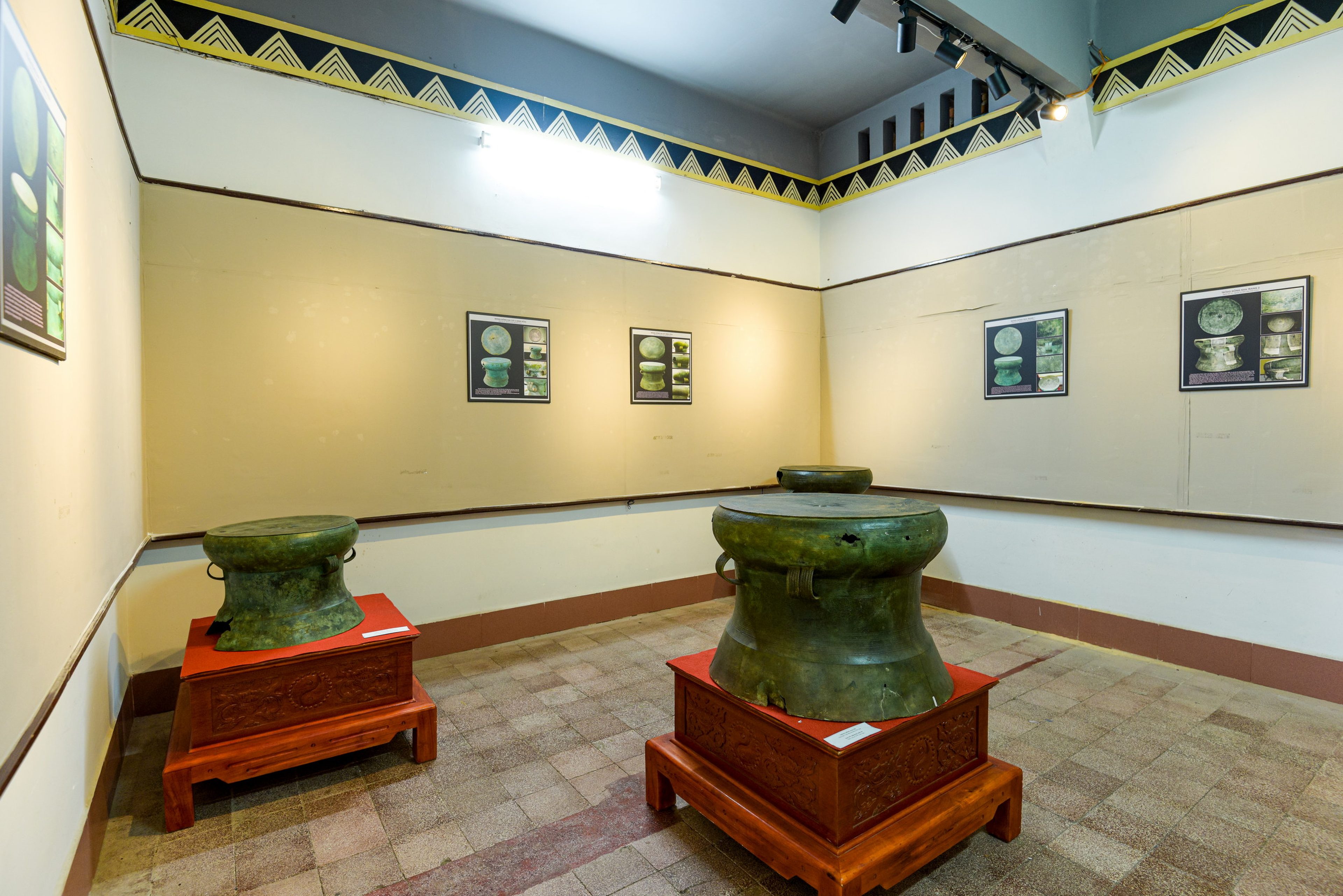
The Dong Son bronze drum display area is one of the important sections, reflecting the cultural exchange between the Dong Son people in the North and the inhabitants of the South Central region through coastal trade routes from over 2,000 years ago. The bronze drums discovered in Nha Trang and Ninh Hoa are not only archaeological artifacts of special value but also evidence of the development of ancient Vietnamese civilization.
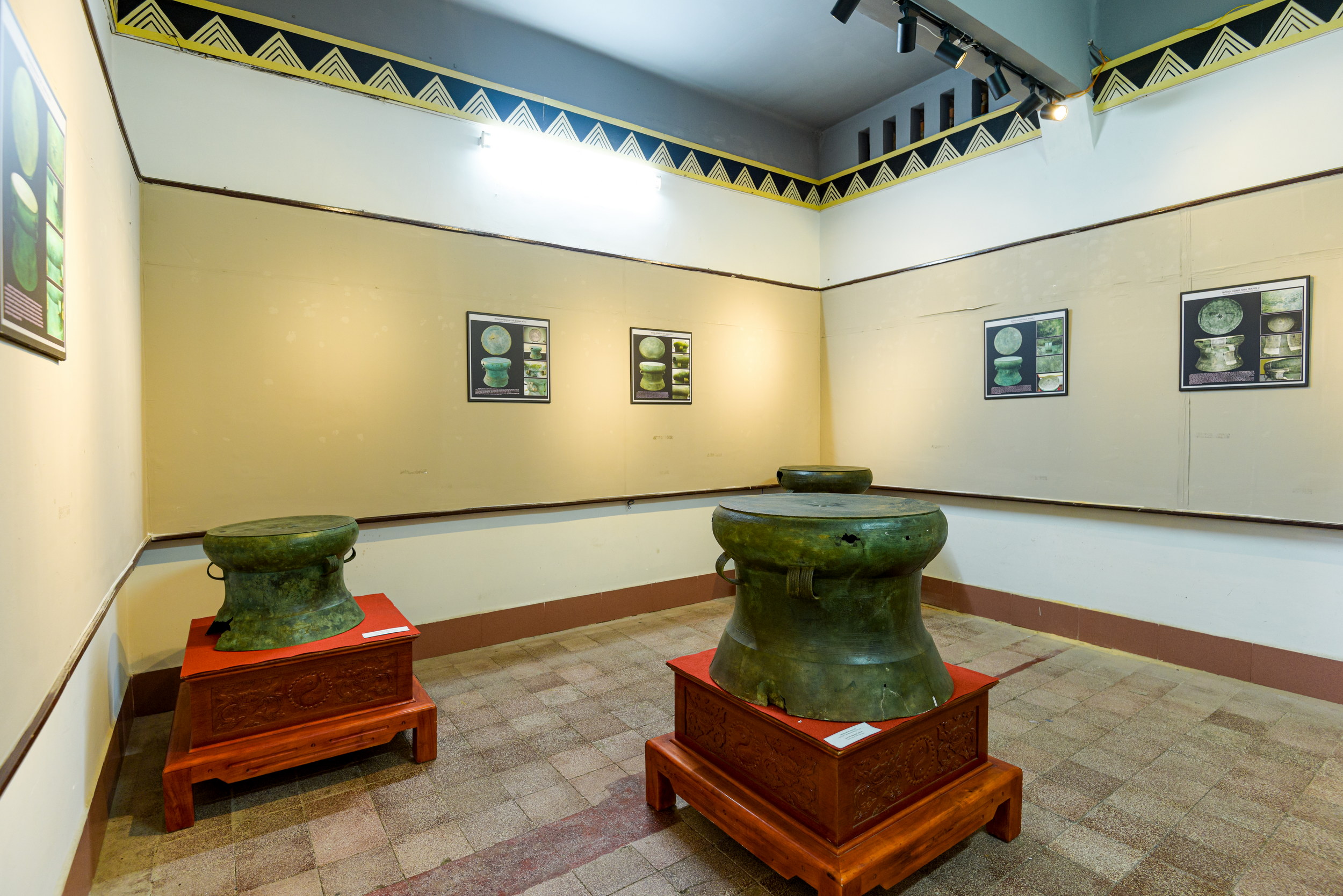
The patterns on the drum faces, such as Lac birds, deer, dancing people, boats, and multi-pointed stars, vividly reflect the labor, beliefs, and artistic life of the Dong Son people. The presence of bronze drums in Khanh Hoa shows that this land was involved in a vast regional network of cultural exchange at an early stage.
Traces of ancient coastal inhabitants of Khanh Hoa
From Xom Con, Hoa Diem to pre- and proto-historic life tied to the sea
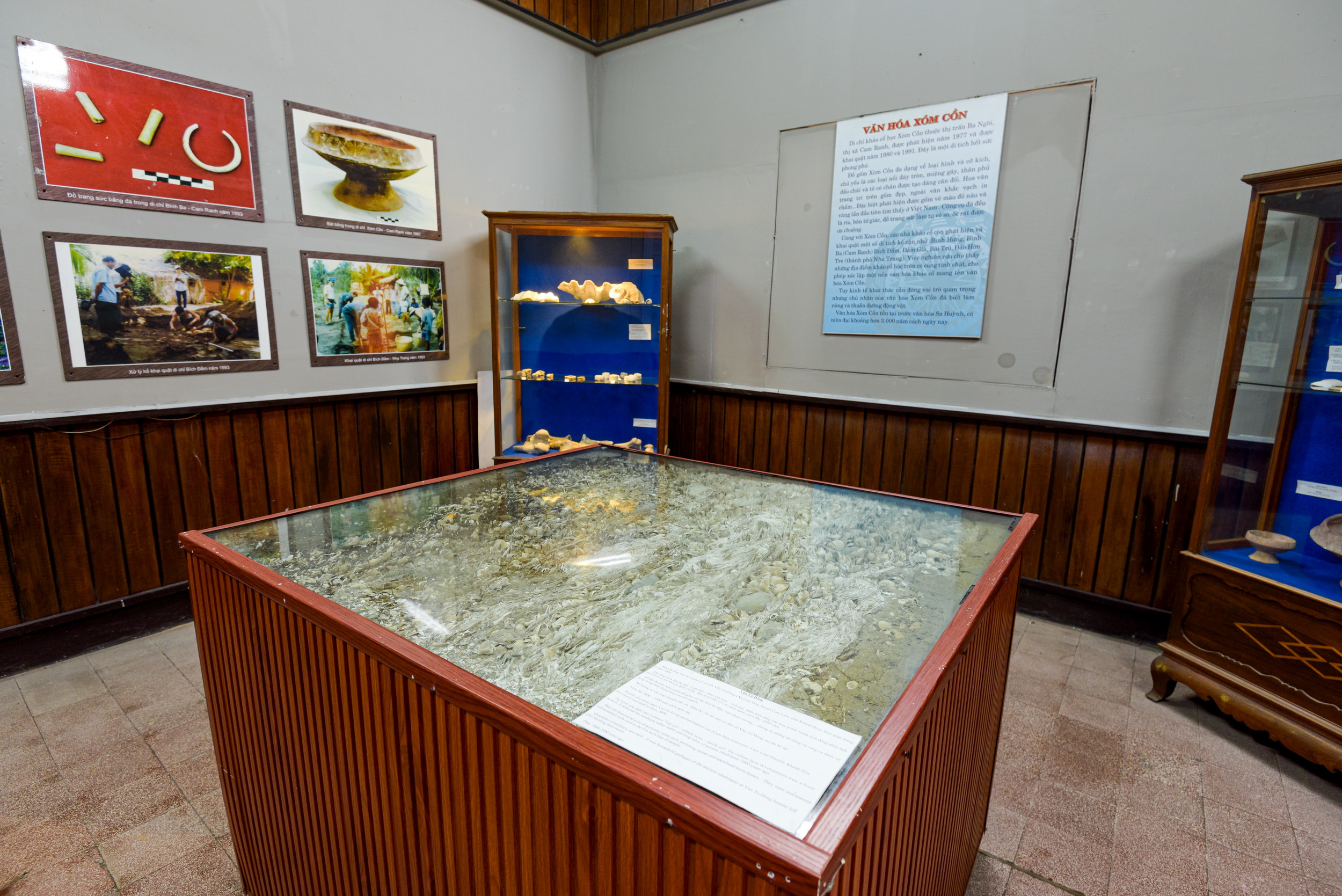
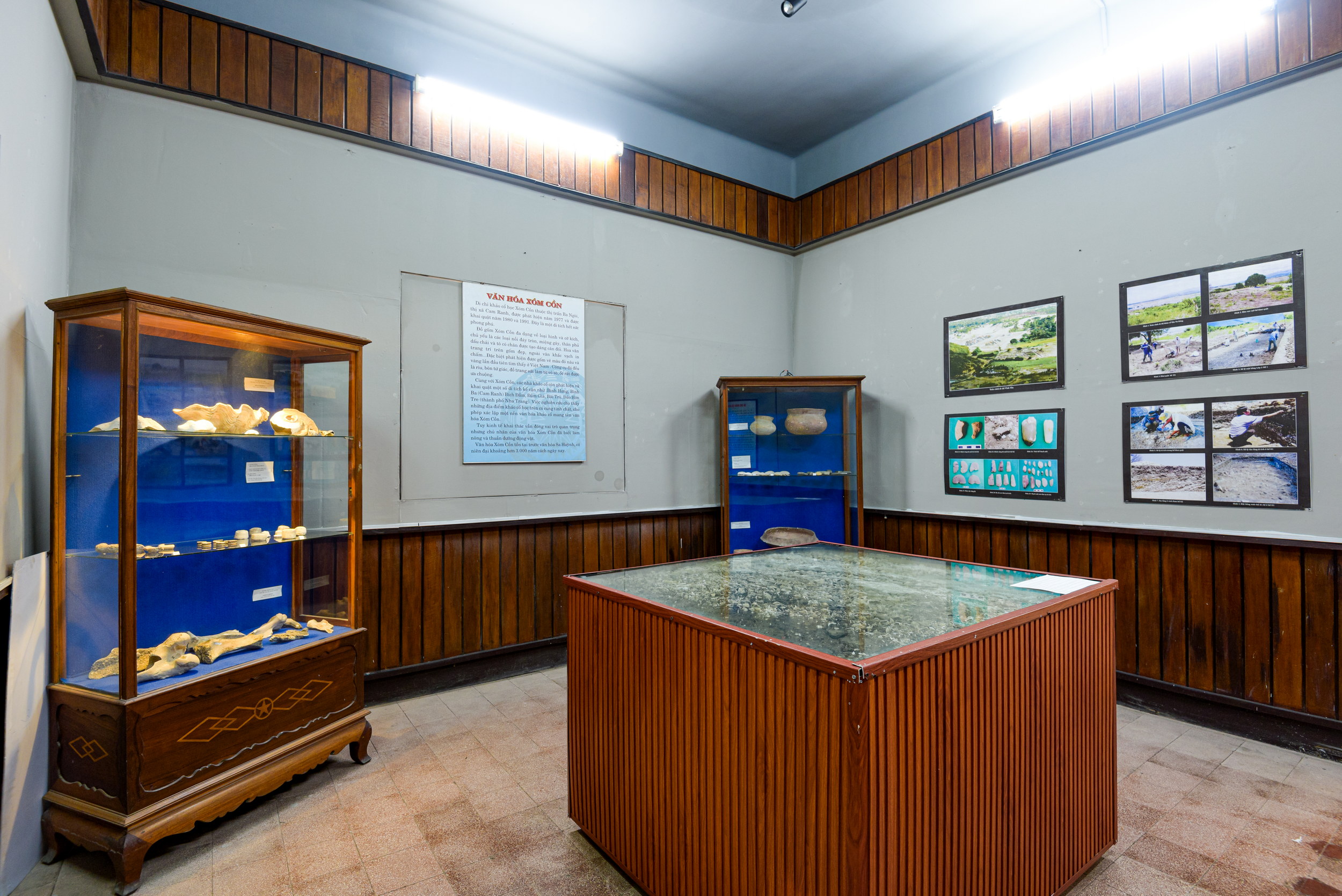
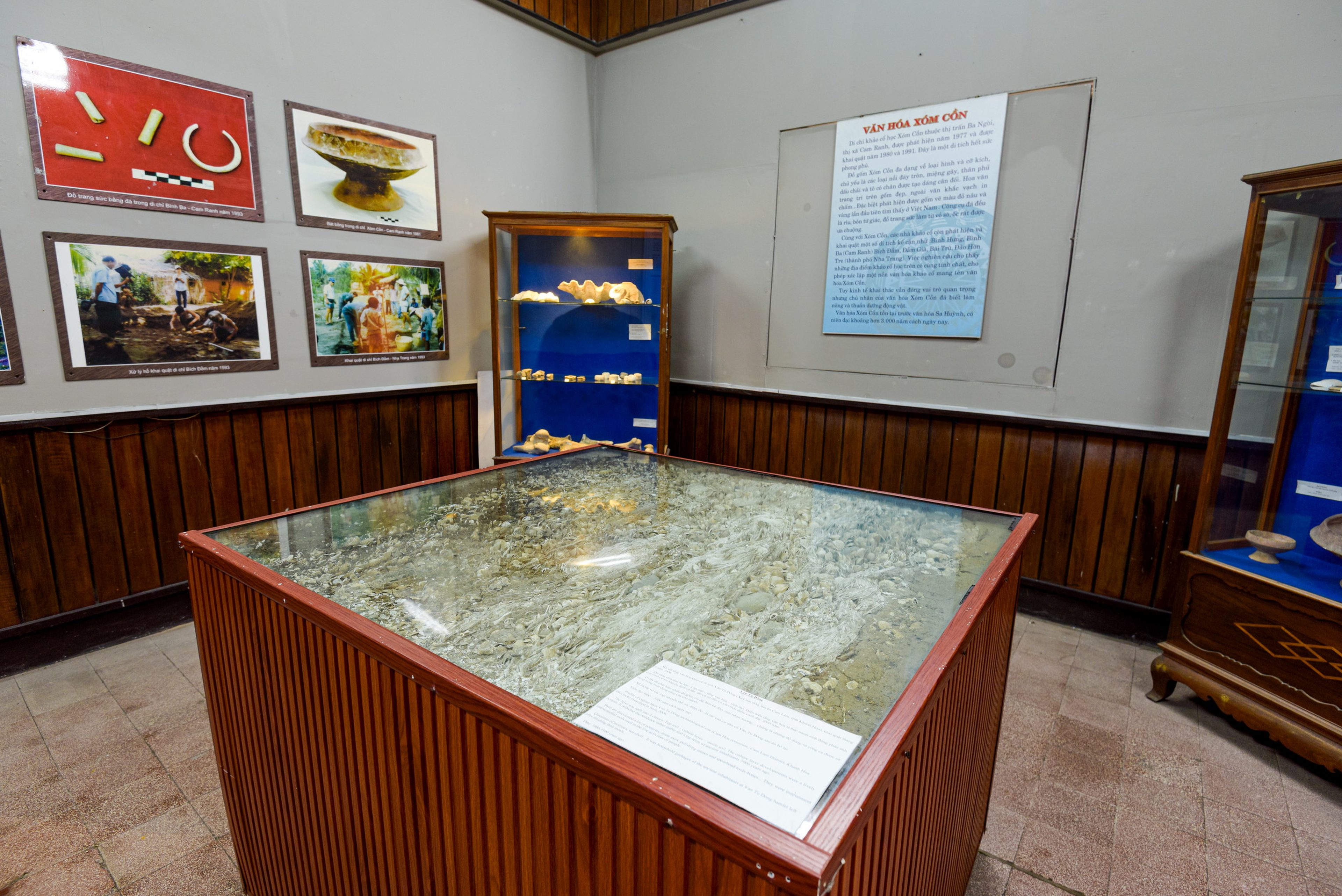
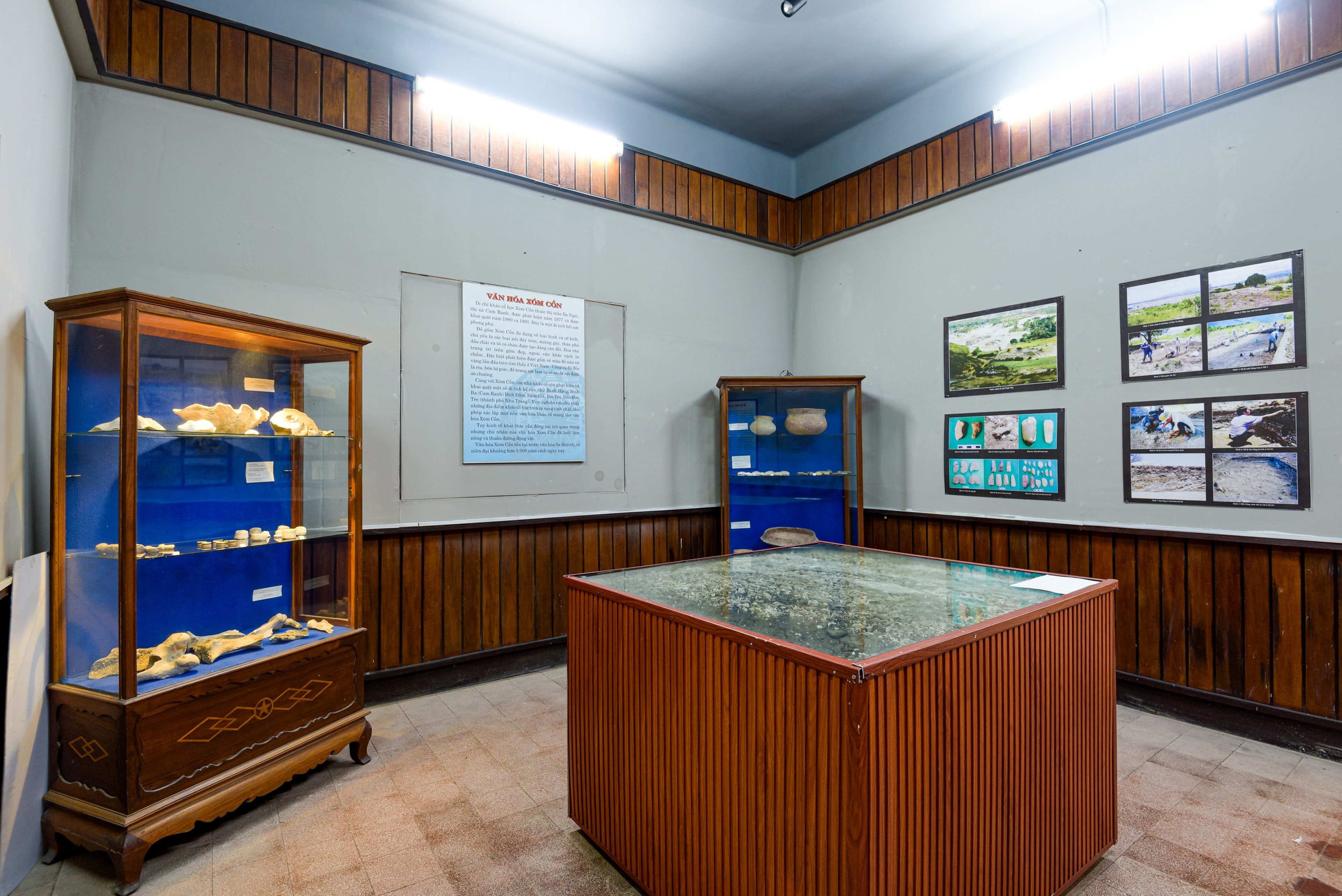
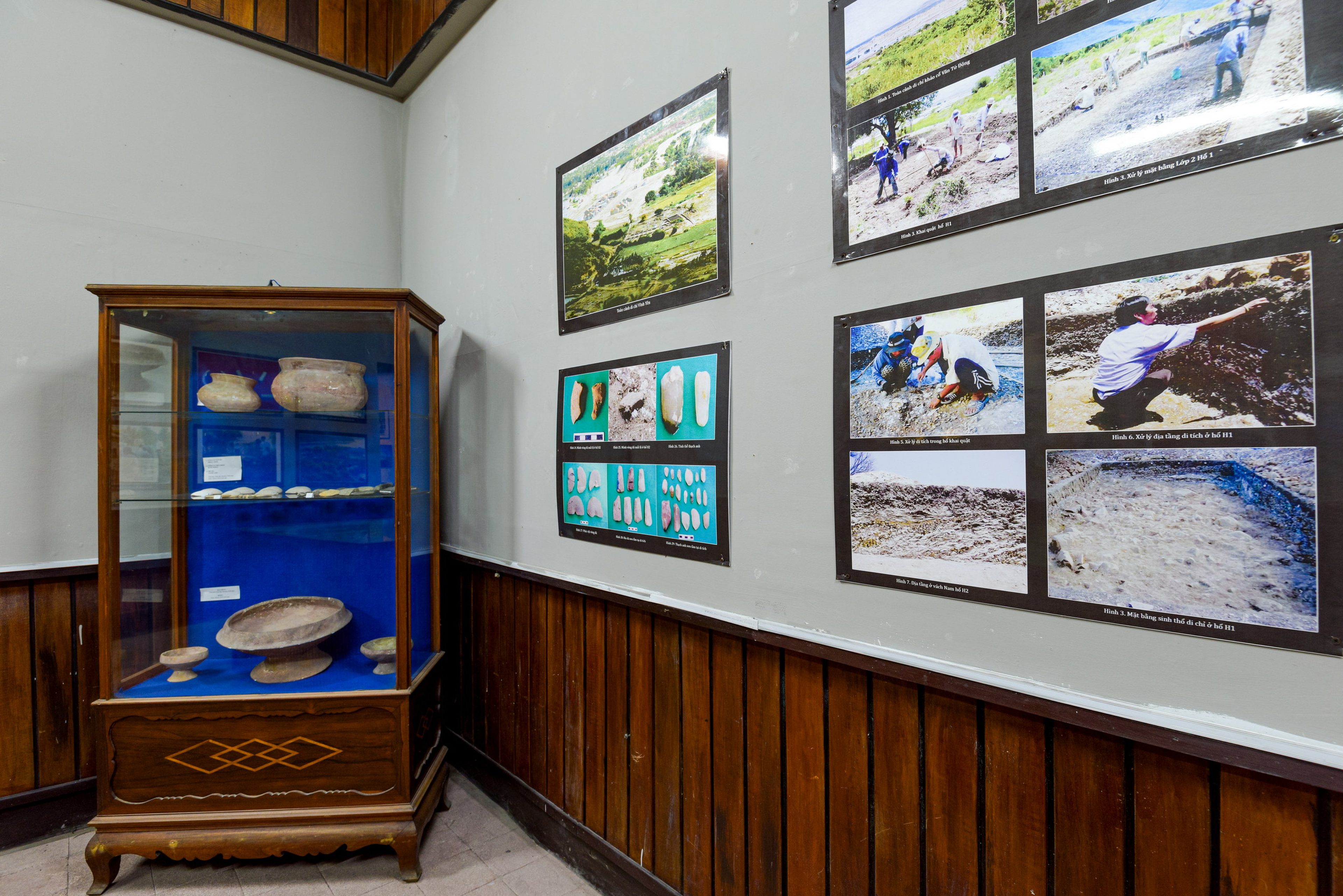
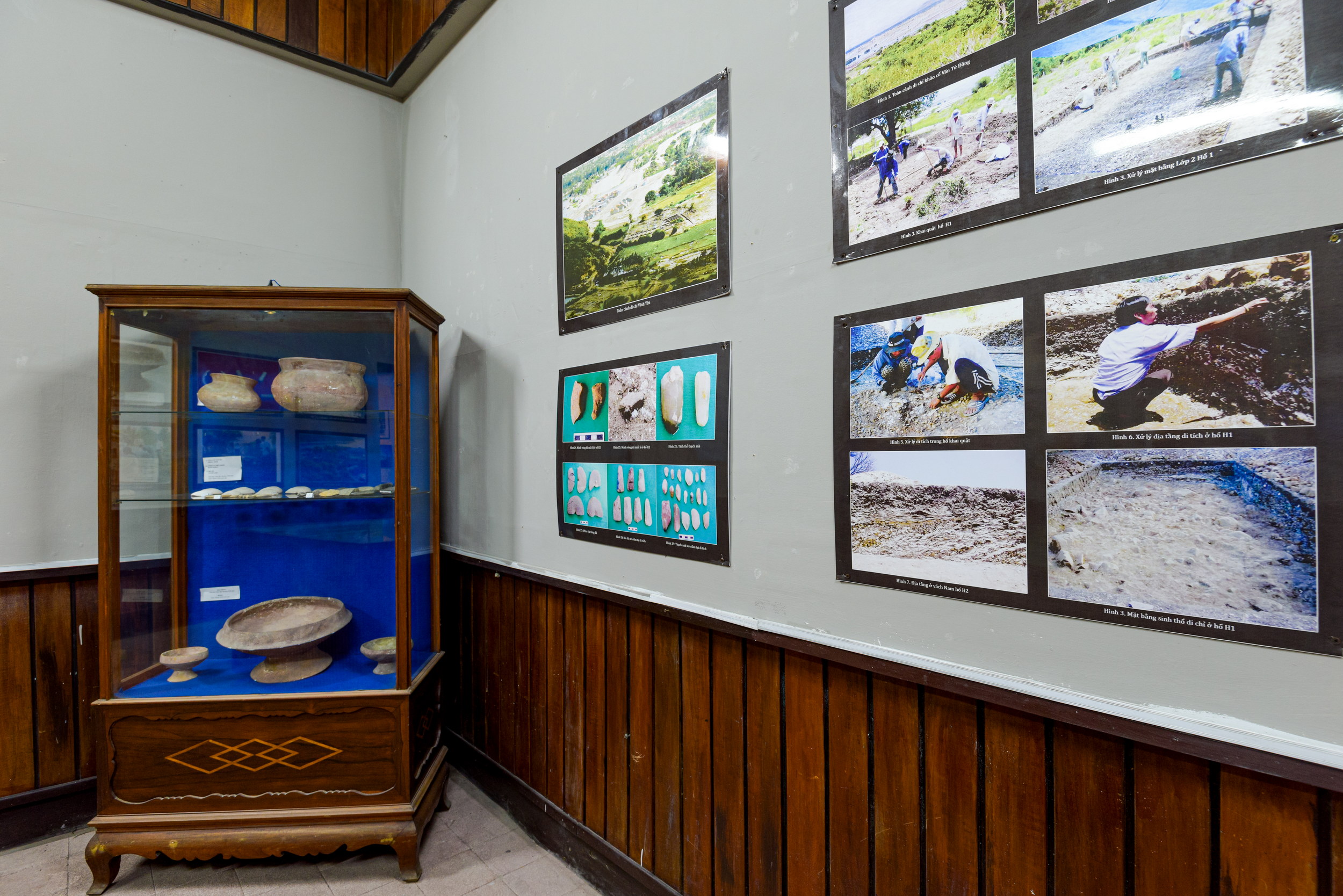
The "Sea in the Historical Process" theme introduces the role of the sea in the formation and development of the inhabitants of Khanh Hoa from prehistoric times to the present. Through documents and archaeological artifacts discovered at sites such as Xom Con, Hoa Diem, and several other coastal archaeological locations, visitors can better visualize the life of ancient people on the land of Khanh Hoa.
The artifacts, including labor tools, pottery, and jewelry crafted from shells, snail shells, fish bones, and various other marine products, demonstrate the close relationship between humans and the sea thousands of years ago. Notably, the technique of decorating pottery with shell edges is one of the standout features of the Xom Con culture, reflecting the unique marine cultural imprint of Khanh Hoa during the pre- and proto-historic periods.
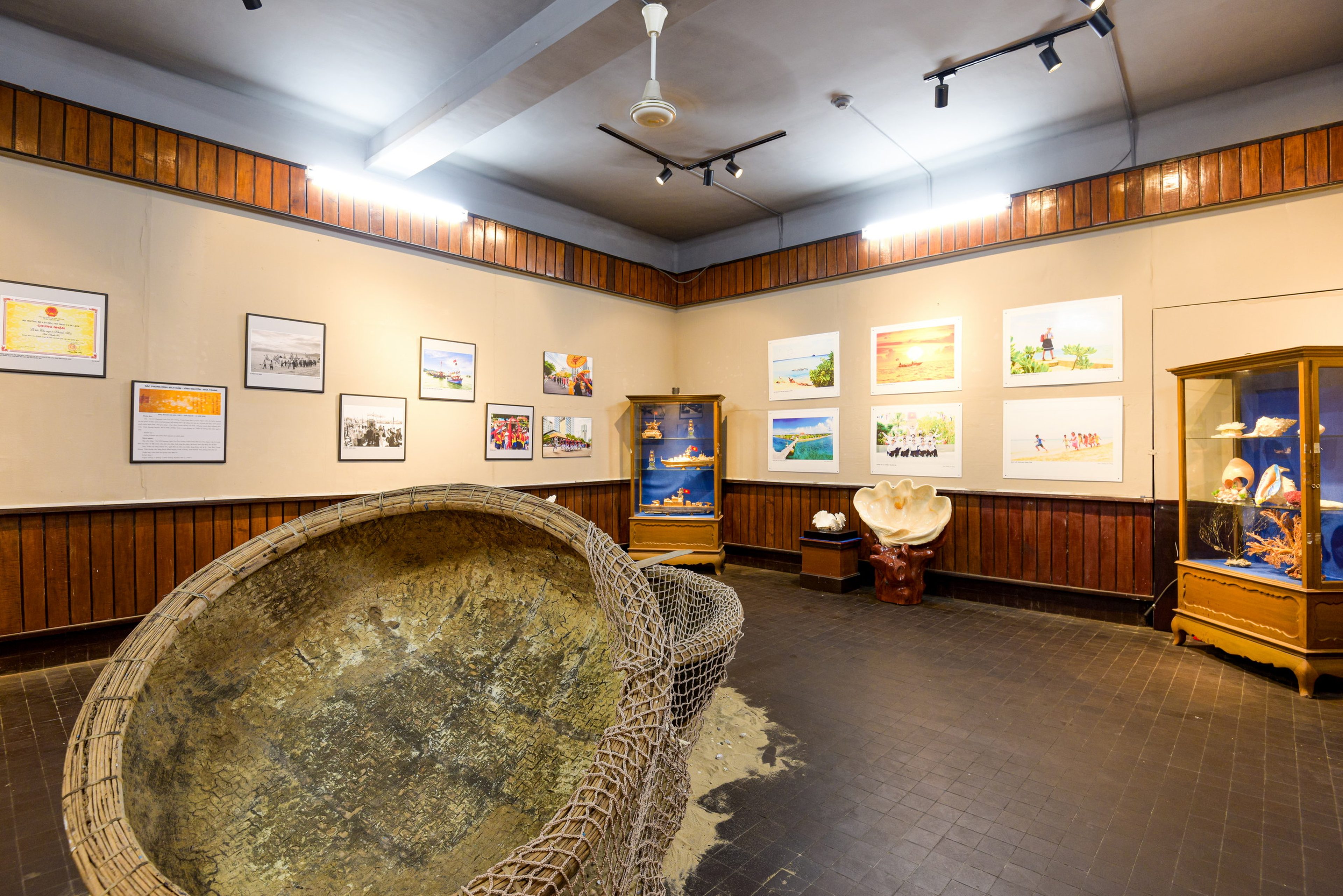
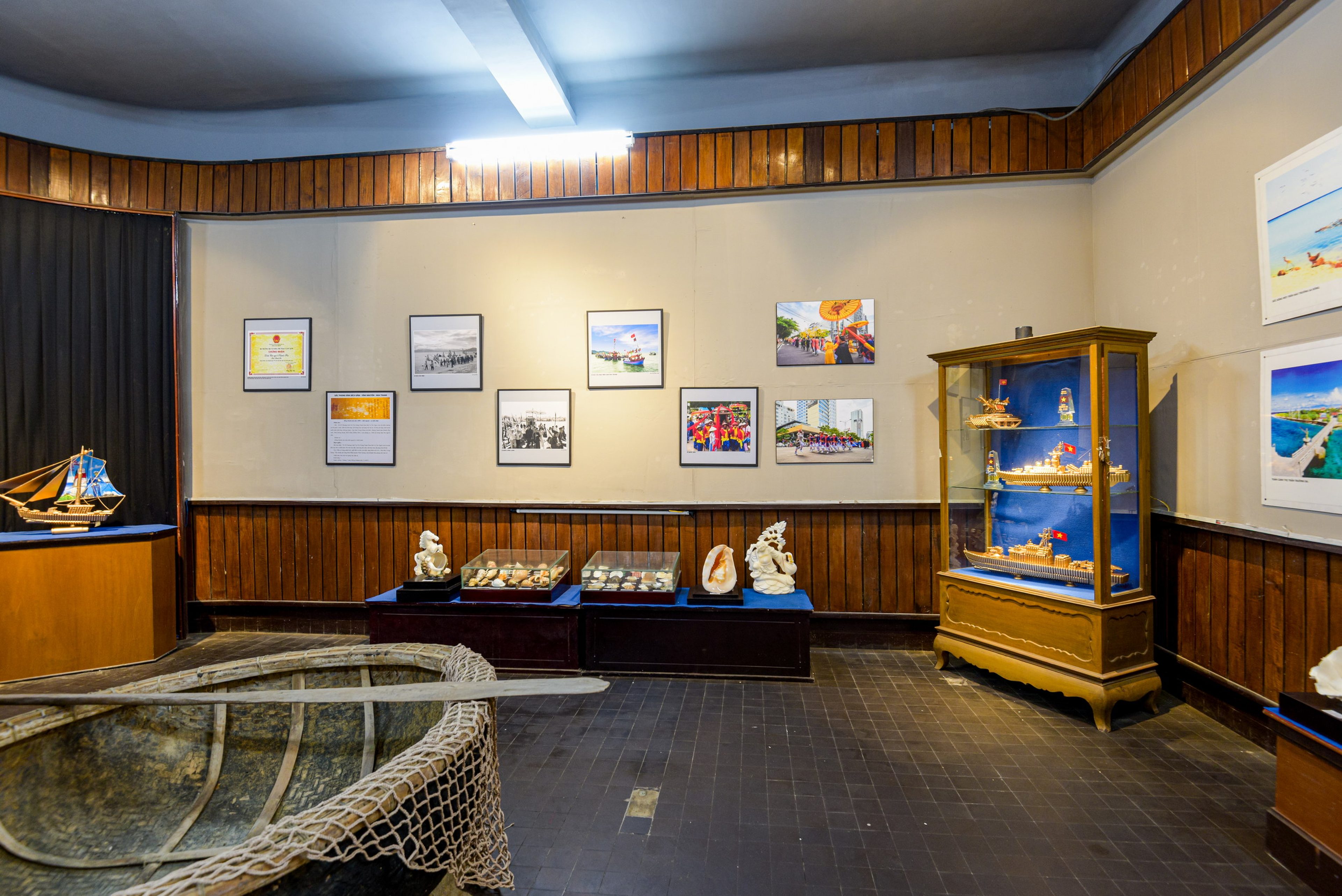
The life of Khanh Hoa's coastal residents
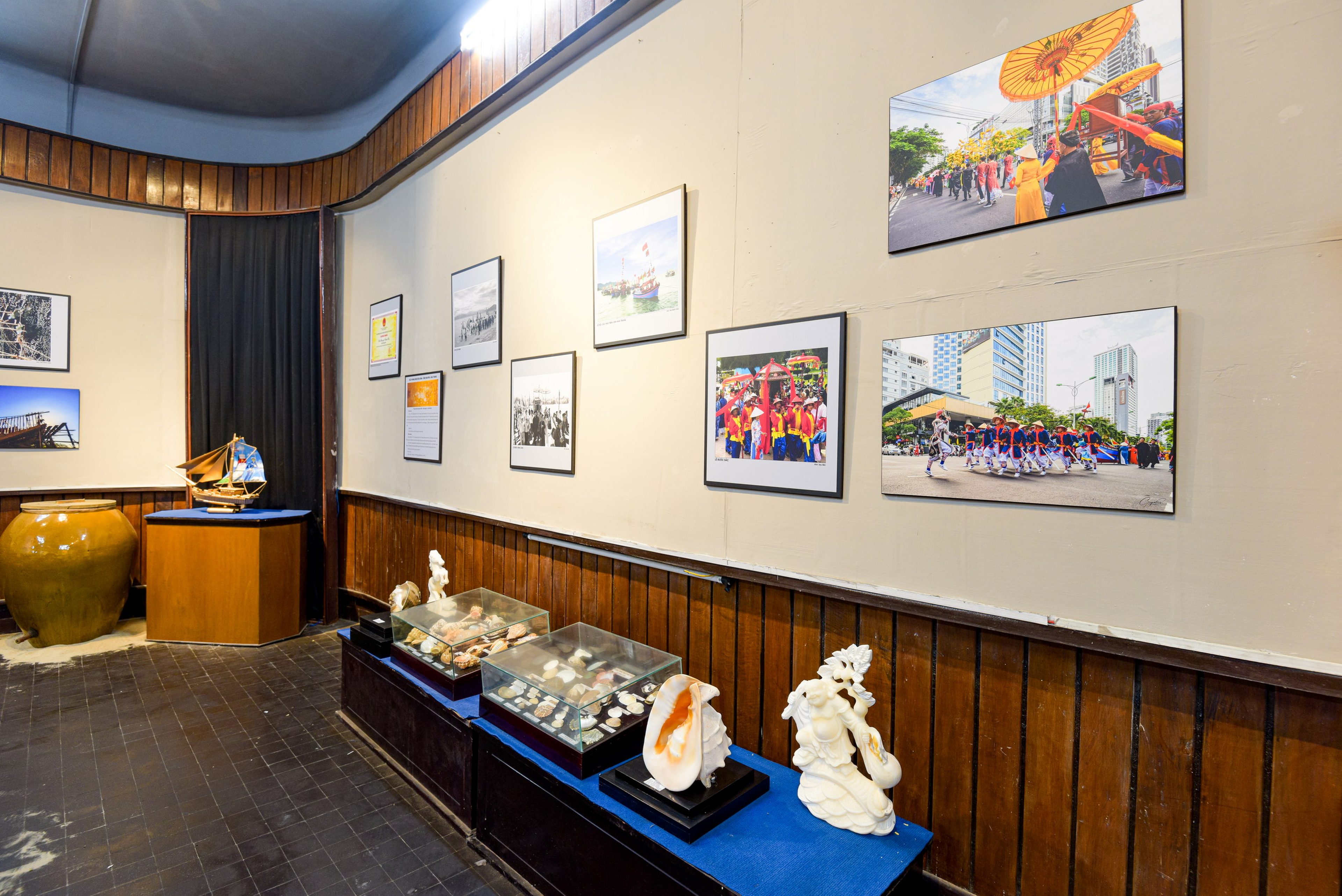
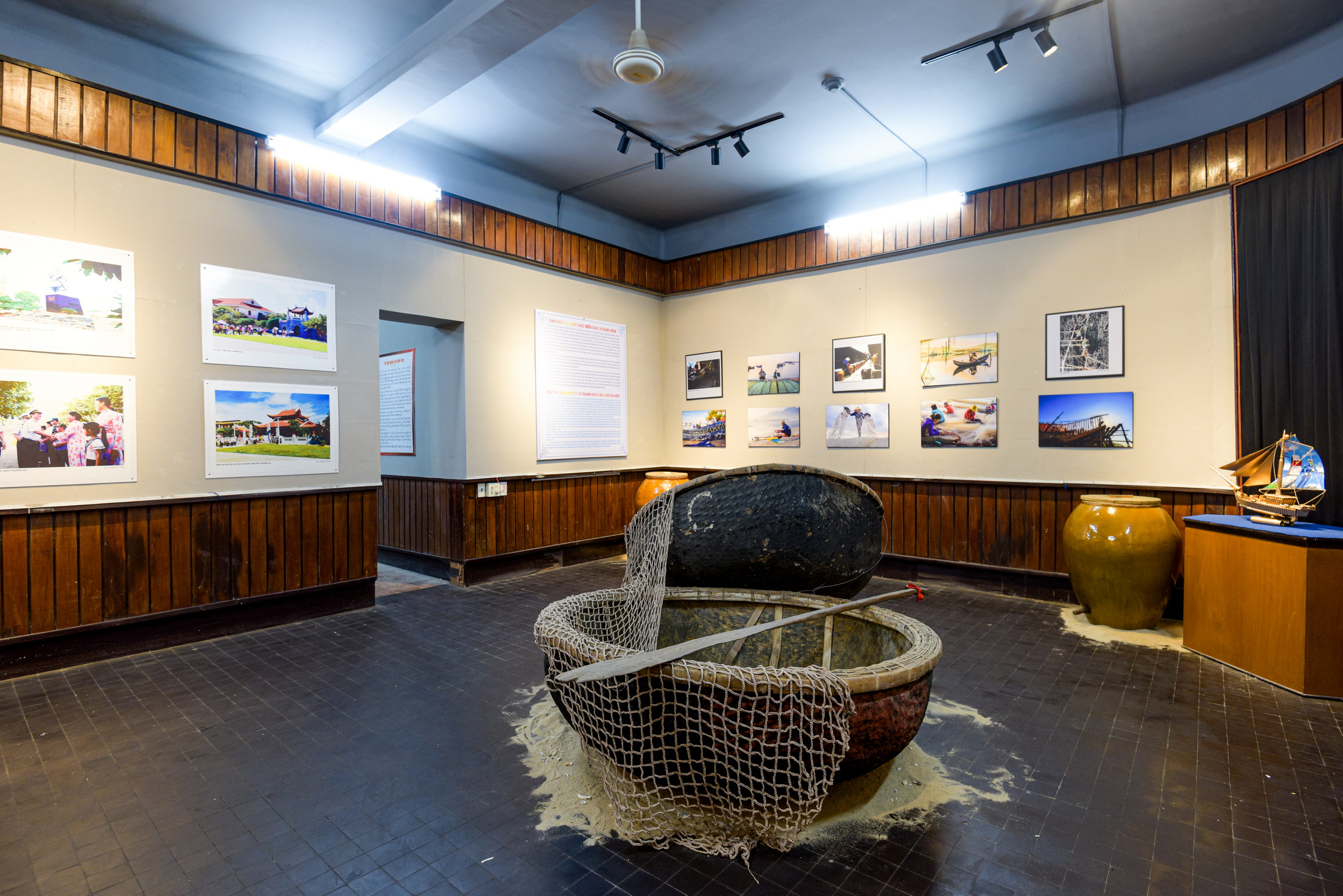
Where traditional crafts, the worship of Whale (Ca Ong), and Cau Ngu festivals tell the story of the lives of coastal dwellers
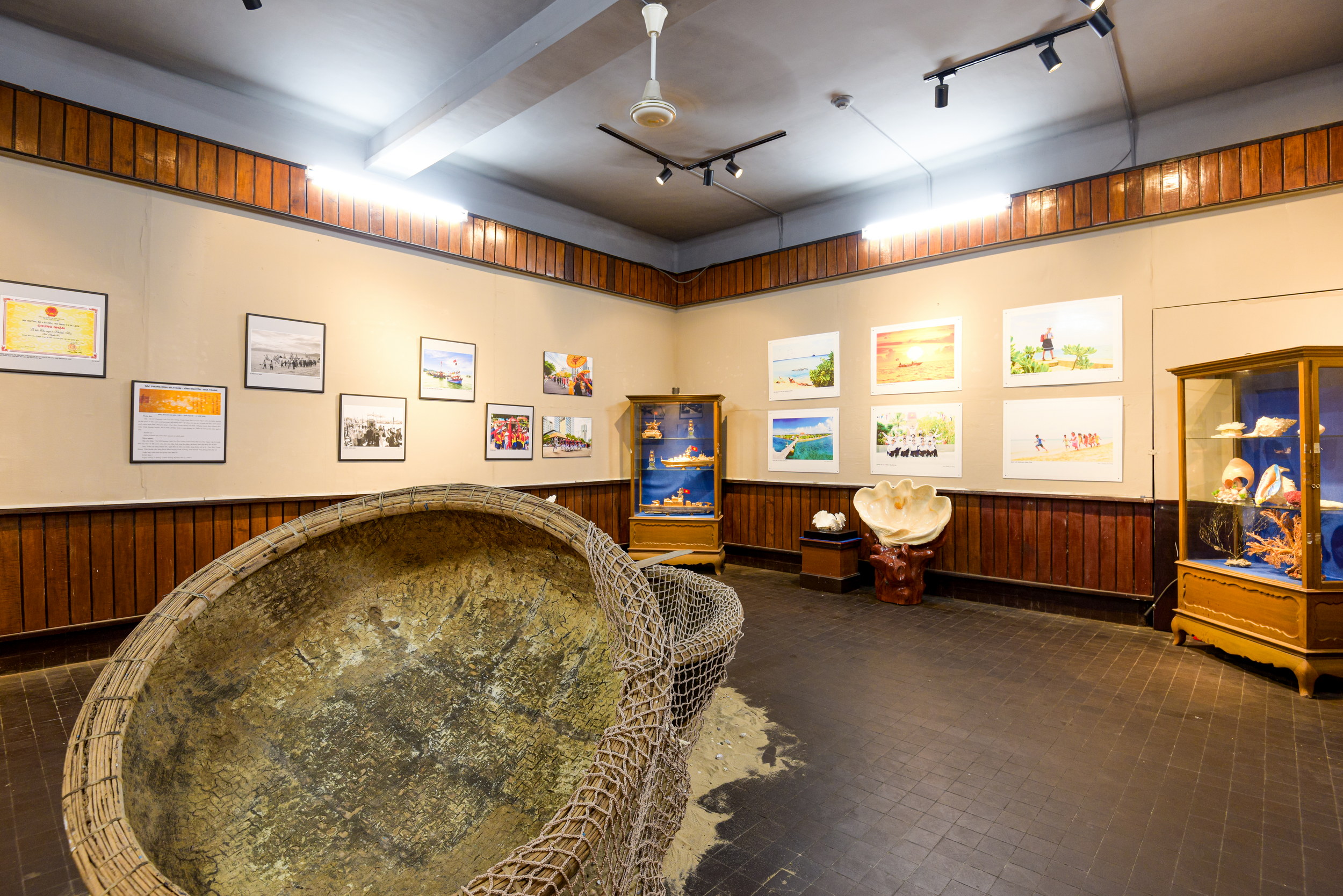
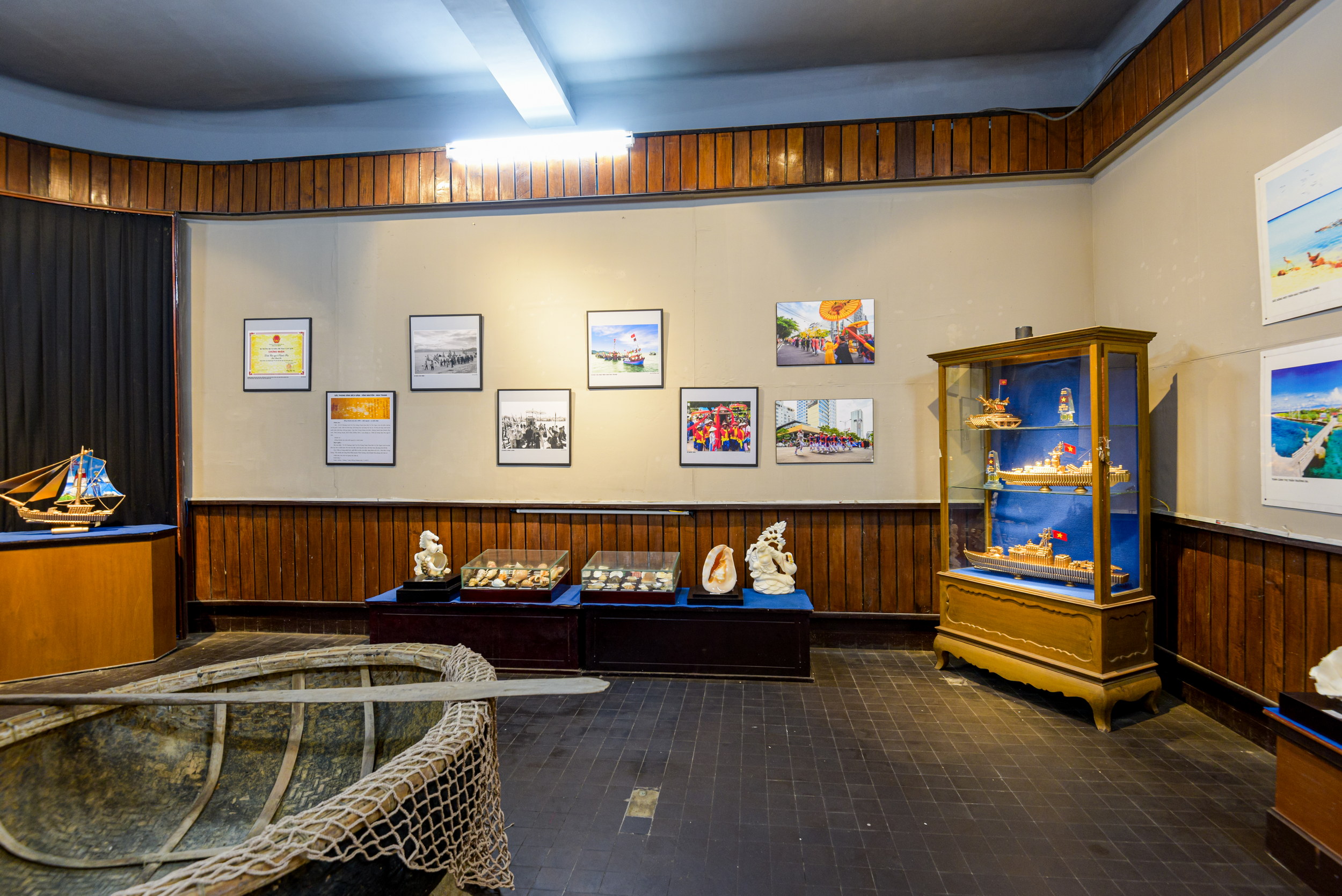
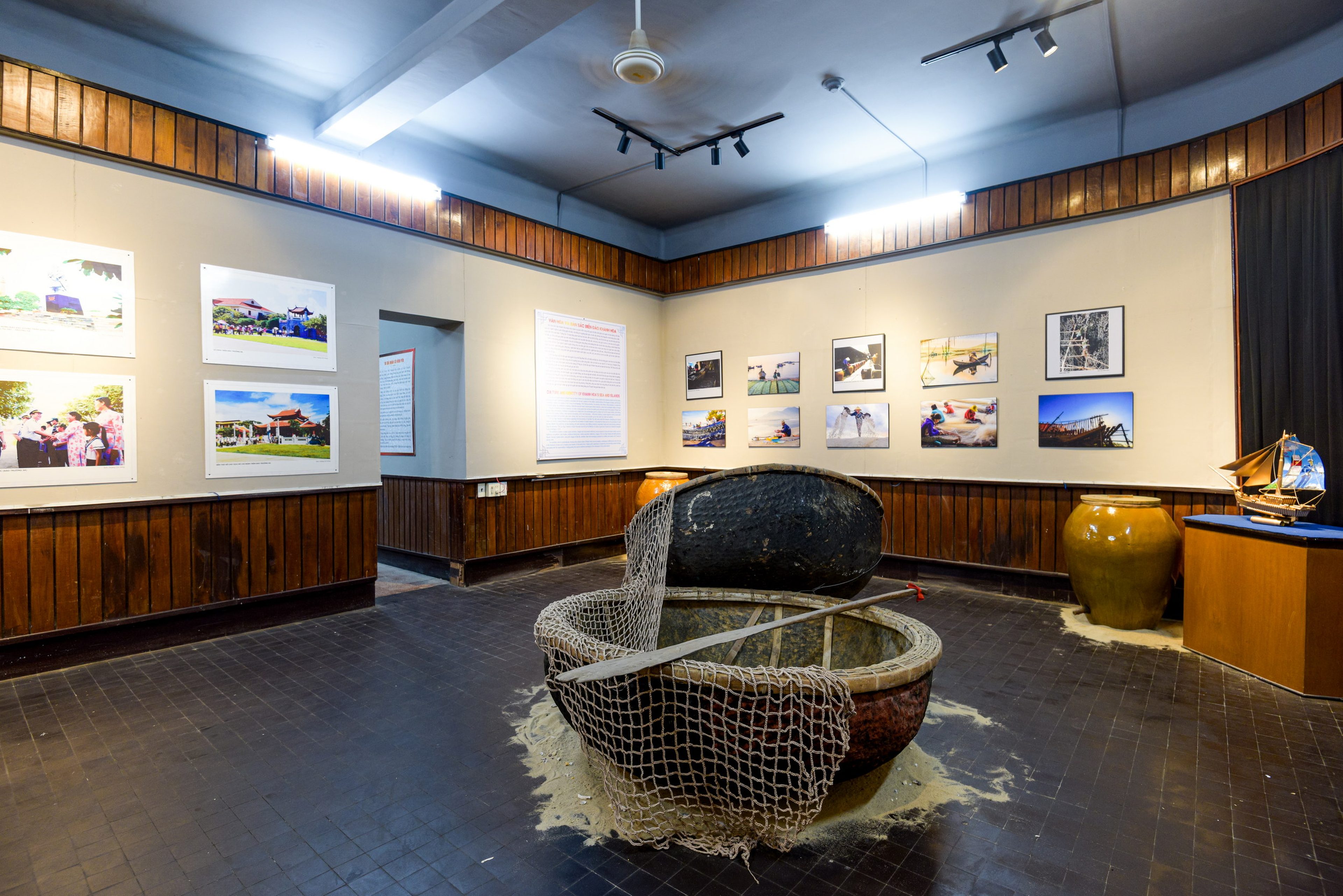
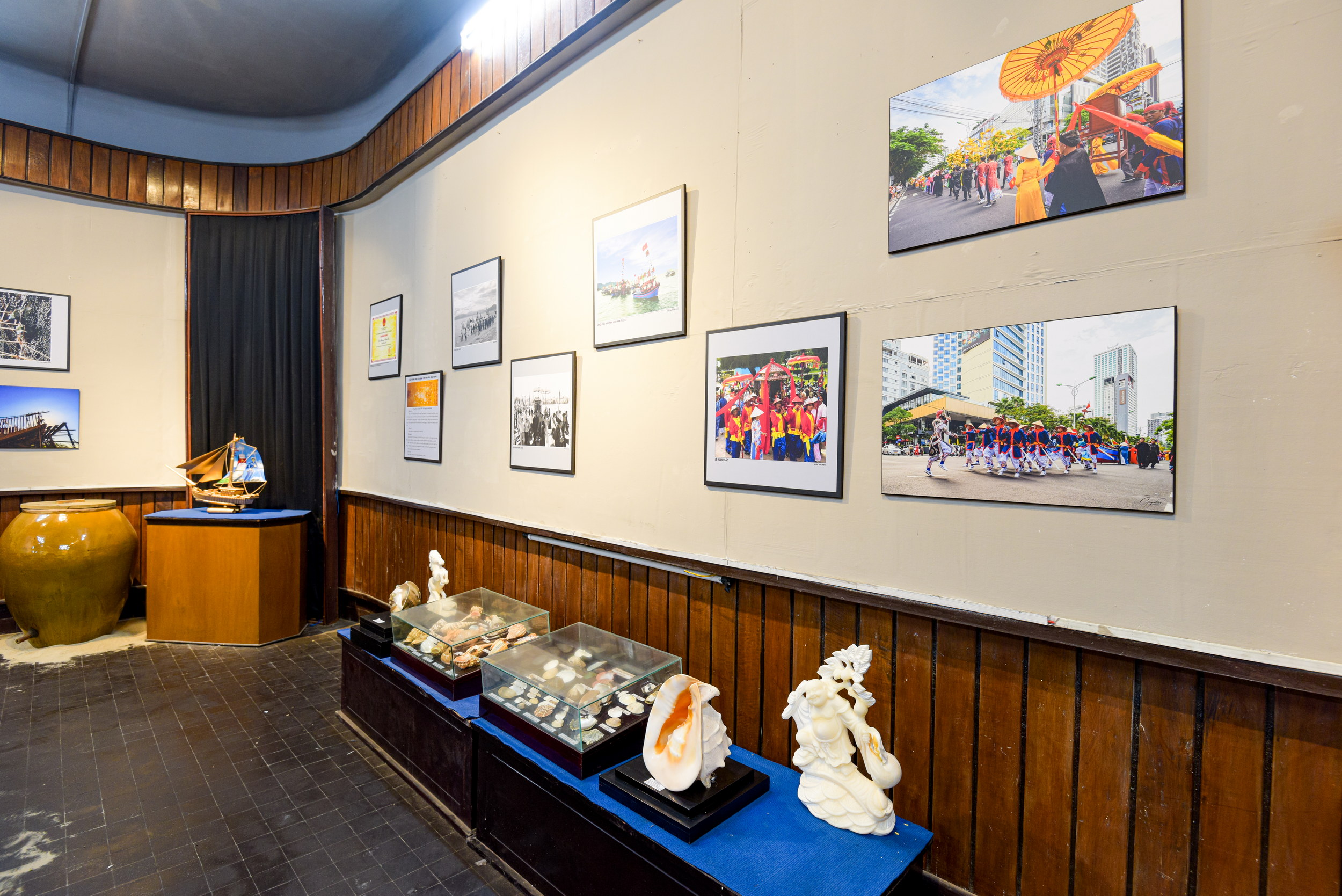
Following the archaeological content is the space introducing the cultural life of Khanh Hoa's coastal residents. Traditional occupations such as fishing, fish sauce production, salt making, boat building, dried seafood processing, and bird's nest harvesting are introduced as professions closely tied to the local people's lives through many generations. Parallel to this are unique intangible cultural values such as the Whale (Ca Ong) worship and the Cau Ngu festival. For generations, whales have been revered by fishermen as guardian deities of the sea. The Whale worship and the Cau Ngu festival have become beautiful traditional cultural features, reflecting the faith and gratitude towards the sea, and the aspirations for a peaceful and prosperous life of the coastal inhabitants.
Truong Sa – Sovereignty and Trust
A place where visitors can gain a deeper understanding of the islands, the people, and patriotism
The final stop on the tour is the area displaying images and documents about the Truong Sa (Spratly) archipelago. The exhibition presents authentic images of the lives, daily activities, study, work, and mission fulfillment of the soldiers and people on the islands of the Truong Sa district. Through this system of images, visitors can better understand the strategic position and role of Truong Sa in the cause of protecting the nation's sea and island sovereignty, while also feeling the resilient spirit, the will to overcome difficulties, and the patriotism of those standing guard night and day at the forefront of the sea.