

Tell those who come to Nha Trang’s shore,
To seek the traces of the past, visit Po Nagar Towers.
To gaze upon the boundless sea and sky,
Take a little boat out towards Hon Chong.
Hon Chong – Hon Vo
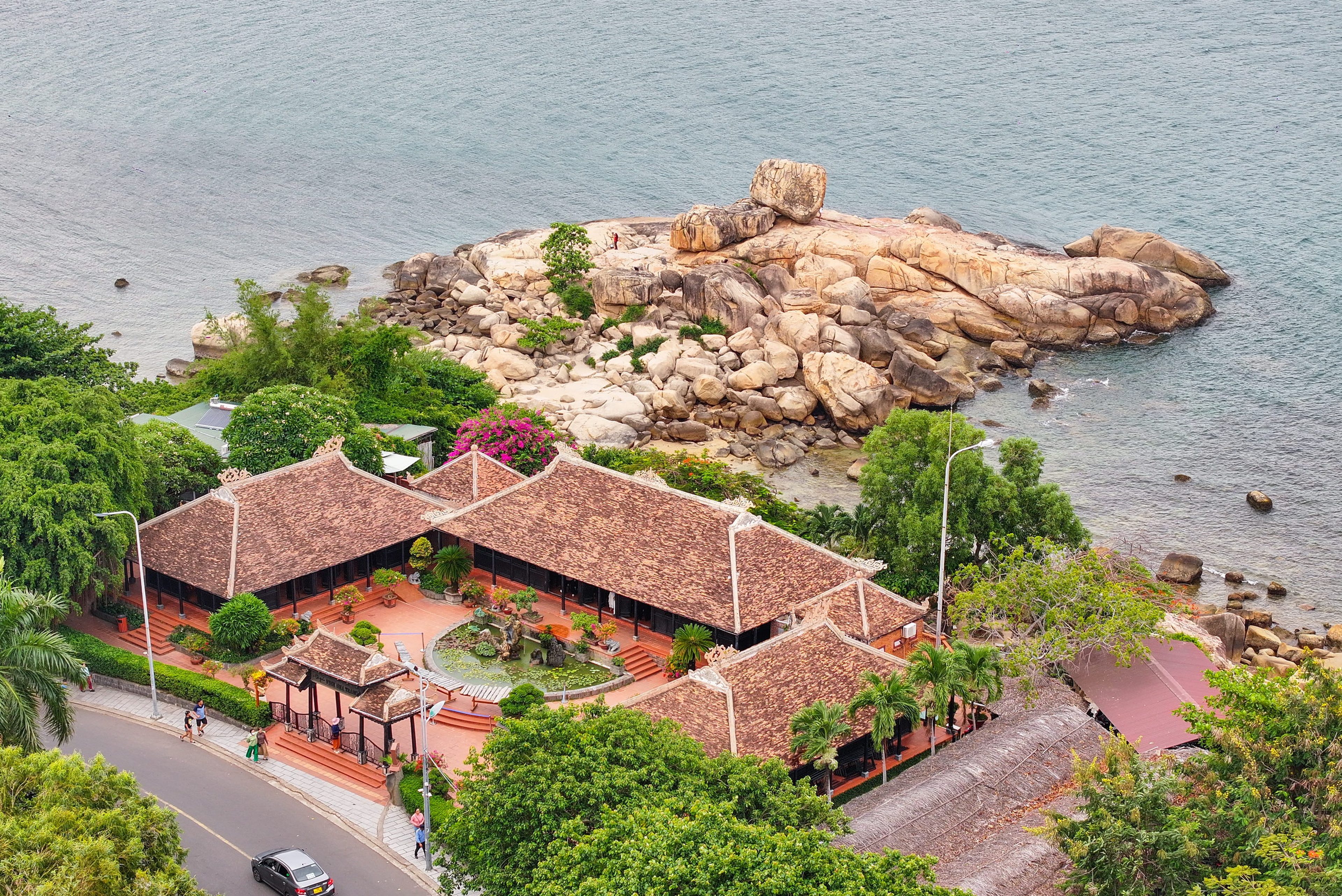
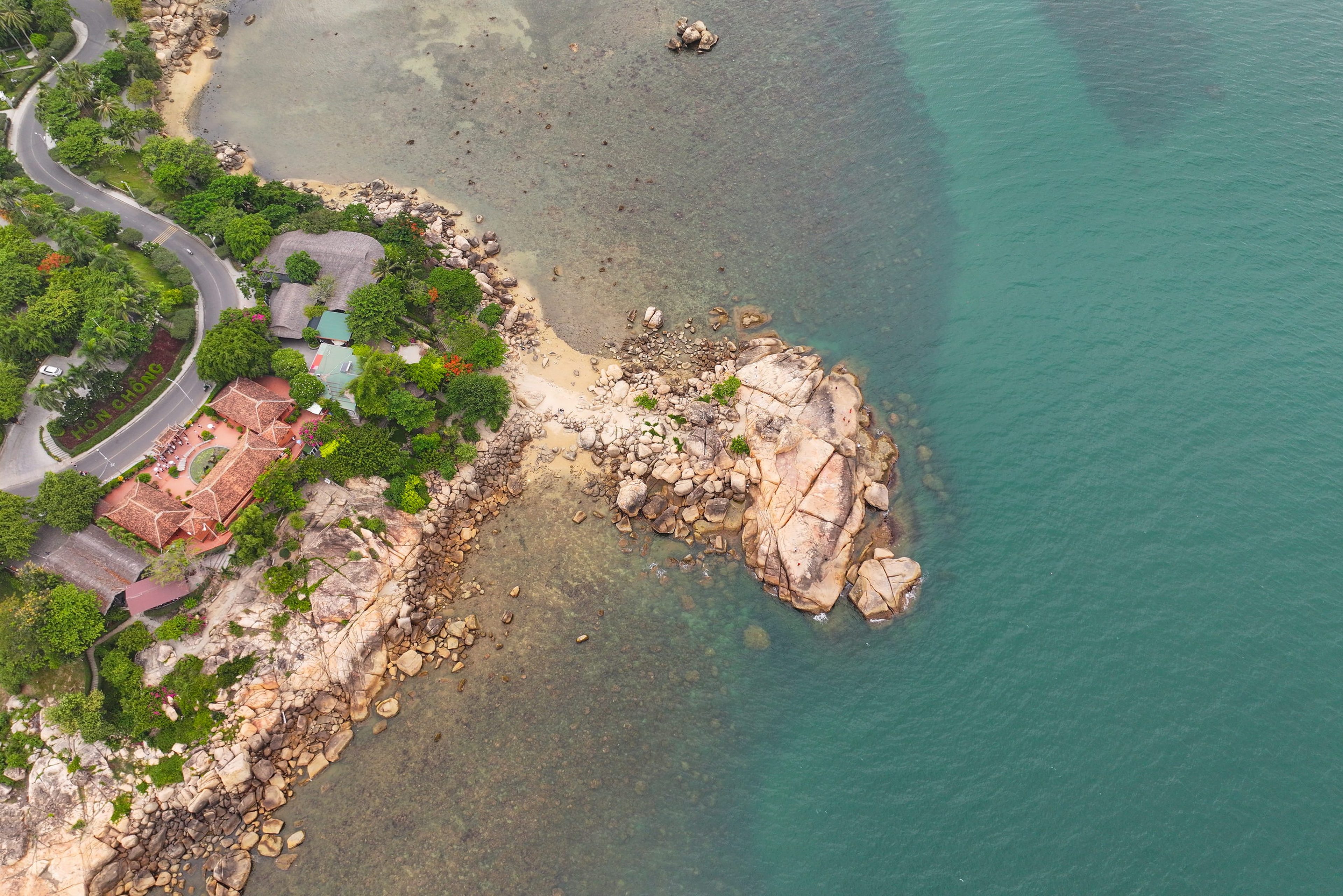
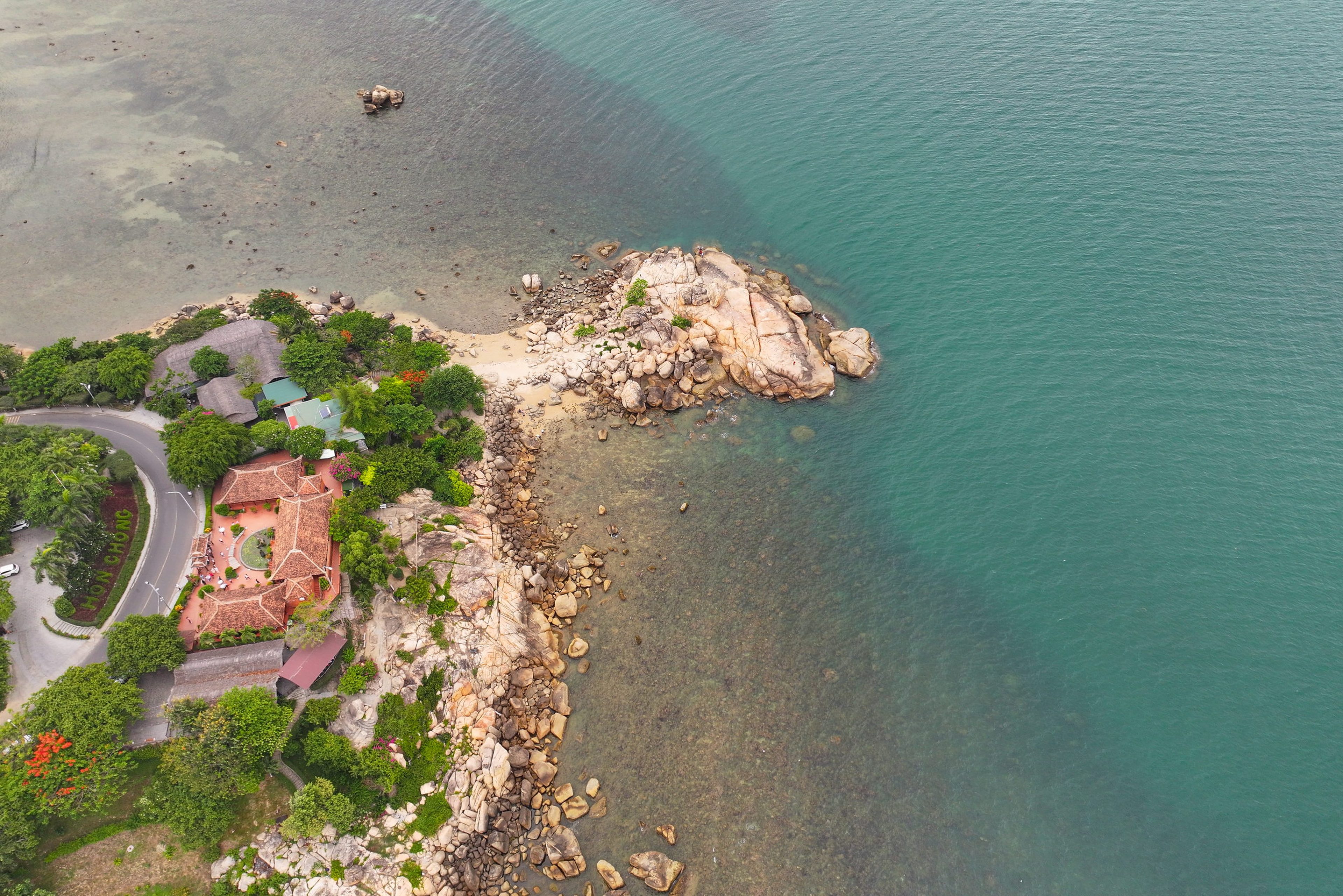
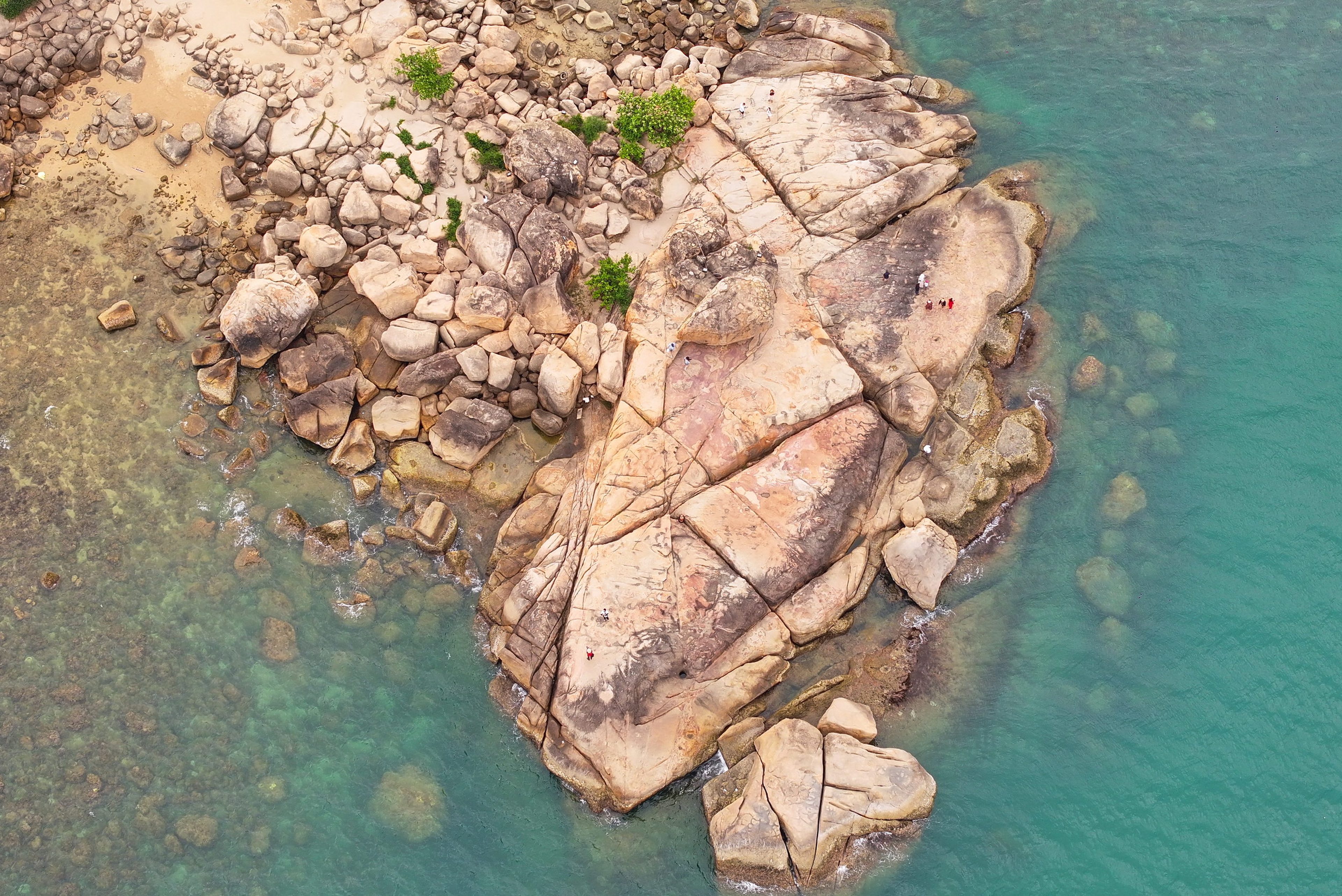
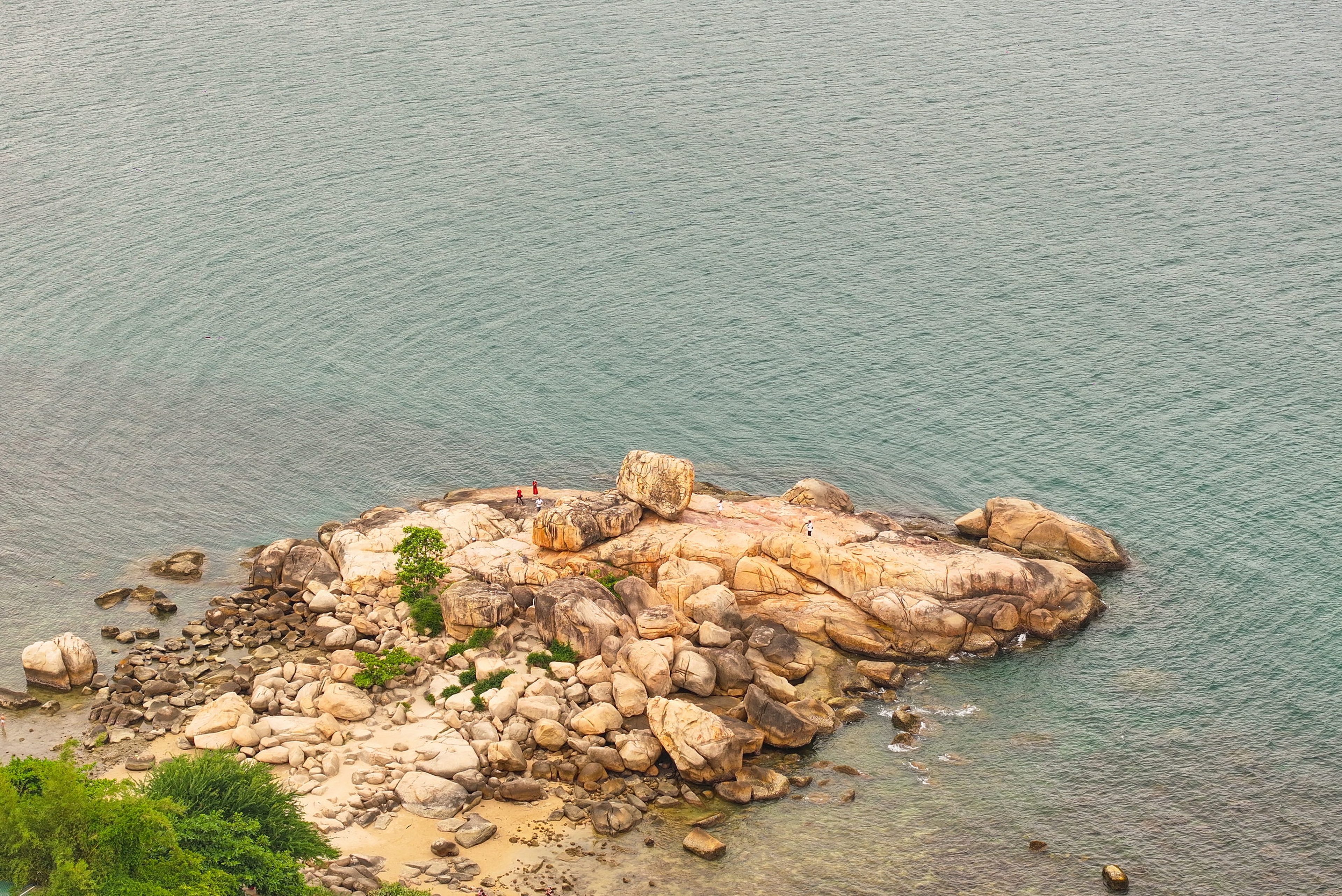
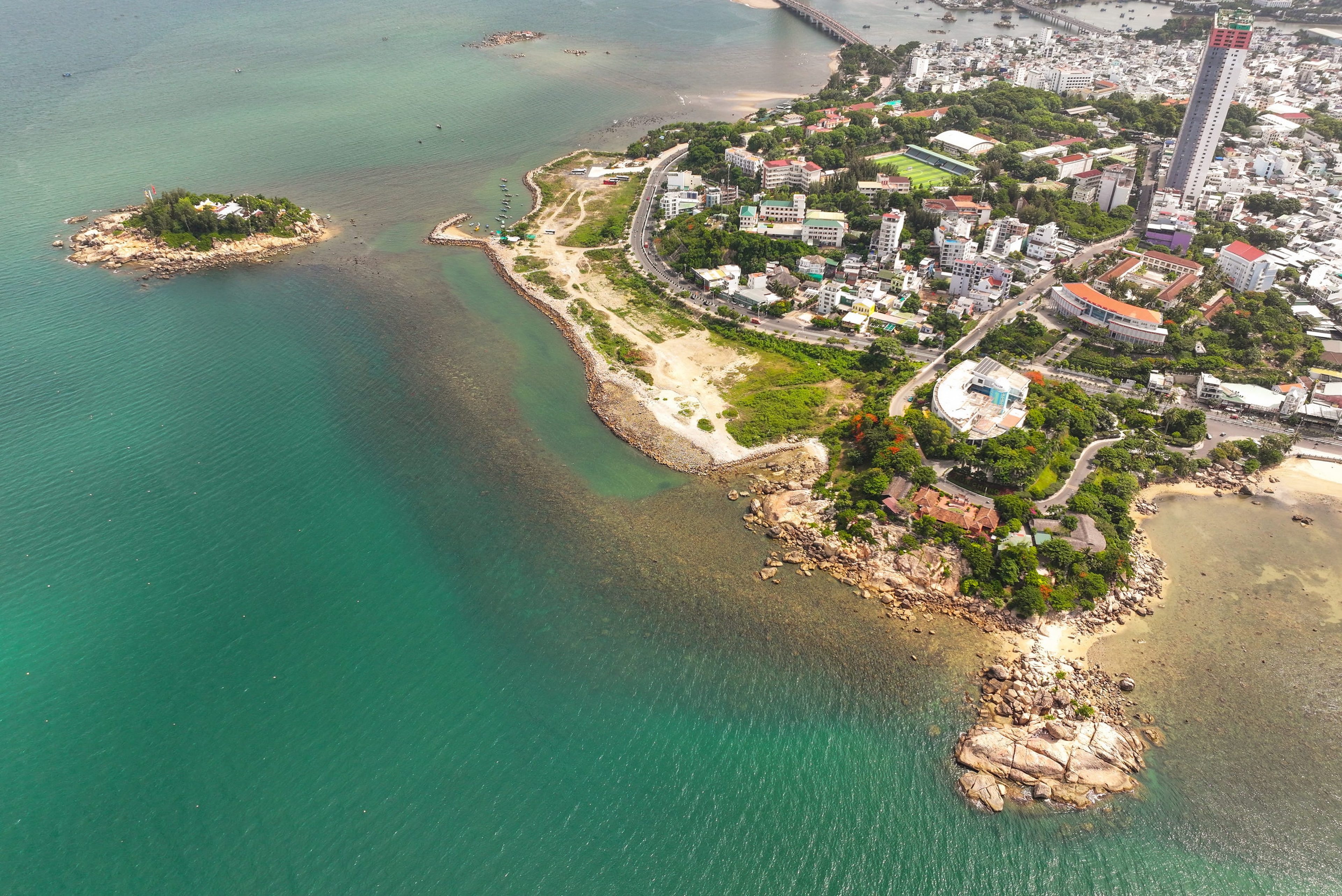
The Hon Chong – Hon Do landscape was shaped entirely by natural geological processes. Large and small rocks are stacked upon one another in multiple layers, stretching from the foot of La San Hill towards the East Sea and creating a striking composition within the natural scenery of Nha Trang Bay.
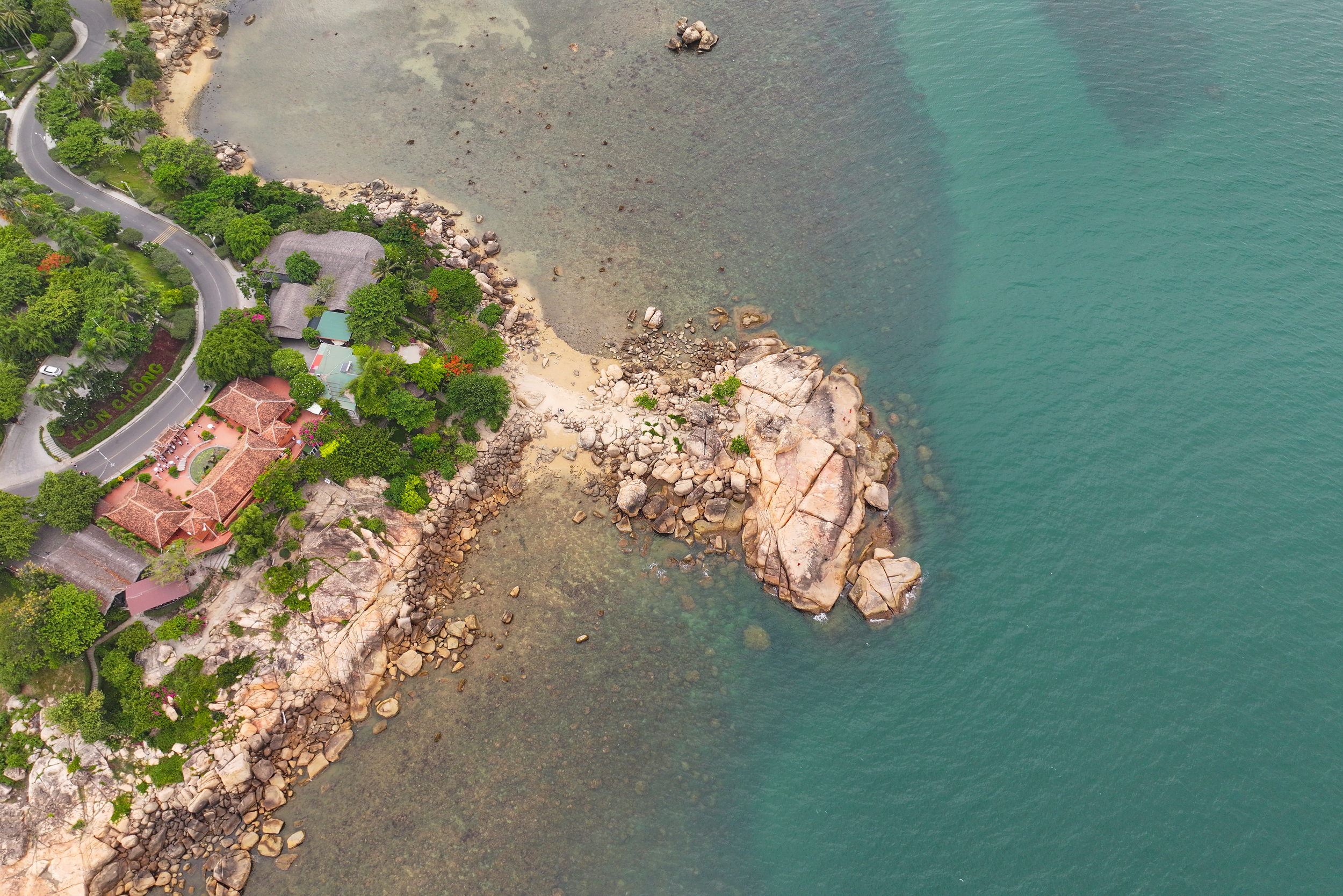
These rock formations have given rise to fascinating natural shapes, as well as beautiful, sheltered beaches protected from strong winds.
The larger group of rocks to the north is known as Hon Chong, while the smaller and lower rock formation to the south is called Hon Vo, or the Wife Rock.
Nature has arranged the uneven rocks into a series of intriguing forms known by evocative names such as the “Gateway to Heaven,” the “Hand Gripping the Rock,” the “Kiss of the Sea,” and the “Immortal Sage.” These formations have inspired many captivating folk legends rich in imagination and human values.
The largest boulder at Hon Chong is associated with two well-known legends: the story of the “Fisherman and His Wife” and the tale of the “Giant.”
Approximately 100 metres south of Hon Chong lies the smaller and more secluded Hon Vo. Viewed from a distance, it resembles a faithful wife holding her child after being turned to stone, waiting endlessly for her husband to return from the sea.
Others interpret the formation as an affectionate image of a devoted wife. Looking from Hon Vo towards Hon Chong, another rock formation resembles a plump newly hatched chick resting with its head turned towards the mainland.
Hon Do and the Surrounding Landscape
Hon Do is located approximately 300 metres southeast of Hon Chong. Its name, meaning “Red Islet,” originates from the reddish glow of its rocks when illuminated by sunlight.
The small island retains much of its unspoilt and poetic natural beauty. Red coral-vine blossoms and white frangipani flowers grow beside the large rock faces, adding vivid colours to the landscape.
From Hon Chong and Hon Do, visitors looking east can see Canh Buom Islet, or Sail Islet, as well as another island rising from the sea in the shape of a turtle, locally known as Hon Rua, or Turtle Islet.
Farther away are two islands of different sizes known as the Yen Islands. Another island resembles an upturned traditional conical hat and is therefore called Hon Non, or Conical Hat Islet.
To the southeast lies the much larger Hon Tre Island, which features many beautiful beaches. Rising like a natural defensive wall, Hon Tre helps shield the mainland from strong winds and waves. Thanks to the island’s protective position, the waters of Nha Trang Bay are generally calm and sheltered.
Looking north, visitors can see Co Tien Mountain stretching from east to west. Its outline resembles a young woman lying on her back beneath the sky, with her long hair flowing towards the sea.
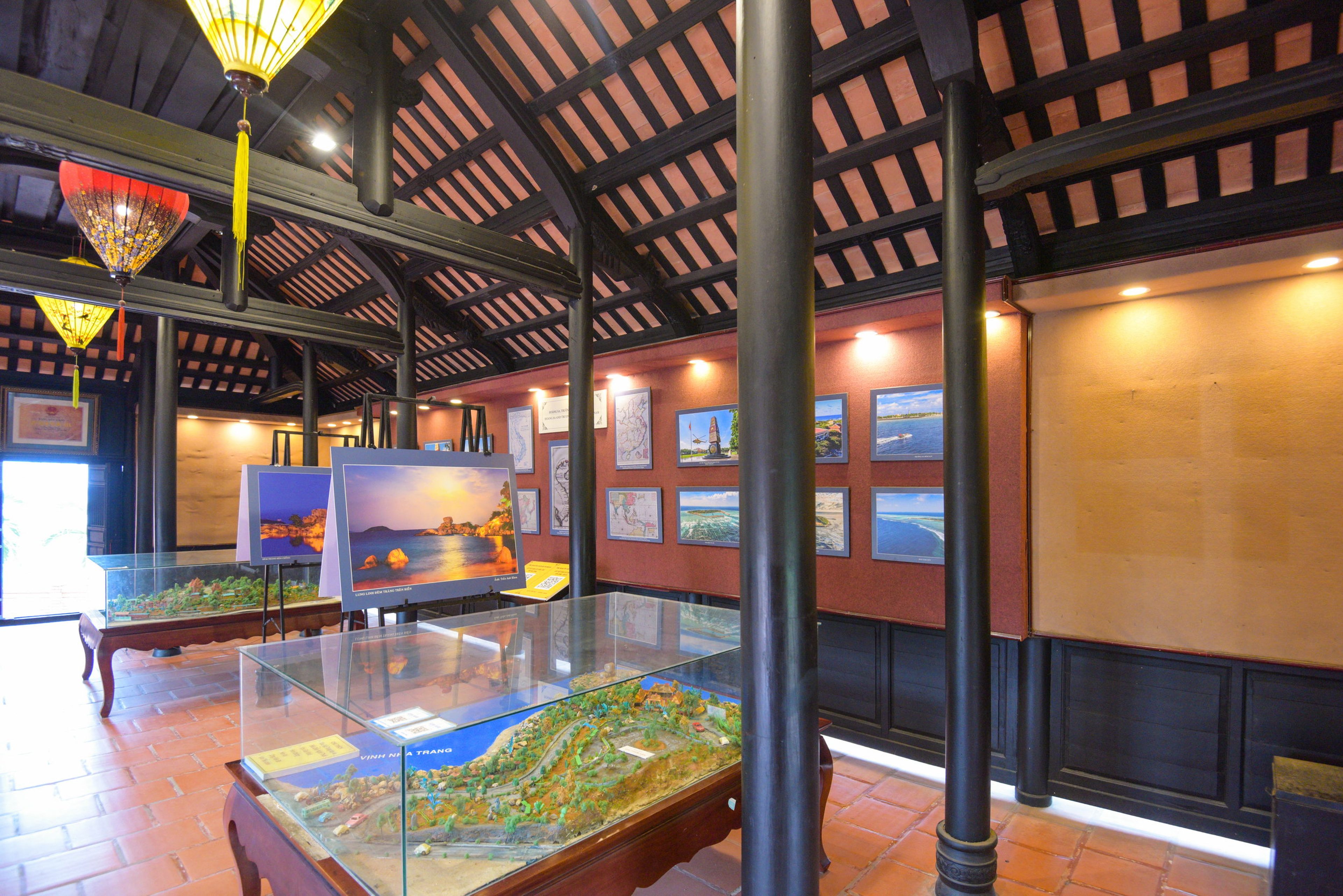
Nha Trang Bay Assembly Hall
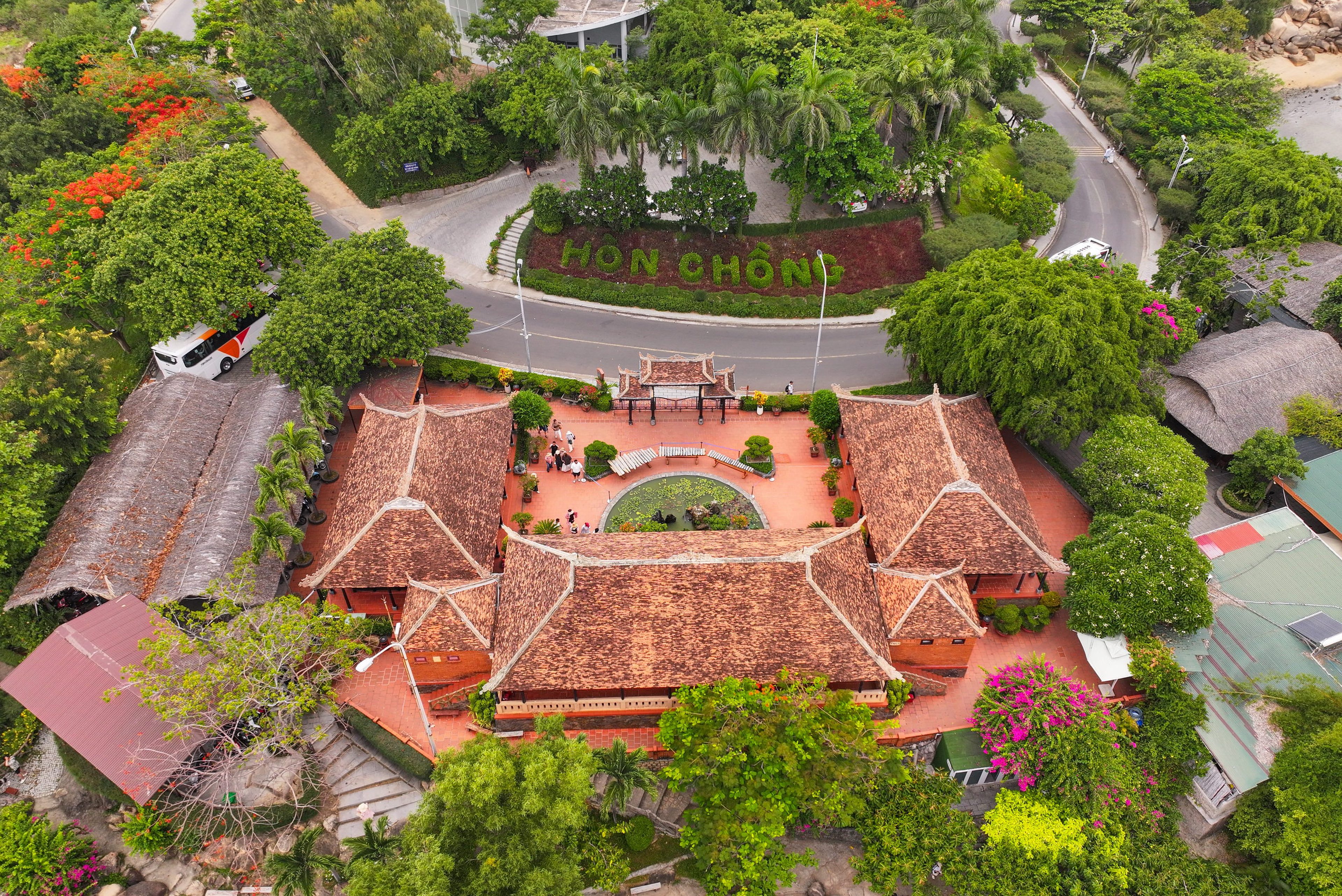
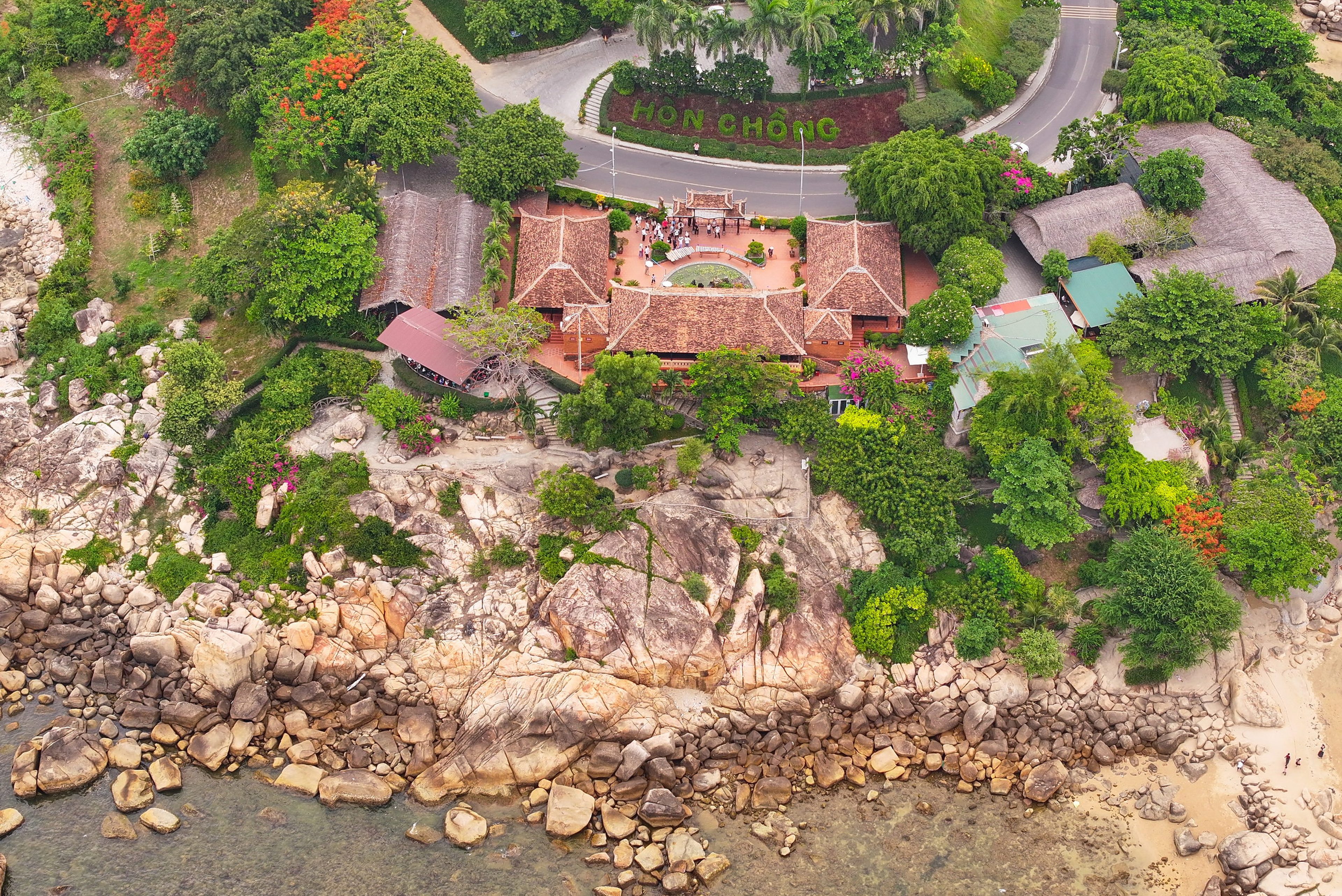
In 2005, Nha Trang hosted a thematic conference of the Club of the Most Beautiful Bays of the World. To welcome the event, Khanh Hoa Province constructed the Nha Trang Bay Assembly Hall at the Hon Chong Scenic Site.
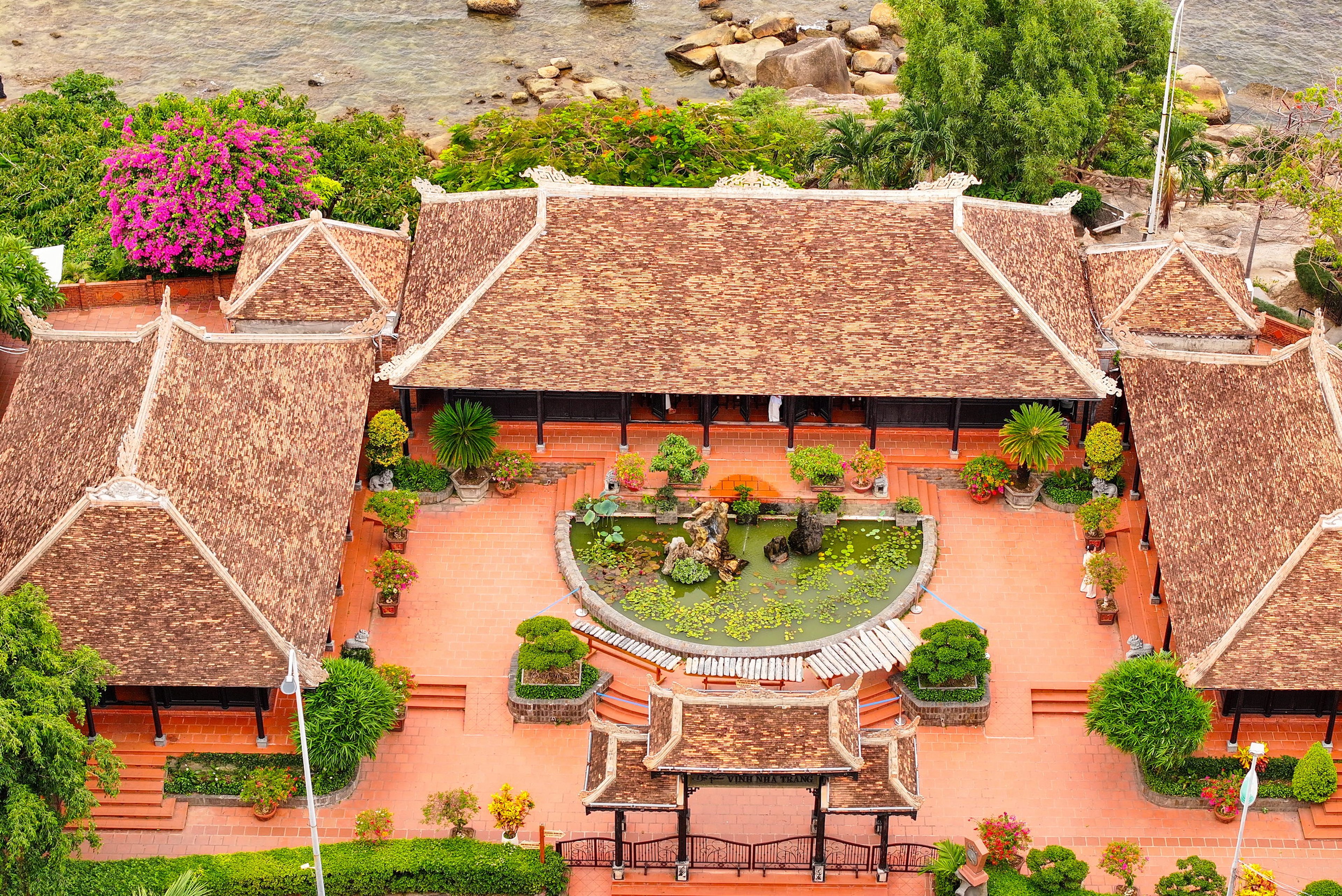
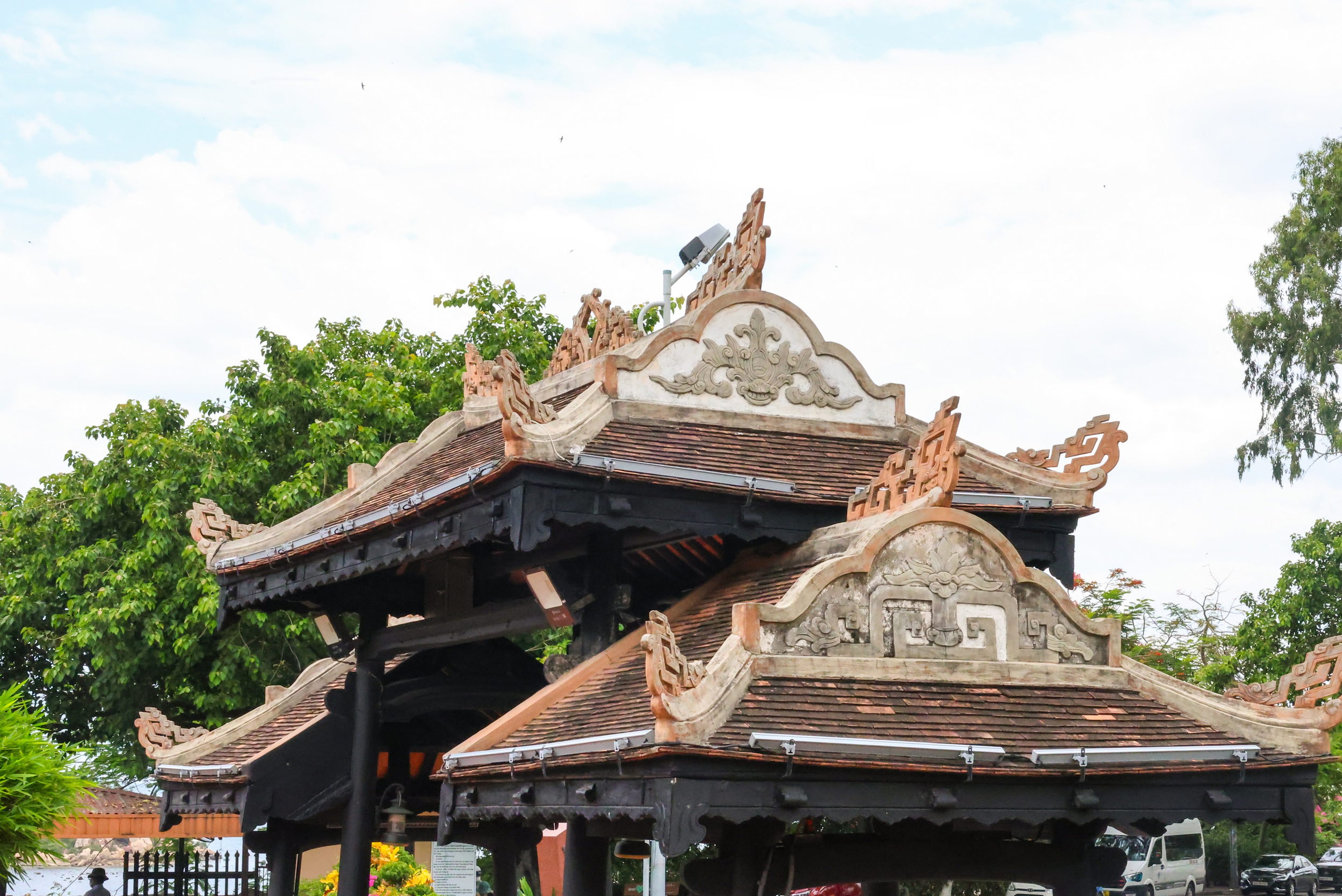
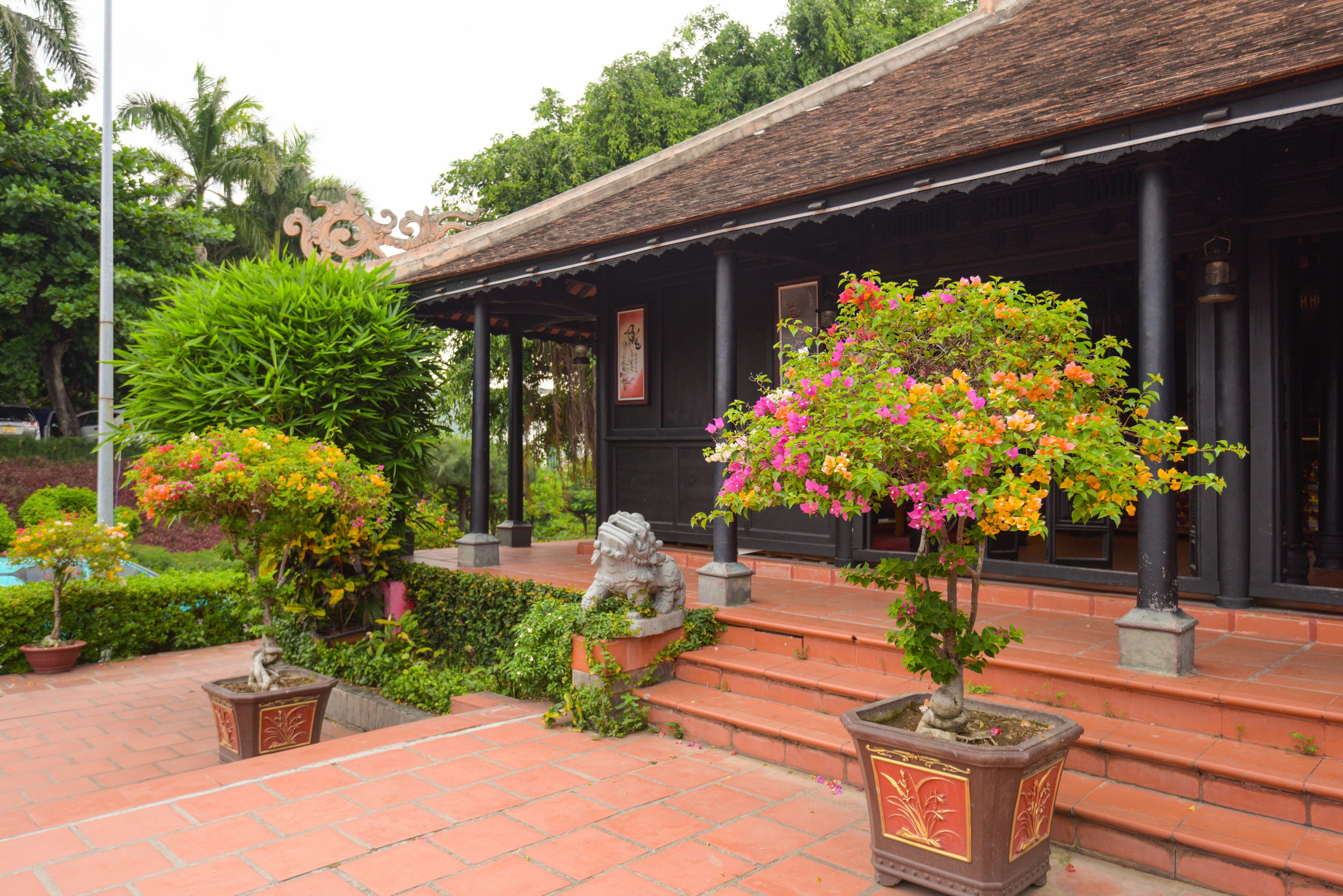
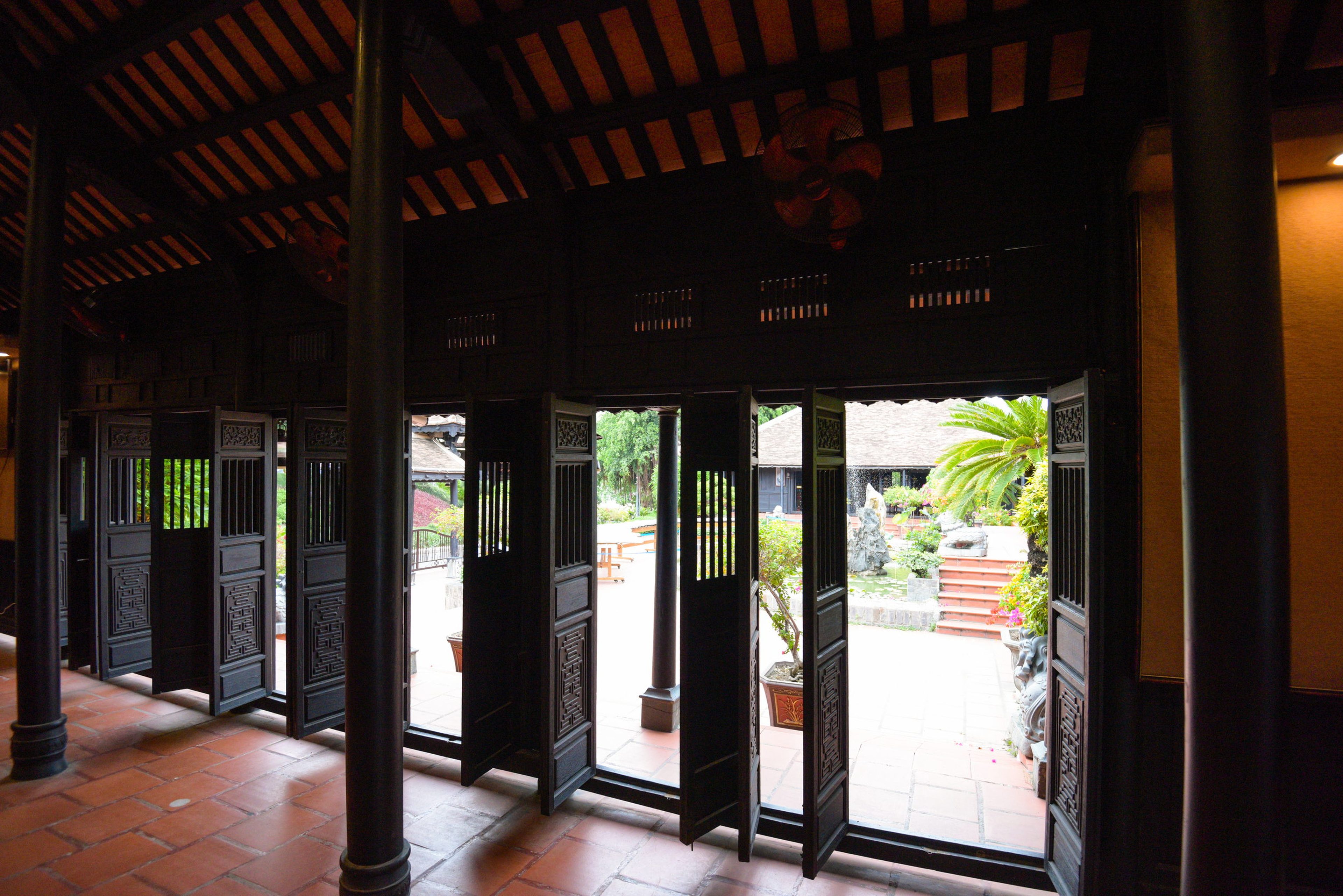
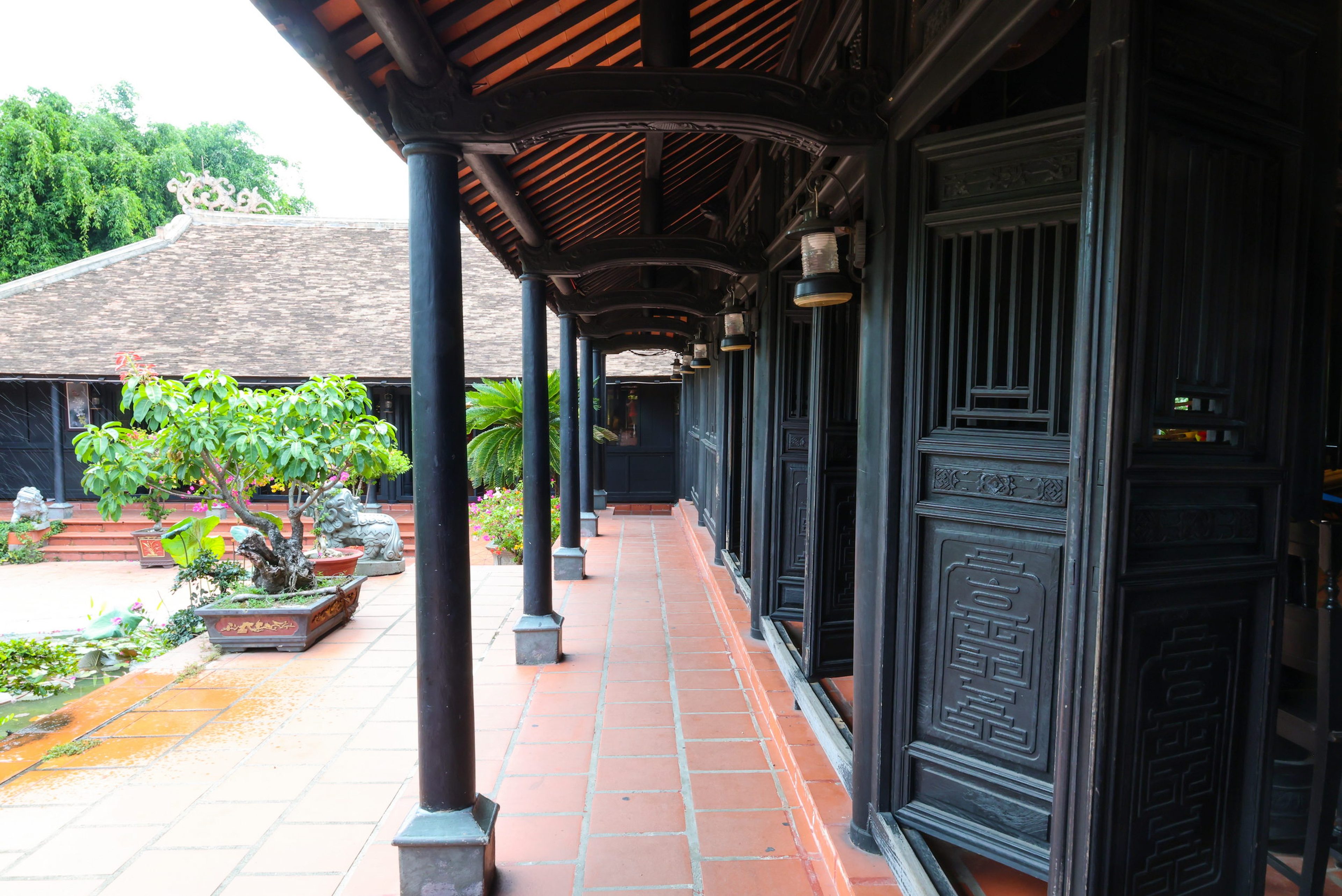
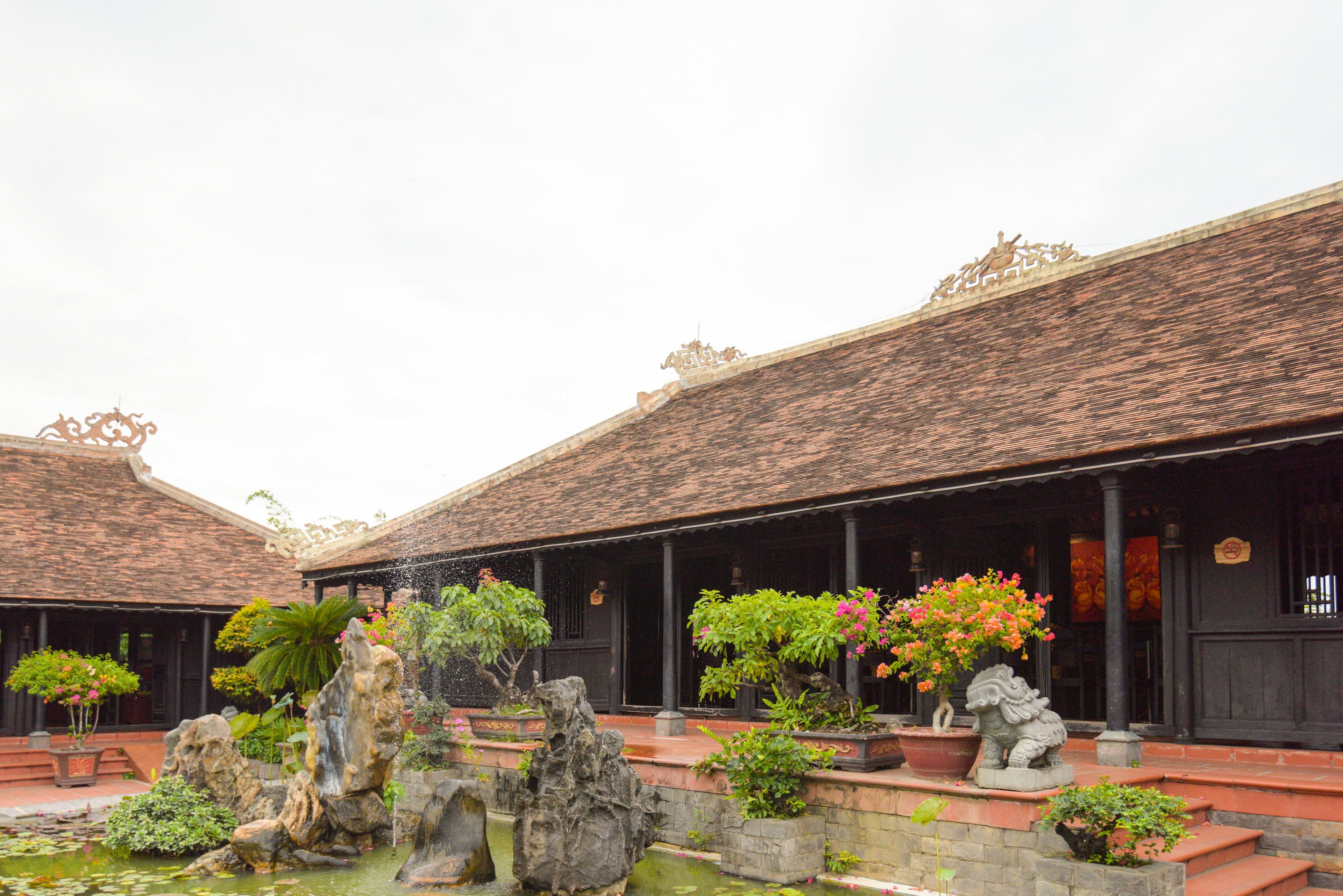
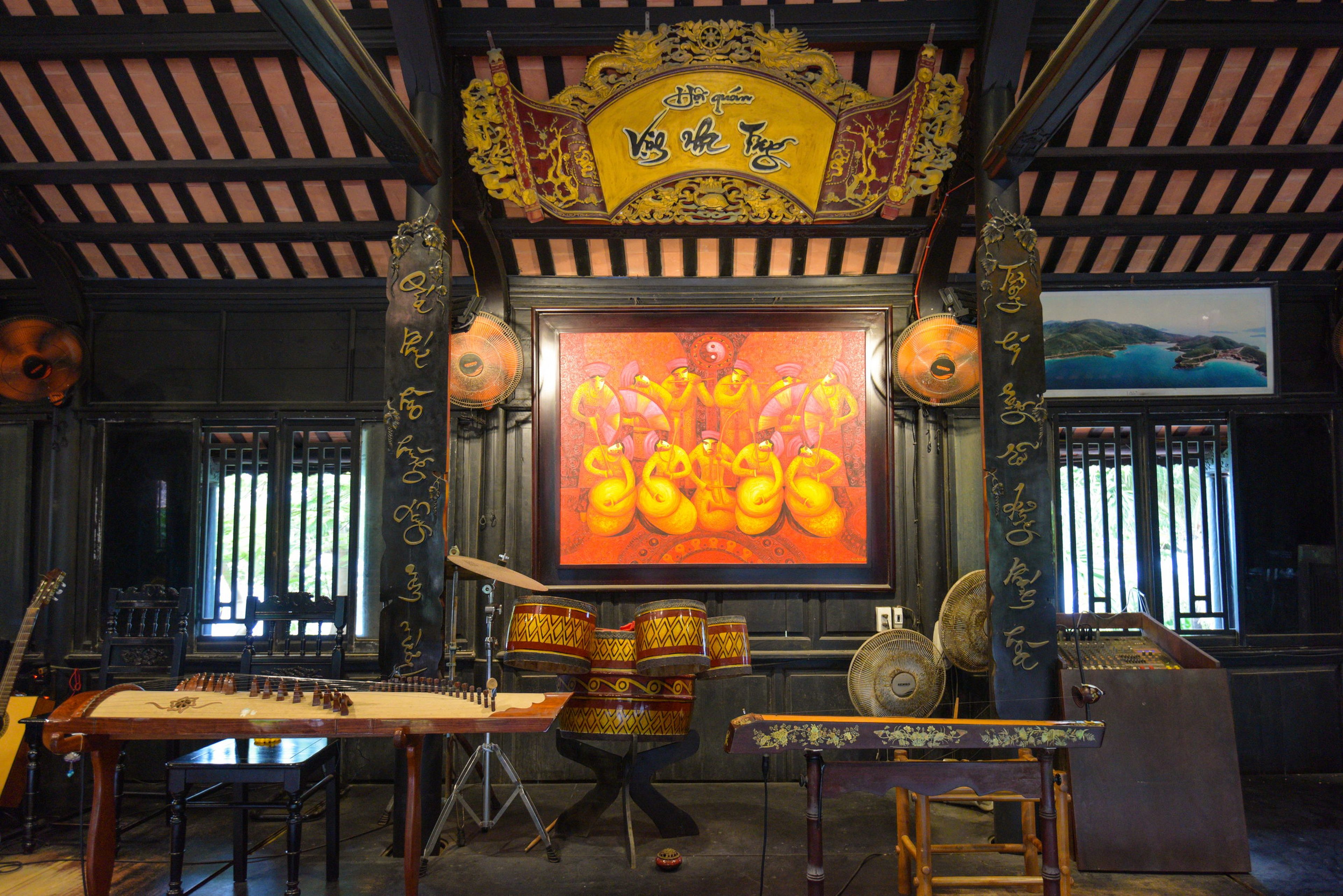
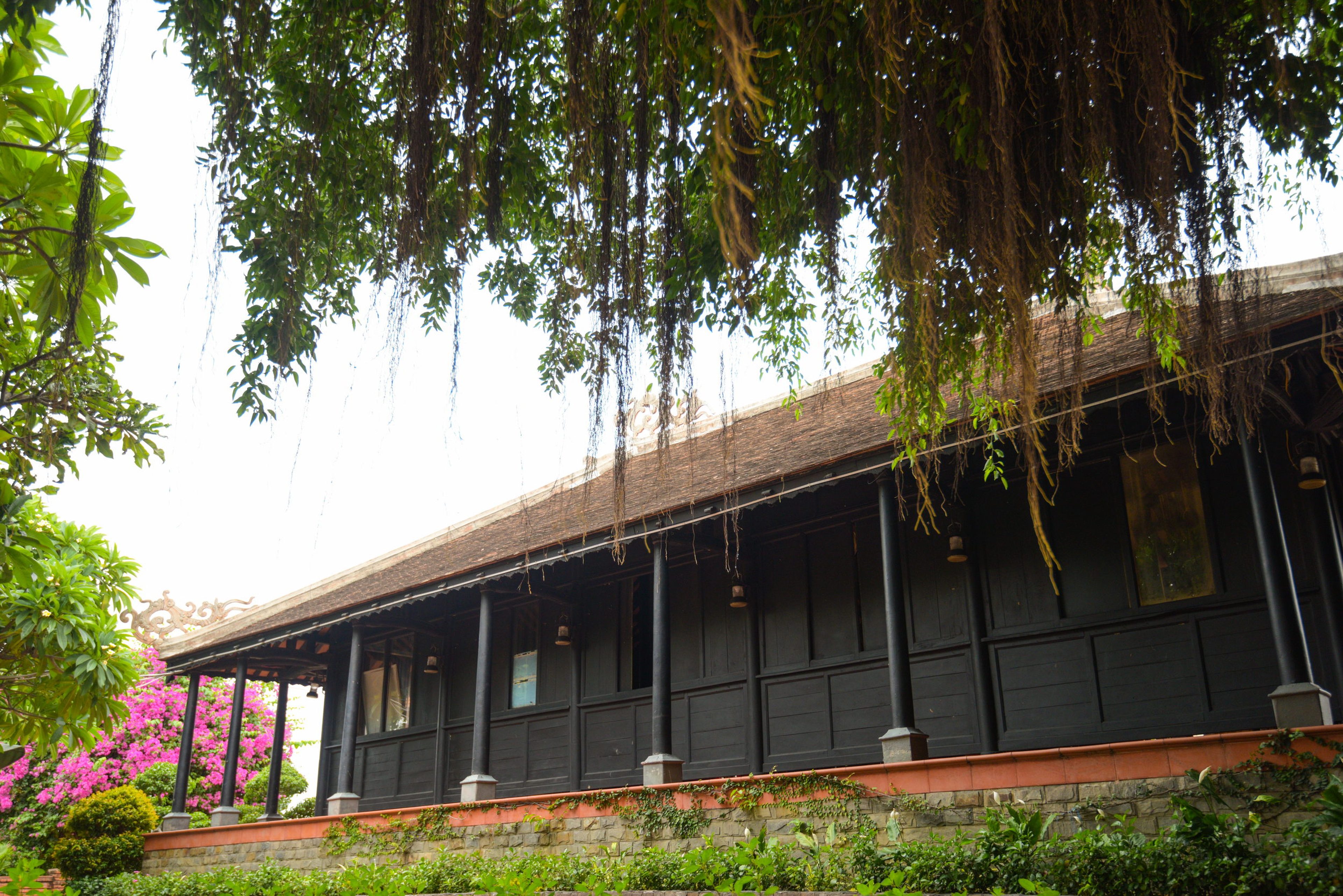
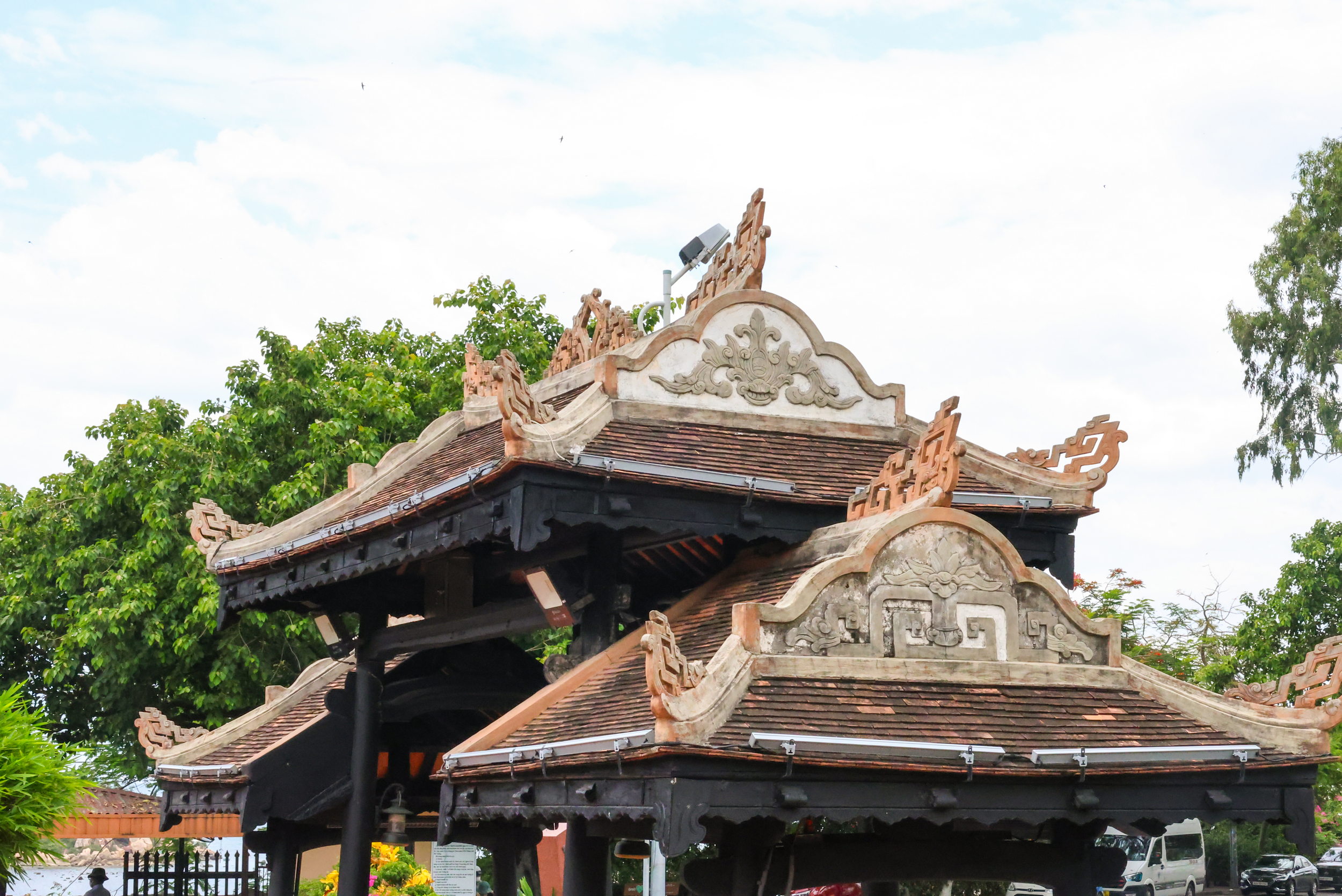
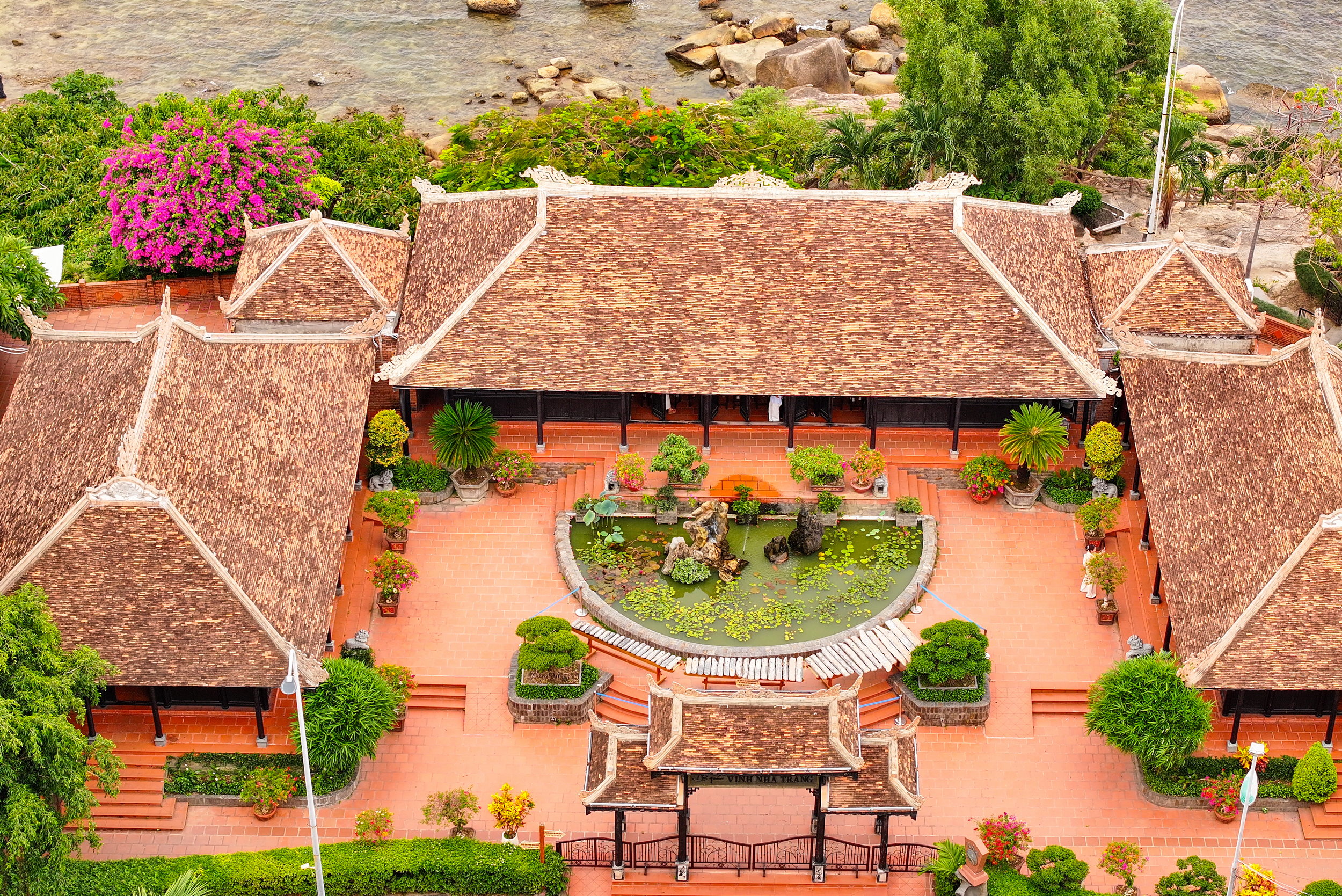
The hall was built between December 2004 and March 2005. Its structure was assembled using elements inspired by 15 traditional wooden houses from Hue, commonly known as nha ruong, a distinctive style of traditional Vietnamese timber-frame architecture.
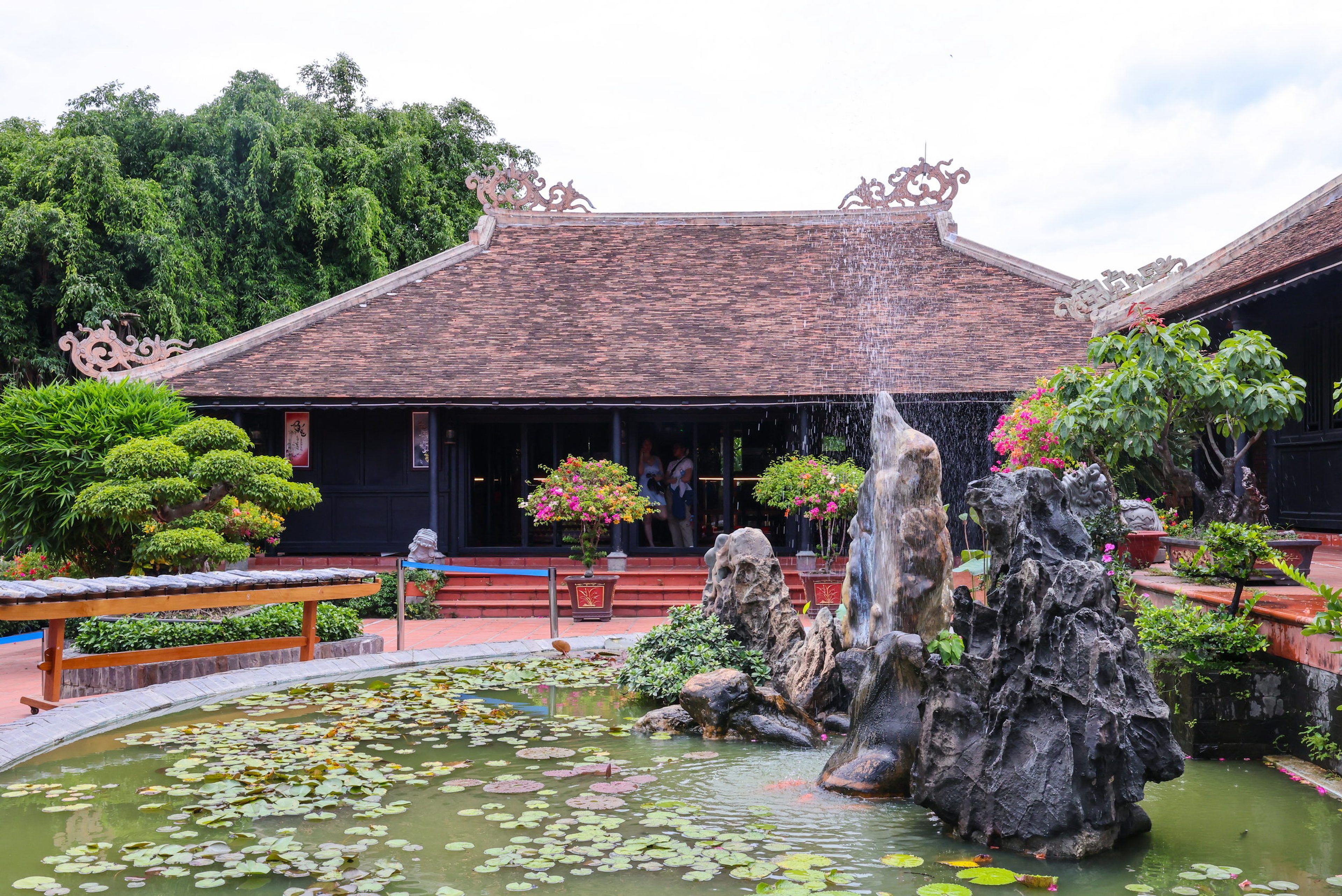
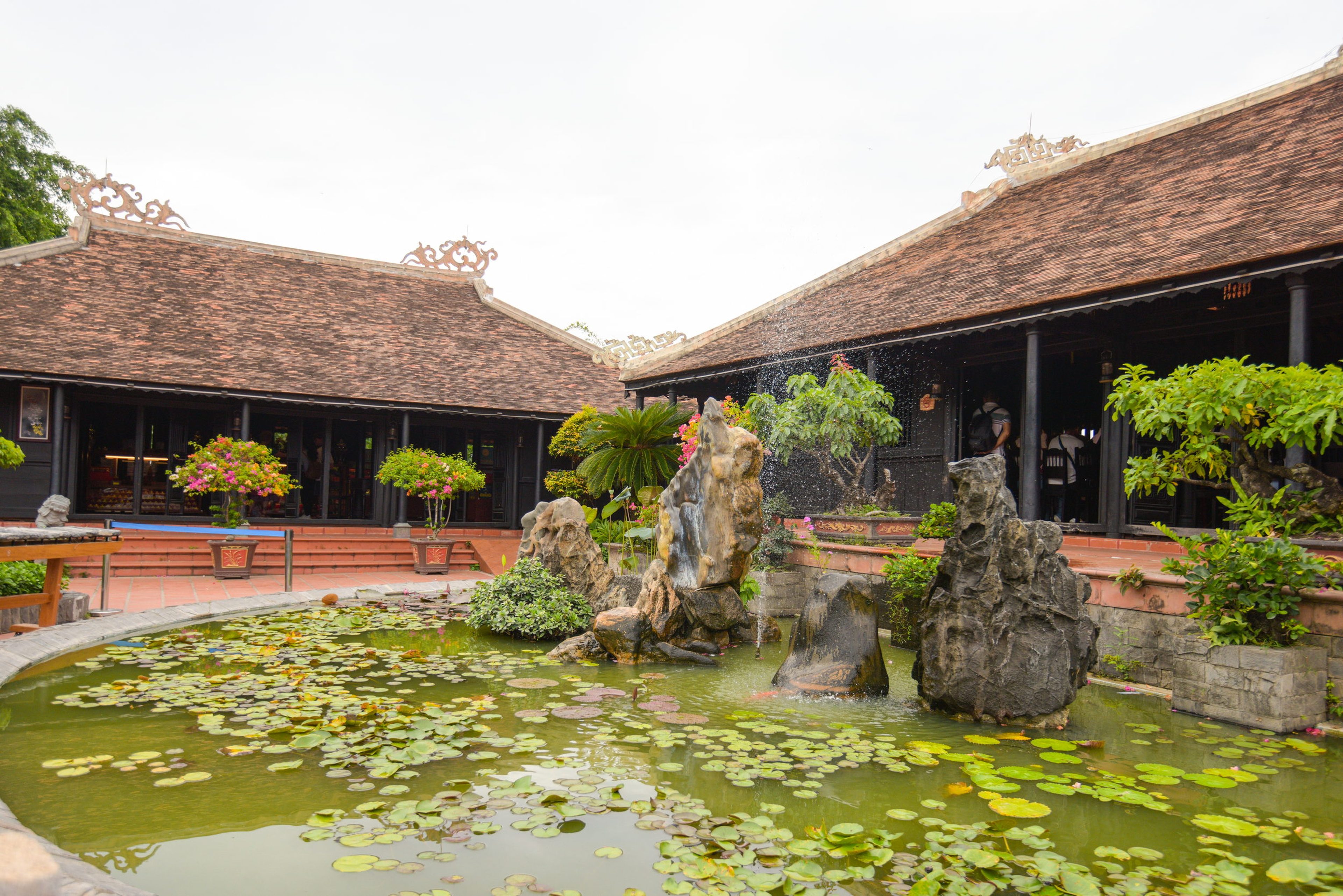
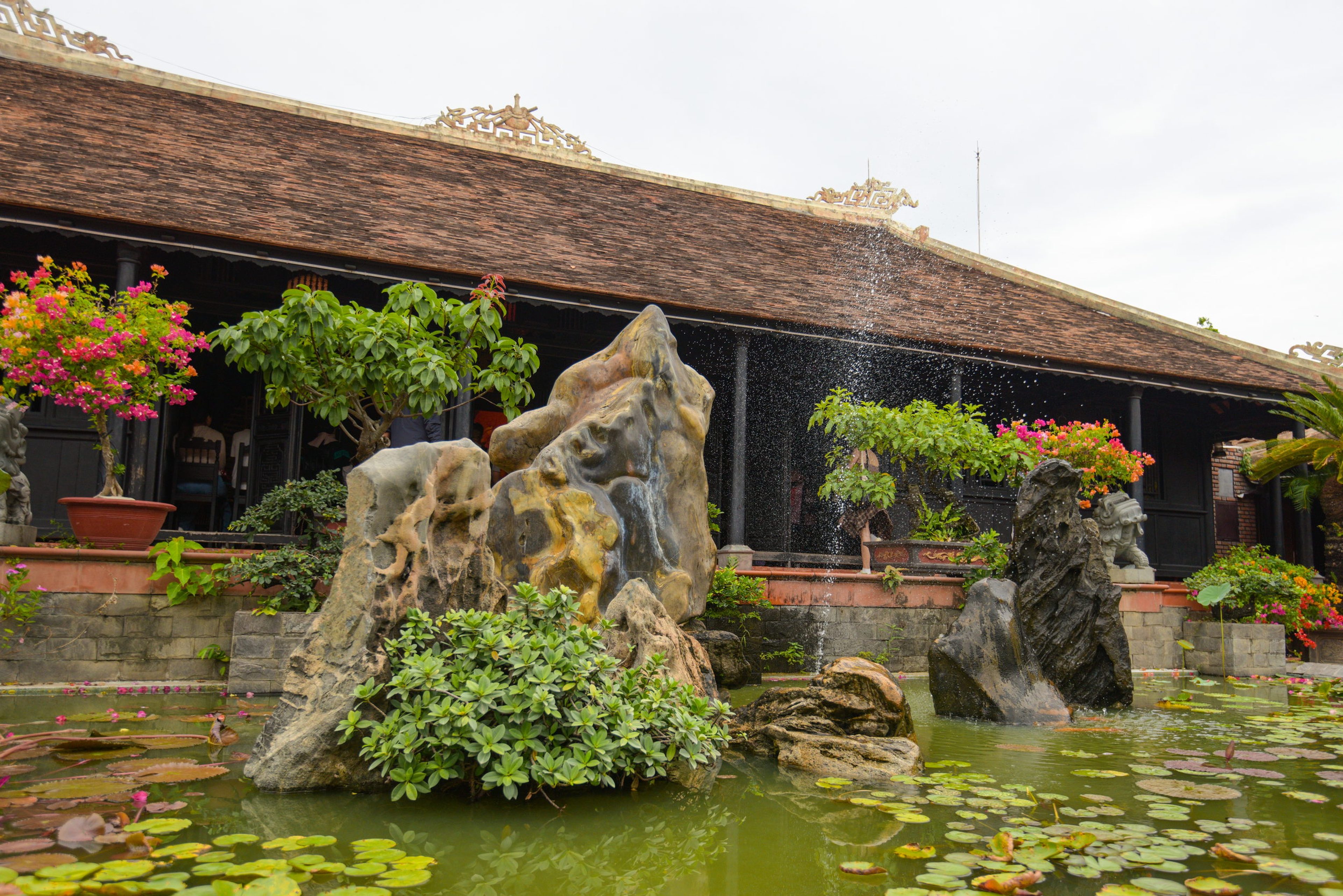
The Nha Trang Bay Assembly Hall is arranged along an axis running from the road towards the sea. Its main architectural features include a three-entrance gate, a front courtyard, a central building, and two side buildings known as the Ta Vu and Huu Vu, which surround an ornamental rock garden.
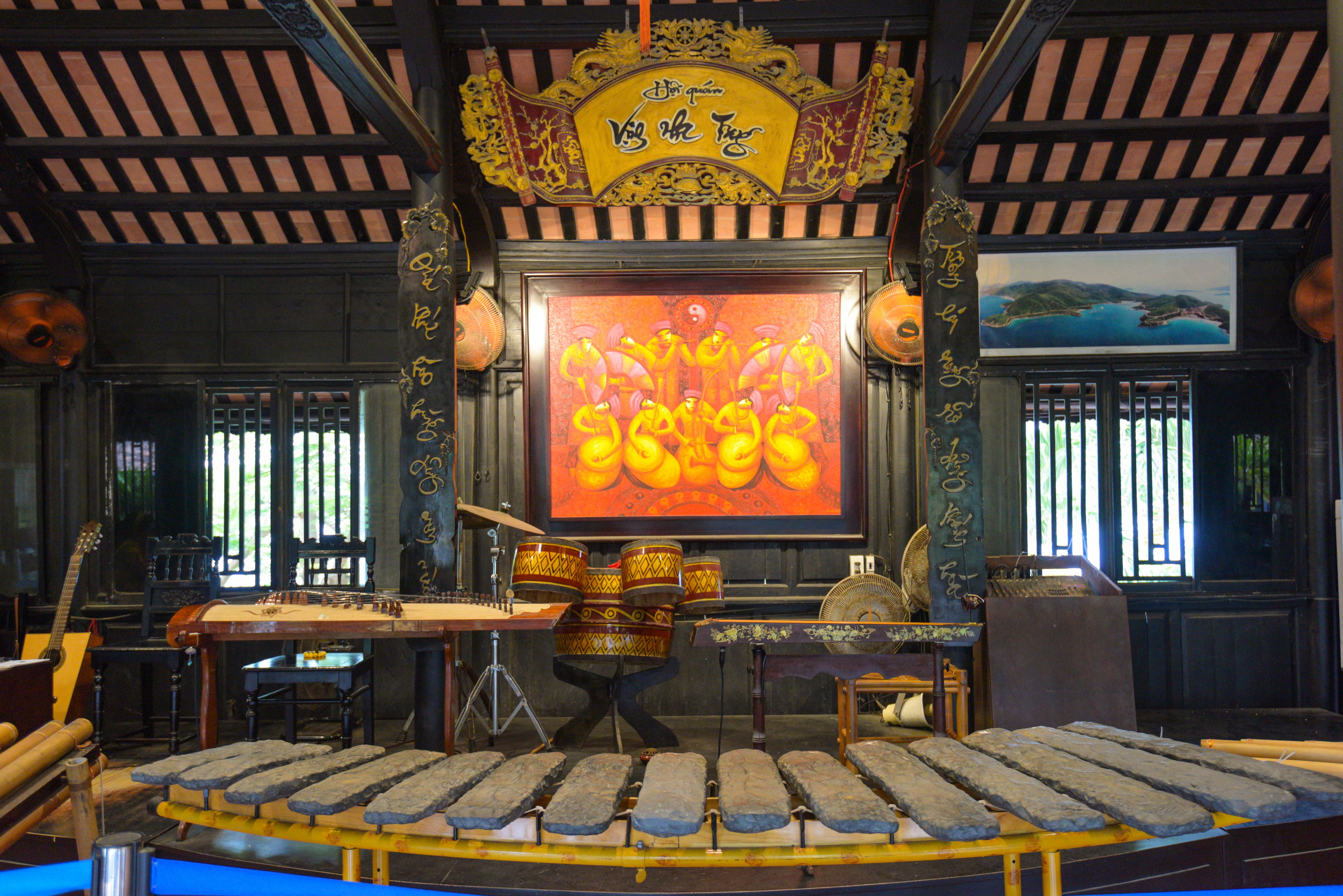
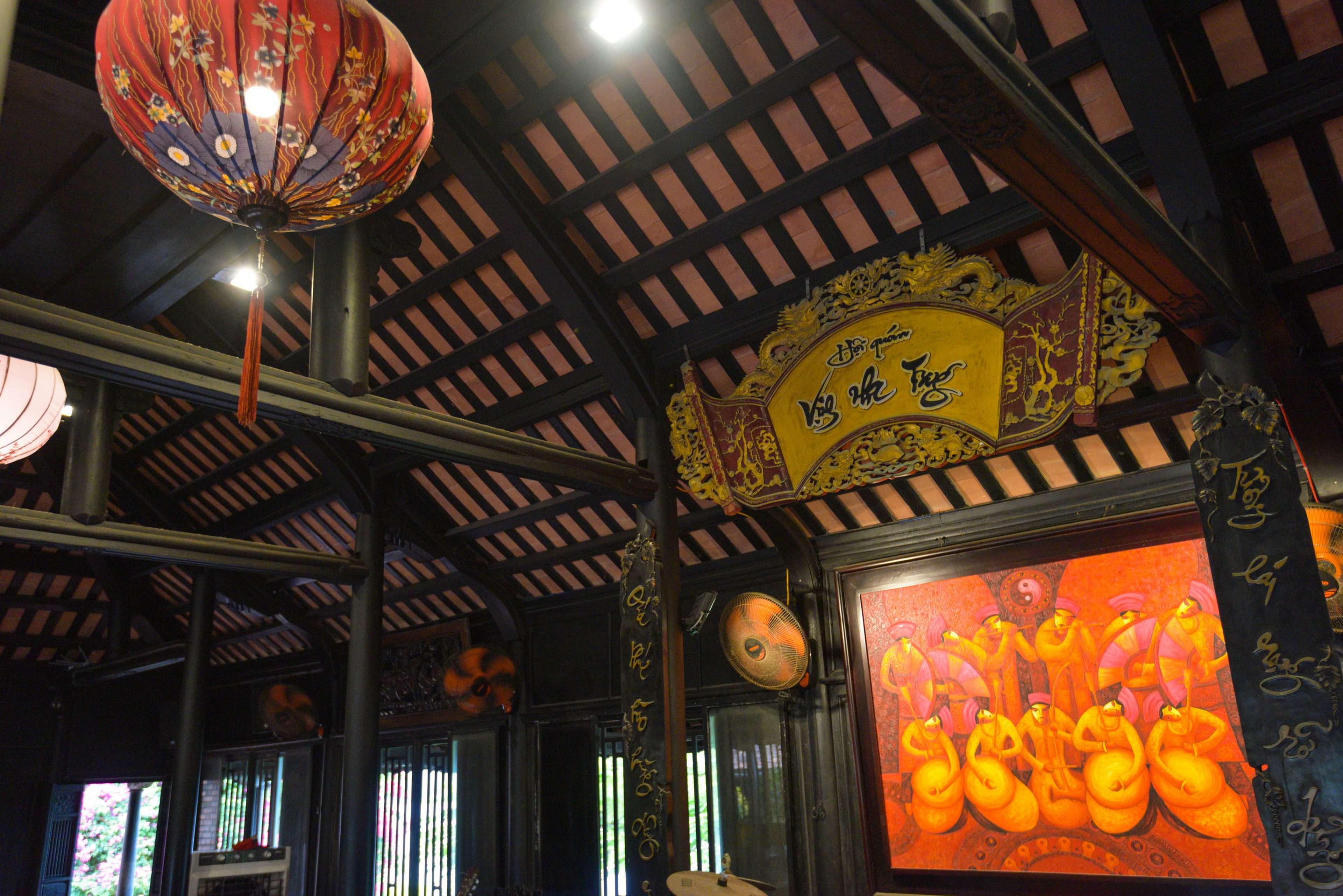
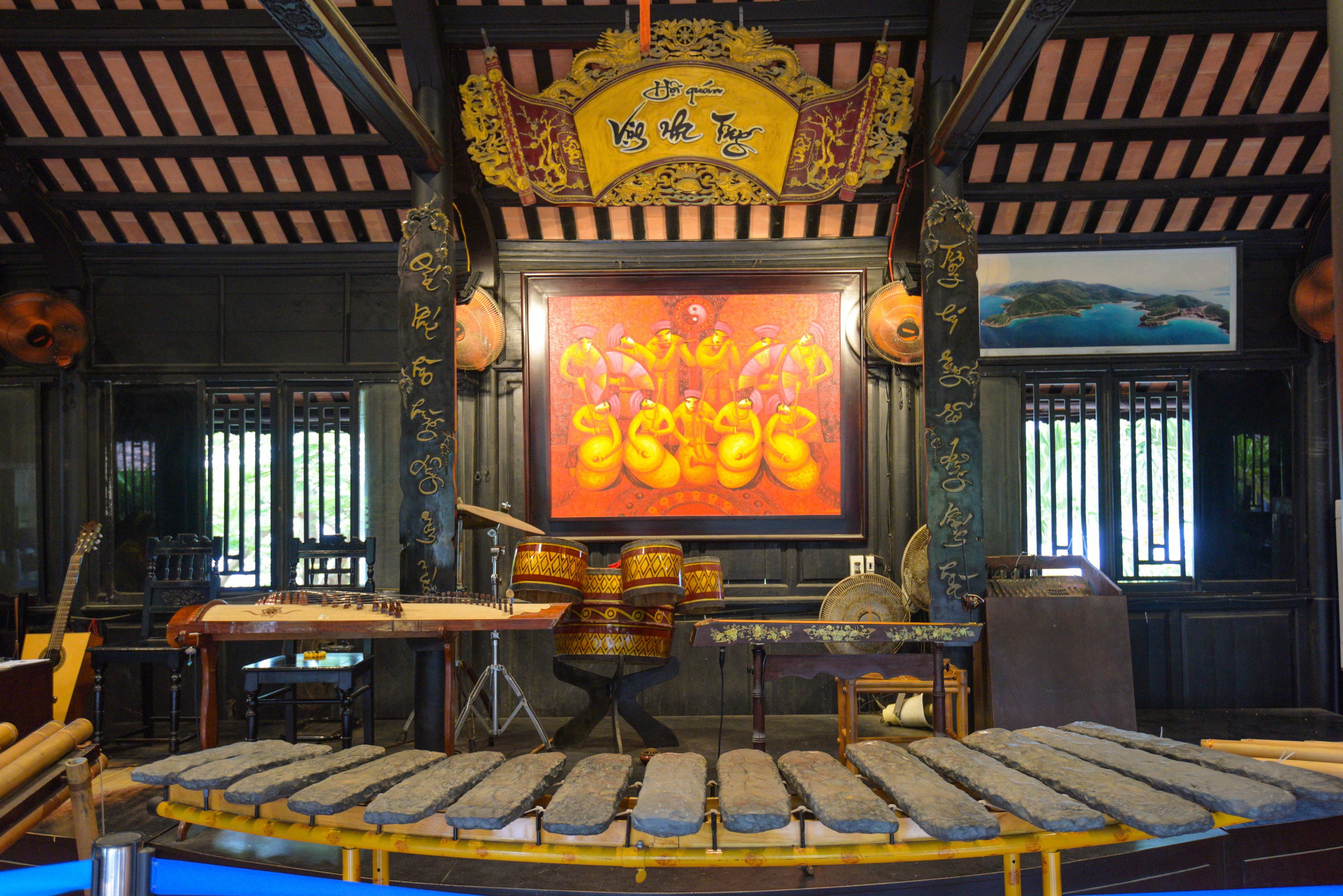
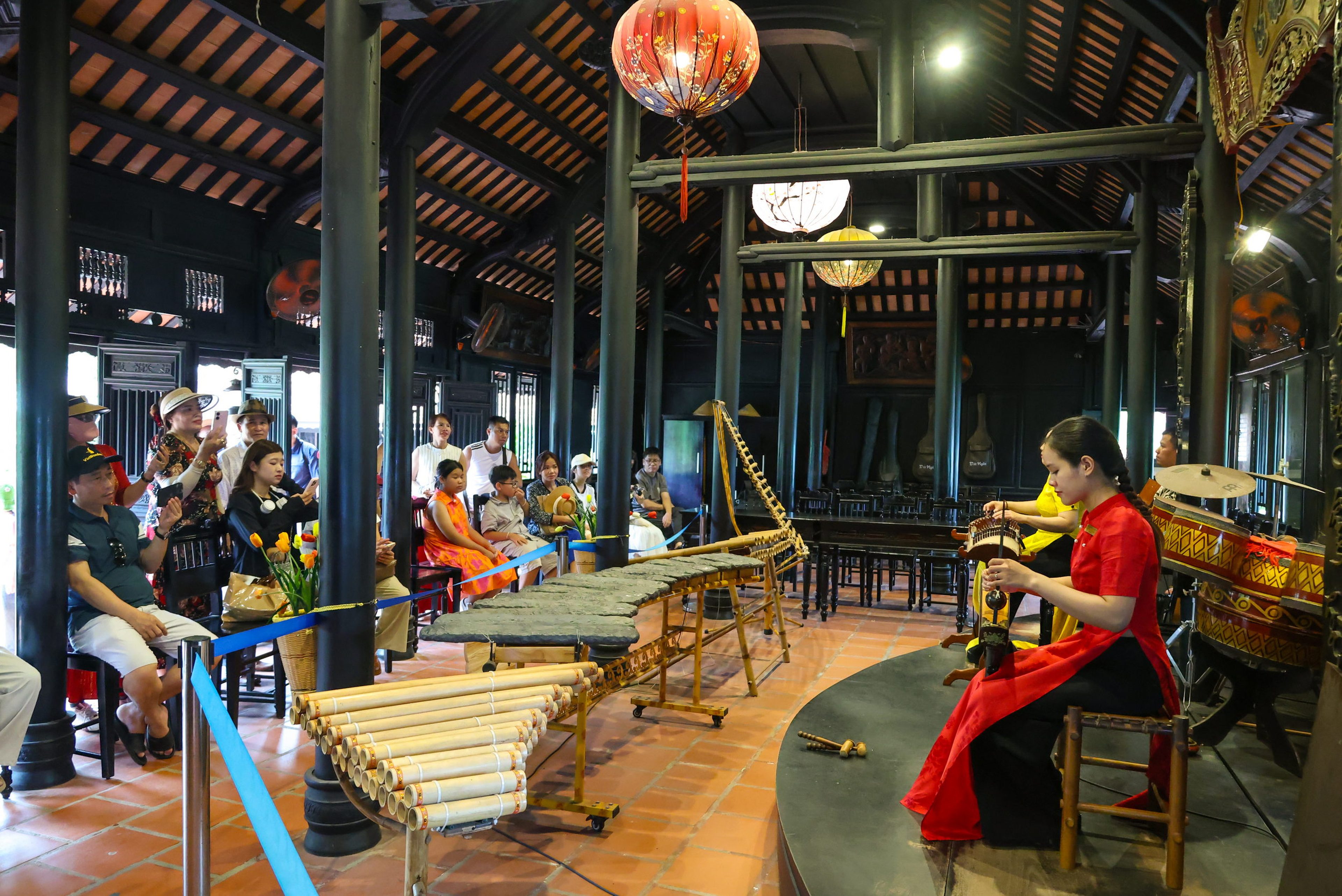
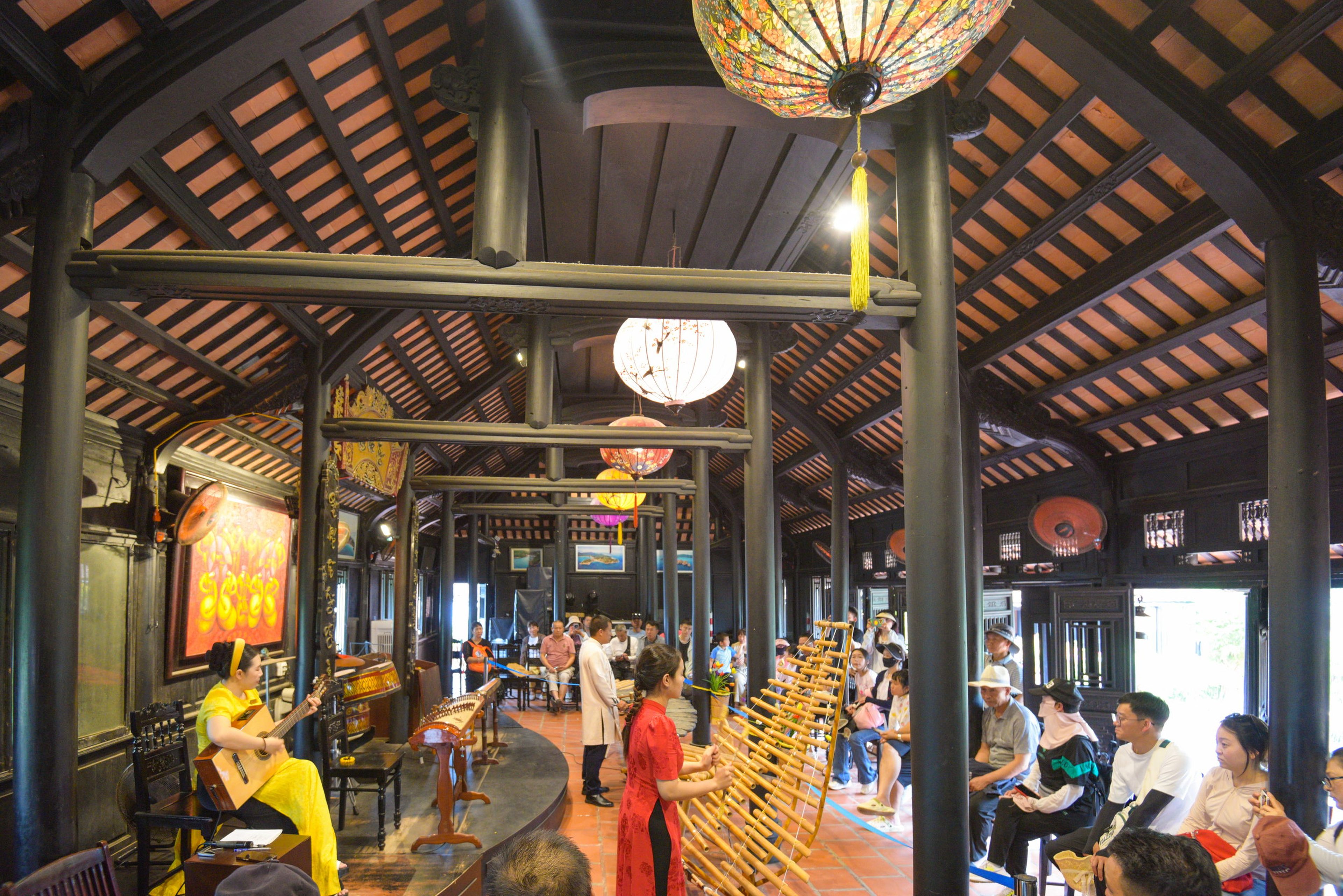
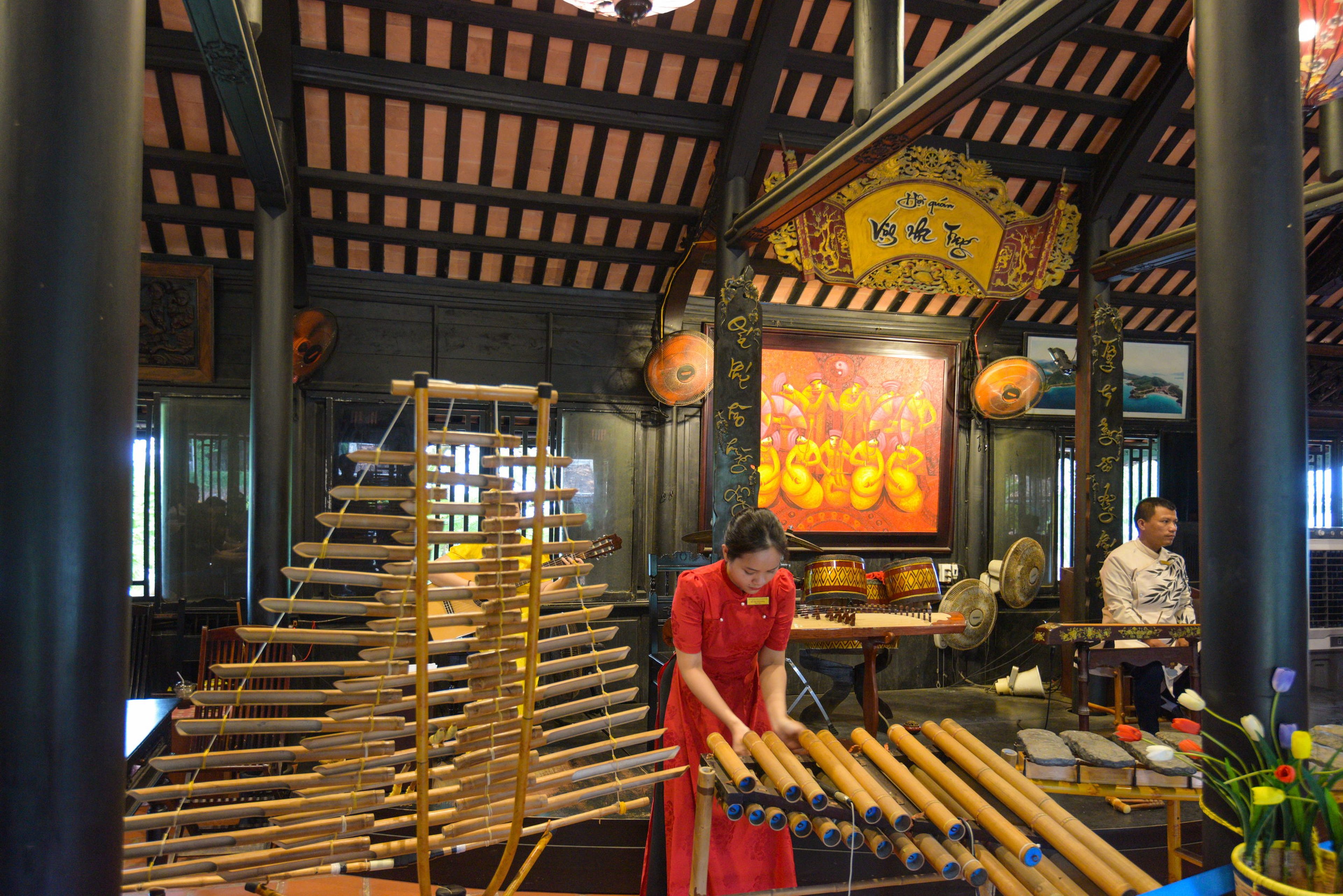
The central hall displays and presents several distinctive traditional musical instruments used by Vietnam’s ethnic communities, including the T’rung bamboo xylophone, the K’long Put instrument, the Khanh Son lithophone, and the monochord known as the dan bau.
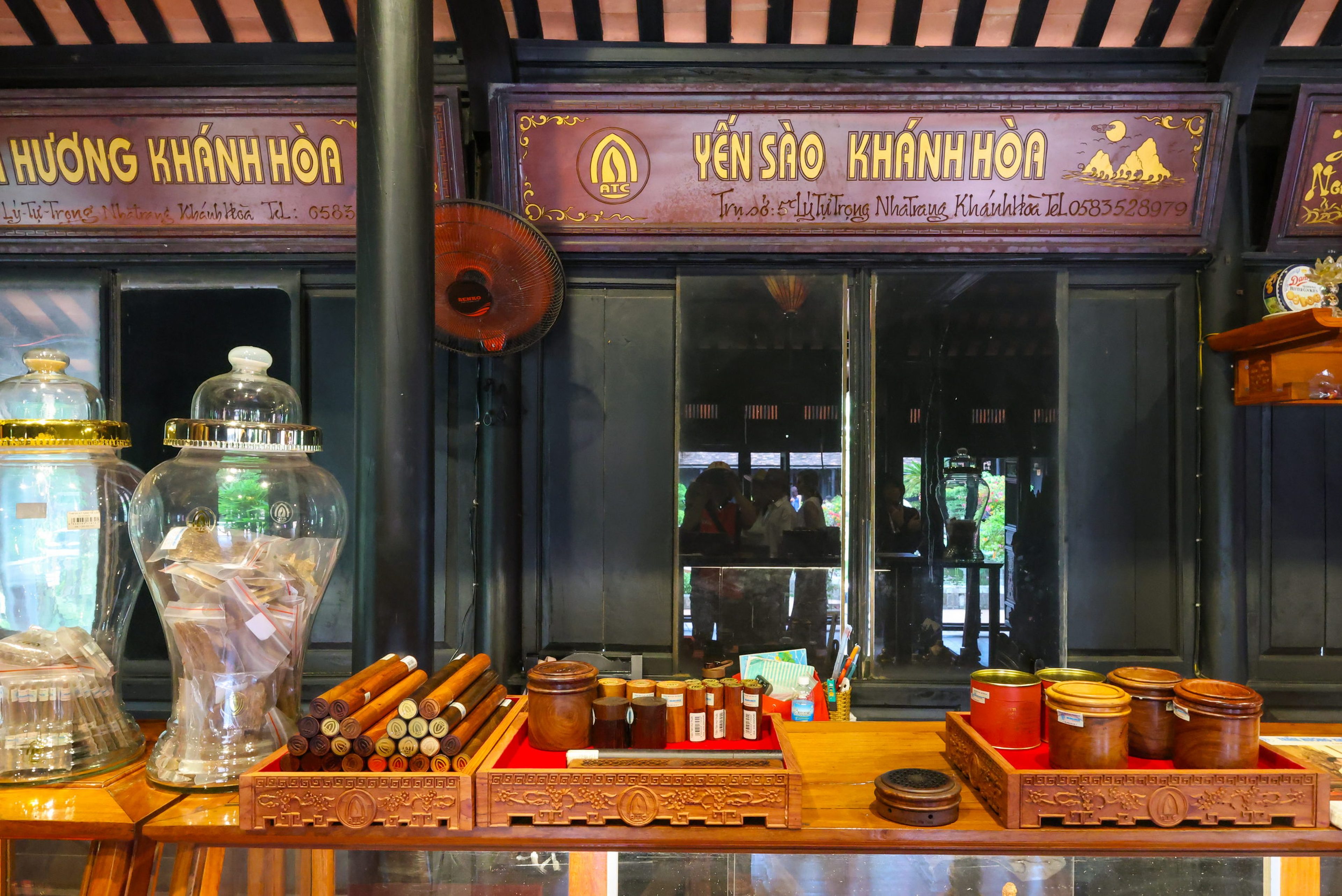
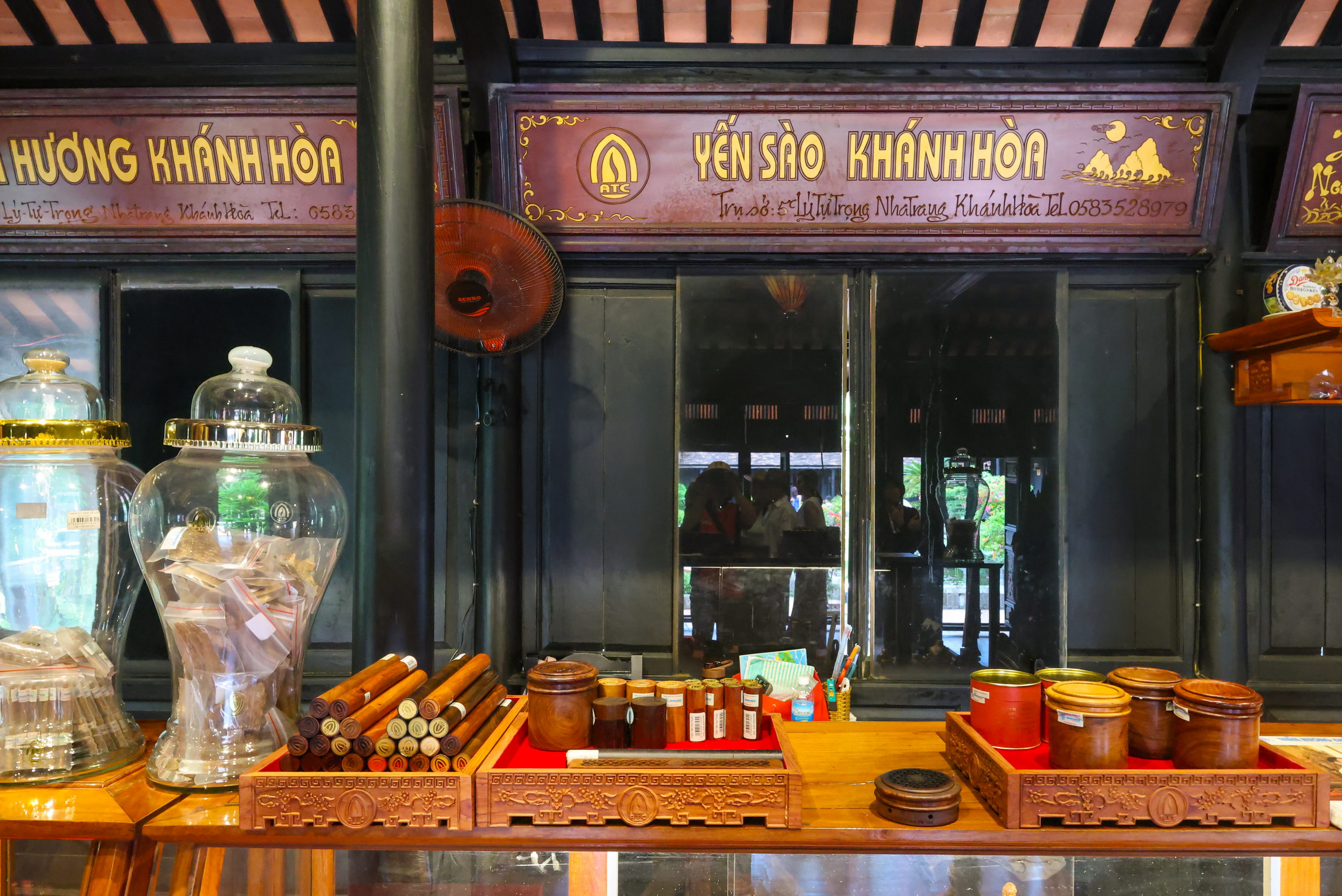
The Ta Vu and Huu Vu buildings display some of Khanh Hoa’s most characteristic local products, including agarwood and edible bird’s nests.
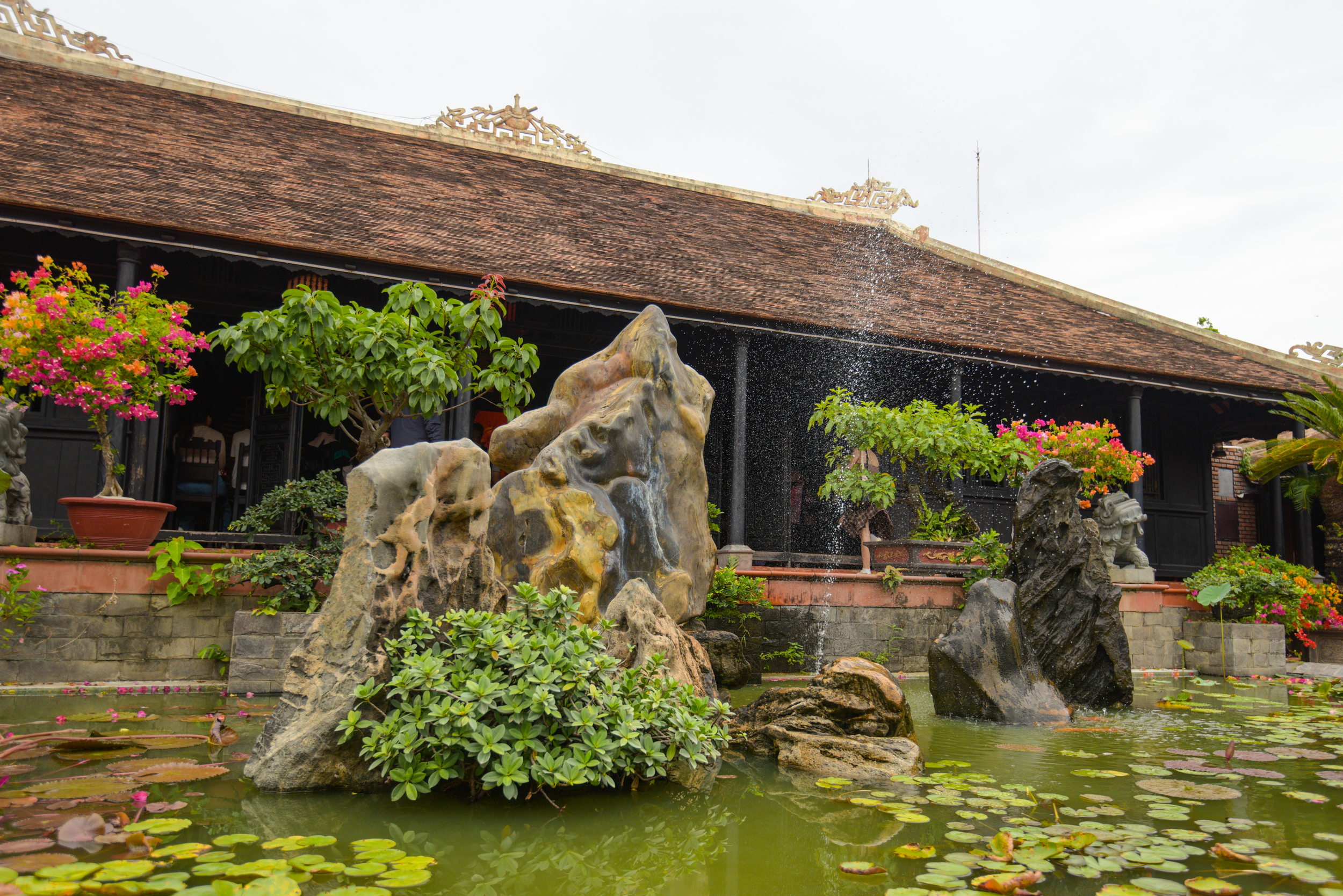
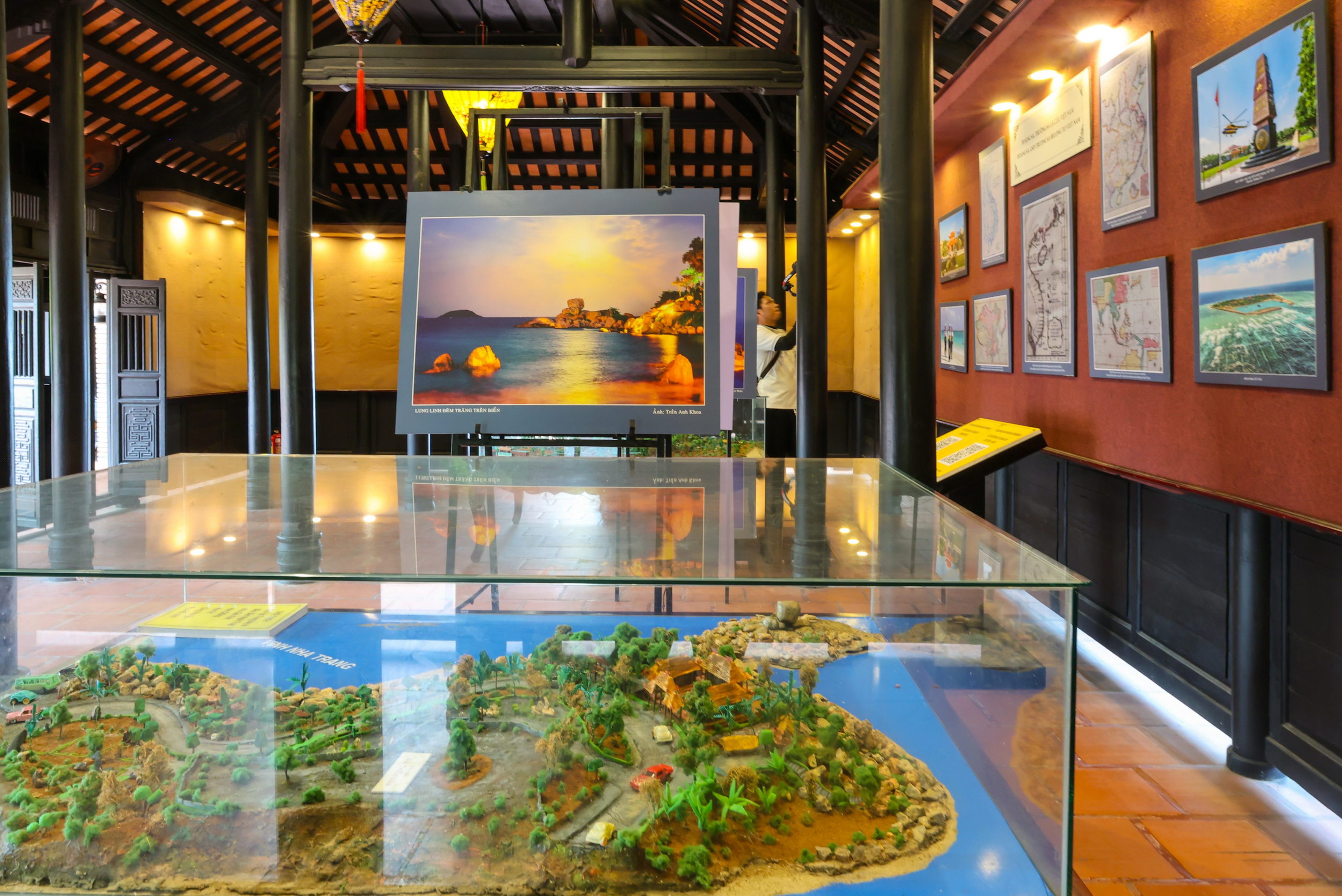
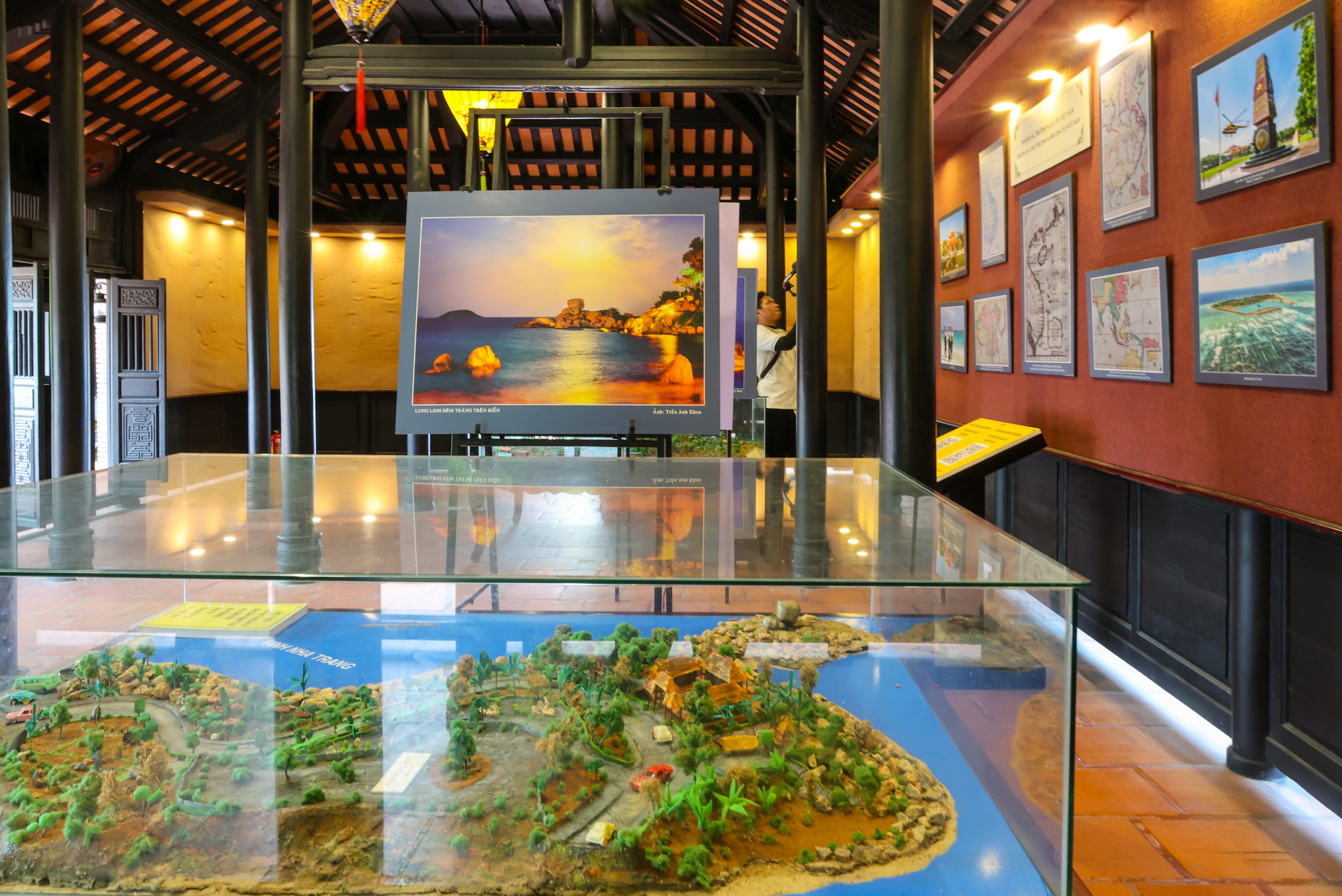
The venue also hosts exhibitions featuring artworks and representative cultural products from Khanh Hoa. These displays help introduce the landscapes, people, and cultural identity of Nha Trang and Khanh Hoa, as well as Vietnam more broadly, to visitors from across the country and around the world.