

Hoa Lai Towers
Ancient Cham relics amidst the sun and wind
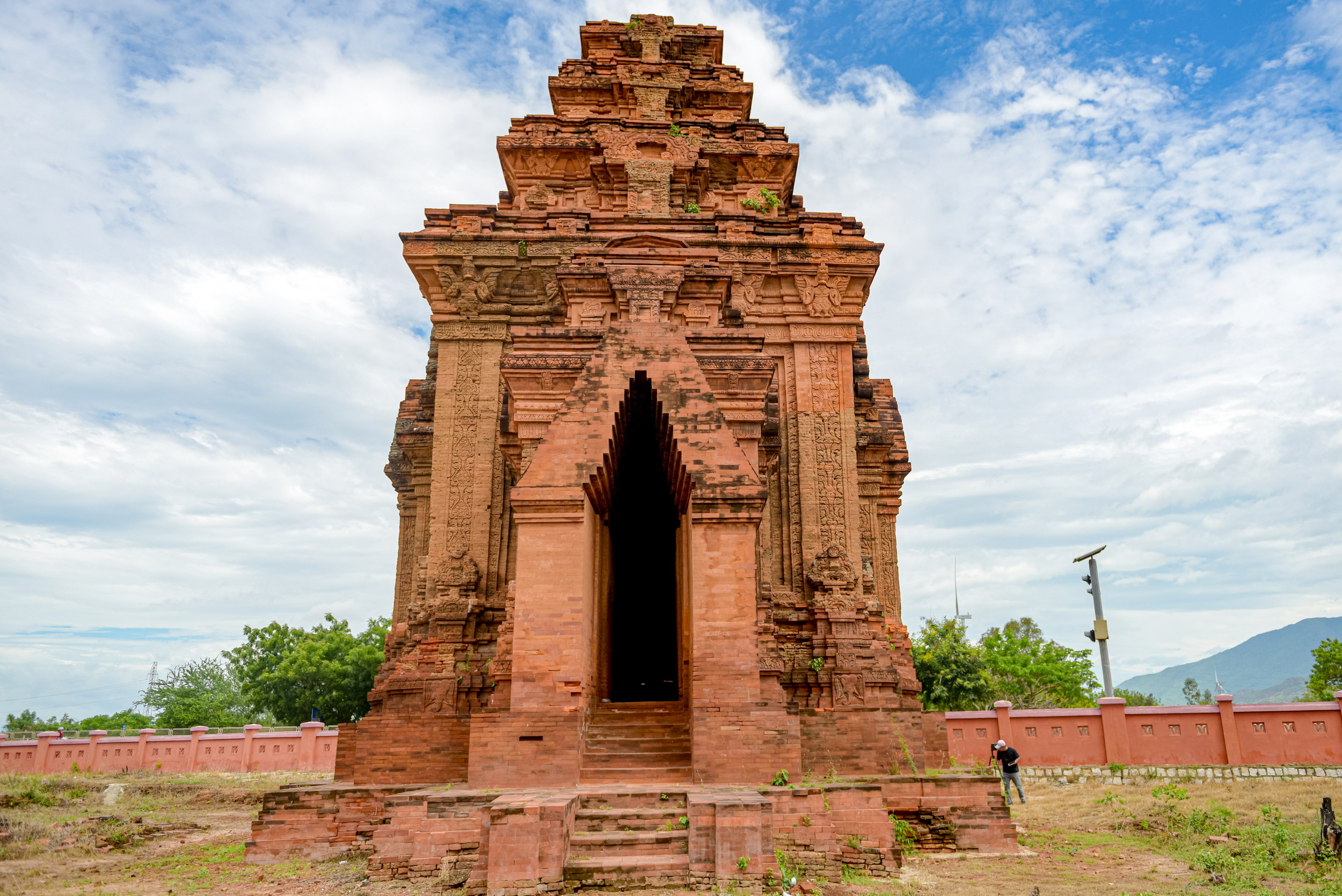
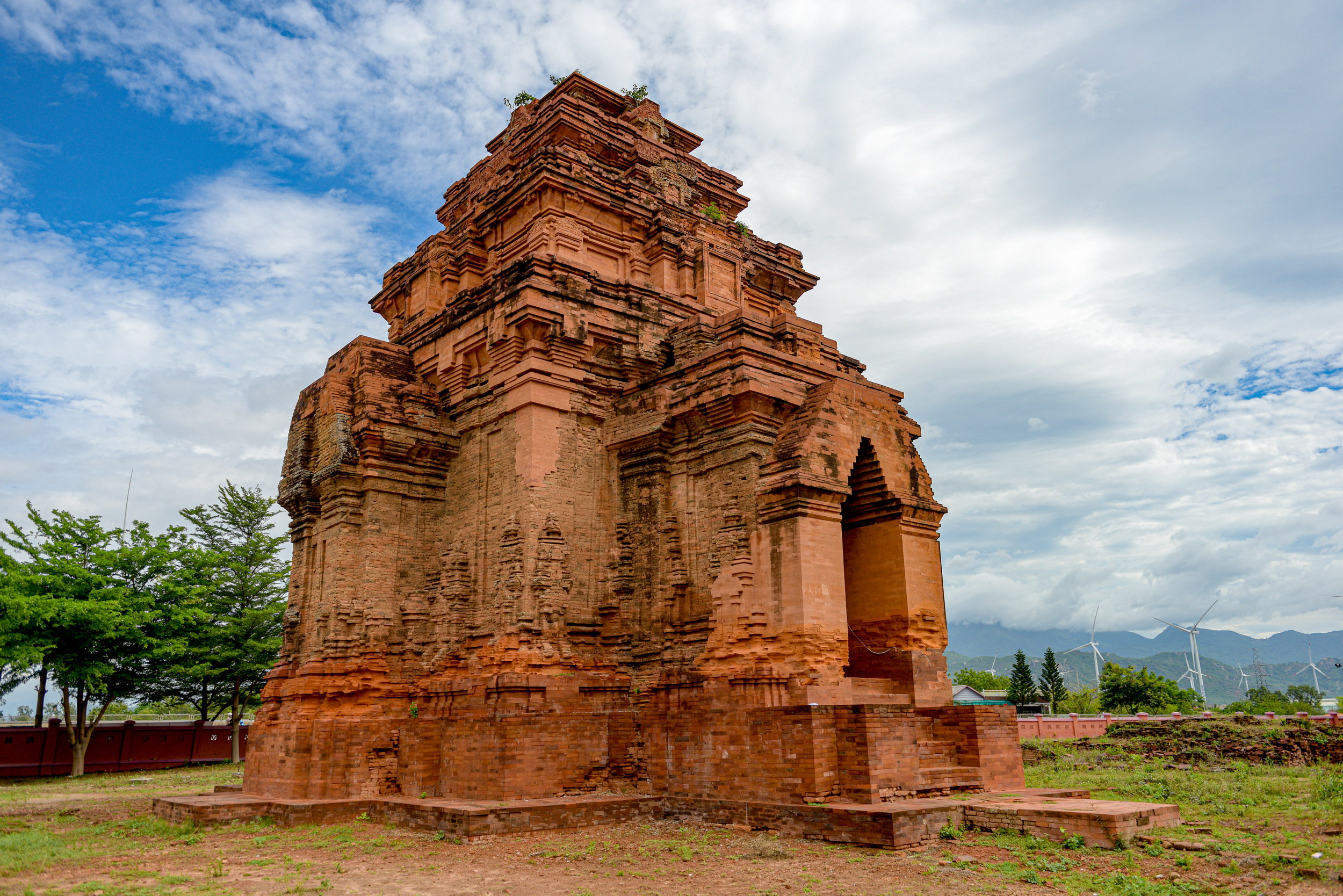
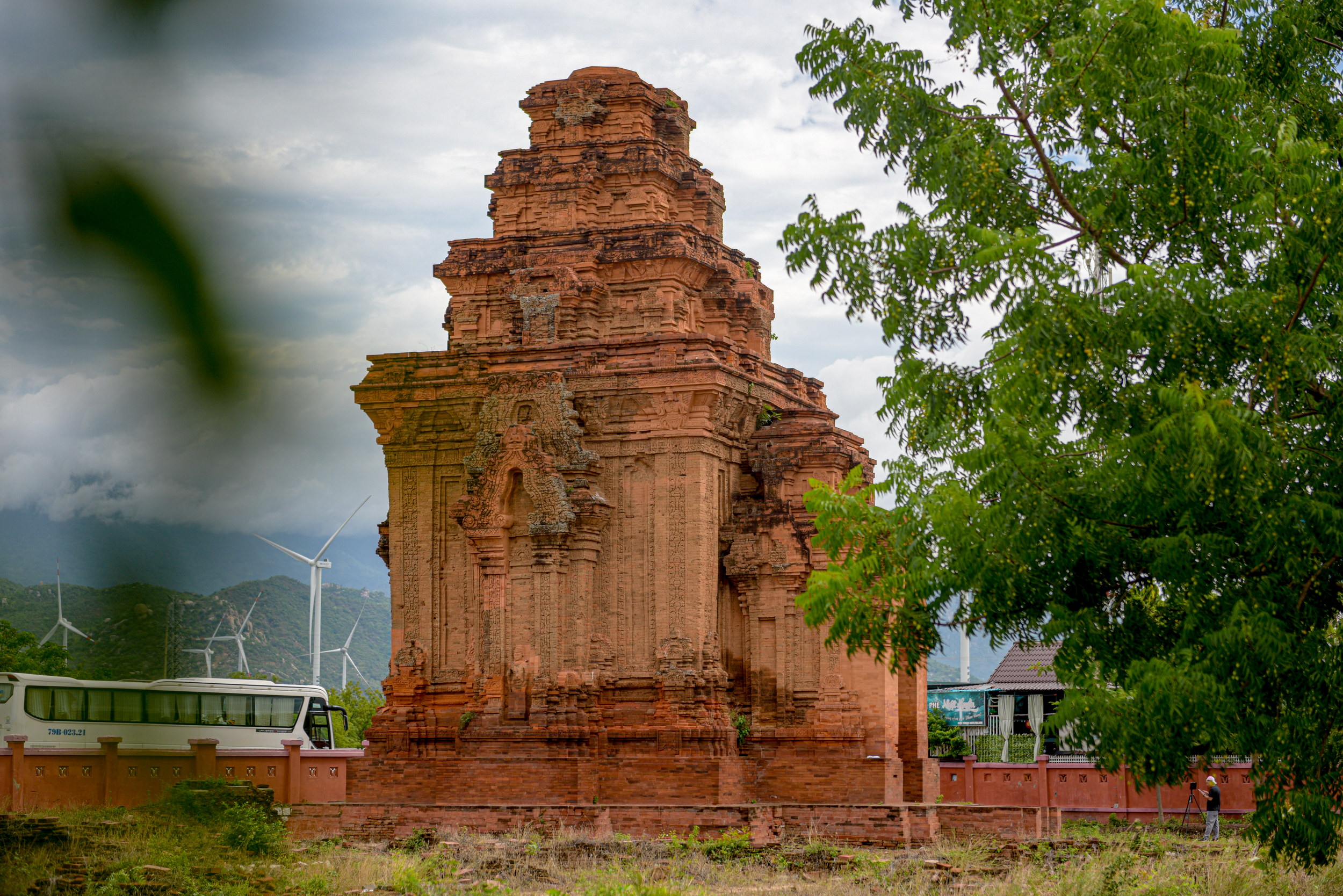
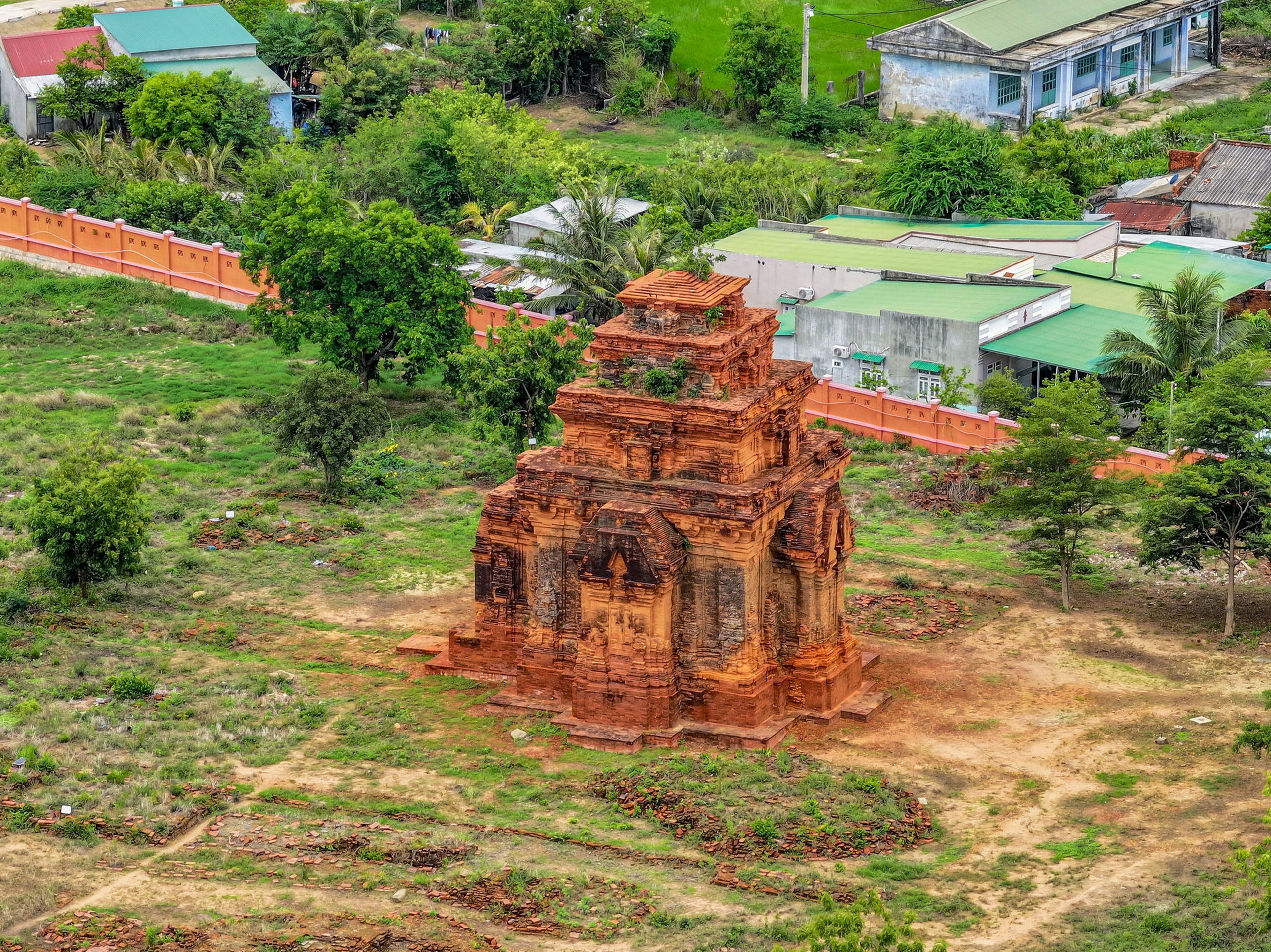
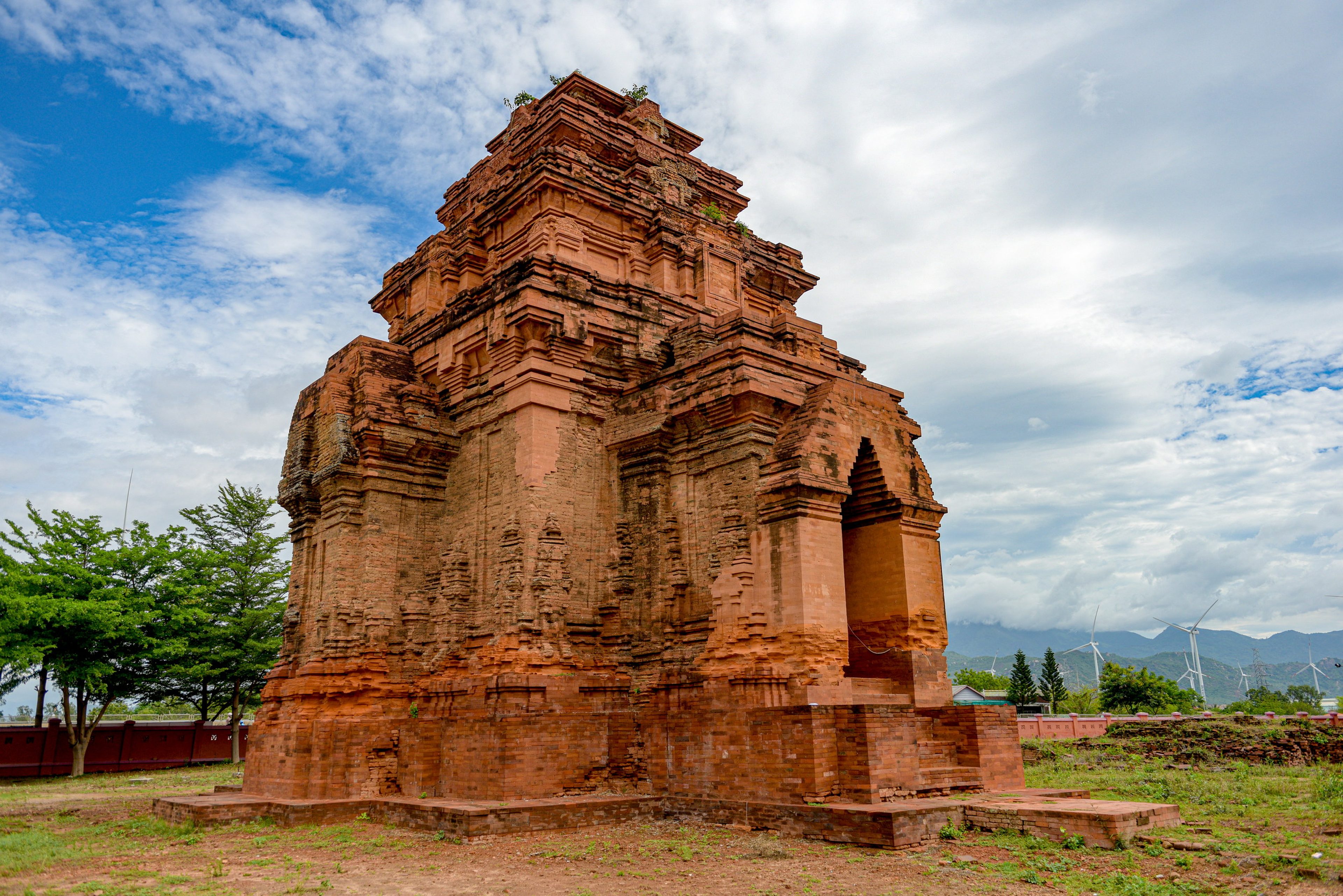
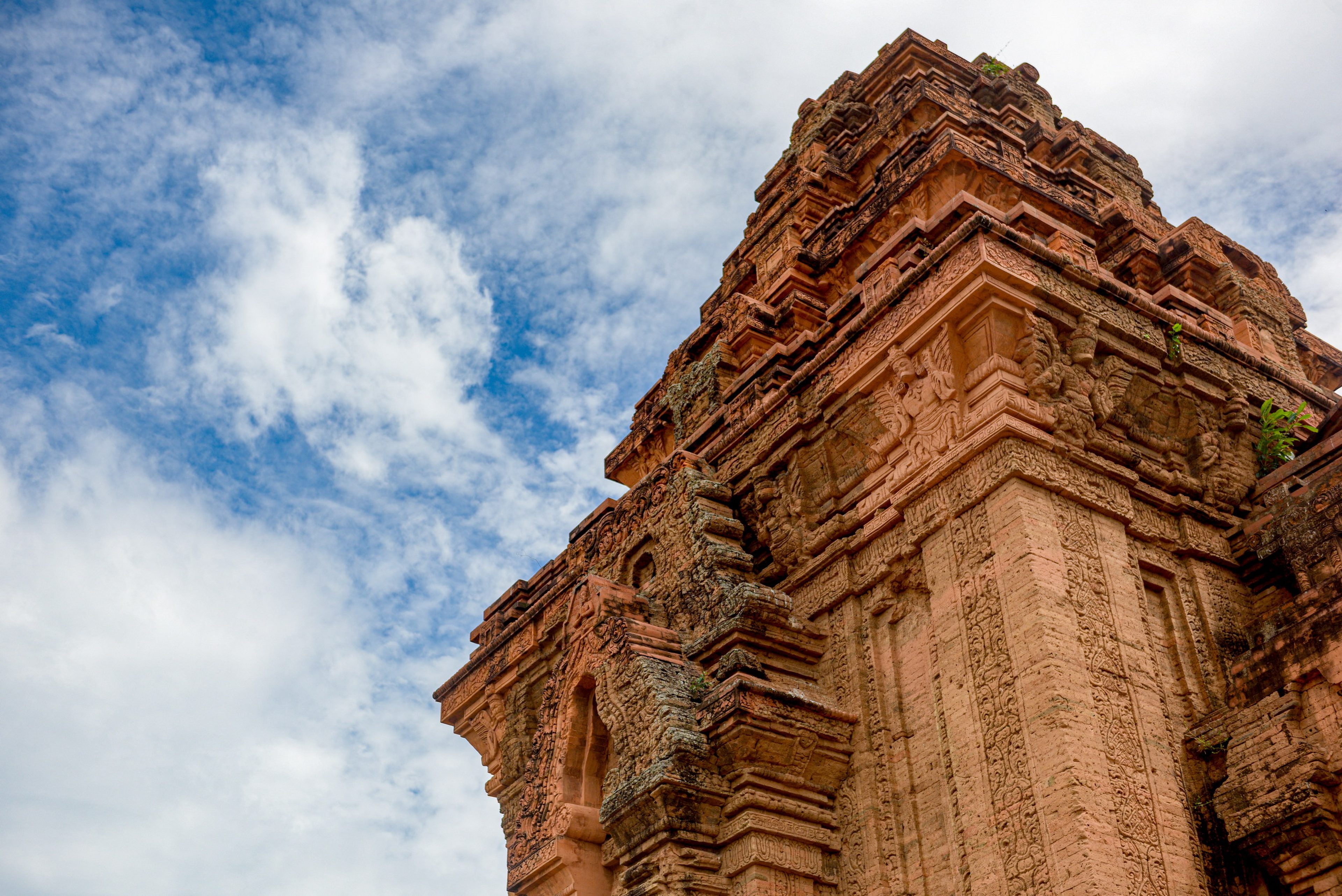
The Hoa Lai Towers, also known as the Three Towers or Yang Hakral, are among the oldest Cham architectural complexes still standing today. Amidst the dry, sun-drenched landscape of the ancient Panduranga, the tower cluster appears as a resilient landmark of construction engineering, fine arts, and Shaivism.
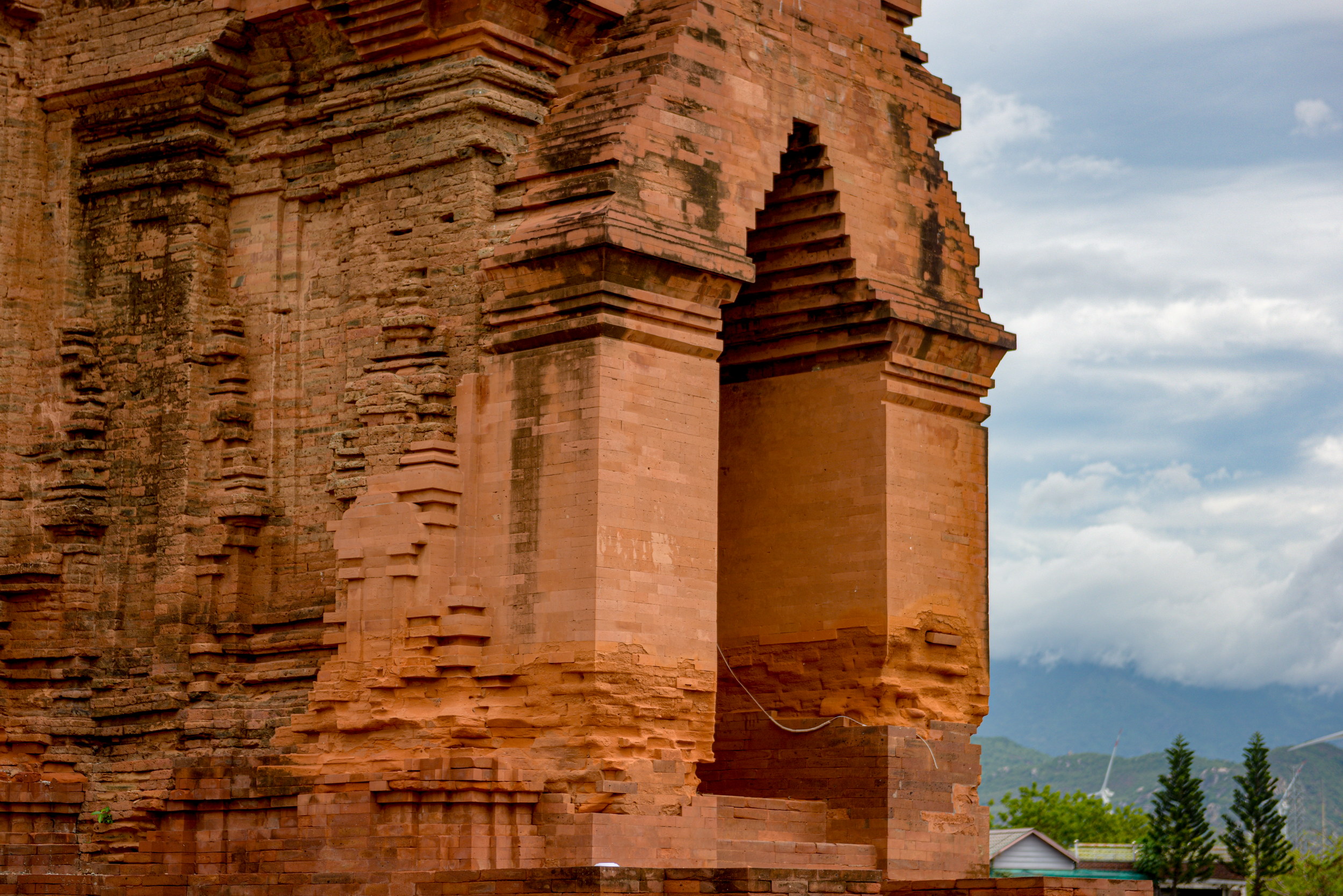
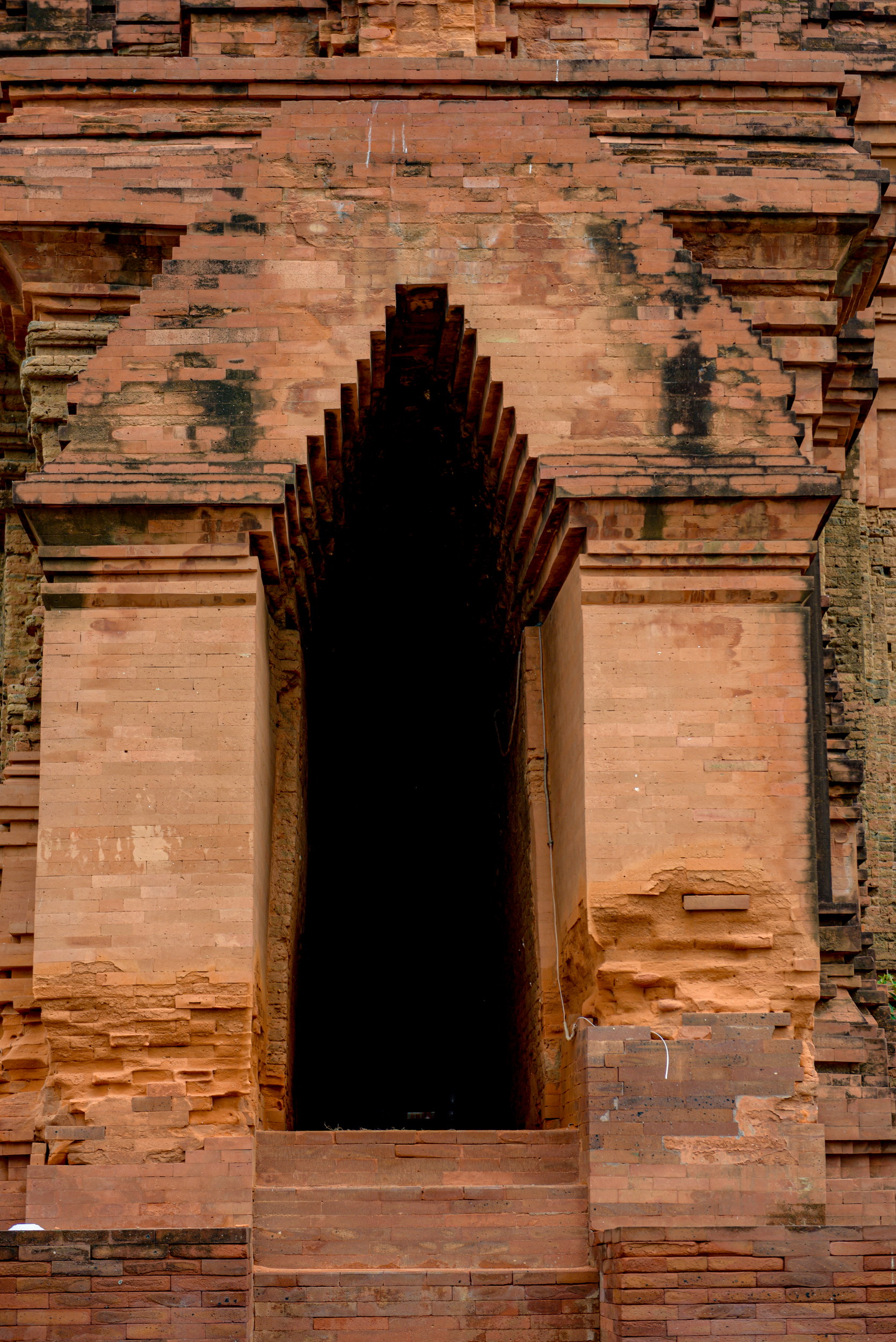
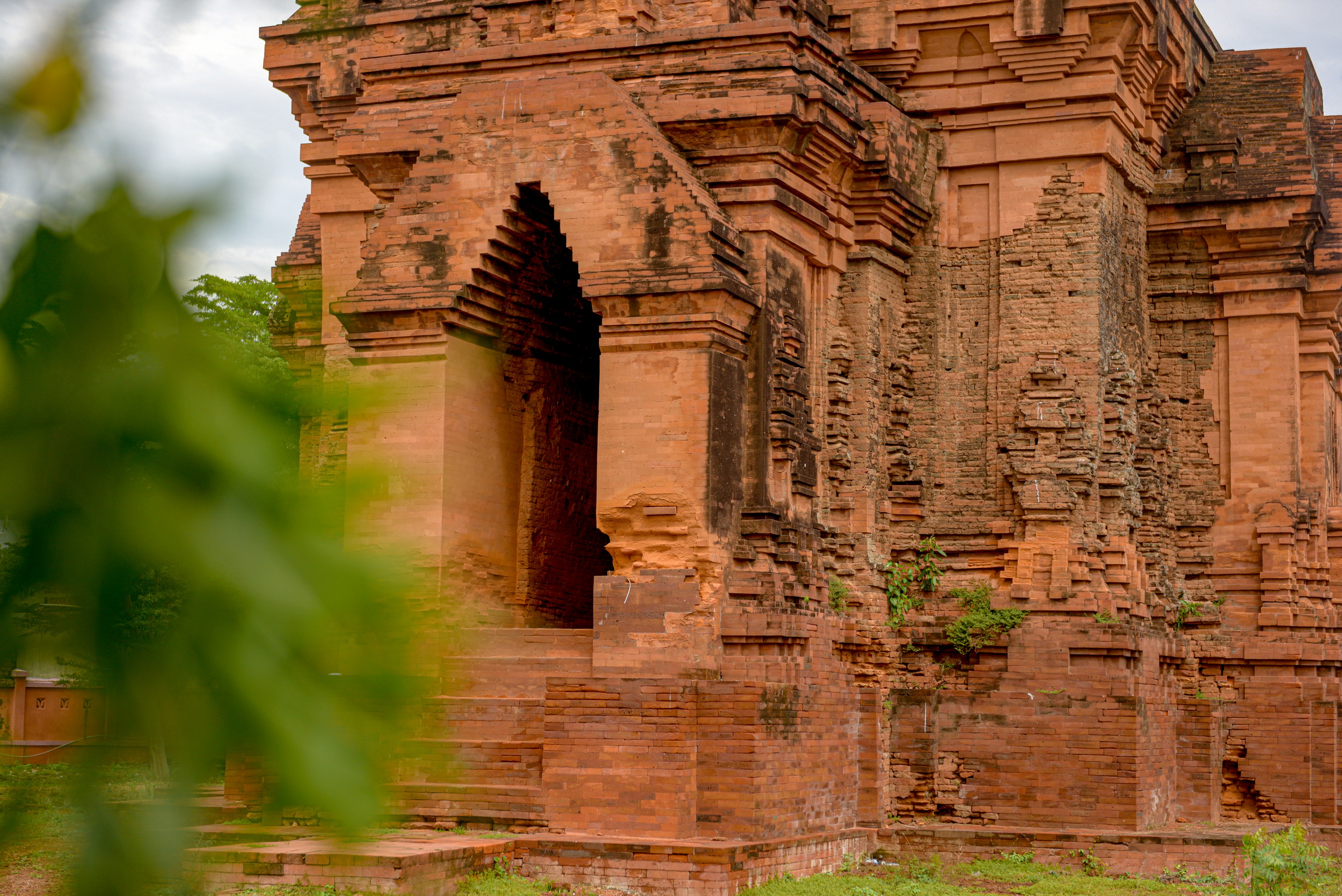
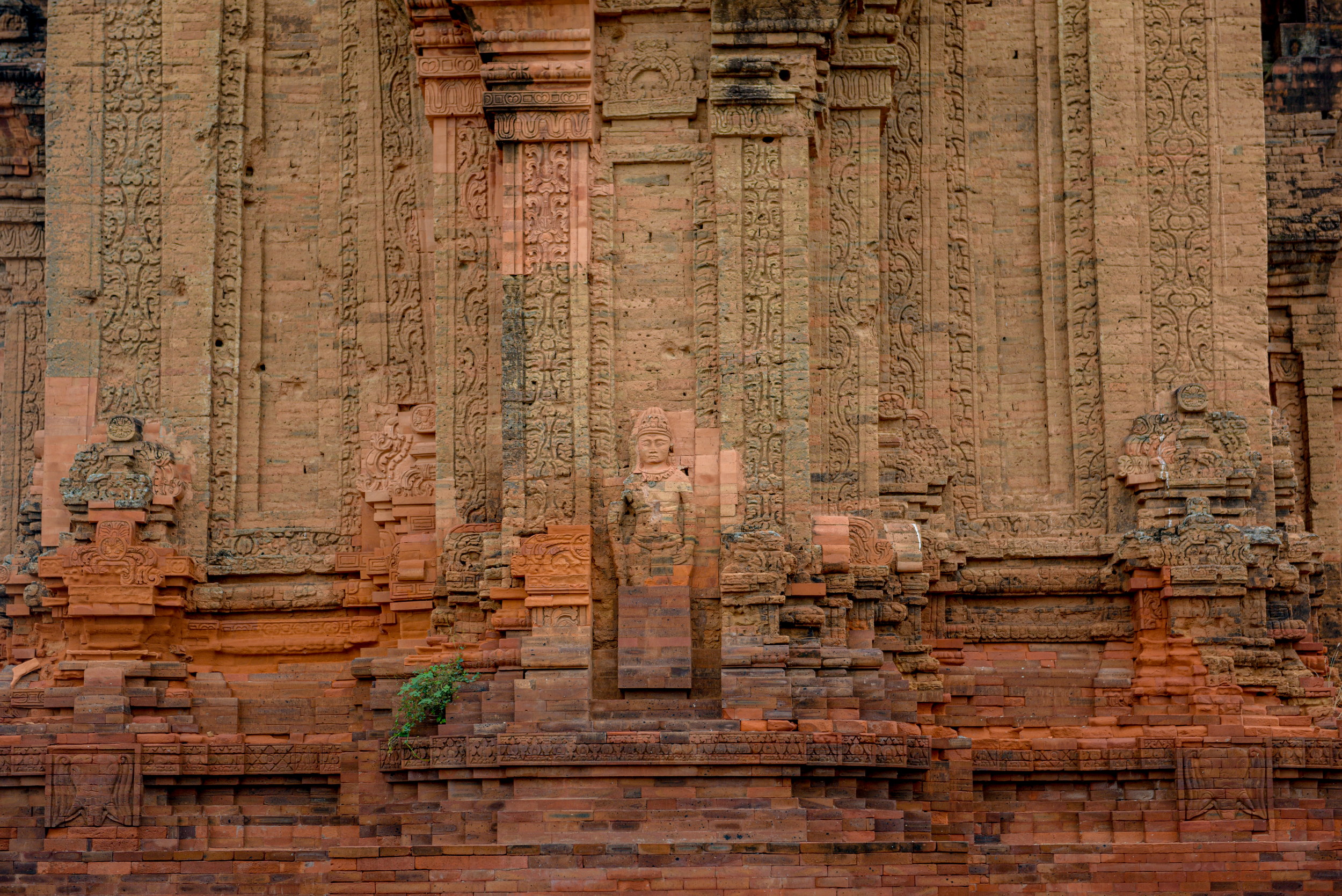
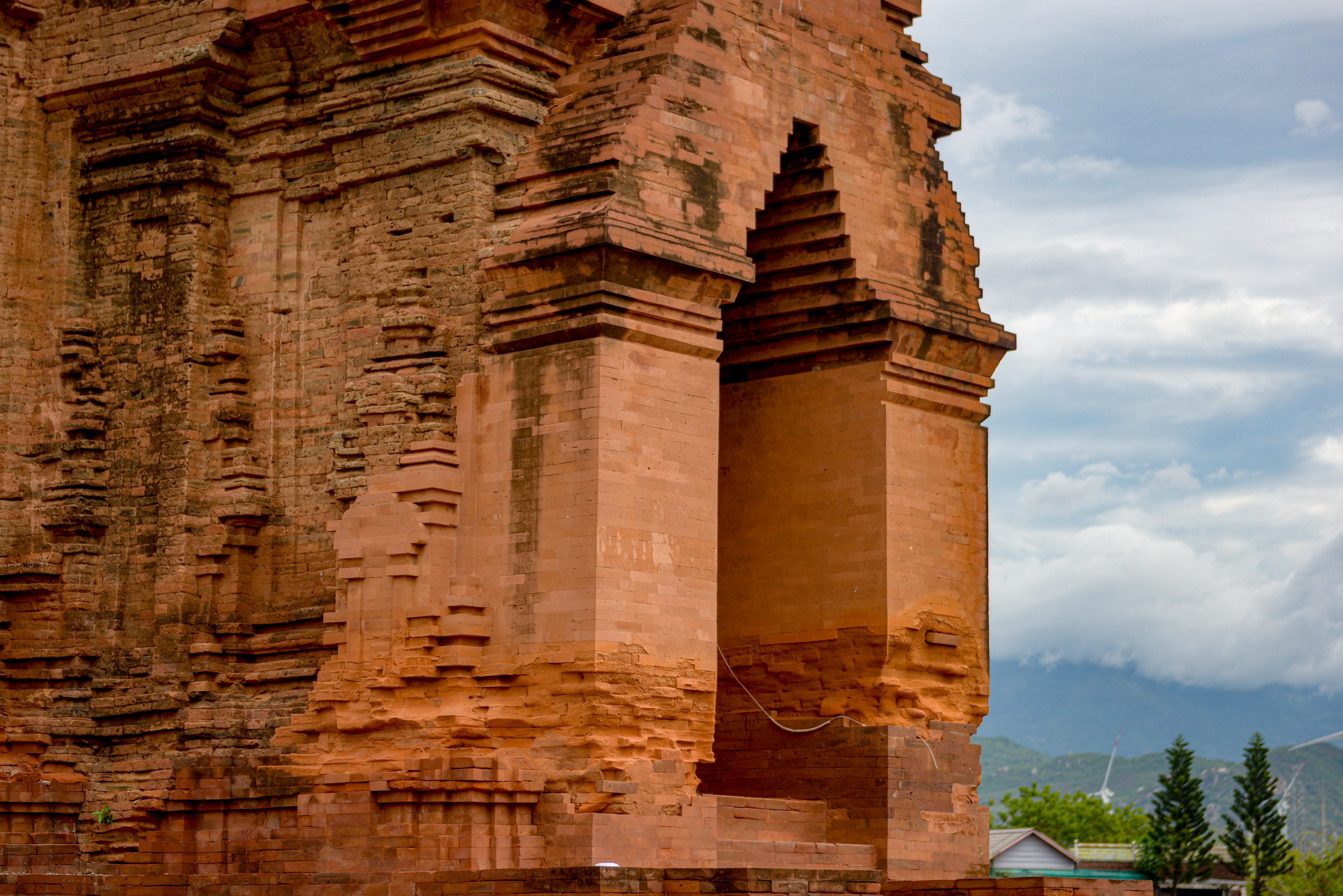
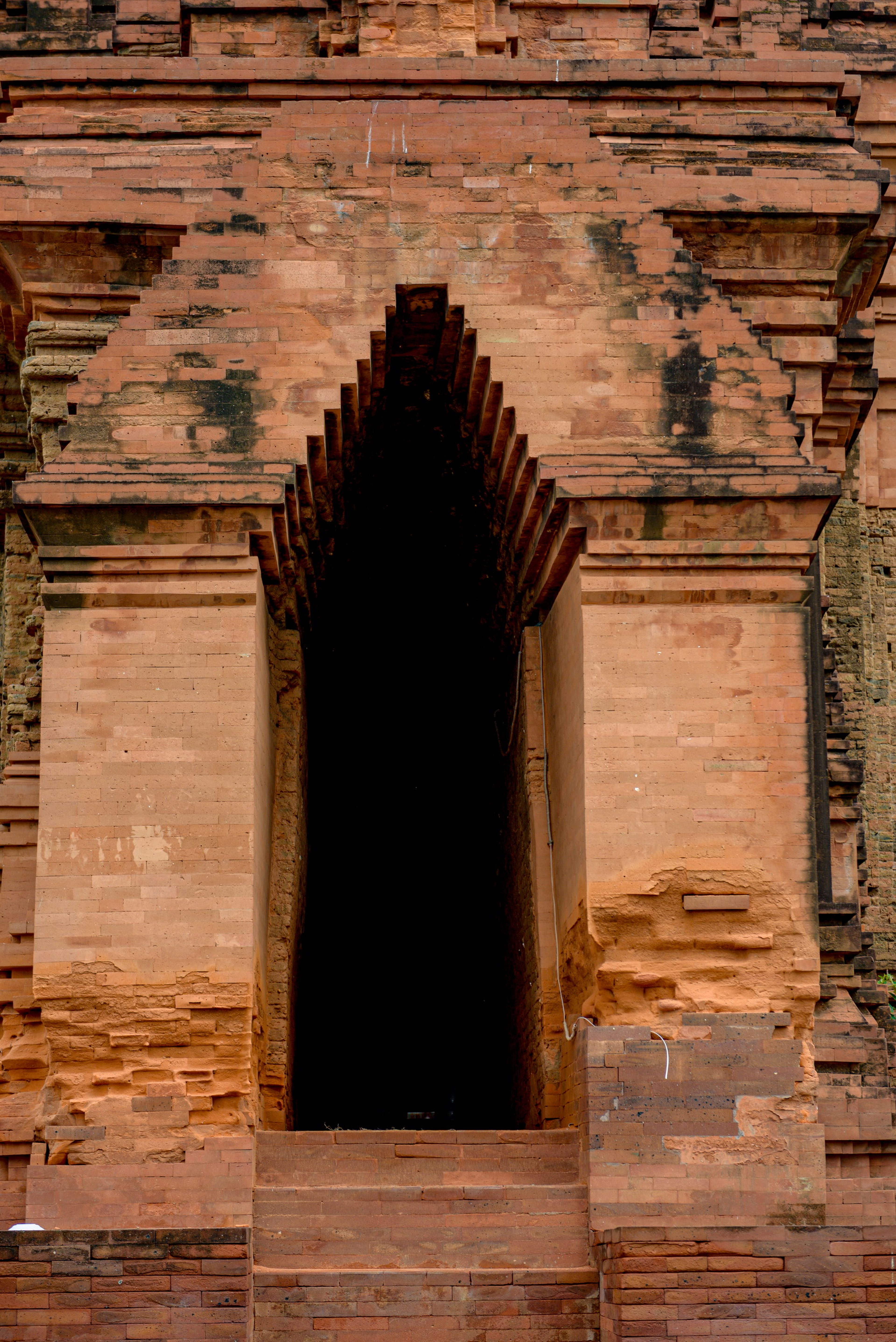
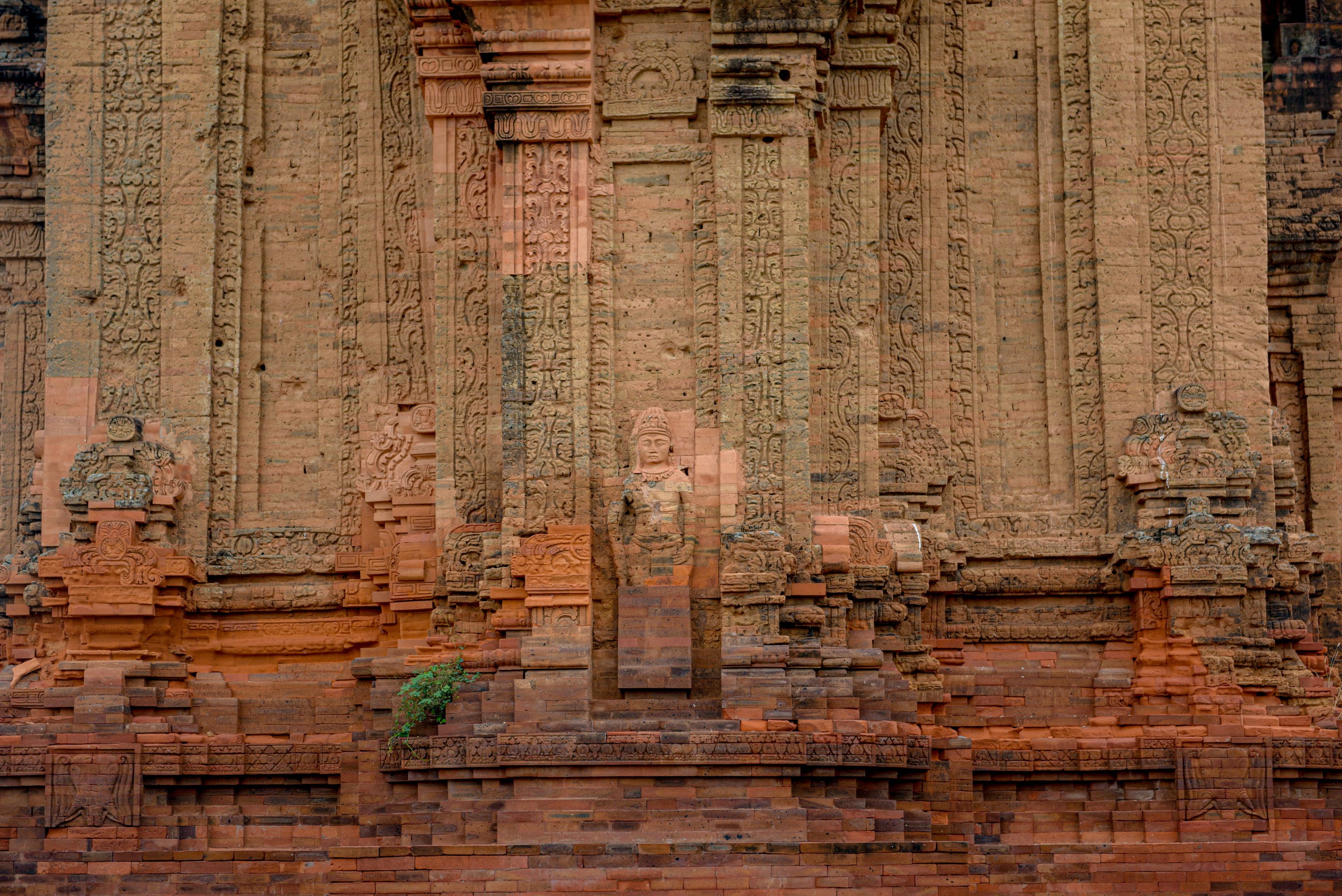
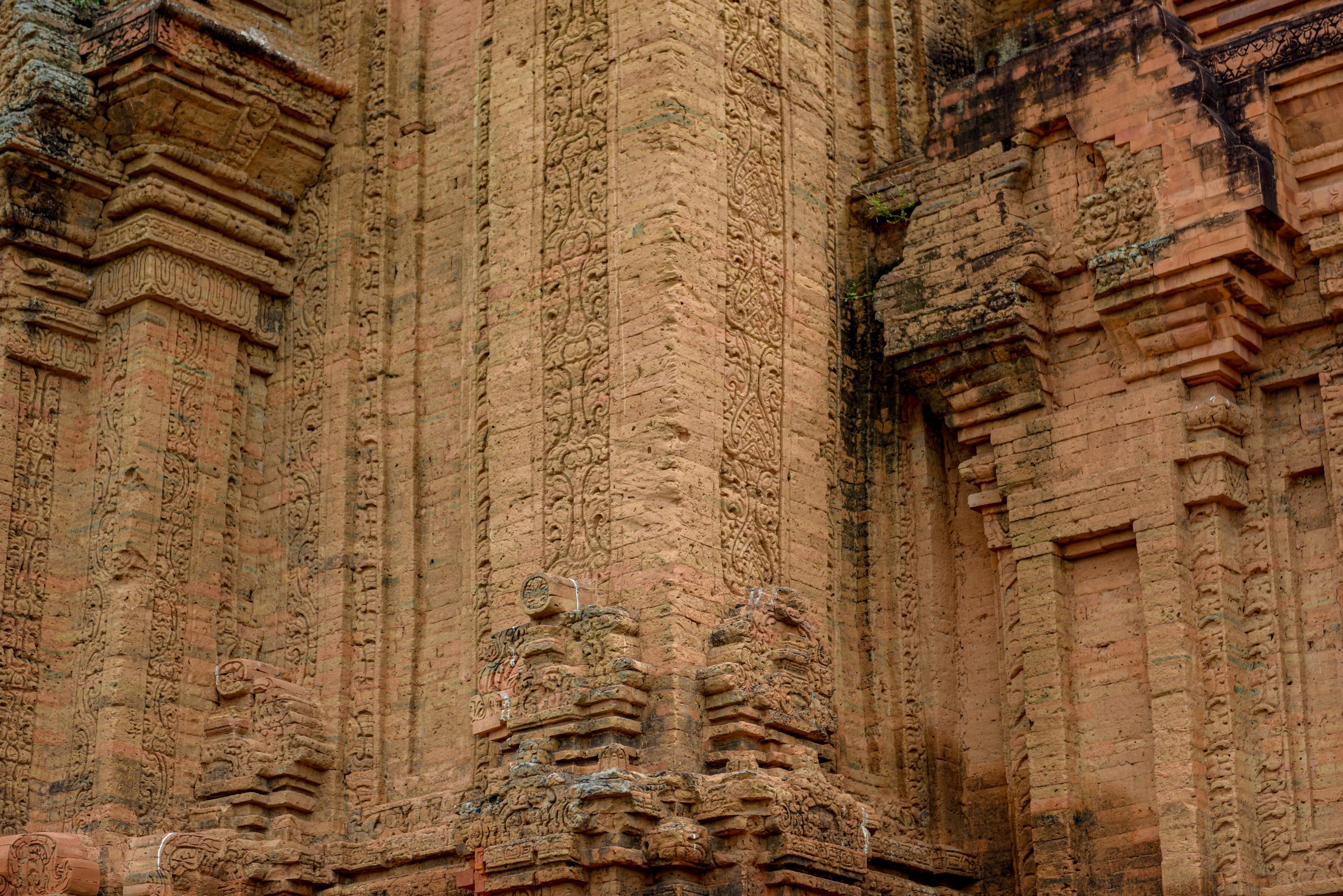
Visiting Hoa Lai is like stepping into an early chapter of Cham cultural heritage, where the red bricks, pilasters, and the rhythm of the false doors still have the power to tell the history of a religious center that once played a crucial role in the southern part of the Champa Kingdom.
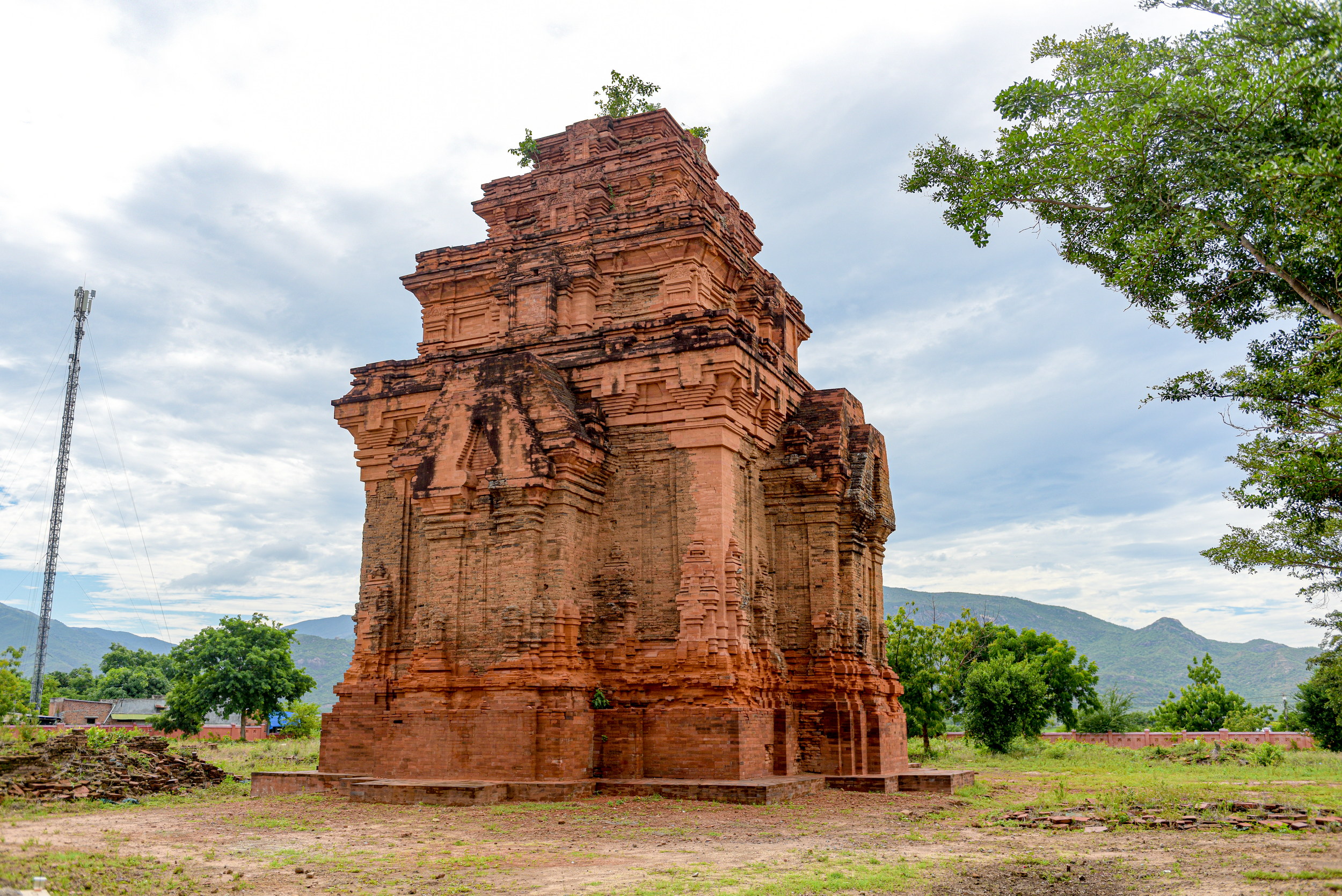
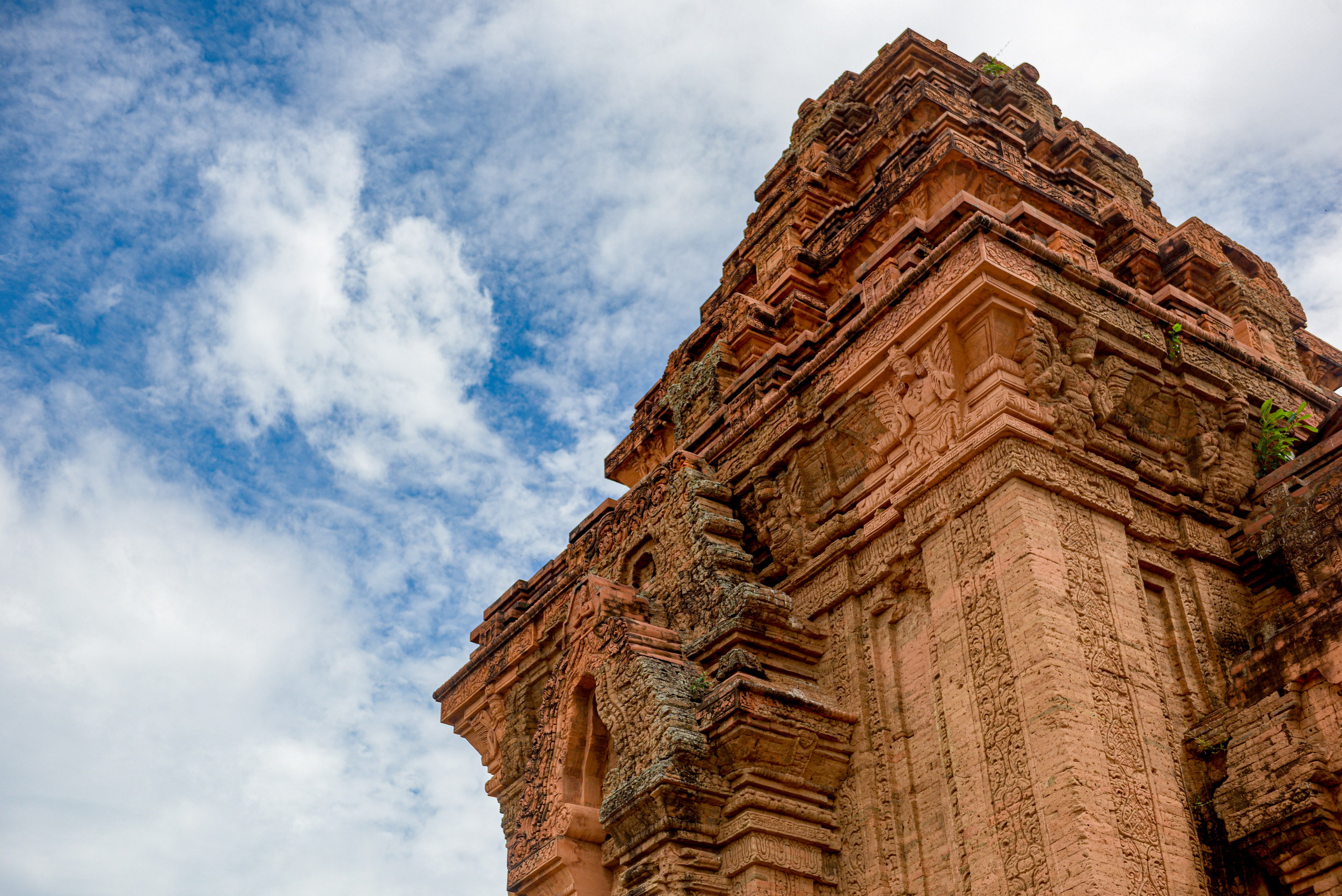
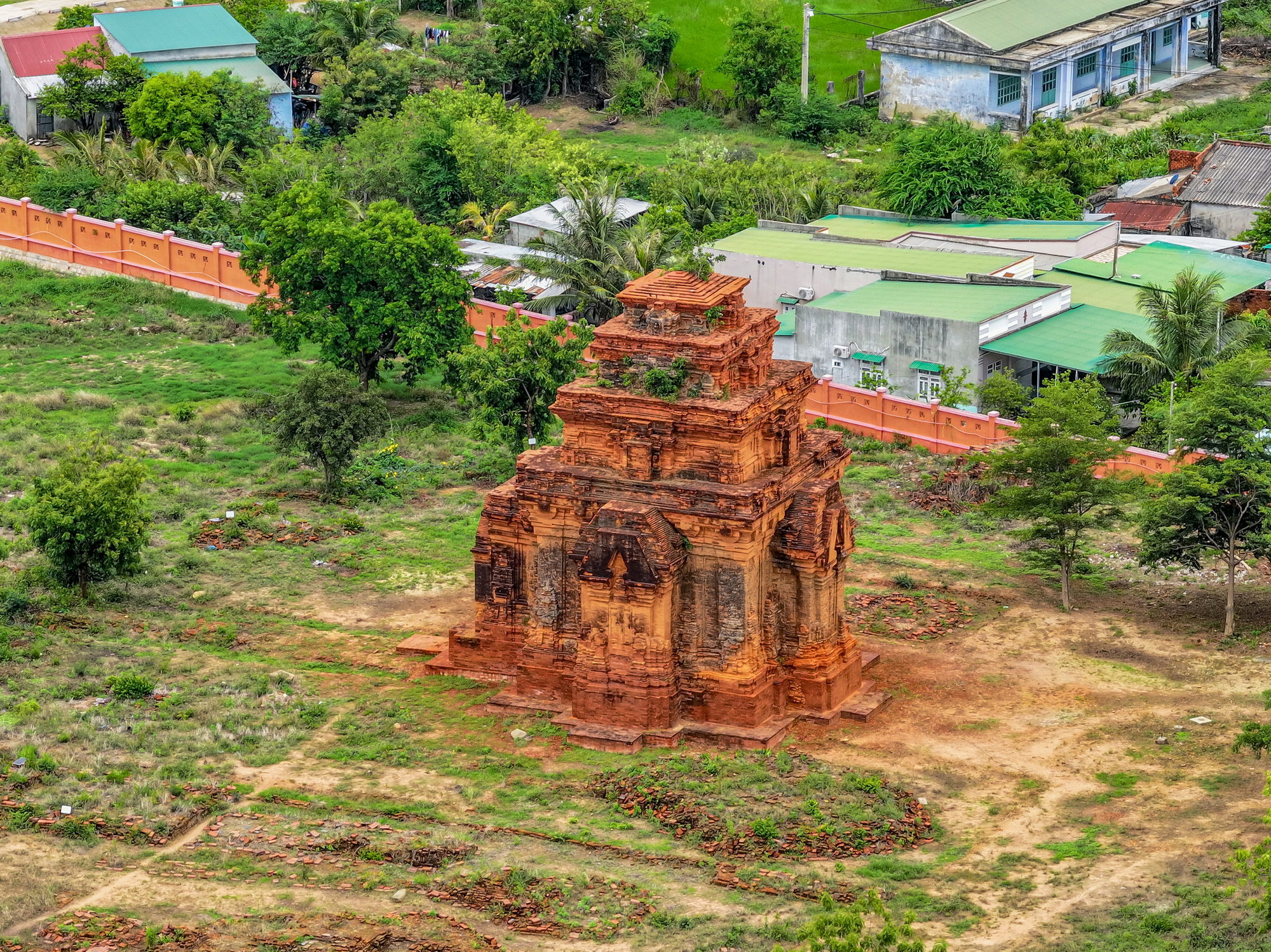
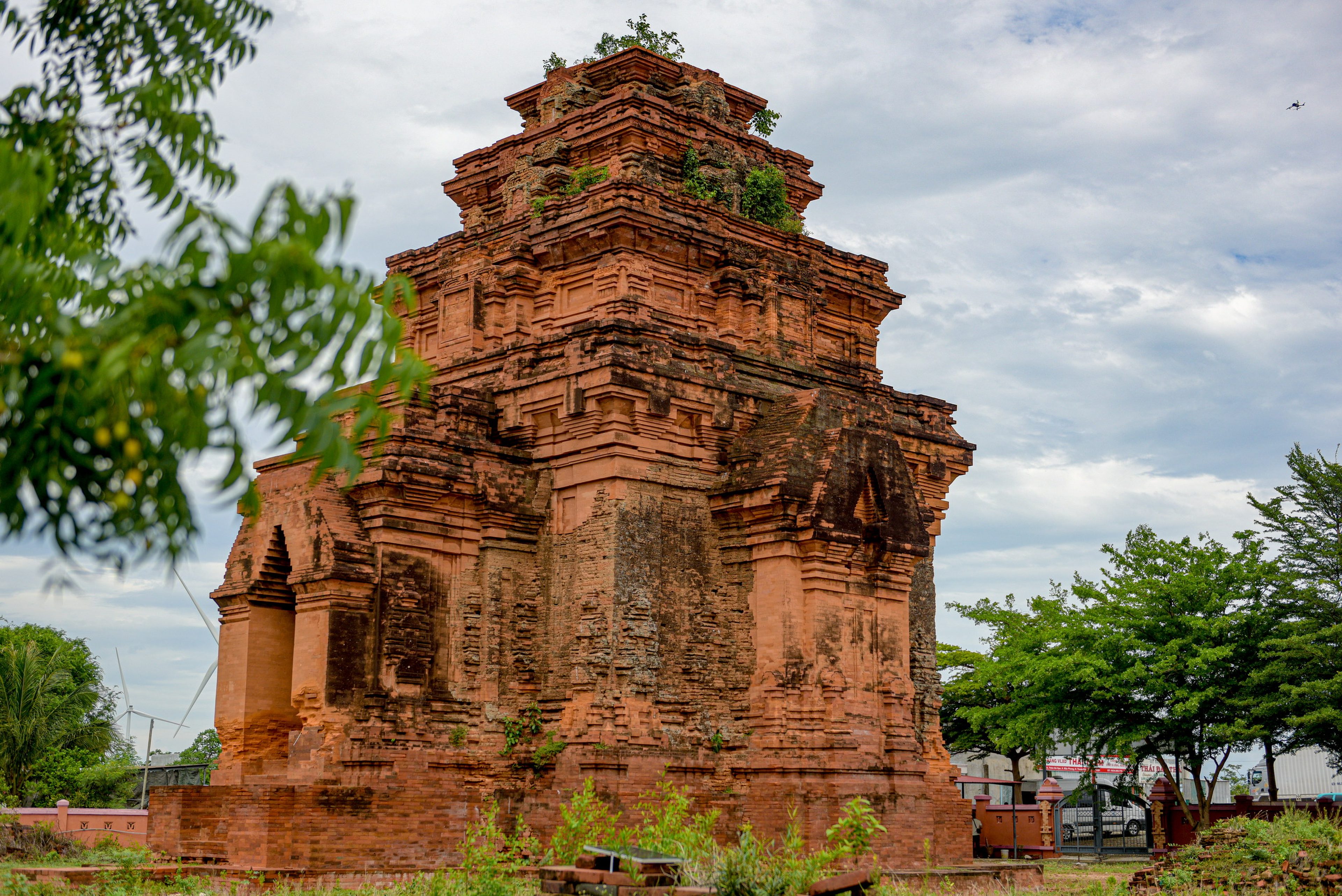
The Hoa Lai Towers were built around the 8th - 9th centuries, associated with the vigorous development of Panduranga and the Champa royalty’s dedication to Shiva. It is here that many researchers recognize a distinct architectural style: soaring tower bodies, strong blocks, and a composition that is both tight and graceful.
Three towers and the marks of time
From a complete complex to the two remaining structures
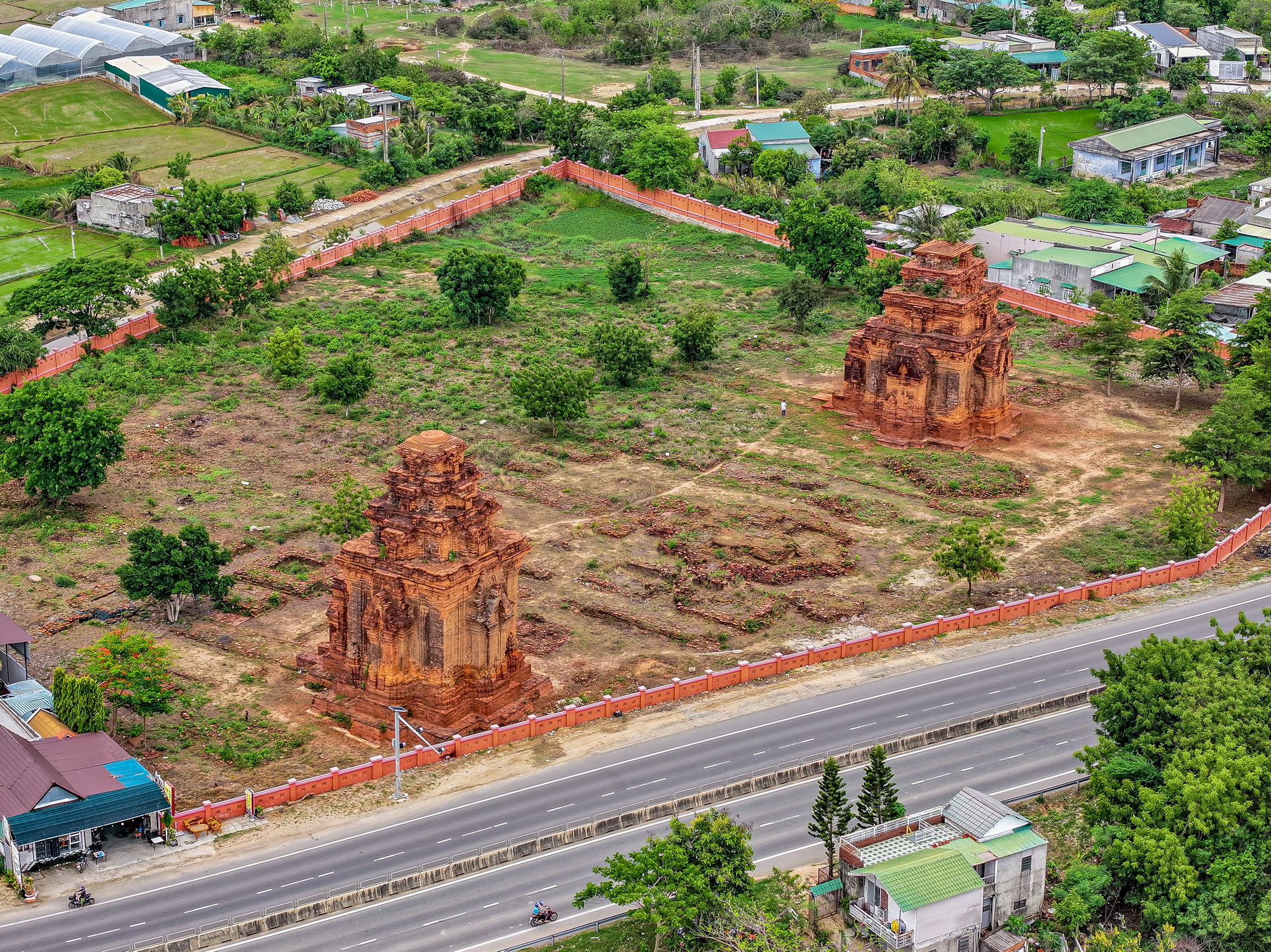
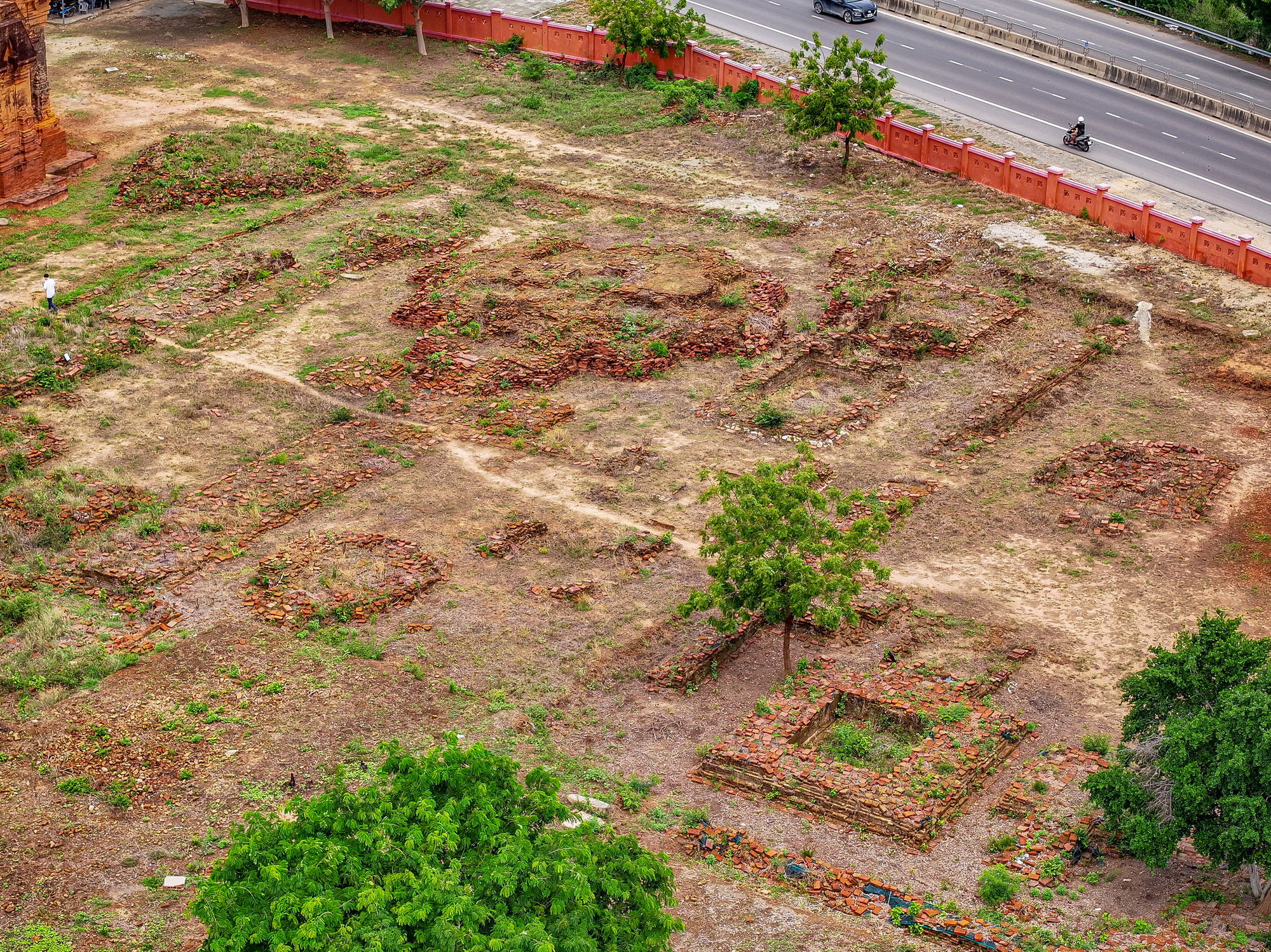
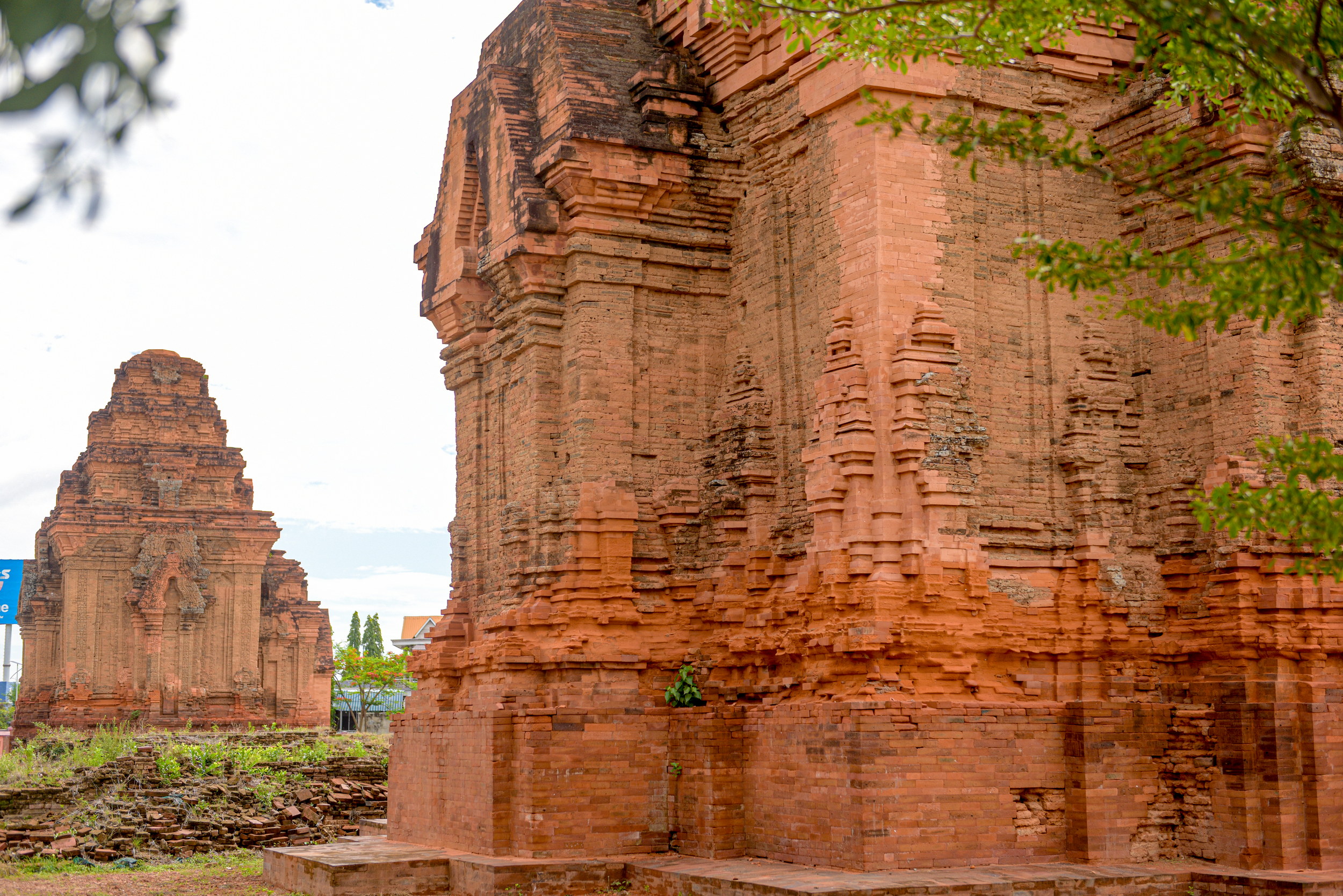
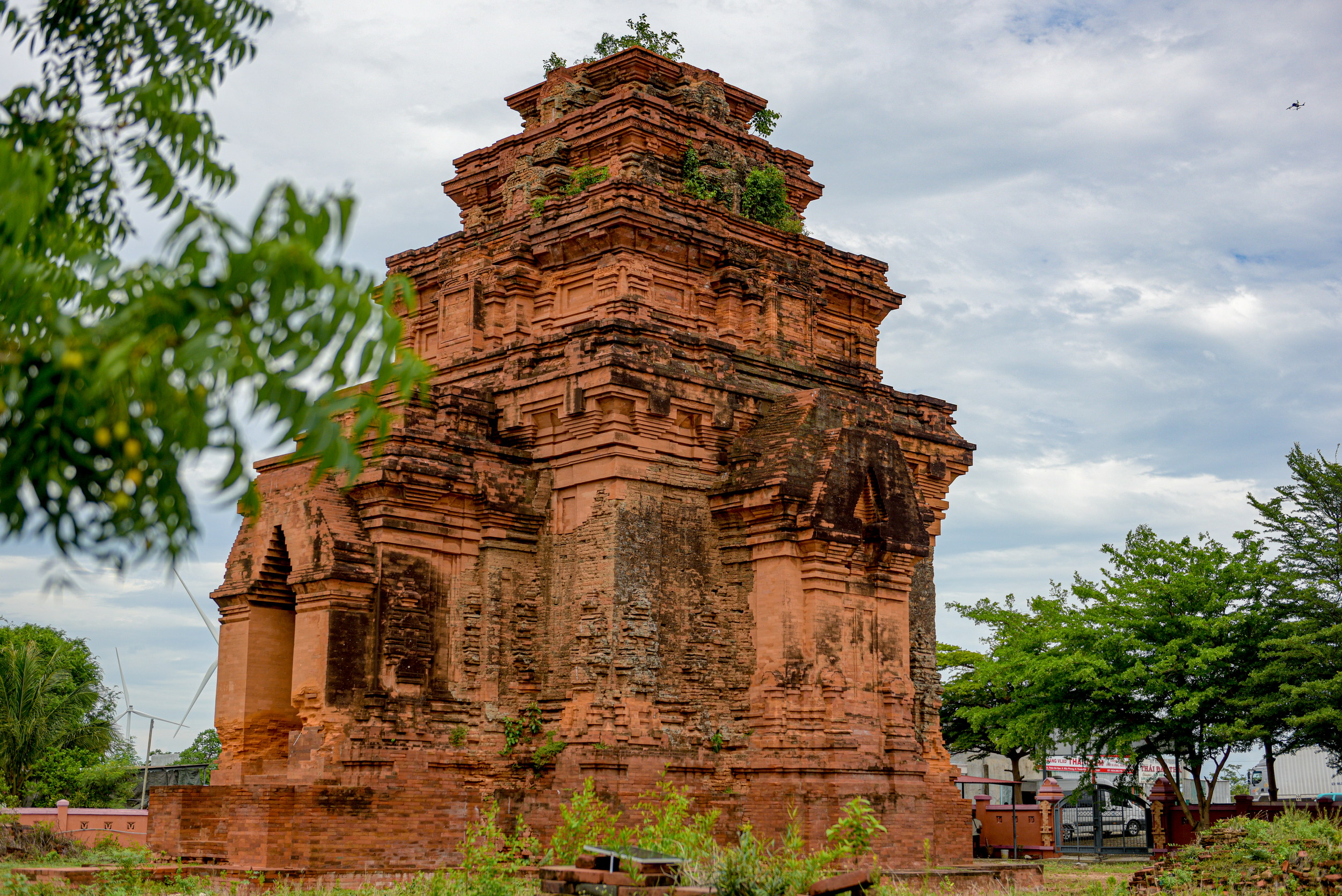
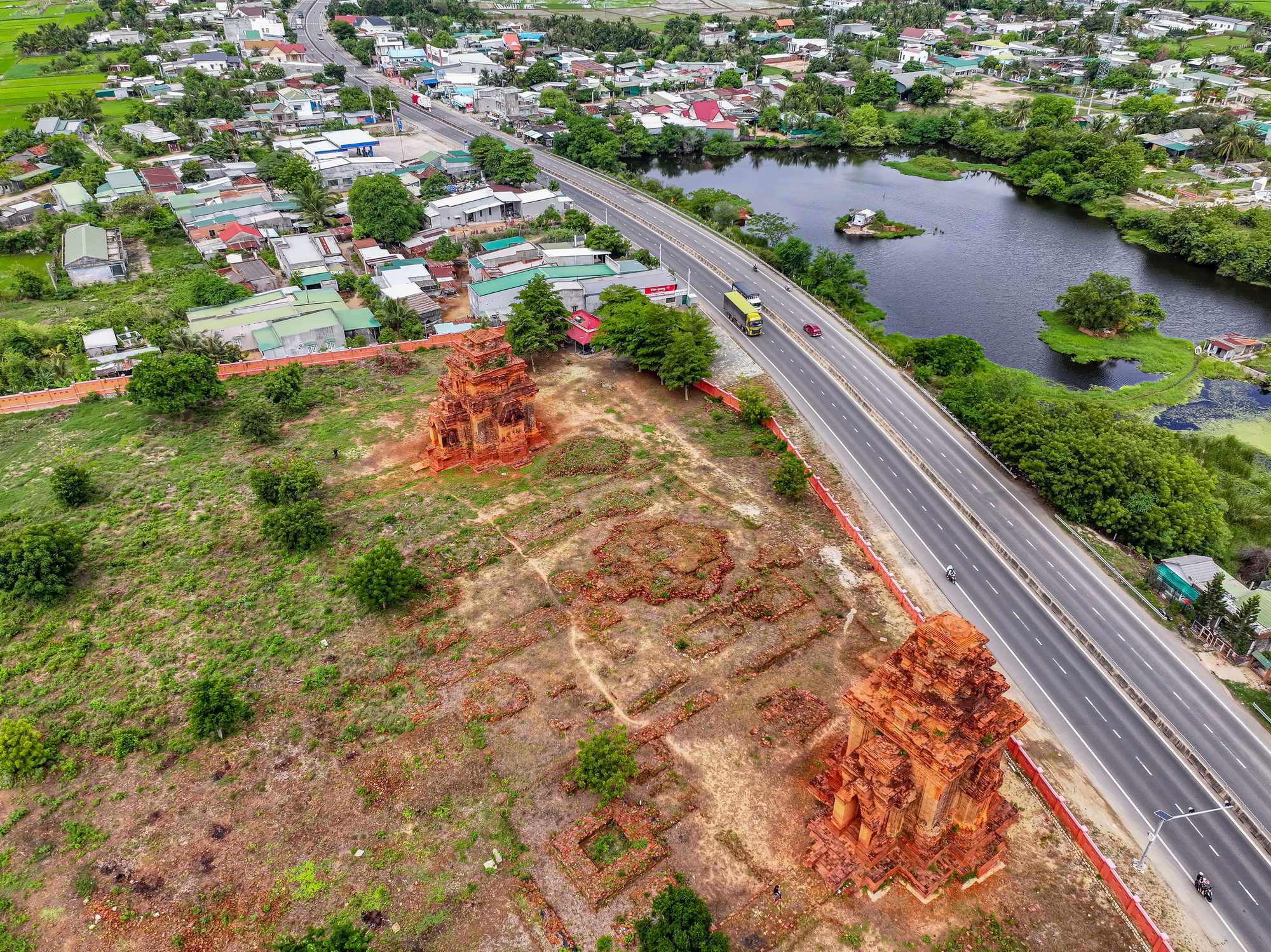
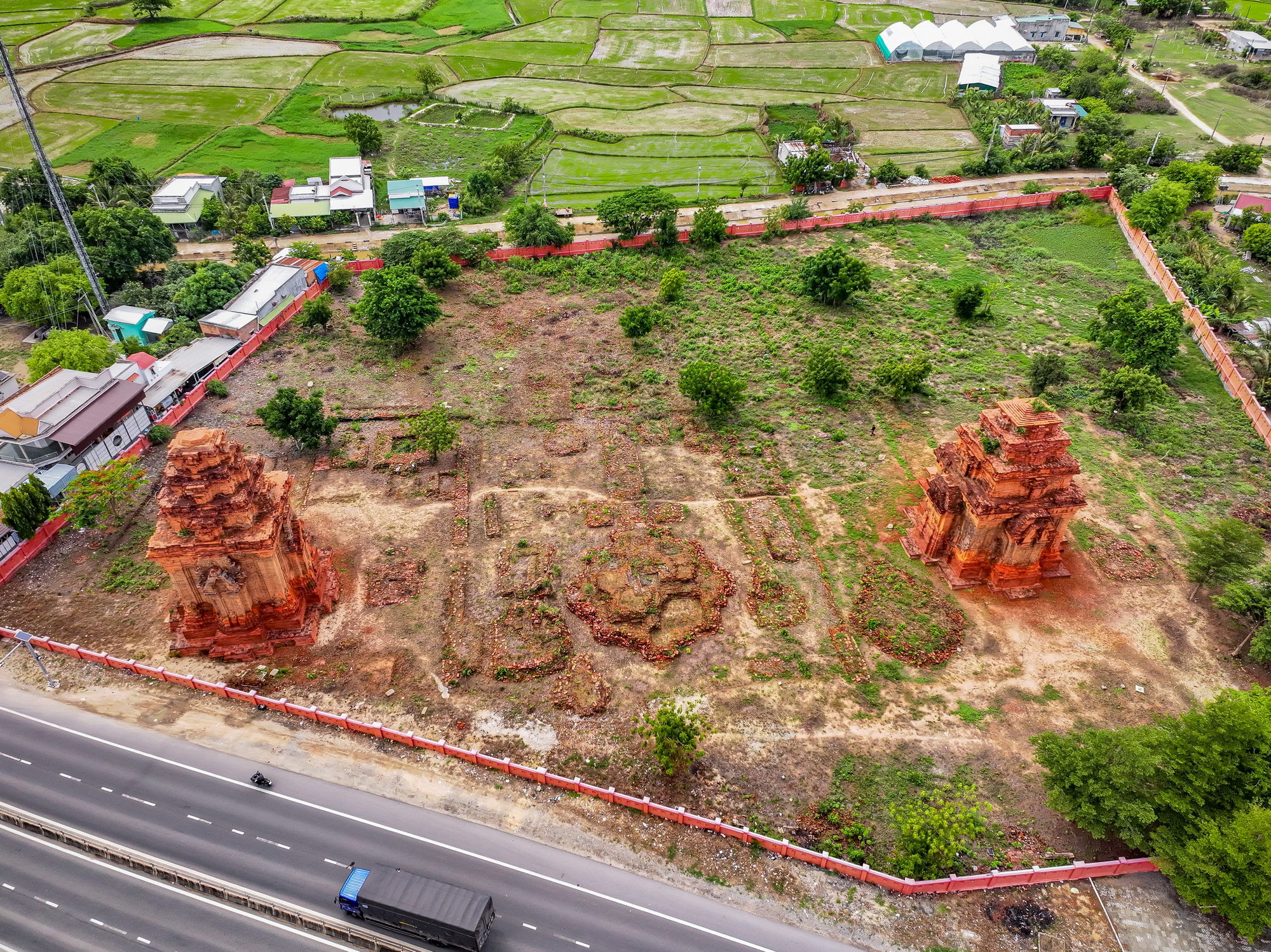
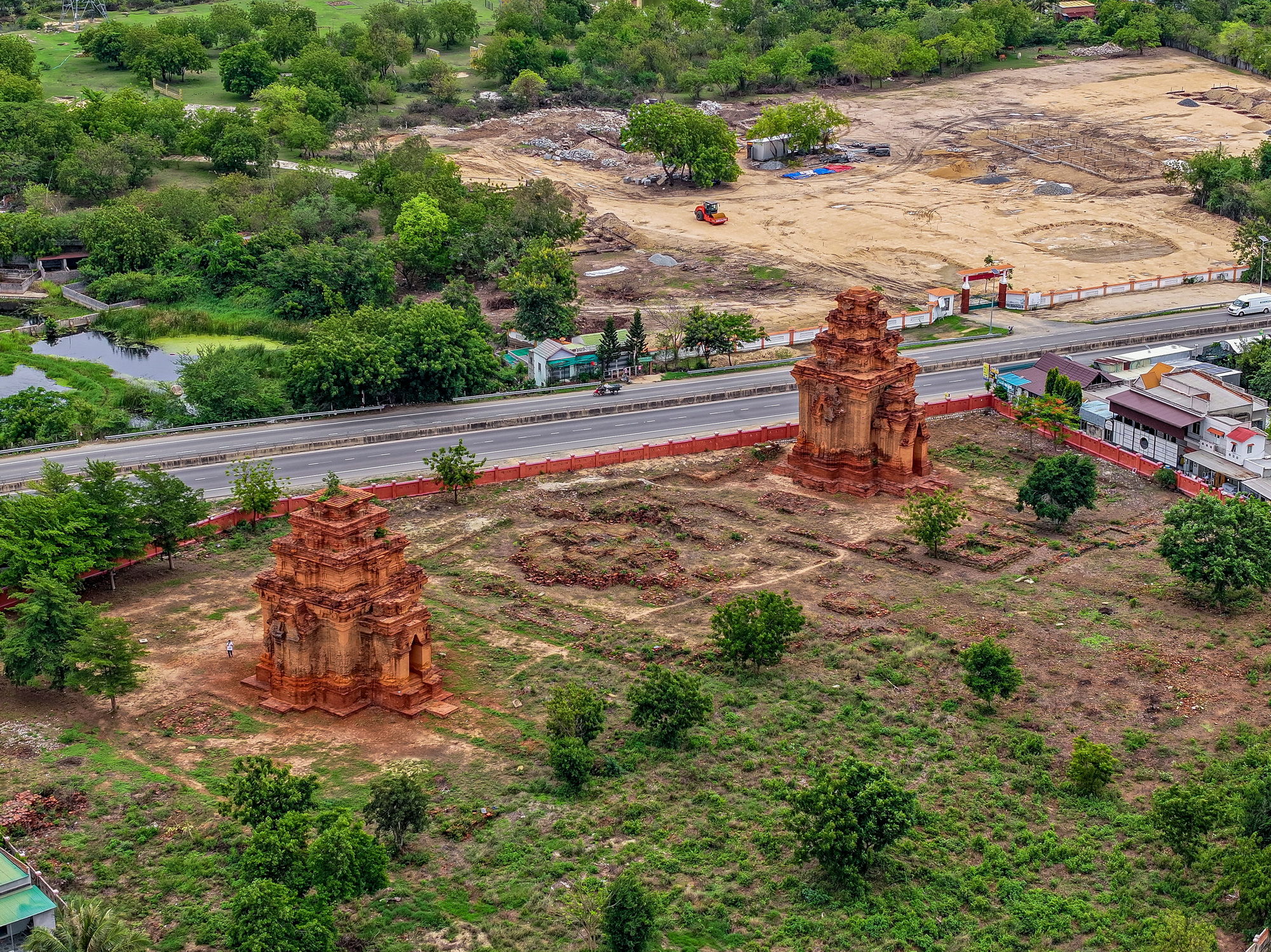
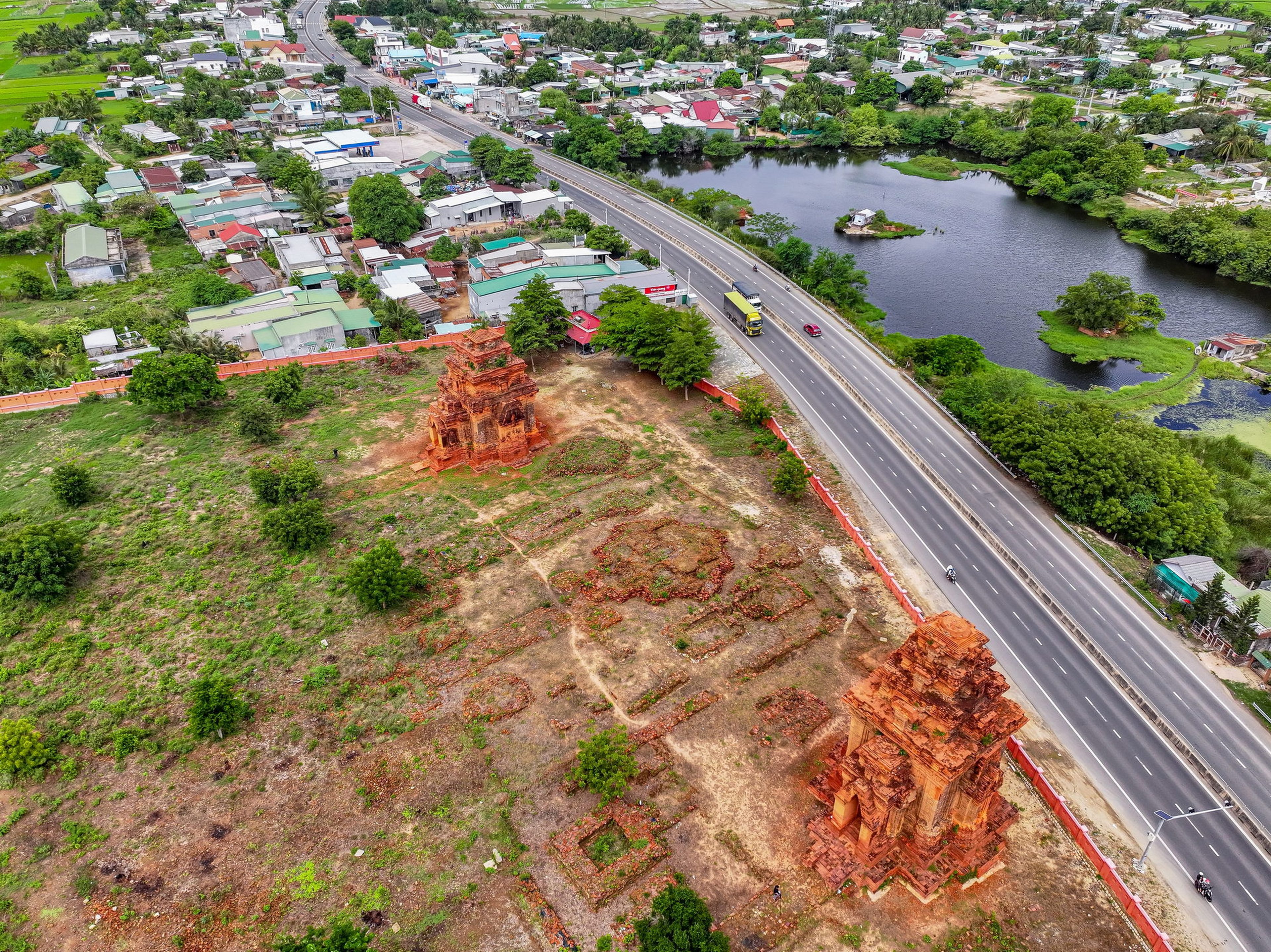
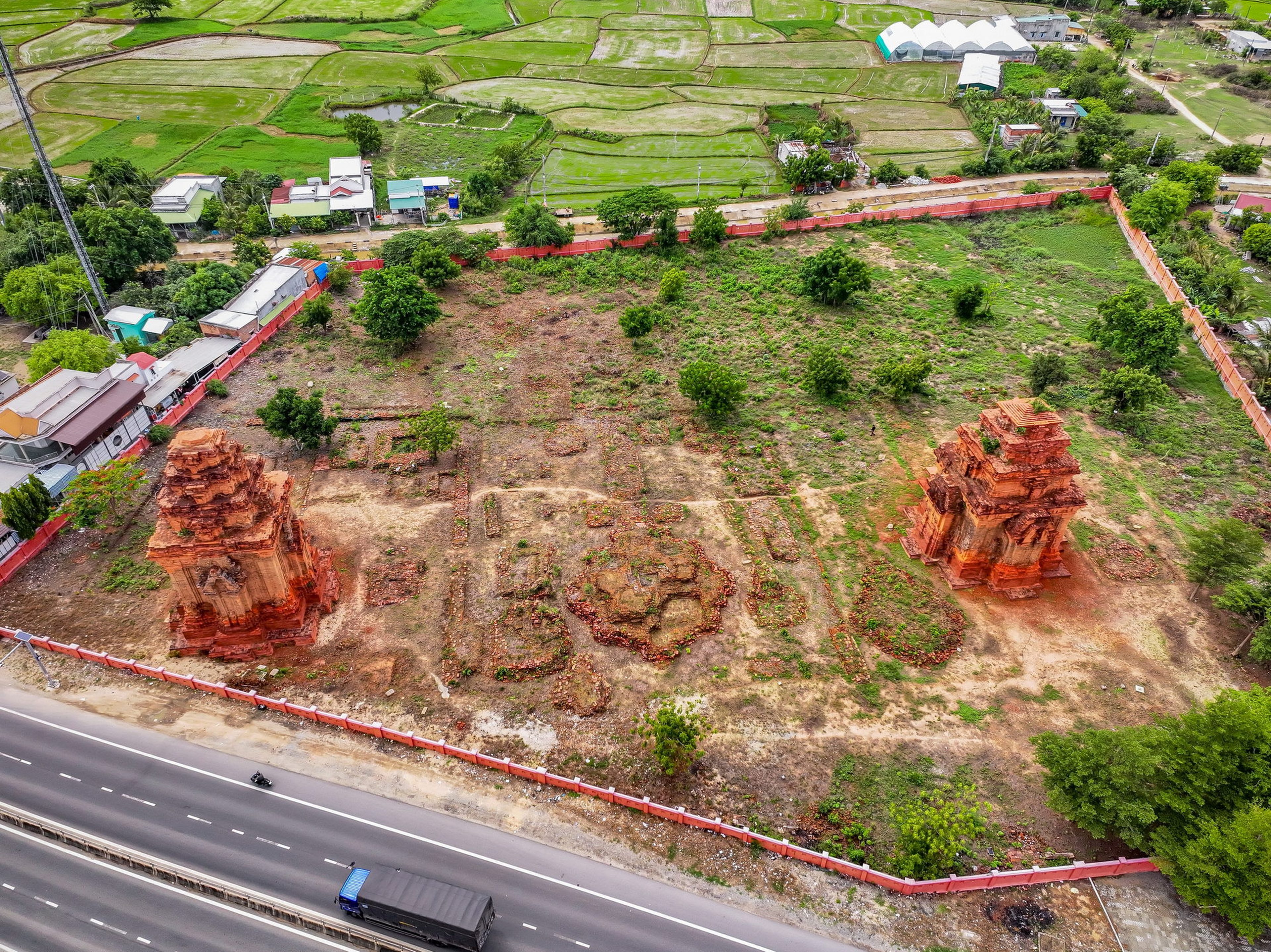
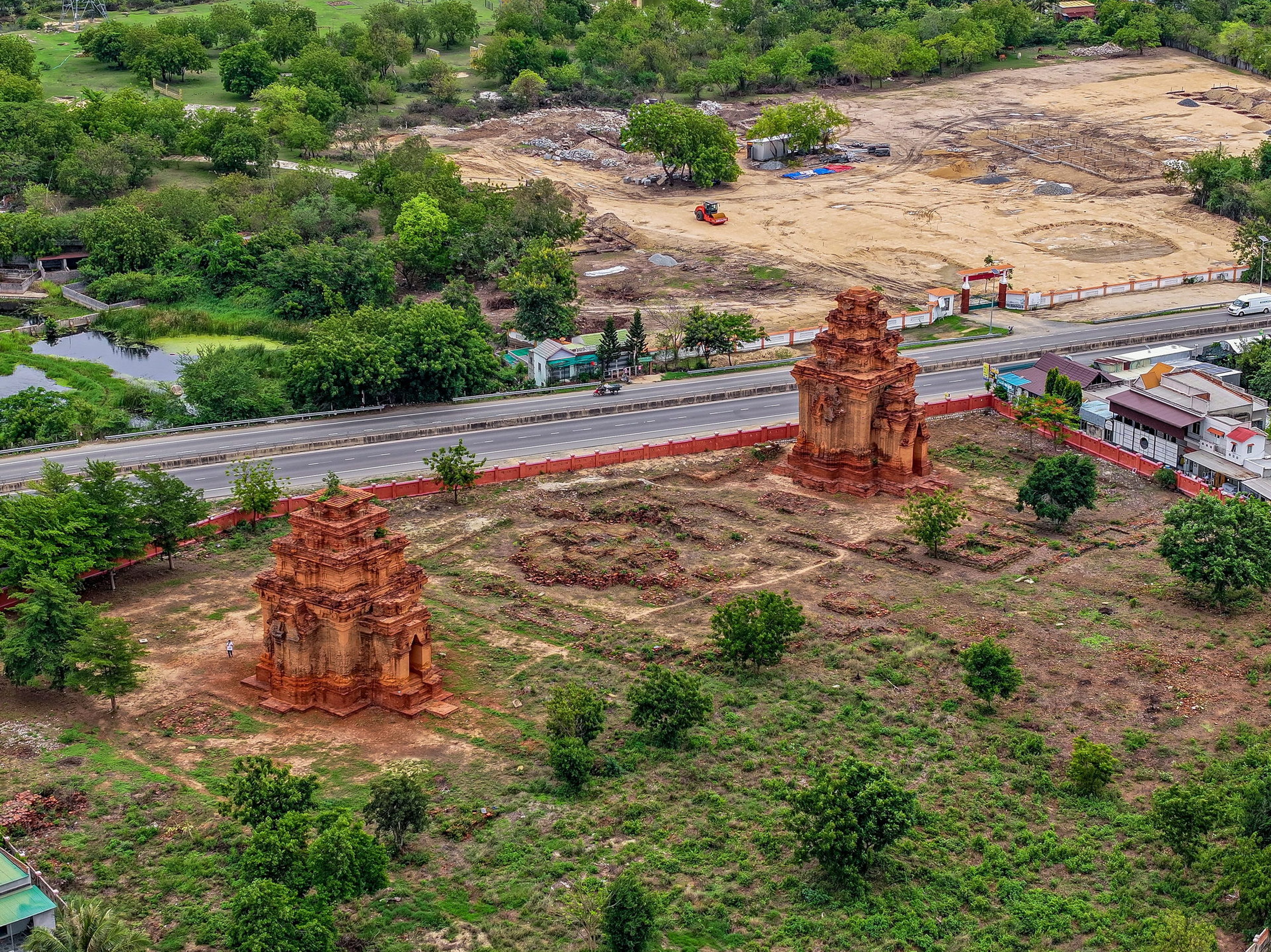
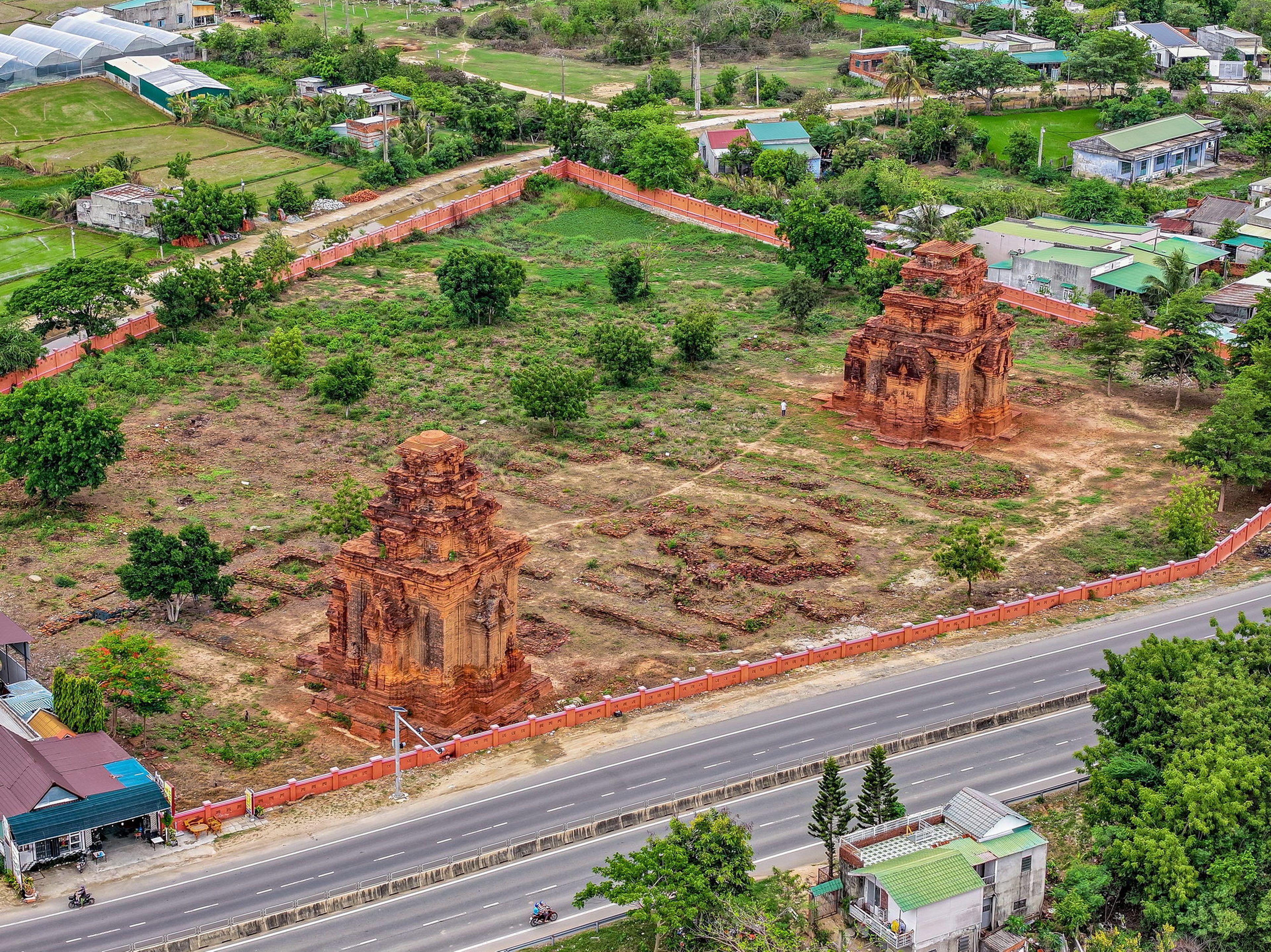
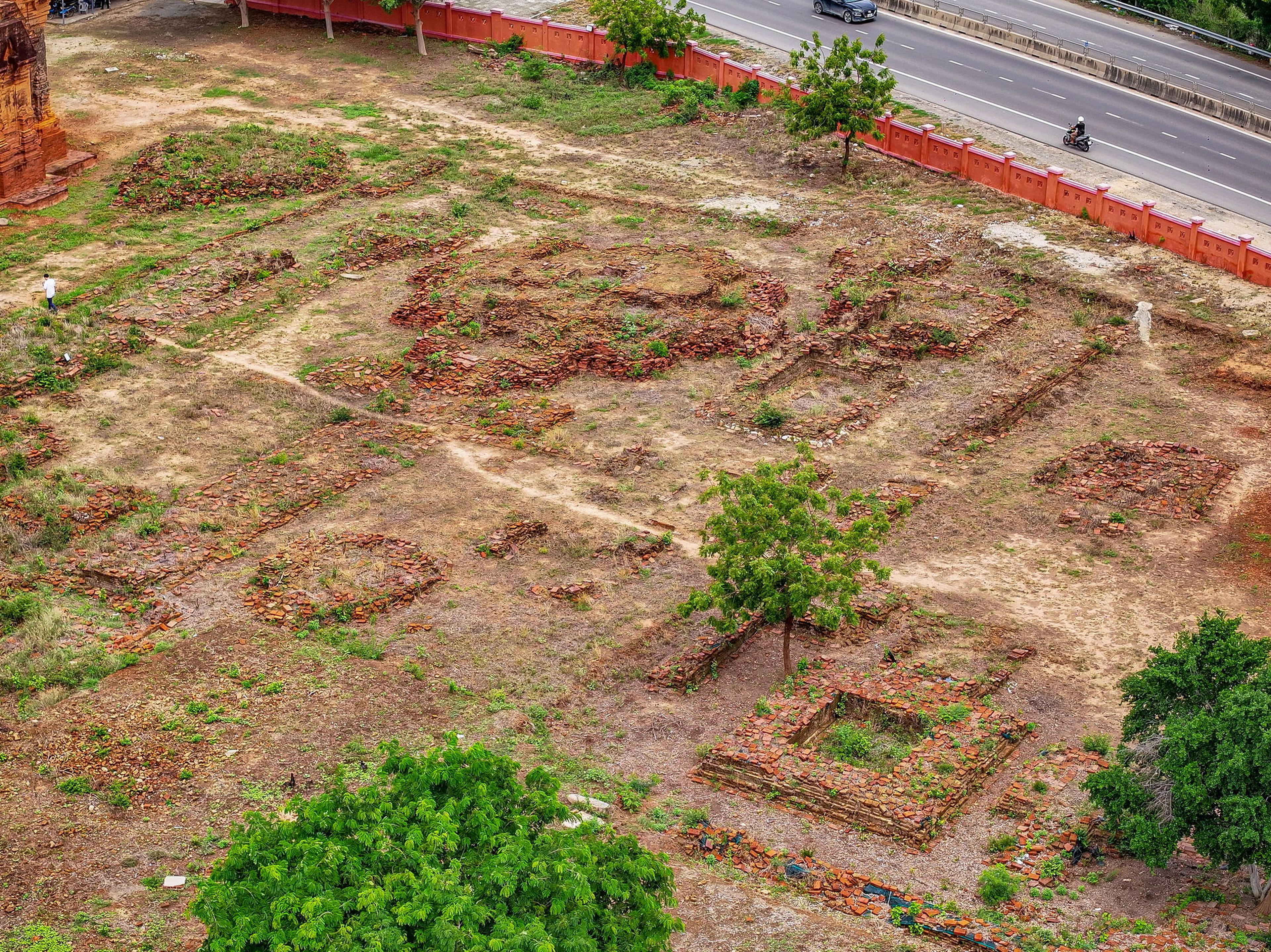
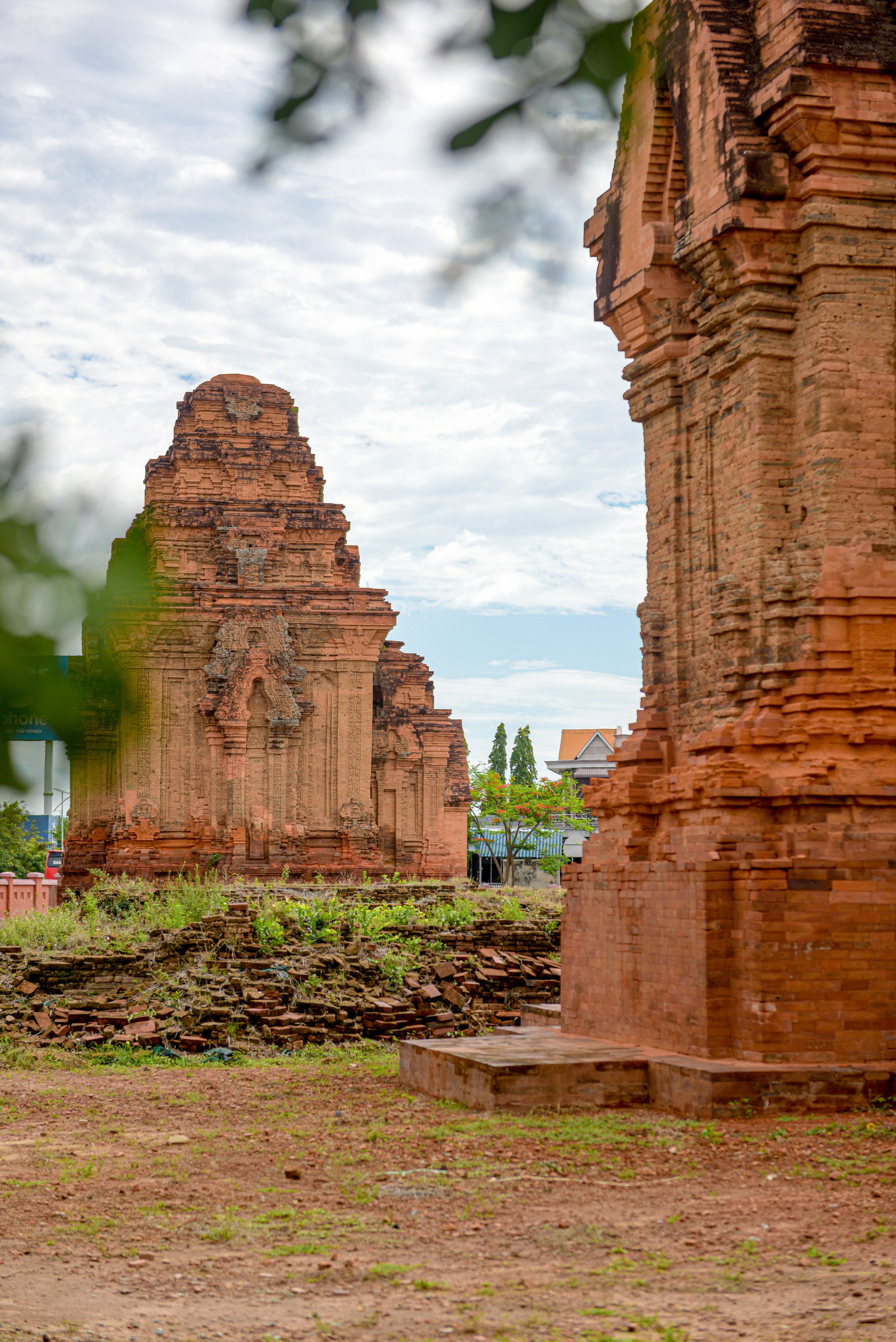
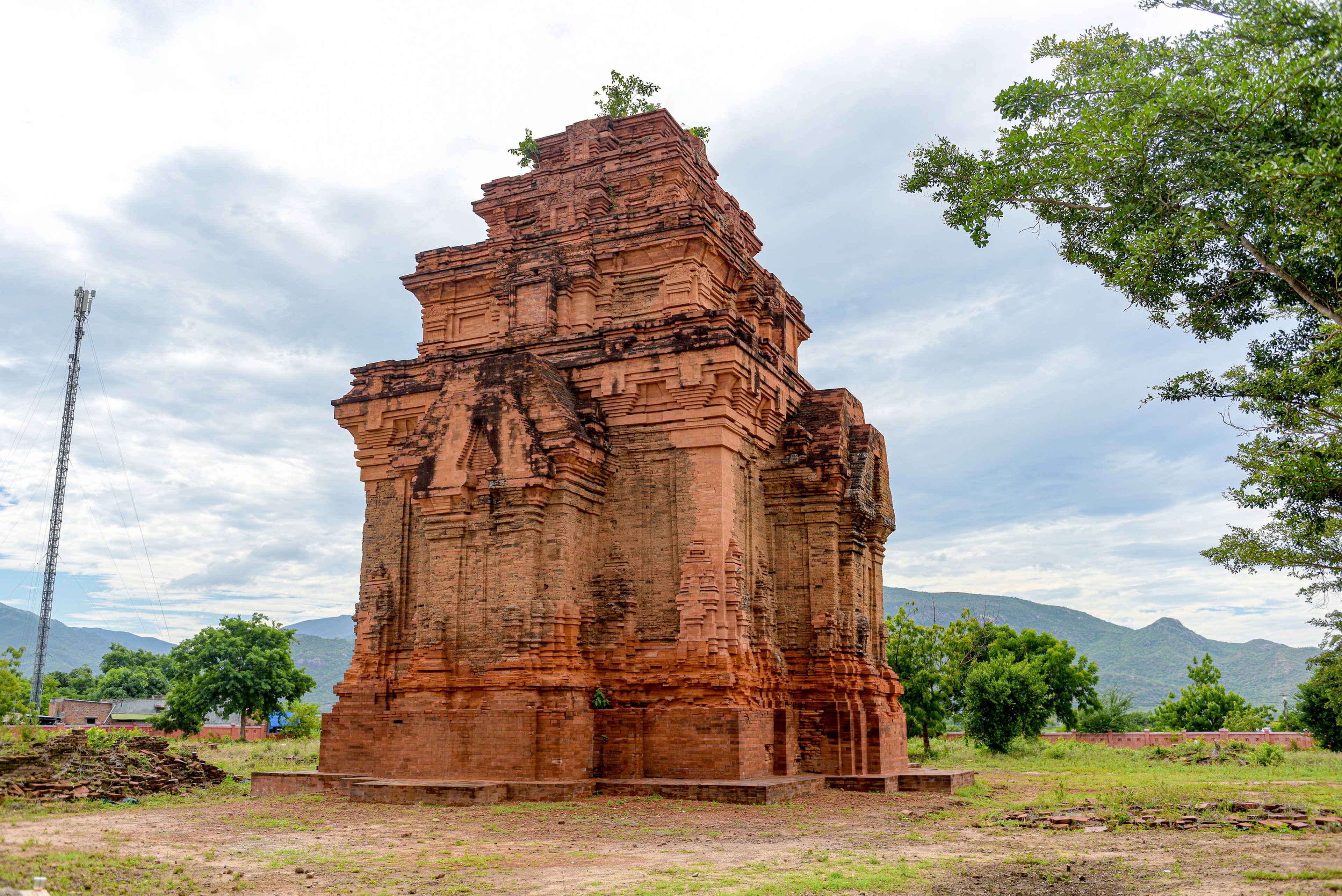
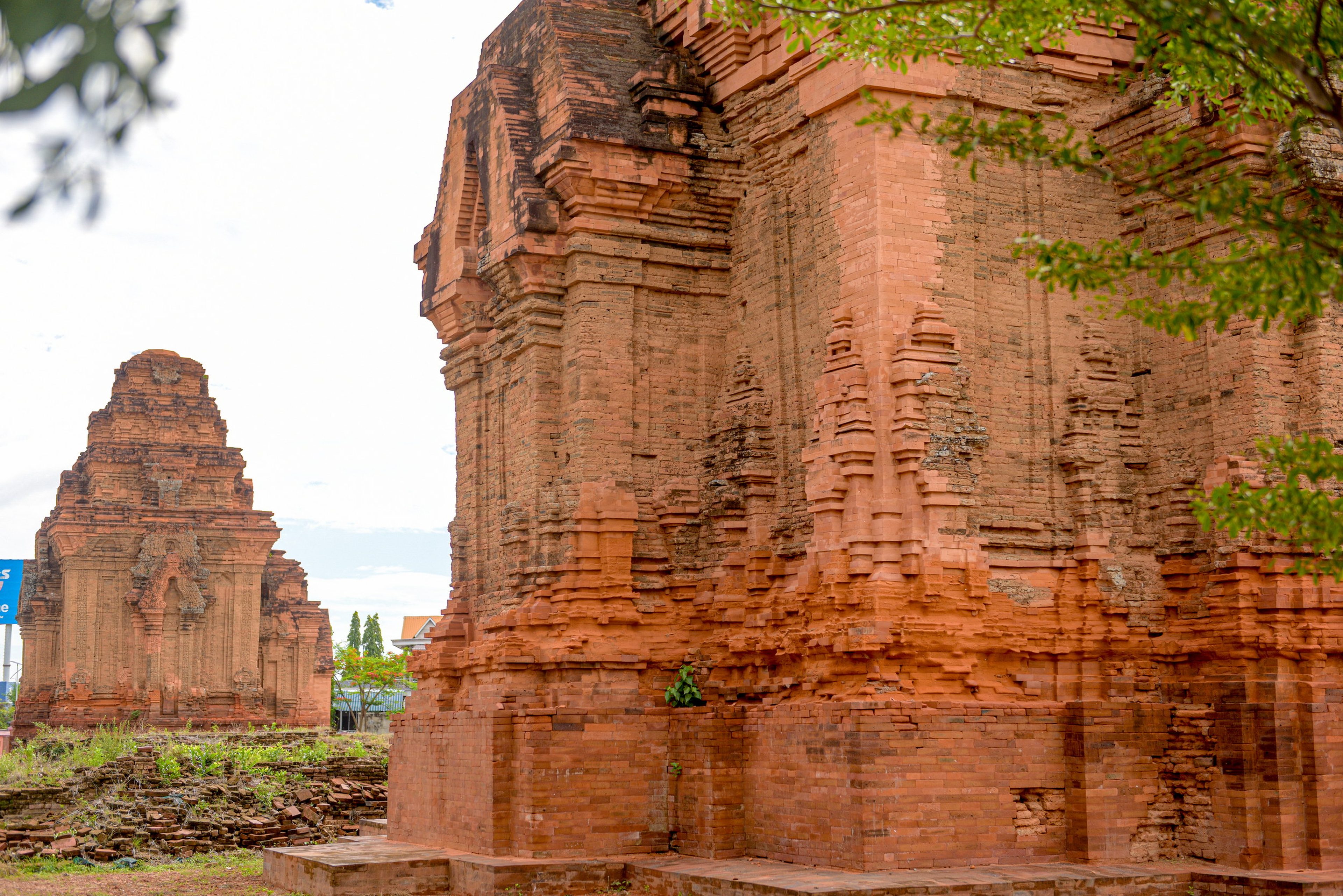
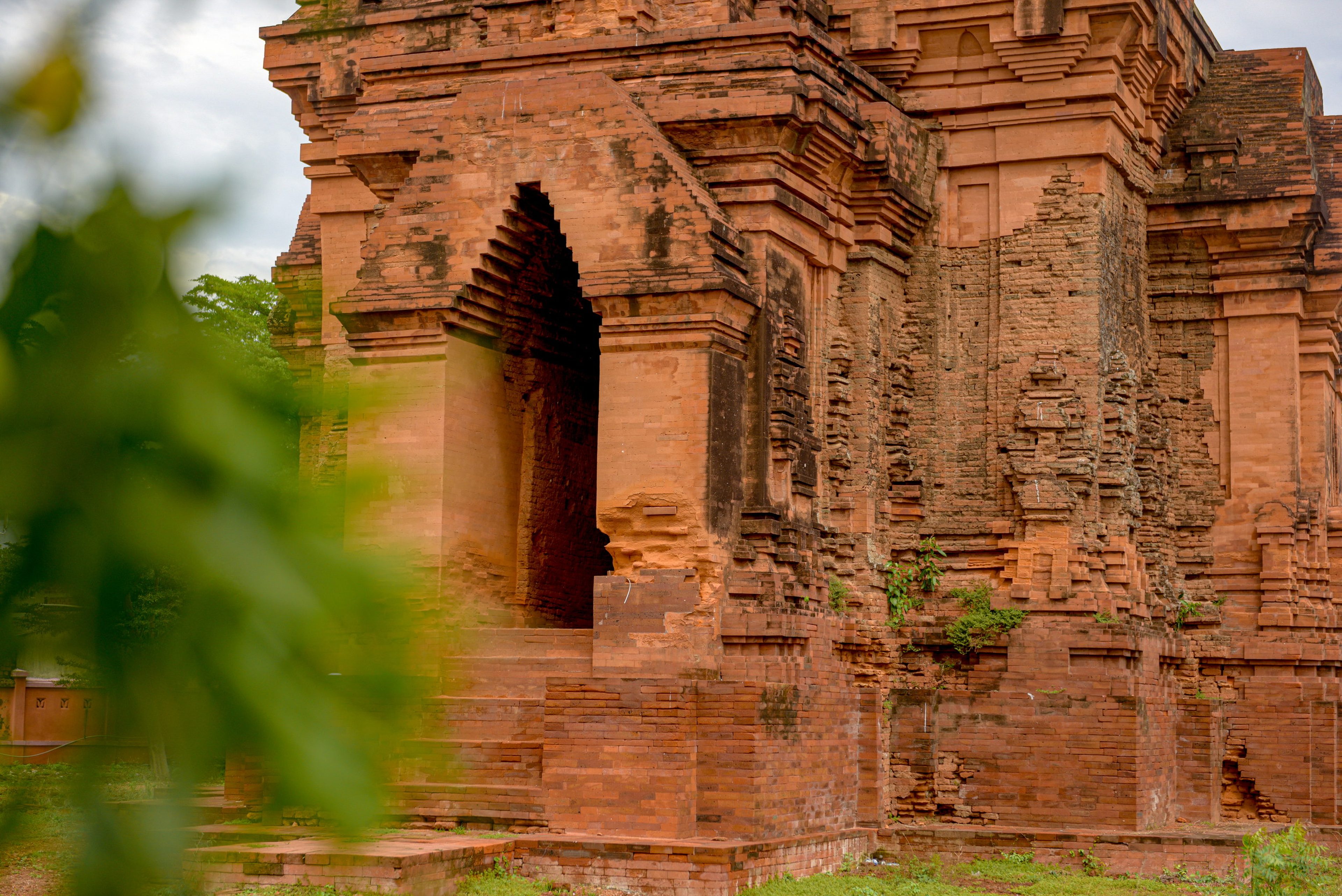
Originally, Hoa Lai consisted of the North Tower, Middle Tower, and South Tower arranged along a North-South axis. Today, the Middle Tower is only a ruin, while the North and South Towers retain their prominent forms, enough for visitors to visualize the scale and spatial philosophy of the ancient complex.
It is this contrast between what remains and what is lost that gives Hoa Lai its unique appeal. Visitors not only see what survives but also feel the void of what is missing, thereby better understanding the archaeological value and the responsibility of preserving Cham brick heritage.
Patterns, Garudas, and mysterious false doors
Decorative features that open up the symbolic world of Cham art
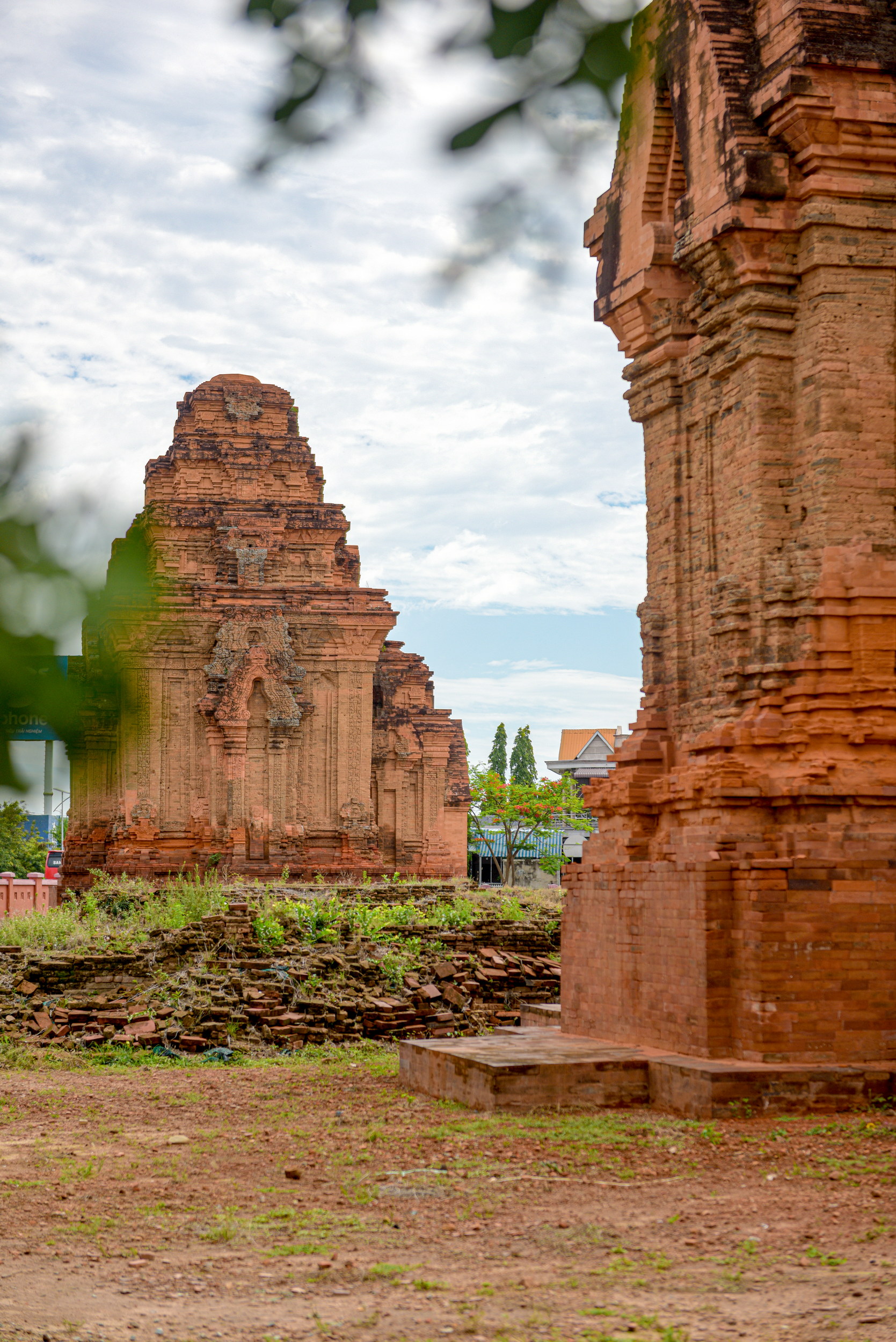
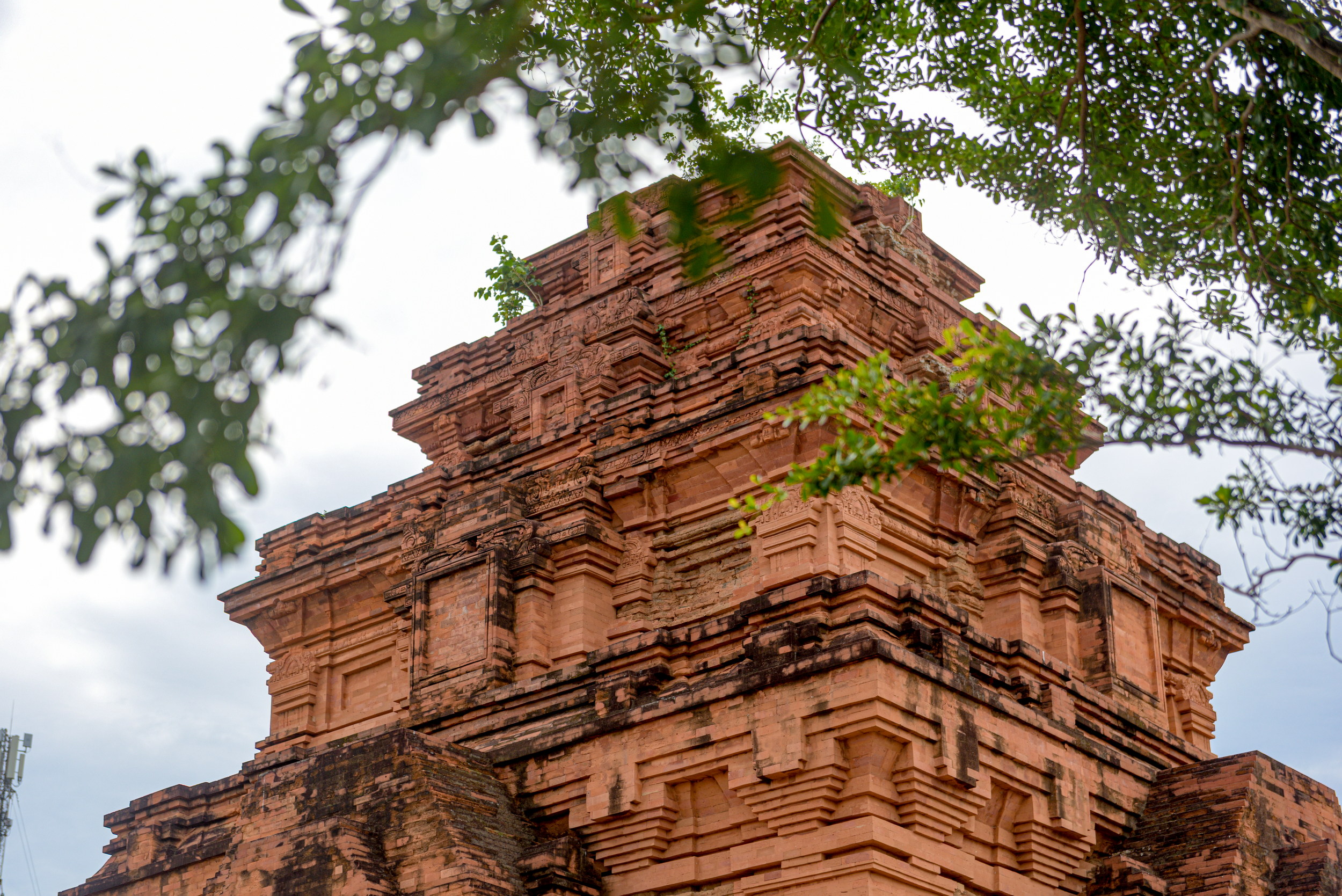
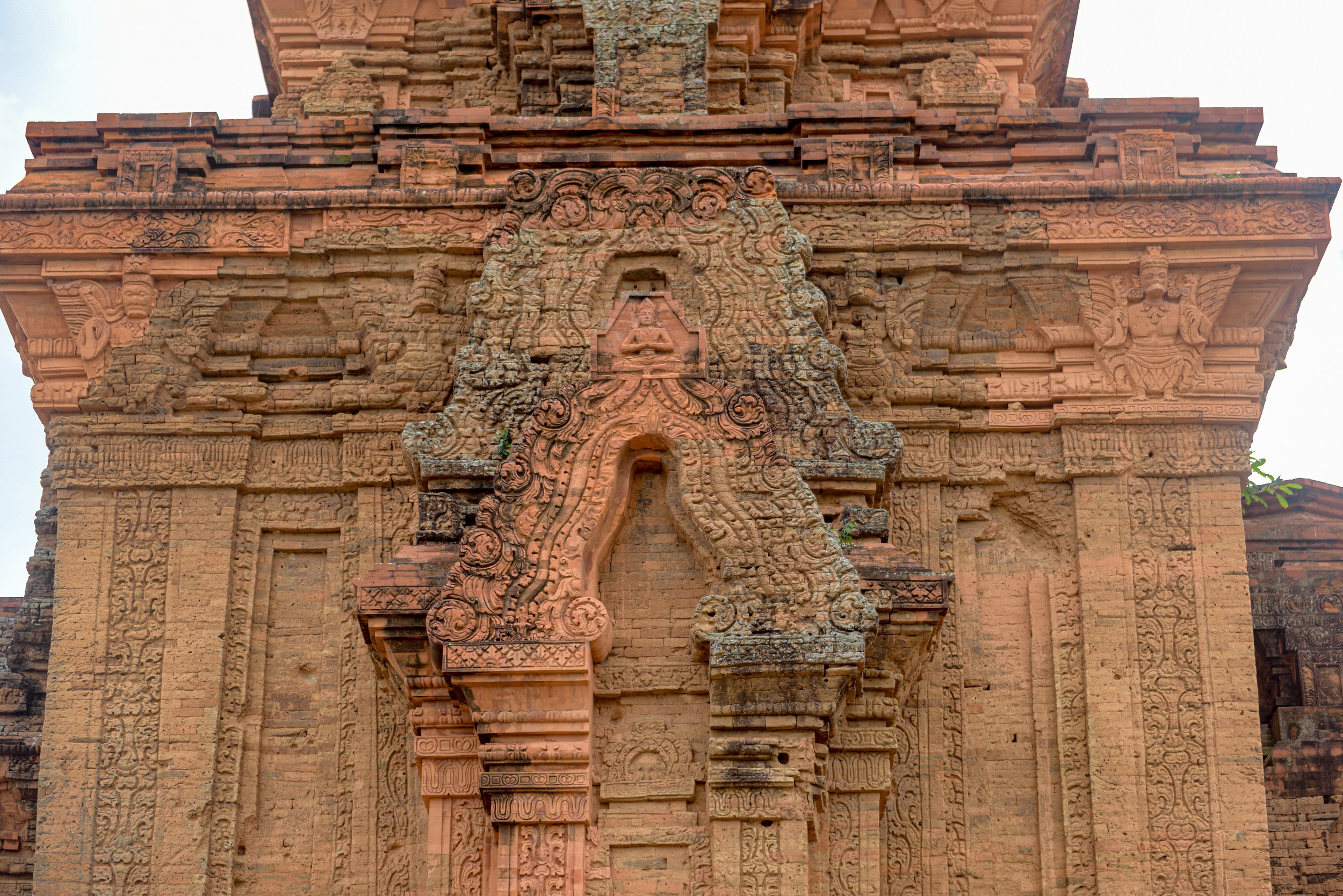
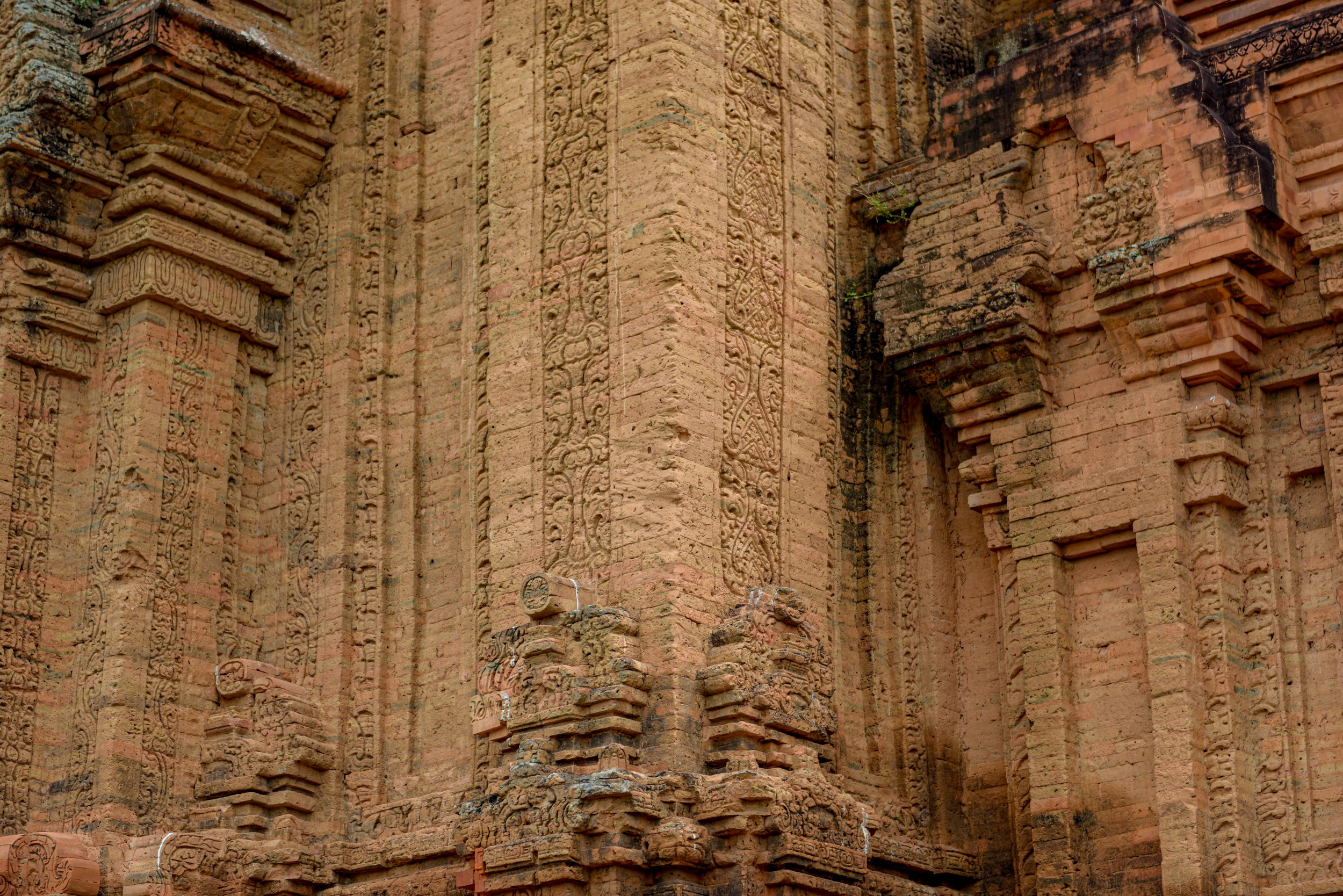
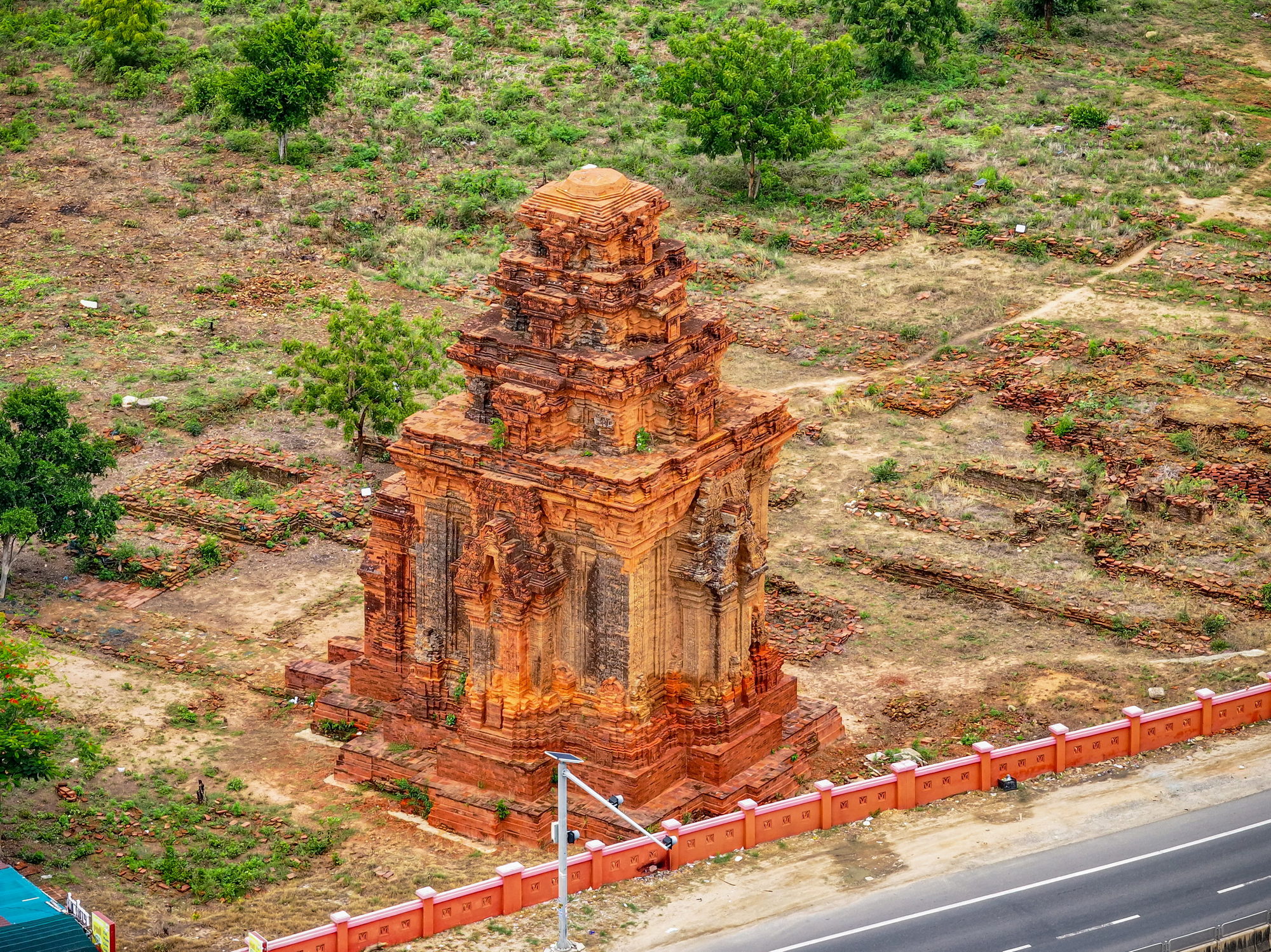
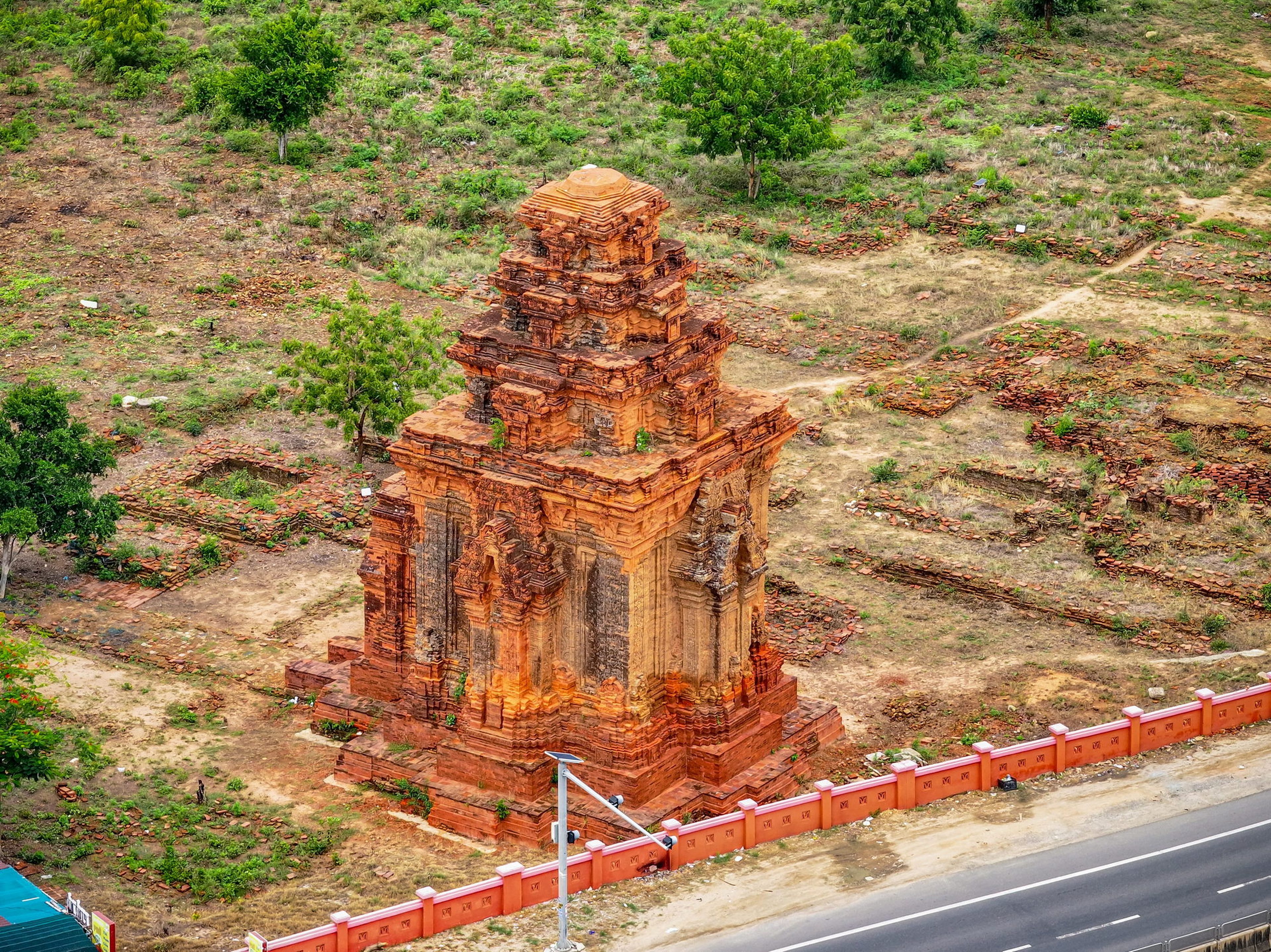
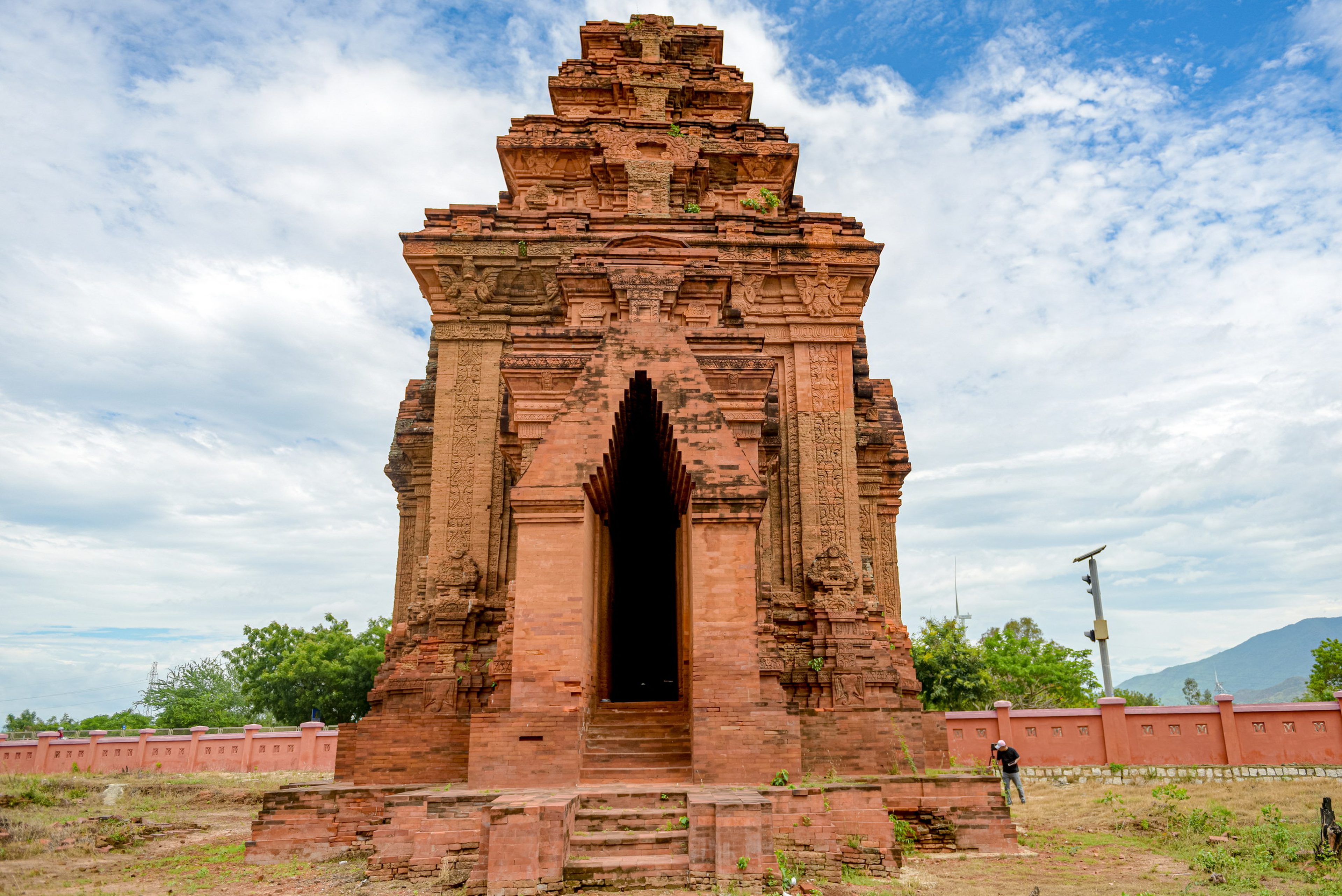
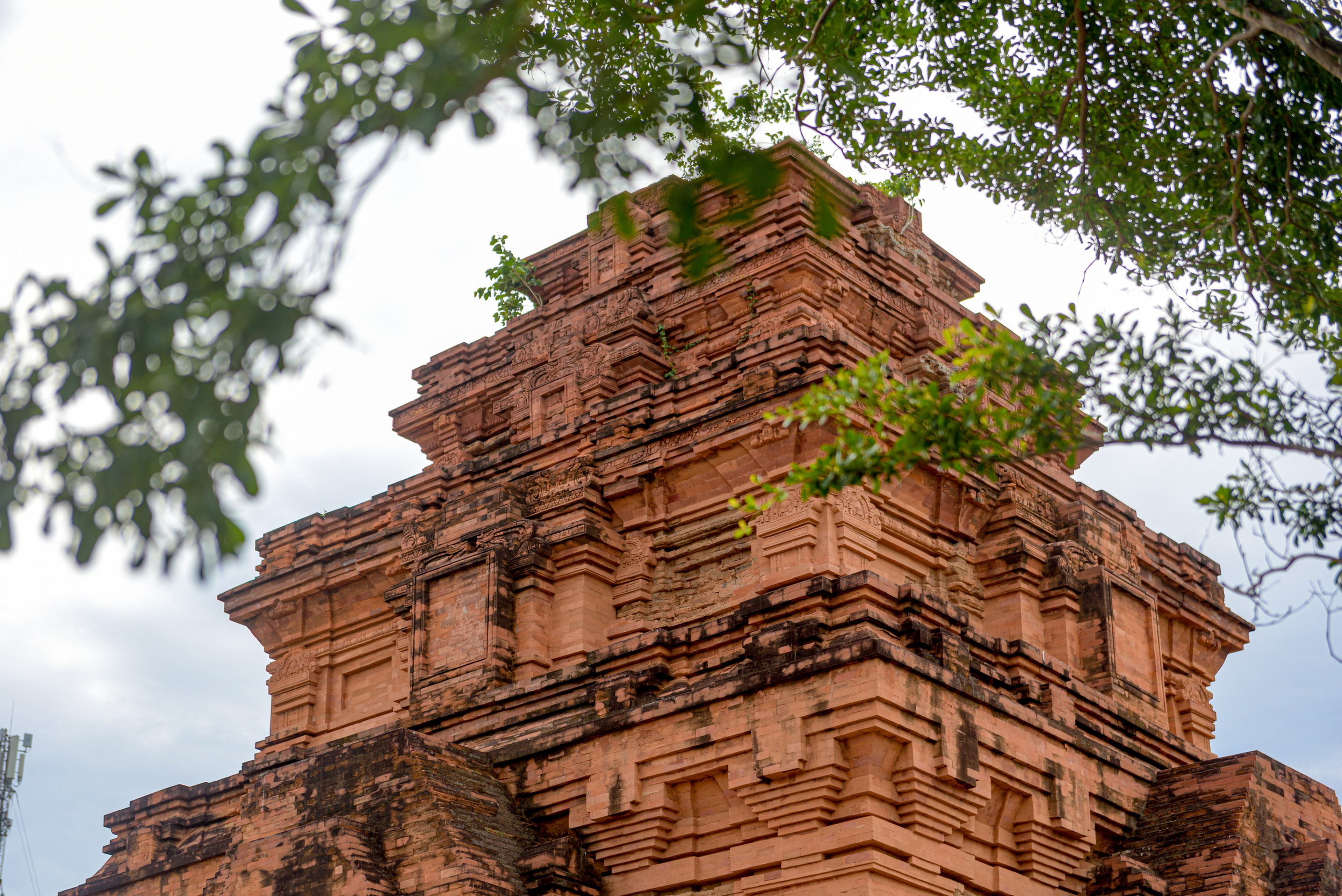
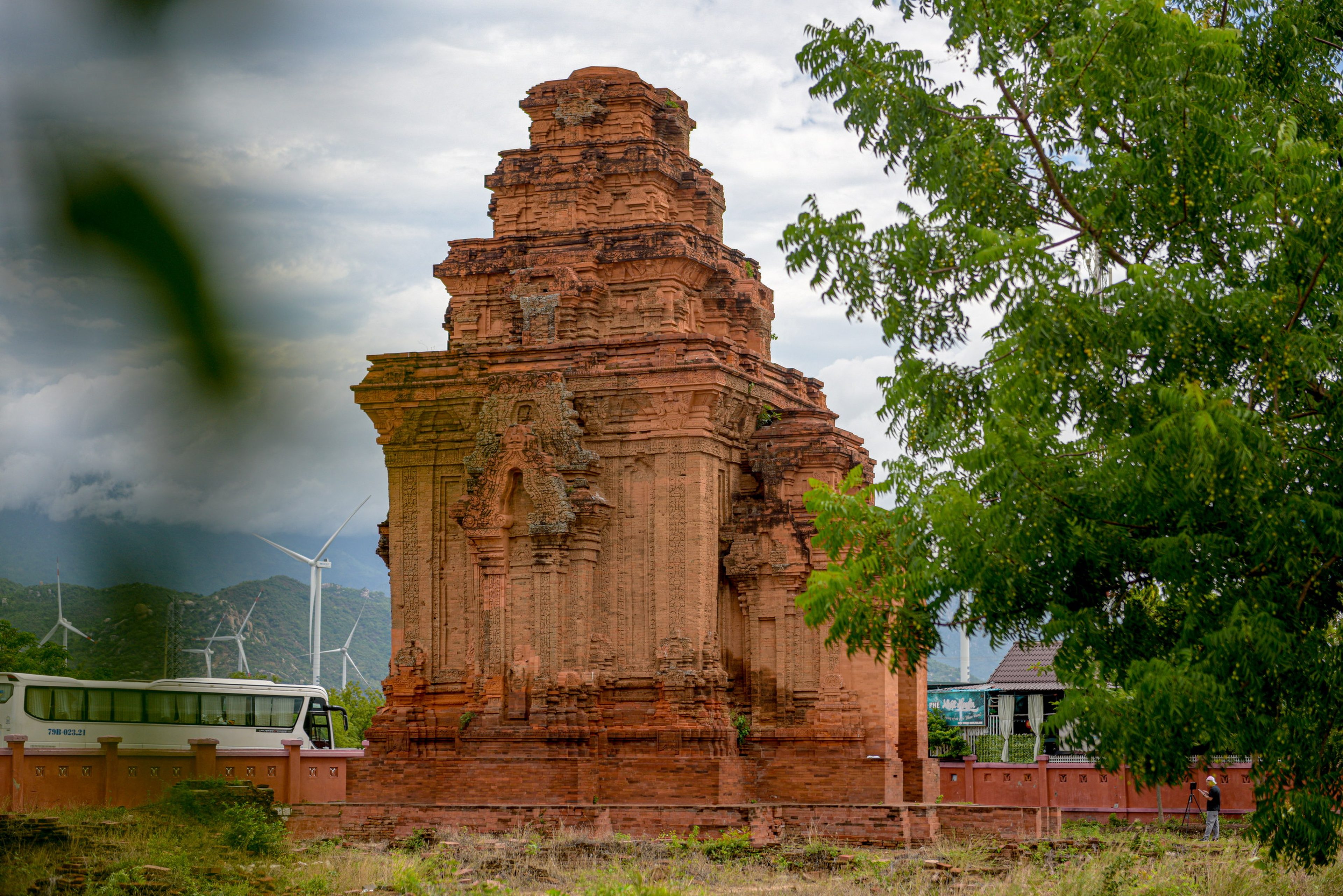
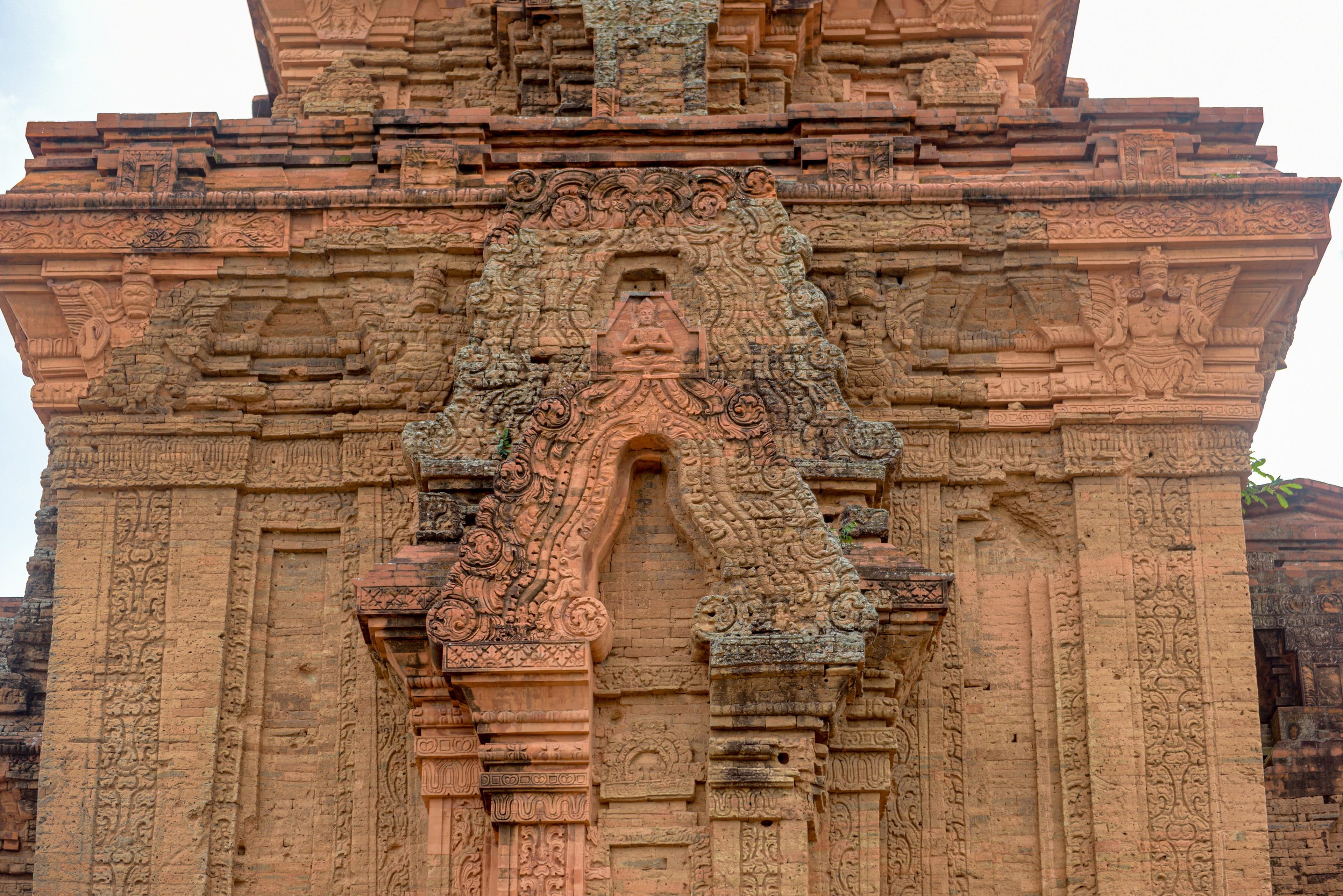
The most compelling aspect of Hoa Lai lies in its ability to combine massive forms with intricate carvings. The pilasters, winding floral strips, geometric motifs, and the rhythm of the false doors make the tower's surface both robust and multilayered in meaning.
At the corners of the towers, images of the divine bird Garuda with outstretched wings appear, creating a sense of protection and support for the sacred space. When viewed up close, observers can see that the Cham artisans did not just build towers, but carved an entire world of deities and beliefs into them.
Linga - Yoni and the Shaivism faith
The spiritual life that once operated within the monument
Archaeological findings at Hoa Lai reveal that a sandstone Linga-Yoni set was once worshipped here, confirming the deep influence of Shaivism on the spiritual life of Cham residents in the Panduranga region.
This helps viewers interpret Hoa Lai not just as a beautiful piece of architecture, but as a religious center with rituals, offerings, and a direct connection between the community and the divine. Every remaining artifact is a trace of a once-vibrant sacred life.
The religious center of ancient Panduranga
Beneath the layer of ancient bricks lies a whole world of rituals
Archaeologists also found hundreds of precious metal artifacts in the niche under the tower foundation, including gold, silver, lotus-shaped gold leaves, snake, turtle, and elephant figures, and ancient inscriptions. These discoveries indicate that Hoa Lai was once an important religious center of ancient Panduranga.
For visitors, this archaeological narrative makes the tour even more compelling. Beneath the seemingly silent layers of brick and stone lies an entire world of ritual, devotion, belief, and the connection between humanity and the divine.