


Located right next to the Cau Da Port area in the south of Nha Trang city, the Oceanography Museum is a unique destination where the boundary between historical scientific research and tourism exploration is blurred with finesse. Founded by the French in 1922 under its original name, the Indochina Oceanographic Institute, it is one of the earliest marine biology research facilities and holds one of the largest specimen archives in Southeast Asia. A visit here not only leads you into the vast ocean world but also serves as an intriguing journey back in time to learn about the history of marine scientific research spanning over a century.
The first impression upon stepping into the museum grounds is the ancient and tranquil beauty of the French colonial architectural complex. The two-story houses with dark red tiled roofs, tall arched glass windows catching the sea breeze, and corridors paved with vintage patterned tiles nestle under the shade of ancient frangipani trees that bloom with fragrant flowers. This colonial architecture gives the museum an atmosphere reminiscent of a classic academy, quite distinct from the modern glass and steel structures of today's artificial aquariums.
A miniature ocean world inside ancient buildings
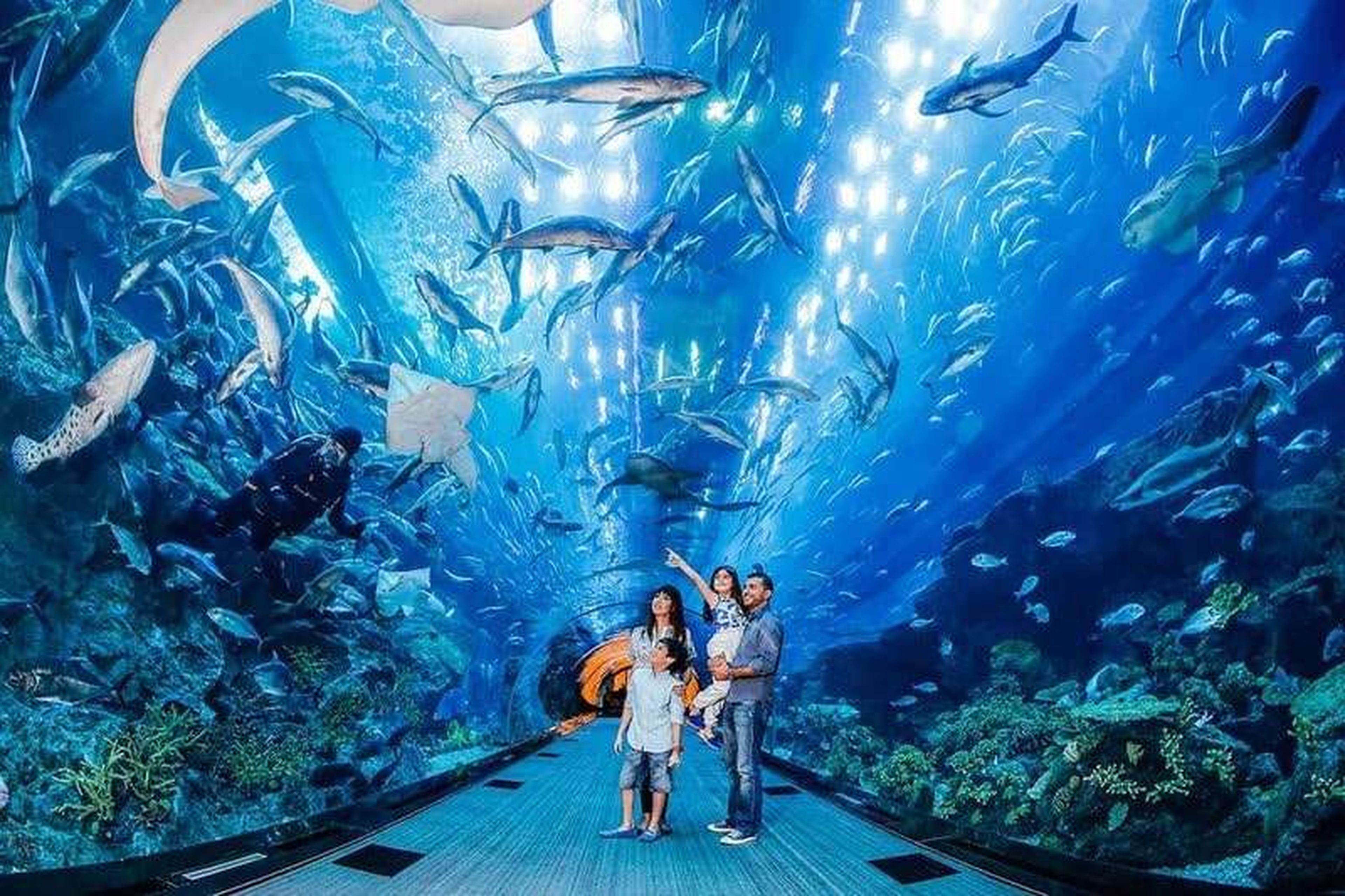
The exhibition space of the Oceanography Museum is divided into many diverse and scientific thematic areas. The area that attracts the most visitors is the system of glass tanks housing live specimens, where you can see with your own eyes hundreds of fascinating marine species from Nha Trang Bay, such as vibrant coral reefs, clownfish swimming around, sharks, giant sea turtles, and exotic sea cucumbers. The faint blue light emitted from the tanks blending into the ancient architectural space creates a stimulating and ethereal visual experience for visitors.
Historical specimens not to be missed at the museum:
-
Giant whale skeleton: Measuring up to 18m in length and weighing nearly 10 tons, it was excavated from underground in Nam Dinh province and brought here for preservation in 1994.
-
Dugong specimen: A rare marine animal associated with legends of mermaids among ocean fishermen.
-
The massive specimen storage system: More than 20,000 specimens of thousands of marine species are submerged in glass jars filled with preservative solution, lined up on large wooden shelves extending across many rooms, creating an overwhelming sense of historical scientific scale.
Visiting guide for the most complete experience
To explore the museum leisurely and absorb the most useful historical knowledge, you should dedicate a whole morning from 8:00 AM to 11:00 AM to this location. This is a time when the museum space is still quite airy, not yet too crowded with school tourist groups, which is very suitable for walking slowly and pausing to read carefully the scientific information signs attached to the walls.
Regarding attire, you should choose simple, comfortable clothing and wear sneakers with good grip, as the museum area is quite large with many steps to move between different ancient buildings. When taking photos inside the rooms displaying glass specimens, an important technical principle is to turn off the flash mode on your camera and phone completely. The high-intensity flash light not only causes reflection on the glass, ruining your photo, but more importantly, it can have a negative impact on the eyesight and behavior of the marine life living in the tanks. Walk slowly, observe carefully, and let the century-long history of Indochinese oceanography guide your mind through the proud journeys of ocean exploration led by our ancestors.