

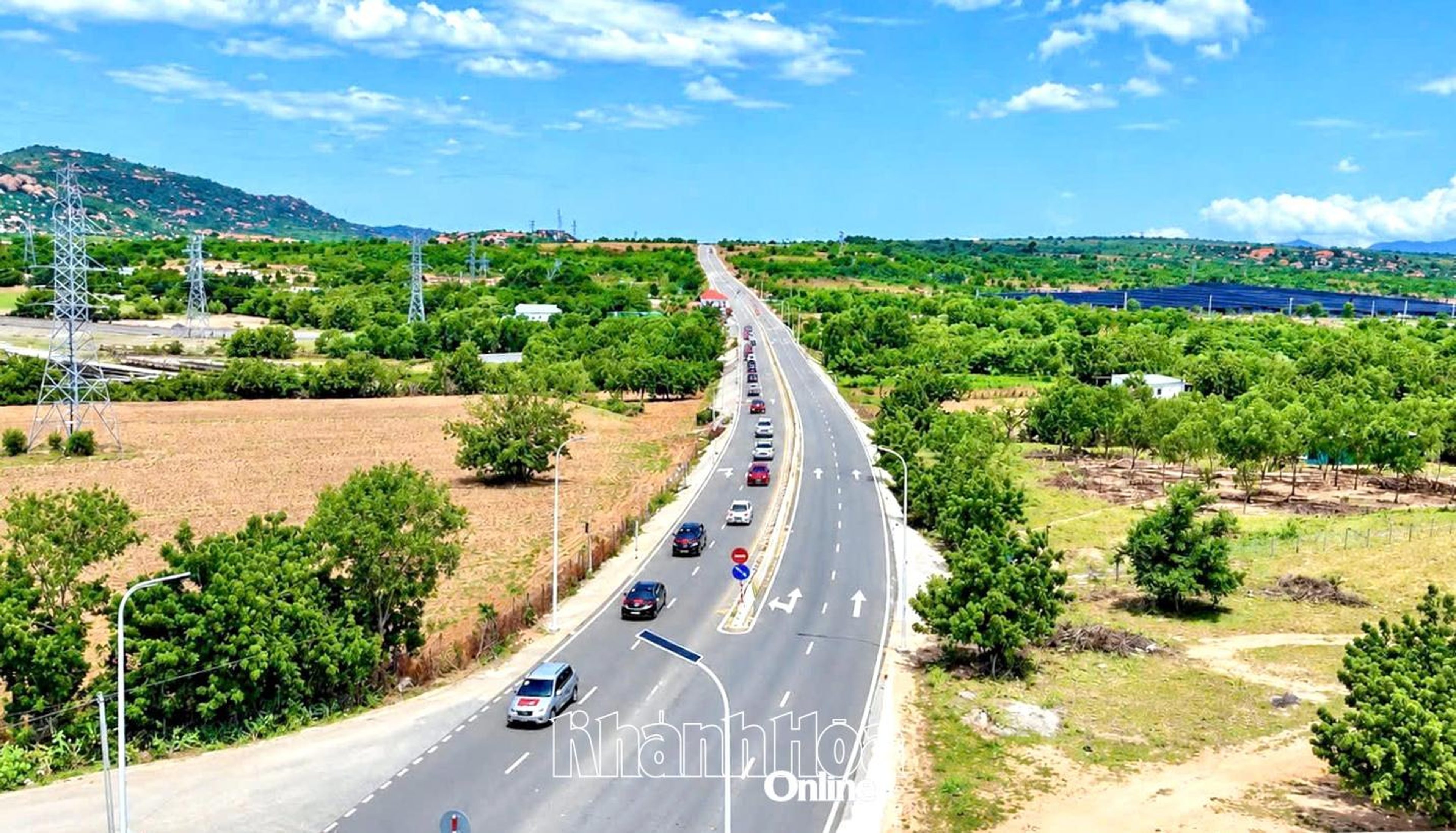

From waterfalls winding through rocky terrains and mountain-crossing roads to Raglai cultural spaces, Anh Dung Commune boasts rich materials for tourism development. Leveraging its existing advantages, Anh Dung Commune is shaping its tourism development oriented toward nature, indigenous culture, and the community.
Abundant resources
Turning off National Highway 27 into the old Hoa Son residential area, now part of Anh Dung Commune, it takes only a short distance to reach Tien Waterfall (Fairy Waterfall). The landscape here is quite unique and located right near the residential area, making it easily accessible. The waterfall is not high, nestled in a sprawling rocky area where the stream weaves its way through large boulders, dividing into multiple tiers and branches. In some spots, water spills over rock surfaces; in others, it gathers in small hollows, conceals itself behind rock layers, and re-emerges at a lower tier. During the rainy season, with higher water levels, the cascading tiers become distinct, accentuating the natural structure of the entire area.
The experiential journey from Tien Waterfall can expand toward Song Than Lake and cascades such as Lien Xo Waterfall, Mua Waterfall, and Gia Hoa Waterfall, following mountain passes to Raglai villages. The network of rivers and streams alongside relatively pristine landscapes provides favorable conditions for developing trekking, camping, and nature exploration tourism.
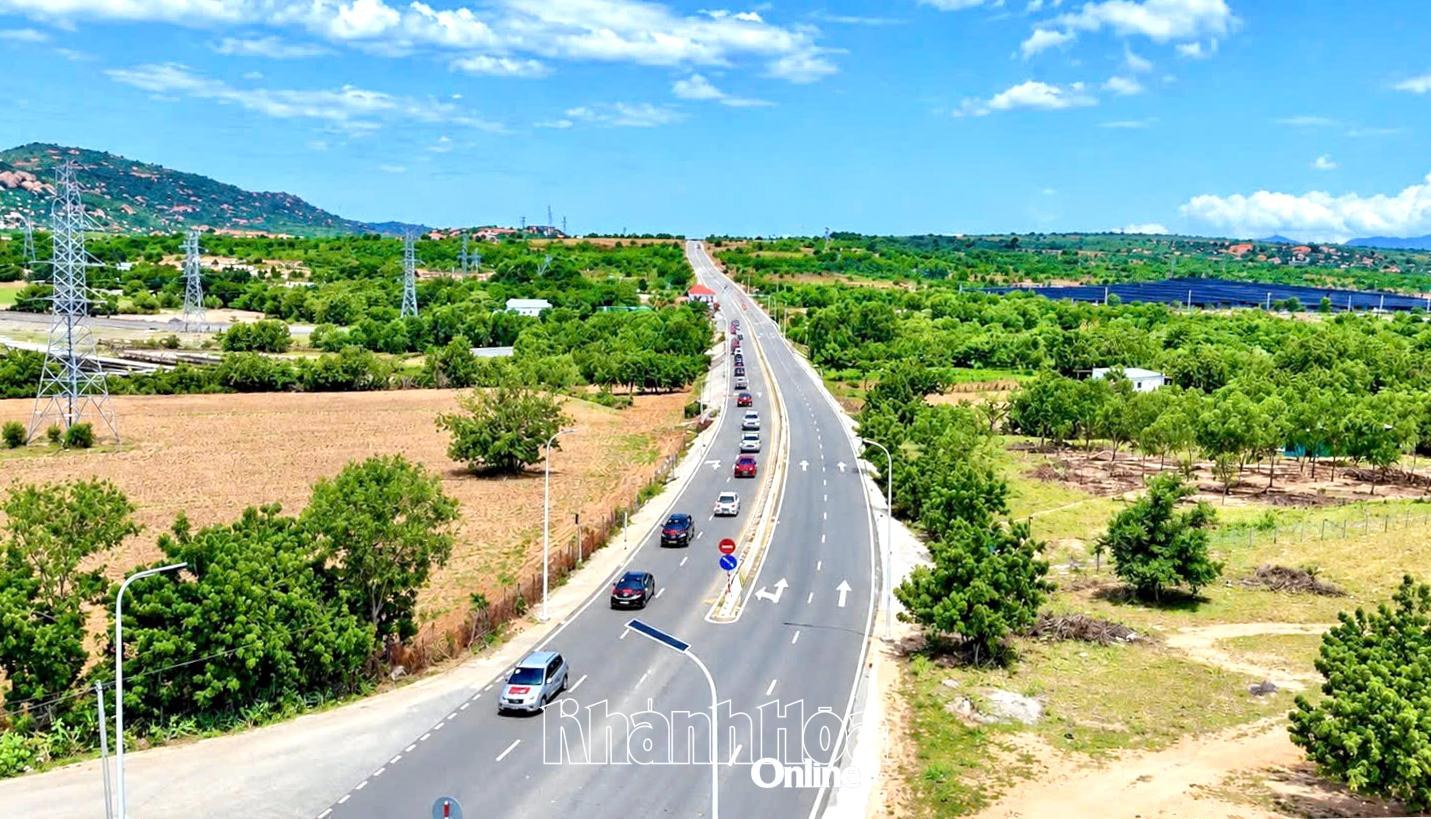 |
| Favorable transportation infrastructure unlocks further opportunities to connect Anh Dung Commune with inter-regional travel itineraries. |
The tourism resources of Anh Dung Commune also include interconnected scenic routes offering experiential value. Ma Noi – Ta Noi is one such route. After each leg, the scenery shifts gradually from mountain slopes, valleys, and hillside farms to Raglai villages. From Ta Noi, the route continues toward Ta Nang (Lam Dong Province), forging a journey linking the coastal region with the highlands.
Mr. Truong Dinh Quoc (representative of a travel business specializing in designing caravan tours in Dong Nai City) shared: “We have led convoys across the Ma Noi – Ta Noi route multiple times. The scenery changes continuously, so for caravan travelers, the road itself is an integral part of the experience. If there were more stops associated with local cuisine, agricultural produce, and culture, visitors would have more reasons to linger longer instead of just passing through.”
The culture and daily life of the Raglai community also serve as vital resources for tourism exploitation. In Ta Noi, Gia Hoa, Gia Rot, Do Hamlet, U Hamlet, and beyond, numerous traditional cultural values—such as the new rice celebration, the grave abandonment ceremony (le bo ma), performances on the ma la gongs and chapi zither, folk singing, folk dance performances, and back-basket (gui) weaving—are still preserved by the locals. Meritorious Artisan Chamalea Au continues to teach the ma la, traditional folk tunes, and the crafting and playing of the chapi instrument.
From potential to products
According to Mr. Phan Ke Vu - Vice Chairman of the People's Committee of Anh Dung Commune, accommodation, dining, and supporting services in the area remain scarce and small-scale; local labor lacks skills in lodging, restaurant services, tour guiding, and service management. These are limitations identified by the locality that must be addressed during the process of tapping tourism resources.
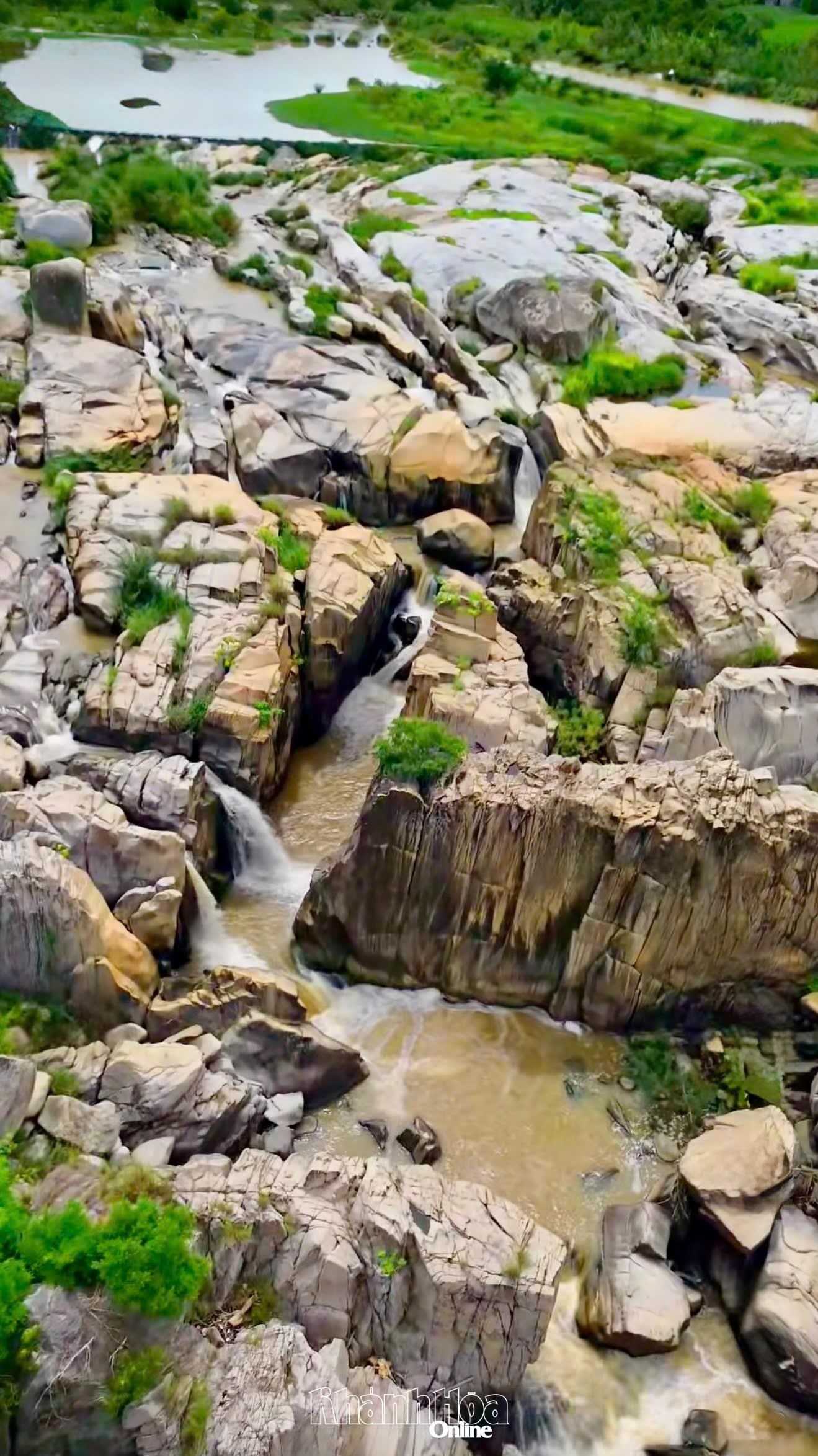 |
| Tien Waterfall - a scenic spot in Anh Dung Commune. |
In its tourism development orientation, Anh Dung Commune chose zoning to focus its products. The southwestern area, comprising the Ta Noi - Ta Nang route, Lien Xo, Gia Hoa, and Mua waterfalls, and Raglai villages, is oriented toward eco-tourism and exploration linked to community culture. The northeastern area uses Song Than Lake and Tien Waterfall to connect fruit-growing regions in Tan Lap, Tan Hiep, and Tan Dinh. From these two zones, the locality shapes three main product groups: Eco-tourism - exploration, culture - community, and agricultural tourism.
This zoning is expected to effectively exploit the locality's potential. Among these, waterfalls, lakes, and travel routes create nature experiences; Raglai villages add culture, cuisine, and accommodation; and fruit-growing areas create additional agricultural products. “The locality has identified Ta Noi and Gia Rot as priorities for developing community-based tourism. On that basis, suitable households will be selected to develop stilt house accommodations; landscapes will be renovated, and signposts and garbage collection equipment will be installed. At the same time, the commune will organize tourism vocational training classes expected to be held in Ta Noi, Gia Rot, and Tan Lap; teaching back-basket weaving, Chapi instrument crafting, and other local products,” Mr. Phan Ke Vu said.
When products and services are developed in sync with transport infrastructure, Anh Dung Commune will have the opportunity to become an experiential stop on the journey from the southern coastal region of Khanh Hoa Province up to the highlands.
According to the orientation toward 2030, Anh Dung Commune will develop tourism at Tien Waterfall, Song Than Lake, Lien Xo Waterfall, and Mua Waterfall; maintain cultural activities associated with the new rice ceremony in Ta Noi and Gia Hoa; and form 1 - 2 teams/groups crafting traditional products such as chapi instruments, ma la gongs, back-baskets, and crossbows. At the same time, it strives to have at least 2 garden tourism facilities combined with homestays linked to agricultural production; and attract investment for 1 - 2 rest stops on the Anh Dung - Ta Nang route to serve food and beverages, provide rest areas, and connect travel itineraries.
THANH XUAN

