


Building cultural heritage urban areas is currently a topic of great interest. Against the criteria for cultural heritage urban areas issued by the Government, Khanh Hoa Province has the potential to establish cultural heritage micro-urban areas in Ninh Phuoc Commune and Dien Khanh Commune.
A Suitable Model
Currently, provinces and cities such as Hanoi, Ninh Binh, Hue, and Da Nang are researching the development of large-scale cultural heritage urban areas. Among them, prominent plans include developing Hanoi City, Hue City, and the ancient town of Hoi An (Da Nang City) into cultural heritage urban areas that represent the nation. This is well-founded, as these urban areas have been honored multiple times by UNESCO across various fields, and their cultural heritage values are highly representative of the country. Globally, cities such as Kyoto (Japan), Gyeongju (South Korea), Florence (Italy), and Quebec (Canada) have all been oriented towards development as cultural heritage urban areas. From there, heritage serves as the foundation for the development of tourism, cultural industries, and urban branding.
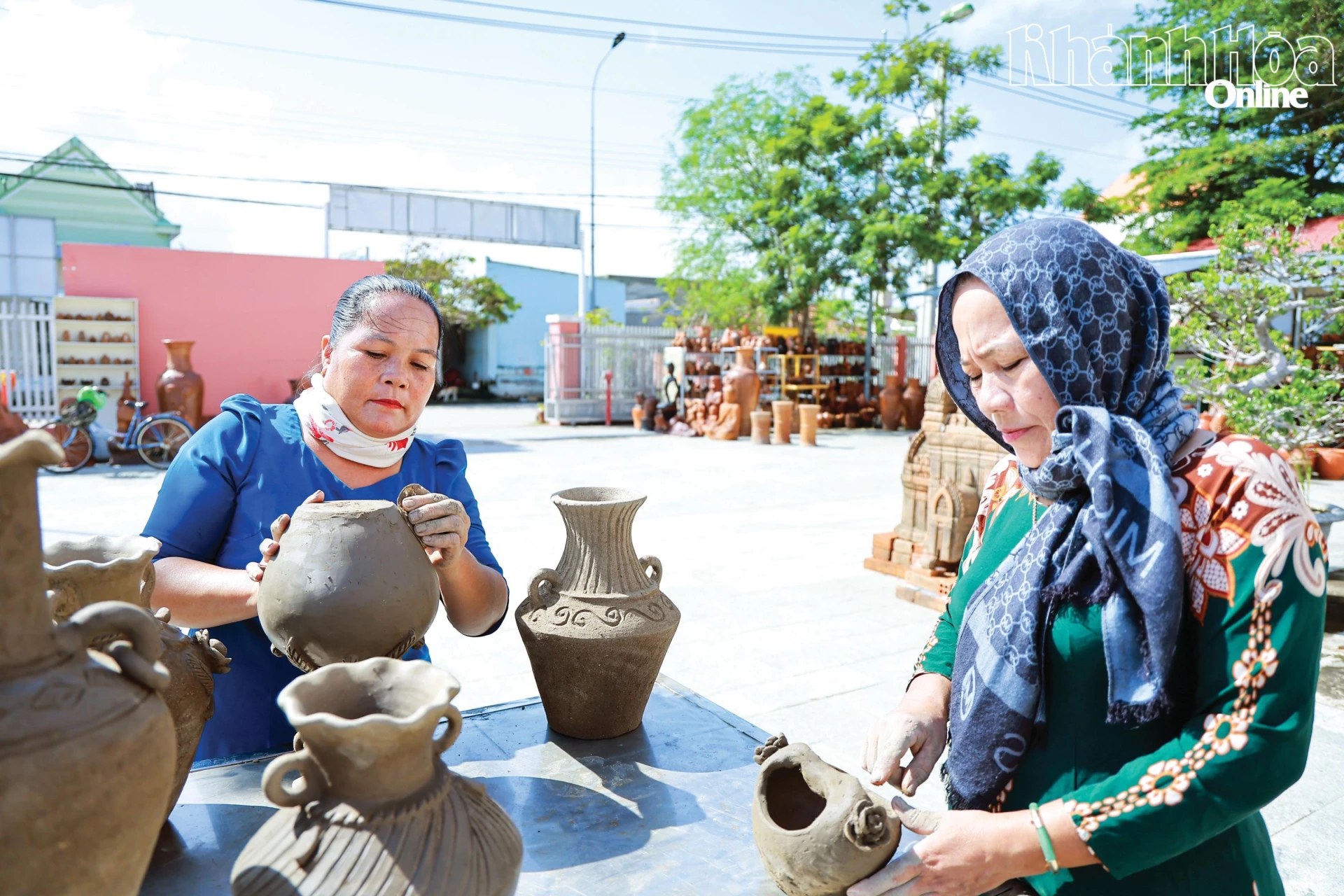 |
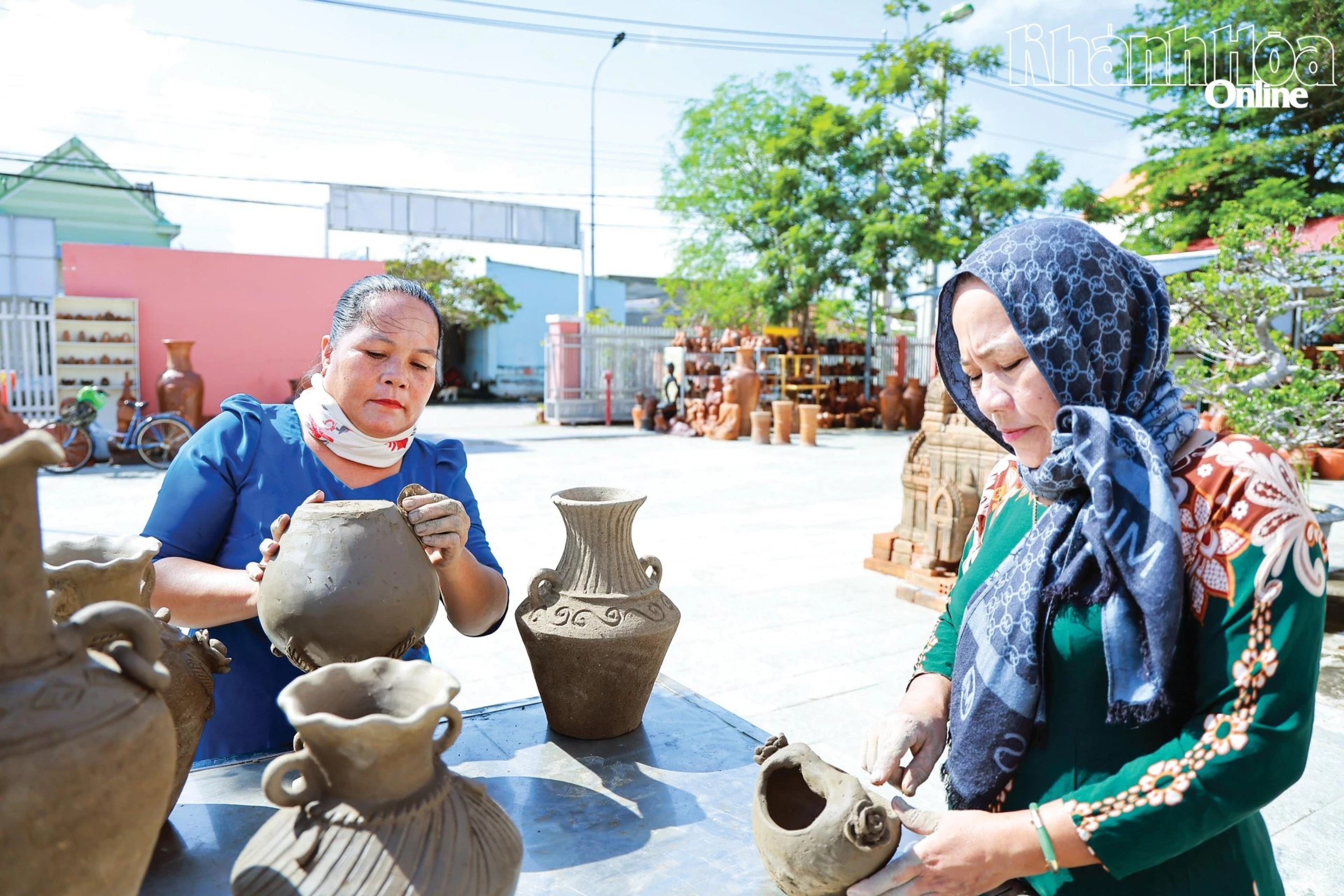
| A Cham pottery artisan in Bau Truc village, Ninh Phuoc Commune. |
For Khanh Hoa Province, while it may not yet possess sufficient factors to build a national-scale cultural heritage urban area, developing cultural heritage micro-urban areas on a smaller scale to preserve, promote, and elevate cultural heritage values is well within reach. Based on the Government's criteria, Khanh Hoa Province can pilot the development of cultural heritage micro-urban areas in Ninh Phuoc Commune and Dien Khanh Commune. Ninh Phuoc Commune is home to the art of pottery making of the Cham people, inscribed by UNESCO on the list of Intangible Cultural Heritage in Need of Urgent Safeguarding, and the Kate Festival, recognized as a national intangible cultural heritage. Meanwhile, Dien Khanh Commune possesses the Dien Khanh Citadel, a national relic site, and the art of Bai Choi folklore singing, recognized by UNESCO as a Representative Intangible Cultural Heritage of Humanity.
An Opportunity to Elevate Cultural Heritage
The Cham community in Ninh Phuoc Commune preserves many distinctive traditional cultural values, contributing to the local unique cultural identity. A prominent highlight is the Bau Truc pottery village—one of the oldest pottery villages in Southeast Asia—where the Cham community continues to practice, pass down, and preserve the UNESCO-inscribed intangible cultural heritage of pottery-making art. Every year, alongside many other localities, the Cham people in Ninh Phuoc Commune hold the Kate Festival with solemn rituals and vibrant festive activities. Notably, the opening ceremony of the Po Klong Can temple is linked with the commemoration ceremony of the Cham pottery craft's founder in Bau Truc village. Following the rituals, locals in colorful traditional attire gather to sing, dance, and perform distinctive Cham folk songs and dances.
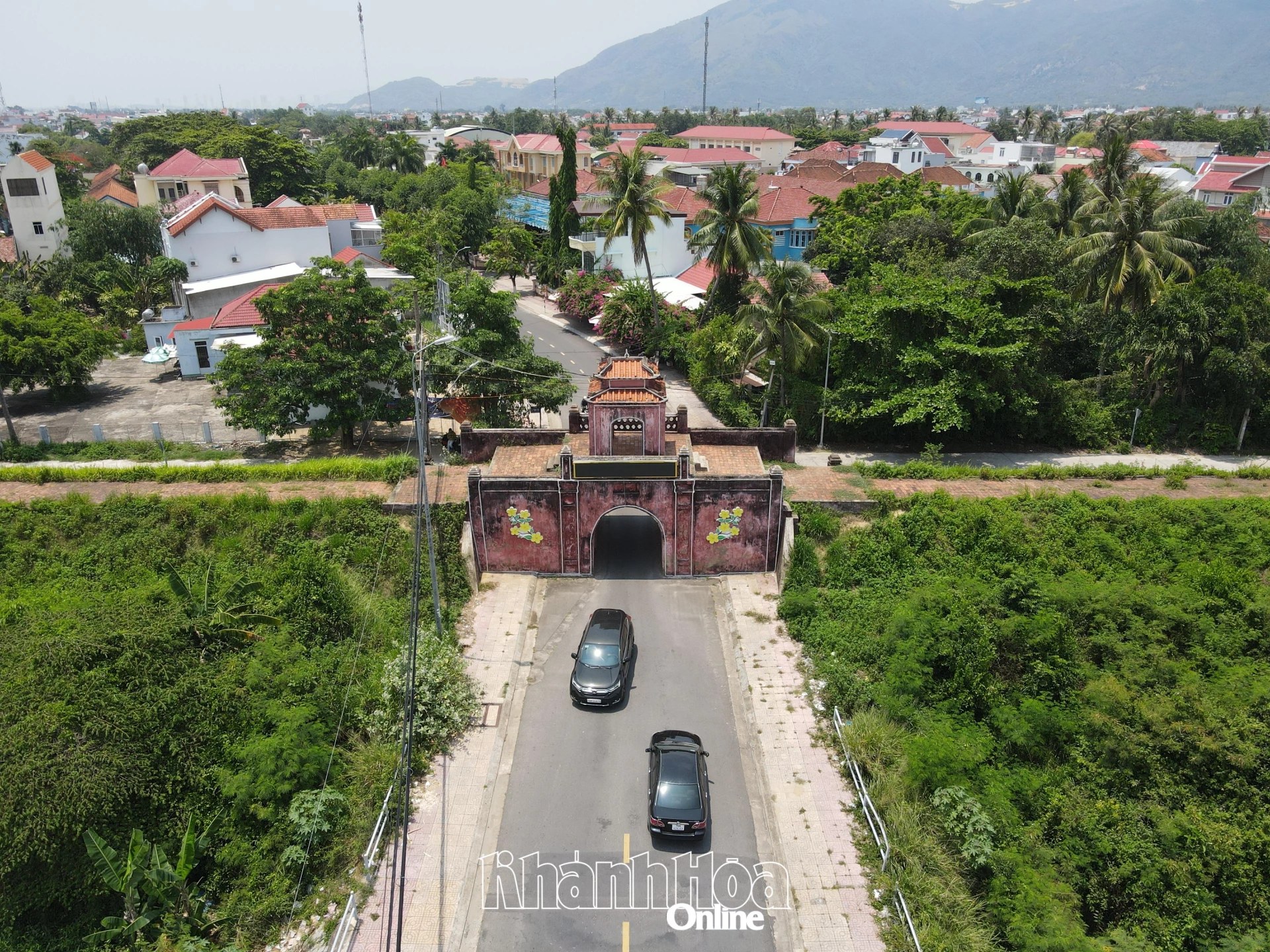 |
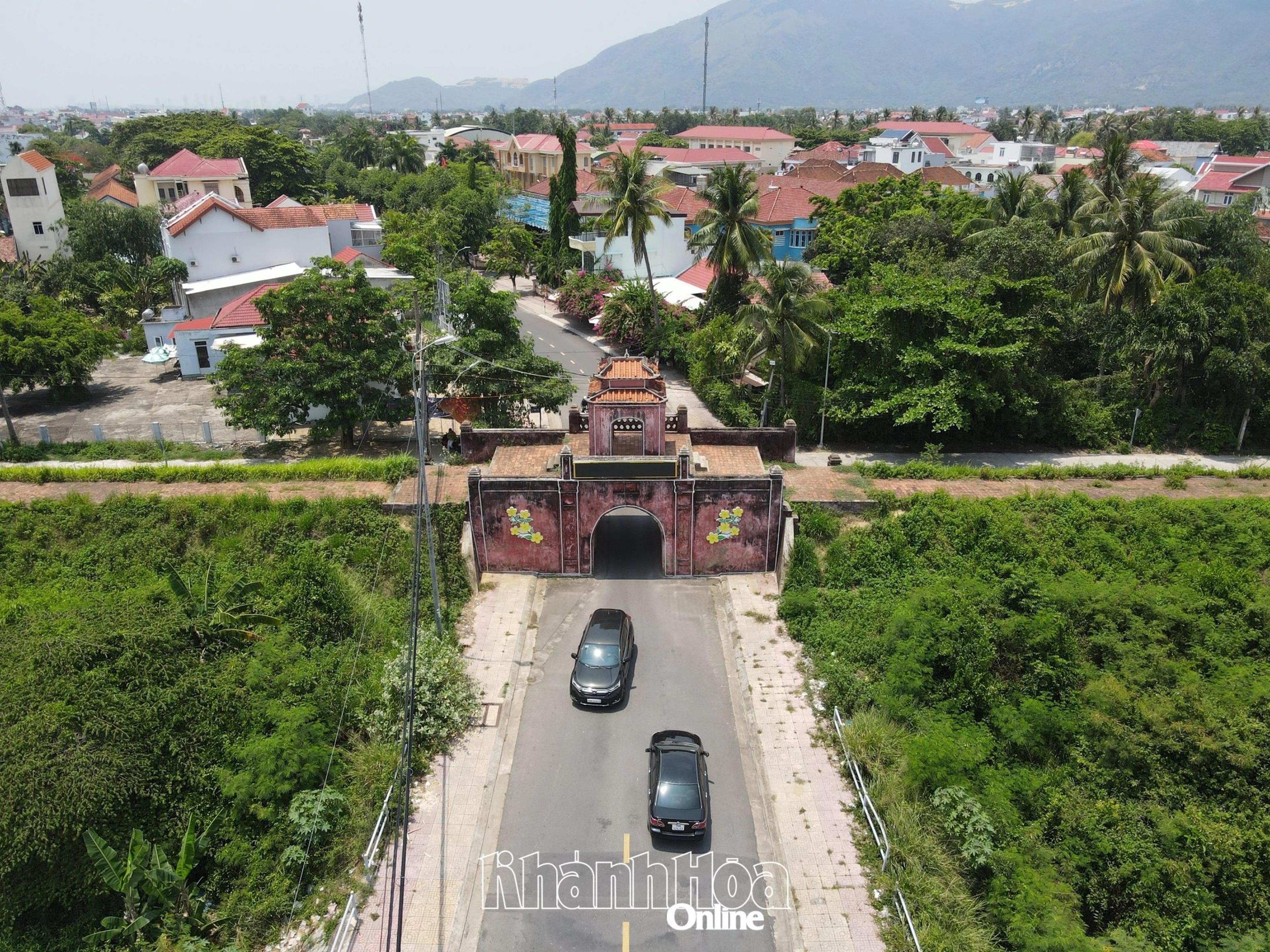
| A corner of Dien Khanh Citadel prior to restoration and enhancement. |
This represents a precious cultural resource that plays an important role in preserving heritage and national cultural identity, while fostering traditional craft village development tied to community-based tourism. This is even more meaningful as Ninh Phuoc Commune is oriented towards upgrading into a ward. Mr. Quang Thuc Doan, Chairman of the Ninh Phuoc Commune People's Committee, stated that the locality is focusing on leveraging its geographical advantages, infrastructure, and cultural identity to promote socio-economic growth. In October, the commune will host the 1st Bau Truc Cham Pottery Festival on the occasion of the 2026 Kate Festival, thereby helping to preserve, promote, and introduce the distinctive traditional cultural heritage values of the locality.
Dien Khanh Citadel was designated as a national-level historical relic site in November 1988. Dien Khanh Citadel was constructed in 1793 under the reign of Lord Nguyen Phuc Anh. This venue witnessed many significant historical events during the Nguyen Dynasty, the Tay Son period, and throughout the struggles against foreign aggression for national independence. It is a heritage site of multifaceted value across art, architecture, culture, history, and military affairs. Currently, Dien Khanh Citadel is undergoing restoration and enhancement, scheduled for completion in 2026. Following the restoration, provincial authorities and the local administration will develop plans to exploit and promote the values of Dien Khanh Citadel for cultural tourism activities. Additionally, Dien Khanh Commune boasts other national-level relics, including: Dien Khanh Temple of Literature, Trinh Phong Shrine, and Tran Quy Cap Temple. Along with these, the intangible cultural heritage of Bài Chòi folk singing continues to be practiced and performed daily by local artisans and residents. Notably, Dien Khanh Commune also meets the criteria to become a ward and serve as a growth pole to the west of the Nha Trang area.
According to Mr. Le Van Hoa, Deputy Director of the Department of Culture, Sports and Tourism, Ninh Phuoc and Dien Khanh Communes possess immense potential and unique, representative tangible and intangible cultural values. On the basis of these historical relics and cultural heritage sites, cohesive connections can be formed to elevate their overall value. Piloting the development of cultural heritage micro-urban areas in these two localities can be regarded as a positive direction for safeguarding and promoting cultural heritage in the new era. This is also an essential measure to realize the directives of the Central Government and the province on the development of Vietnamese culture.
On July 14, 2026, the Government issued Decree No. 282 detailing several articles and guiding the implementation of Resolution No. 28 dated April 24, 2026 of the National Assembly on the development of Vietnamese culture. Therein, it explicitly defines the criteria for piloting the cultural heritage urban model with 5 key points, specifically: The urban area possesses cultural heritage formed during the historical formation and development of the locality; there is a close relationship between the urban area and the cultural heritage, and the value of the cultural heritage contributes to the identity and value of the urban area; there are at least two tangible cultural heritage items, intangible cultural heritage items, or documentary heritage items within the territory recognized, classified, or inscribed by Vietnam or UNESCO. Concurrently, the cultural heritage urban area must enact and effectively implement regulations on managing, protecting, and promoting the value of cultural heritage within its jurisdiction; and possess practical experience in investment, conservation, restoration, management, protection, and promotion of cultural heritage values in accordance with the law on cultural heritage...
GIANG DINH