


.jpg)
.jpg)
.jpg)
.jpg)
.jpg)
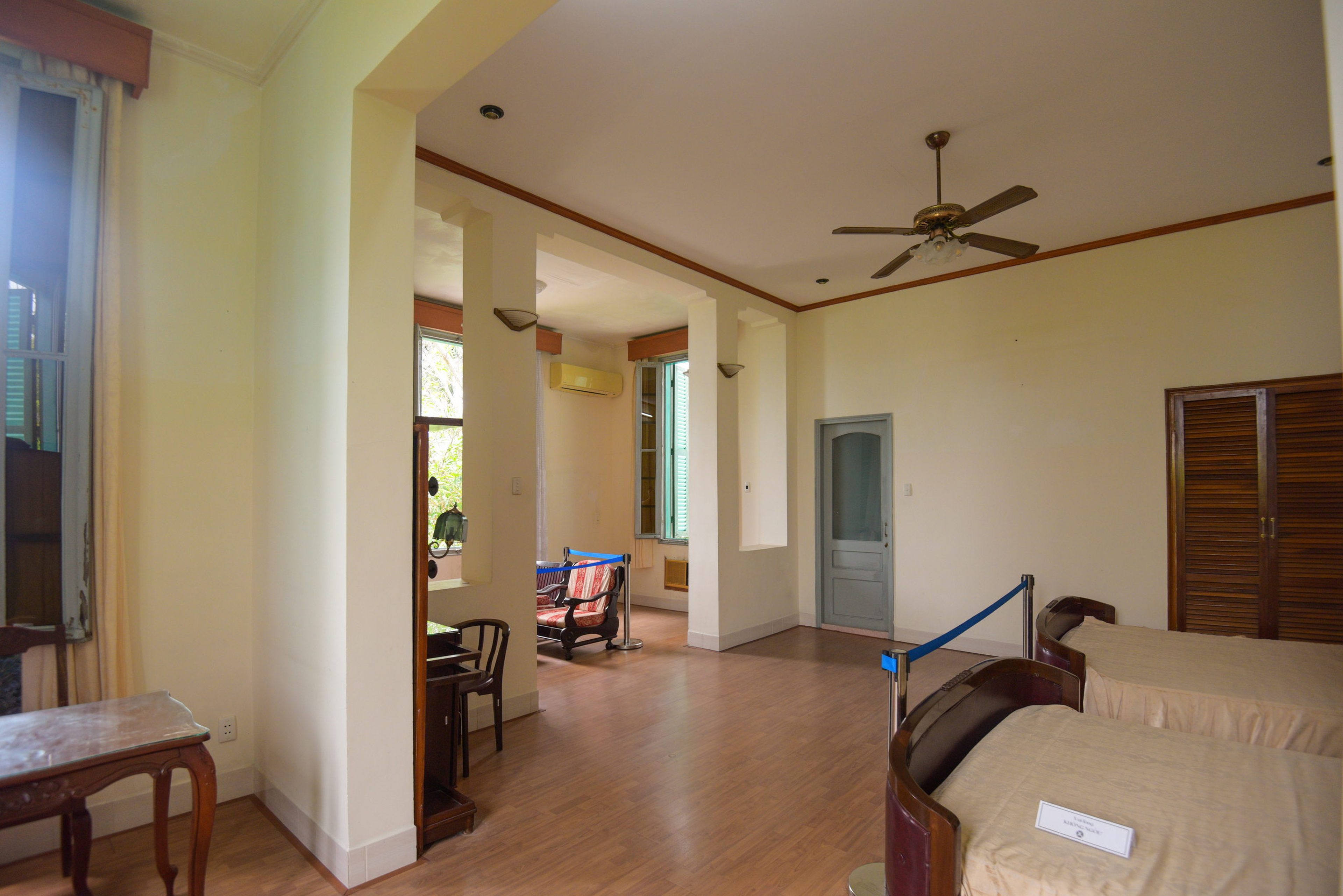
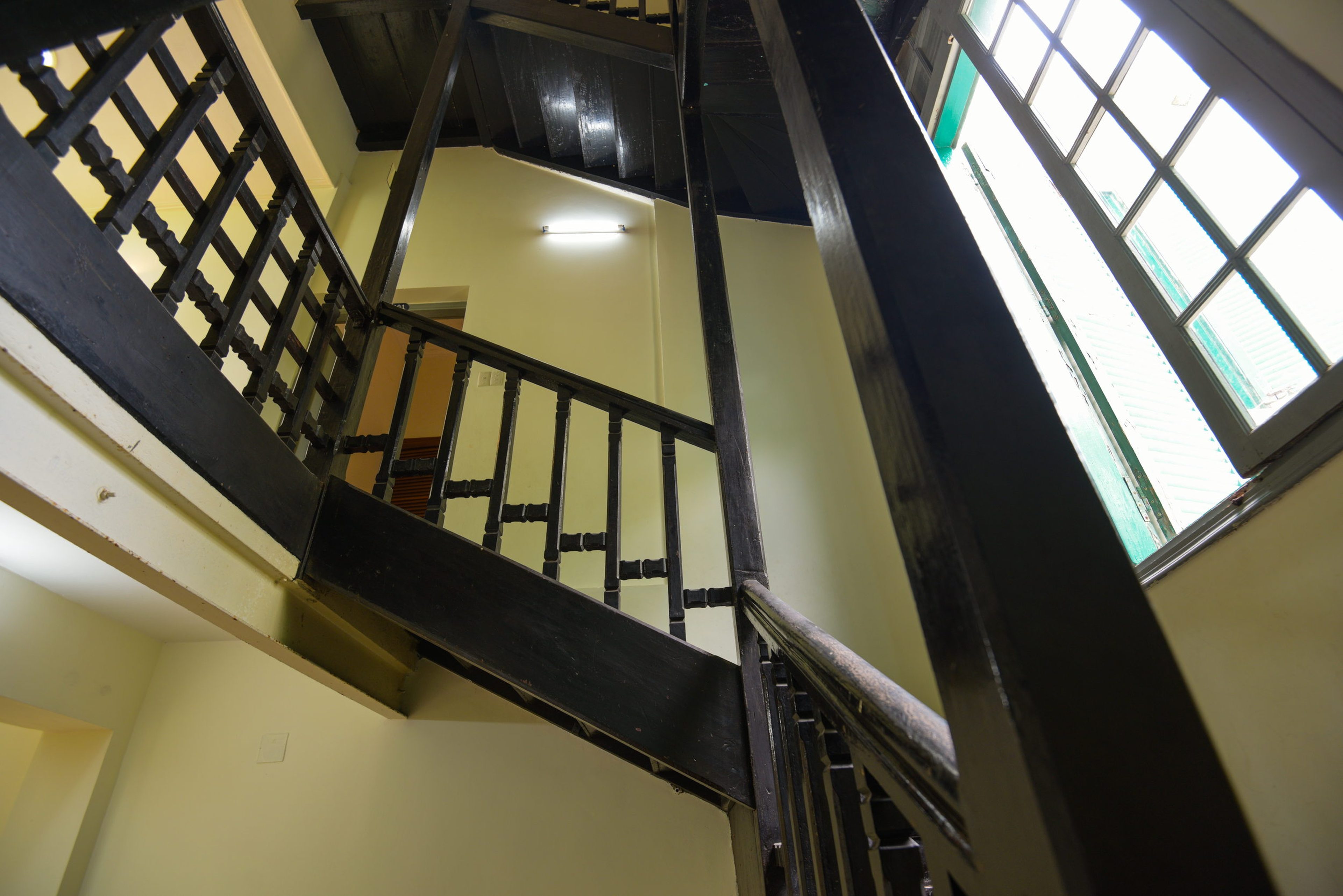
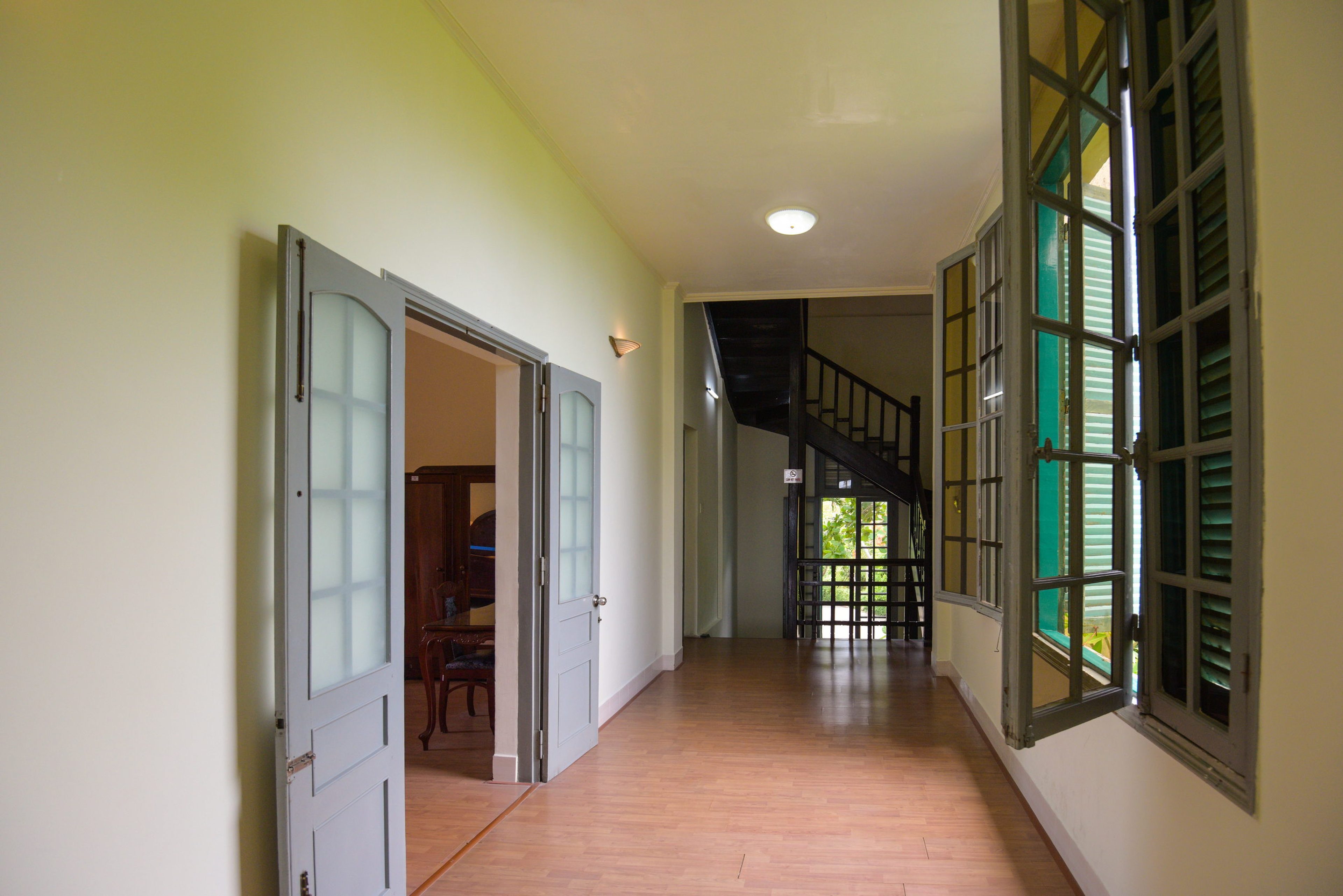
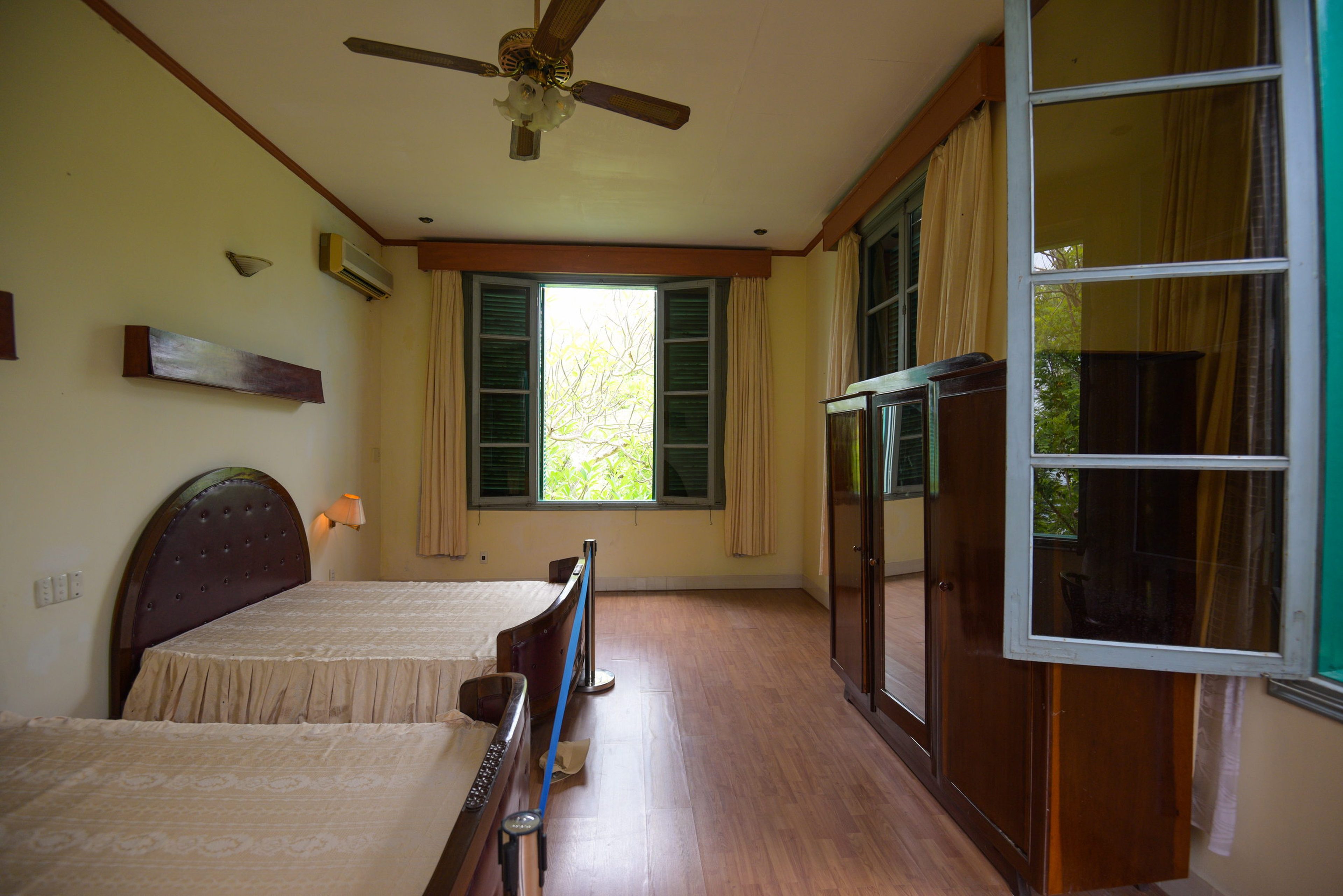
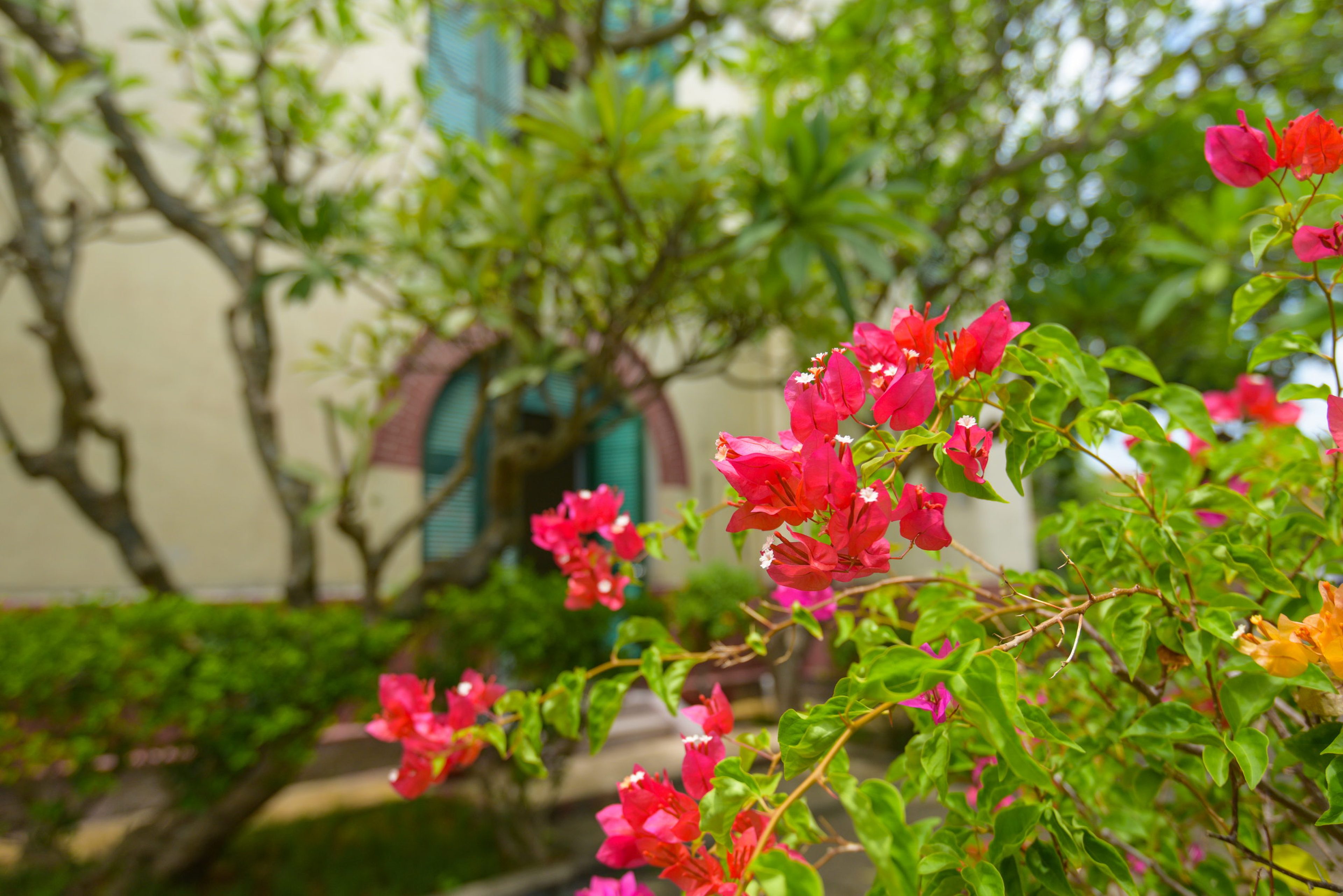
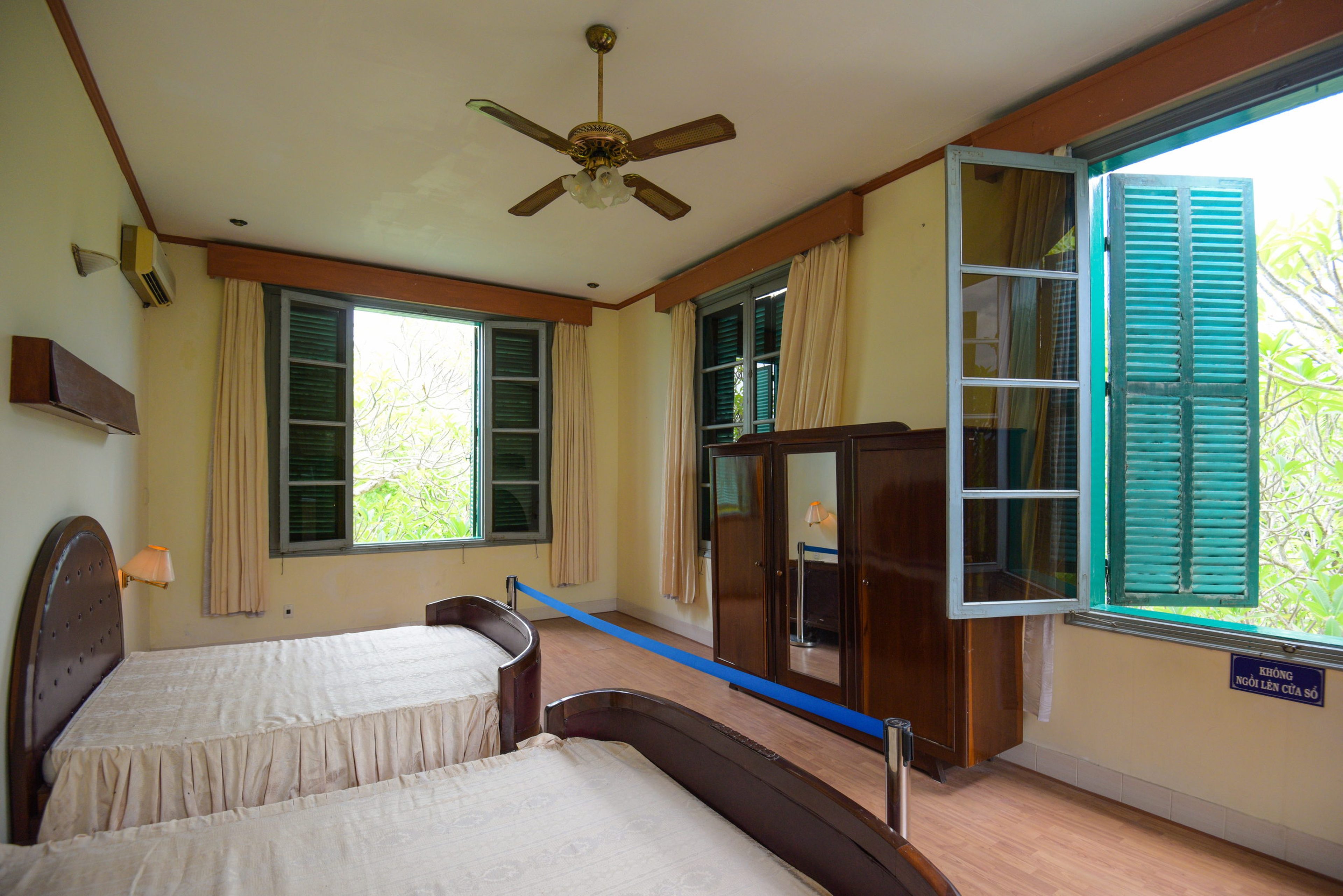
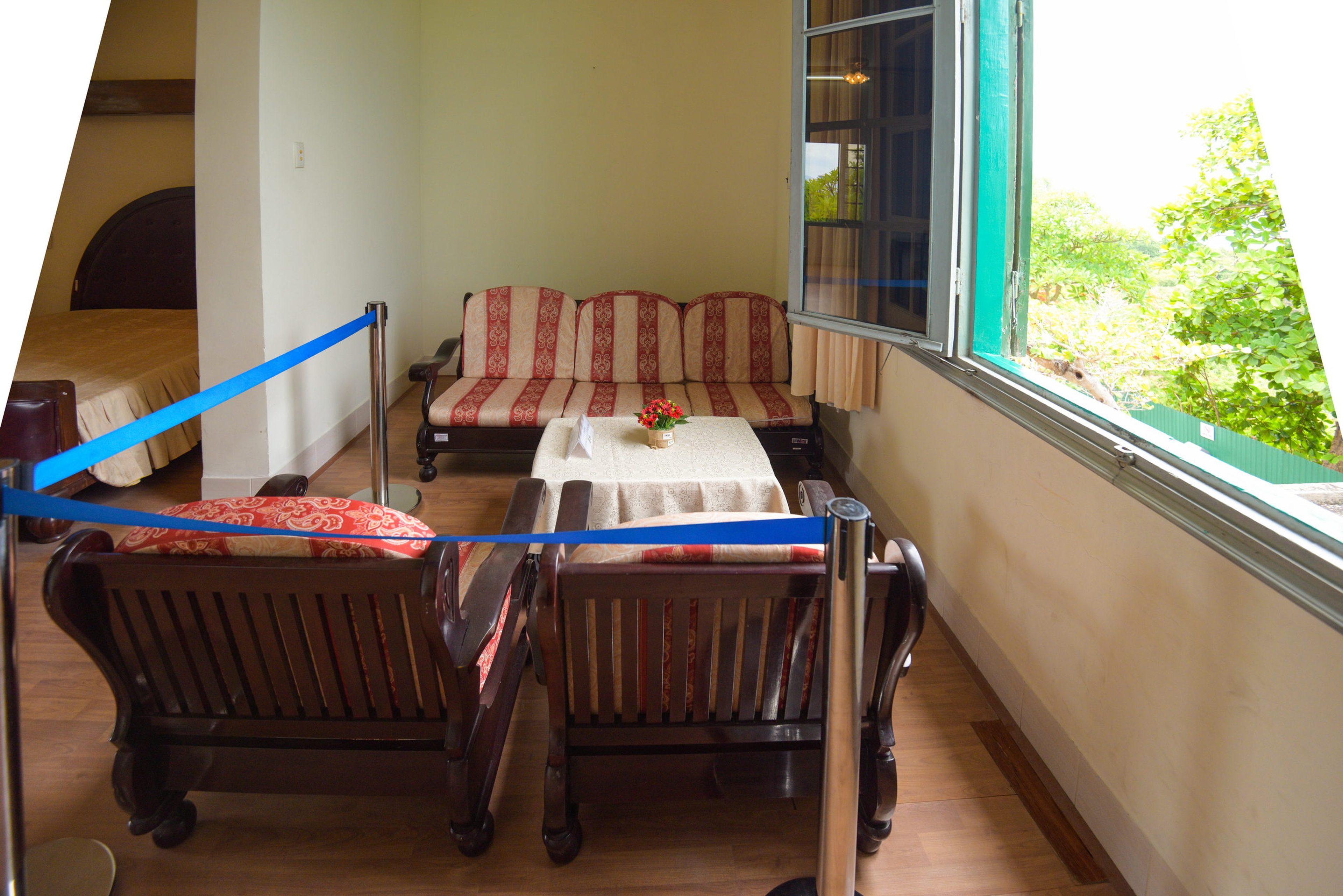
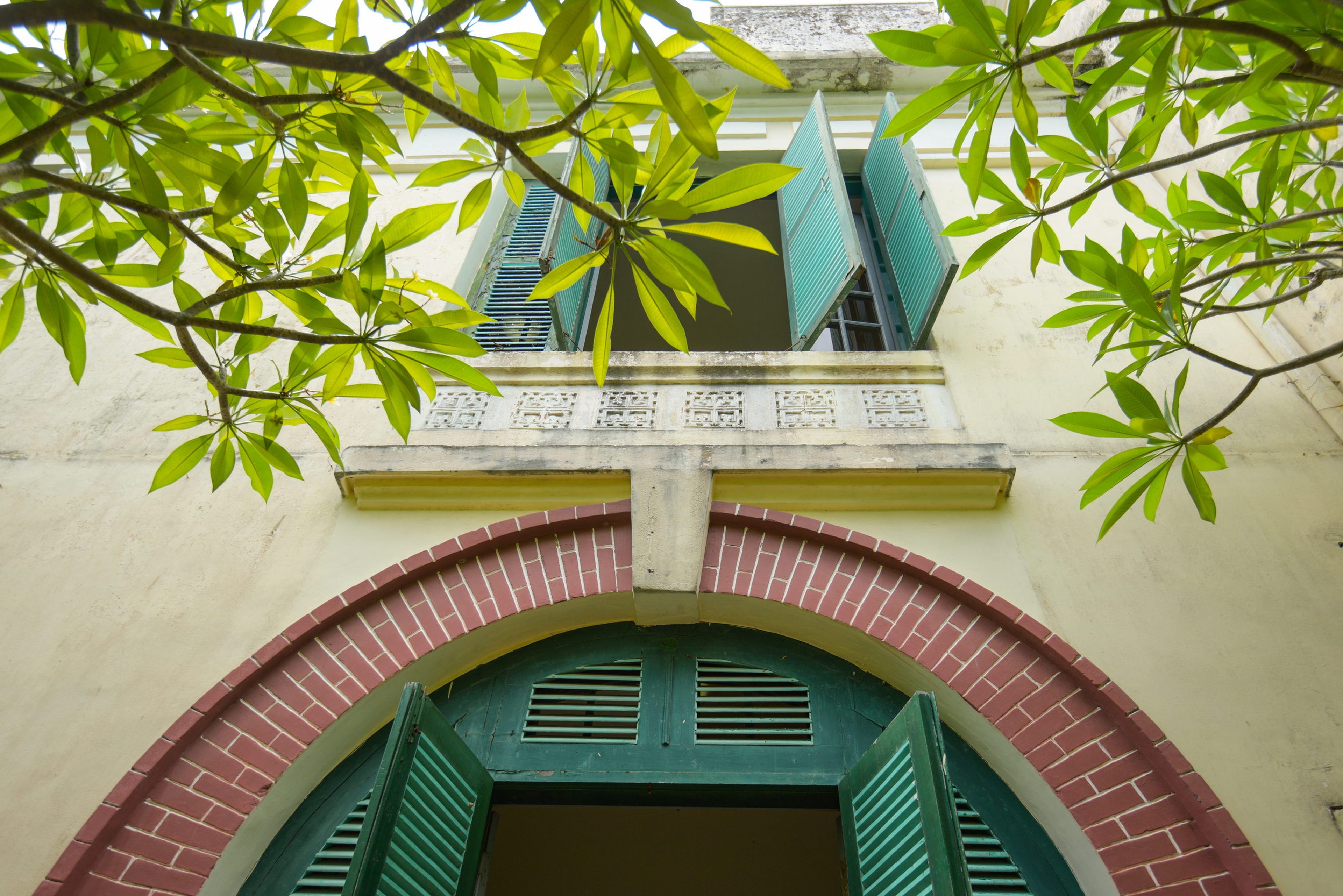
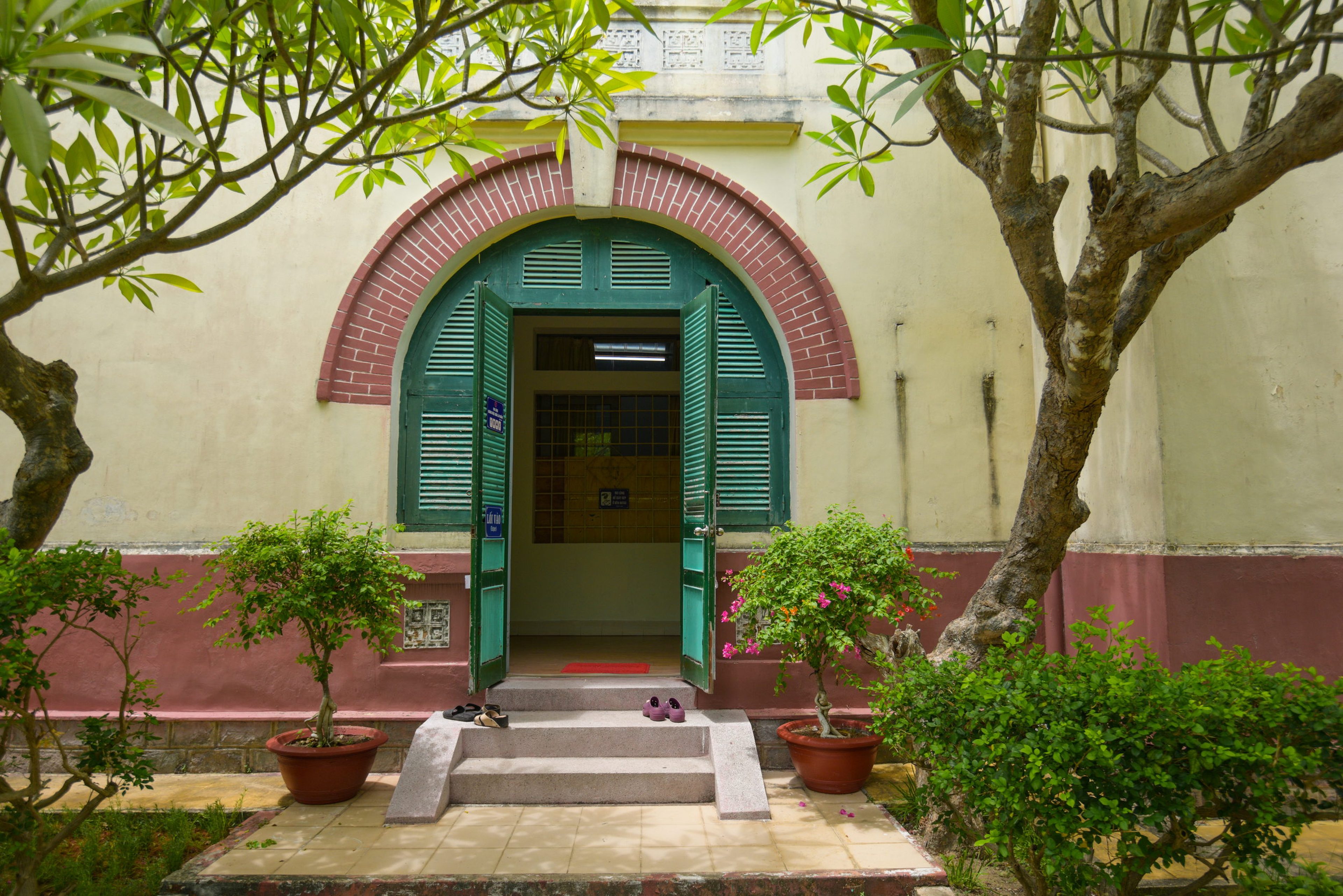
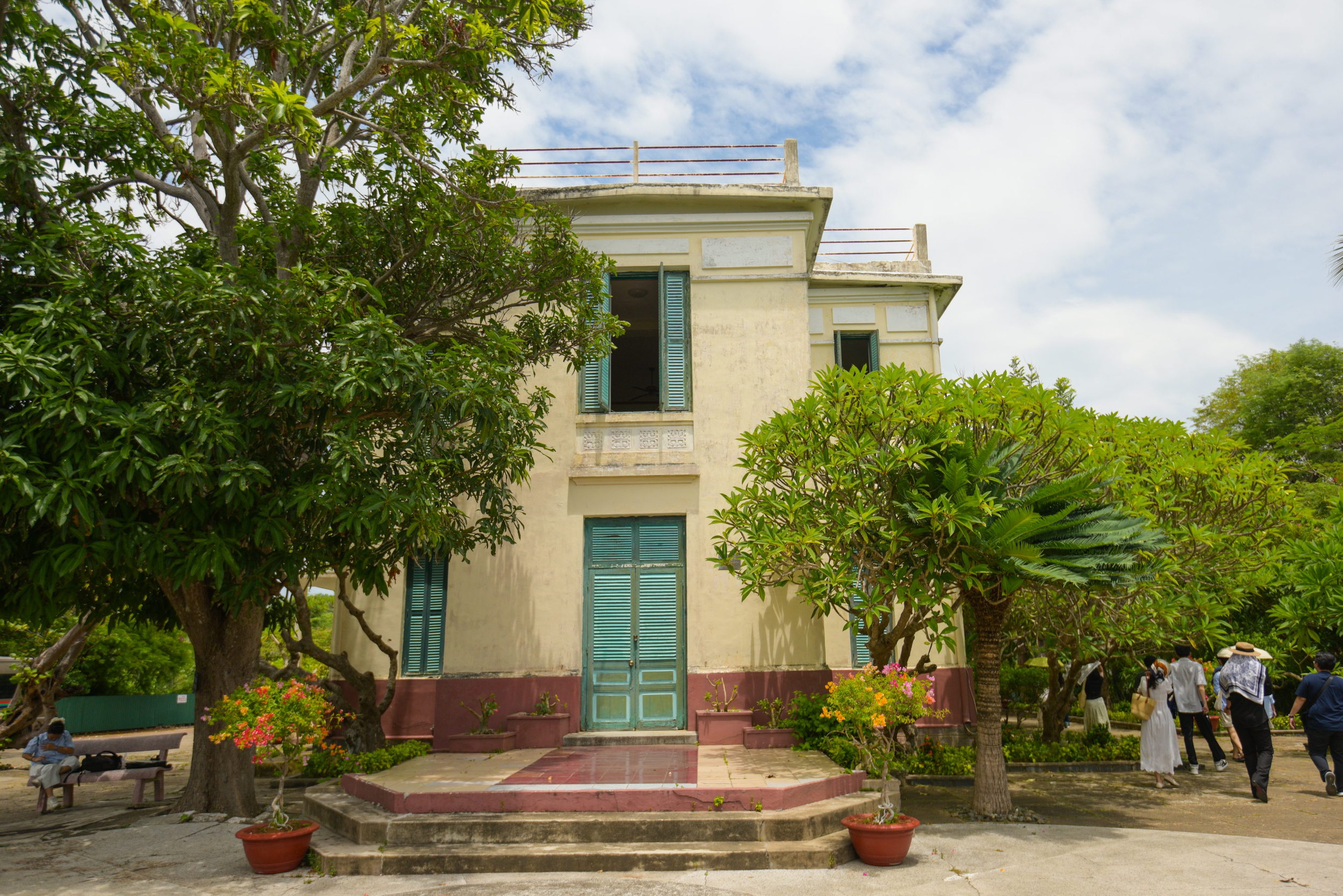
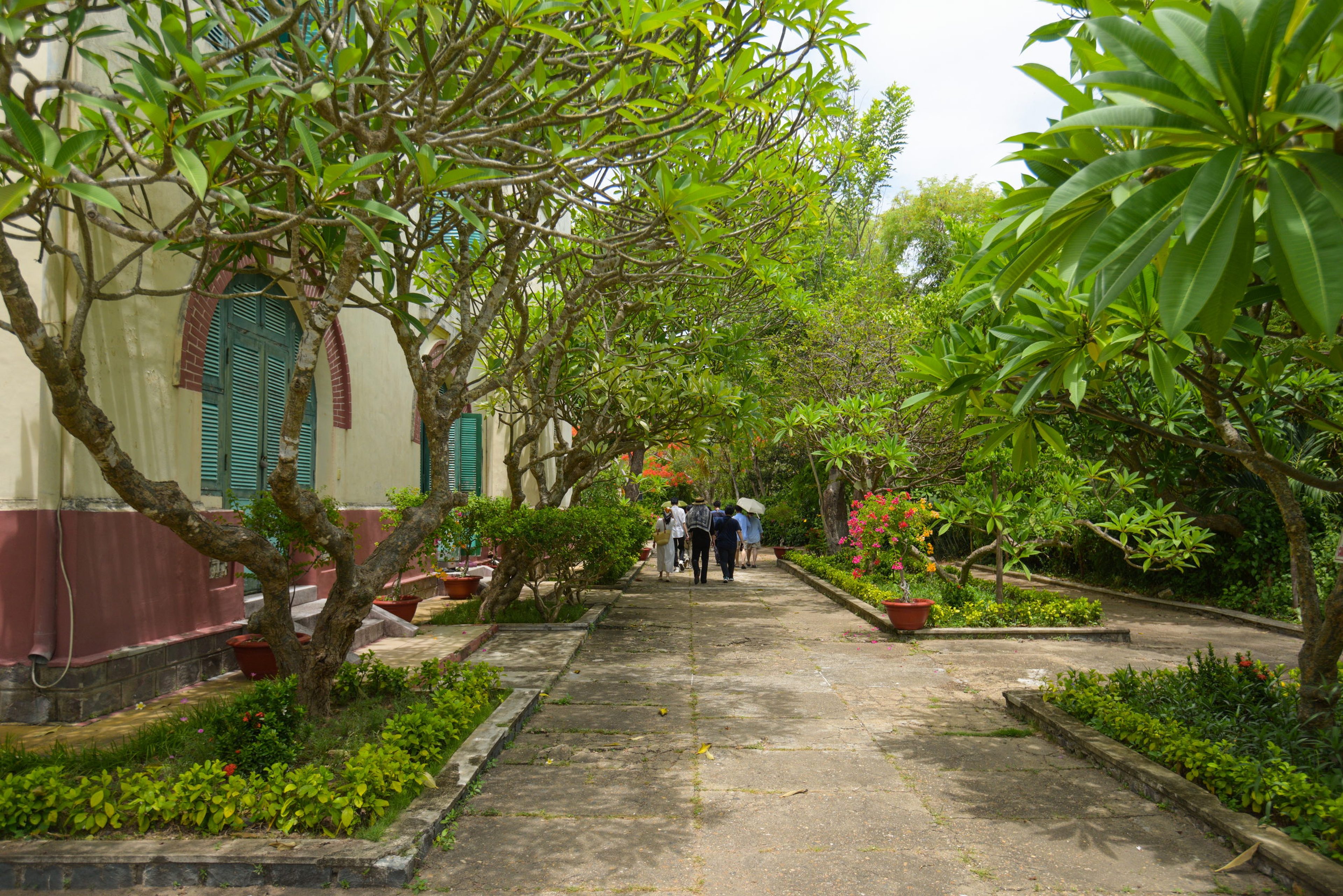
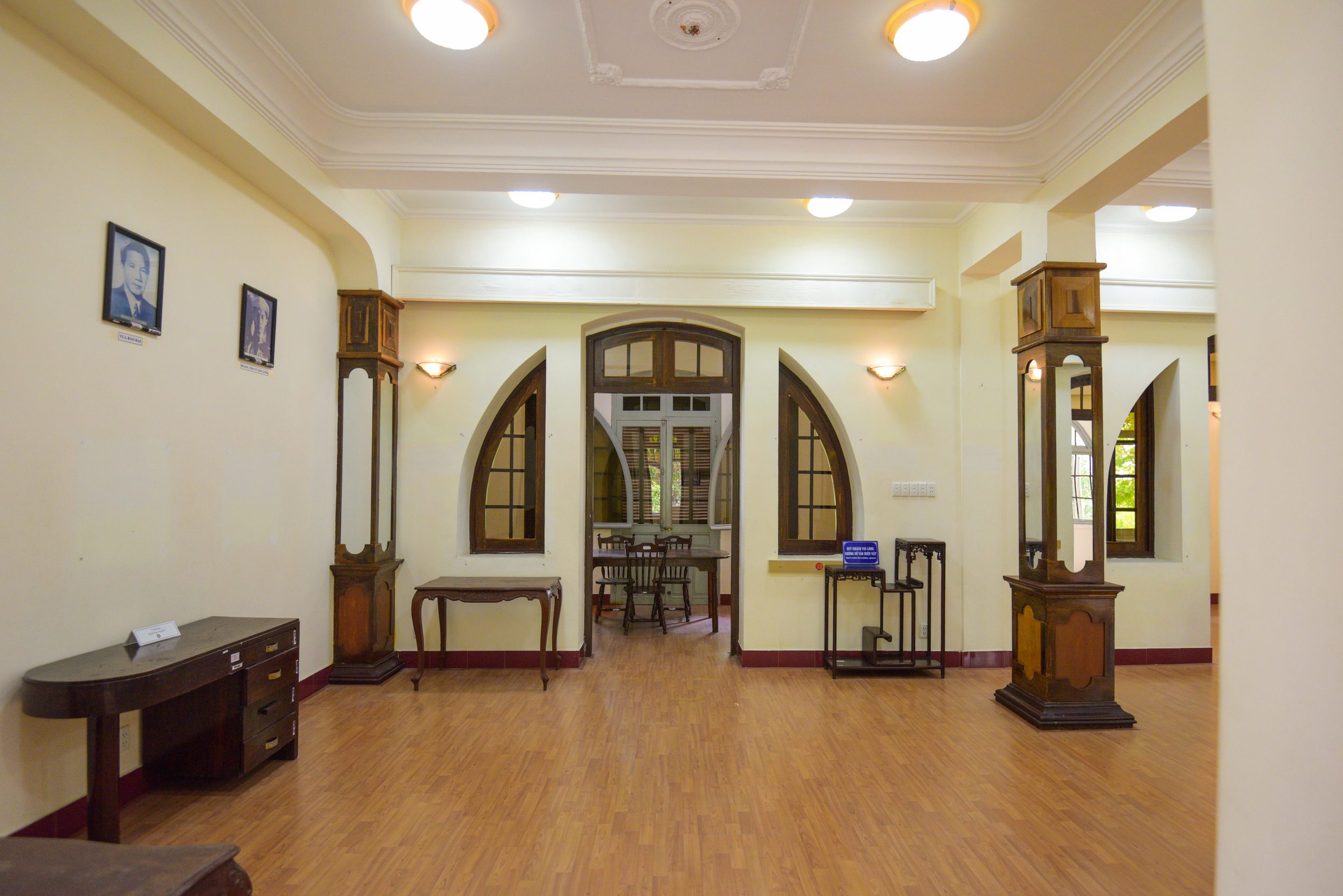
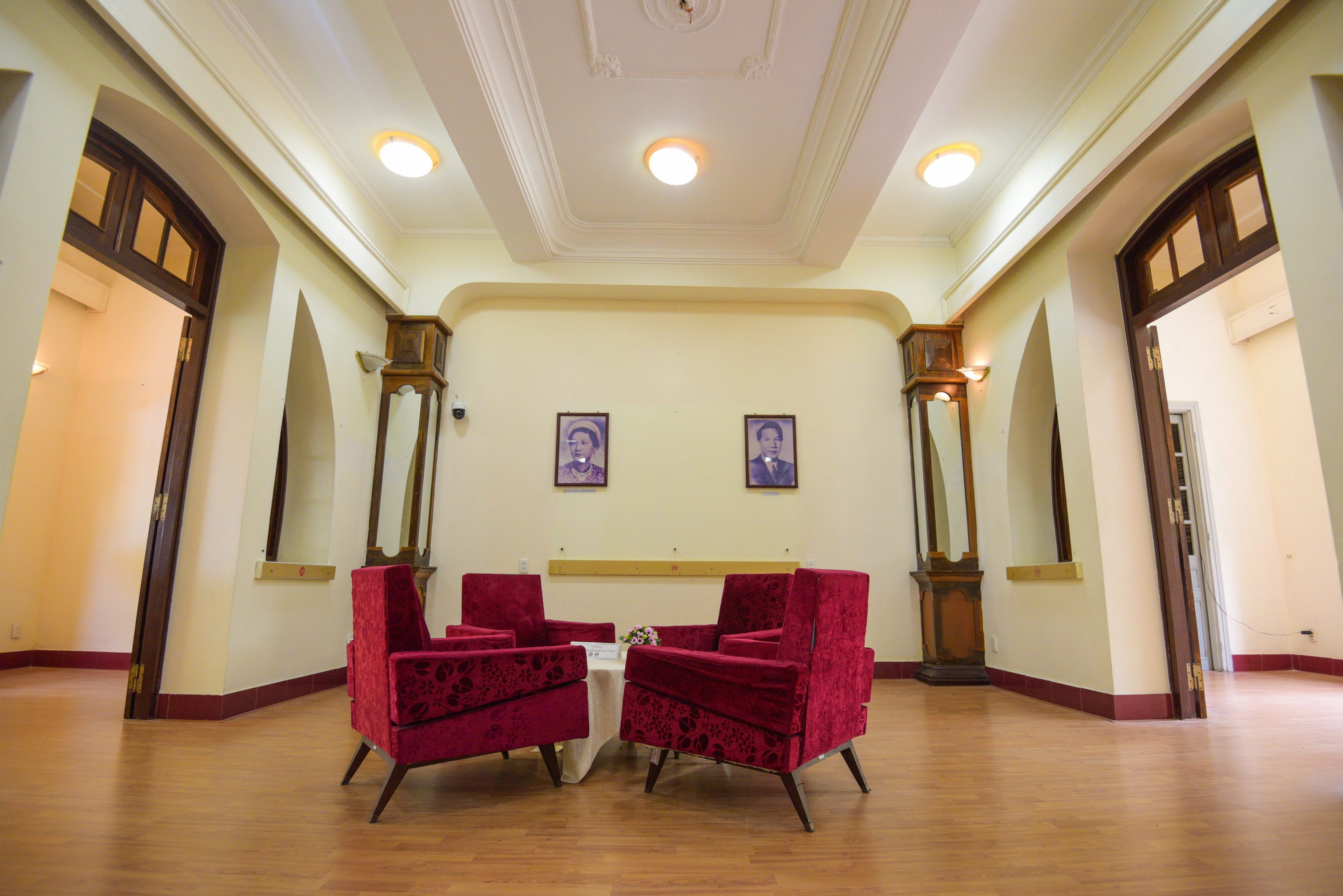
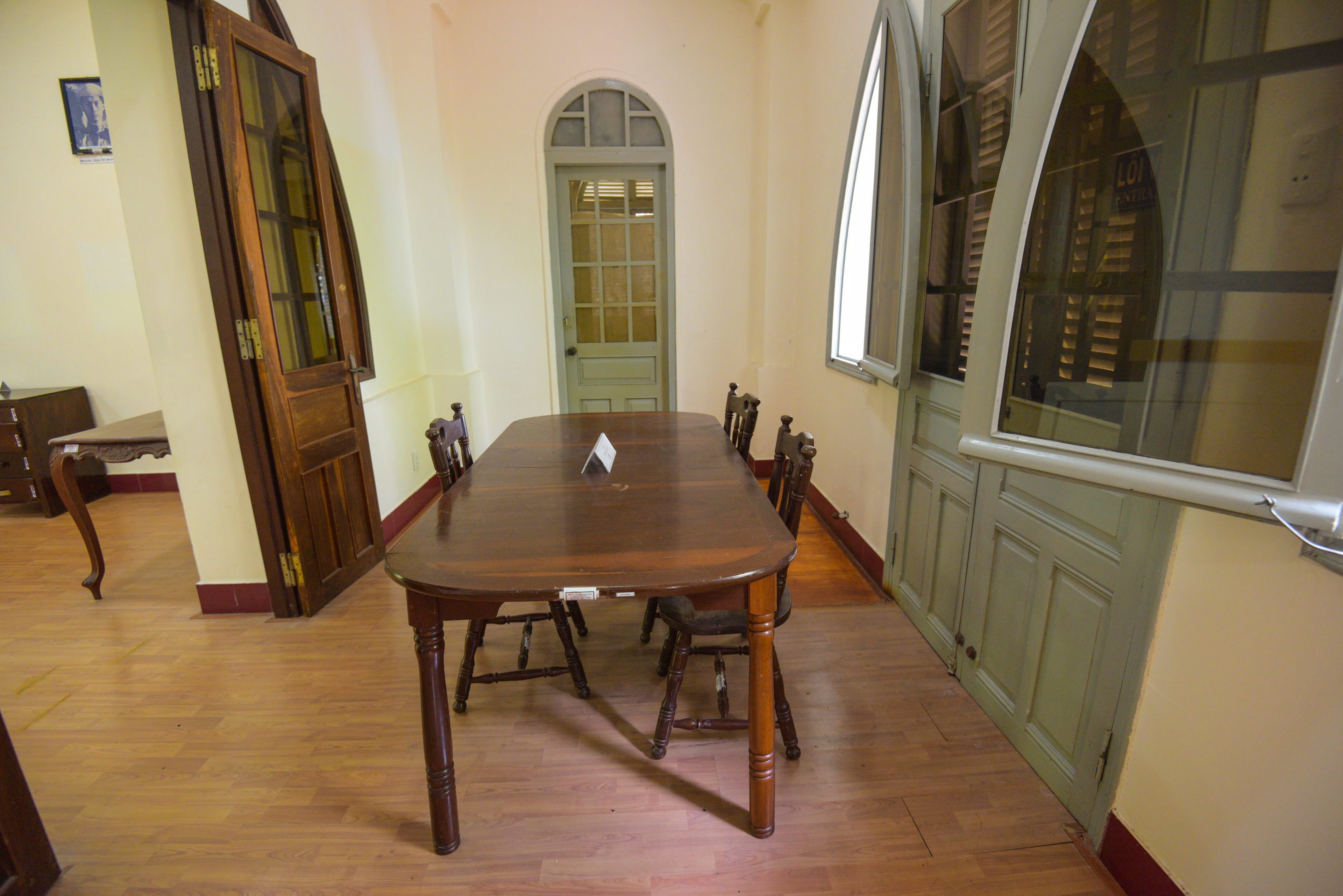
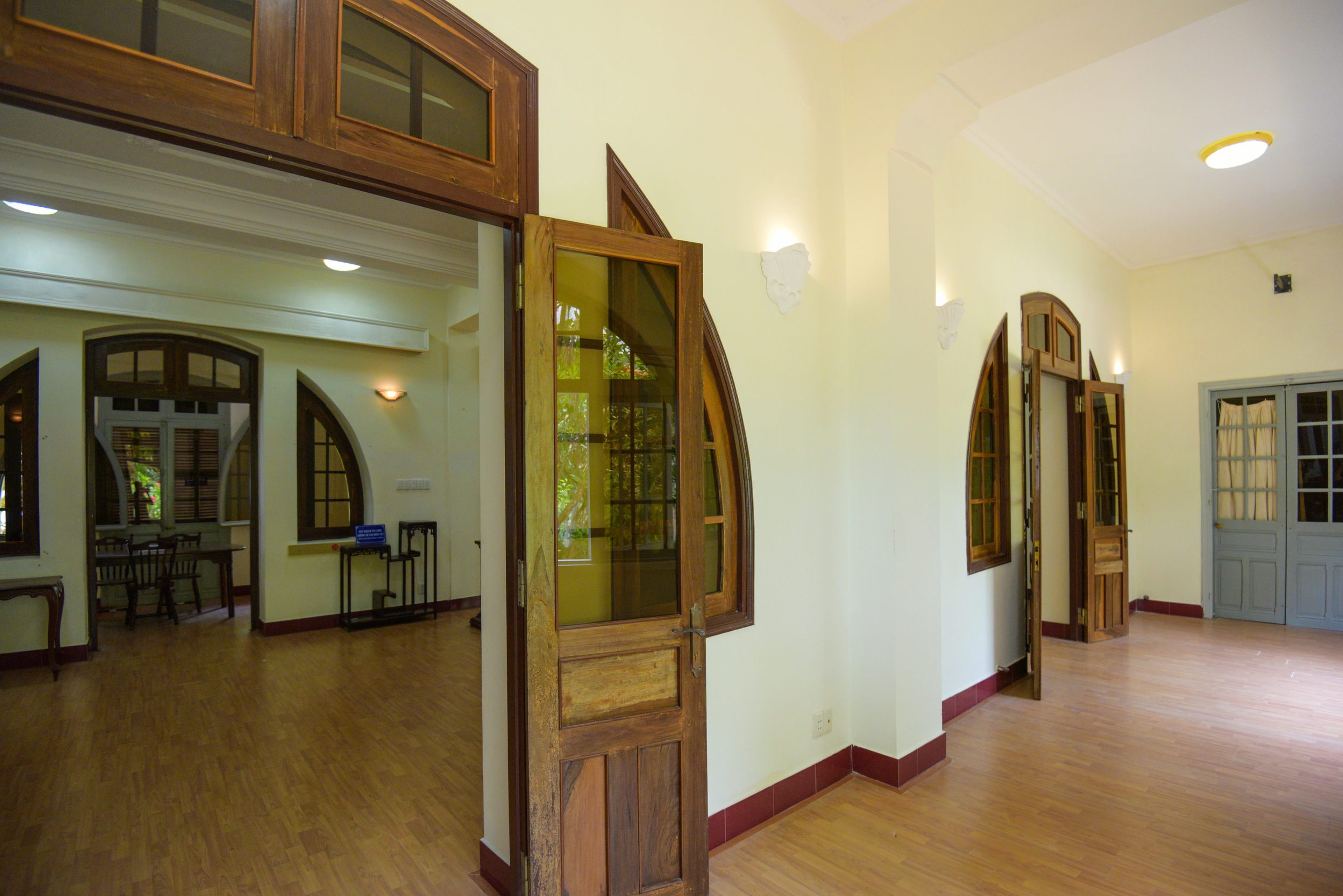
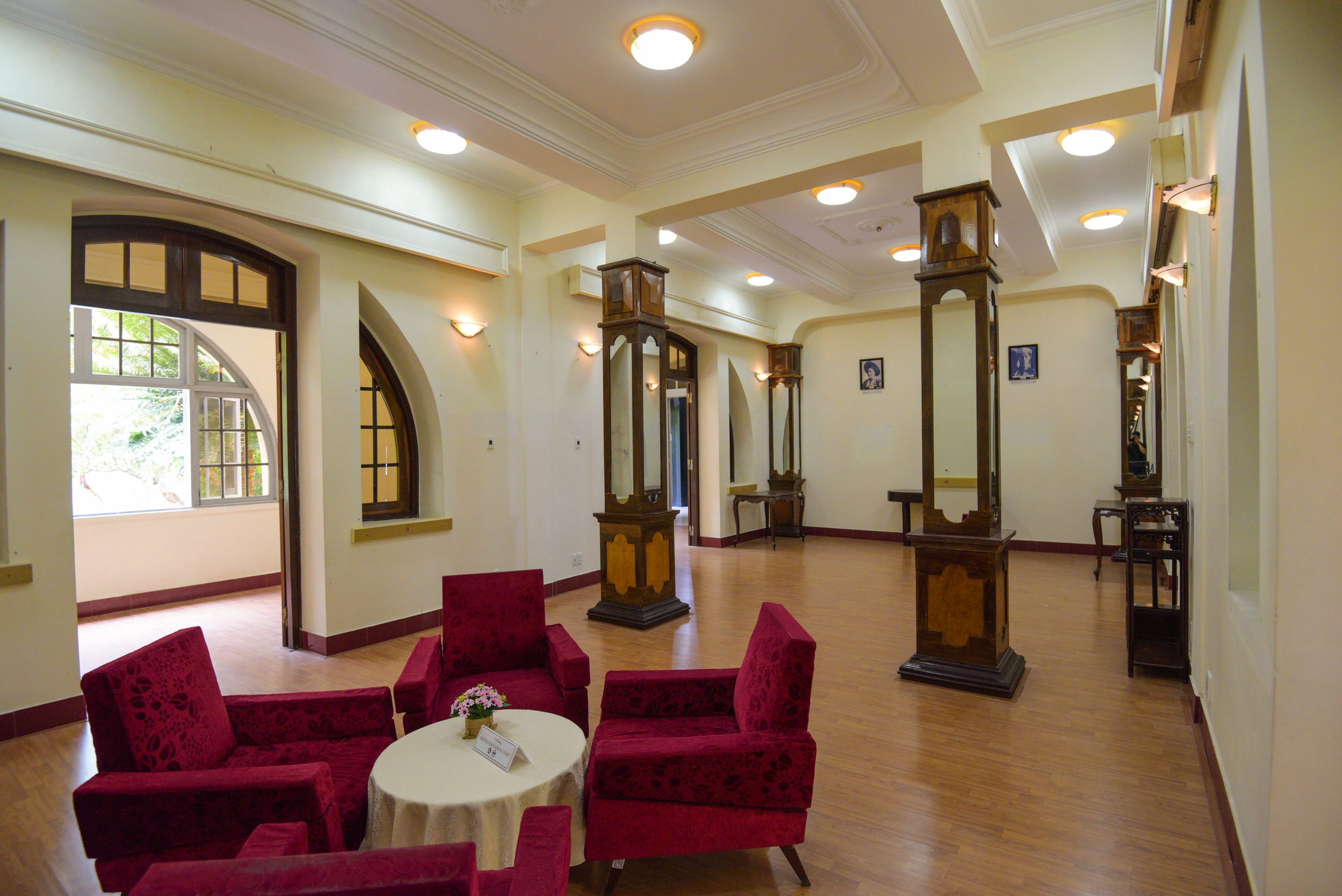
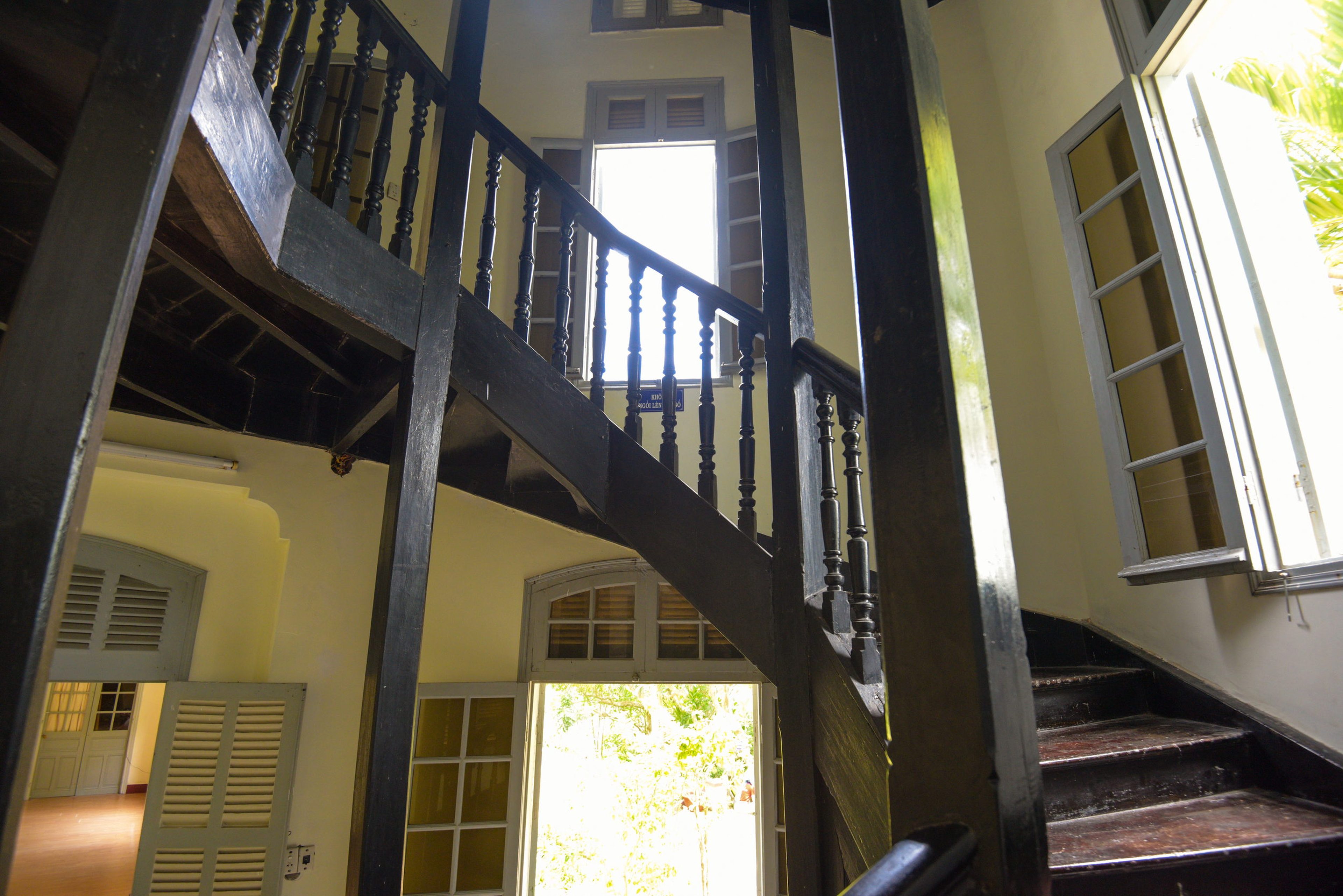
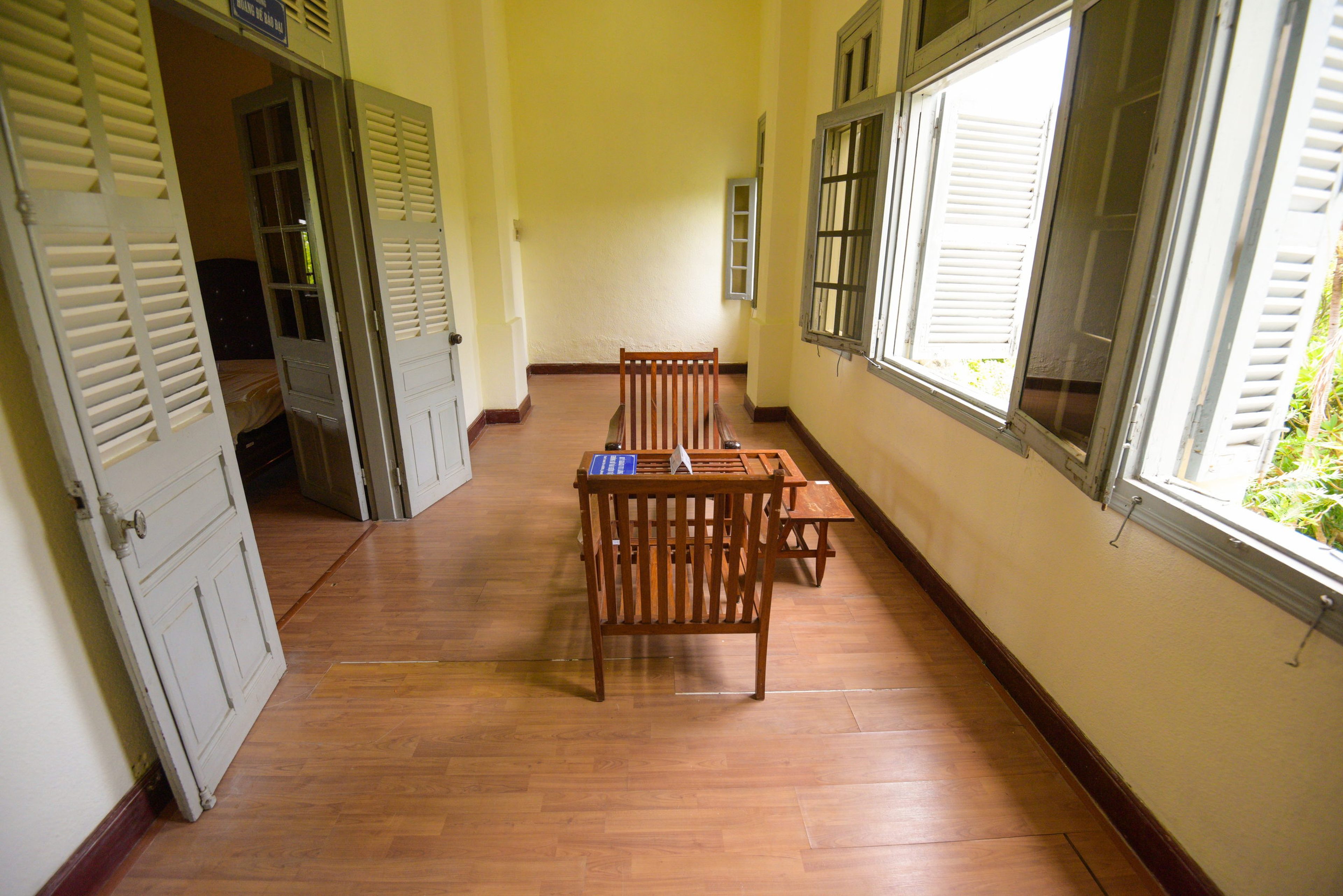
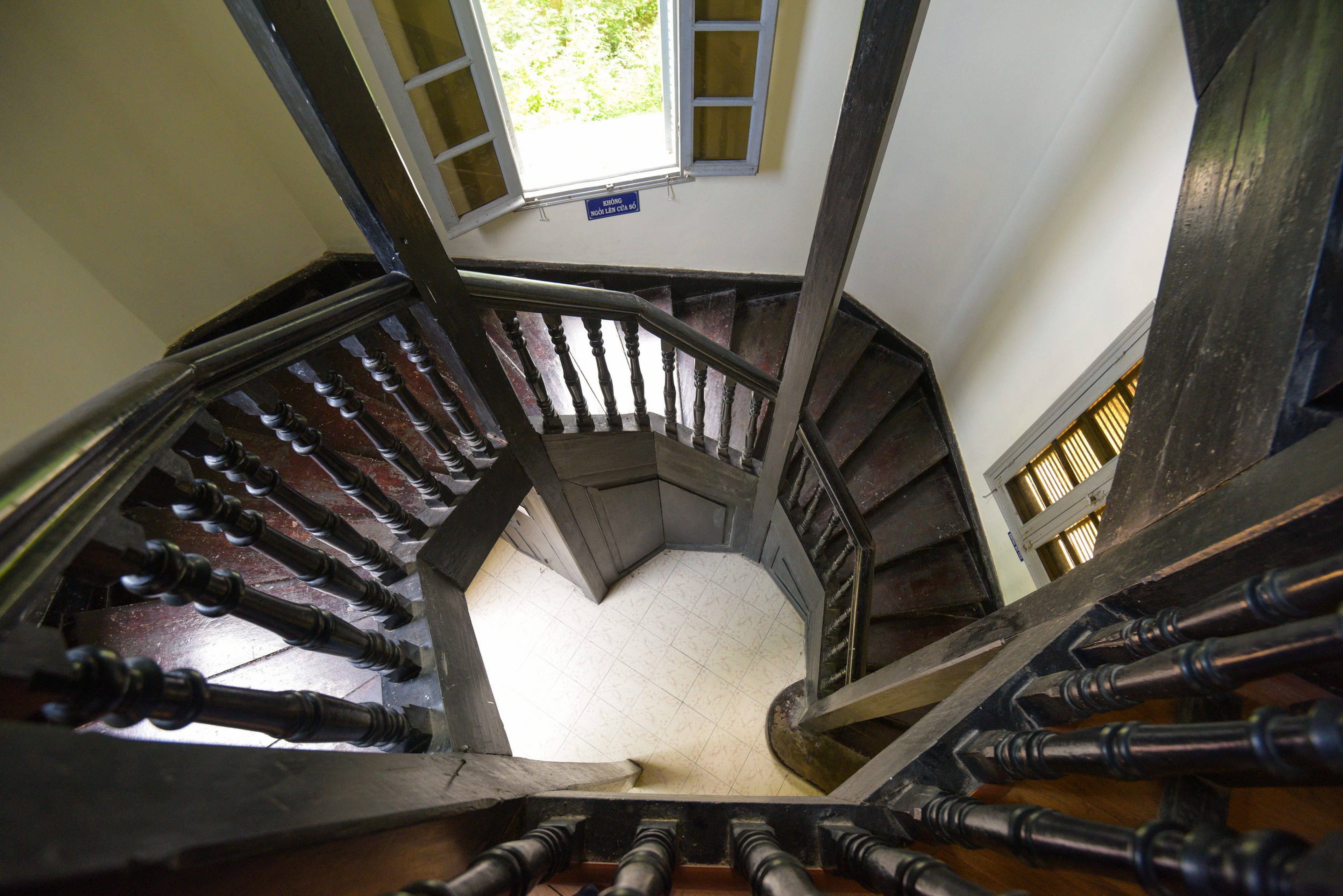
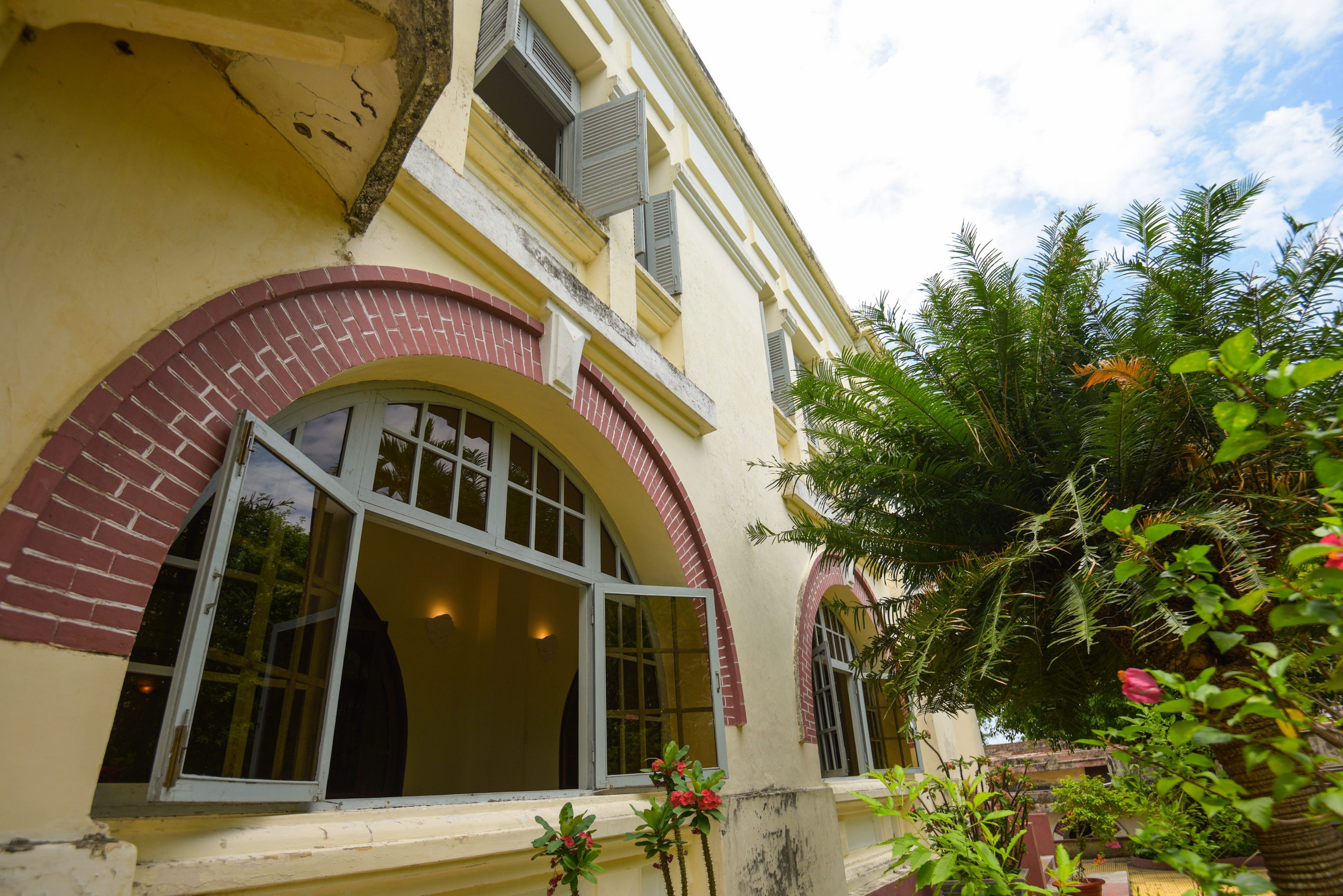
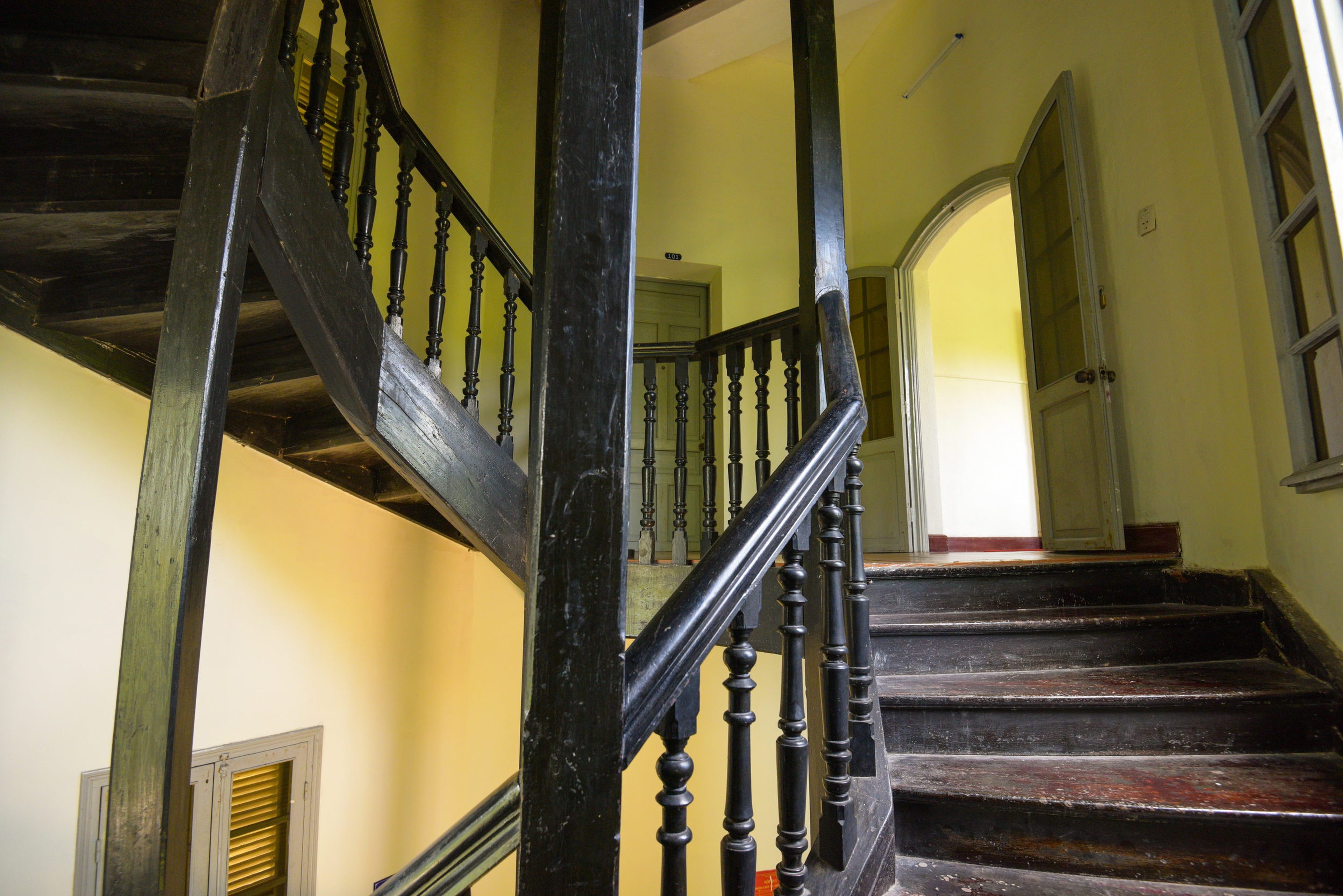
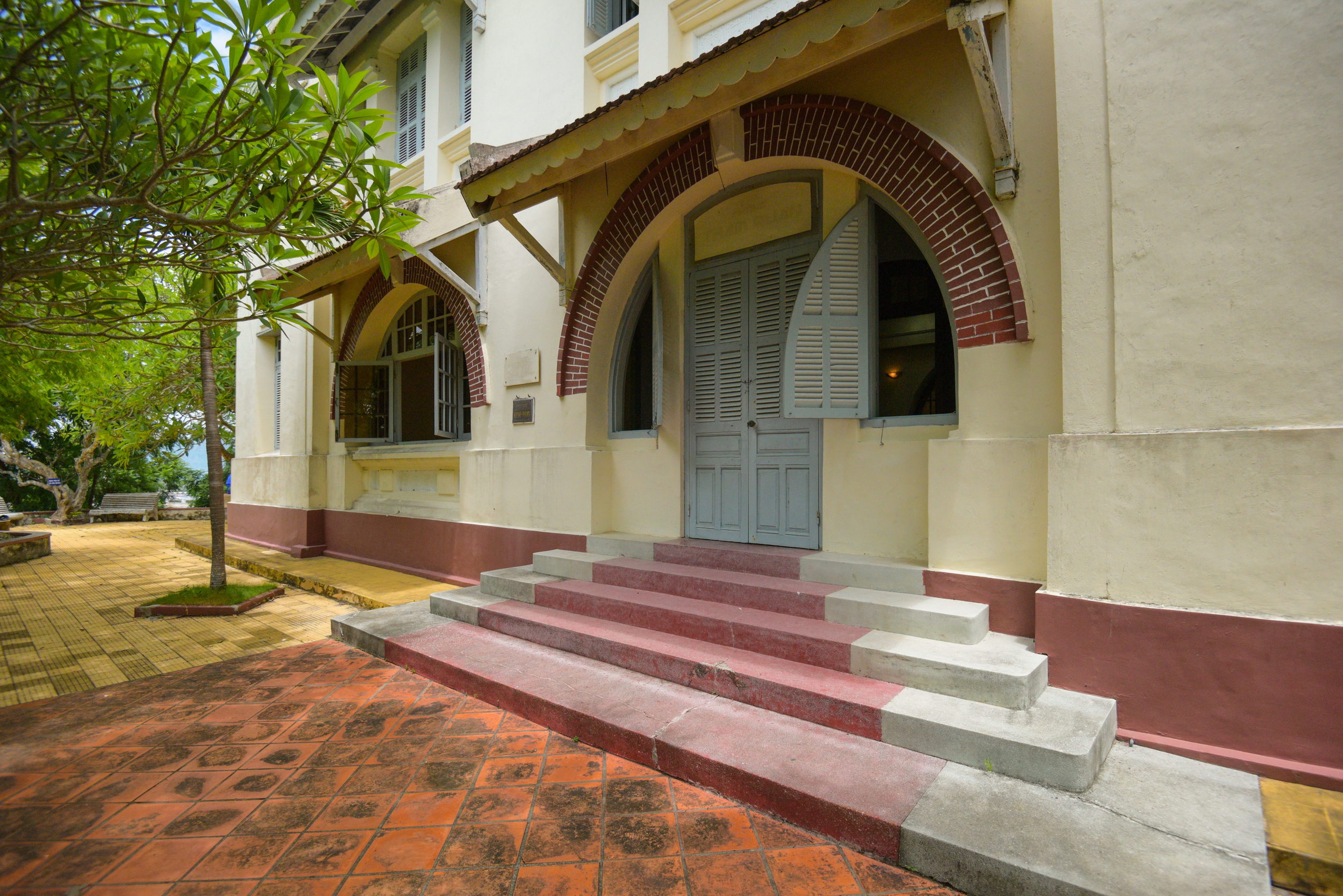
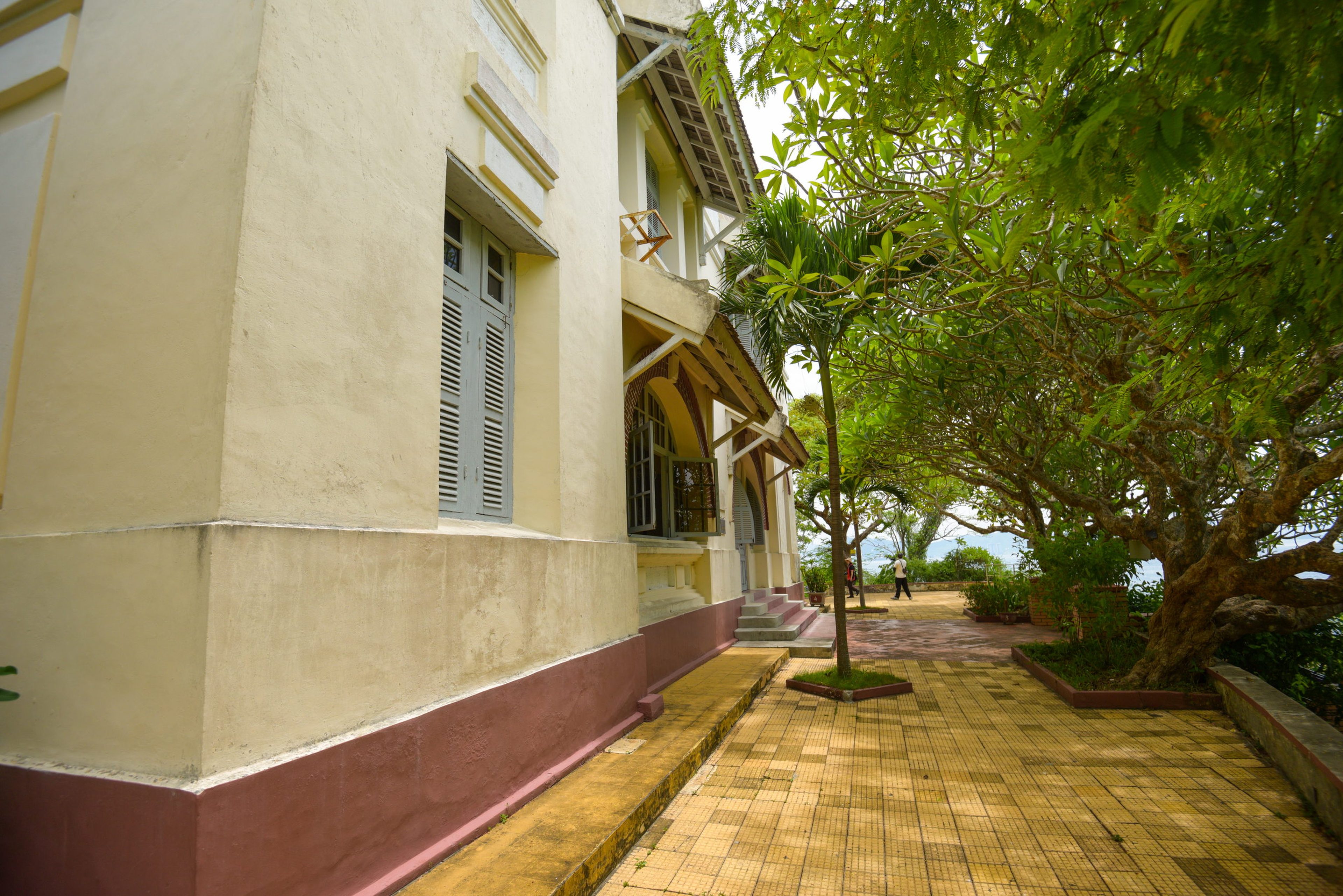
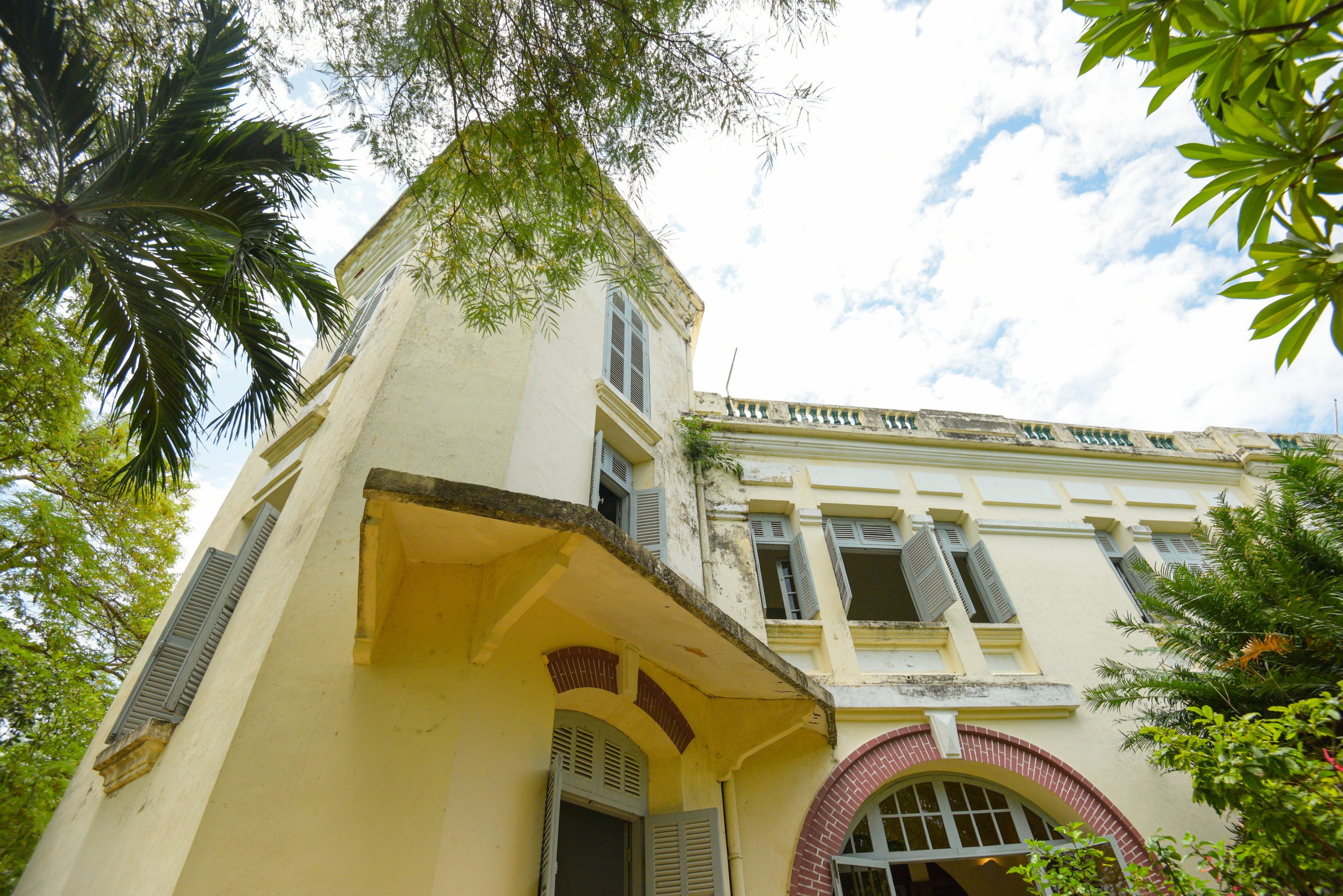
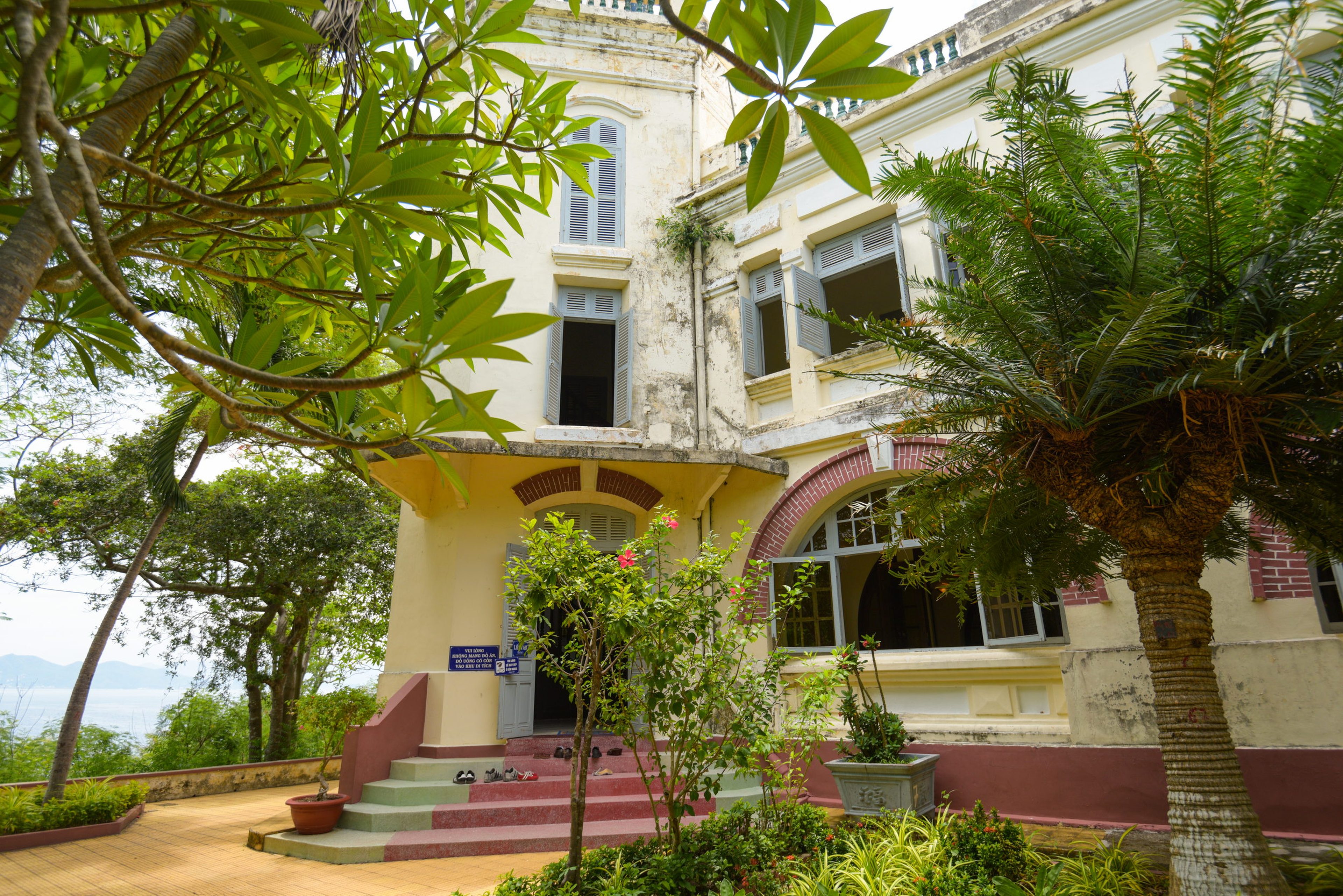
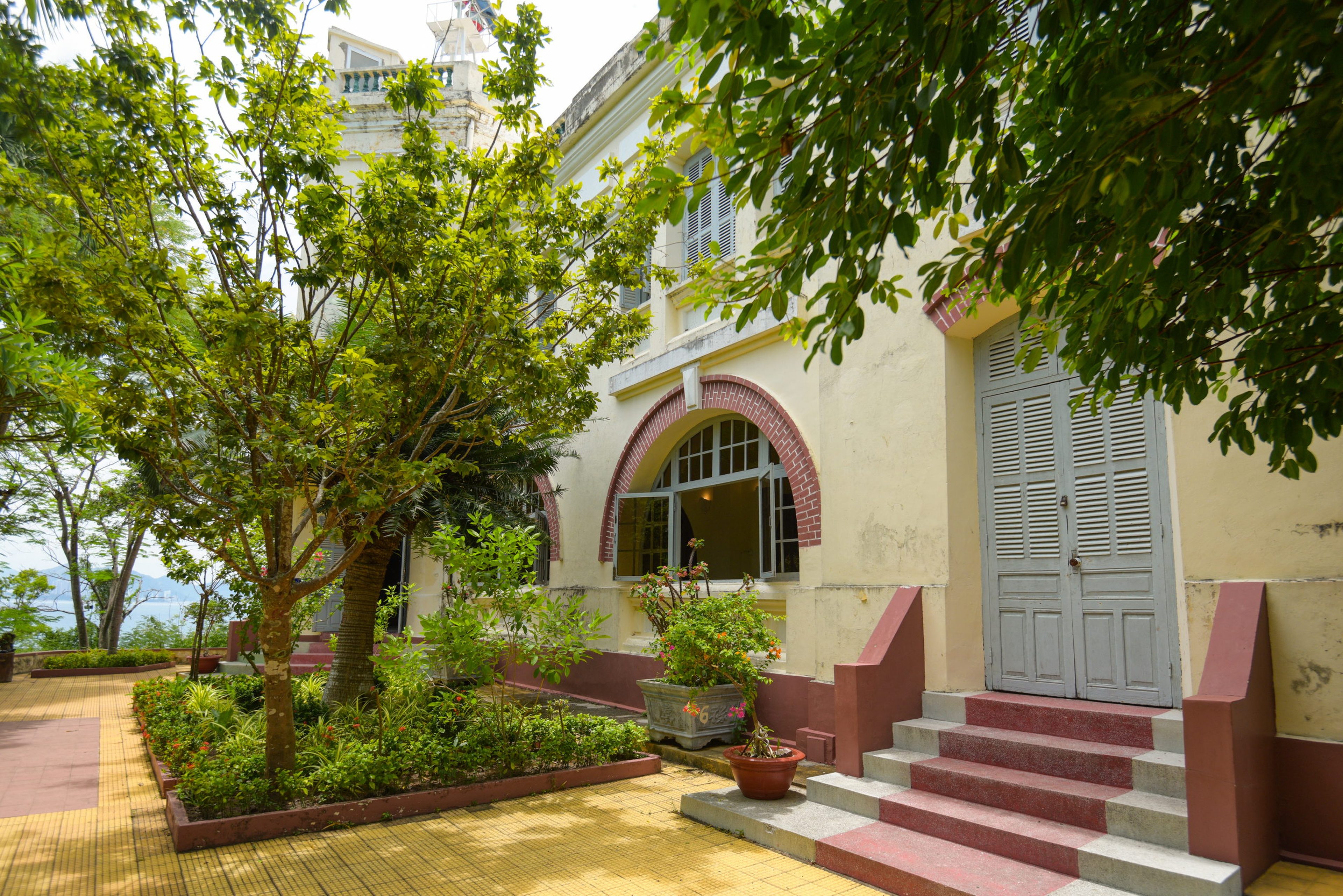
The Cau Da Villas relic is located in the Cau Da area, Nha Trang ward. The Cau Da Villas were built in 1923 on the Cảnh Long mountain spur under the direction of oceanographer Dr. A. Krempt. The villa complex consists of five villas and three office buildings constructed in a European architectural style to serve as the Indochina Oceanographic Institute. The villas were used as living and working quarters for the Institute's staff. The Oceanographic Institute became the largest scientific research facility for marine organisms in Vietnam and Southeast Asia at that time.
.jpg)
The villas were named by the French after the plants and flowers grown within the complex, in order from east to west: The first villa is “Les Agaves” (Agave); the second, “Les Frangipaniers” (Frangipani); the third, “Les Flamboyants” (Royal Poinciana); the fourth, “Les Bouguinvillés” (Bougainvillea); and the fifth, “Les Badamniers” (Tropical Almond). The five villas were named after the five characteristic species of trees planted around each building.
In 1926, when King Bảo Đại ascended the throne, the Agave and Frangipani villas were handed over by the French to the King, which is why the villa complex is referred to by some locals as the Bảo Đại Palace (Lầu Bảo Đại). This was the vacation and recuperation site for the King and Queen whenever they toured the southern region.
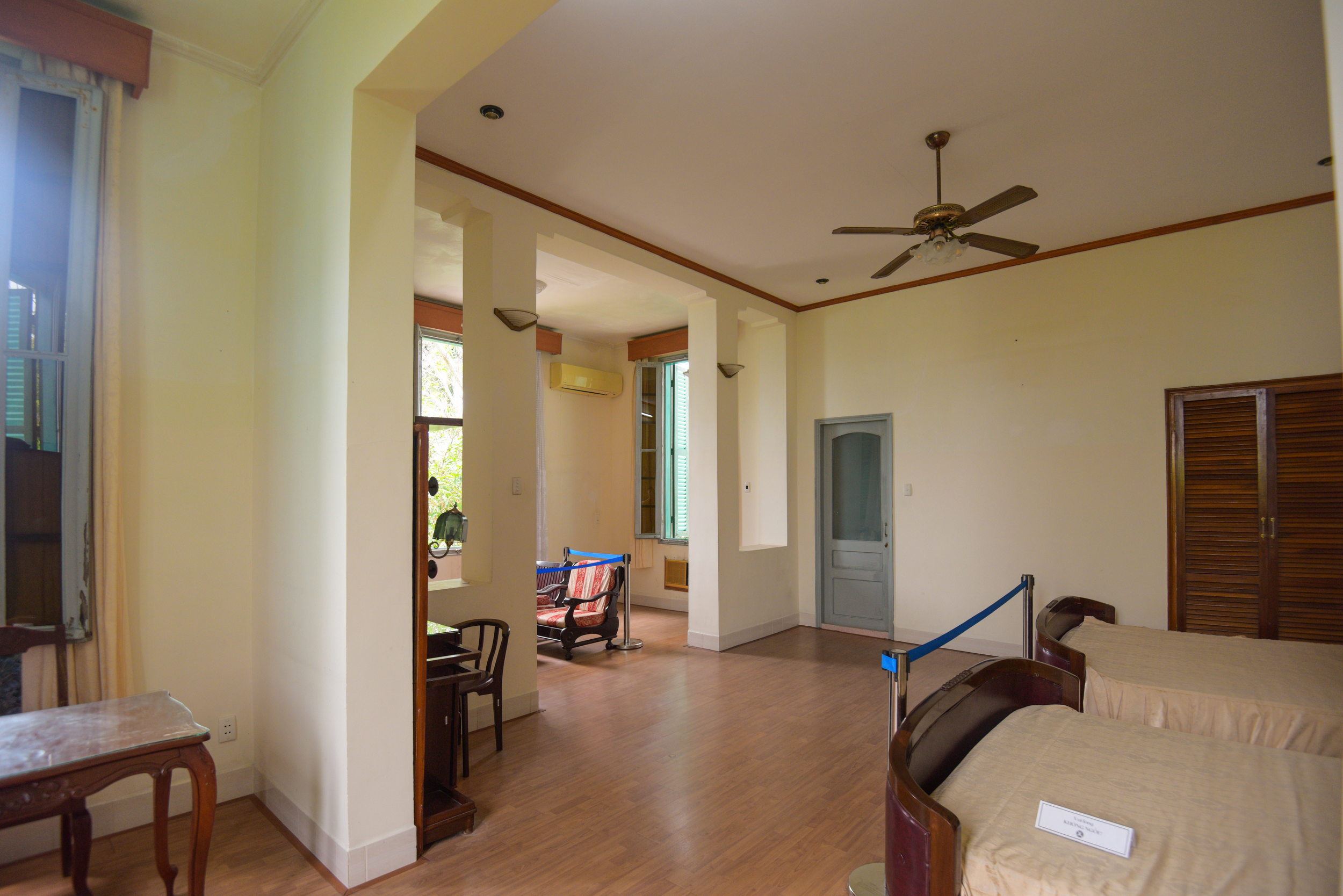
Characteristics of the Cảnh Long mountain landmark
The Cau Da Villas relic is situated on Cảnh Long mountain (Chụt mountain), representing a harmonious blend of natural mountain and sea scenery combined with man-made architectural structures.
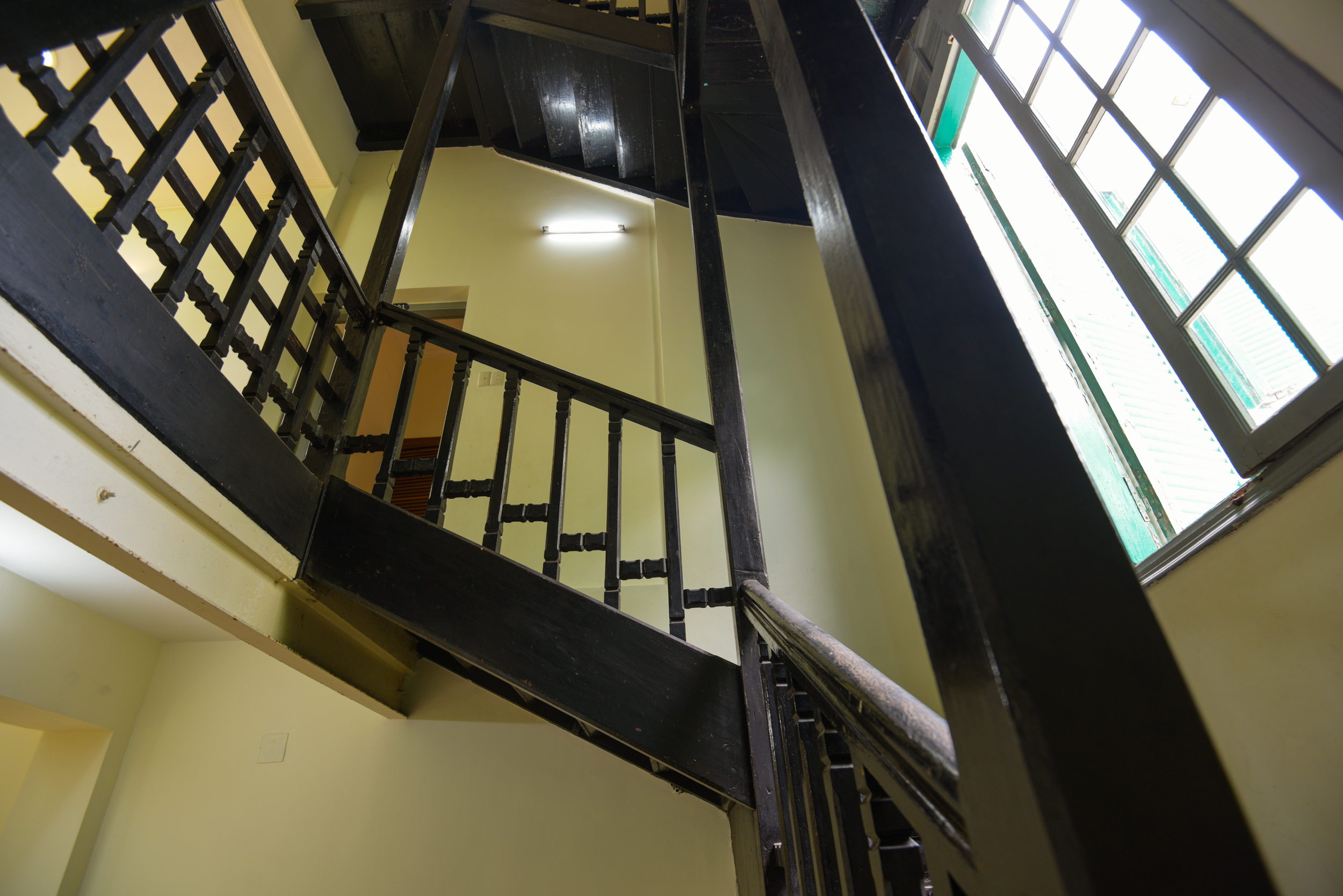
Nha Trang features four mountains known as the “Four tides converge, four animals gather,” which provide spiritual energy to the coastal city. This means the area is surrounded by water on four sides, and the four mountains act like four sacred creatures guarding the vitality of the Nha Trang land. Cảnh Long mountain is the “Blue Dragon Playing in Water,” Hòn Sinh Trung is the “White Elephant Curling around the Lake,” Đồi Trại Thủy is the “Jade Bat Holding a Ring,” and Đồi Hoa Sơn is the “Golden Turtle Carrying a Tower.”
History of the site's formation
The origin of the Cau Da Villas stems from the French selecting Cảnh Long mountain to build a facility for researching natural conditions and fish resources to support the Indochinese fishing industry. On September 14, 1922, the Governor-General of Indochina issued a decision to establish the Indochina Oceanographic and Fisheries Service. The director was Dr. Armand Krempt, a biological researcher. The French built three office buildings on Cảnh Long mountain, closer to the sea, and five villas to serve as living and relaxation quarters for scientists.
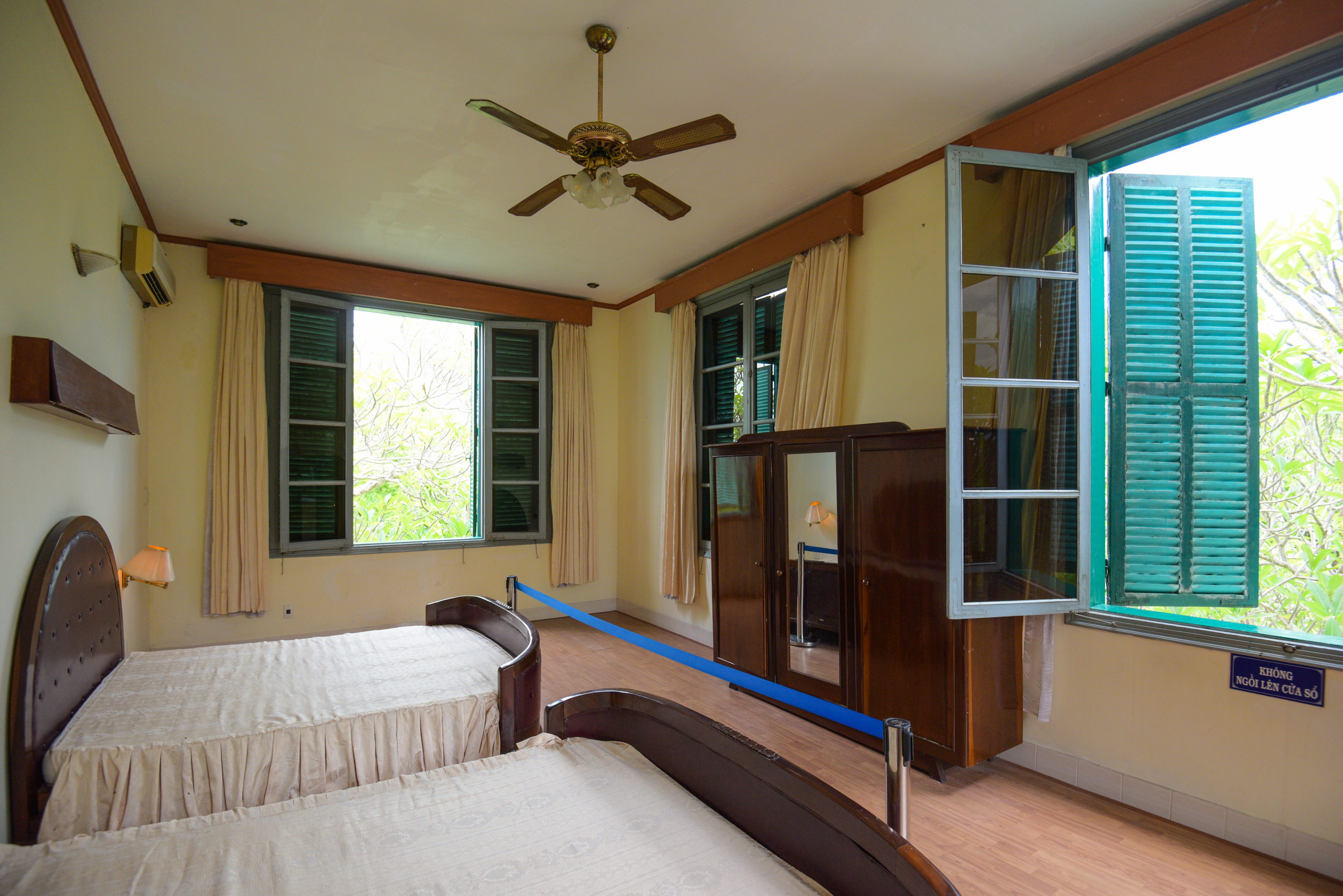
The first person to reside in the Agave villa was Dr. A. Krempt, a French national of German descent. He was also the person who directed the design project for the five villas and three office buildings in the European architectural style.
After Bảo Đại ascended the throne, the French government handed over the Agave and Frangipani villas to serve as a vacation retreat for the King and Queen Nam Phương whenever they toured the South. From then on, the villas were known as the Thừa Lương Palace, according to the terminology used by the Nguyễn dynasty officials. The remaining three villas—Bougainvillea, Tropical Almond, and Royal Poinciana—continued to serve as residences for scientists.
After 1945, the French colonialists returned to invade Vietnam, and the Cau Da Villas were used as a vacation retreat for high-ranking French officers.
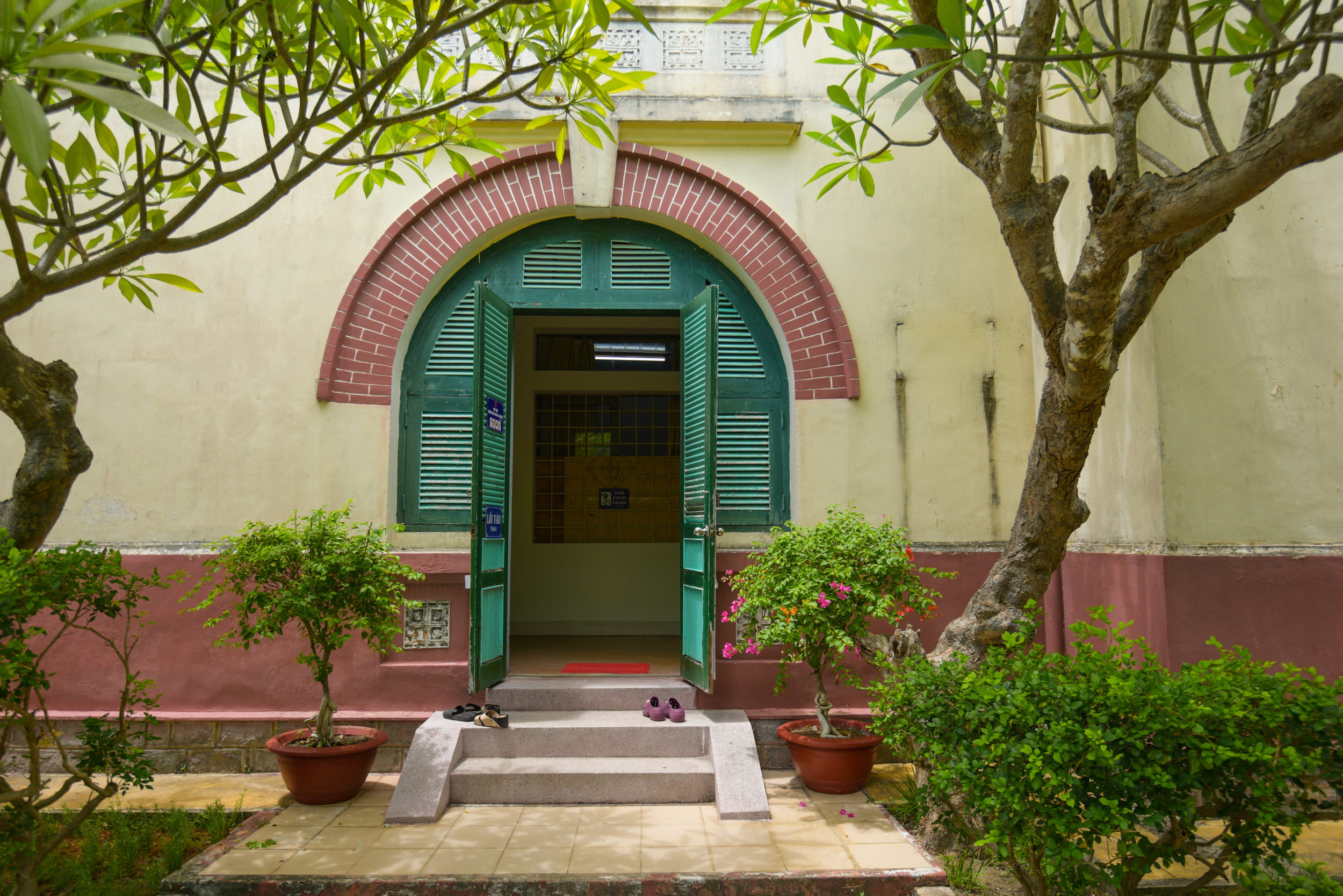
After 1954, the Cau Da Villas were used as a retreat by President Ngô Đình Diệm and his advisor brother Ngô Đình Nhu and his wife. To suit the preferences of Madame Trần Lệ Xuân, two of the villas were renamed: the Agave villa became Nghinh Phong (Welcoming the Wind) and the Frangipani villa became Vọng Nguyệt (Moon Gazing). These names are still referenced today.
In 1975, after the liberation of the South and national reunification, the Cau Da Villas were planned for use as a tourist resort for domestic and international travelers.
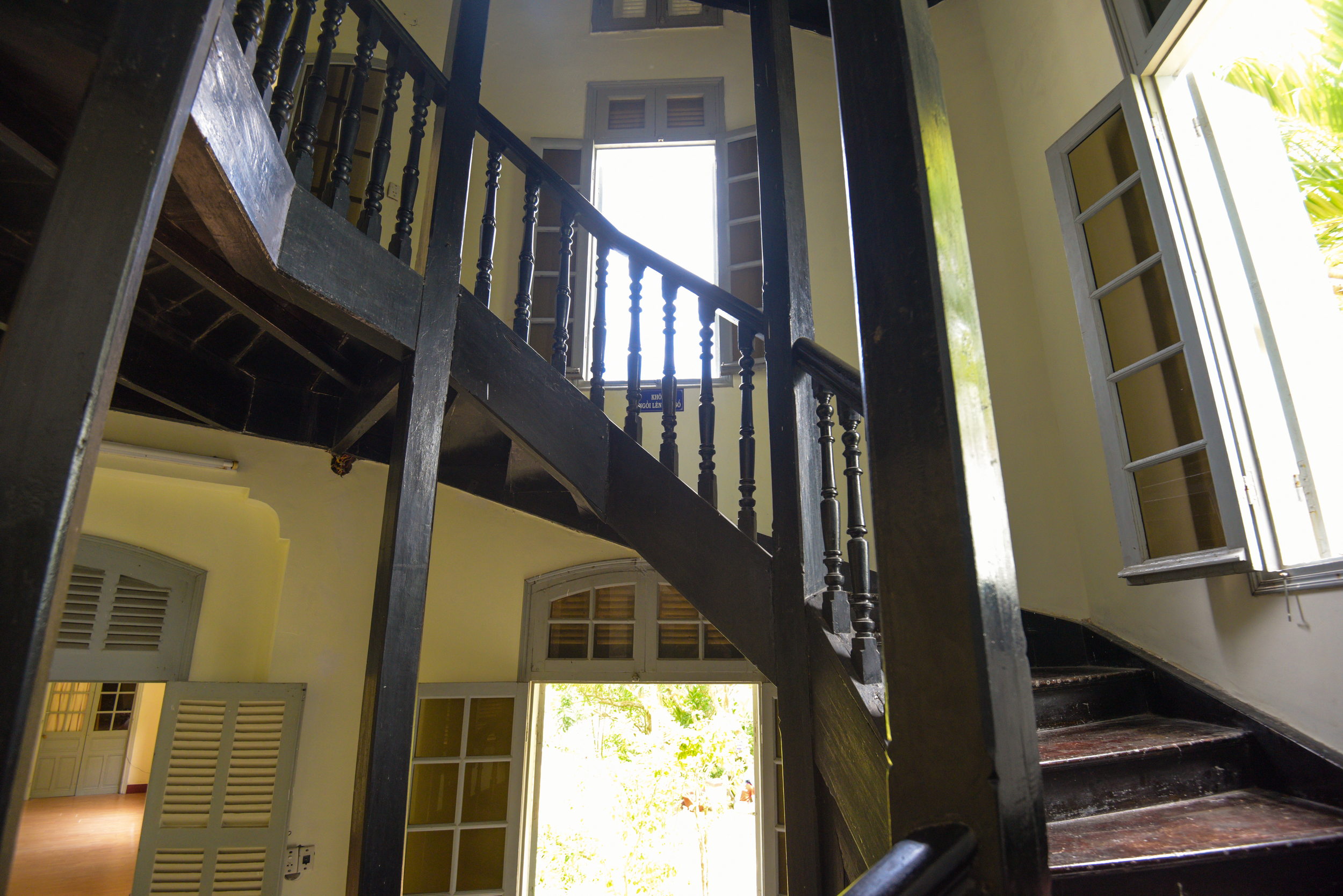
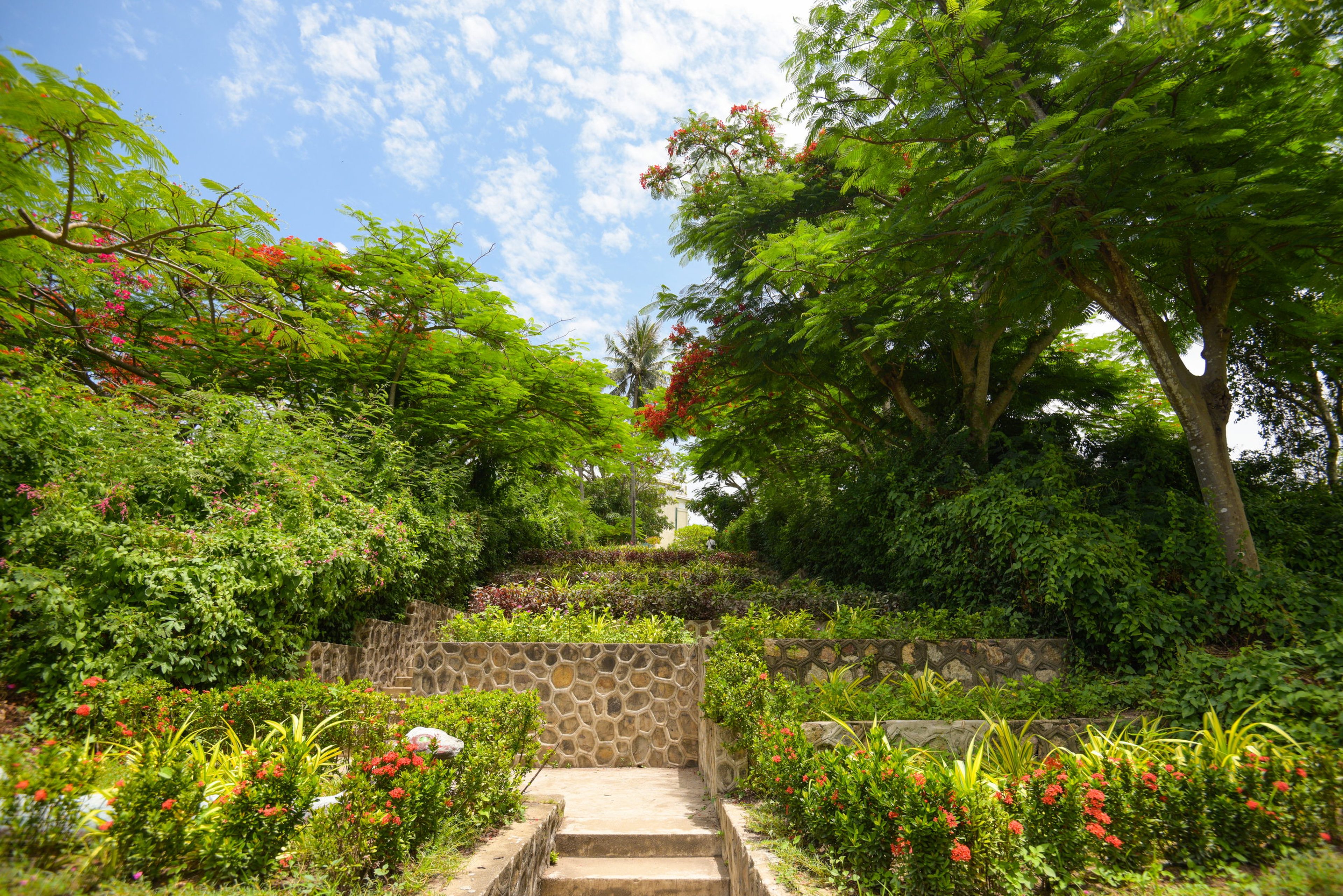
Legend has it that the two villas, Agave and Frangipani, where King Bảo Đại and Queen Nam Phương frequently stayed to vacation and fish, are located on the two furthest mountain spurs to the east of Cảnh Long mountain. These two villas are situated in the most beautiful location within the Cau Da Villas relic complex. Both sides of the paths leading into the villas are decorated with rows of ancient trees, lawns, and gardens, creating a colorful, pristine, and poetic natural landscape.
The Cau Da Villas are artistic architectural works featuring Renaissance European architecture combined with landscape gardening, creating a villa complex that is both antique and romantic. The Cau Da Villas cover an area of 88,744.9m2 and were built at an altitude of approximately 35m above sea level. From here, one can look out over the Nha Trang Bay, with its small islands such as Hòn Rùa, Hòn Nội, Hòn Ngoại, Hòn Tre, Hòn Tằm, and Hòn Mun, as well as the world-famous coastal city that has become the subject of poems, songs, and paintings.
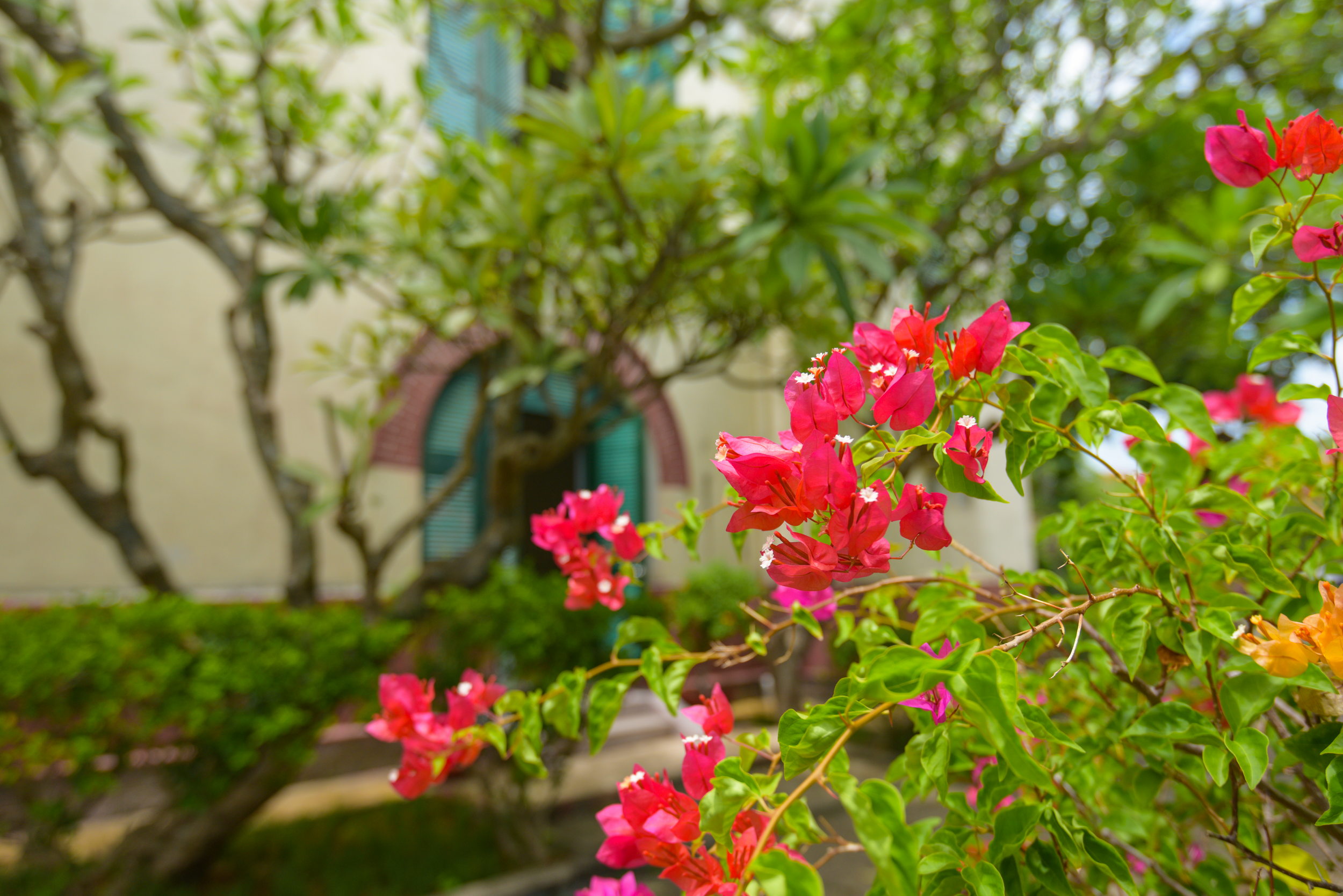
From a distance, the Cau Da Villas appear peeking out from under the canopies of ancient trees, such as the royal poinciana, tropical almond, frangipani, and tamarind. On the hillsides, green lawns are planted and adorned with small flower gardens arranged in clusters.
Agave and Frangipani Villas
The Agave Villa (Nghinh Phong Palace) has a rectangular shape, two stories (one upper, one ground floor), and faces east; the villa's area is 3,277.2m2, with a construction area of 271.9m2. Surrounding the villa is a lush green garden. The entire villa is painted yellow – the characteristic color of French-style architectural works.
The villa has three entrances on the East, West, and South sides: the front facade faces East; the West side has two doors—the door at the Northwest corner typically used for entering, which also leads to the staircase for the first floor, and the door at the Southwest corner; the South door was reserved for servants. All entrances of the villa are designed with quite high arched doorways, a characteristic of French architecture at the time.
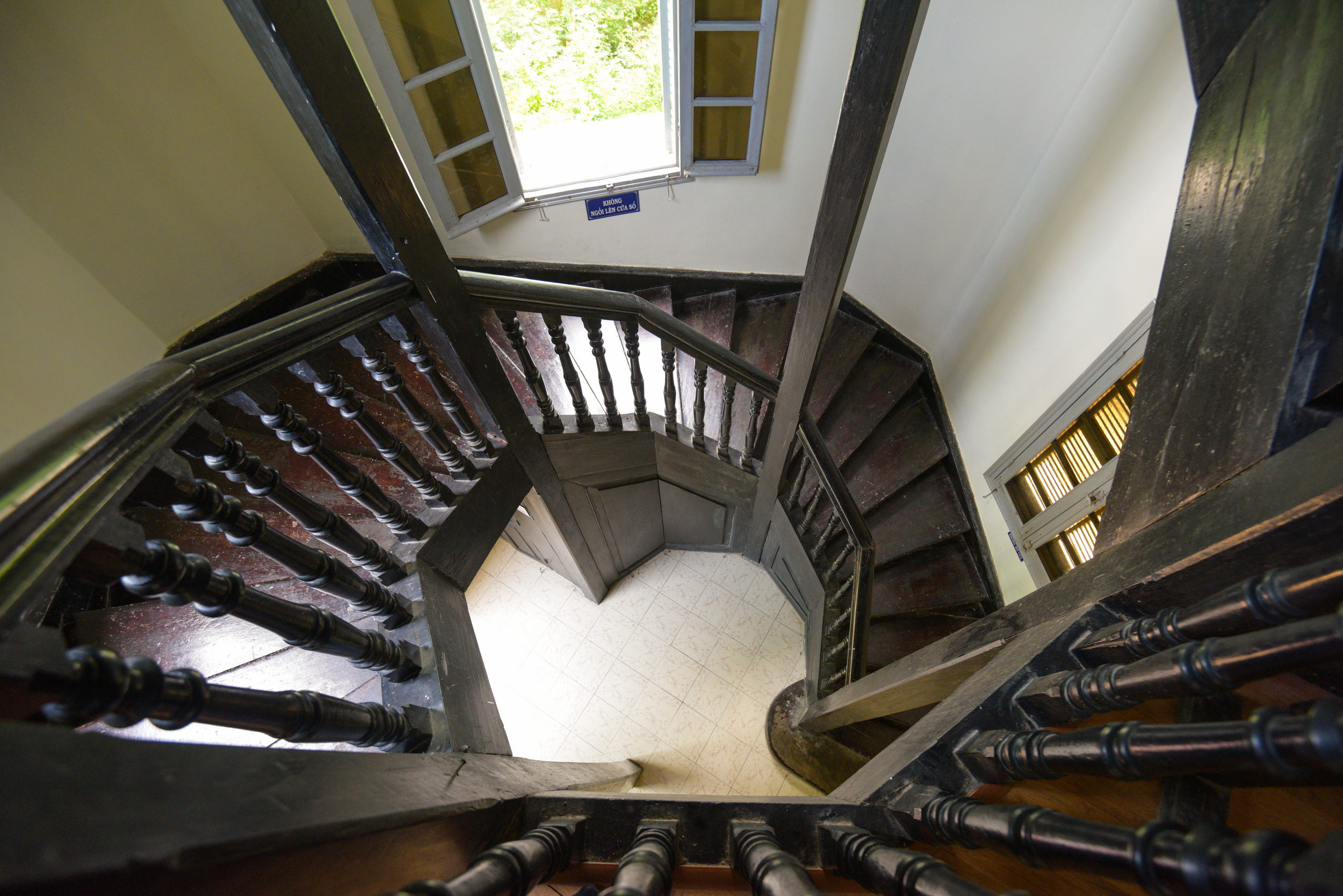
The Frangipani Villa (Vọng Nguyệt Palace) is located on the second hill from the east. The villa has a rectangular shape, with two sides facing North and East so that one can stand from the villa and view the entire Nha Trang Bay and the gentle, poetic coastal city; the villa's area is 5,151.6m2, with a construction area of 237.5m2.
Royal Poinciana, Bougainvillea, and Tropical Almond Villas
In addition to the two villas mentioned above, the relic also includes three villas: Bougainvillea, Royal Poinciana, and Tropical Almond, built on the western mountain spur. When the French handed over the Agave and Frangipani villas to King Bảo Đại, the remaining three villas continued to be used by the engineers of the Indochina Oceanographic Institute.
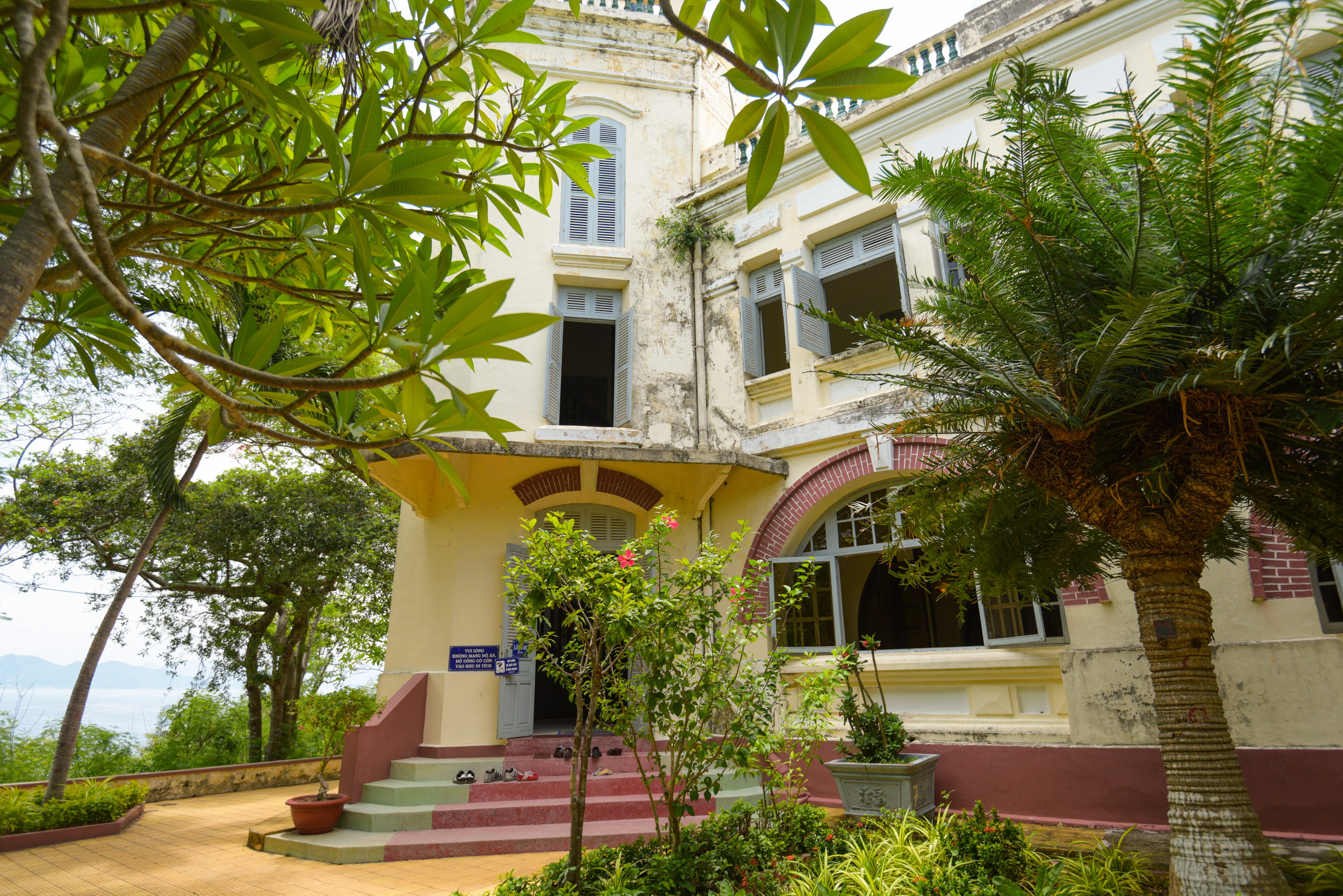
The three villas are built symmetrically in a triangle. Each has a distinct architectural appearance, but they share the commonality of being two-story buildings constructed in the French style with their own separate utility structures.
The Cau Da Villas landmark is a heritage site created from a combination of nature's gifts and human creativity and intellect. The artistic heritage, combined with the natural beauty of Cảnh Long mountain—one of Nha Trang's “Four sacred animals”—and the Nha Trang Bay, has created a landmark famous both domestically and internationally.
Beyond being a famous landmark, the Cau Da Villas served as a vacation retreat for King Bảo Đại and Queen Nam Phương whenever they toured Nha Trang - Khánh Hòa. The Agave and Frangipani villas are linked to a part of the lavish lifestyle of the last emperor of the Nguyễn dynasty - King Bảo Đại.
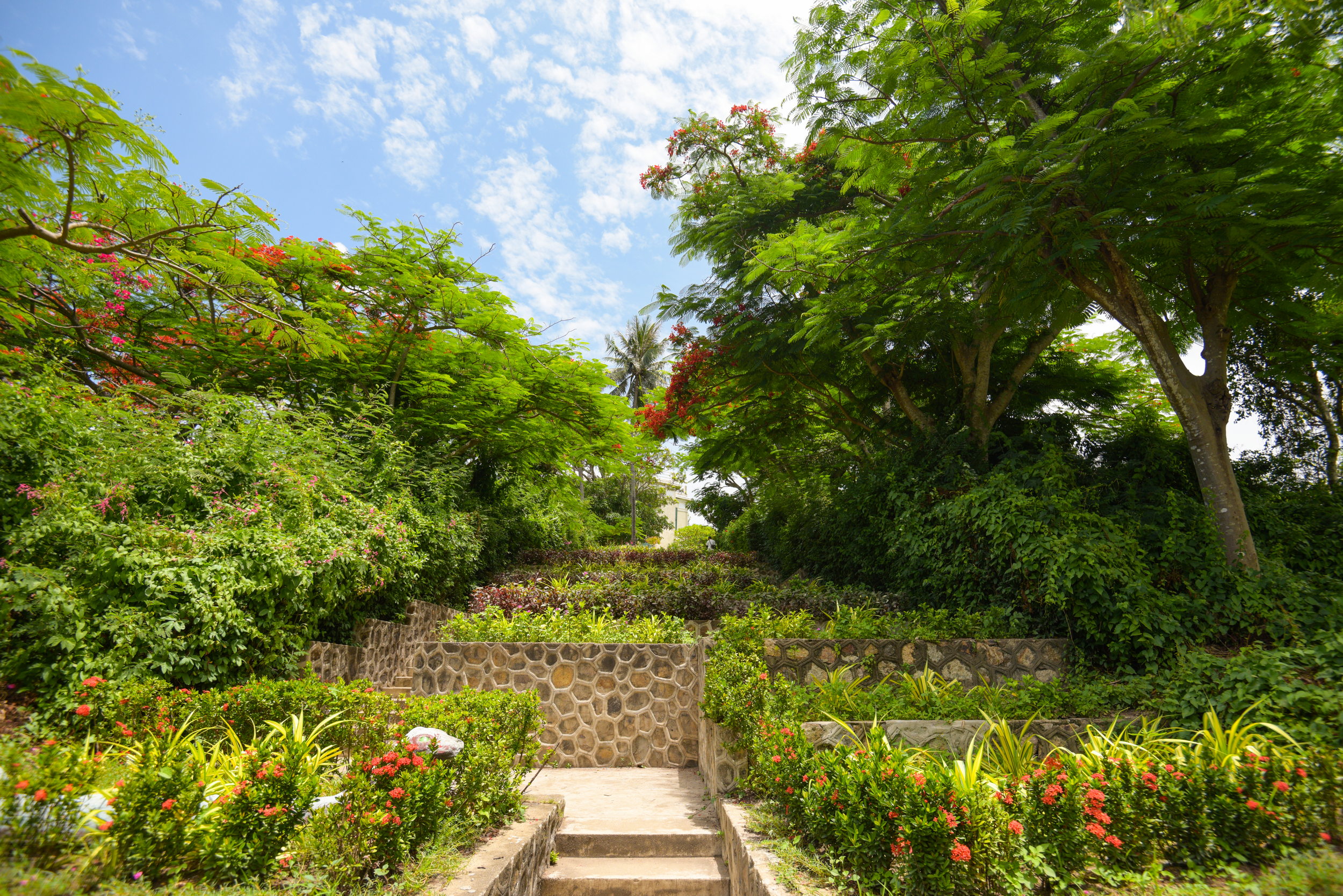
How beautiful is the landscape of Nha Trang,
Those who visit leave their souls dreaming here.
The site is a unique piece of architectural art, harmoniously combining European architectural styles with garden layouts in the traditional Vietnamese style. The Cau Da Villas are among the few remaining Western-style structures built at the beginning of the 20th century still preserved in Nha Trang - Khánh Hòa; they serve as a testament to a period in Vietnam's history and contribute to embellishing the natural scenery along Nha Trang Bay.