




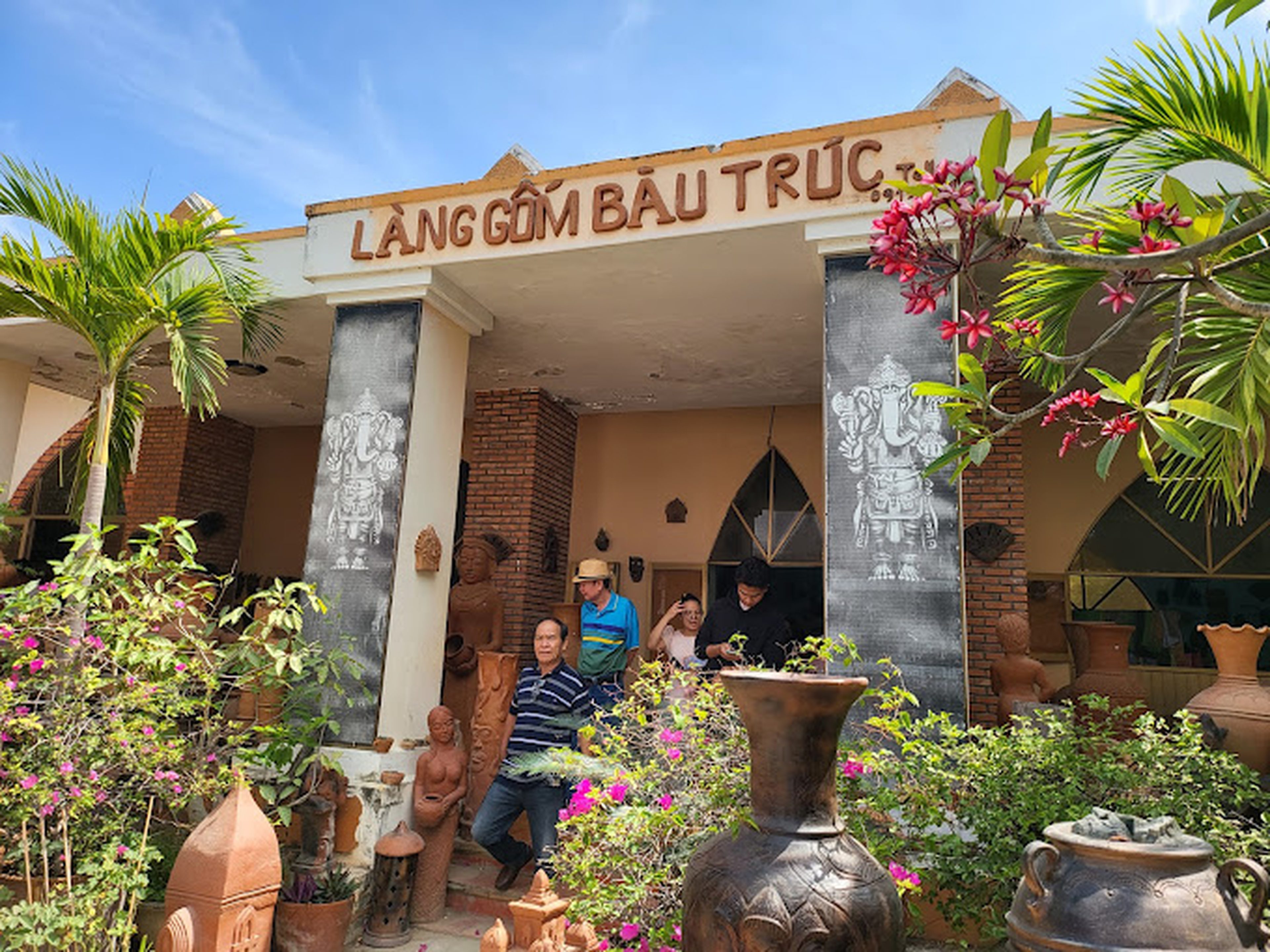
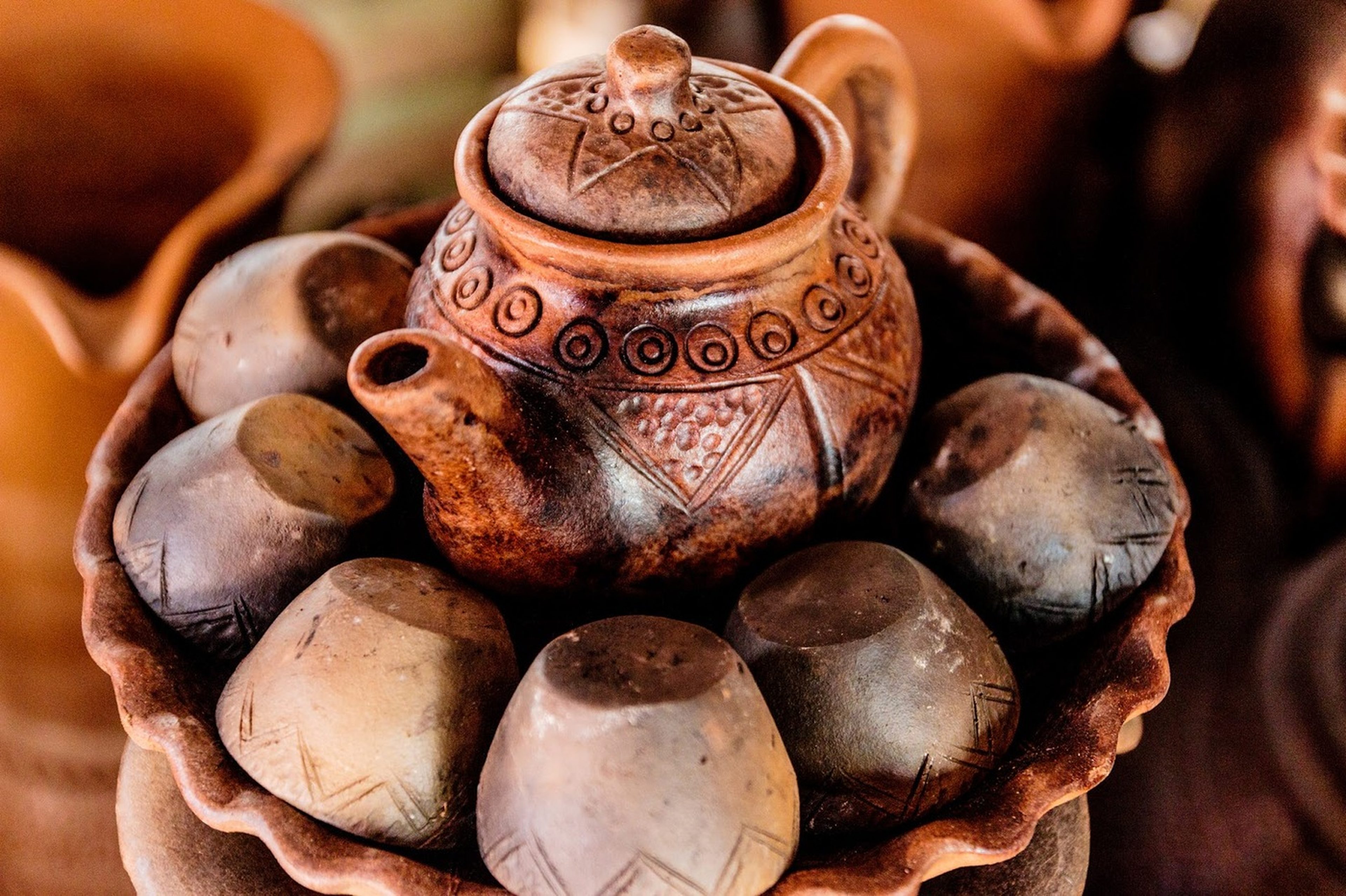
On the map of cultural exploration in the region expanded after the merger, there is a landmark that anyone who loves traditional handicrafts dreams of visiting at least once: the ancient Bau Truc Pottery Village. Located in Phuoc Dan town, Ninh Phuoc district (within the former Ninh Thuan territory), Bau Truc is recognized by heritage researchers as one of the oldest pottery villages in Southeast Asia that has preserved its original manual crafting techniques—a precious intangible cultural heritage listed by UNESCO as needing urgent safeguarding.
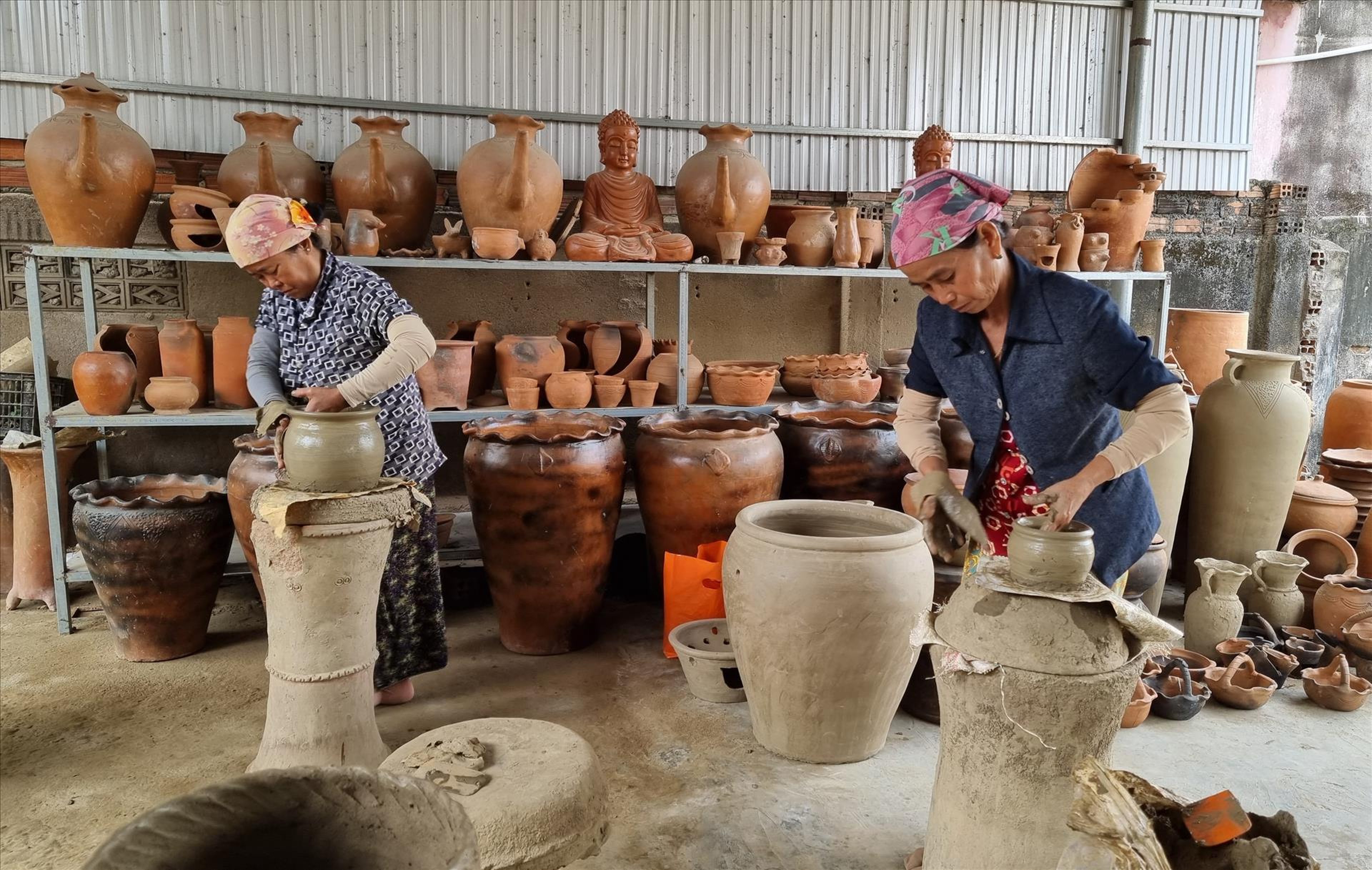
What makes Bau Truc pottery uniquely distinct and groundbreaking compared to all other pottery styles in the world is its "hand-turned, body-moved" molding technique. In other pottery villages, artisans sit in one spot and use their feet to spin a potter's wheel to shape the clay. But in Bau Truc, the Cham women do not use a wheel at all. They place the lump of clay on a fixed pedestal and then walk backwards around it, using their skilled hands to smooth, pinch, and shape the vase or jar through the rhythmic movement of their entire bodies. Witnessing the moment an artisan weaves a form for the clay with footsteps that circle around like a dance, you will truly understand the wonder of this handicraft.
River clay and the art of wind-firing
The main material used to make Bau Truc pottery is a special type of clay harvested from the banks of the Quao River. The clay here possesses excellent plasticity and high heat resistance; locals bring it home to break it into small pieces, filter it thoroughly, and then mix it with fine sand according to a secret ratio passed down through generations. It is this natural mother-earth source that gives Bau Truc pottery its rustic, raw, and enduring character.
The unique firing process in Bau Truc:
-
No closed kiln: Pottery is arranged in the open air on a large outdoor courtyard.
-
Using straw and dry wood: People cover the pile of pottery with wood, rice husks, and dry straw, then ignite it to fire using only the natural wind.
-
Natural coloring: After firing, while the pottery is still hot, it is sprayed with a water extract made from forest tree bark (such as persimmon or chestnut) to create unique, swirling patterns of red, brown, and charcoal gray on the product's surface.
Because of this unique open-air firing method, every Bau Truc pottery item is a one-of-a-kind masterpiece in the world. You will never find two vases with identical swirling patterns. Every dark smudge from the wood smoke and every reddish-pink streak from the flames are spontaneous strokes of nature and the Central region's wind, giving the product an authentic beauty that breathes with the spirit of its ancestral land.
A guide for mindful travelers visiting the craft village
The ideal time to visit Bau Truc Pottery Village is in the afternoon between 2:00 PM and 4:00 PM. This is when the village artisans usually gather to work on their porches or in family workshops, and the village space becomes lively with the sounds of clay being beaten and the laughter and conversation of neighbors.
When you arrive, you can leisurely stroll through the narrow village paths and visit the local family pottery workshops. Be proactive and polite in asking for permission before taking photos of artisans at work. The people of Bau Truc are gentle and hospitable; they are always ready to stop for a moment to explain the pottery-making process to you, and may even enthusiastically guide you on how to knead the clay yourself or try shaping a small item to experience what it feels like to be a real potter. A cultural check-in trip to Bau Truc Pottery Village will surely provide you with precious knowledge, helping you further understand the resilient history of the Cham people in keeping their craft alive through all the ups and downs of time.